

So where exactly is Nueva Segovia?
In 1581, the pueblo of Nueva Segovia was founded by the Spanish colonizers. It was, however, nowhere near Vigan. It was founded in Cagayan to what is now the present-day town of Lal-lo. In 1595, Pope Clement VIII through the papal bull Super Specula Militantis Ecclesia elevated the then-Diocese of Manila into an archdiocese, thereby establishing three suffragan dioceses: Cebu, Nueva Caceres and Nueva Segovia.
Nueva Segovia, however, was constantly being inundated by the waters of Rio Grande de Cagayan. In 1758, the see was moved to Villa Fernandina de Vigan. The archdiocese, however, took its name with it. Nueva Segovia in Cagayan was eventually renamed back to Lal-lo. Cagayan will eventually be under its own diocese, the Diocese of Tuguegarao, which would thereafter be elevated into an archdiocese.
Dedicated to the conversion of St. Paul, the present-day cathedral of the Archdiocese of Nueva Segovia is the fourth edifice, constructed between 1790 to 1800. Its structure is distinctively Seismic Baroque which was common in churches in Spanish East Indies. It was unfortunate though that the cathedral and its bell tower were cordoned off from the public due to the damages it incurred from the 2022 magnitude 7.0 earthquake that affected parts of Northern Luzon.

The freestanding bell tower of the Vigan Cathedral with visible earthquake damages.

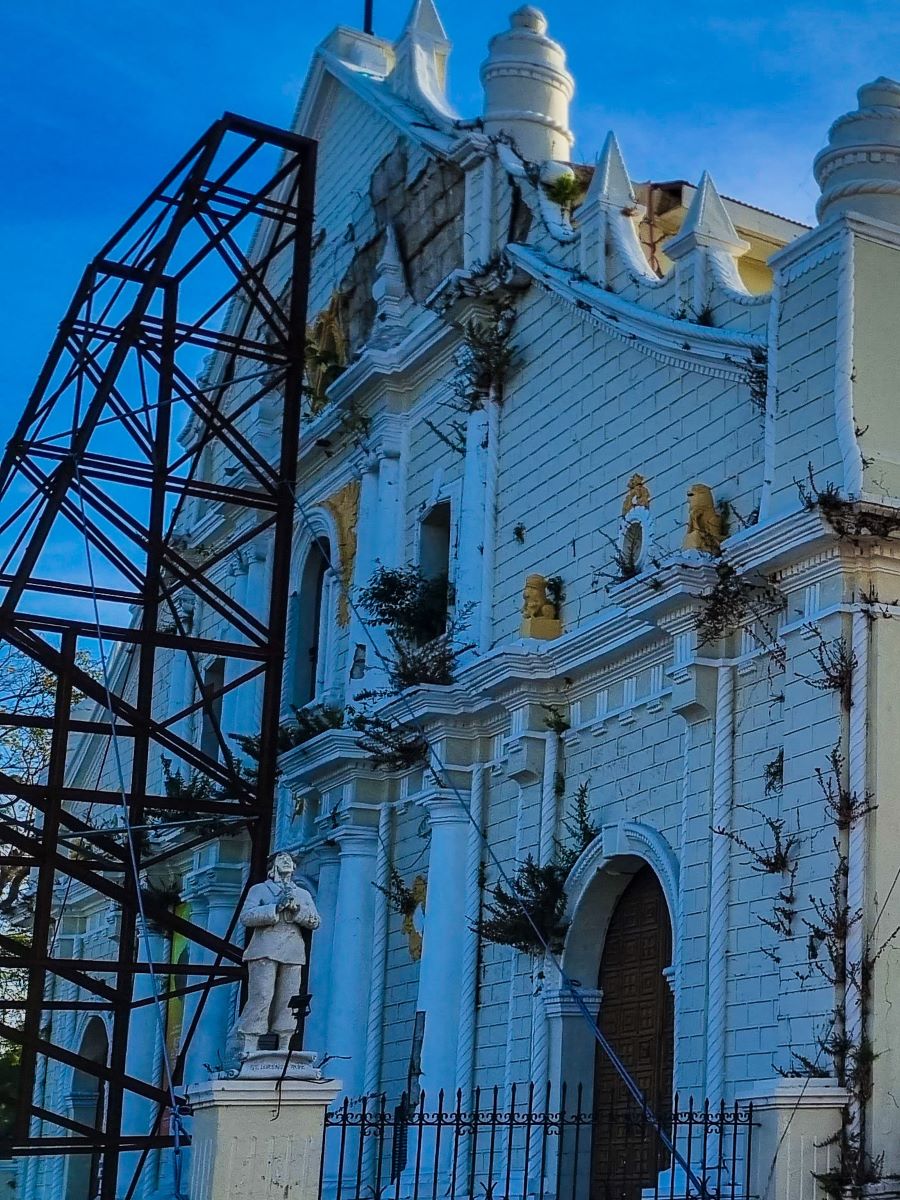
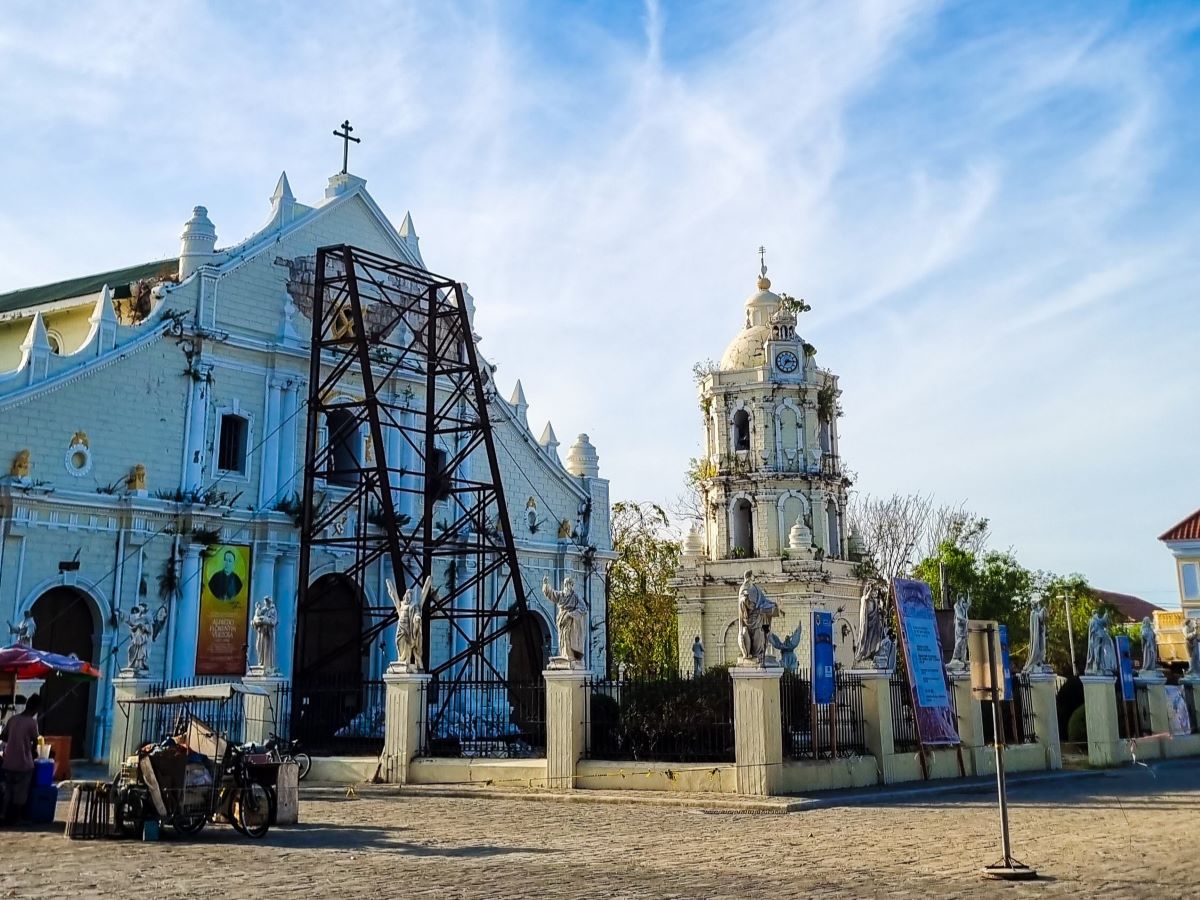
The damages incurred by the church was extensive, it had to be cordoned off.
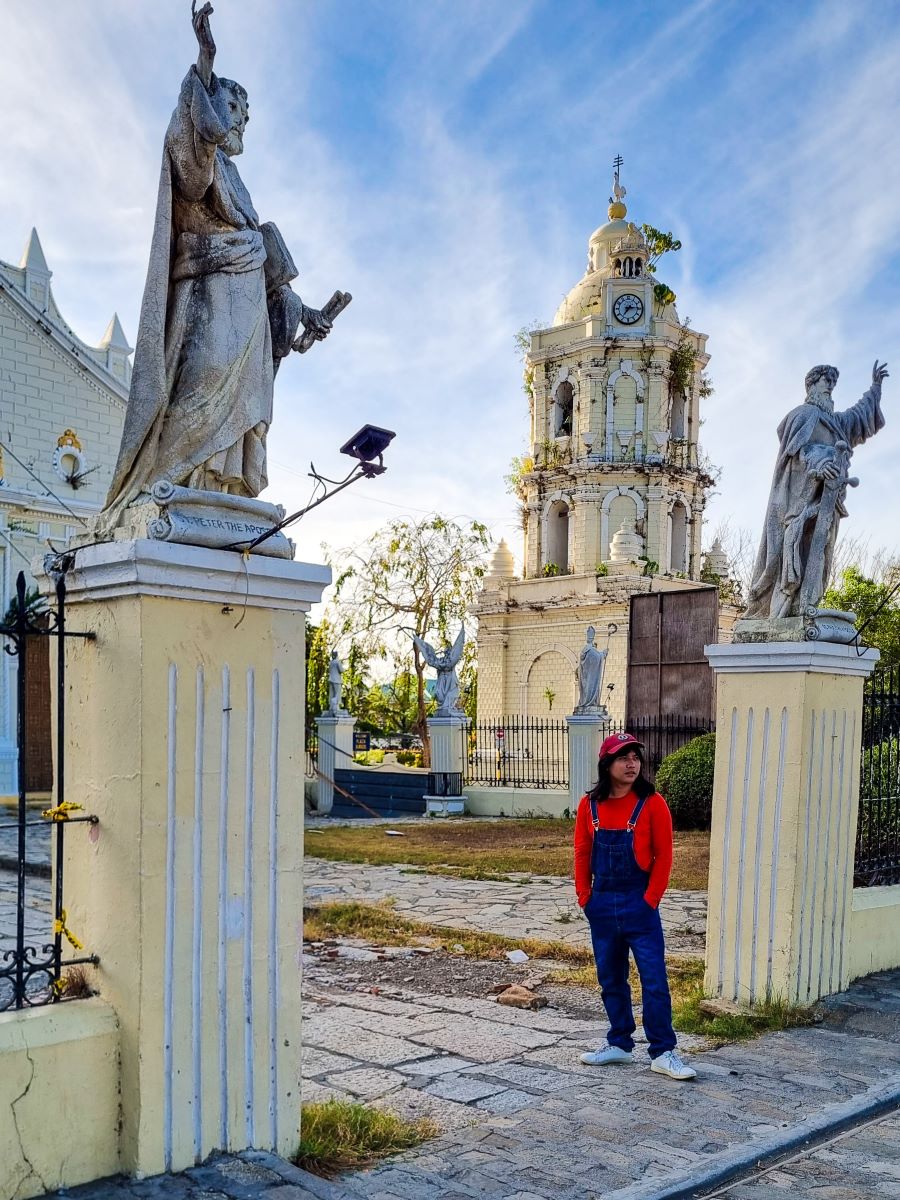
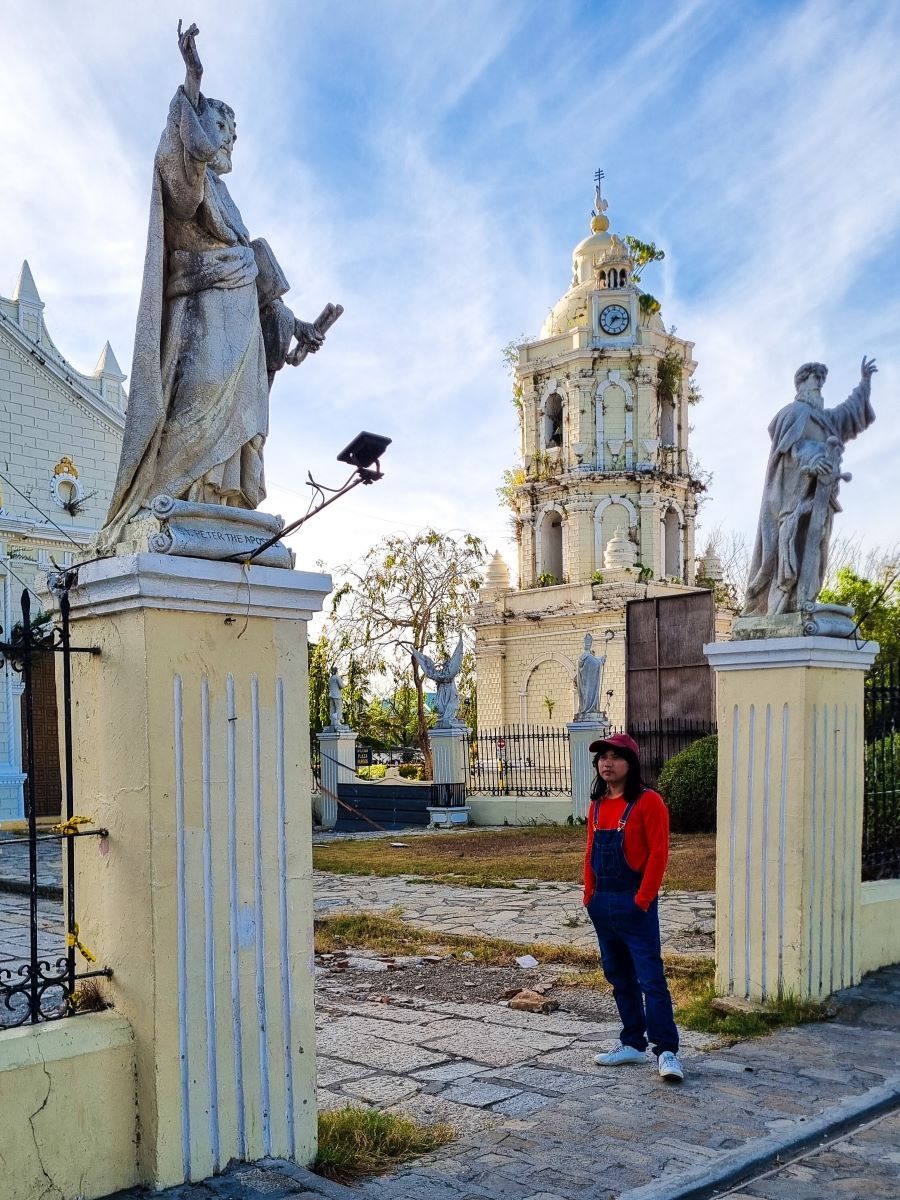
On the right side of the cathedral upon exiting its patio stands the Palacio de Arzobispado de Nueva Segovia.
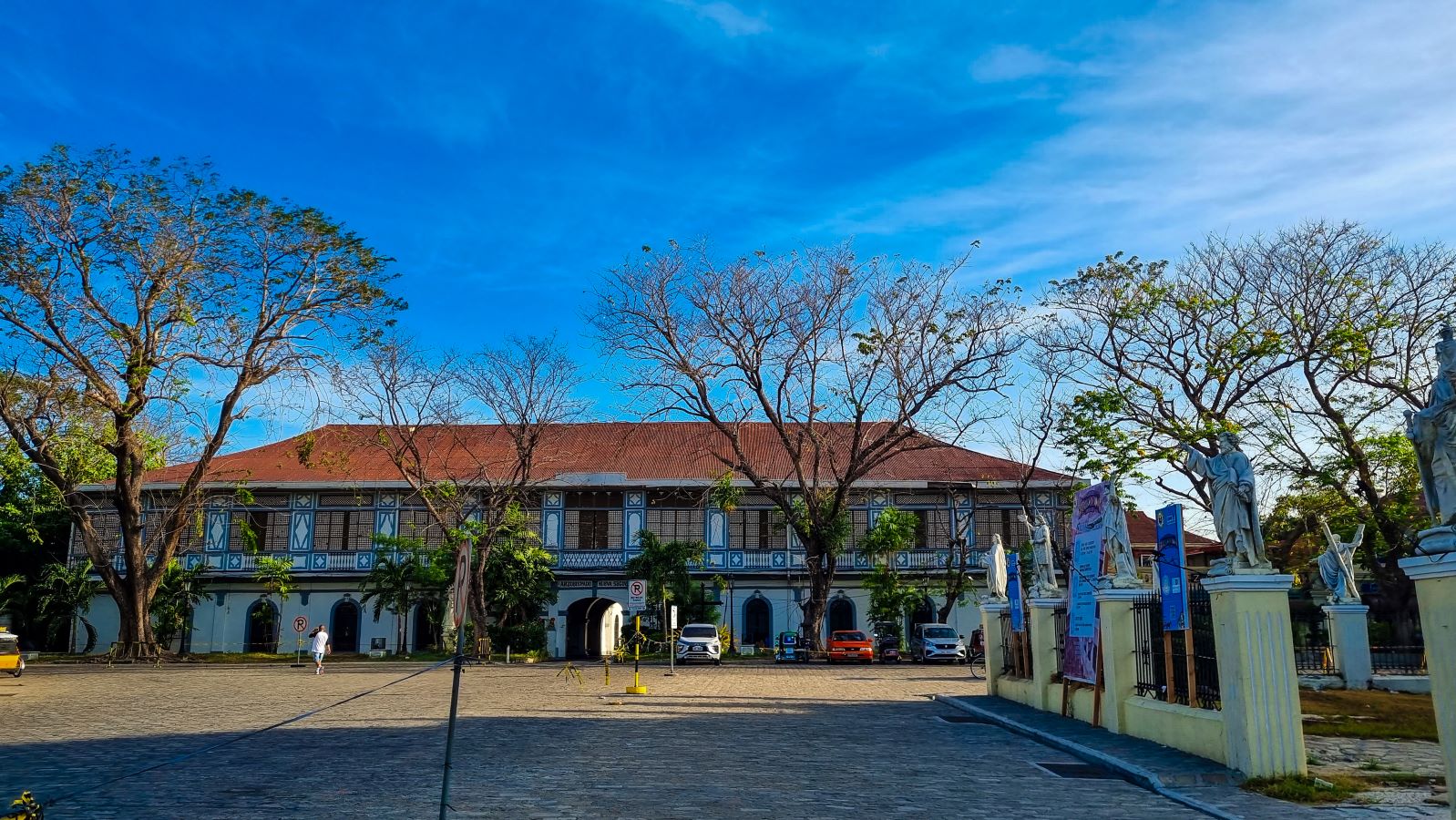


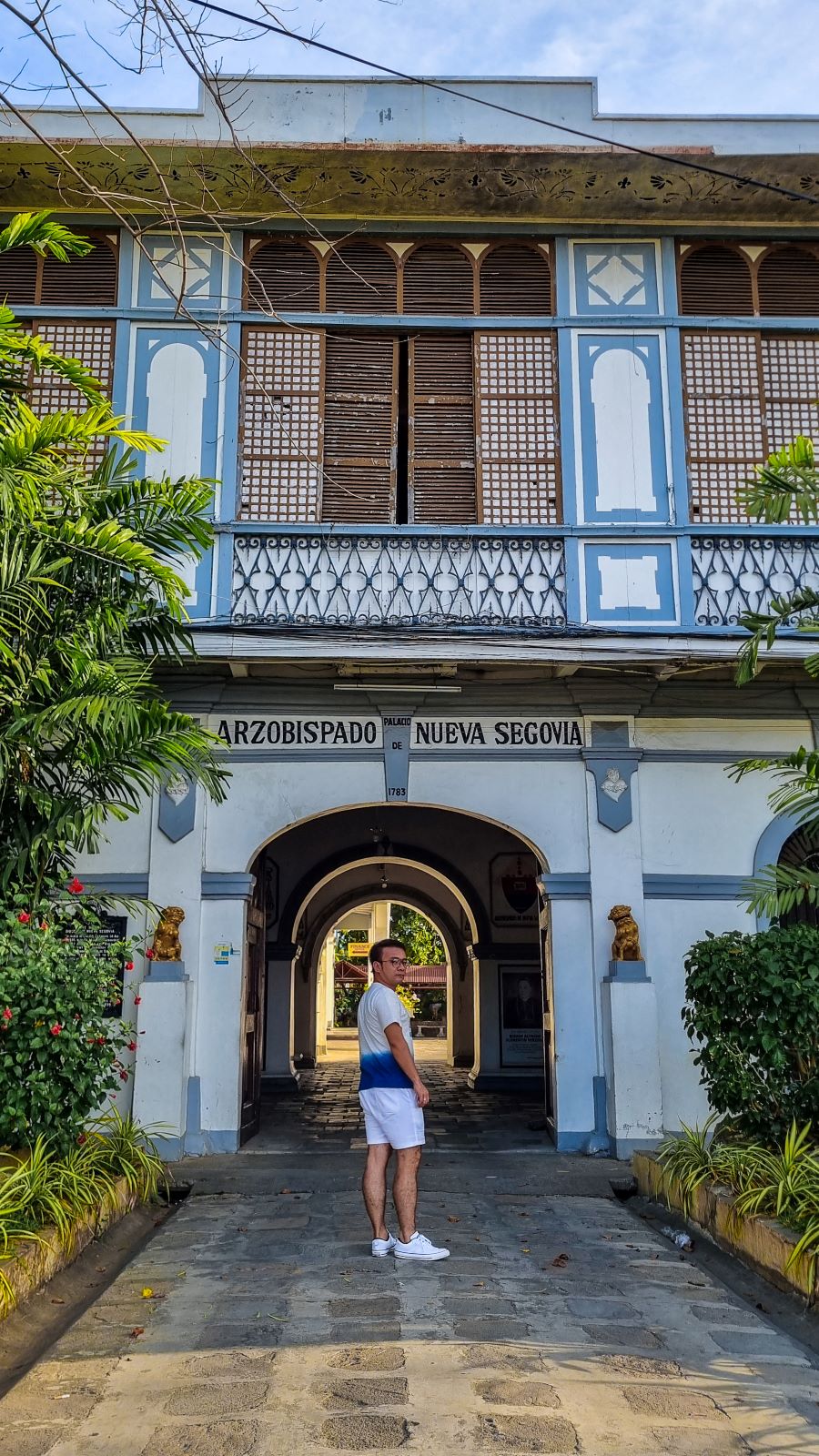
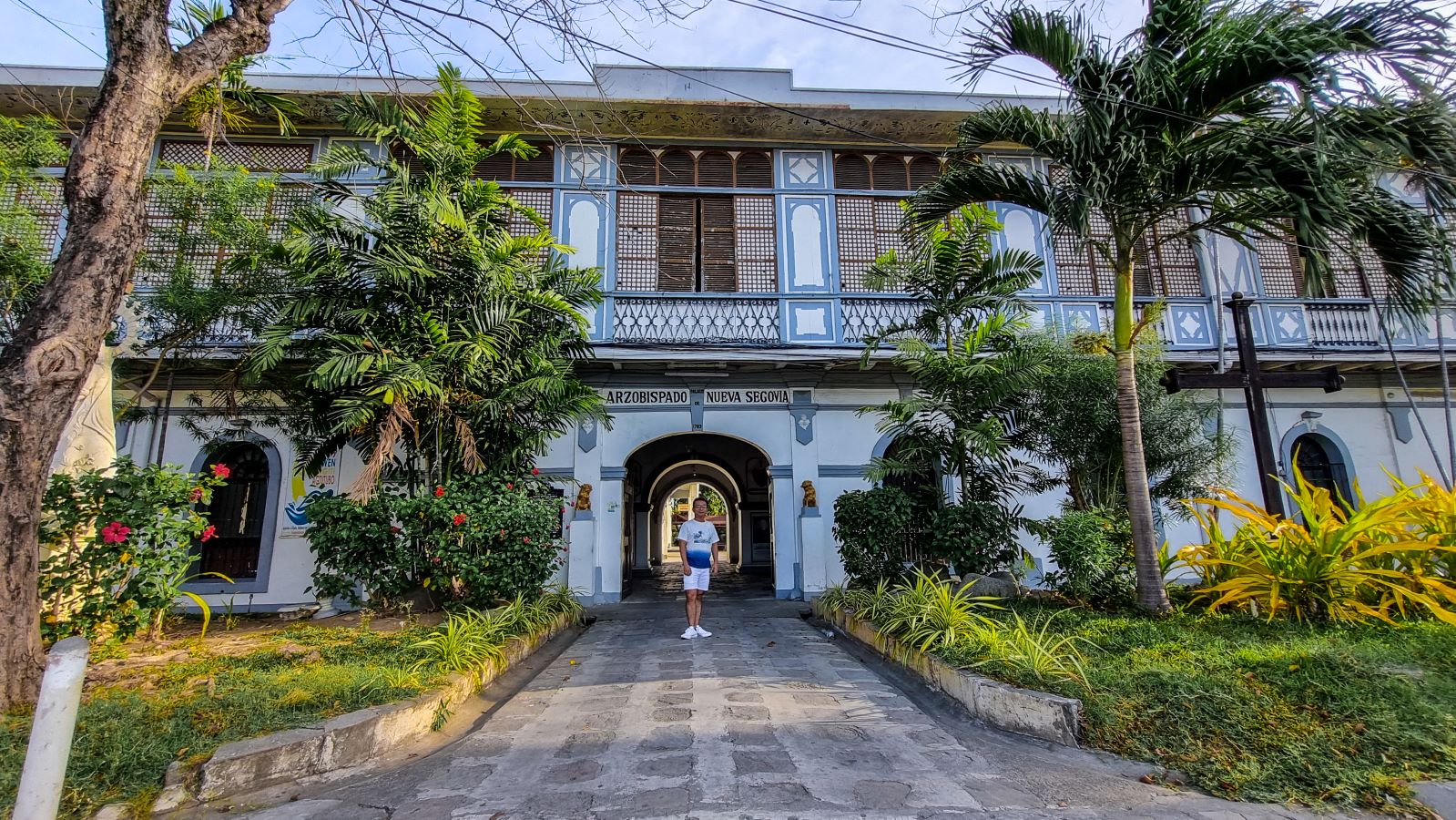
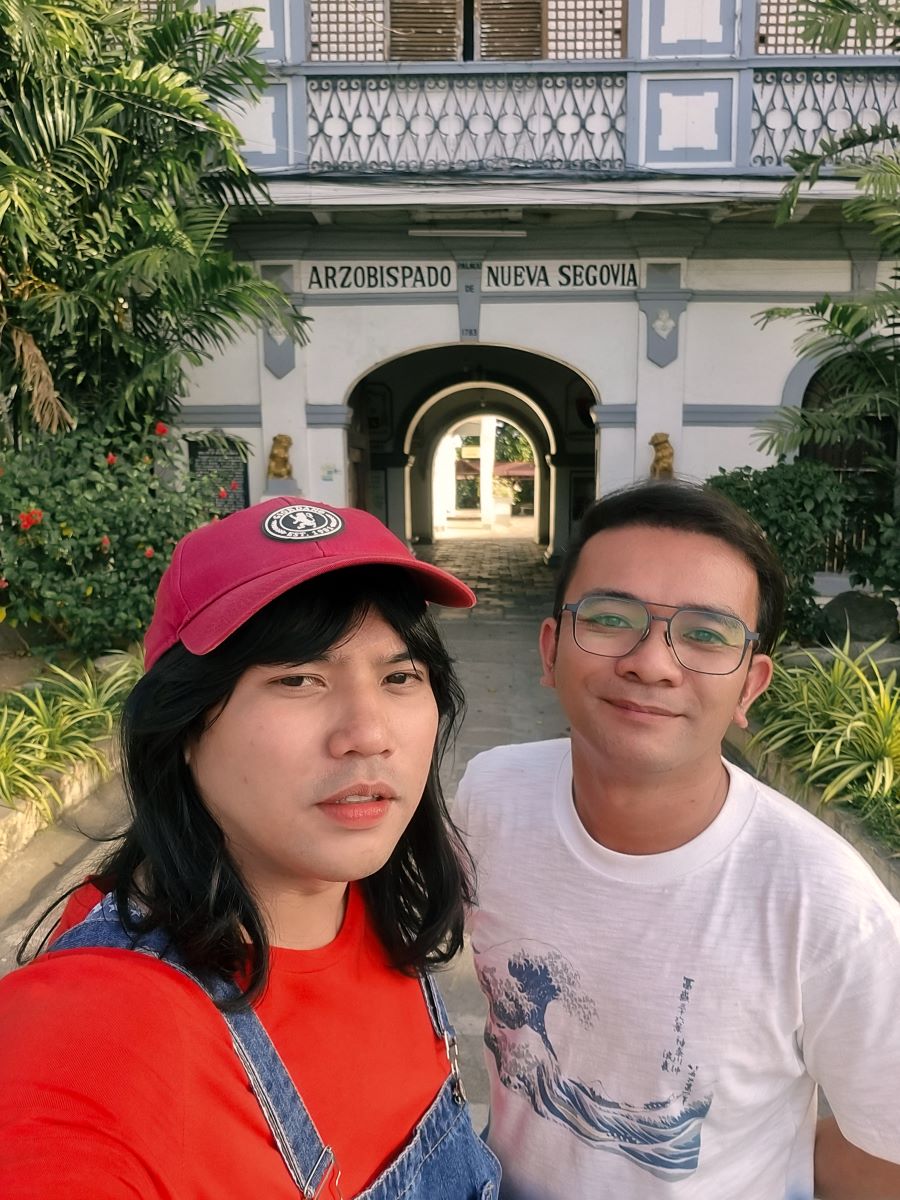
Built in 1783, the Palacio de Arzobispado is said to be the only surviving 18th century arzobispado in the country and which is still being actively used for its purpose of providing residence to the Archbishop of Nueva Segovia. Unlike the church and the bell tower, the arzobispado did not suffer as much damage from the earthquake.



On the right side of the arzobispado, across the cathedral, lies another Plaza known as Plaza Salcedo, named after conquistador Juan de Salcedo. The plaza, bigger than Plaza Burgos, is considered the town center, situated between the cathedral and the provincial capitol. If coming from the cathedral, a monument of Bagumbayan Martyr Dr. Jose P. Rizal welcomes everyone going to the plaza park.
We did not really explore Plaza Salcedo and did not even go near the provincial capitol. We took some souvenir shots of Rizal’s monument though, then decided to go. Mataas na ang araw at mainit na ang paligid. Maiinitan si Super Mario.

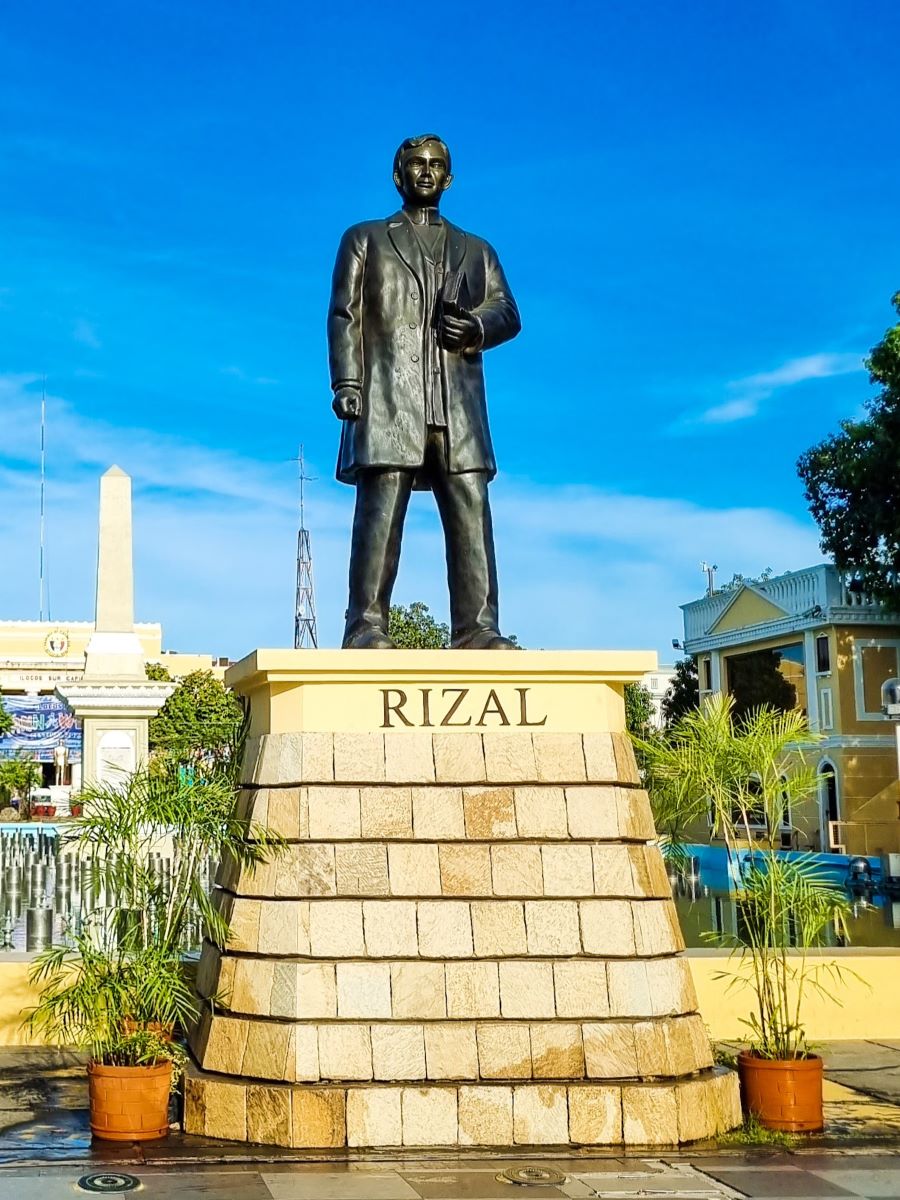
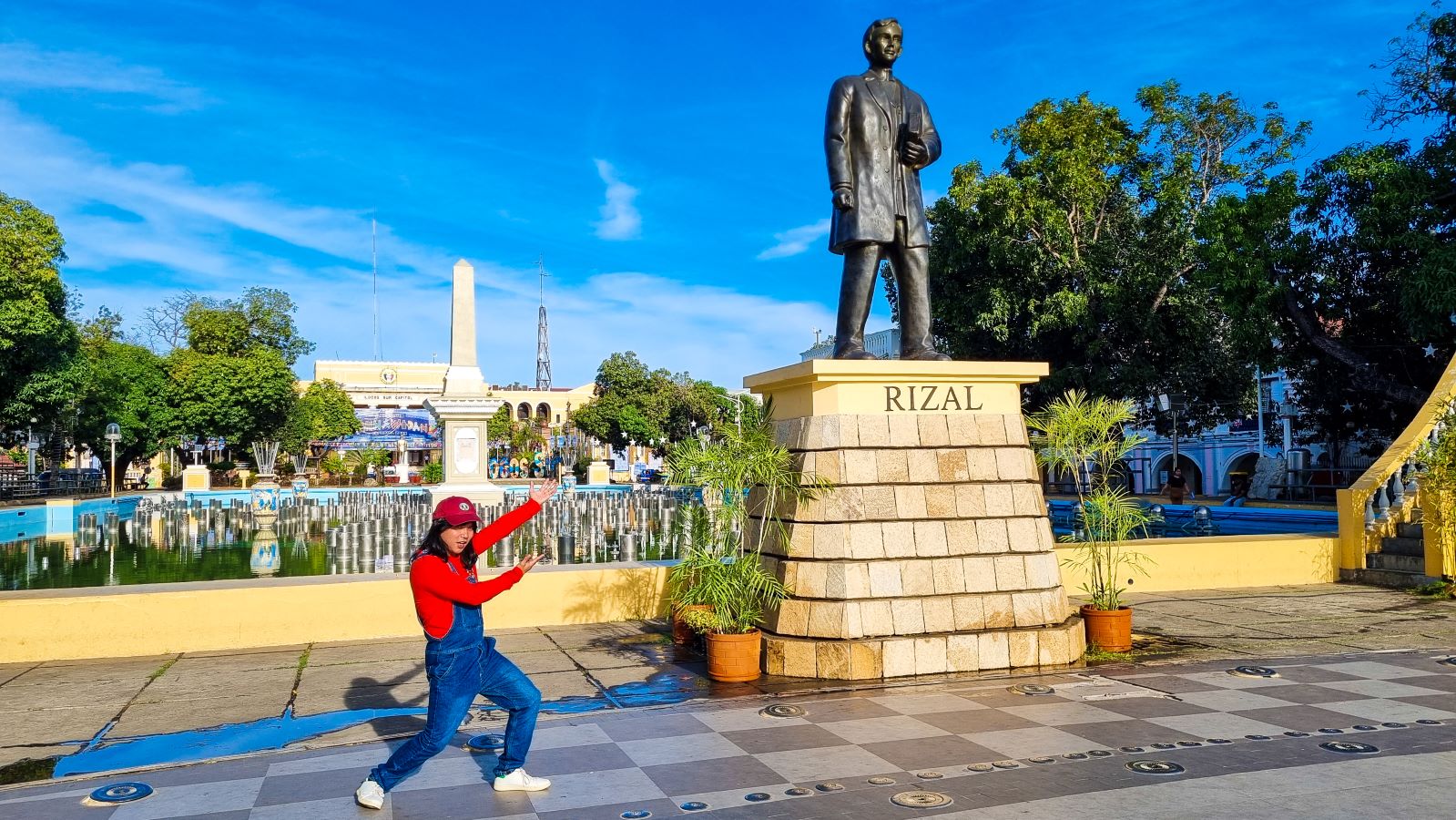
Bago kami bumalik ng aming sasakyan, isang huling sulyap sa Katedral ng Nueva Segovia.

An attempt to take an against-the-light photo.
Visiting the Cathedral of Nueva Segovia despite it being closed to the public felt fascinating for a couple of reasons. One, for someone who is a history nerd and no lesser nerd in Church history, it was such a wonderful feeling having no prior knowledge that a church actually lies at the end of the street where we were, eventually seeing it up close, then realizing what it is. Two, it gave us a deep sense of interconnectedness with the travels that we have been doing. Just a week ago from our travel to Ilocandia, we were in Cagayan where Nueva Segovia was founded. Eventually, we found our way to where it went taking with it the name of the place where it came from.
Ilocos Sur was just the start of our Ilocandia adventure; our gateway to conquering Northeastern Luzon.
We left Calle Crisologo at around 08:30 AM. Time elapsed since we left Malolos: 9.5 hours.


 Renegade Junctures
Leave a comment