

Not too far from the Mt. Carmel Chapel stood our next destination in Basco. Yes, stood, because our supposed destination once stood on the spot we next visited but was no longer there. We were seven years late.
PAGASA, or its mouthful full name Philippine Atmospheric, Geophysical and Astronomical Services Administration, is the meteorological and hydrological agency of the Philippines. As the official weather bureau, its mandate includes the monitoring and reporting of weather disturbances and to provide public advices on the same with the aim of protecting the people and property from the devastating effects of natural calamities.
Owing to the fact that Batanes is located in the line of fire of typhoons, PAGASA decided to build one of its radar stations in Basco. Then known as Tukon Radar Station, it was built to monitor potential weather disturbances where there is a lot. However, in 2016, Typhoon Meranti with local name Super Typhoon Ferdie directly hit Batanes, leaving considerable destruction in its path. The radar station of PAGASA was one of those hit hard, and hence was left dilapidated.
There was no radar station anymore when we arrived in Batanes. What was left was a sunshine recorder and some parts of the now gone edifice of the weather bureau. The visit was still worthwhile, nonetheless. Despite our original intended destination was no longer there, we were cradled by the natural beauty around us.


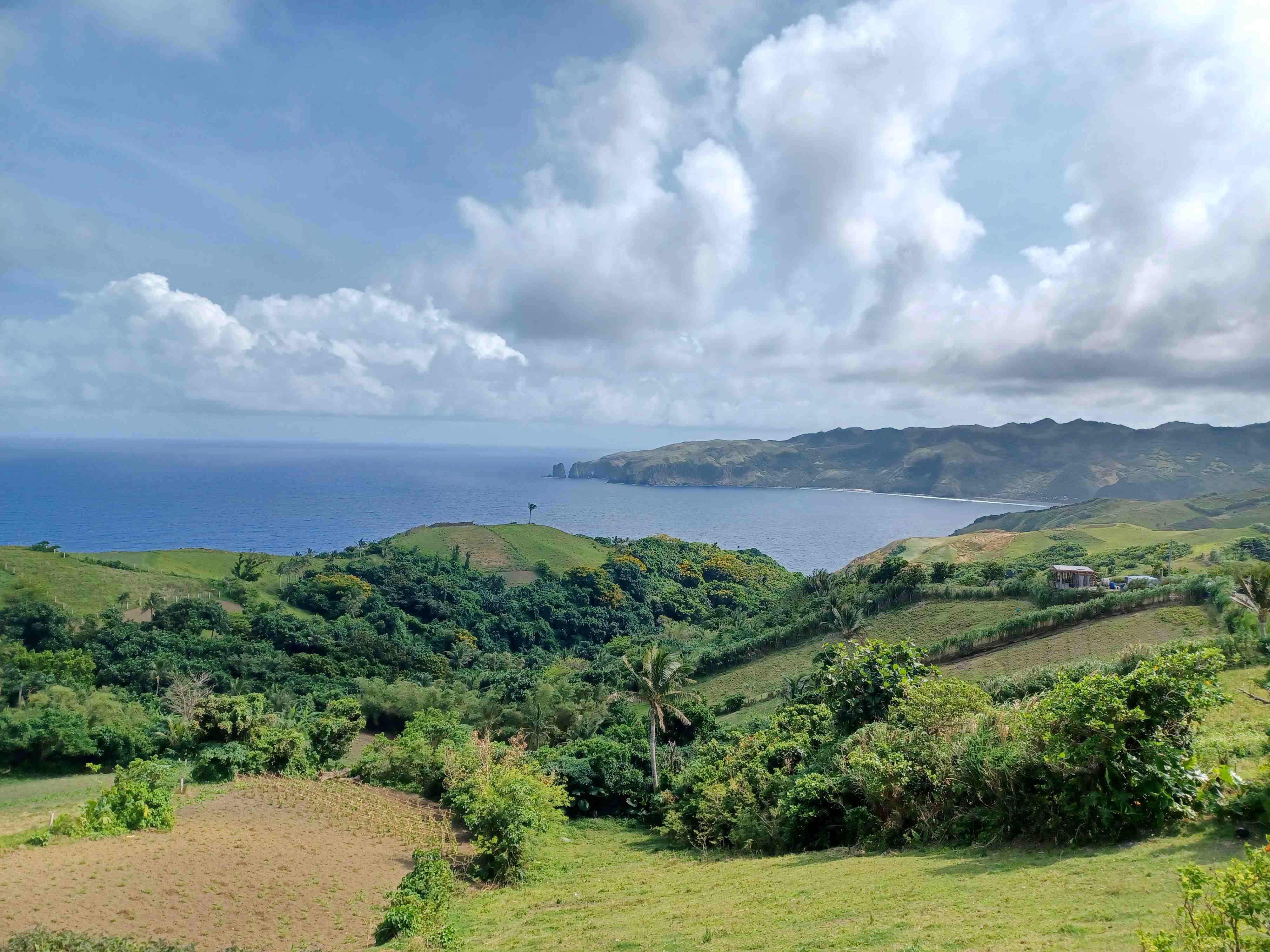
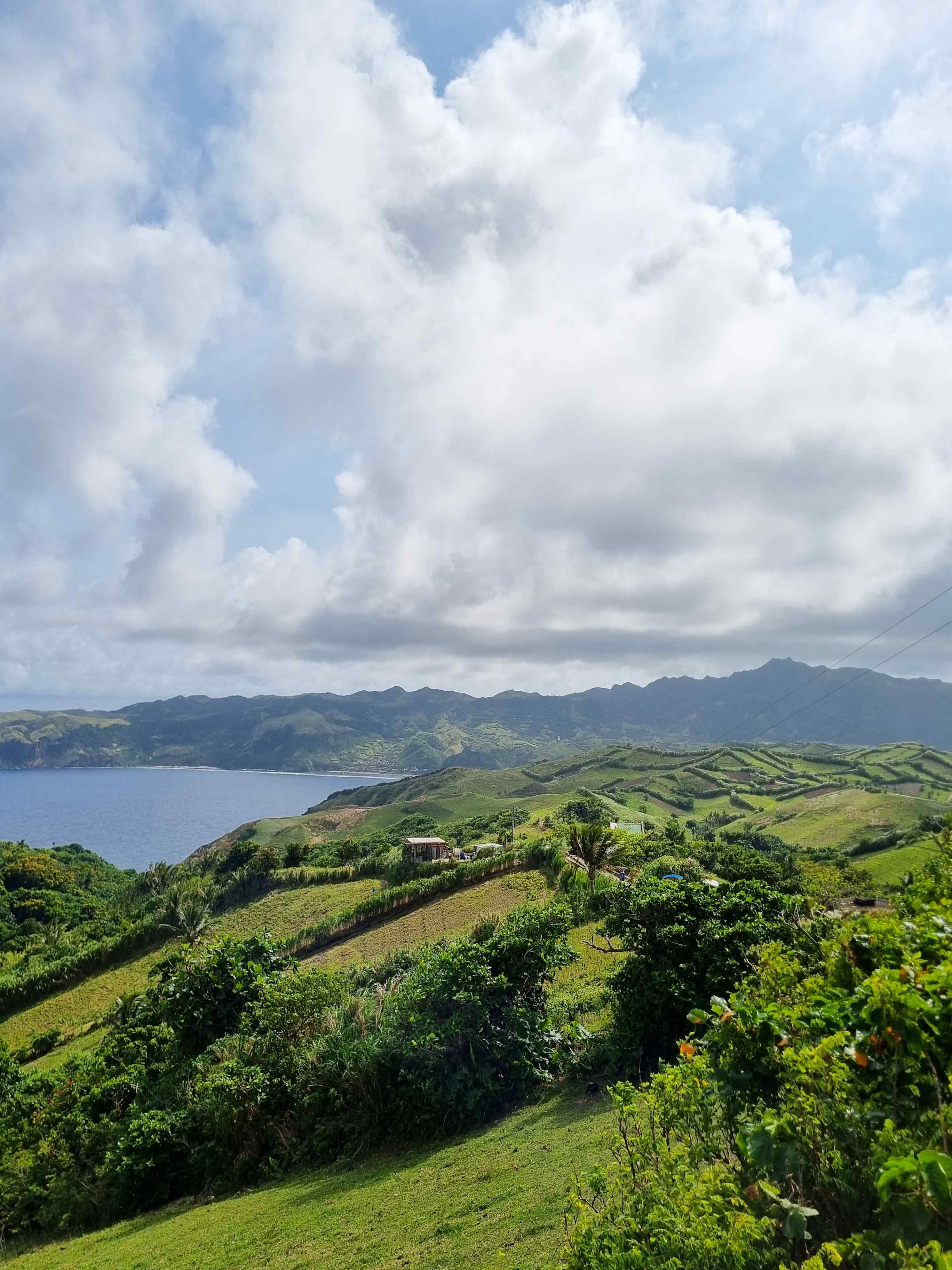


Our guide Kuya Joaquin has been too kind that he always asks for our camera to take our photos, and he’s good at it.
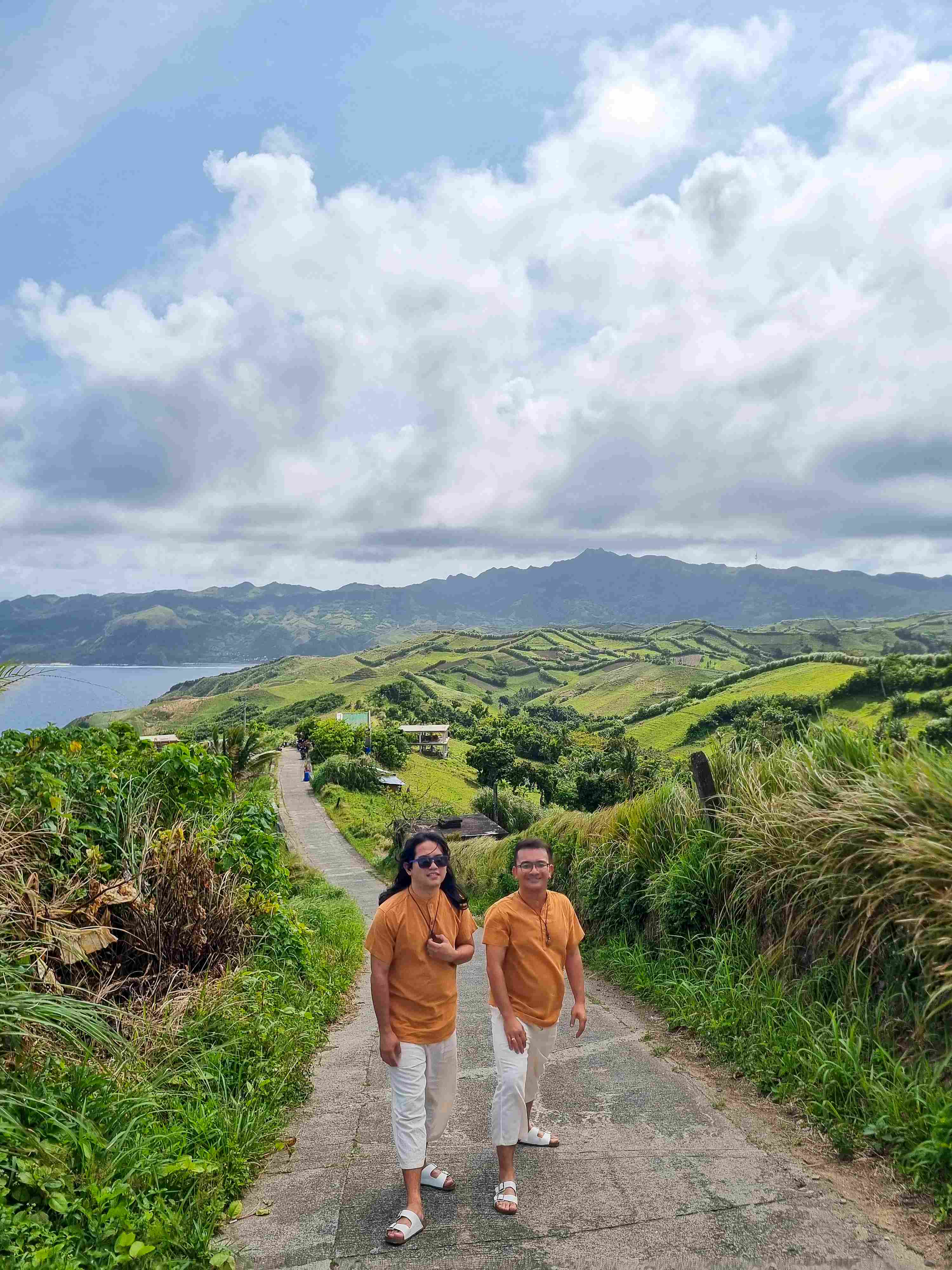


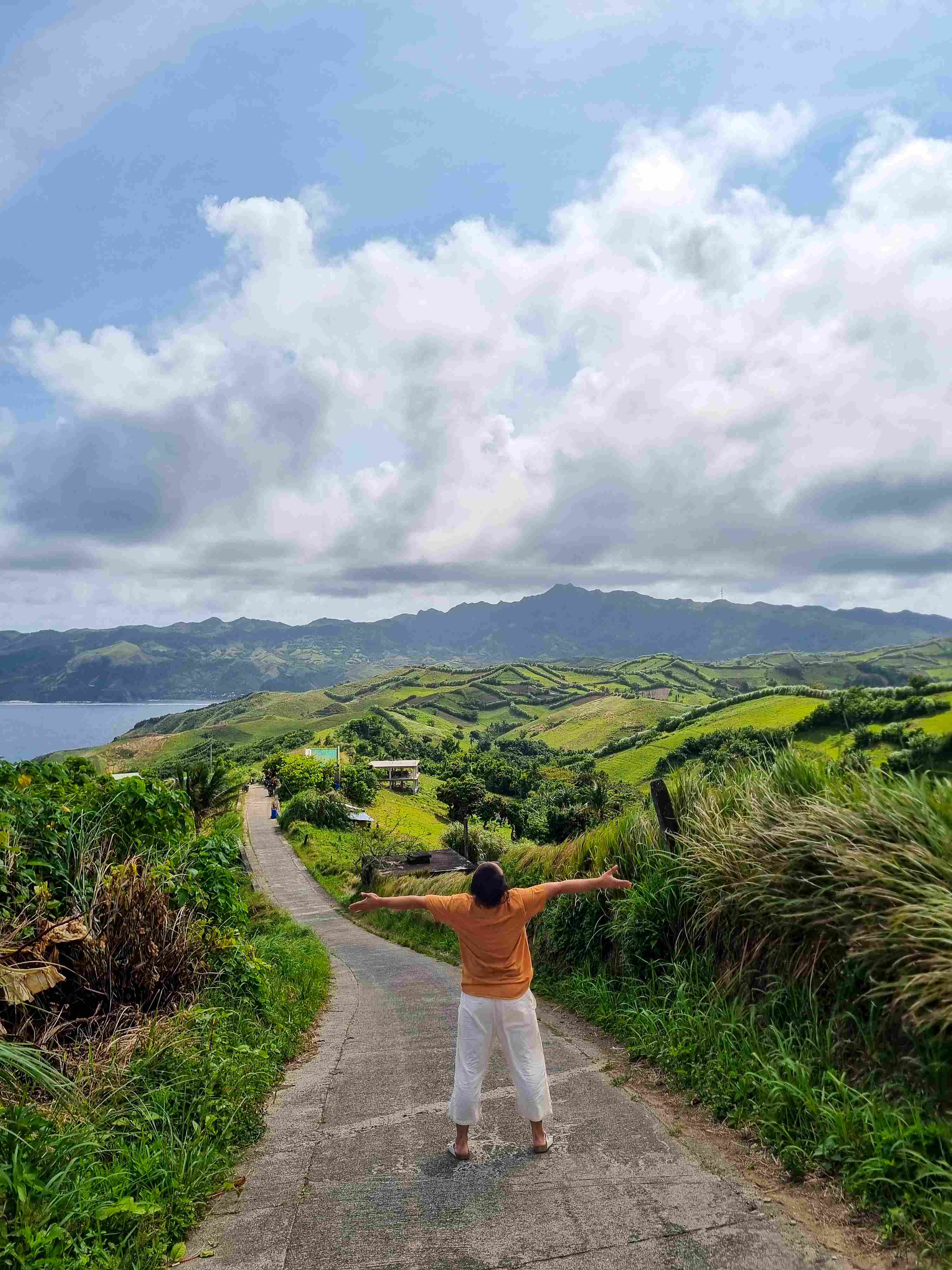

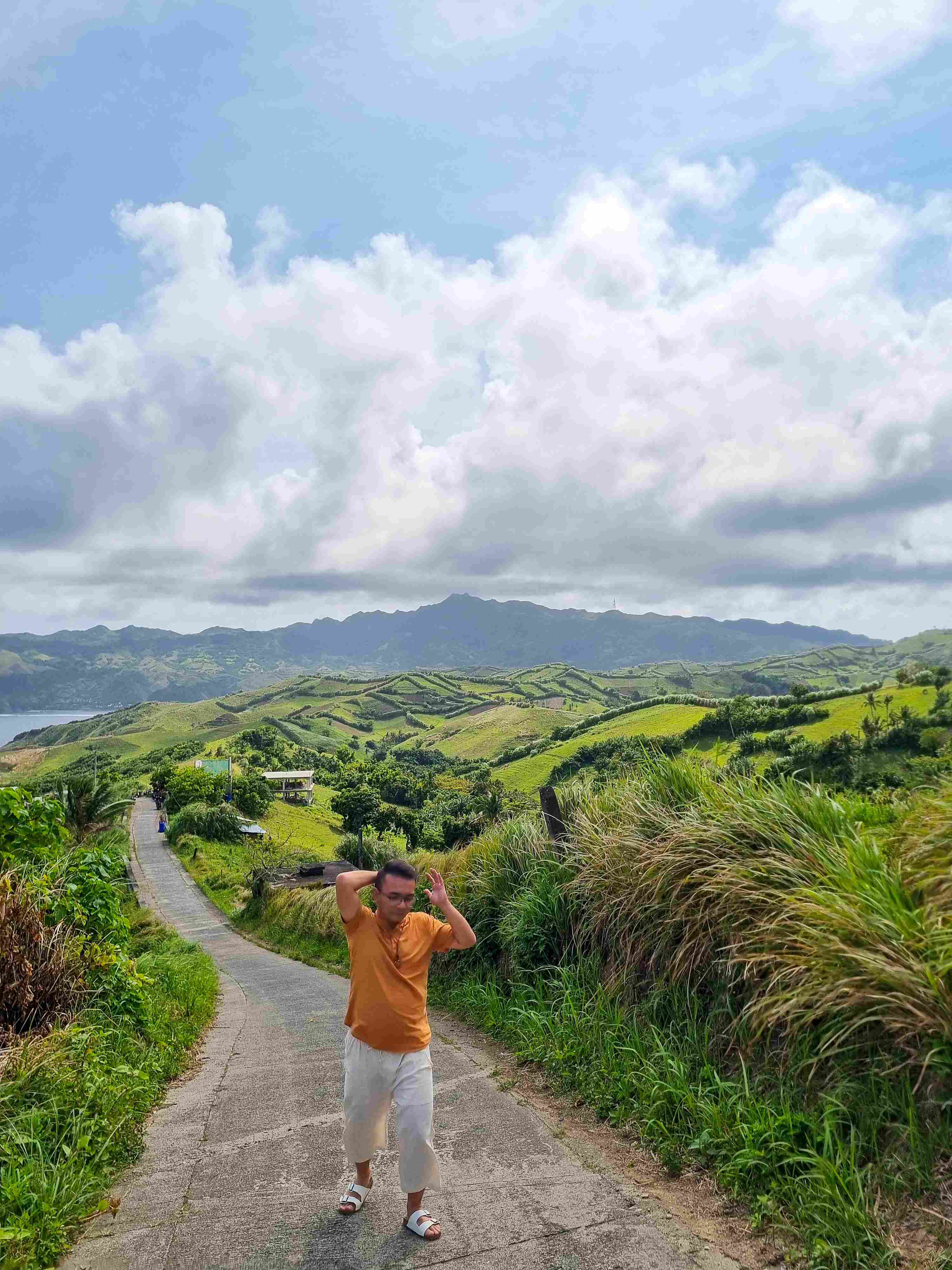

There was just so much truth in the moniker home of the winds as wherever we go, the gust of winds are just so strong. It was a normal day though, so one could only imagine how the winds go whenever there are storms in the isles.


In retrospective introspect, while typhoons are generally viewed as destructive, especially in a place like Batanes which stands on the usual path of weather disturbances, such weather systems actually helped in shaping the beauty that Batanes is today. Thousands or even millions of years of weathering and elemental exposure that predated human settlement have formed the wonderful islands we behold to this day. The typhoons, devastating as they could be at times, is the warning not only of the inherent power of nature that could not be subdued. It is the compelling reminder that such a beauty ever ancient is continuously being honed and renewed, and that since nothing in nature is really within our control, we should not stand in the way.
The Ivatan people have been showing us how we must not subdue nature but instead allow it to subdue us; a harmonious co-existence forged in time-honored resilience.


 Renegade Junctures
Leave a comment