
Our third day in Batanes Islands started early. We woke-up at 05:00 AM as we were told by Kuya Bhong that we would leave the lodge at 05:45 AM en route to the town of Ivana. Around that time hence, Kiel fetched us up from the lodge and we started our early morning journey along the scenic roads of Batanes.
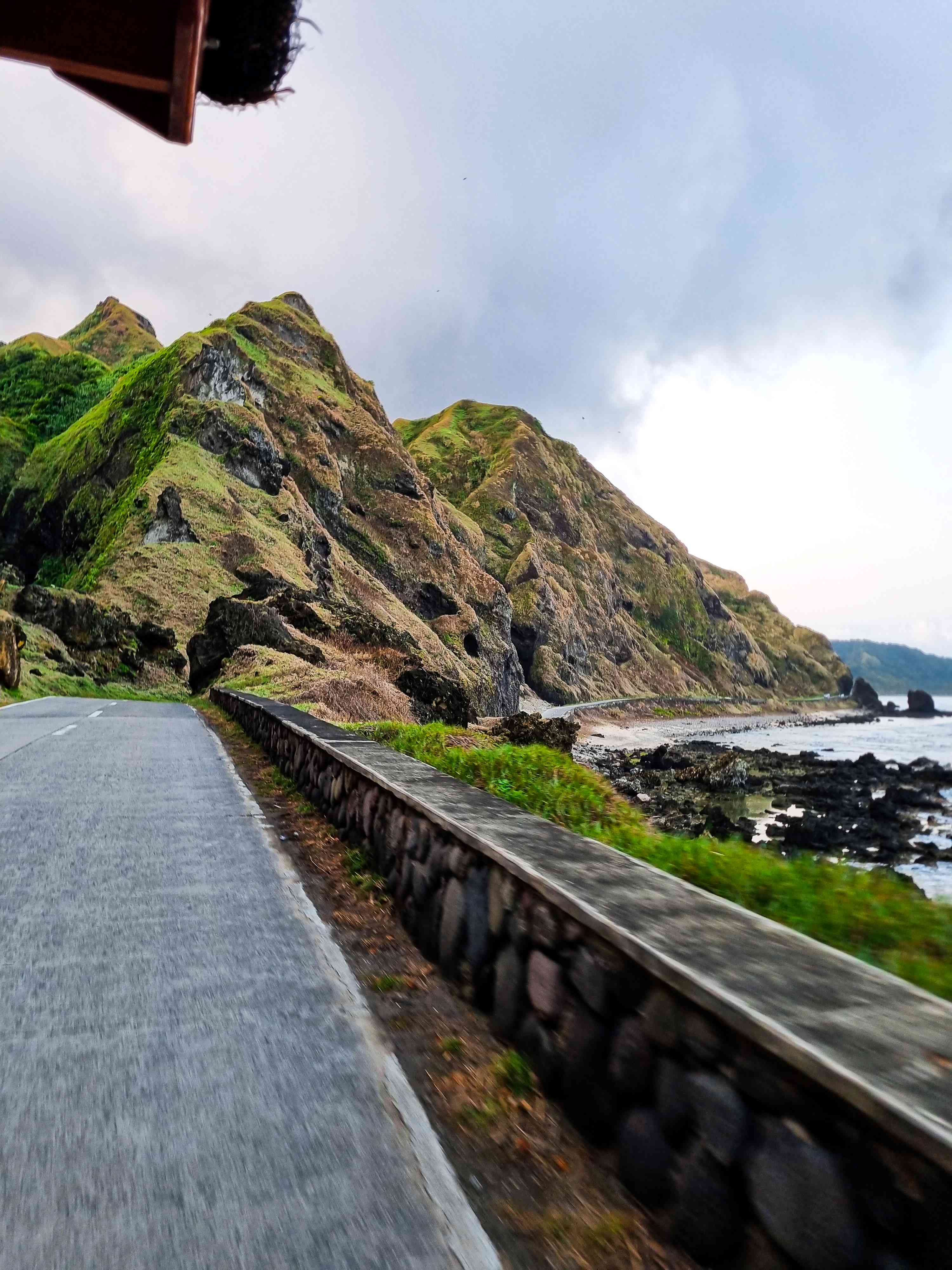
Early morning scene from our cogon trike service.
During the conquest of Batanes in 1783 under Governor General Jose Basco which eventually granted him the title primer conde de la conquista de las islas Batanes, the Spanish forces did not directly land on what would eventually become the town of Basco. Their first touchdown was in what would eventually become the town of Ivana. Ivana was hence considered as the second most important settlement in Batanes, next to the capital town of Basco, given its maritime location which offers an ideal port location. That port was where we were headed to.
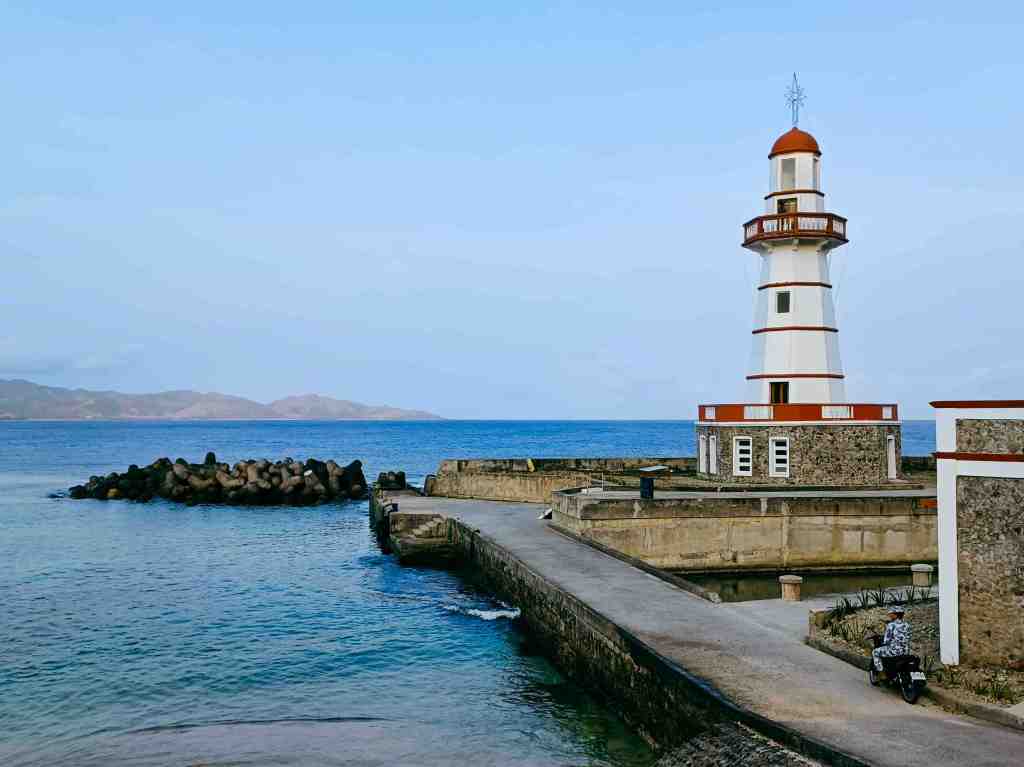
After around 35 minutes on the road, we caught sight of the Radiwan Port of Ivana. He parked the cogon trike on the entrance leading to the port which is right across St. Joseph the Worker Parish, the parochial church of Ivana.

The Church of Ivana.
Established in 1787 with the stone church completed in 1795, the church was originally intended to serve the people of Ivana, Uyugan and Sabtang when the inhabitants of Sabtang Island were forcibly relocated to Ivana. In 1844, the church was renovated to shorten the nave when the people of Sabtang were finally allowed to return to the island.
We did not have the luxury of time to visit the church, but the reason why we were in the port was to follow the journey of those who returned to their island back in 1844. We were going to Sabtang.


Ivana Port and Lighthouse.
Kiel introduced us to Ate Edna Cano who will be our guide in Sabtang. We also saw Kuya Bhong and Kuya Joaquin in the port and they told us that for the island tour, they were assigned to accompany other tourists.
For the past two days, it was as if we got the islands all to ourselves. We knew there were other tourists in the island, but our guides from Naidi Hills timed our tour perfectly such that it would just be us in any given time. The scene in the port though gave us an idea how many tourists were there on that particular day going to Sabtang.


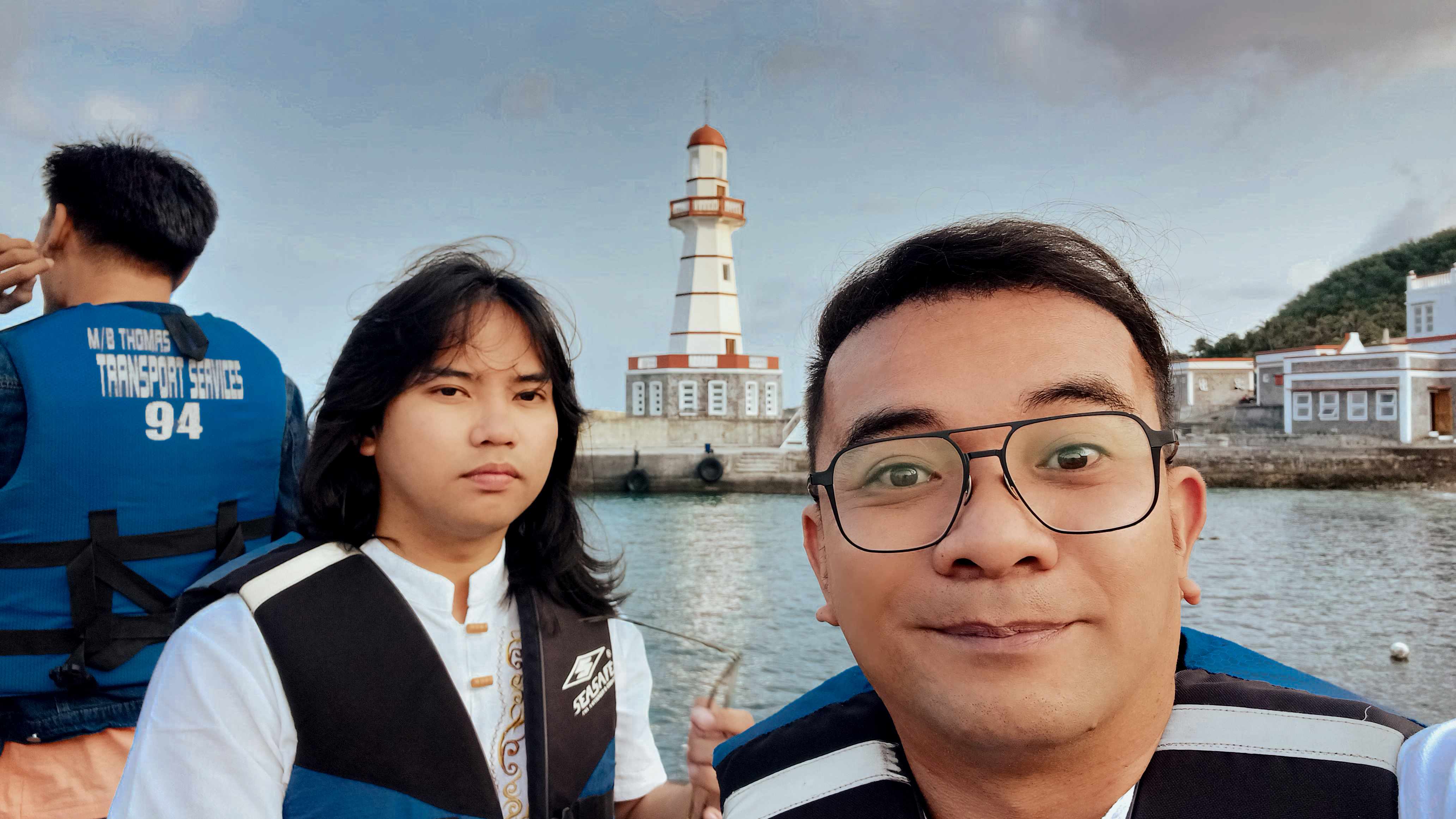
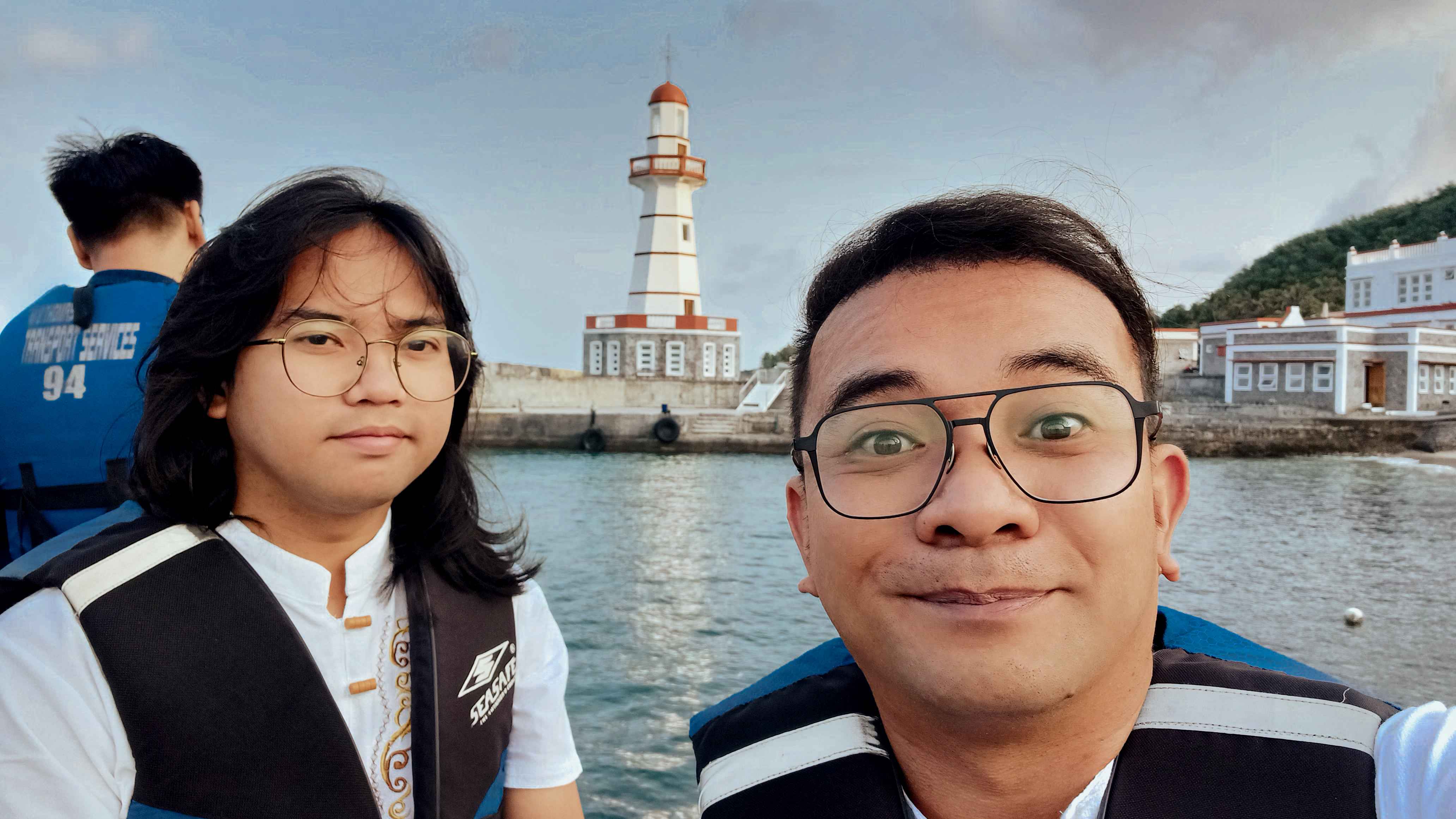
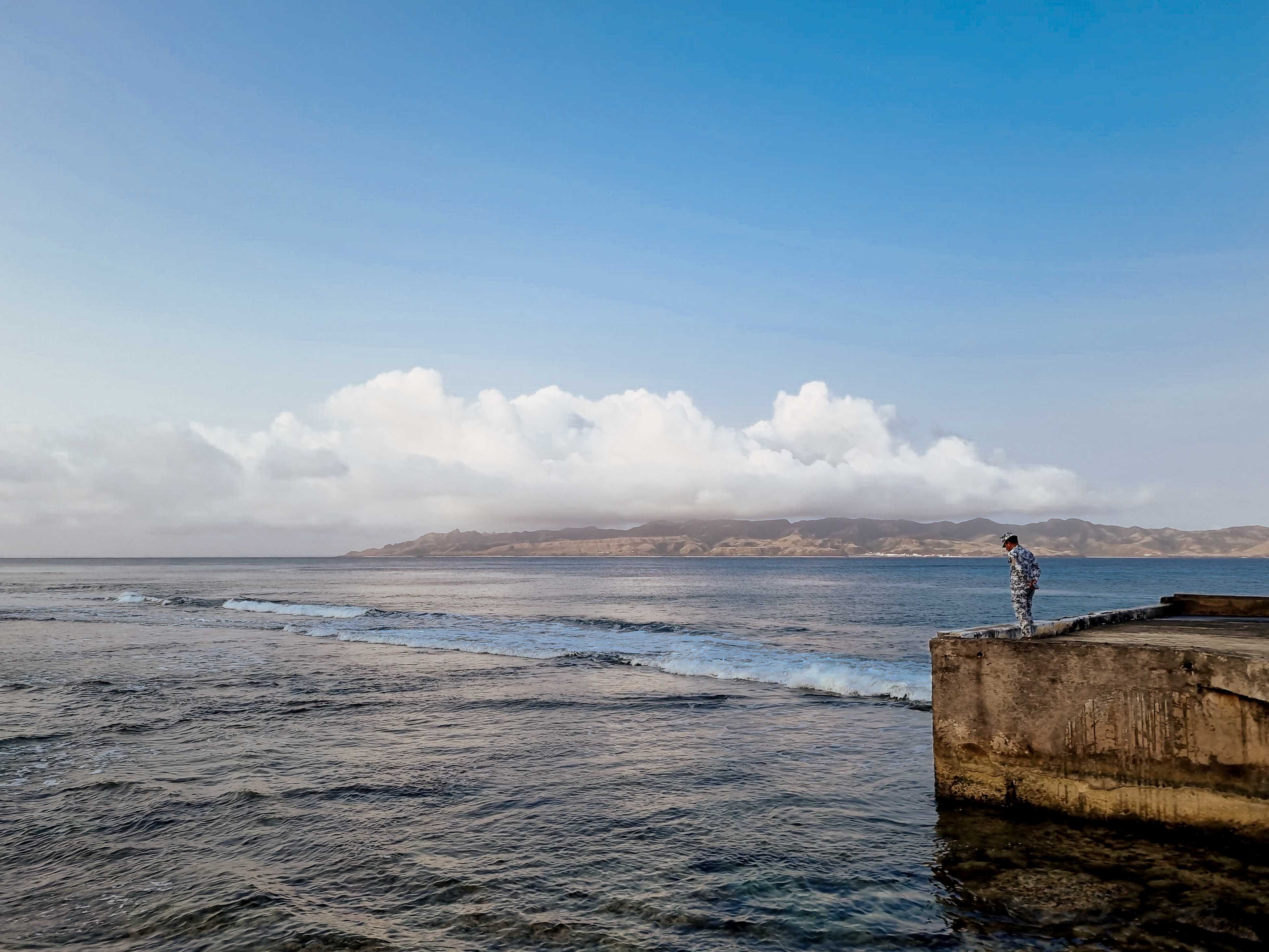
A preview of our destination: Sabtang Island from Ivana.
The crowd was not incidental. We learned that there are only two boat trips to Sabtang each day. One trip brings supplies to the residents and another one carries tourist passengers. It is for that reason that all tours to Sabtang are scheduled with the same timeslot to take advantage of the boat trip schedule.
The boat that would ferry us to Sabtang is locally called falua and is traditional to the Ivatan. Unlike typical boats, the falua doesn’t have an outrigger which makes it easier for the vessel to navigate through the rough waves of Batanes seas.
After the necessary registration at the port which was handled by our guide, we boarded the falua together with the rest of the tourists who were scheduled with us.
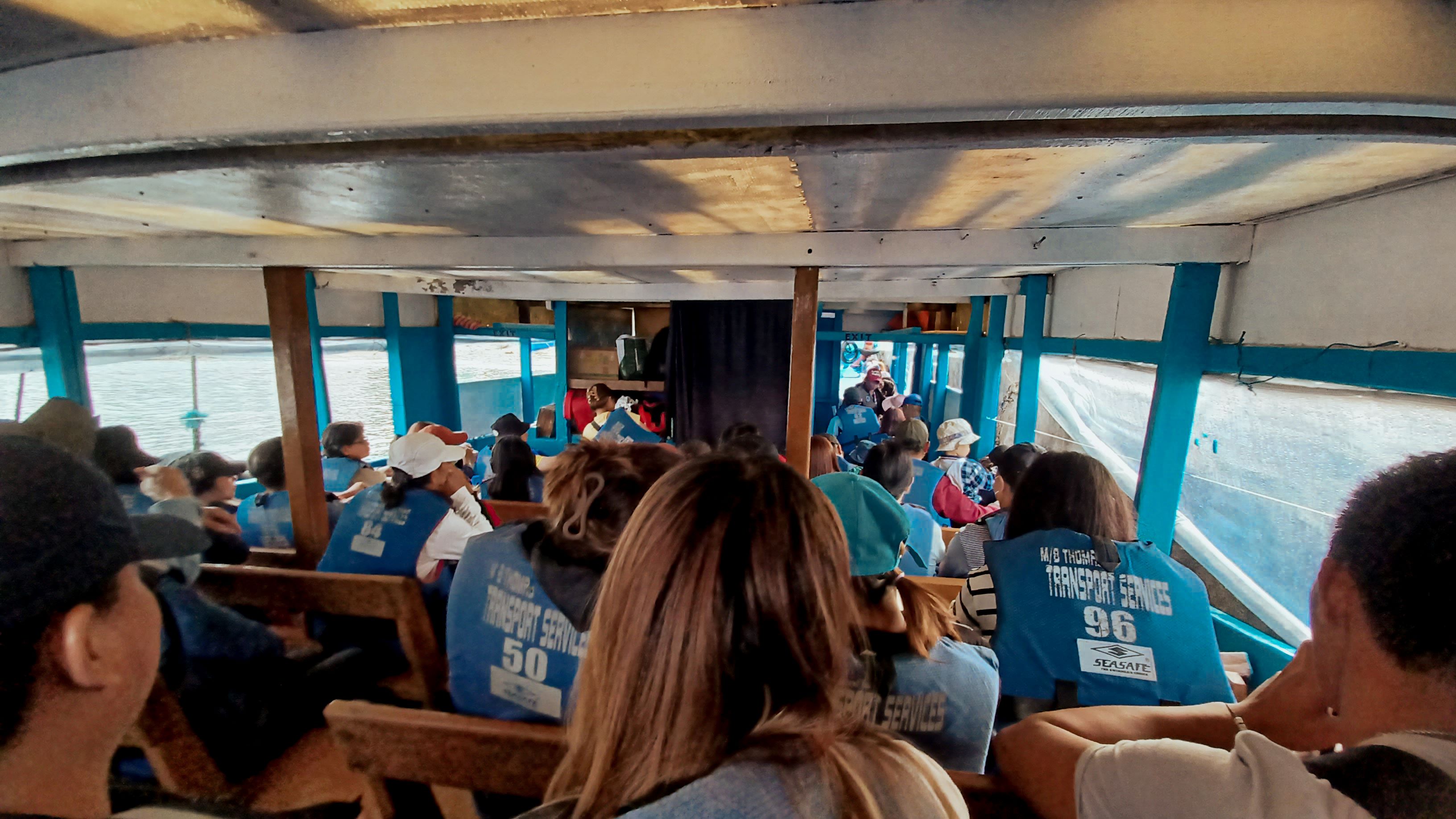

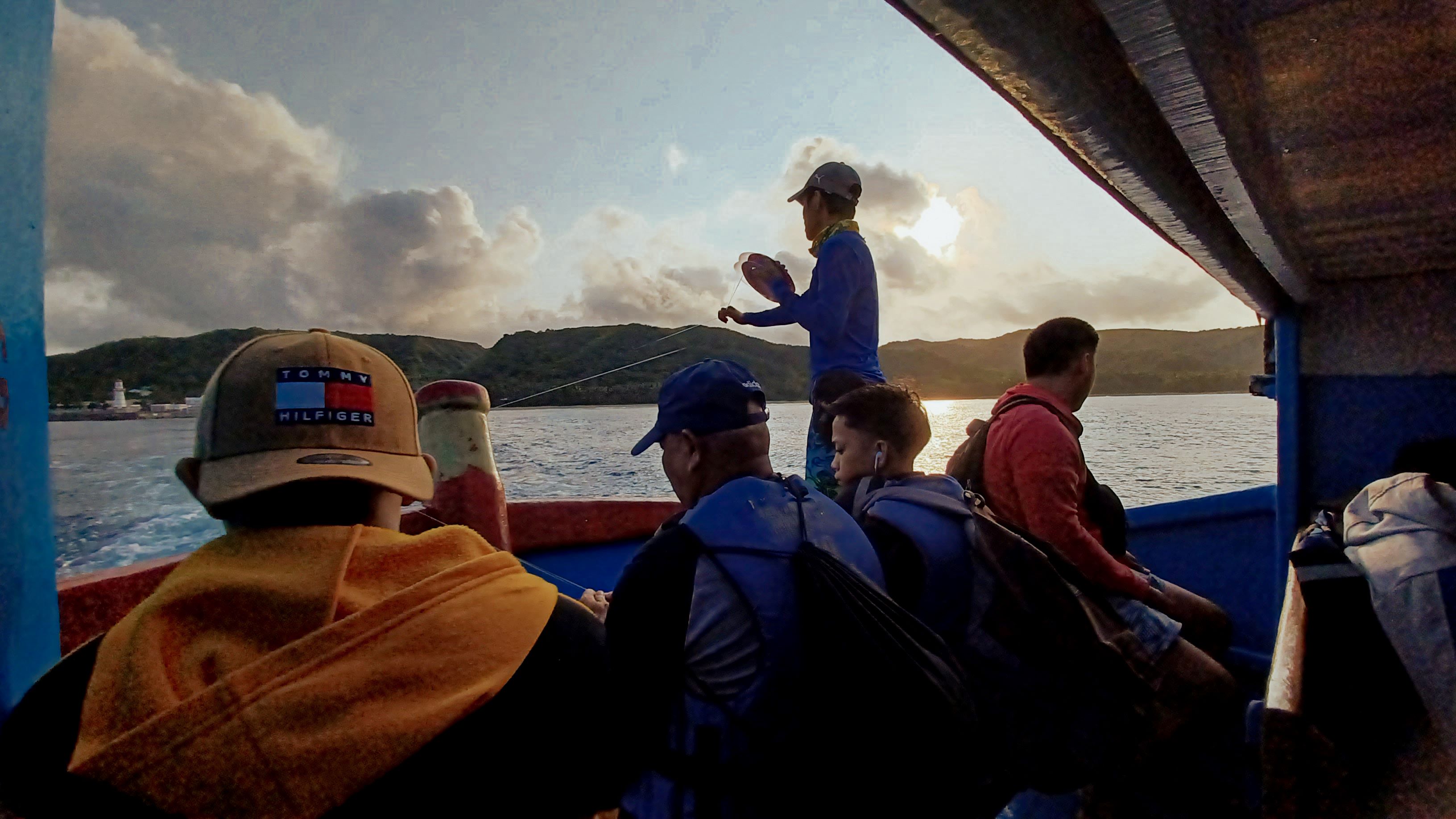

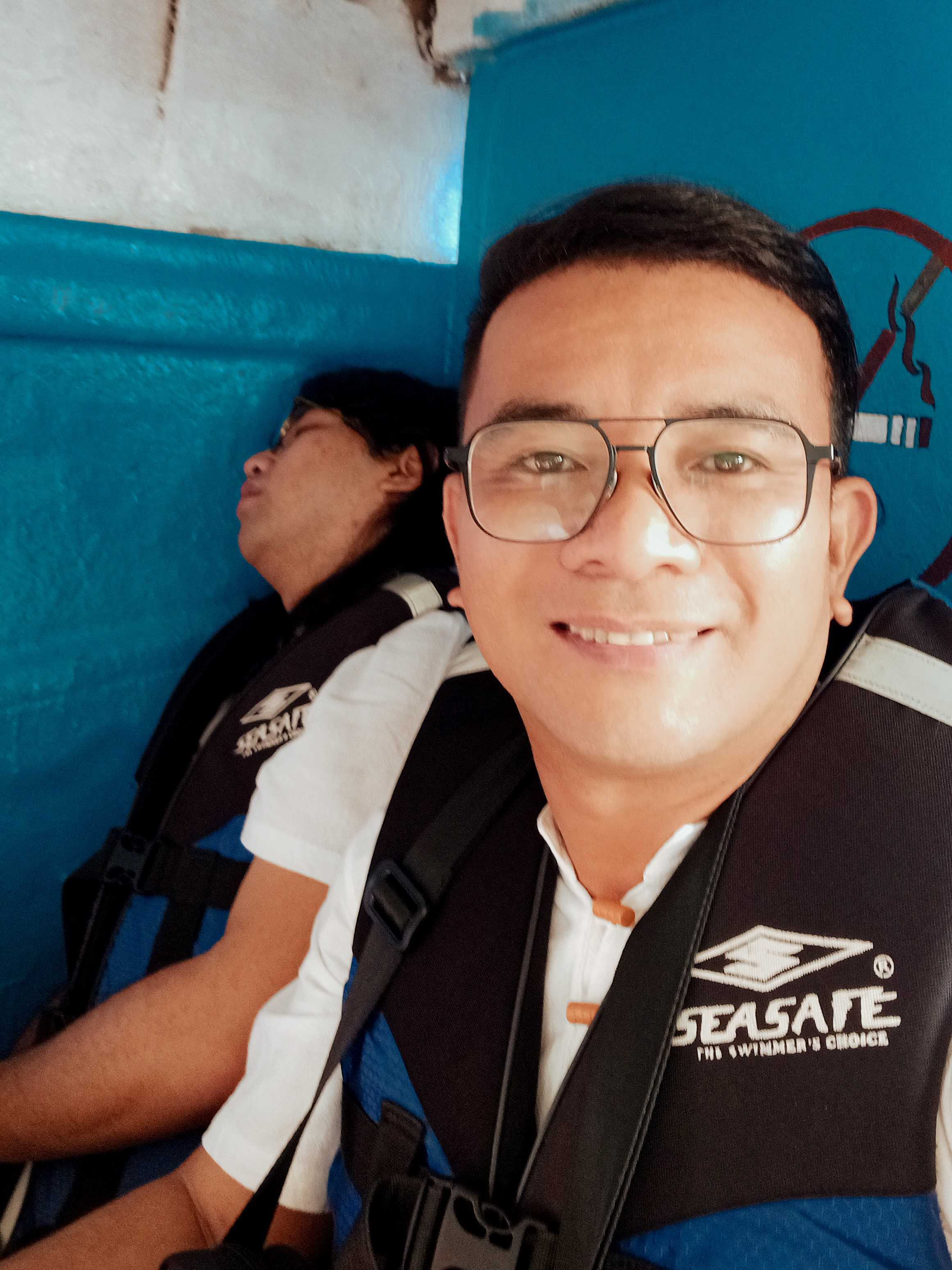
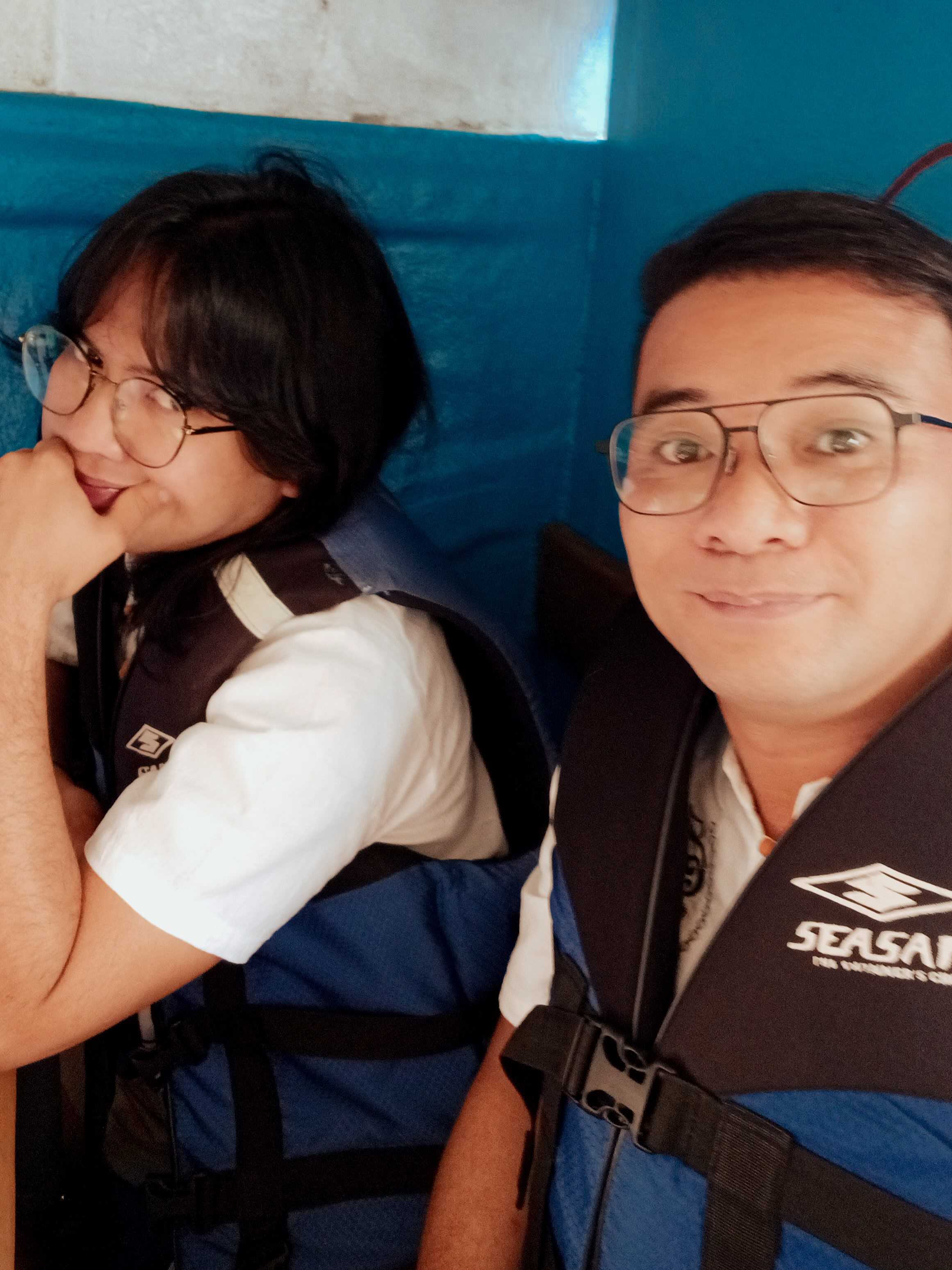
After 30 minutes, we finally made it to the port of Sabtang.
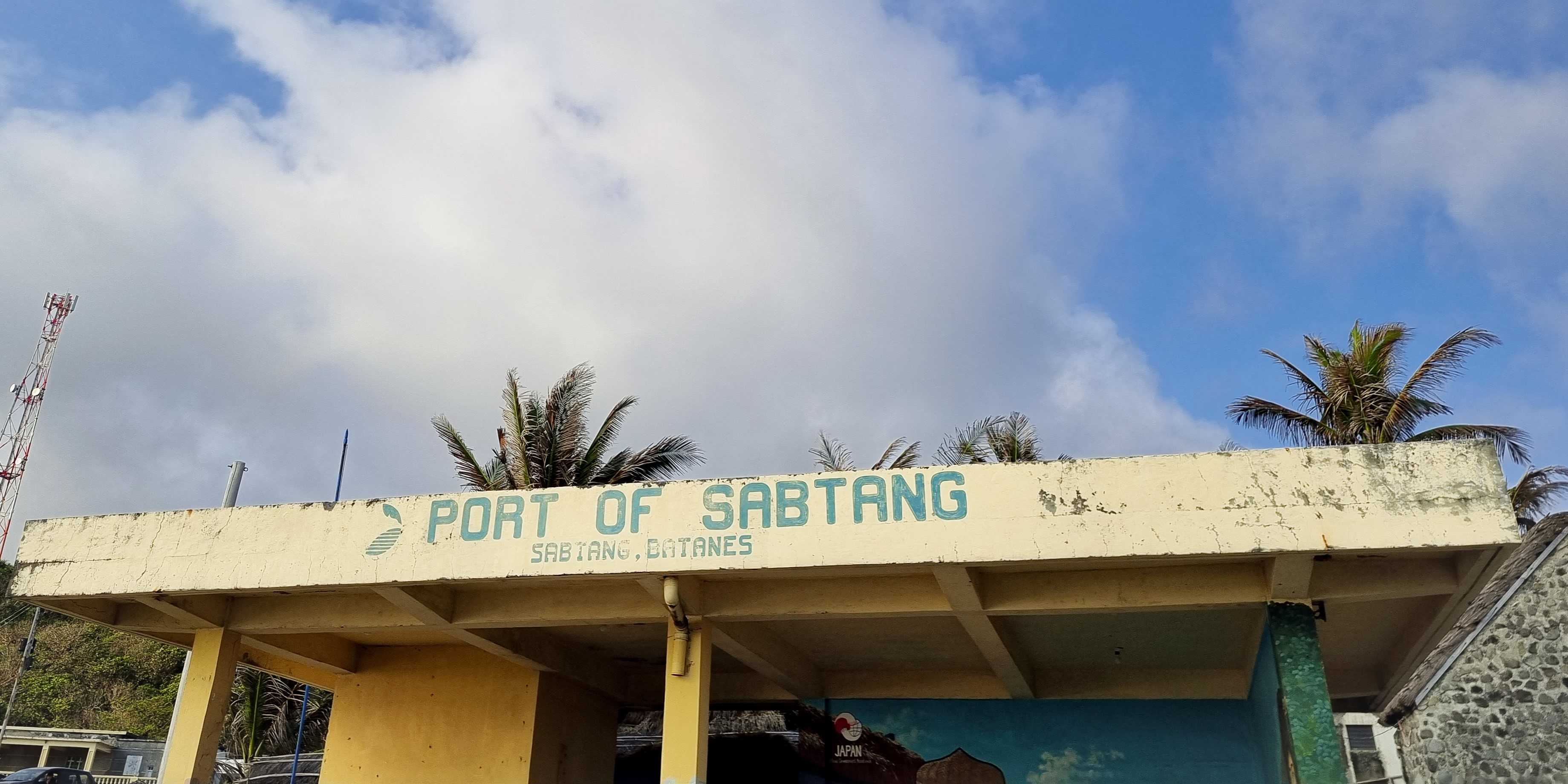
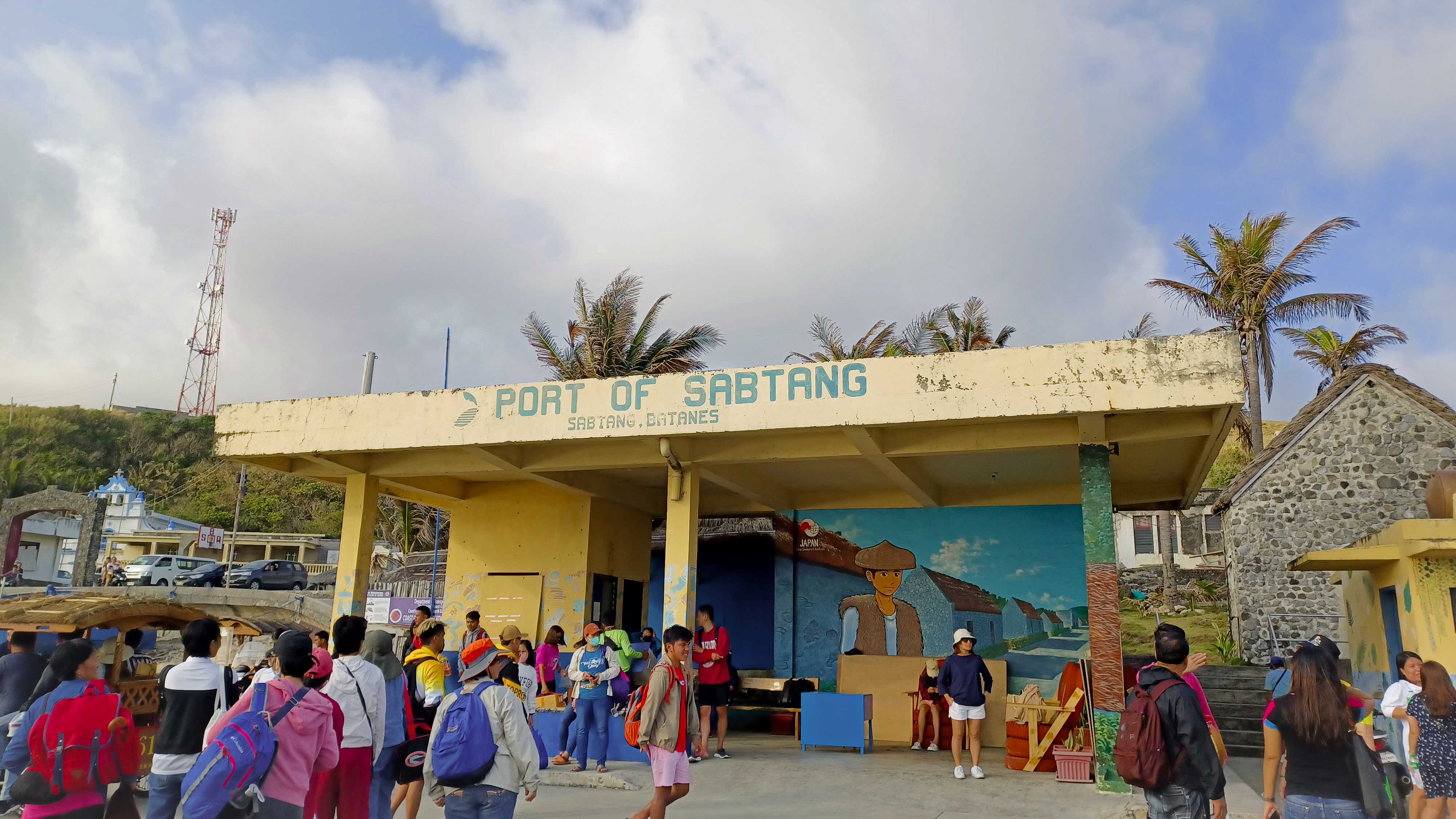
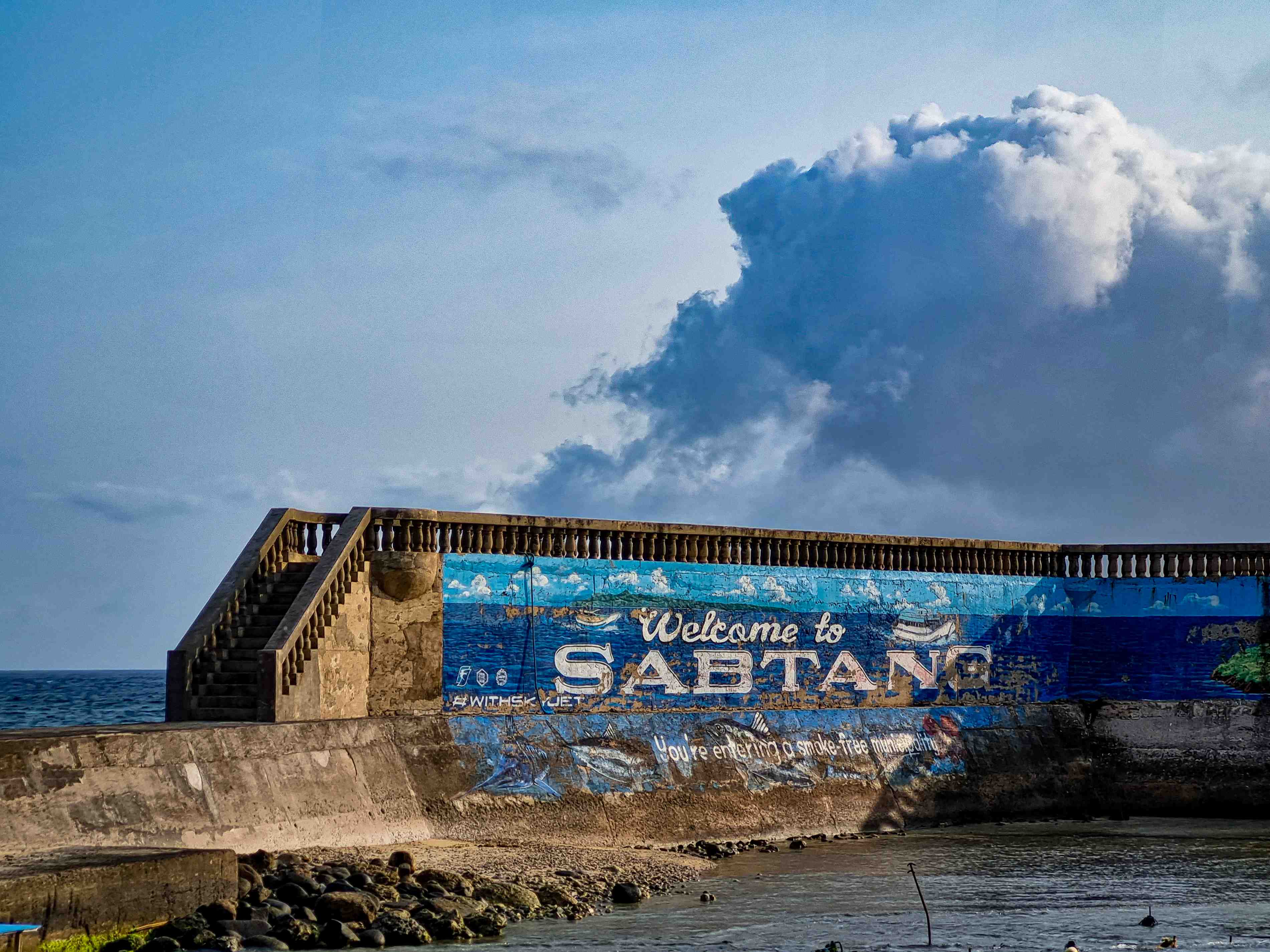


Ate Edna then approached us then accompanied us to our cogon trike service in Sabtang. Despite the number of tourists that was with us in the boat, we would still take our journey on our own. The only condition is that everyone must be back by noon, just in time for the boat’s return trip to Batan Island.

It was 07:45 AM when we left the port to head to our first destination. It was still early, and it was as if the swarm of tourists disturbed the otherwise peaceful island of Sabtang. I think the natives are used to that already though.

Welcome Arch to Barangay Malakdang, which also serves as the town’s poblacion.
Our Sabtang adventure has started. At that point, I had no idea yet that there was a different kind of adventure brewing inside my mind. Not a good one.


 Renegade Junctures
Leave a comment