
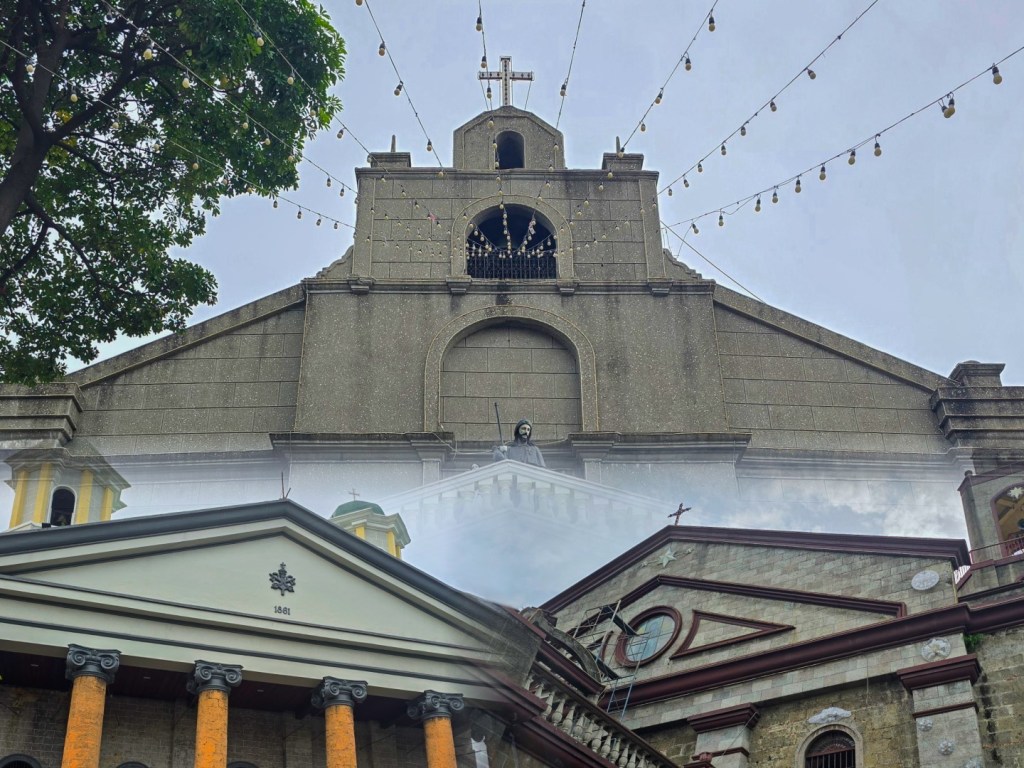
It was a random Saturday, and after just having our trip to Abra and Ilocos Sur, Ran and I had no specific plans of going out of the Metro. Well, at least not yet. It was on that Saturday which would otherwise end up just locking ourselves indoors that we decided to take a rather lengthy walk along the roads of the Diocese of Kalookan, visiting the mother churches of the cities within its ecclesiastical territory: Caloocan, Malabon and Navotas.
We left our house a little past 11:00 AM, took the MRT to EDSA station and then LRT 1 to Fifth Avenue Station. From there, we started our 30-minute walk to our first destination: San Roque Cathedral, the seat of the Diocese of Kalookan.


Originally established as a visita or chapel of ease of Tondo in 1599, the church became a parish in 1815 under the tutelage of St. Roch of Montpellier, and from there on stood as a silent witness to the quest for Philippine independence and the unfolding of the pages of history. In 1899, the church served as a temporary camp of General Antonio Luna during the Philippine–American War and was also used as a station and hospital for the American forces.
In 2003, the church was chosen to be the cathedral of the then-newly established Diocese of Kalookan. The diocese took the traditional Tagalog spelling of the city, hence the discrepancy between Kalookan the diocese and Caloocan the city.
When we arrived, the church was closed at the front, so Ran and I took the side access in order to get inside the cathedral.


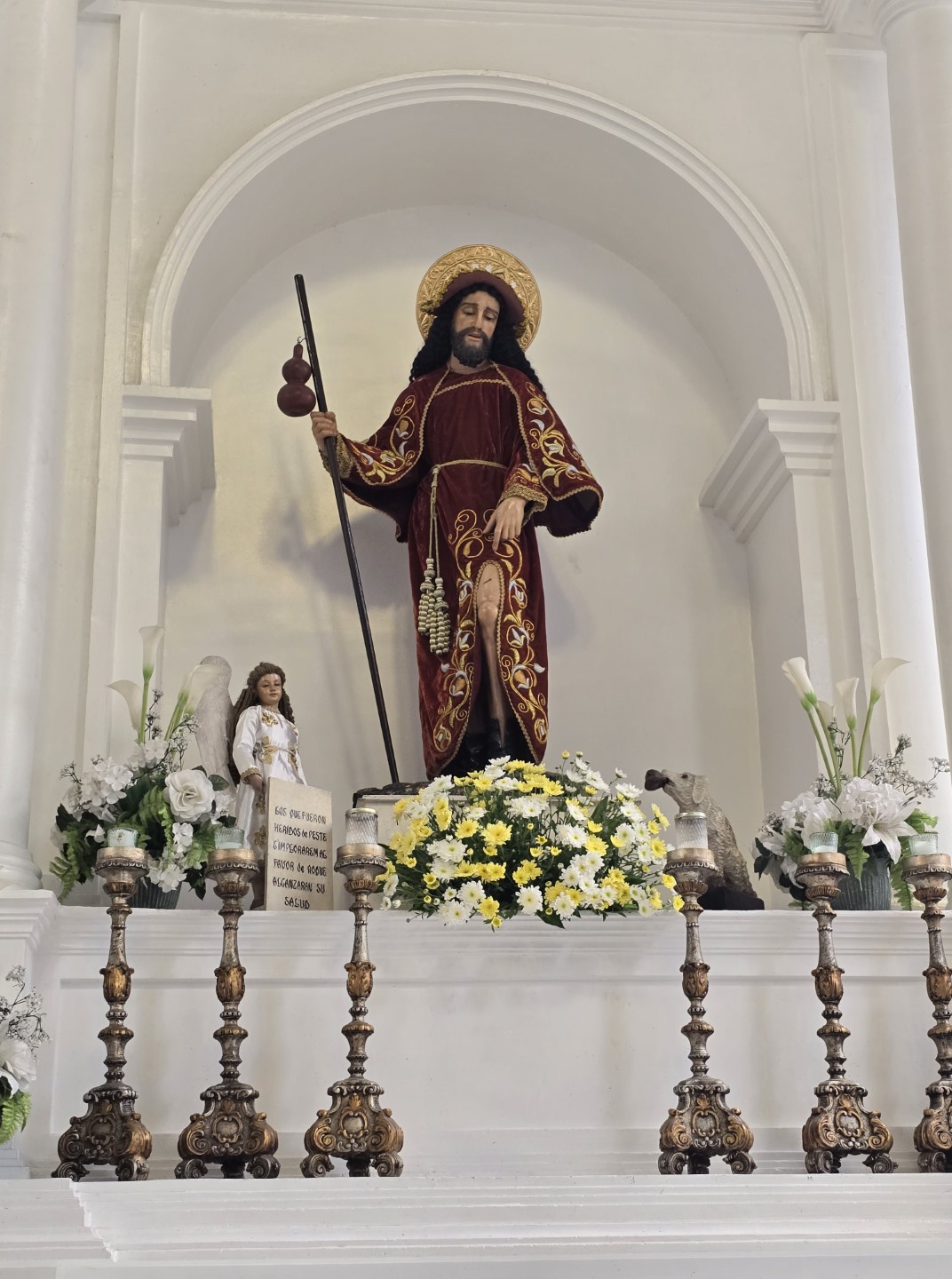


The interior of the cathedral featuring its sanctuary, the cathedra, and the images of St. Roch, St. Joseph and the Blessed Virgin Mary.
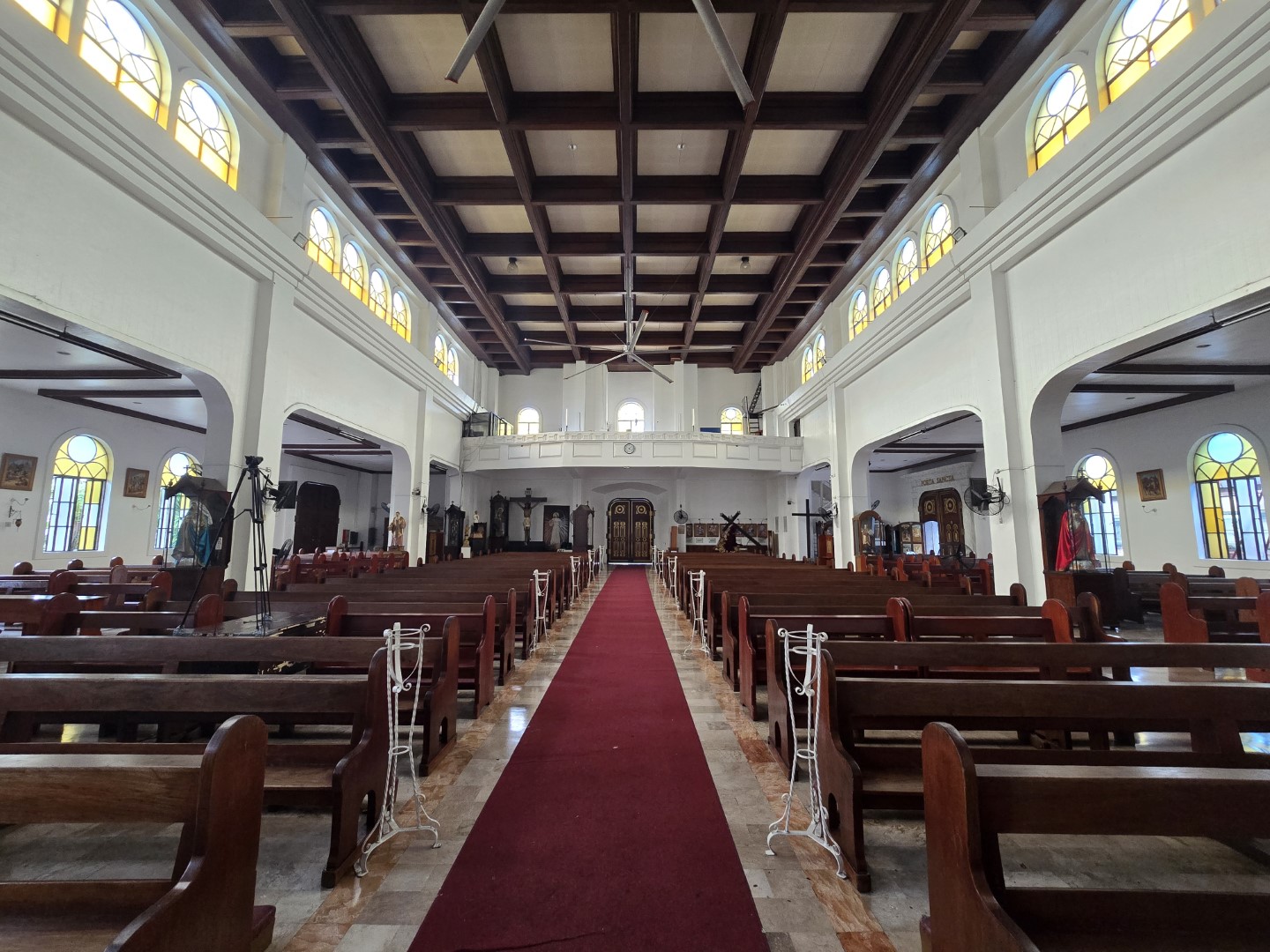
The silence of the church made it conducive for us to offer some silent prayers, after which we took our selfies together and continued exploring the churchyard.


The Diocese of Kalookan has taken some limelight, especially with the appointment of its bishop, Bishop Pablo Virgilio S. David, to the College of Cardinals. The bishop, now Pablo Virgilio S. Cardinal David, has been one vocal critic of the bloody drug war of the administration of then-President Rodrigo R. Duterte, and arguably, the former’s voice is the loudest in the room. The diocese has once been described as the drug war’s killing fields, owing to the number of victims of extra-judicial killings under the ecclesiastical territory of the diocese. The bishop’s work and life with the marginalized is being considered by many as the main factor why he earned a spot as a Prince of the Church.
The diocese’s strong stance against the bloody drug war is immortalized in a memorial plaque for Kian delos Santos, a minor who was killed on the feast of the diocese’s patron saint, St. Roch. The plaque was placed in Plaza Iñiguez, the church patio that was named after the first Bishop of Kalookan, Bishop Deogracias S. Iñiguez, Jr.


Soon enough it was time for us to carry on with our foot journey. It was already past 01:00 PM and we haven’t taken anything just yet, so we stopped by a local burger joint before heading to our next destination. After we had our fill, we went to the neighboring city of Malabon to visit its iconic church, the San Bartolome Parish Church, popularly known as the Malabon Church.


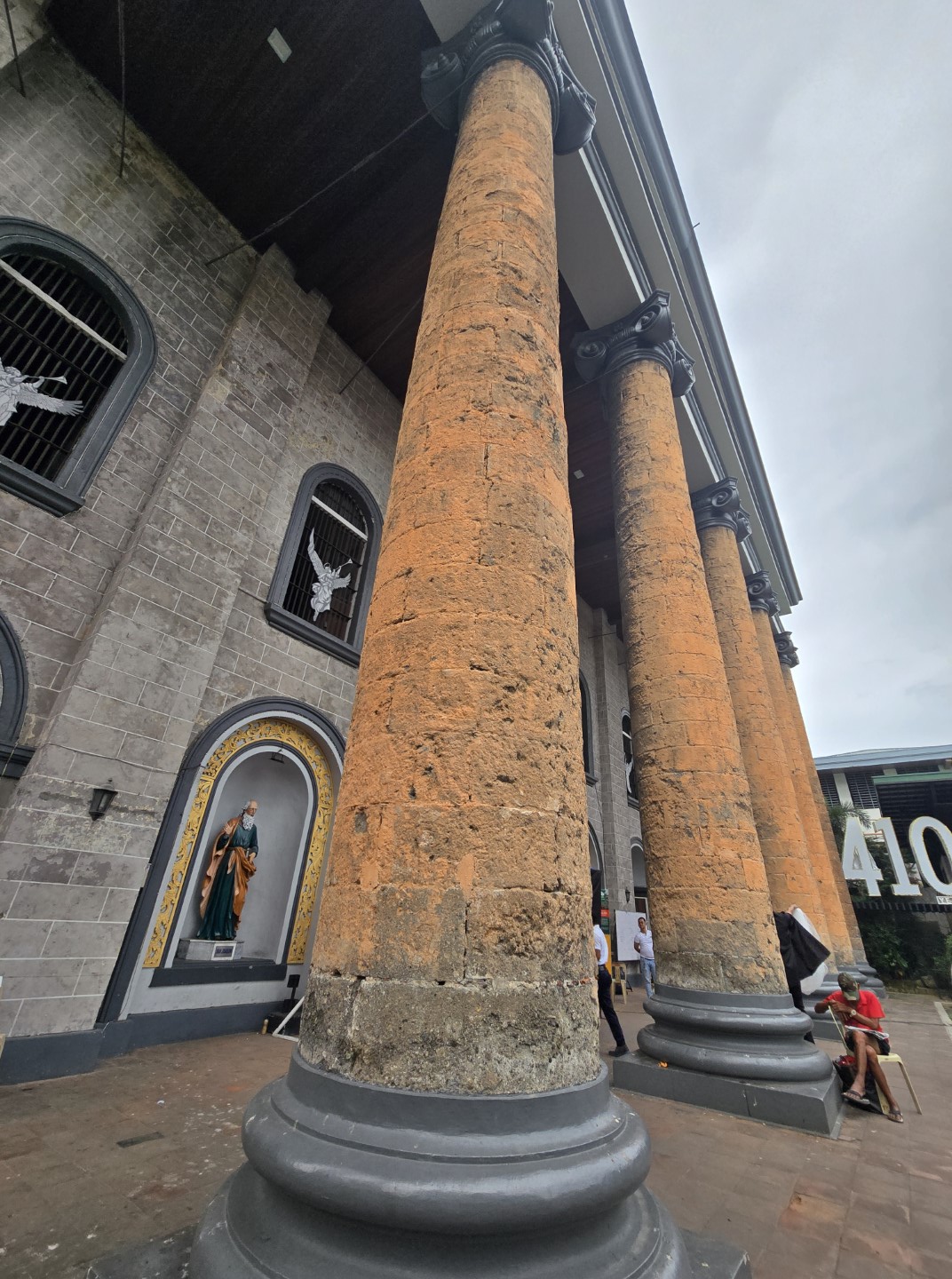


Interestingly, the church of Malabon became a visita of Tondo at the same time with that of Caloocan in 1599, though it became a parish ahead in 1614. Placed under the patronage of St. Bartholomew the Apostle, Malabon church, similar to the cathedral in Caloocan, also left a mark in the annals of history. In 1896, the Supremo Andres Bonifacio chose the eve of the feast of St. Bartholomew for the Cry of Pugad Lawin which is considered as the start of the Philippine Revolution against colonial Spain. Those who joined the renegade gathering disguised as pilgrims, hence were under the radar as the Spanish authorities thought that the feast of Malabon was the reason for the increased foot traffic.
There was a wedding about to start when we arrived at the church. Ran and I hence used the side chapel of saints entrance to access the church. The chapel is interesting in itself with the statues of various saints, most notably that of St. Bartholomew. It also has the relics of two saints on display for veneration: that of the apostle and that of Pope St. John Paul II.


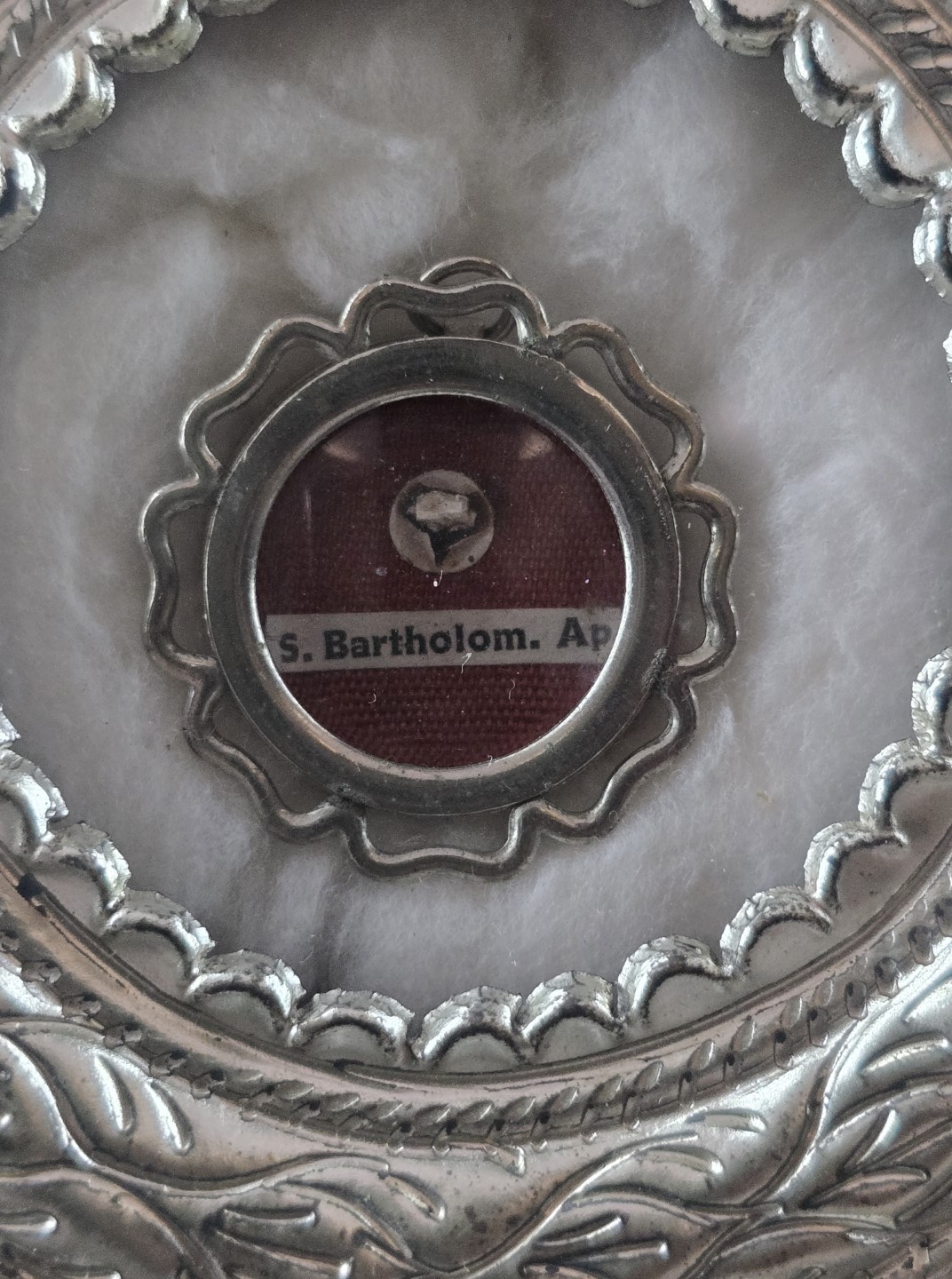


Coming from the chapel of saints, we emerged at the side entrance of the church. The decorations of the wedding aside, the church is a stunning masterpiece.

The sanctuary of the church.


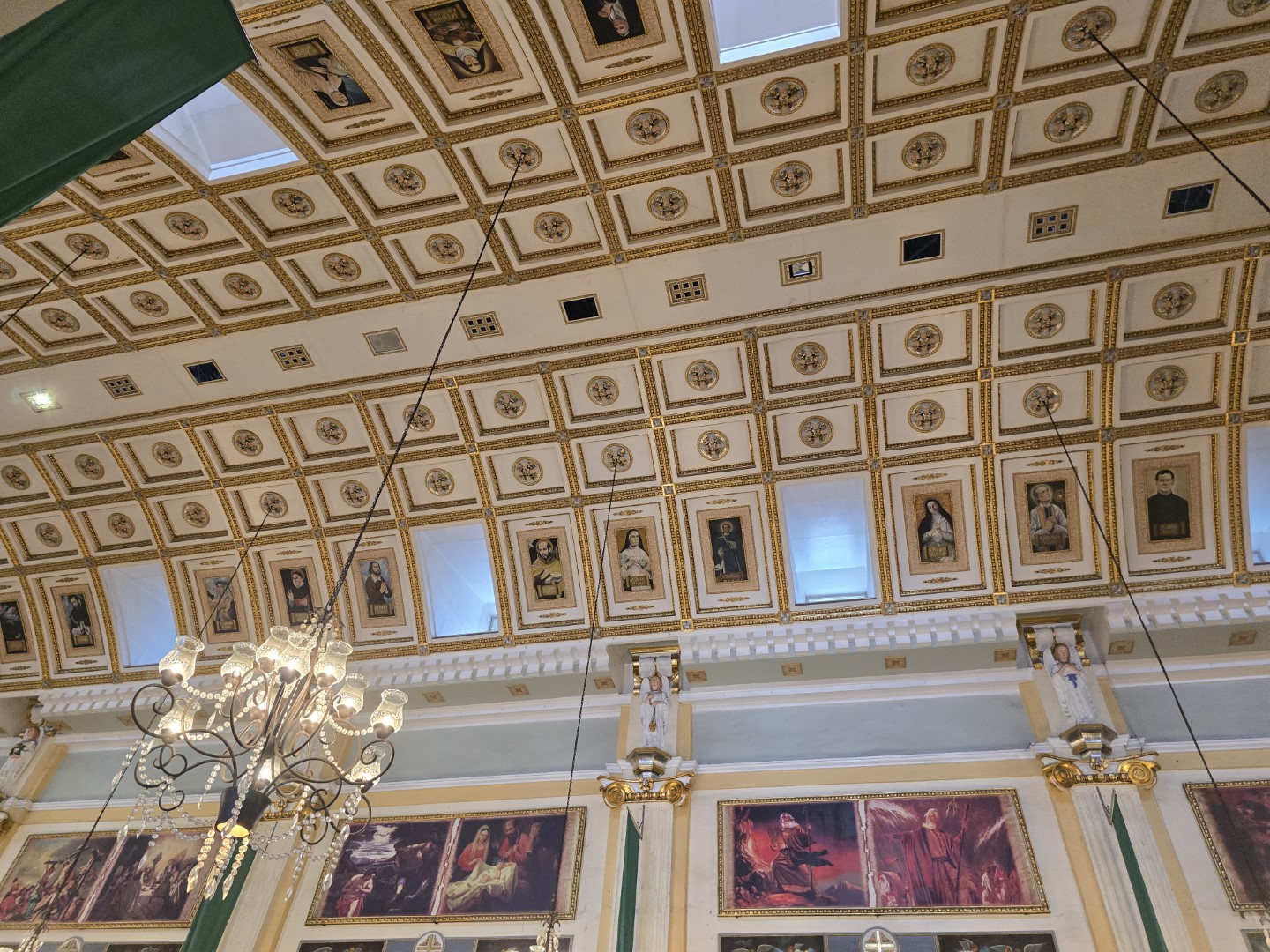

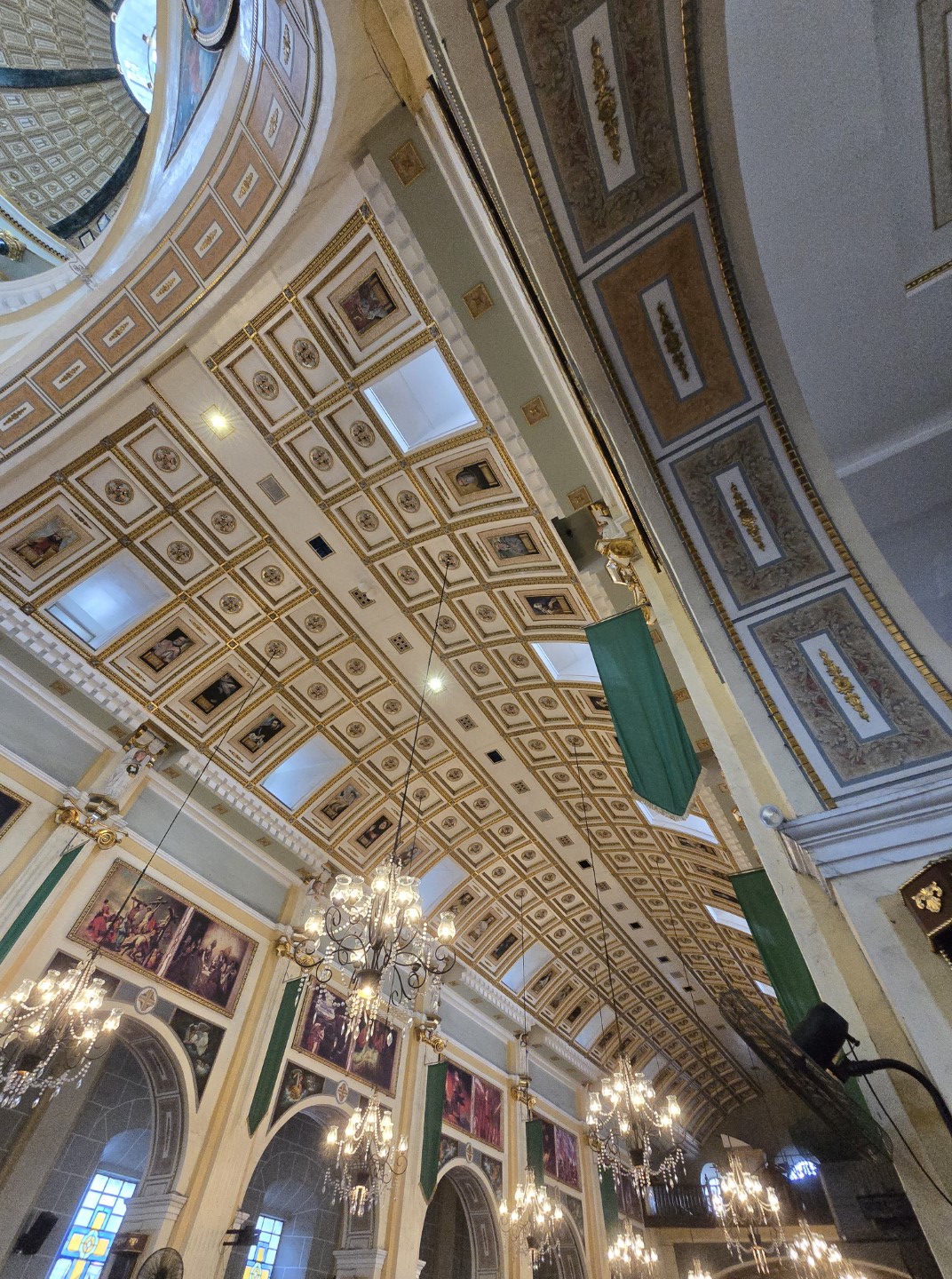

The interior of the church featuring its intricately designed dome and ceiling.

The choir loft at the end of the nave.
When the wedding march has already passed through, we were finally able to use the front door of the church. We took photos and stayed for a bit more in the churchyard.
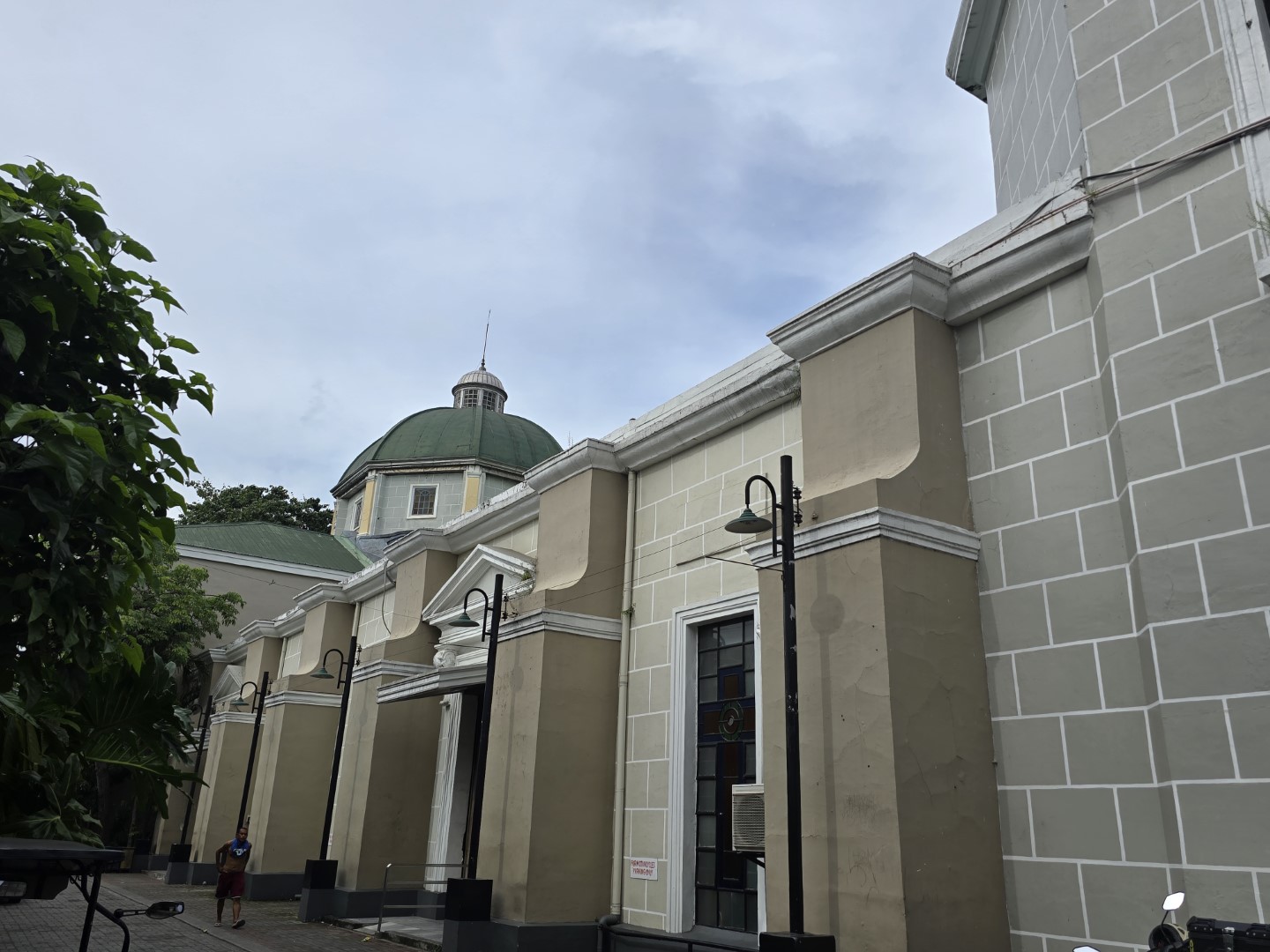
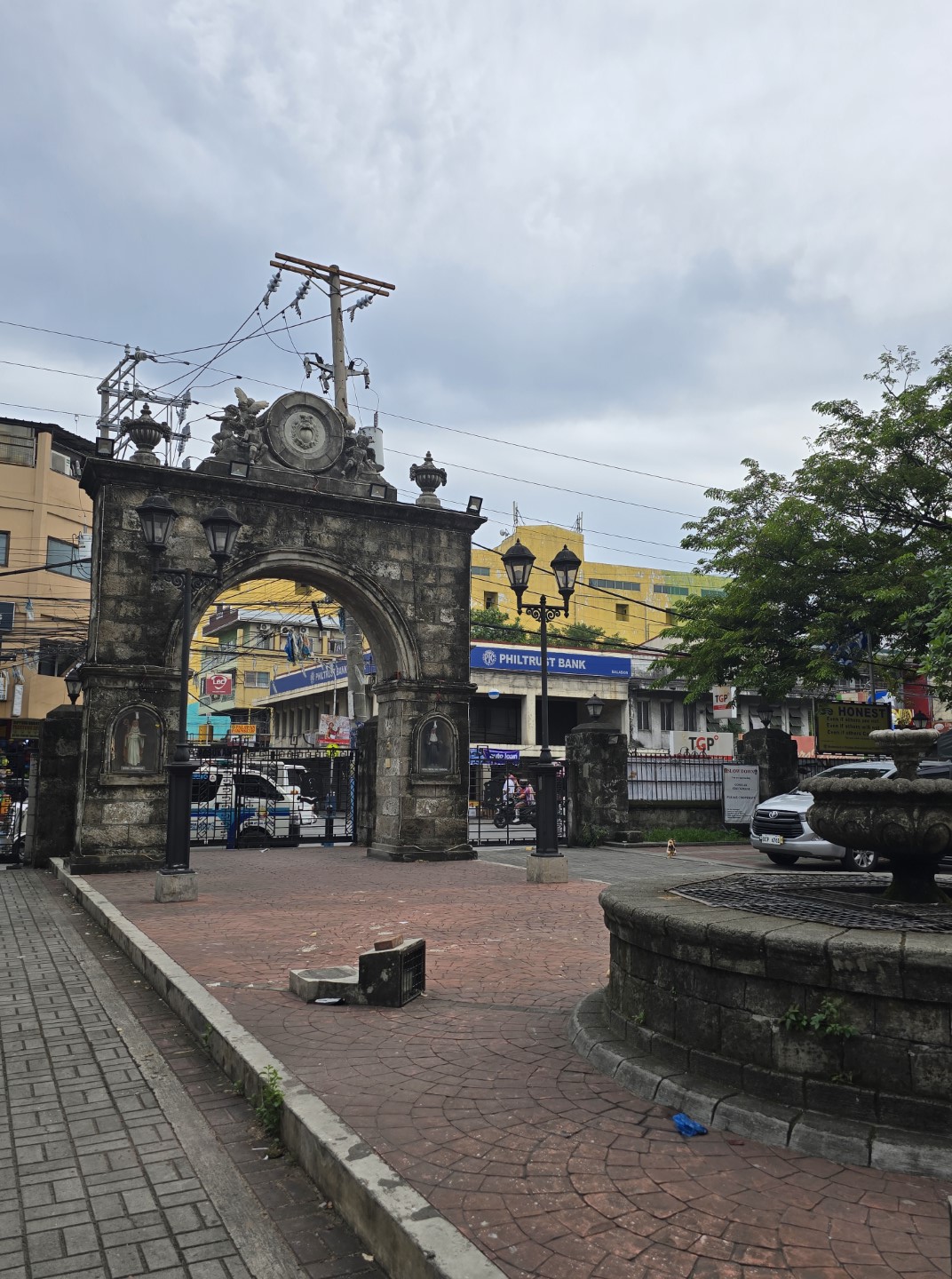


It took another about a thirty-minute walk until we reached the last of our three destinations, the Diocesan Shrine and Parish of San Jose de Navotas, popularly known as the Navotas Church.
I am sure it was not coincidental that Navotas Church, just like Malabon Church and Caloocan Cathedral, was also made a visita of Tondo on the same date in 1599, but it was totally serendipitous for us to discover that the three churches we visited have always been connected to each other since the infancy of Christianity in the Philippines. Tondo used to be a province established by Spain, and whenever a new pueblo was being established, a parochial church is a requisite. Parochial churches have chapels of ease within their jurisdiction, and Navotas, together with Caloocan and Malabon, were among the first visitas under the statute of the Province of the Holy Name of Jesus, which estavlished the Tondo Church.


Navotas was separated from Malabon in 1859 to be an independent pueblo. That was the same time that the church was elevated to a parish, making it the youngest of the three in terms of being a parochial church. During the American occupation, it was incorporated to the newly created province of Rizal and was annexed again to Malabon in 1903. It was eventually separated again to be a town of its own in 1906.

The sanctuary of the Navotas Church.
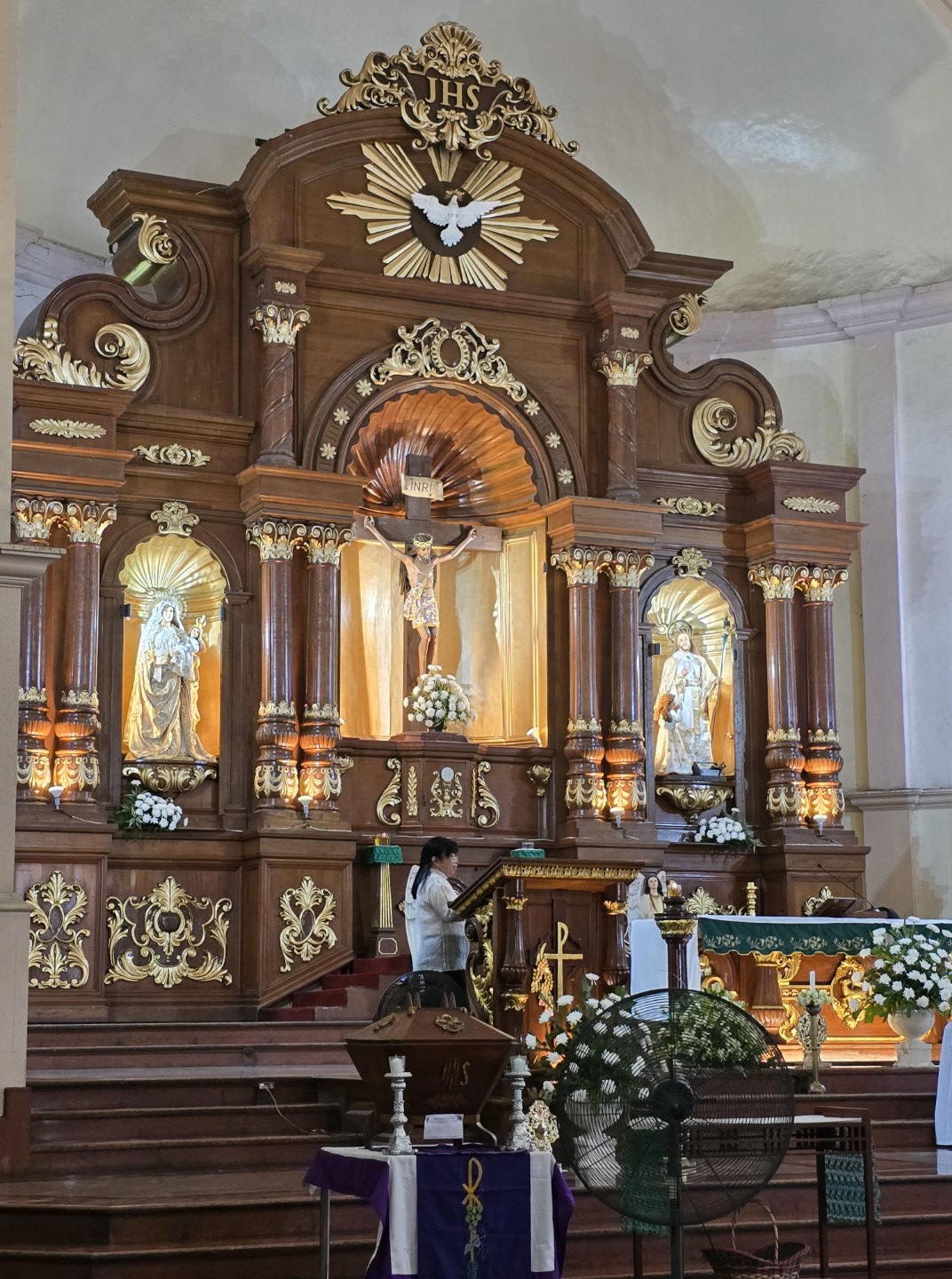


A close-up of the sanctuary, the nave and the ceiling of the church.
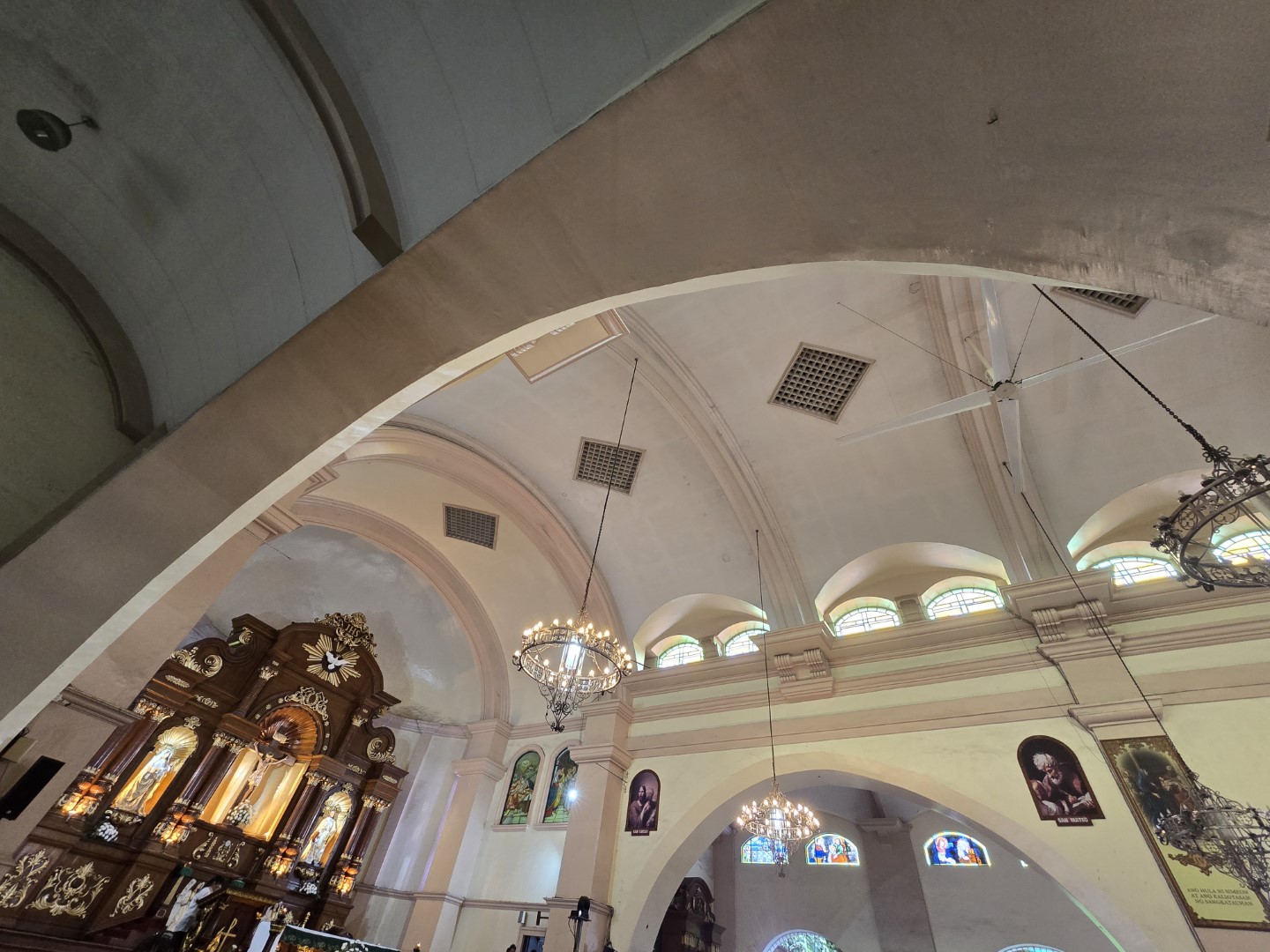
More details of the church ceiling.
It was a Saturday, which explains why there was also a wedding in the church when we arrived. We waited for the entourage to pass through, then made our way inside the church. After spending some silent moments and taking some photos, we went outside the church to take the usual twofies.


It took more than an hour walk from Navotas to the Bonifacio Monument in Caloocan, not without idle stops. When we reached Monumento, we took the EDSA bus carousel, as it was actually the first time for Ran. After eight hours since we left, we got back home.
Visiting the old churches of the Diocese of Caloocan transformed what would have been a lazy Saturday into something meaningful. It was a walk down the path of ecclesiastical history, seeing the development of churches from the colonial period to what they are today. It was also a retracing of Philippine history, realizing the role the churches played in the Filipino quest for independence. On top of that, it paved the way for a better understanding of the role of the church militant in today’s society, as reflected through the courageous efforts of the Diocese of Kalookan to stand against the wave of injustice perpetrated against the marginalized.
Duc in altum, the motto of the Diocese of Kalookan, translates to put out into the deep. The phrase was taken from Luke 5:4 when Christ told Peter to put out into the deep in order to get a good catch. True to its guiding motto, the diocese is doing just that.


 Renegade Junctures
Leave a comment