

The town of Kiangan used to be the capital of Ifugao until it was transferred to the neighboring town of Lagawe in 1966. Despite its cultural and historical significance to the province, its topology proved difficult to serve as a commercial and administrative hub. Despite the transfer of the designated capital though, Kiangan has already left its own mark. It is home to the Nagacadan Rice Terraces which forms part of the terraces cluster recognized as UNESCO World Heritage Site. It also hosts sites significant to the perpetuation of Ifugao traditions and culture, and their contribution to the cause of freedom. To top it all, its naturally mountainous terrain makes it a sought-after destination for trekkers, riders and adventurers, even casual travelers.
Among the natural wonders in Kiangan is the Imbuliklik Rock, a huge rock that sits just along the Tinoc–Kiangan–Asipulo–Lagawe Road. Hidden in the cover of darkness when we arrived, we were amazed by its sheer size when it finally came to light.

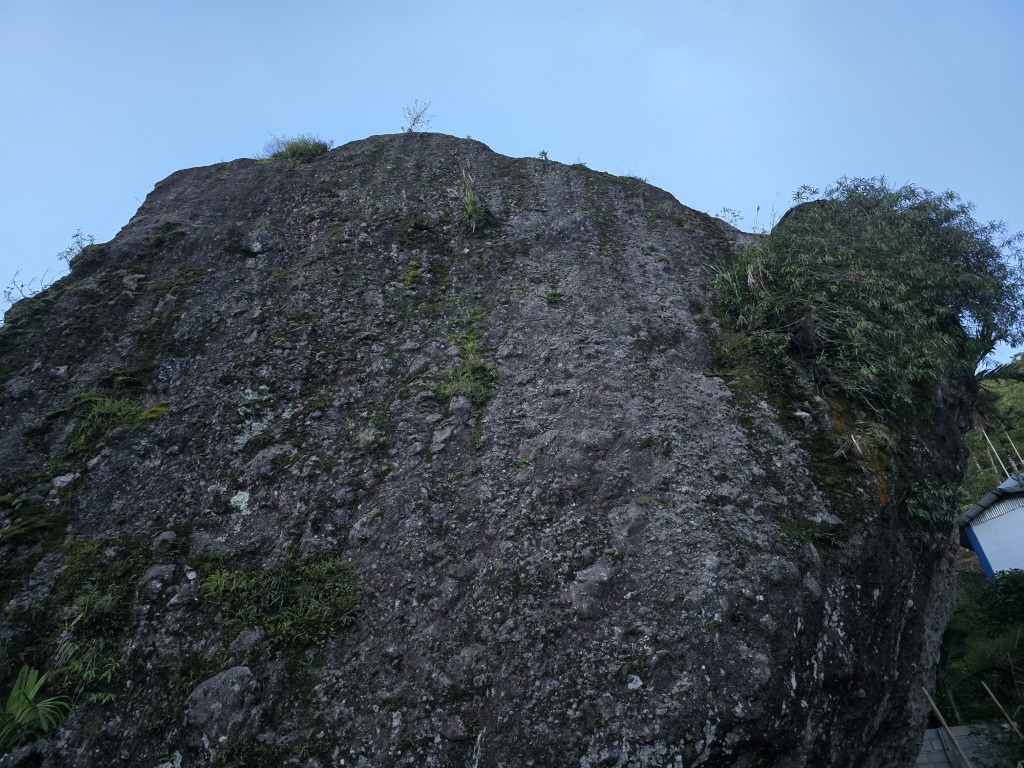
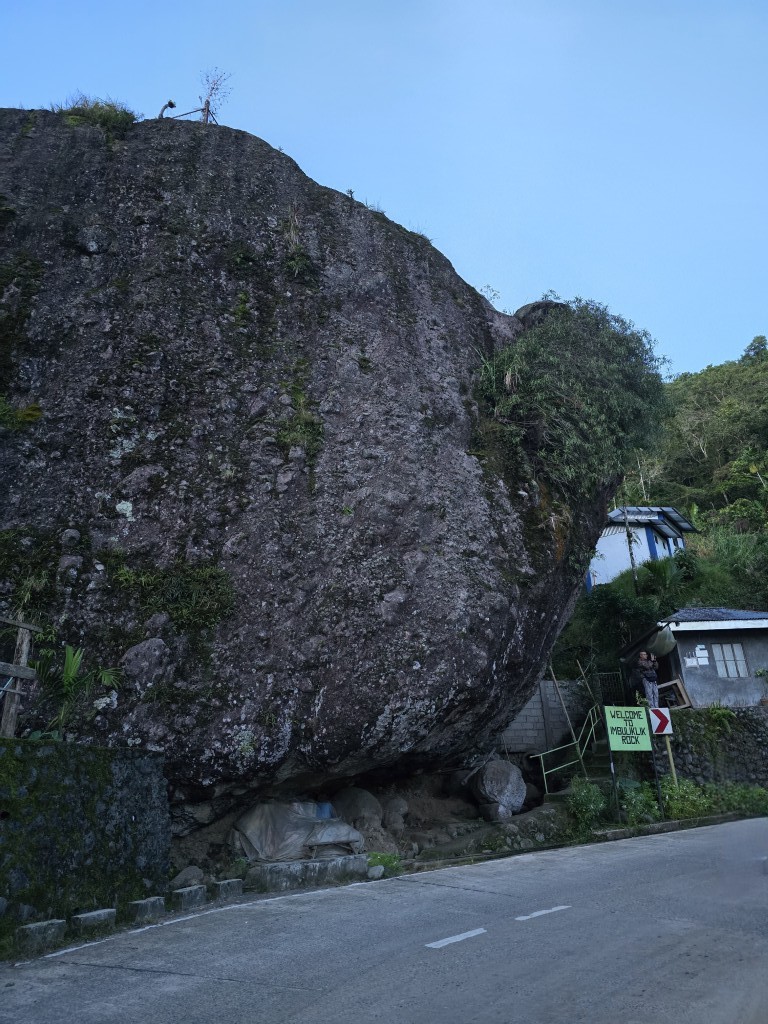
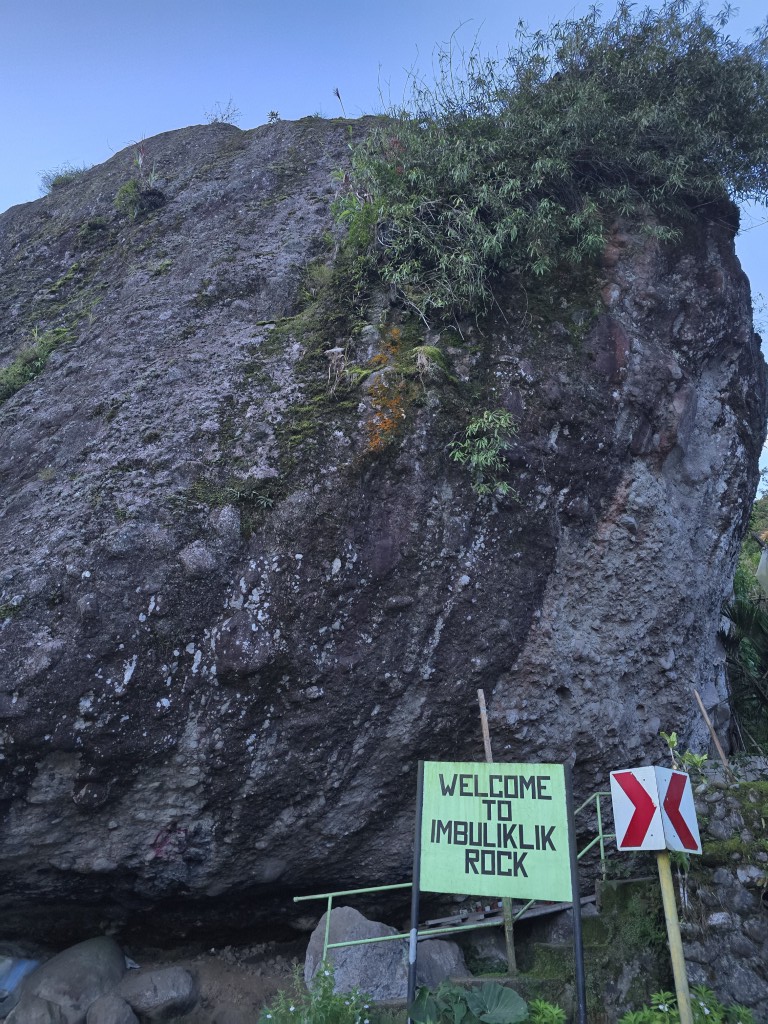
Imbuliklik Rock just before the first light.
Imbuliklik Rock is a naturally formed geological feature that stands at around 25 meters. With very limited resource available on the origin and nature of the rock, it stands as a seemingly out-of-place piece in the landscape of Kiangan, posing a question the answer to which is deeply buried in antiquity. If the gigantic rock was a part of the mountain where it stands and was naturally weathered, then how come that the weathering seems to have been too selective to just focus on the area which ended to the rock formation? If, on the other hand, it came from elsewhere, then from where?
Since we arrived in Kiangan way too earlier than expected, the gate that leads to the stairs up the rock was still closed. My youngest brother, Mikle, hence called at the store which stands next to the gate. An old lady then opened the gate for us and charged us for just PHP 20.00 per head as entrance fee. From there, we made our way up to the top of the rock.
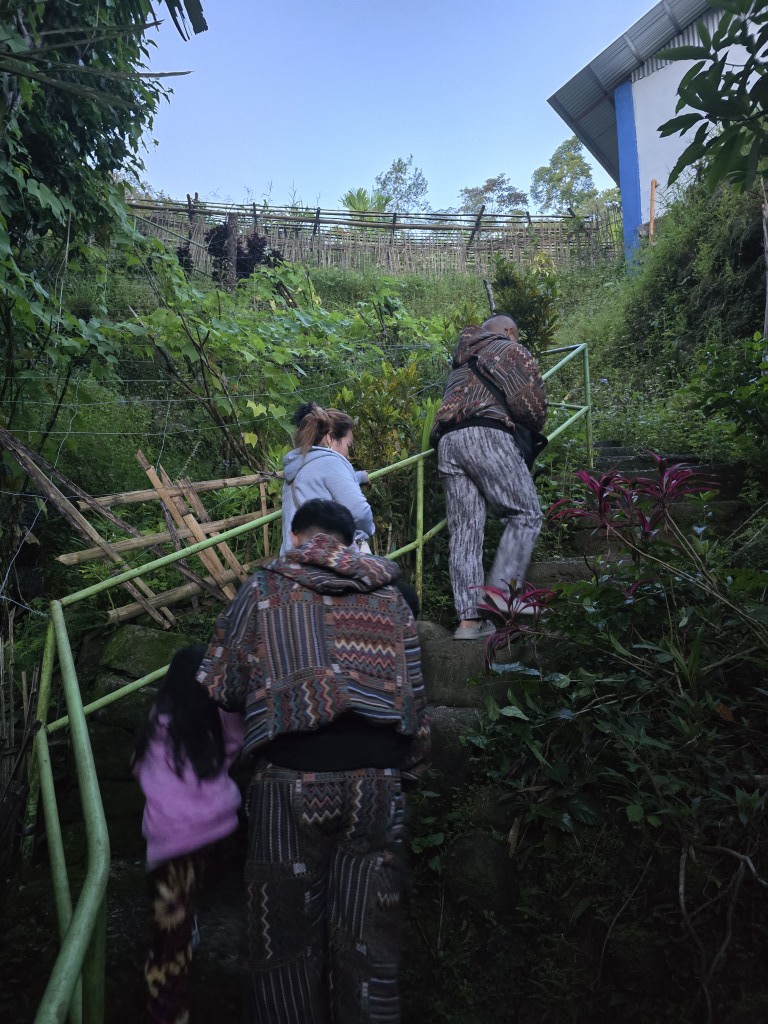
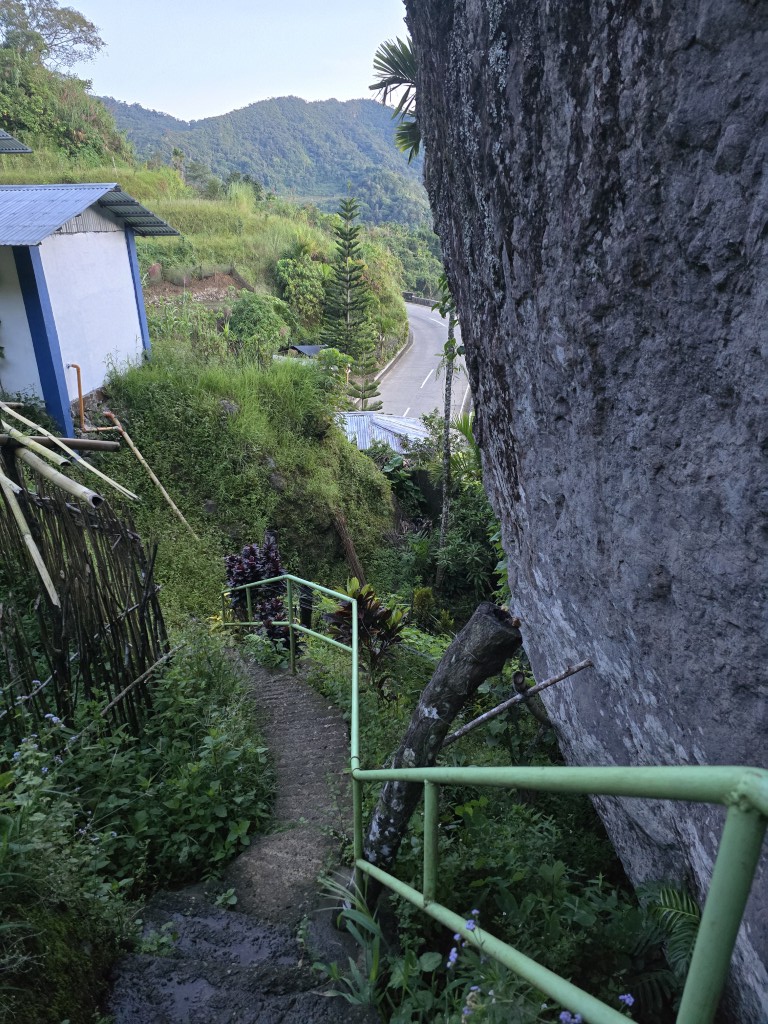


Climbing up our way to the top of the rock.
We made it to the top of the rock after a fairly easy ascent through concrete stairs. The view of the Kiangan landscape atop Imbuliklik under the morning light was satisfyingly relaxing.

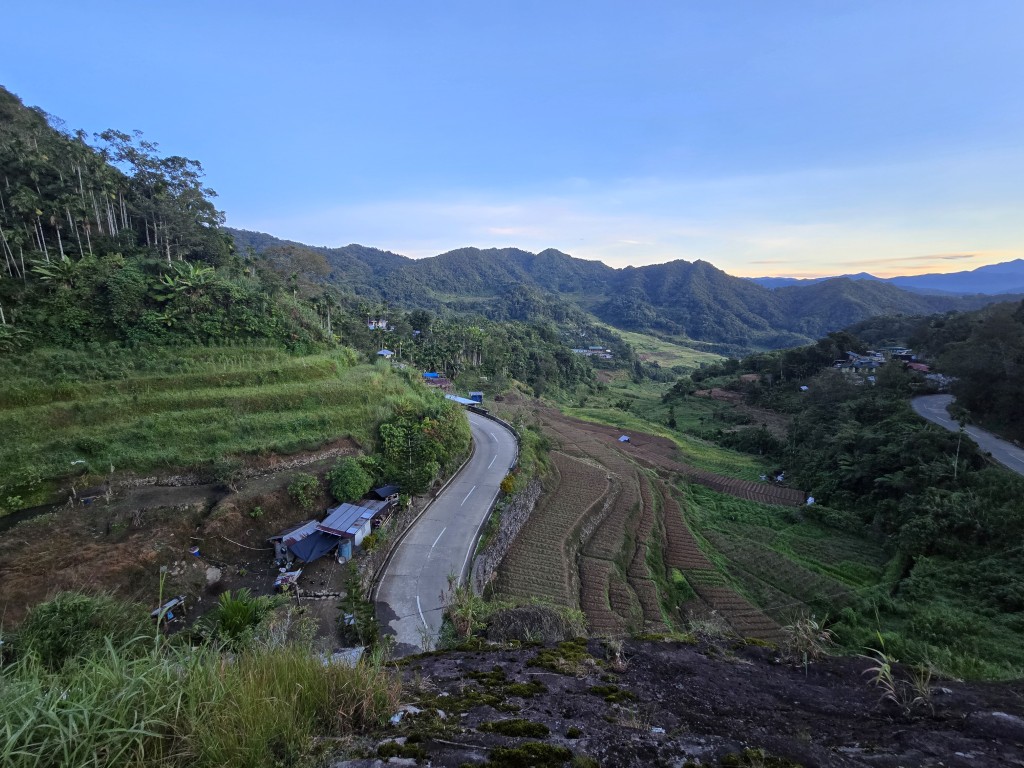
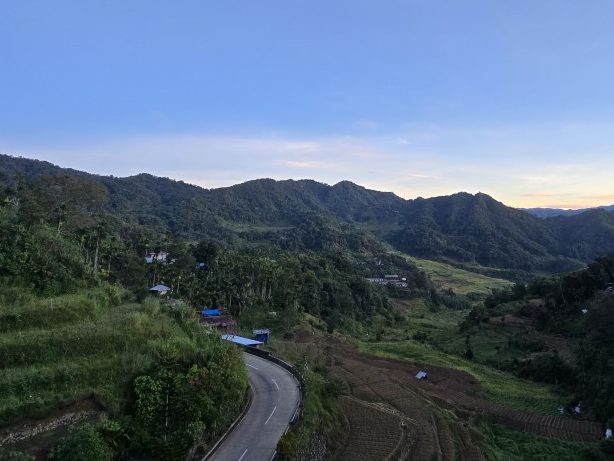
The peaceful town of Kiangan from the top of Imbuliklik Rock.
The climate in Ifugao is cold, as one would expect of the highlands. Combine that with the verdant surroundings and the slight touch of the morning sun and one would be refreshed, as were we that as if we did not spend the entire night travelling.
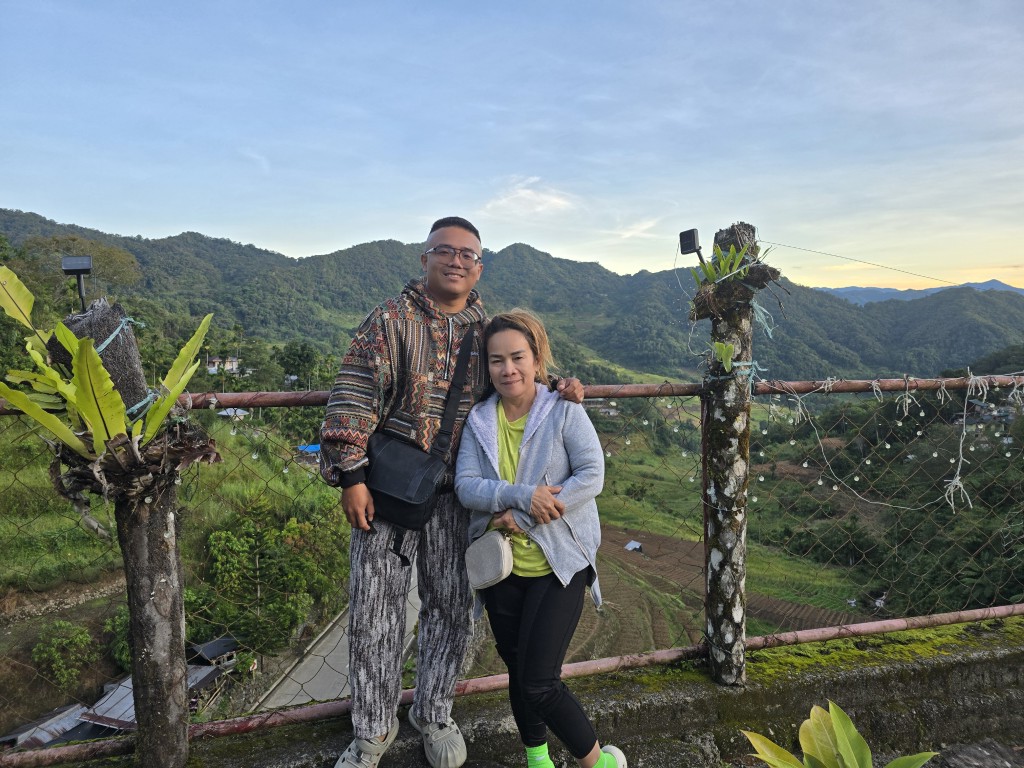
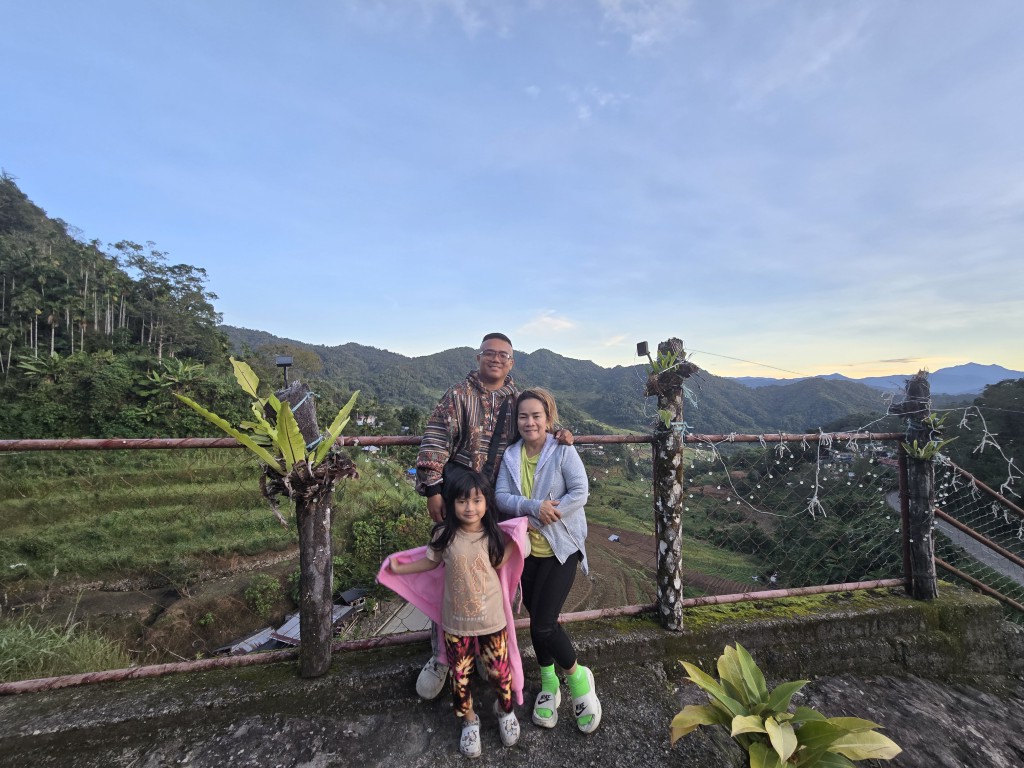
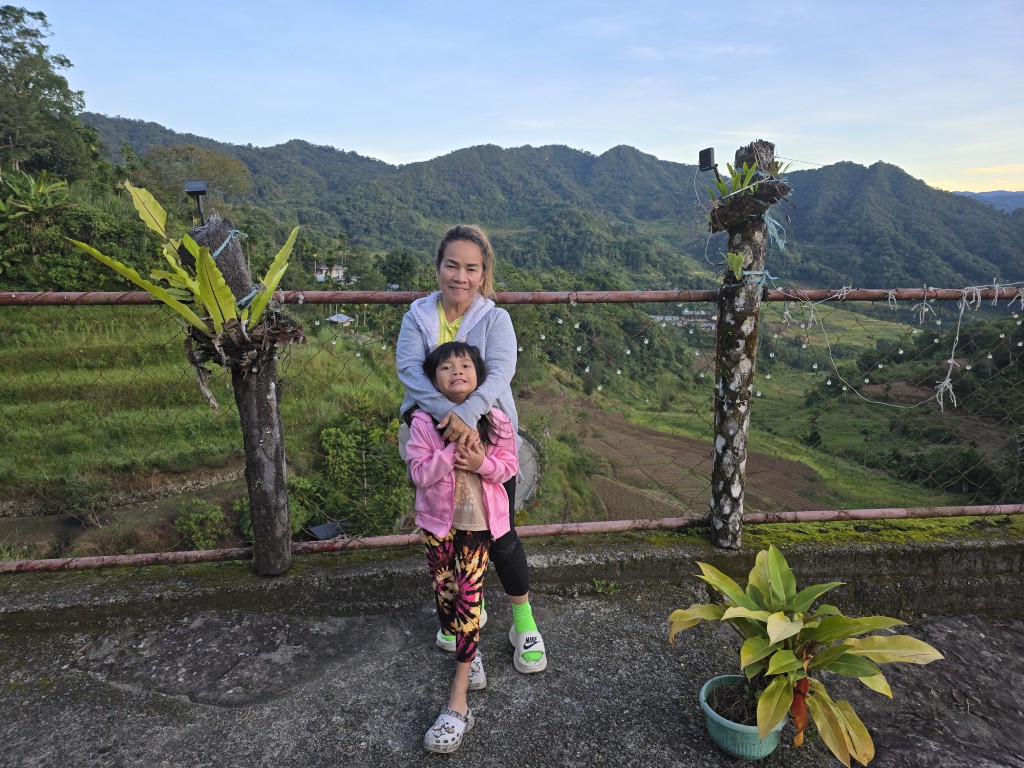

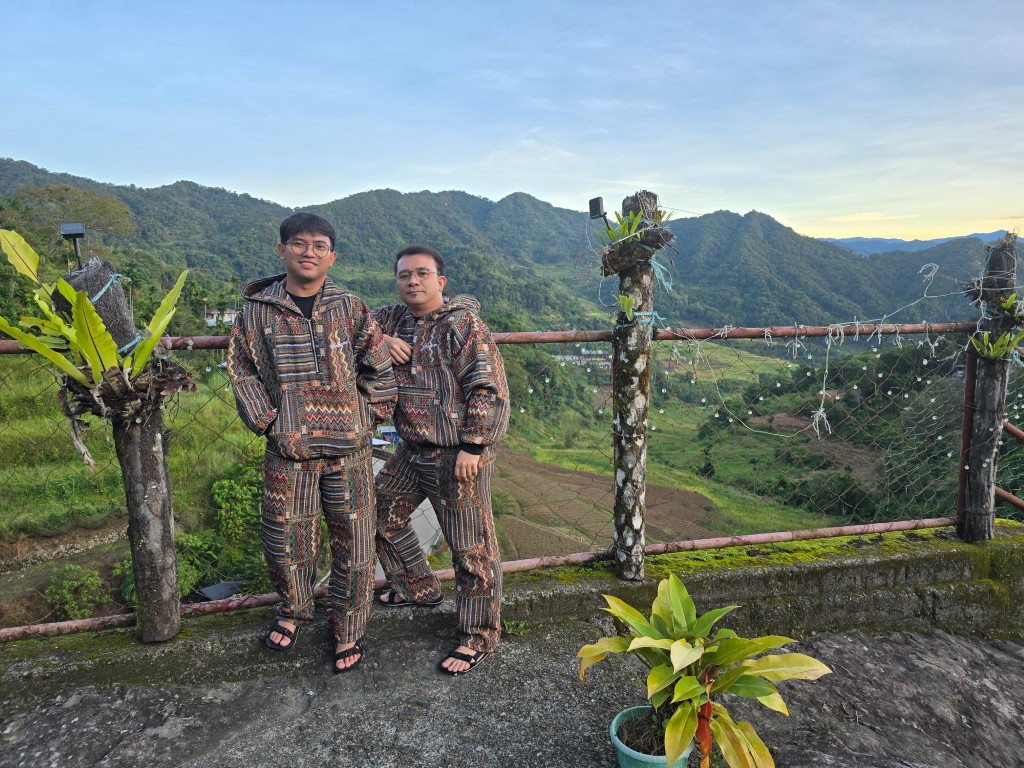
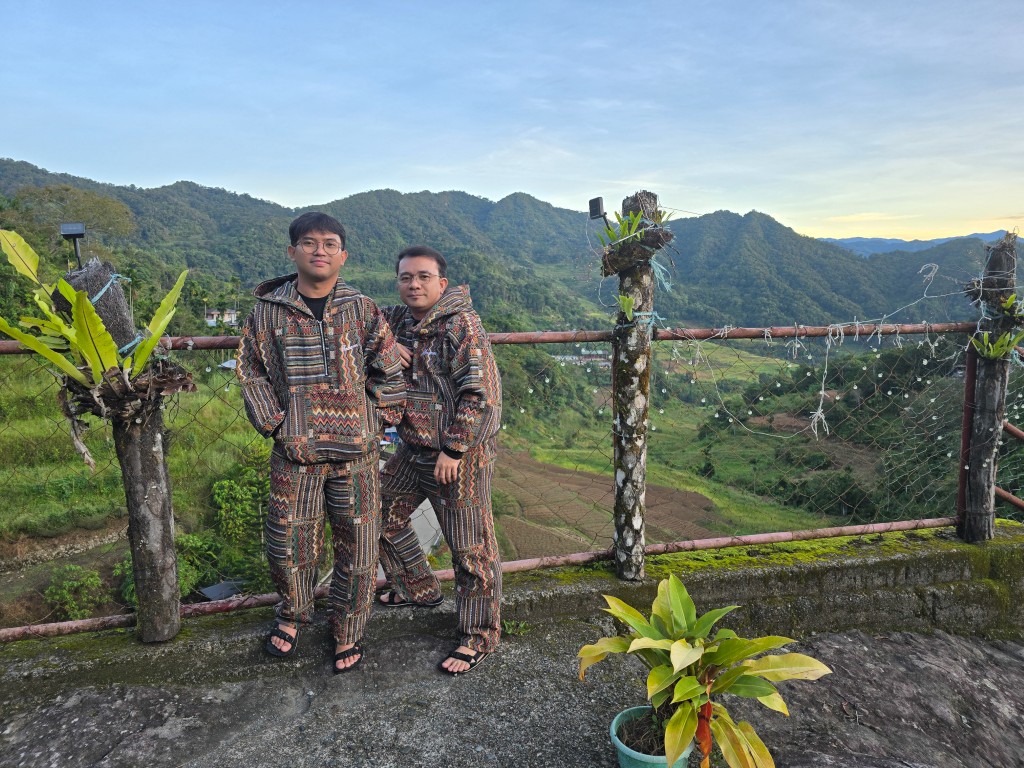
Cold morning photos atop the massive rock.
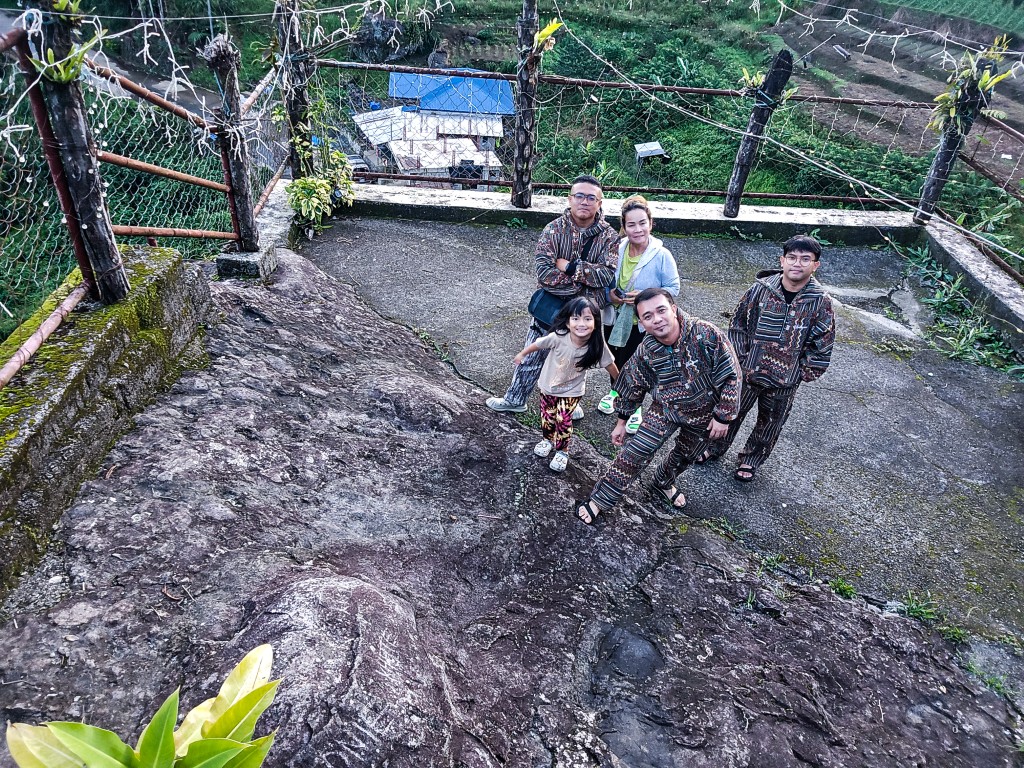
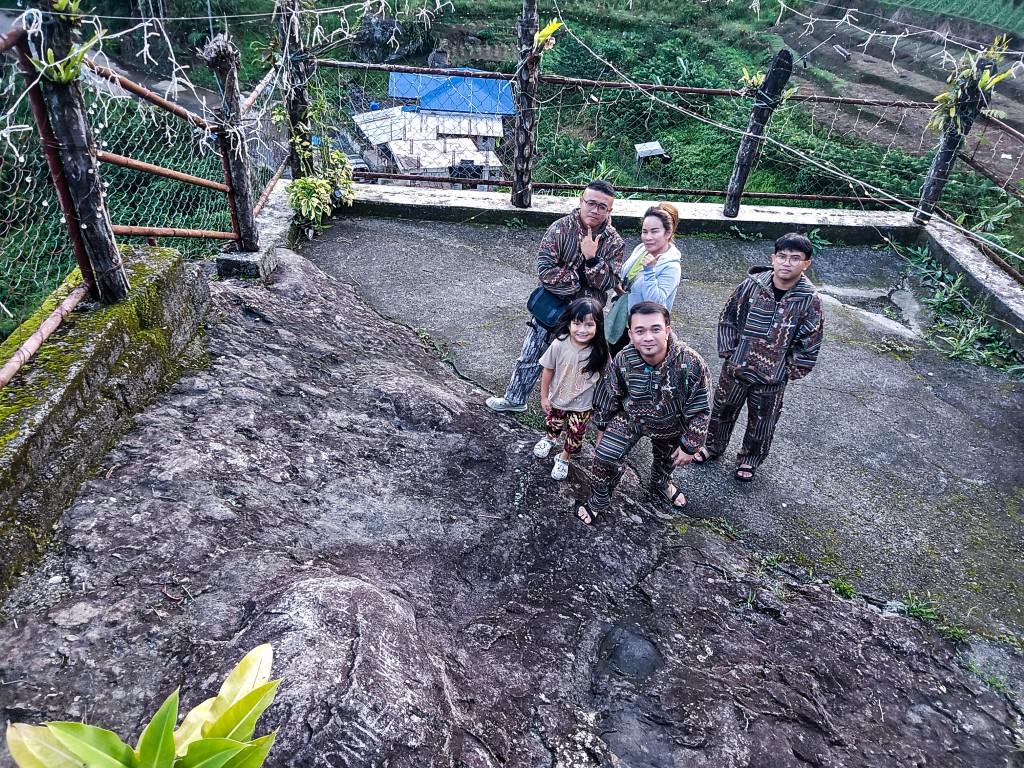
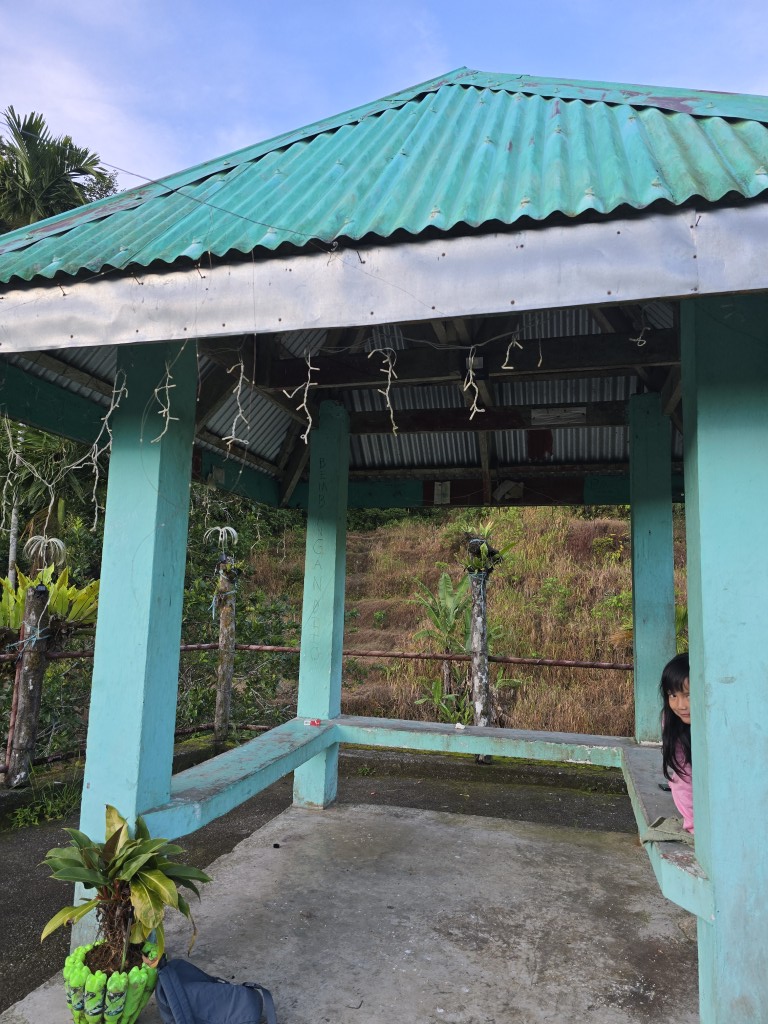
An attempt at a group shot and Riyan’s goof.
We spent our time on Imbuliklik Rock just savoring the experience and taking photos. When the time has come that there was nothing else to do, having appreciated the beauty of Kiangan atop its famous rock feature, it was time to descend. The way down was just as straightforward as the ascent.
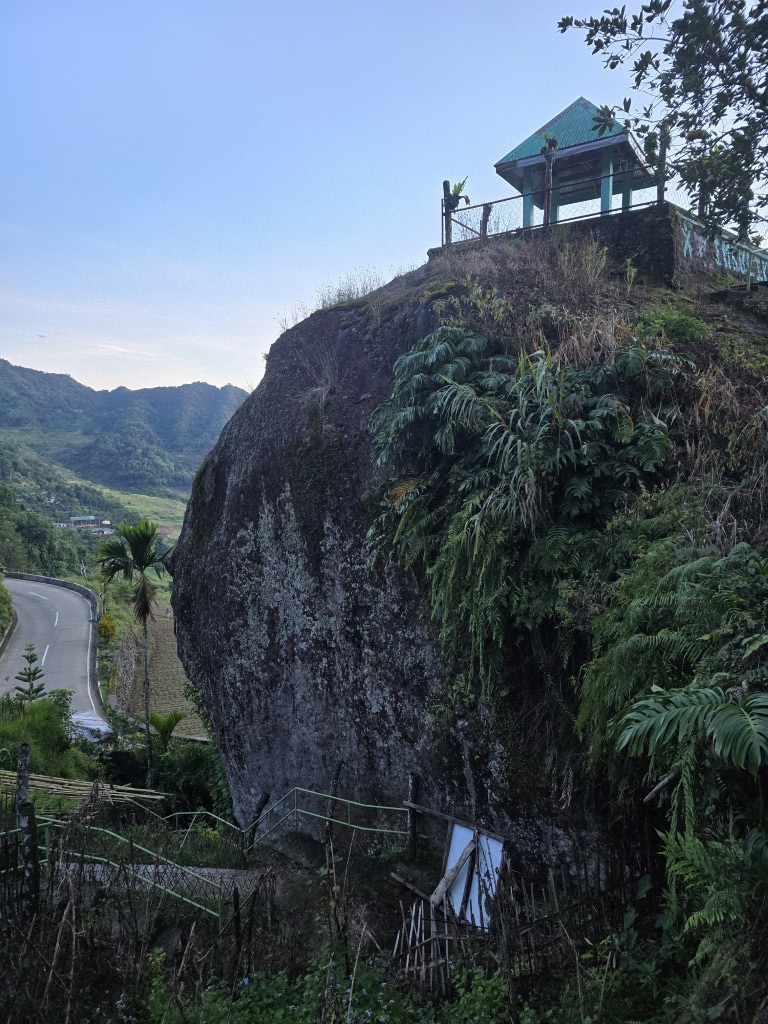
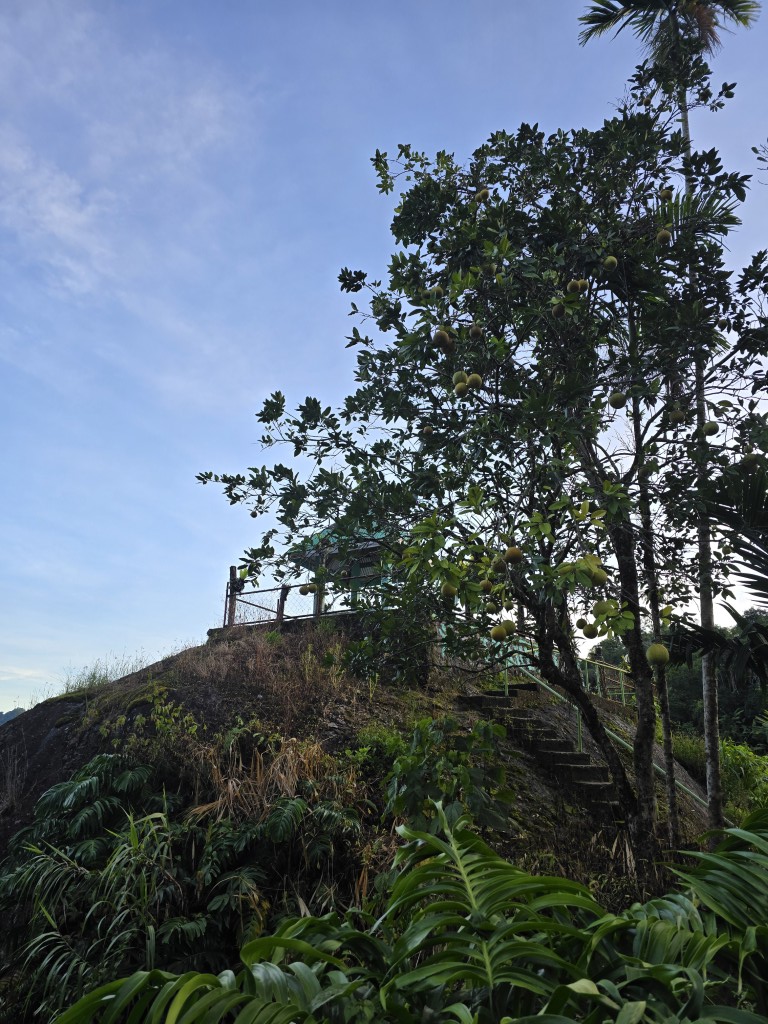
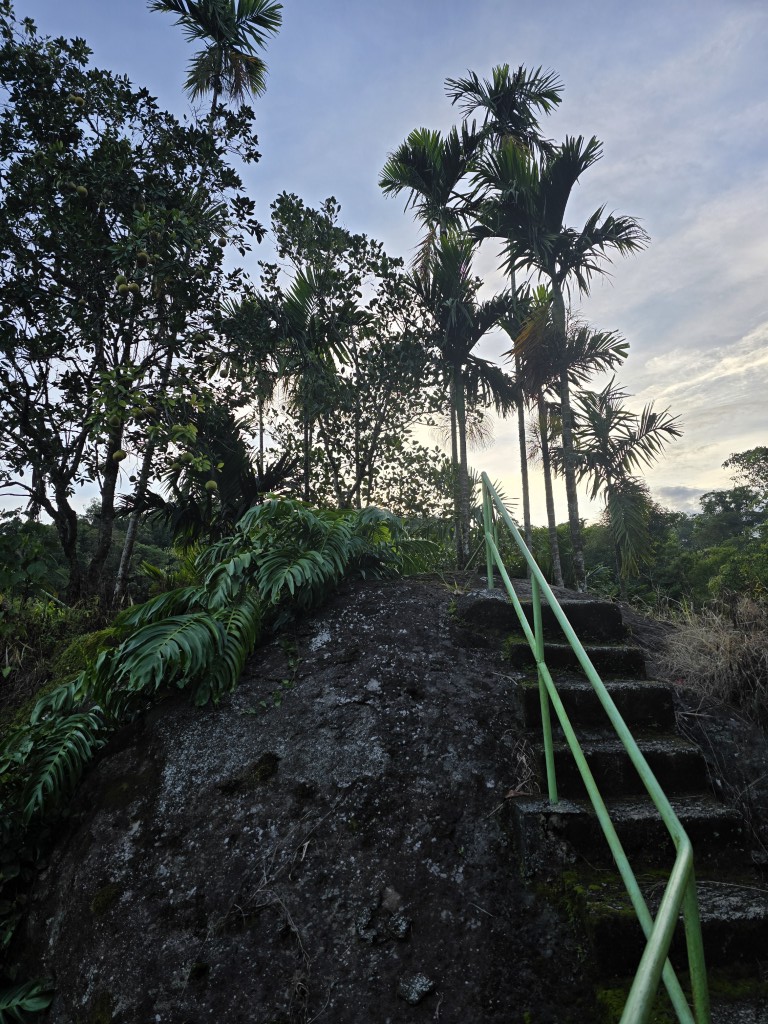
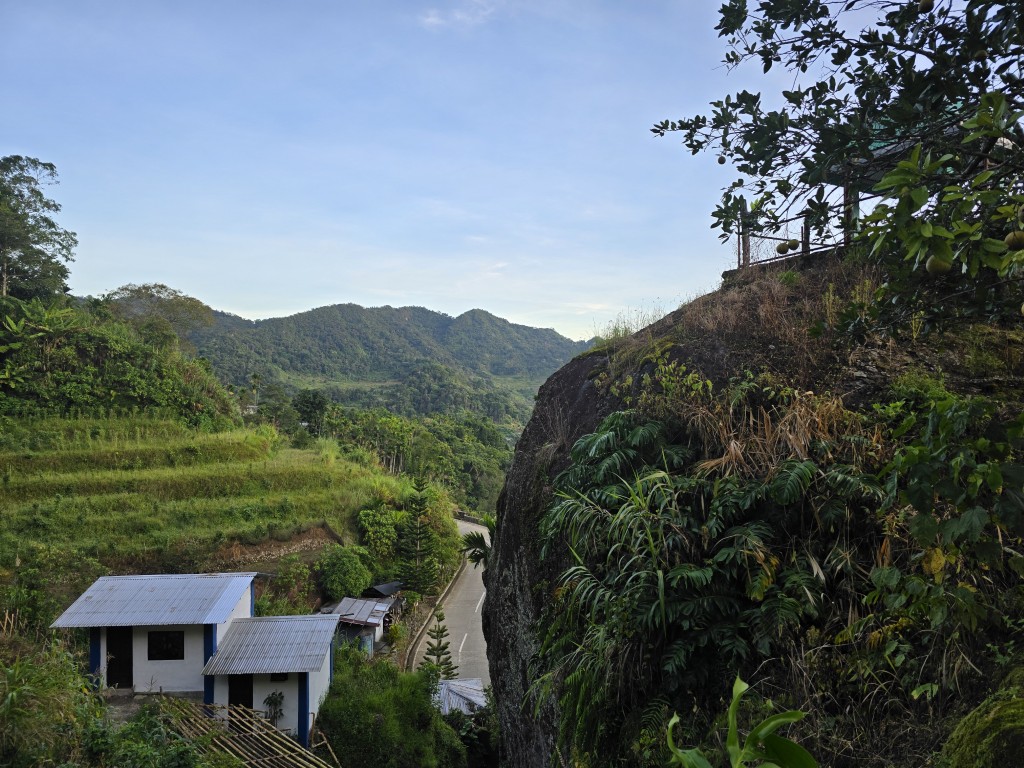
More shots on the way down.
When we got down the rock, we thanked the lady who opened the gate for us and asked if she was selling coffee. Unfortunately, we just have to try elsewhere as there was none.
Our quick visit to Imbuliklik Rock was just the first of the many wonders that we would behold in the province of Ifugao. Enormous as the rock is, it was just a small sneak peek of the many more times that we will stand in awe of the wonder before us. Ifugao, after all, is home to a renowned world wonder. One cannot expect less, and Ifugao will not disappoint.


 Renegade Junctures
Leave a comment