
Apart from being known for their ingenuity that led to the rise of the terraces of the Cordilleras, the Igorot are also known for their valor and ferocity in battle. Like the Moros in the south, the Spanish colonial powers did not gain any effective control on Igorot domain. They are the people of the mountains after all, and their mastery of the land coupled by their strong belief systems made them difficult to subdue.
Things started to ease under the American rule, which sought to integrate the Igorot to modern way of life without disturbing their core belief systems. Such was a huge departure from the Spanish way of subjugation which often starts with the destruction of animistic belief systems as precursor to Christianization. The Americans gained footing somehow, hence when the Philippines had to be defended during World War II, the Igorot fought alongside with them.
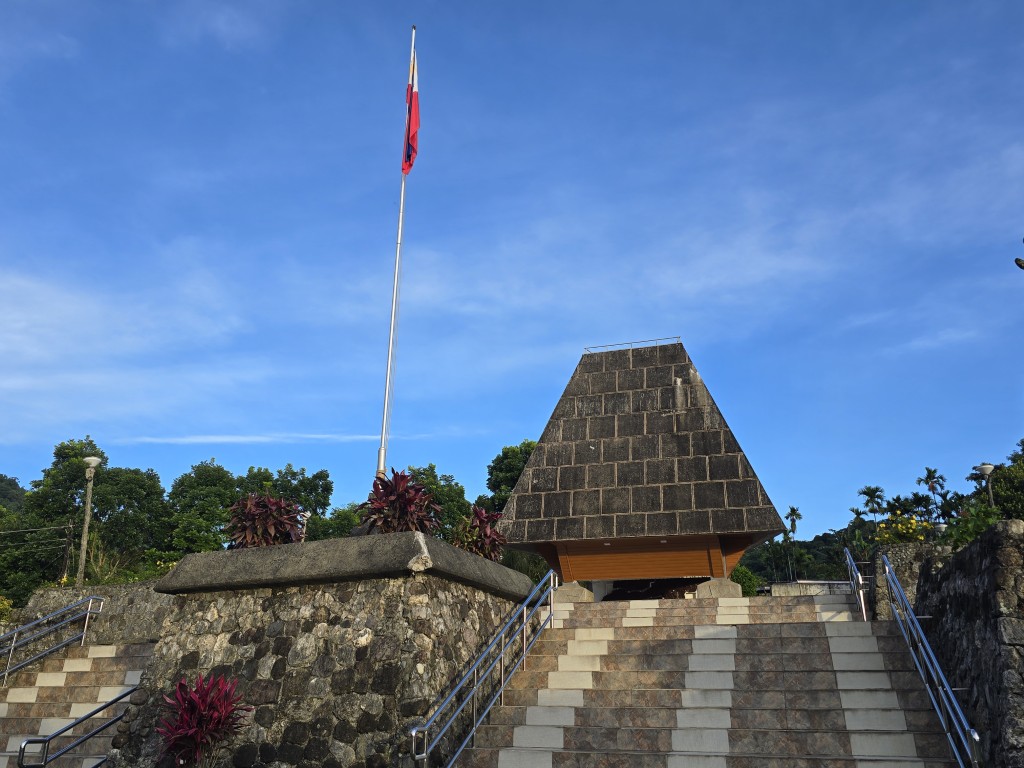
The bravery of the Igorot and their American counterparts during the war is memorialized in the Kiangan National Shrine.
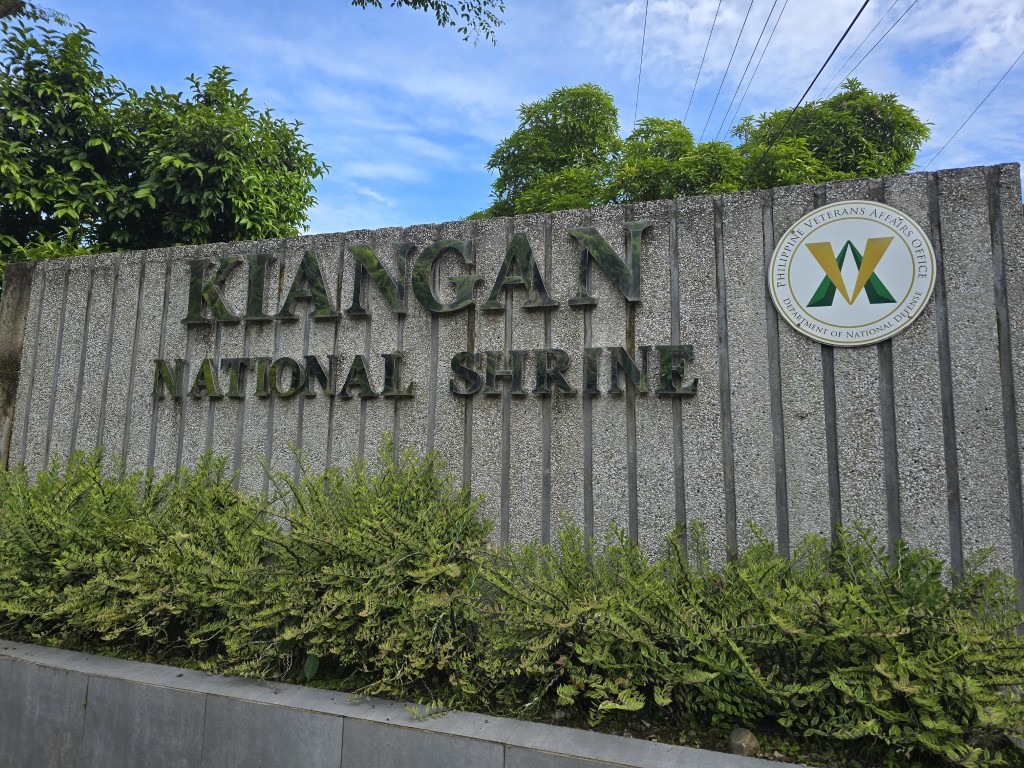
The signage at the entrance of the Kiangan National Shrine.
When we arrived in Ifugao, the shrine was closed for the day due to a public holiday. However, the security staff, after hearing that we were on a family trip and had traveled all the way from Bulacan, kindly allowed us to enter the shrine compound. We were told that we could explore the open areas, though the Ifugao Museum would unfortunately remain closed just for us. No issue there, though—being allowed to visit the compound and see the memorial shrine was more than enough hospitality.
We got the entire shrine compound all to ourselves!
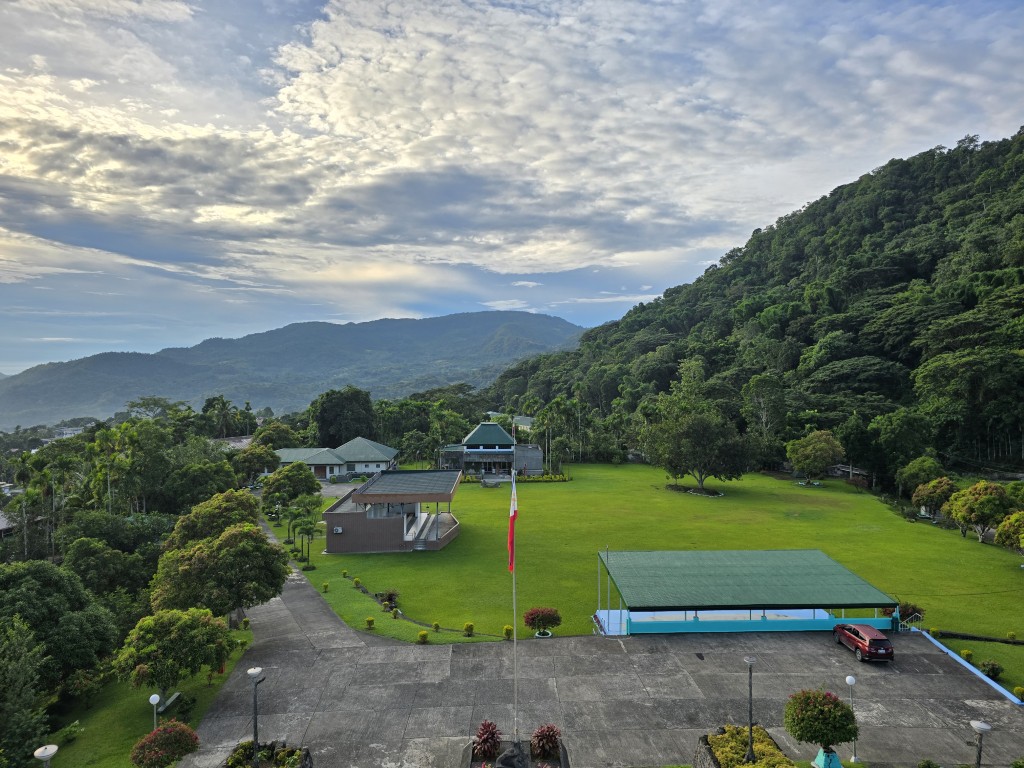
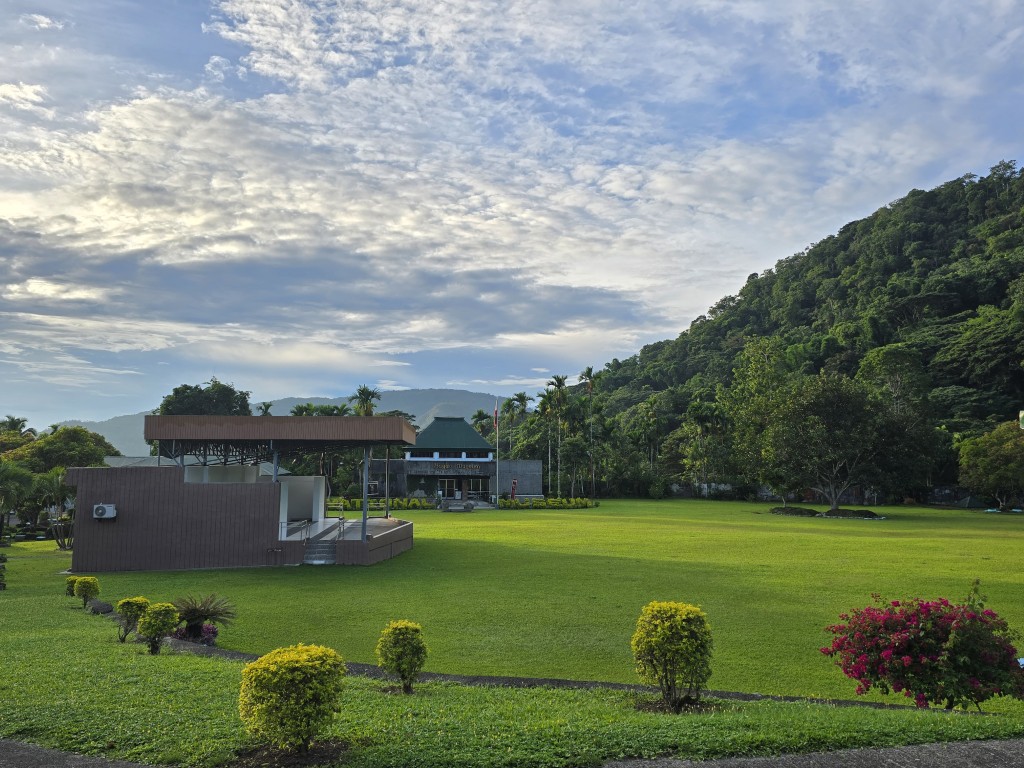
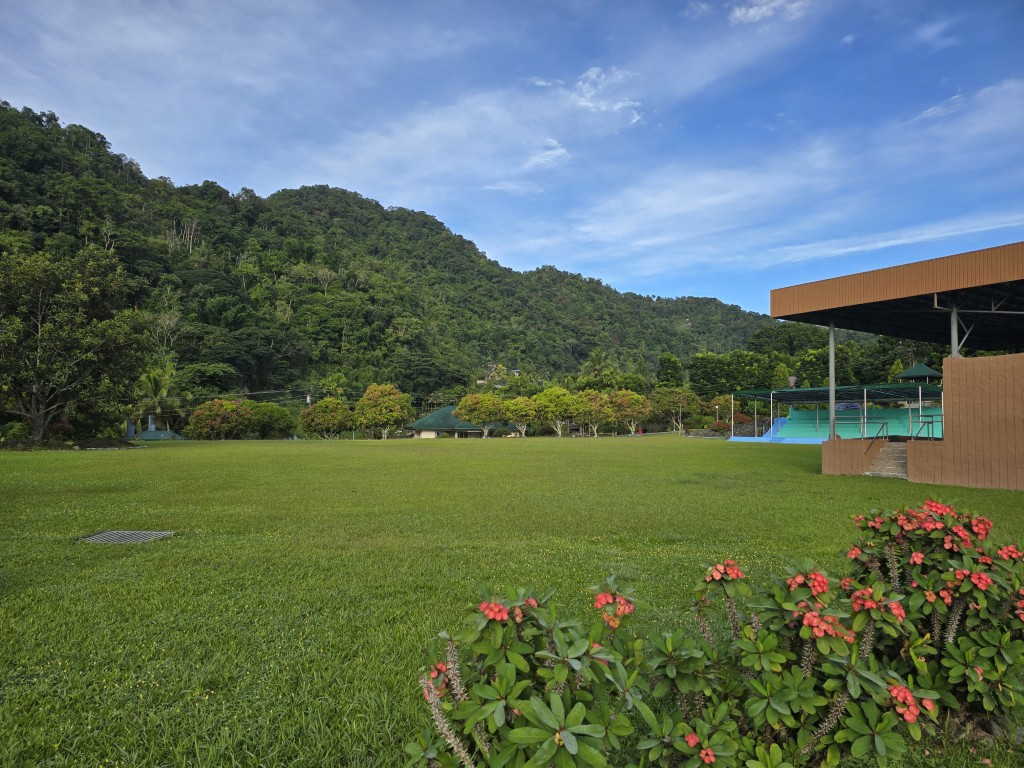
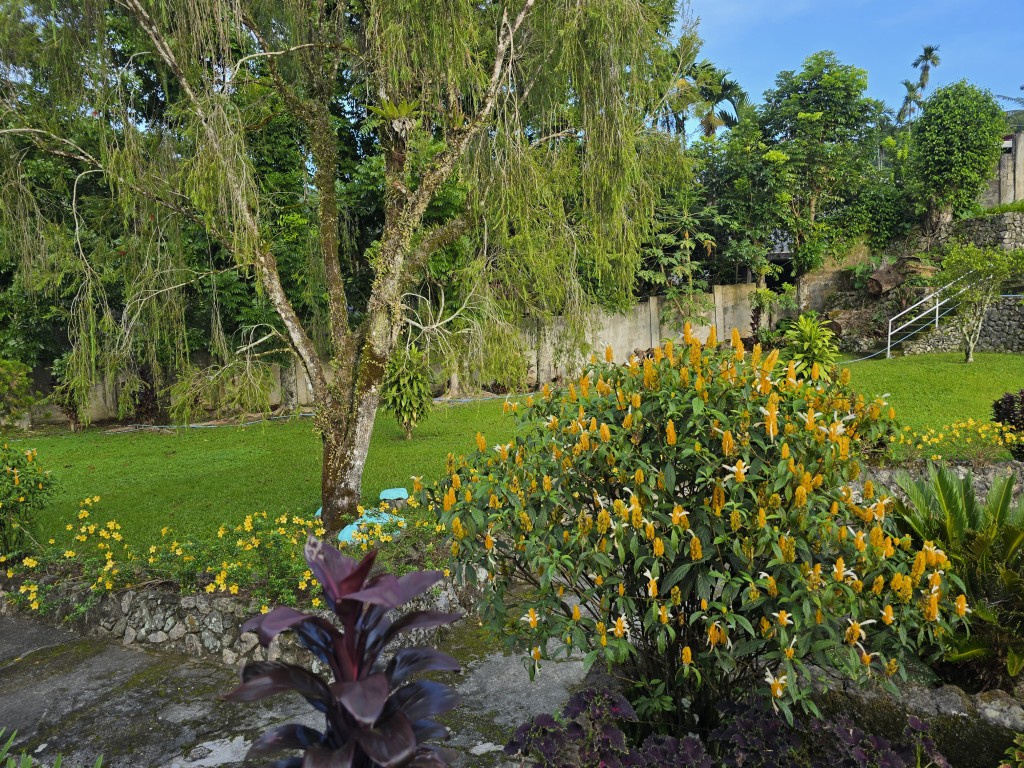
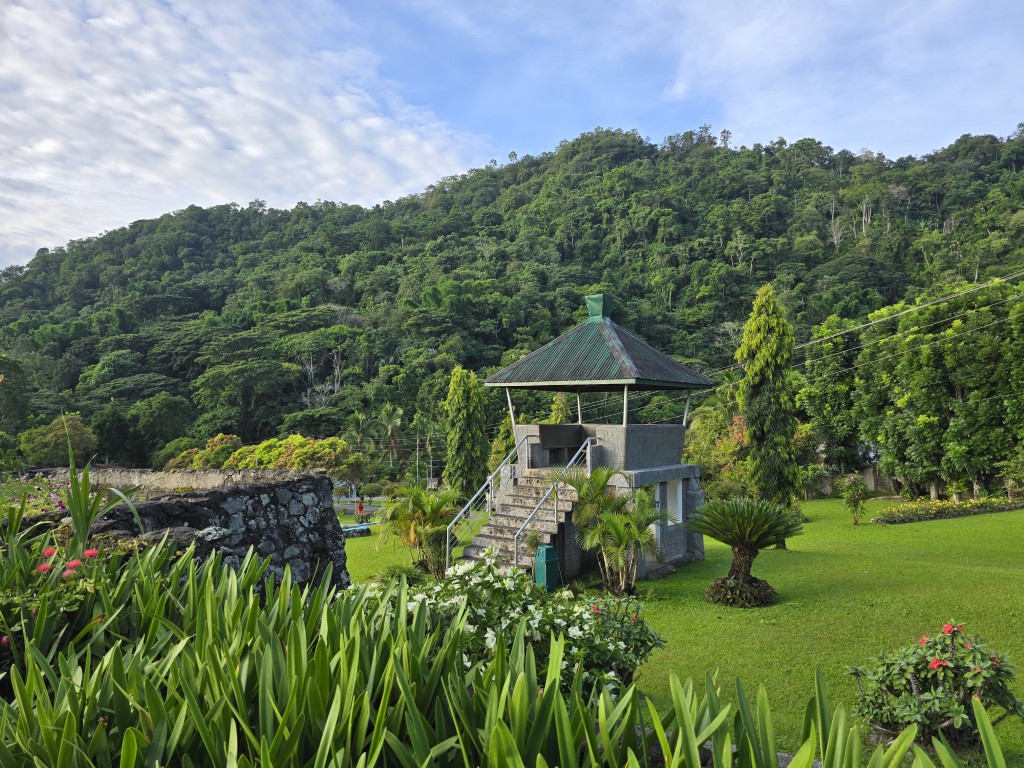
The vast track of landscaped land dedicated to Kiangan National Shrine.
The Kiangan National Shrine was built in 1974 and was inaugurated the following year to perpetuate the memory of those who fought the Japanese Imperial Army during World War II. The site chosen for the shrine was not arbitrary. Kiangan was the last stand of the war in the Philippines and was the site of the surrender of Japanese General Tomoyuki Yamashita to the Allied Forces in 1945.
There are two points of interest inside the shrine compound: the war memorial and the Ifugao Museum.
The war memorial, which is the most prominent structure inside the shrine compound, was designed to resemble the fale, the traditional house of the Ifugao. Beneath the structure, a wooden bas-relief depicts the battles in the Cordilleras that ultimately led to the Yamashita surrender. The top of the memorial features an accessible viewing deck, offering a breathtaking view of the mountains of Kiangan.
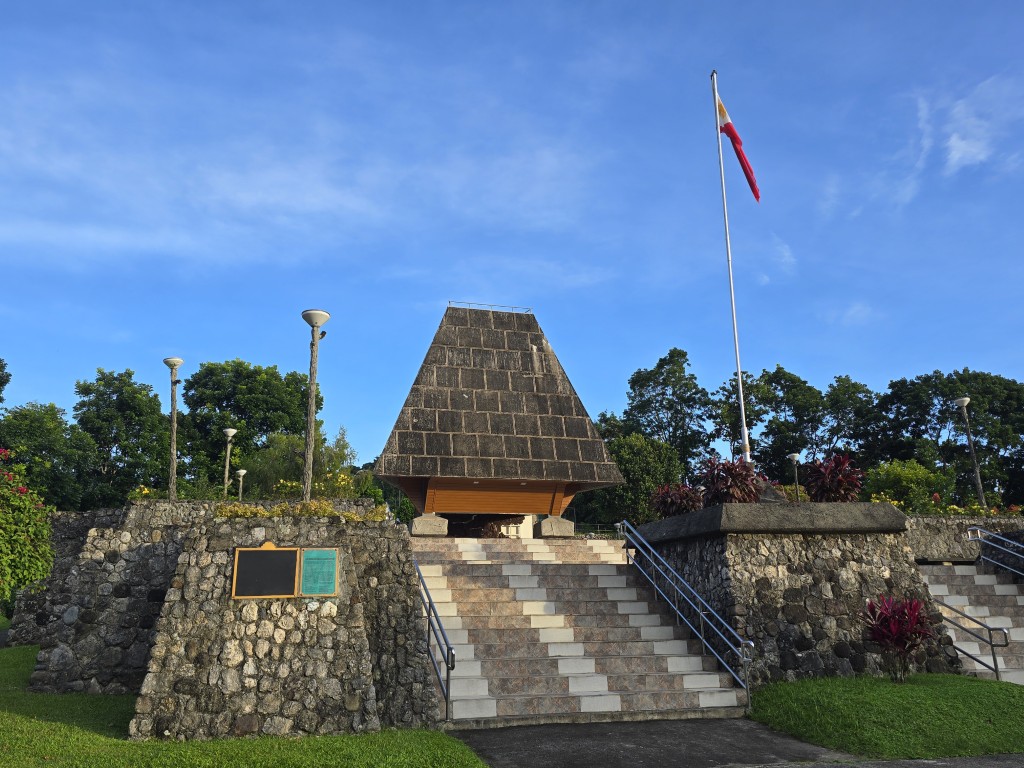
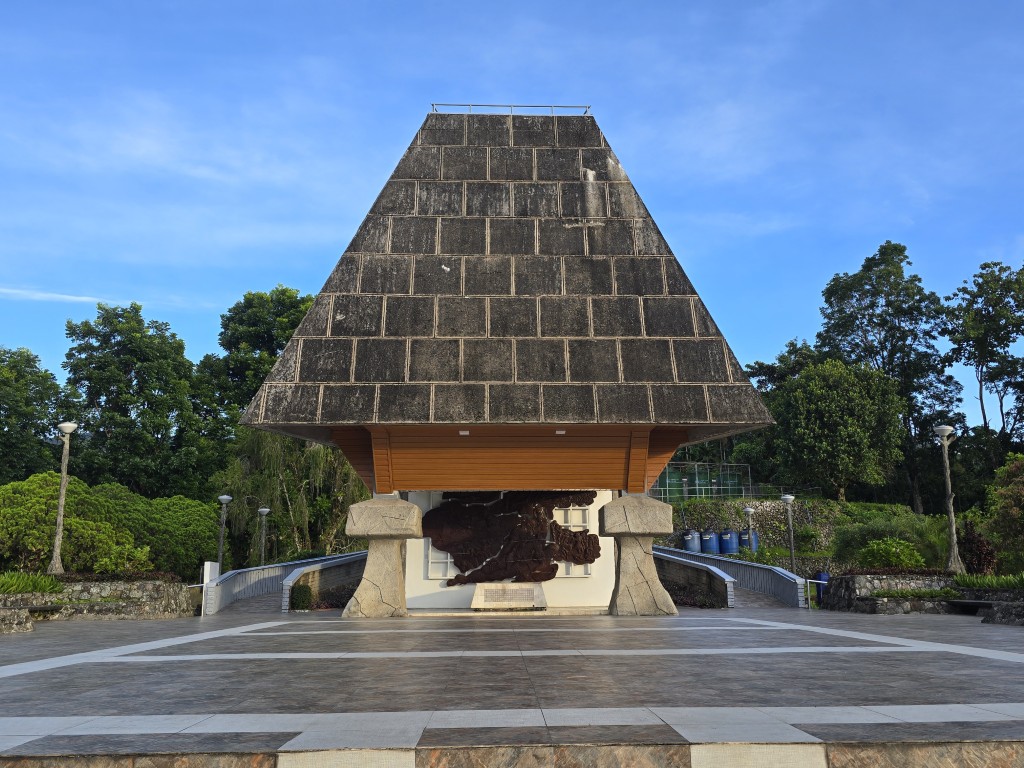
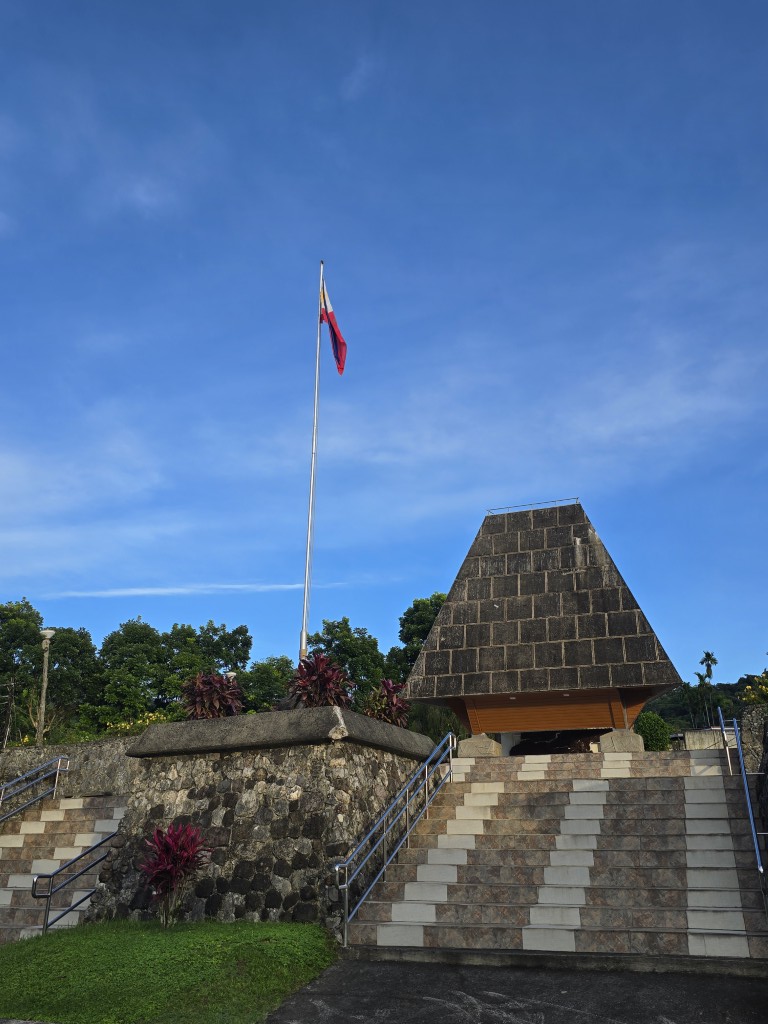
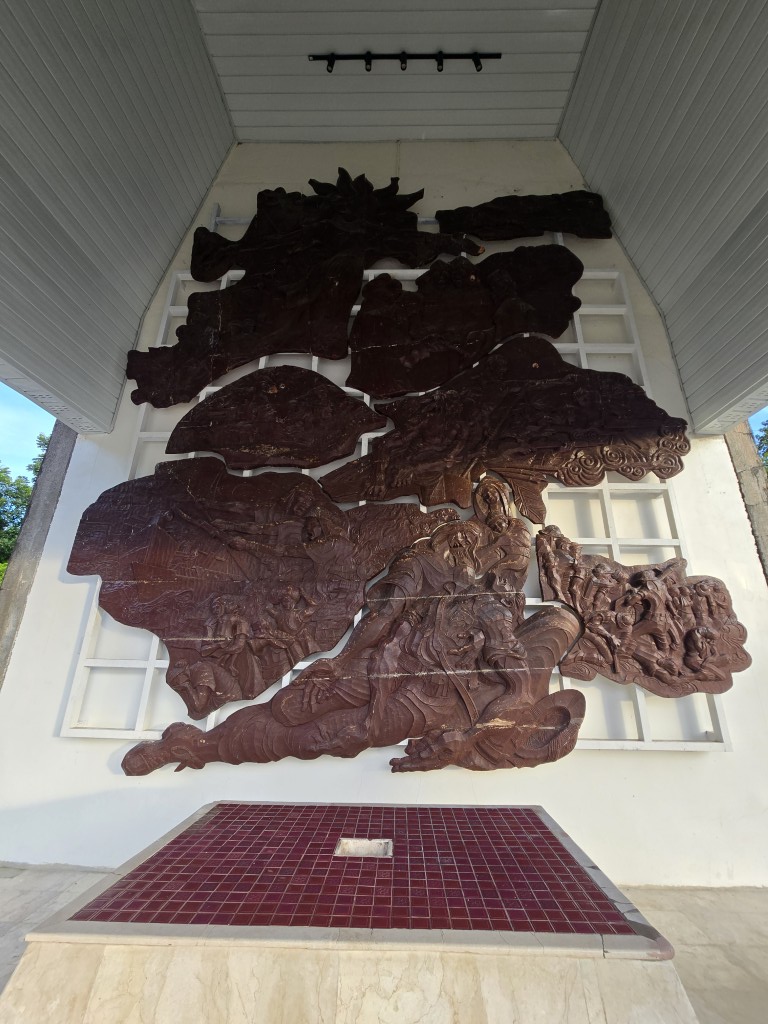
The Kiangan War Memorial and the wooden bas-relief depicting Filipino–American valor.
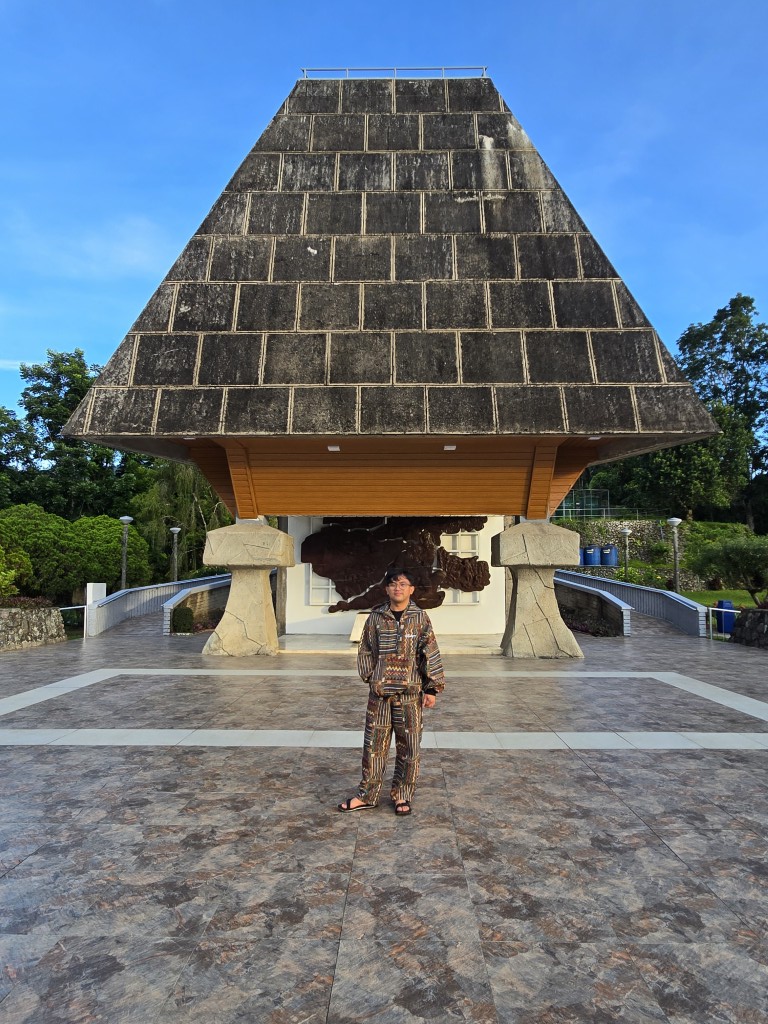
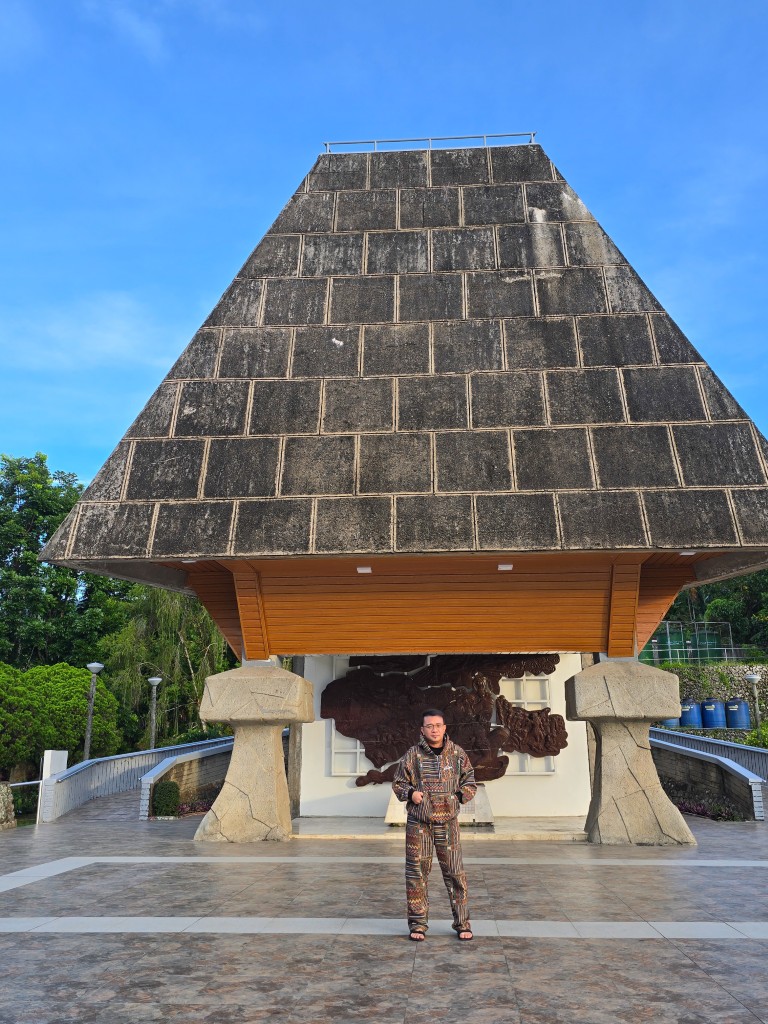
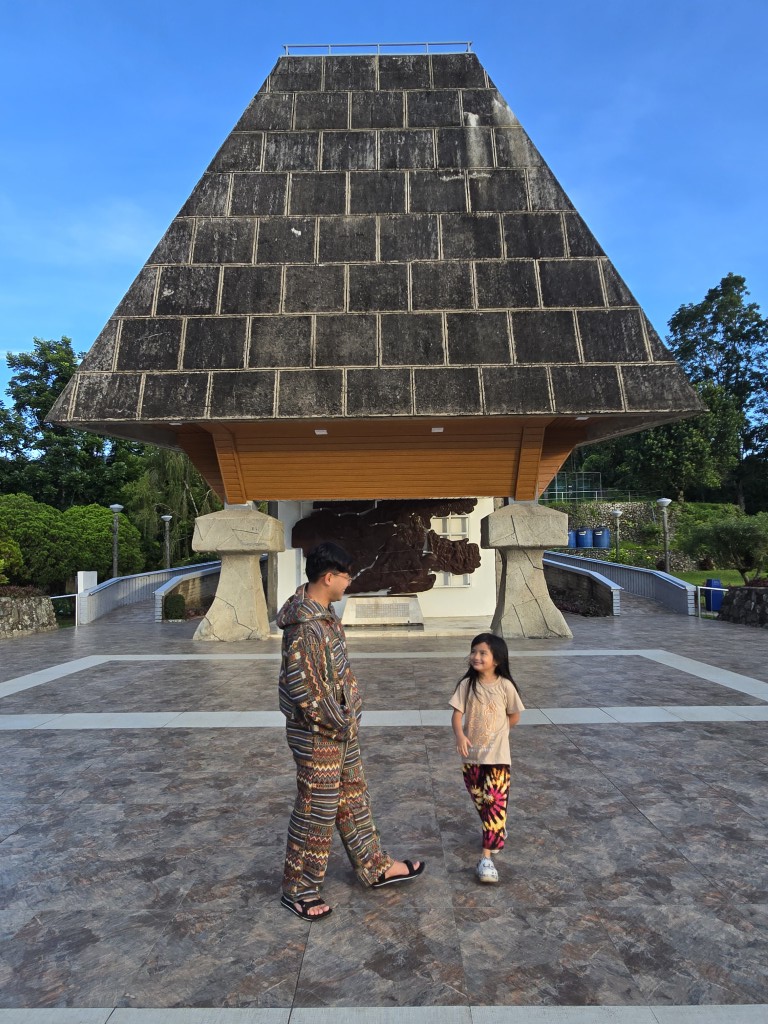
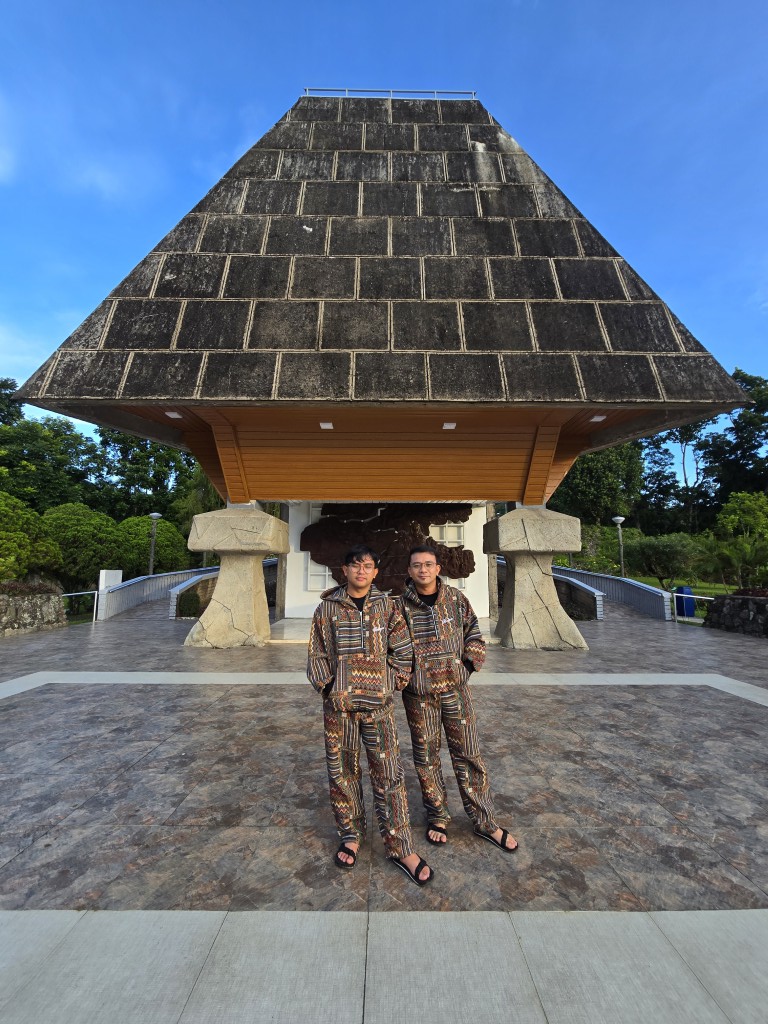
Renegade Duo photo ops with Riyan before we headed to the roof deck.
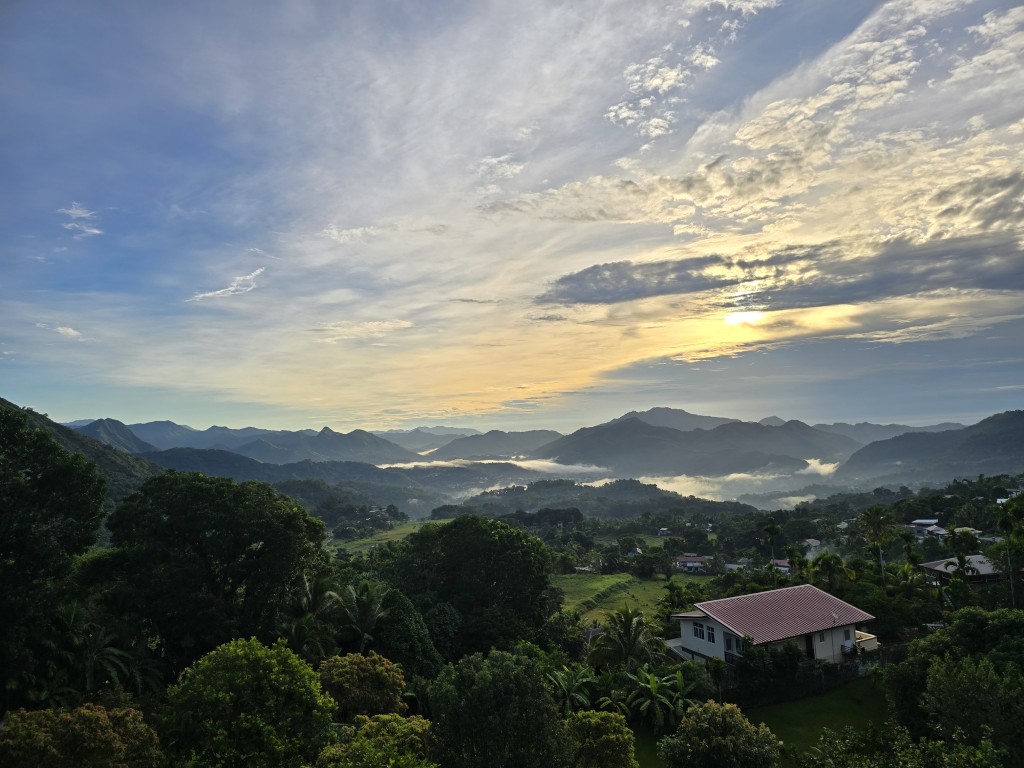
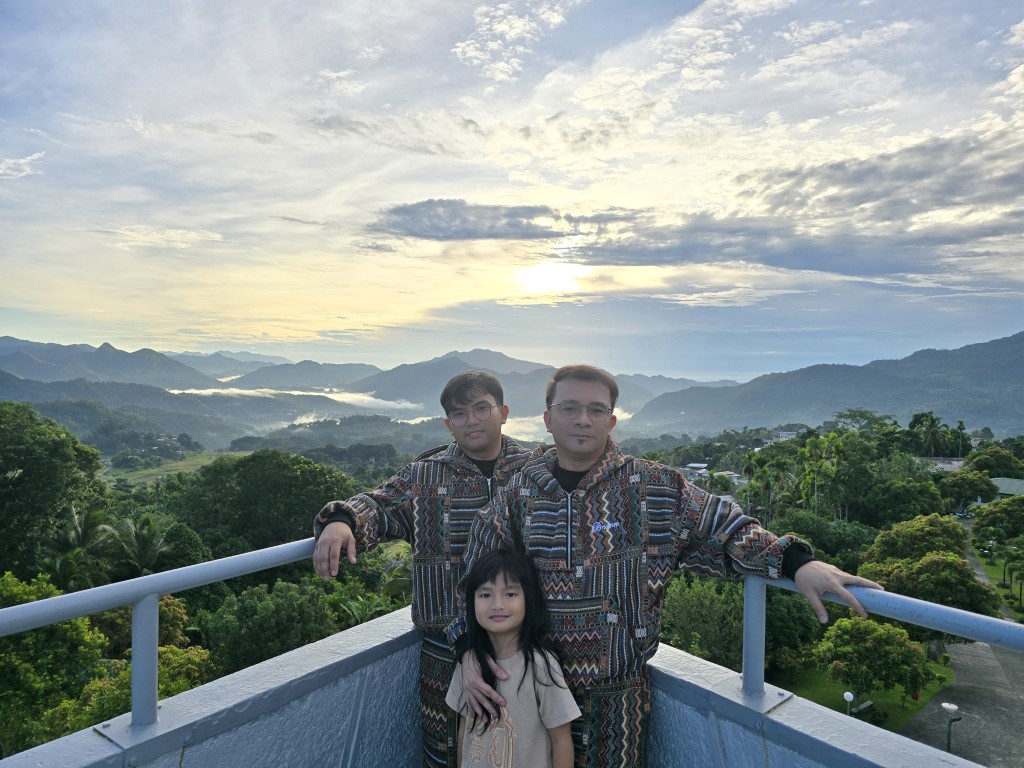
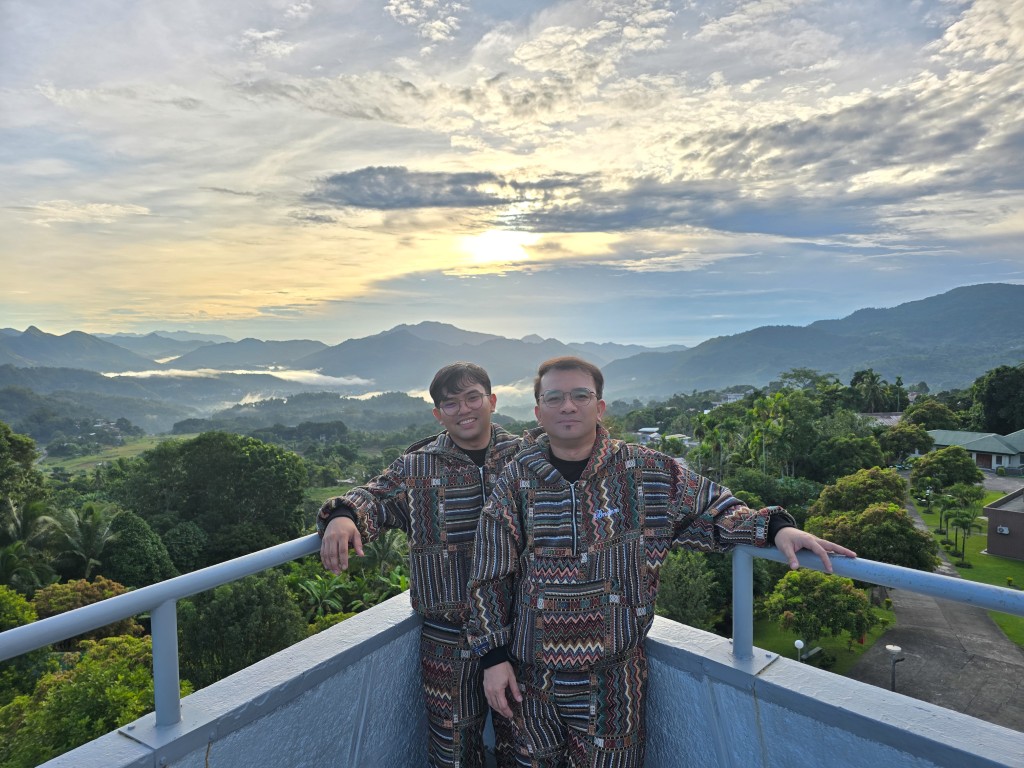
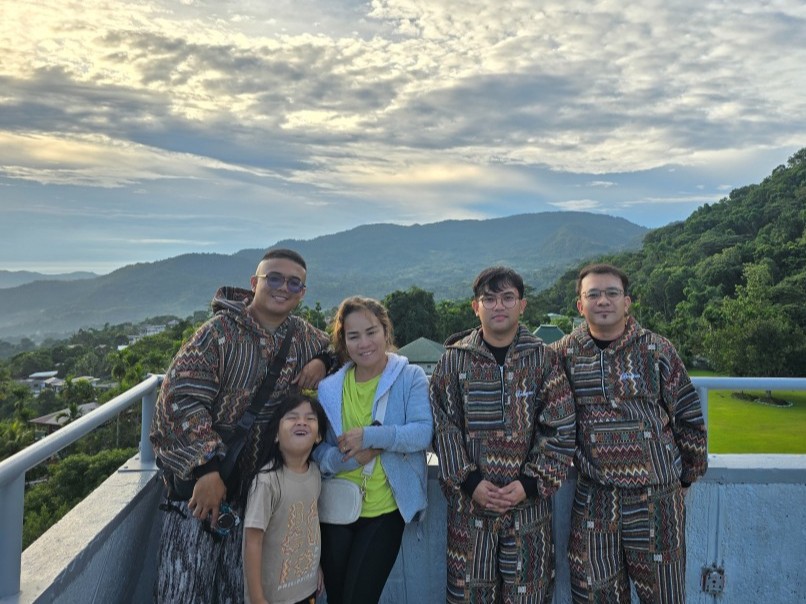
Our visit to Kiangan National Shrine did not end with the view deck. After we have gone down, we continued exploring the compound. Closed as it was, we still approached the Ifugao Museum and took photos in front of it.
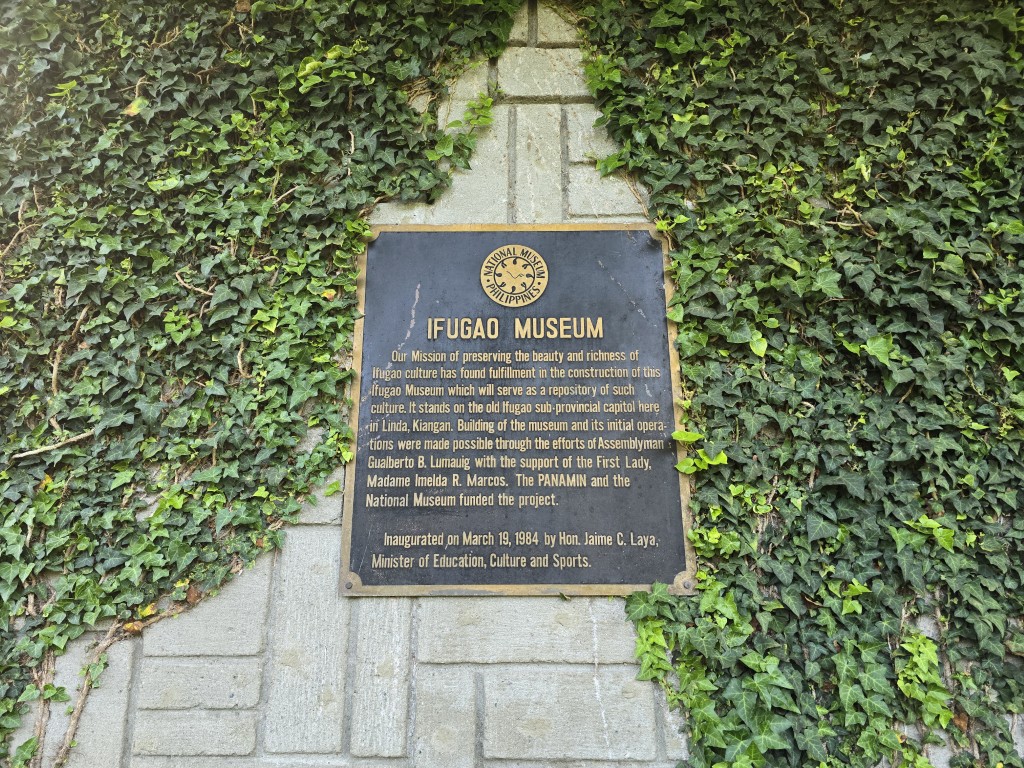
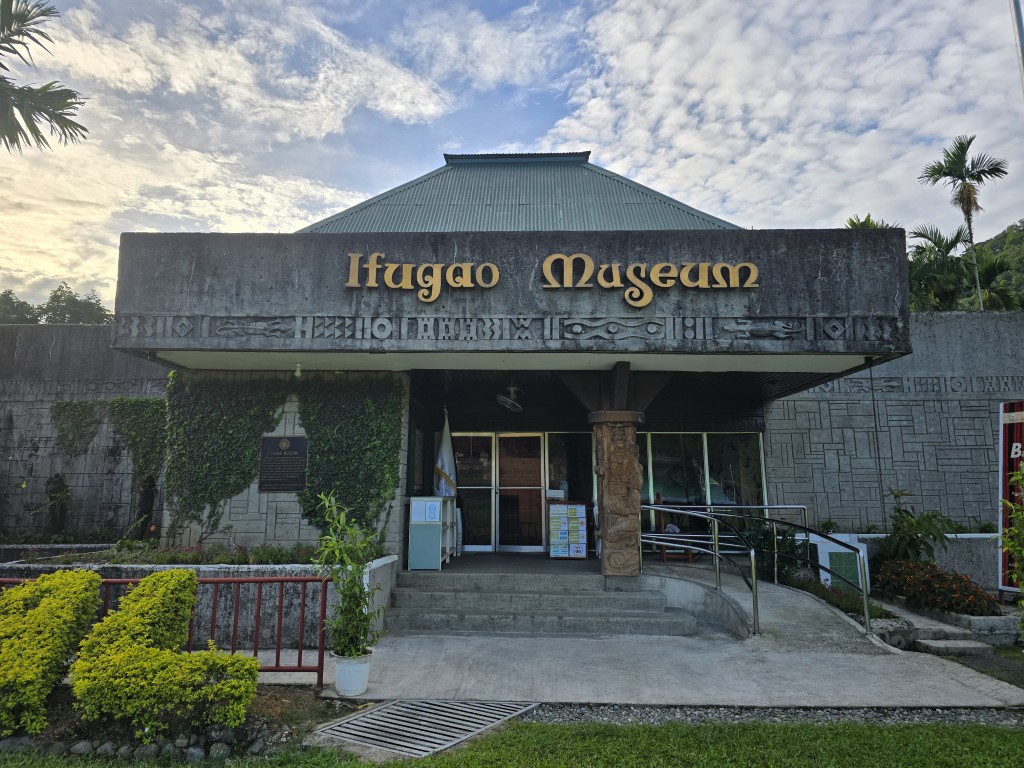
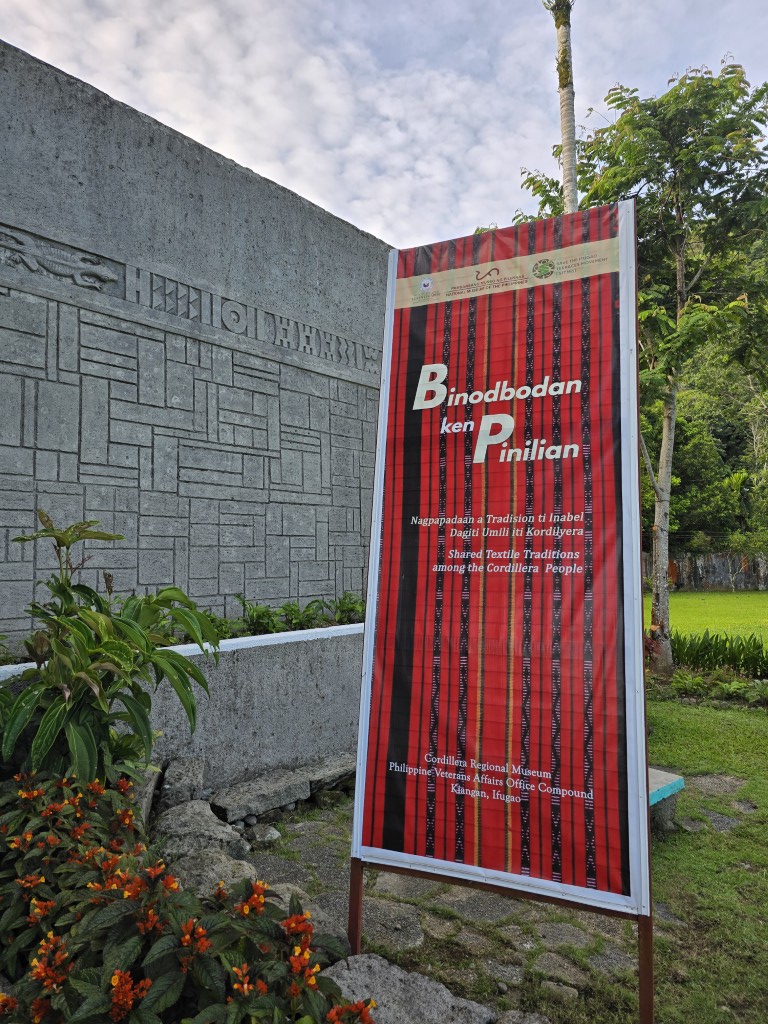
Ifugao Museum in Kiangan, Ifugao.
The Ifugao Museum, otherwise known as the National Museum of the Philippines – Cordillera, was established in 1984. It serves as the regional satellite office of the National Museum of the Philippines and the site museum for the Cordillera Rice Terraces which is inscribed as a UNESCO World Heritage Site. It would have been a great experience to explore the museum and learn more of the culture and tradition of the people of the Cordillera, but since the museum was closed, we just opted for photo ops.
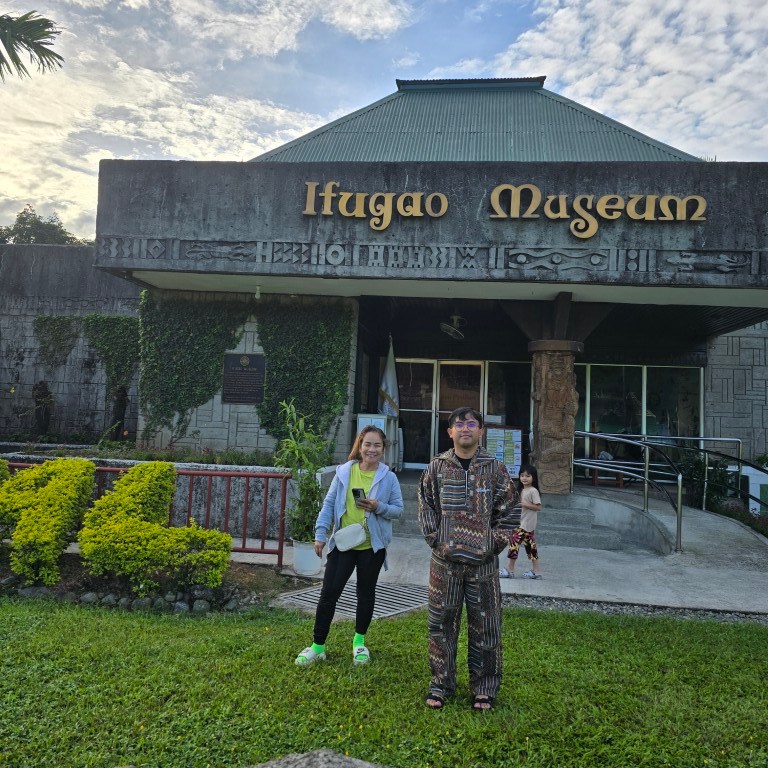
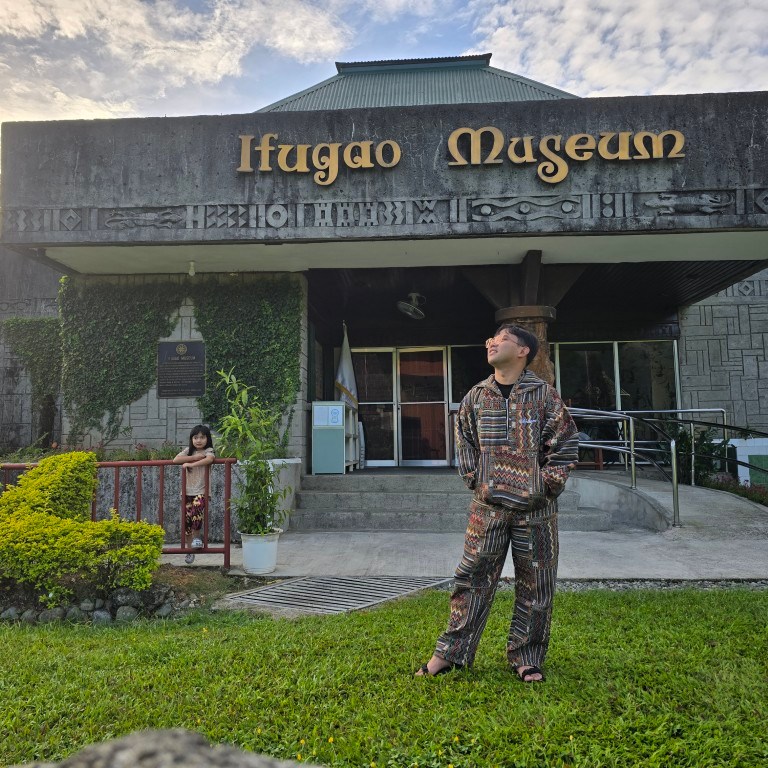
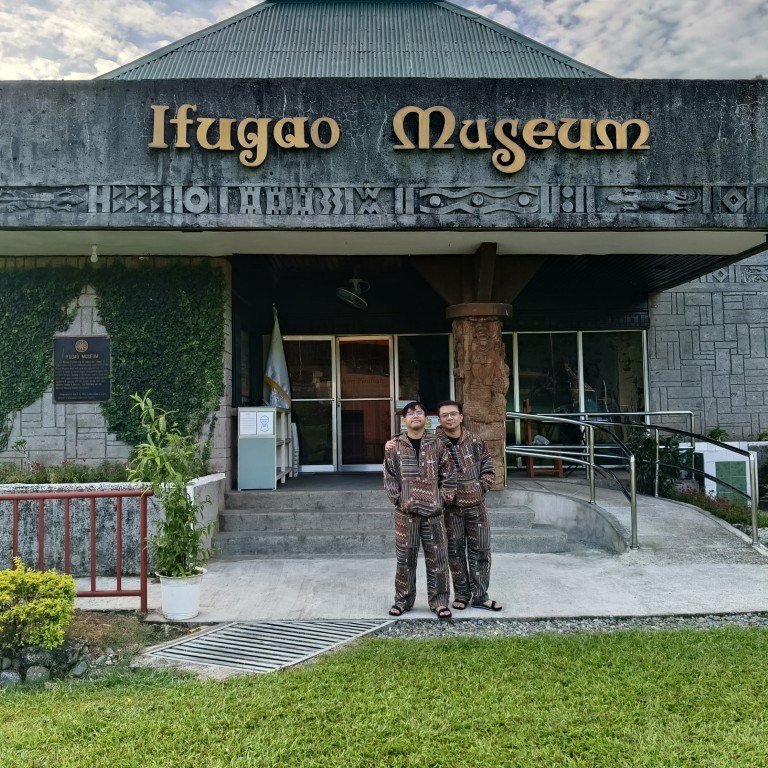
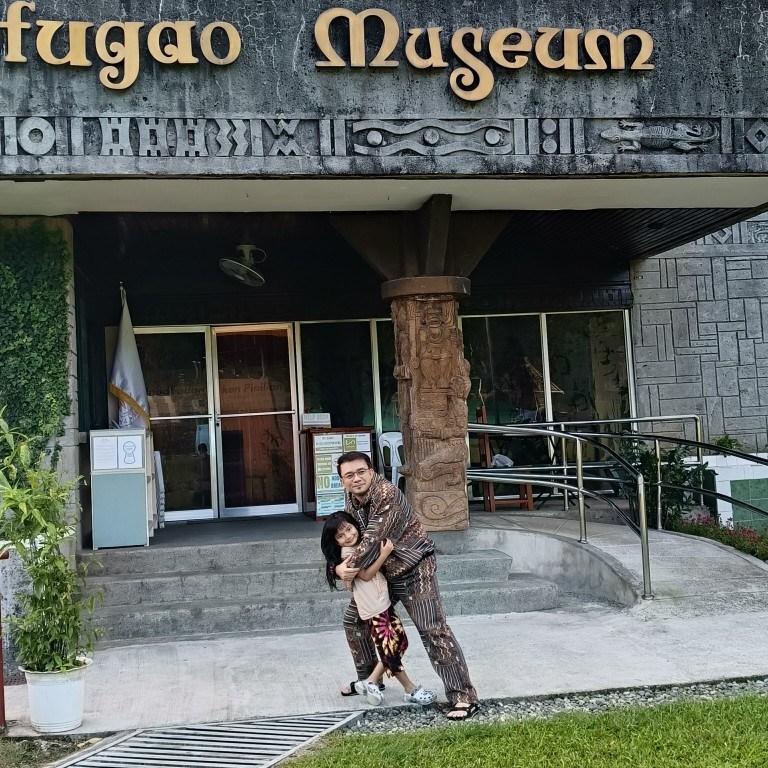
Making memories together.
On our way out, I took one last photo which looking back at it seemed out of place in my camera roll: the Kiangan Welcome sign.
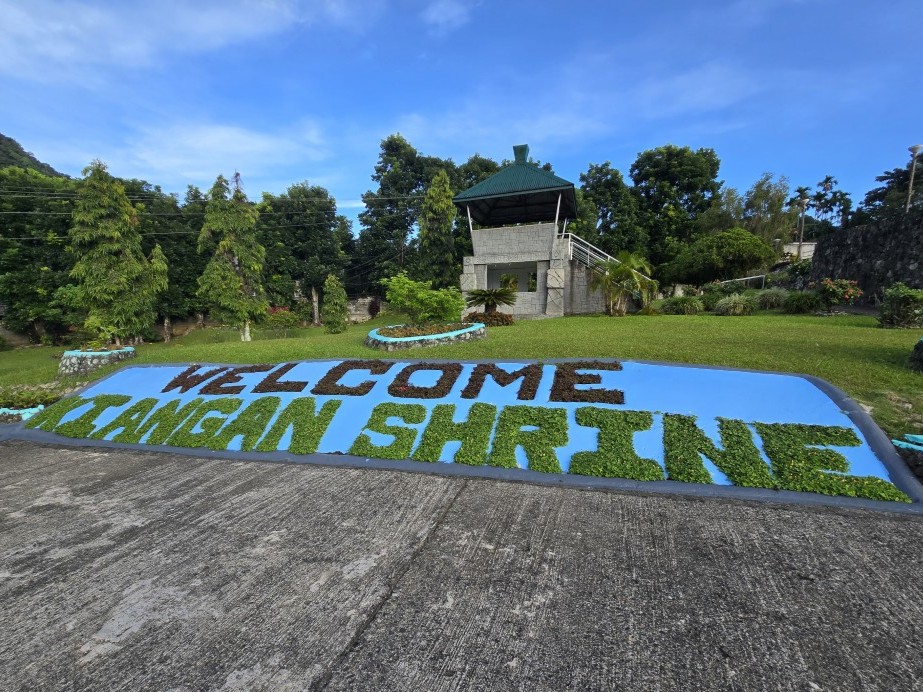
Ironic as it may seem that the last photo in my album for the Kiangan Shrine is the one that says welcome, the signage laid out with plants is actually both the first and the last thing that every visitor would see as they come in and go out of the shrine. Sure, it welcomes visitors to the shrine as they come in, and it still welcomes them as they walk out, albeit in a different perspective: that as one leaves the shrine, it welcomes them to a deeper world of understanding and appreciation of how the courage of the Ifugao with the people of the Cordillera carved in perpetual memory the surrender of a vicious enemy whose atrocity remains known to mankind as the worst it has ever seen.
The simple welcome becomes more than just a greeting. It transforms into a quiet invitation to carry forward the legacy of valor and sacrifice enshrined in Kiangan. As visitors step beyond its grounds, they don’t just leave a historical site; they emerge with a renewed sense of history, identity, and the enduring power of remembrance.


 Renegade Junctures
Leave a comment