
It did not take one full month since our trip to Batad in Ifugao until we decided to embark on a journey to the southernmost region of mainland Luzon. The Bicol Region, often referred to as Bicolandia, sits at the southernmost tip of the mainland, in a peninsula that shares the name with the region. Known for cradling the most number of active volcanoes in the Philippines, Bicol is often depicted as an enigmatic place owing to its geography and rich folkloric traditions.
Traveling anywhere to the region would almost always take an overnight land journey from Metro Manila—or the entire day, depending on the time of departure. With that in mind, we left Malolos City at 07:00 PM. It was Ran and I, accompanied by Mama, my brother Mikle and my niece Riyan, as if it was Ifugao all over again. We would, however, pick up Rose, my brother Mikle’s girl friend, who resides and works in Bicol. It would hence become as if it was Abra all over again.
A couple of hours later since we left Malolos, we had our first stop in a gas station in South Luzon Expressway. It was already past 09:00 PM but that was where we would have our dinner in a fast food restaurant. Ran and I also took our dose of coffee during the stop, as we would need it for the road ahead.
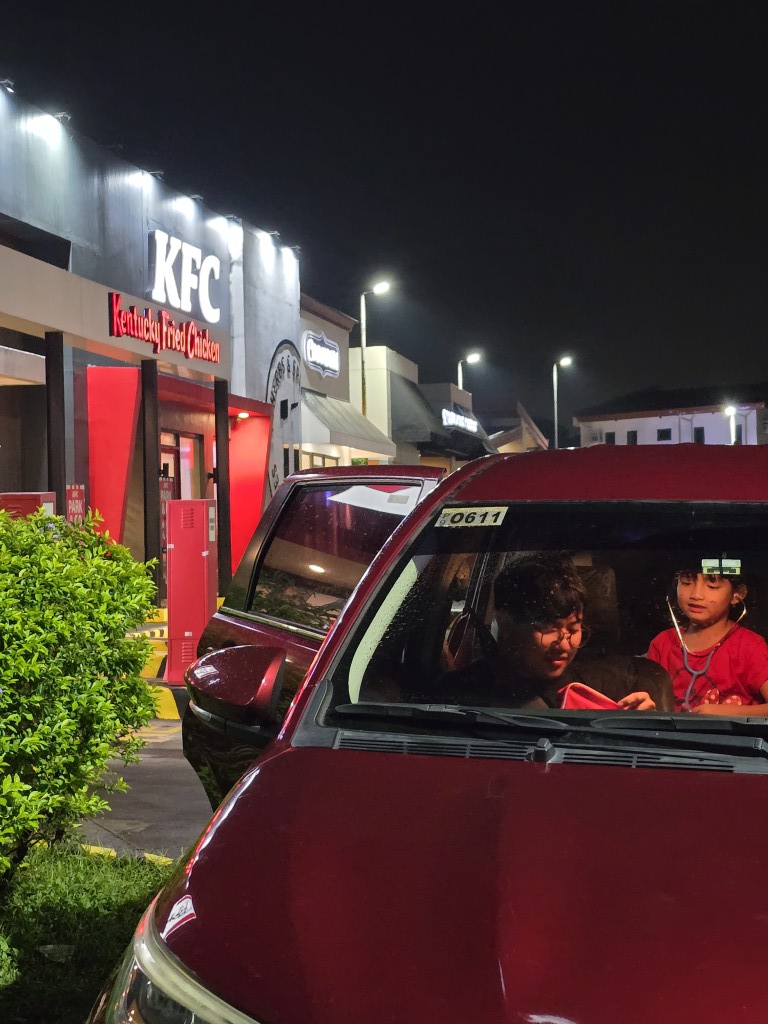
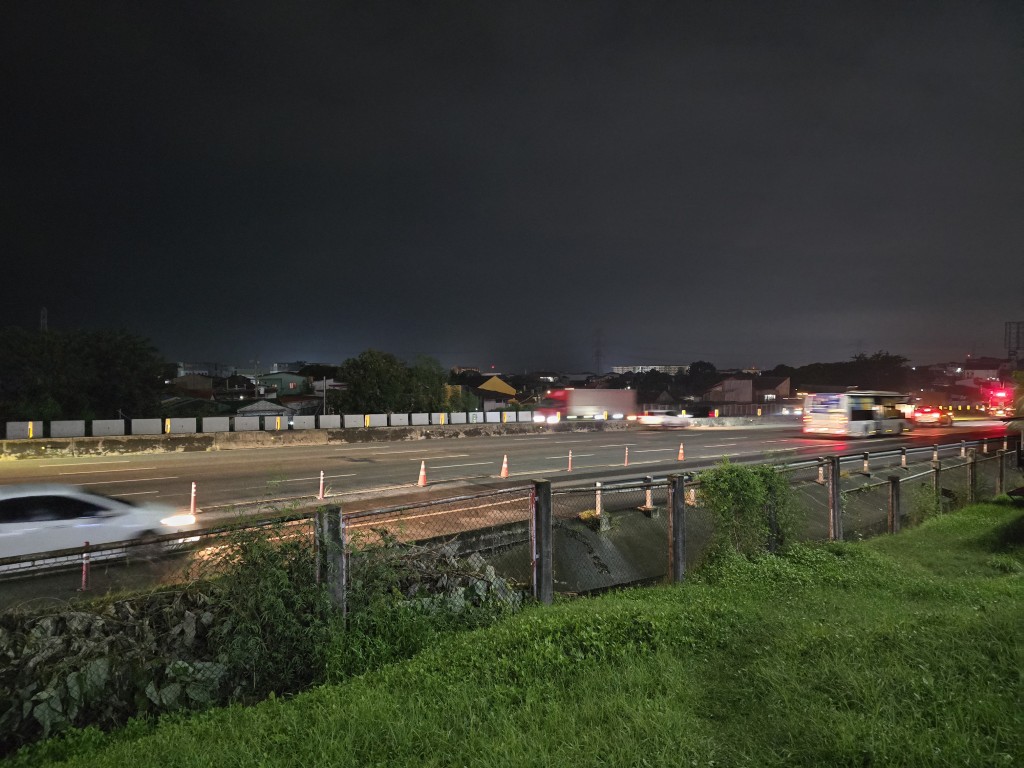
A pitstop and a view of the very long road ahead.
Getting to Bicol meant getting through the provinces of Calabarzon save for one. It would be a very long drive through Cavite, Laguna, Batangas and Quezon, with the last one being the lengthiest of all. I actually have already been to Bicol twice before. The first one was in 2013 when I was sent to Tacloban City in Leyte during the aftermath of Typhoon Haiyan, locally known as Super Typhoon Yolanda, as part of my job in the Presidential Communications Operations Office. Back then, the airport in Tacloban was badly damaged by the typhoon that we had to travel for 36 hours from Manila before we reached ground zero. The second one was just recently, a week less than four months before the most recent trip. My second visit did not make it in Renegade Junctures as that trip was an unplanned family trip and Ran had a prior commitment.
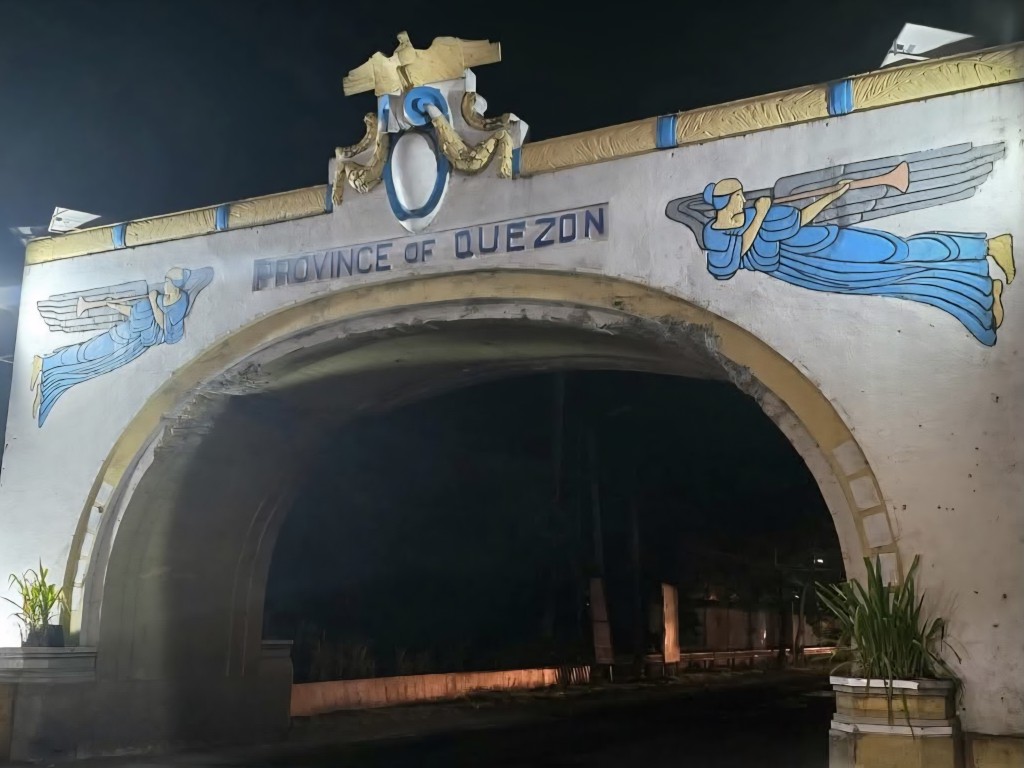
We reached the boundary of the province of Quezon past 10:00 PM and its capital city of Lucena sometime around midnight.
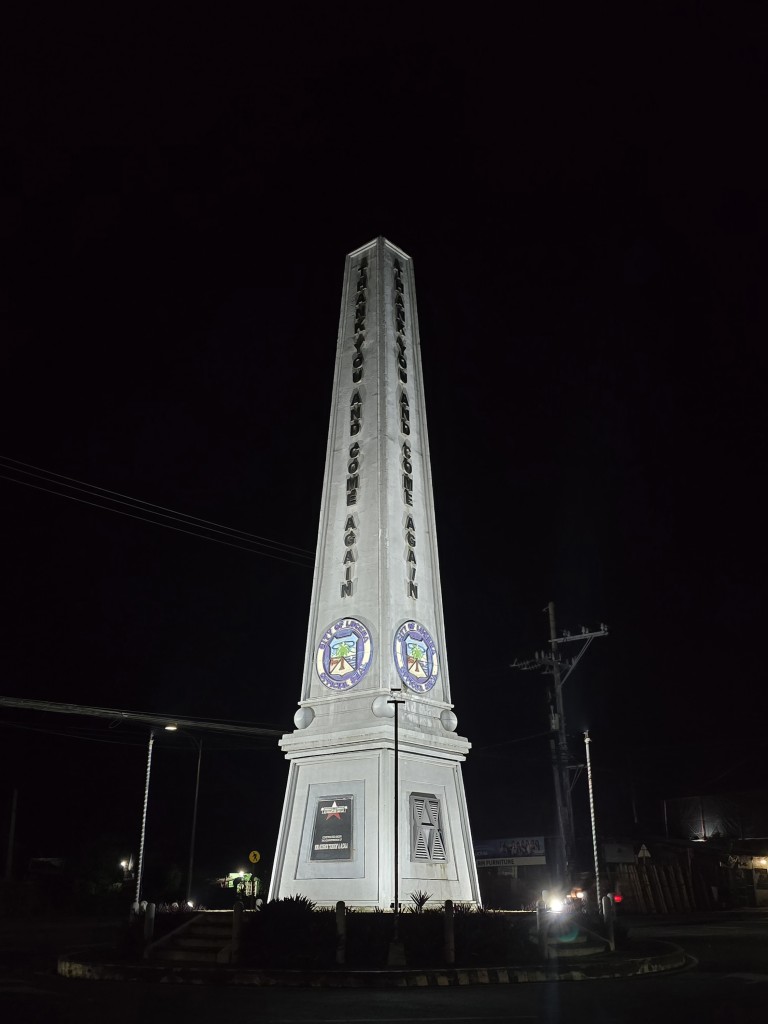
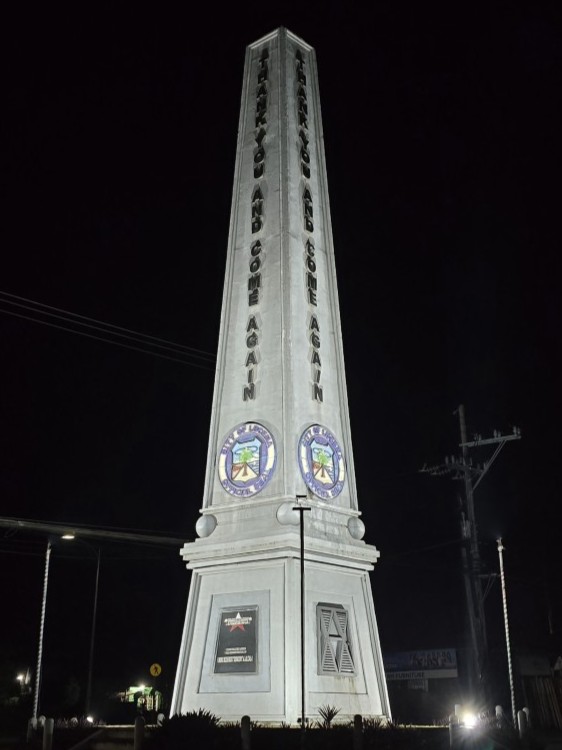
The obelisk of Lucena City, Quezon.
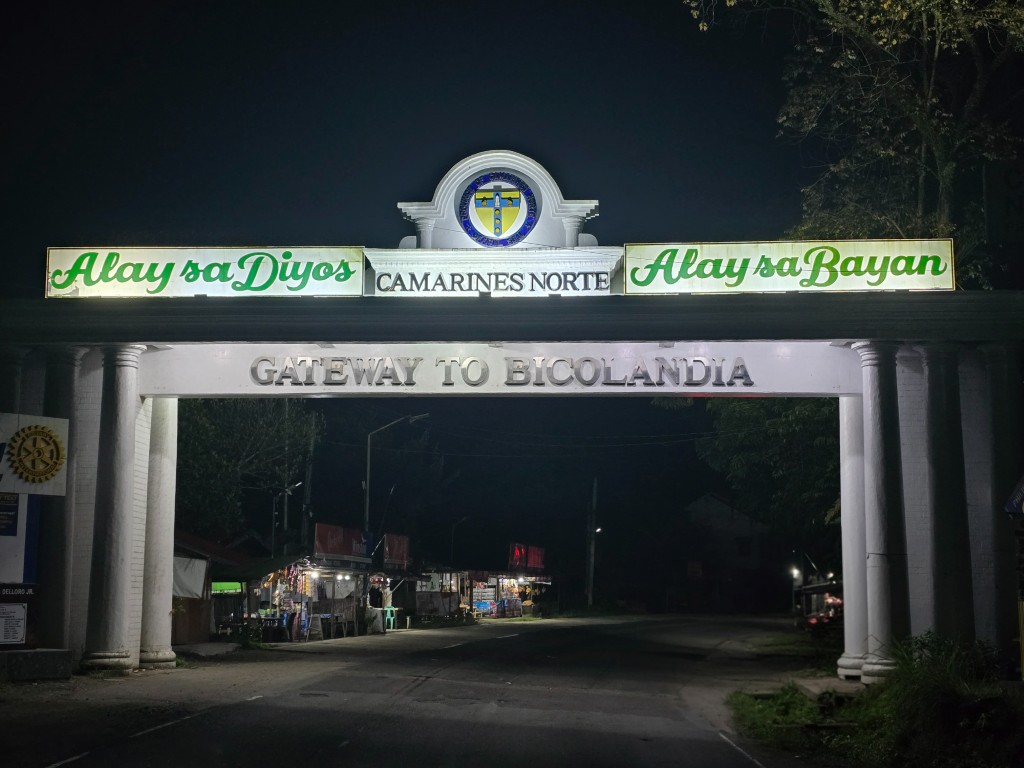
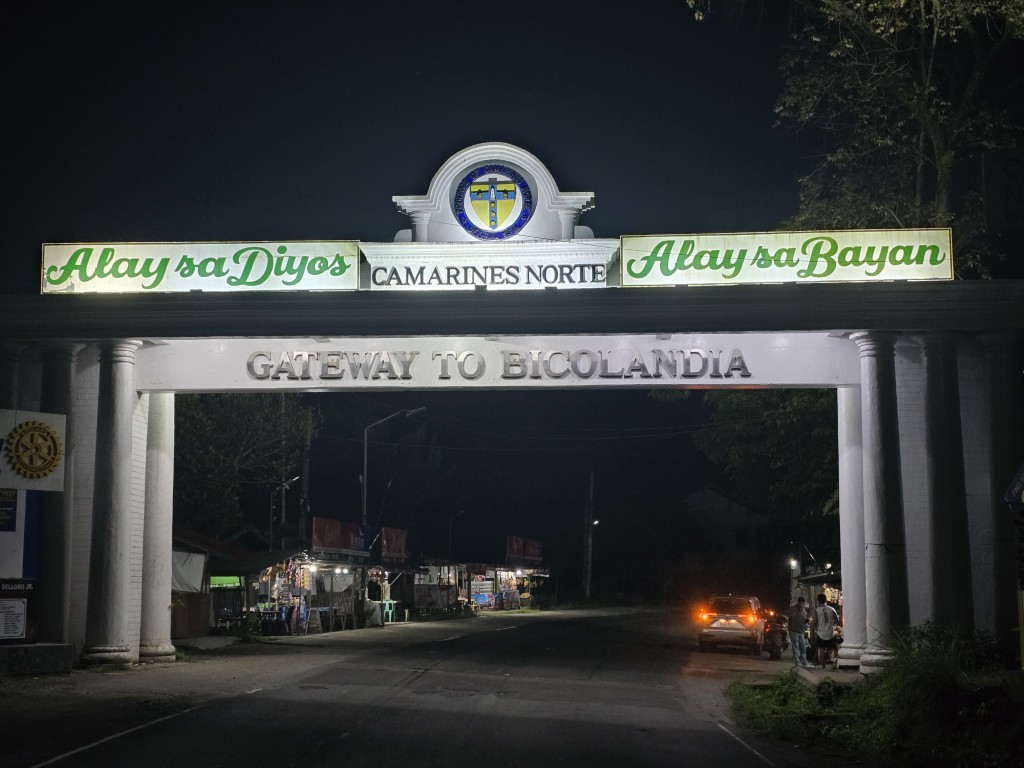
From Lucena City, it still took more than four hours before we reached the boundary of Southern Tagalog and Bicolandia. Finally, the Gateway to Bicolandia!
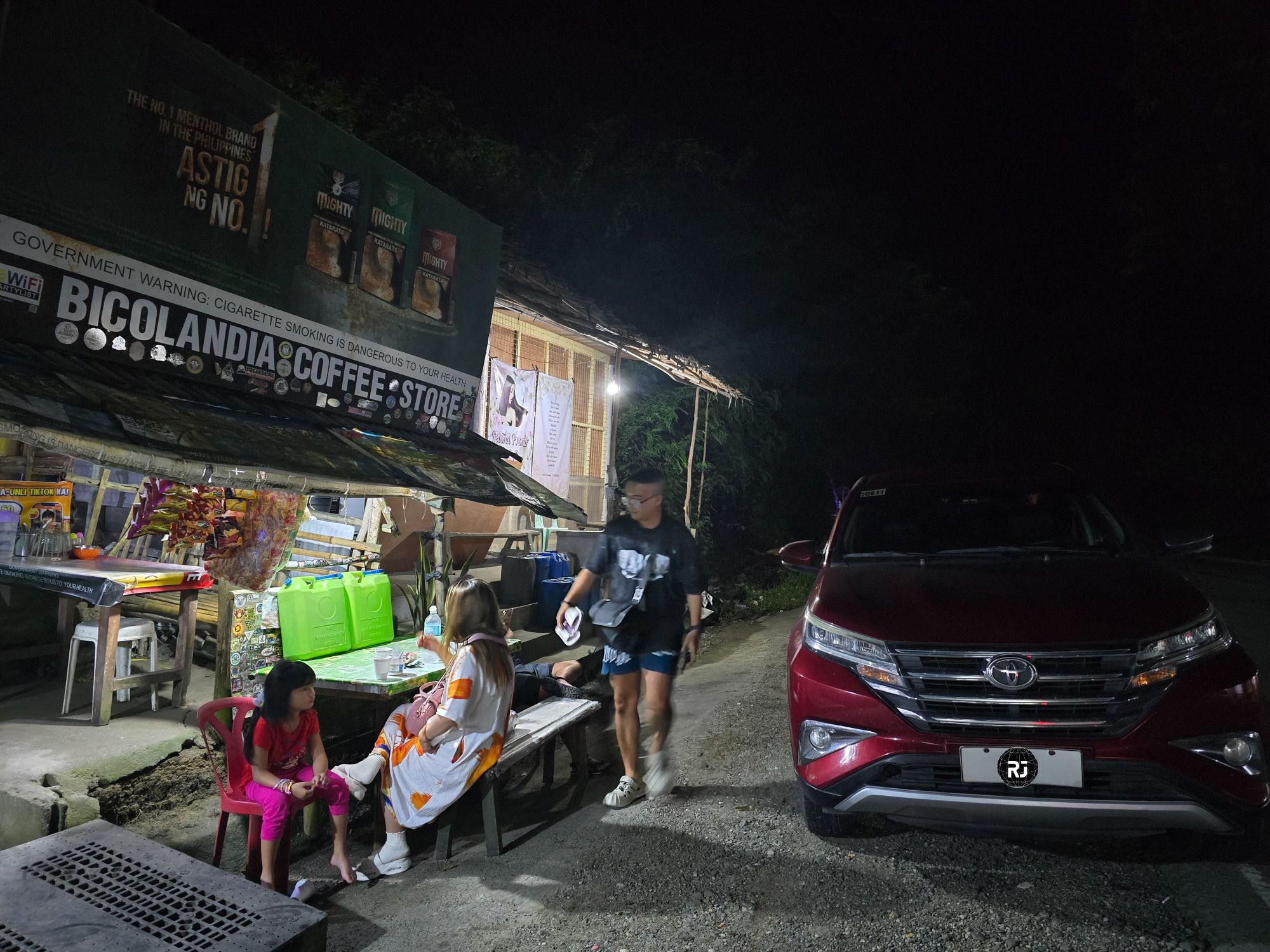
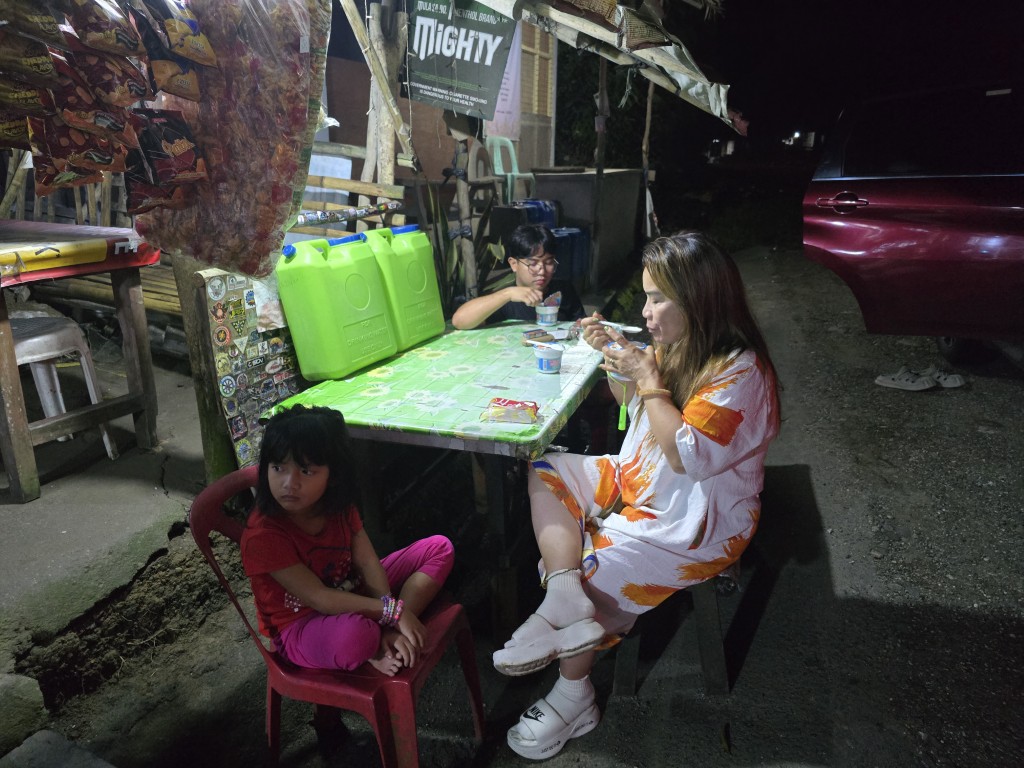
Stopping by a roadside eatery to have coffee and cup noodles.
Bicol was known in antiquity as Ibalon, meaning people from the other side. The ancient name of the place is immortalized in Ibalong, a 60-stanza fragment of an epic poetry from the pre-Hispanic period that speaks of the tale of ancient warriors Baltog, Handyong, and Bantong. When the Spaniards arrived, however, they used the word Bicol to name to the place, coming from the word bikol which means meandering, referring to how the waters of the Bicol River flows.
The Kabikolan is a realm
Ibalong Stanza 8
With fertile fields of wide plains,
Fairest in the World, that nature gives,
The richest in what planting yields.
We would not reach our first destination in Camarines Sur until around 06:40 AM where we would pick-up Rose from her hospital duty. It was already bright by then. The beauty of the surroundings was already visibly pronounced. Even the side of the roads have been landscaped by nature with trees and greeneries, there was no sight to miss.
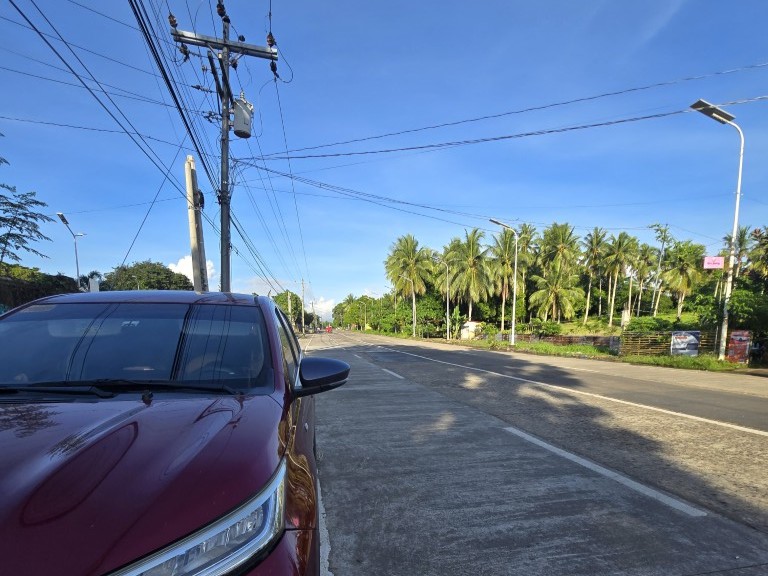
Along the Sipocot–Cabusao Road.
After fetching Rose and a quick stop in the market, we headed off to where Rose hails from in Barangay Caima in the town of Sipocot, Camarines Sur. Caima is a relatively secluded barangay with parts nestled on thickly forested hills and parts facing the sea of the Ragay Gulf. It is roughly an hour drive from downtown Sipocot through narrow roads, steep zigzags and in canopies of trees.
One cannot complain about the travel though. The length of journey goes unnoticed whenever surrounded by scenic views that calms the otherwise tired body. Such is true in our journey to Caima. It was a placed stashed away from the noise of bustling living. It was a hidden abode of calm and peace.
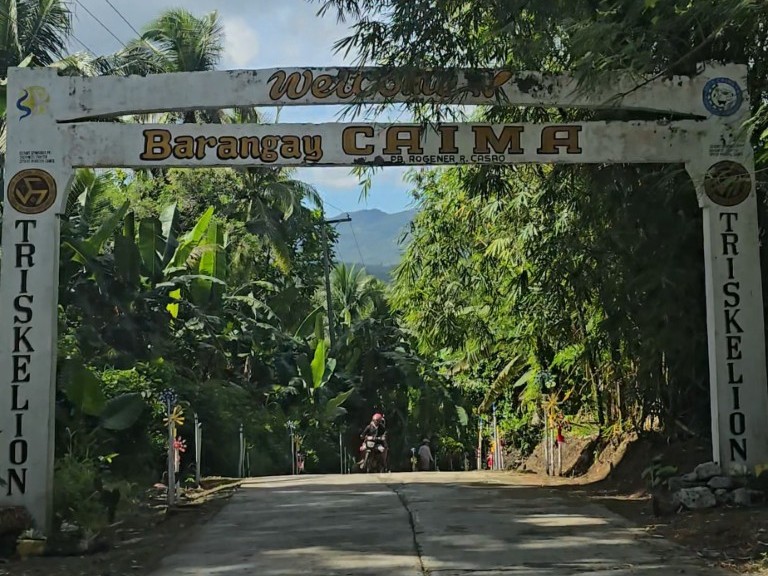
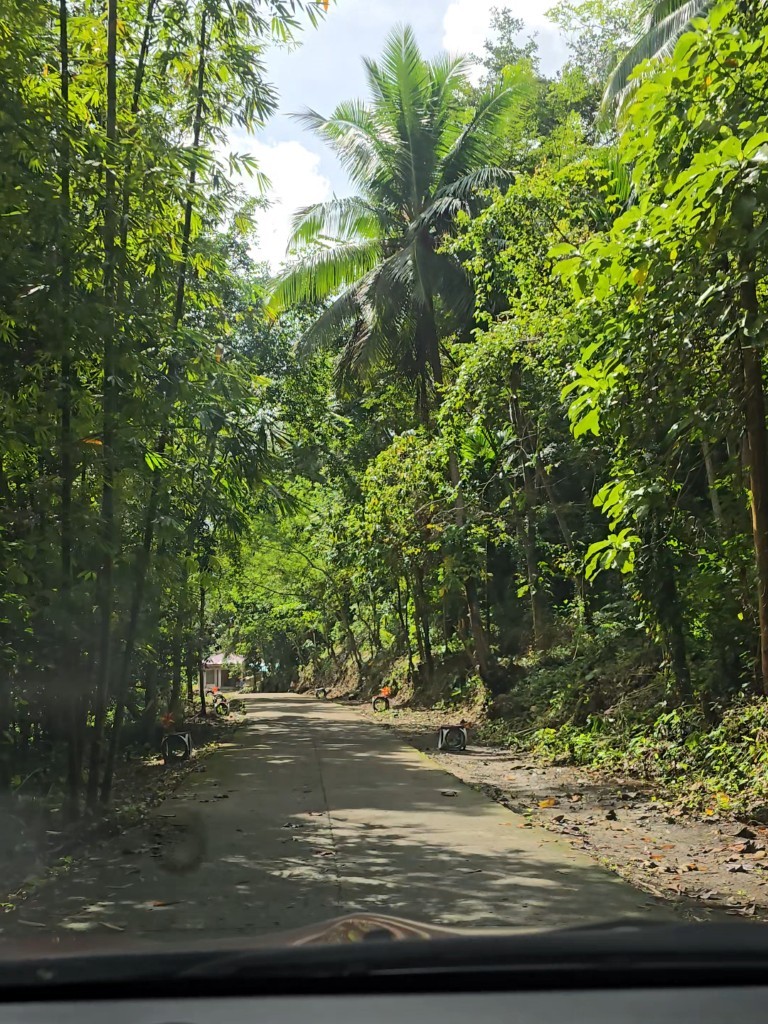
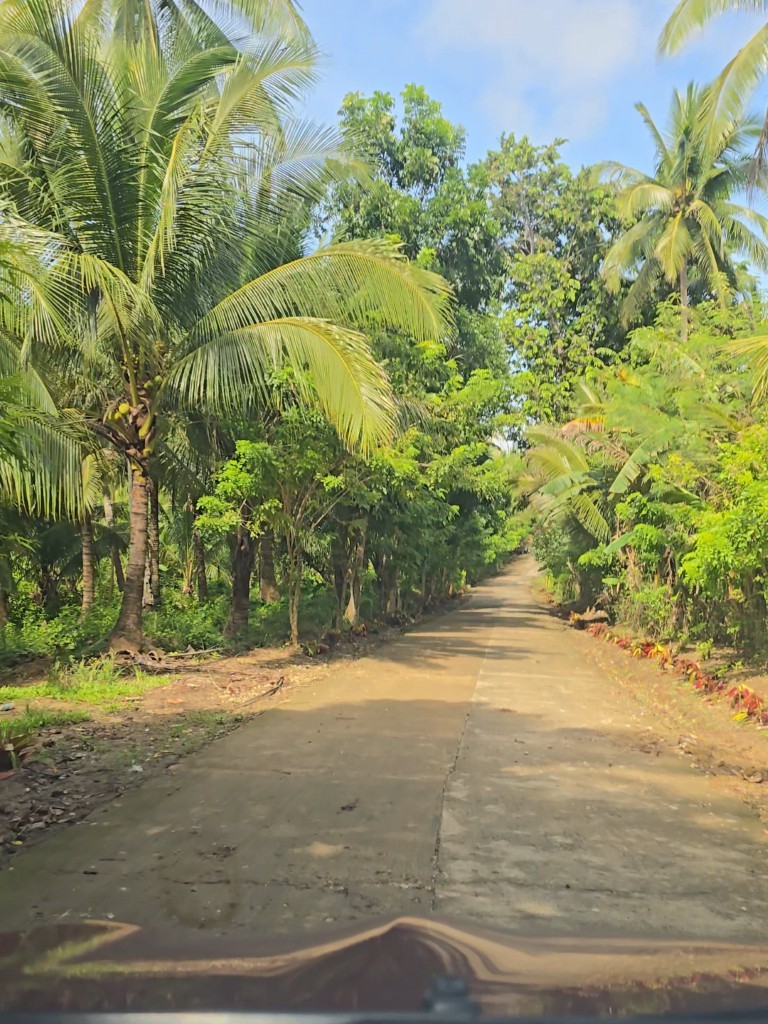
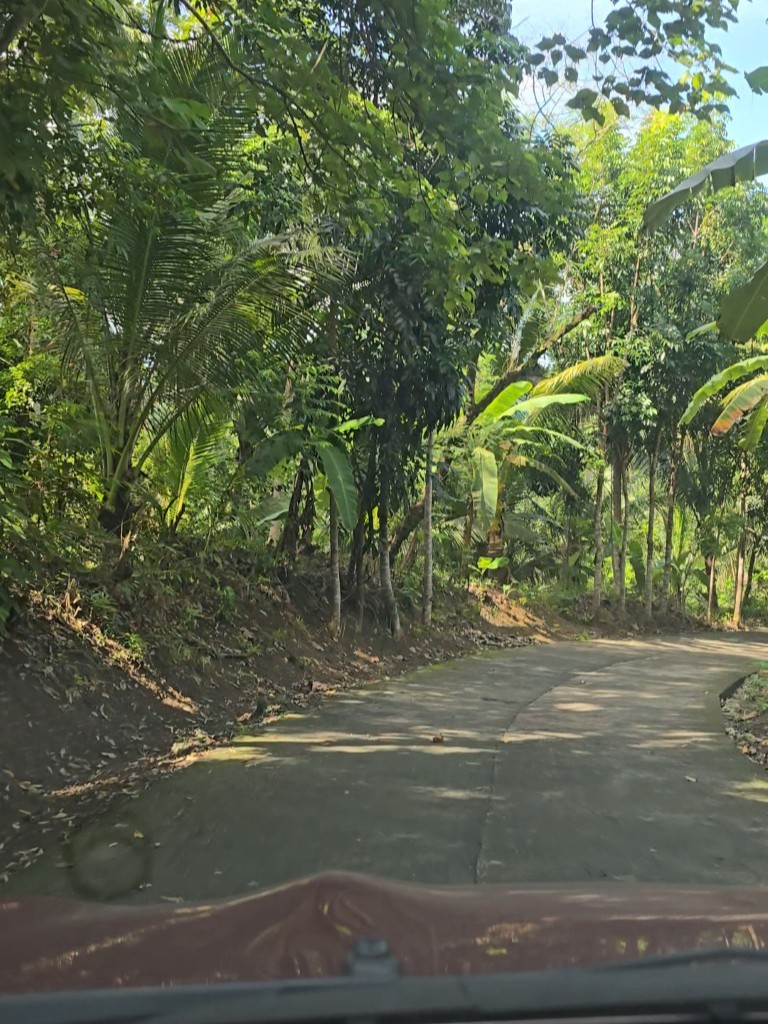
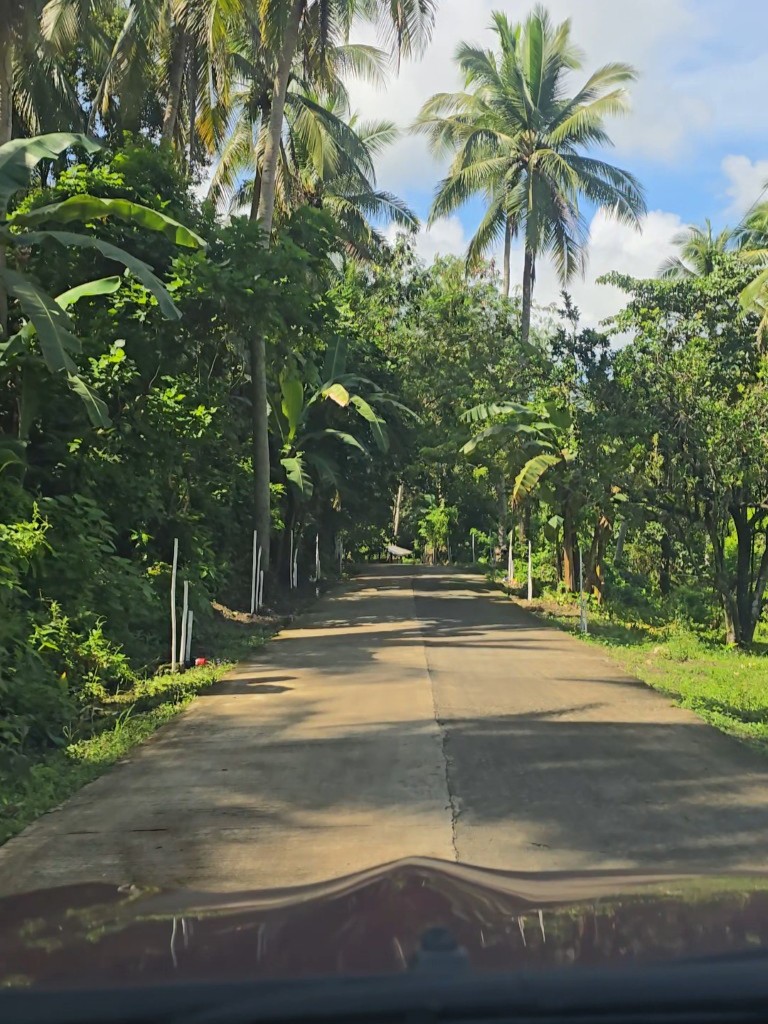
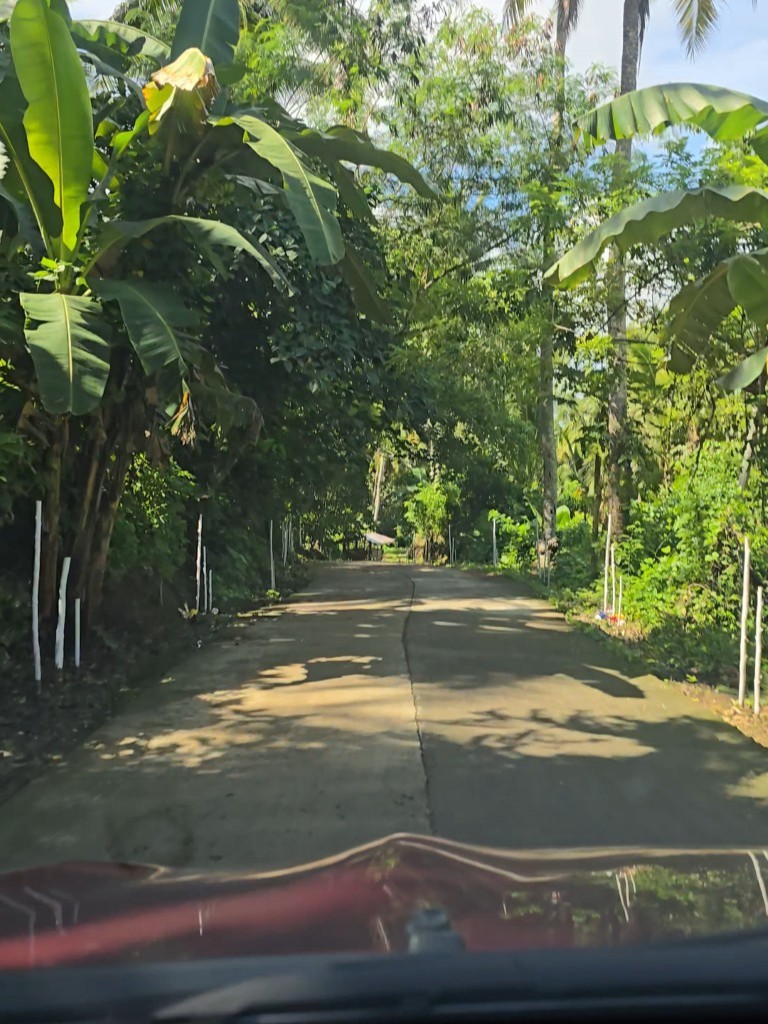
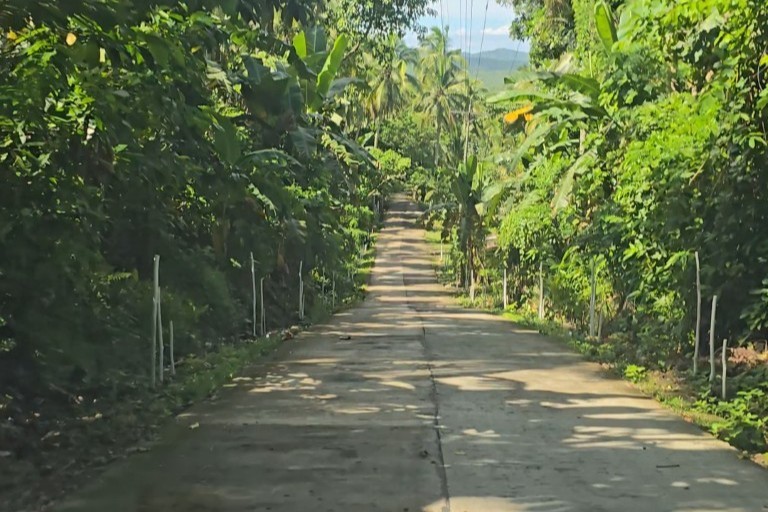
We finally reached our accommodation in Sitio Artamesa in Caima at 09:30 AM. That was 14 hours and a half of travel time, stops included. It was tiring, but we have barely started yet.
The first thing we did when we got to the place was to settle down and rest in our respective rooms. We all agreed that we would leave our accommodation at around 03:00 in the afternoon, after everyone has rested enough. Rest at that point would prove necessary, not only to recharge ourselves from the travel of the previous night but for the experiences that were about to come.


 Renegade Junctures
Leave a comment