

For an archipelago like the Philippines where land masses are surrounded by the seas, lighthouses are fairly common to see. Lighthouses were widely used to mark coastlines, rocks and shoals, providing navigational guidance to those who travel by sea. Most lighthouses today, however, have already fallen into disuse with the advent of technological advances in navigation and global positioning systems.
The lighthouse in Palaui Island got its name from the cape where it stands. Formerly known in its Spanish name as the Faro de Cabo Engaño, Cape Engaño Lighthouse continues to stand to this day. Though already in a state of disrepair, what was left of it provides a window to the time of its prime and to the rich history that it silently witnessed.
What used to stand tall and proud providing guidance to mariners remain standing hitherto, albeit now only on the mercy of nature and barely clinging to the remaining strength that its foundations could provide.


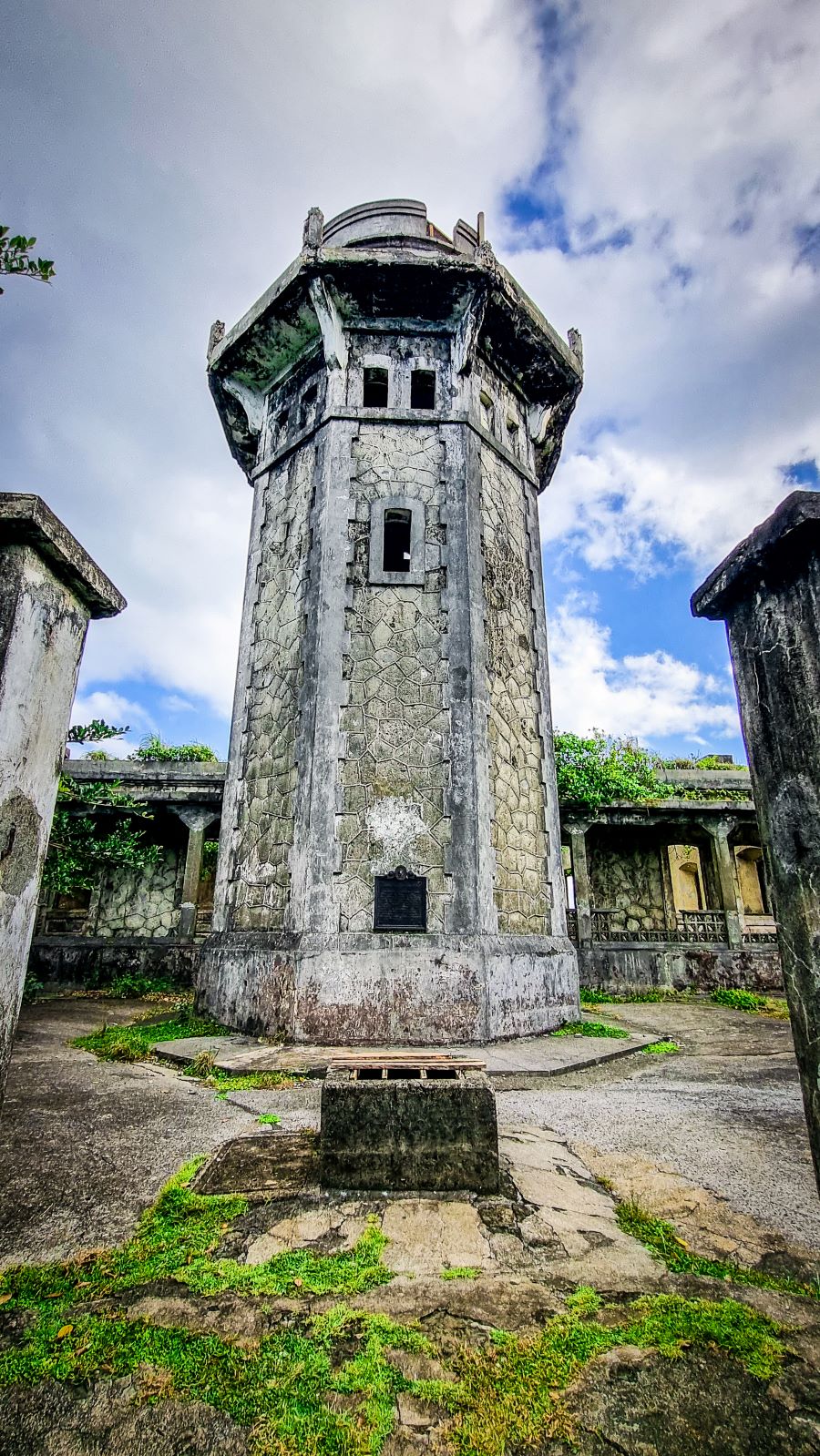

The construction of the lighthouse started in 1888 and was finished in 1892. At almost 131 years old as of writing, most of the structures are still intact despite the apparent overgrowth. Based on how it looked like when we were there, the place has definitely seen better days.
The tower itself is now off-limits to tourists, but one may still explore what was left of the quarters attached to the lighthouse.


A view of the tower and of Dos Hermanas Islands from the complex ruins of Cape Engaño Lighthouse.
Here came the moment we won’t miss: taking photos inside this incredible place!


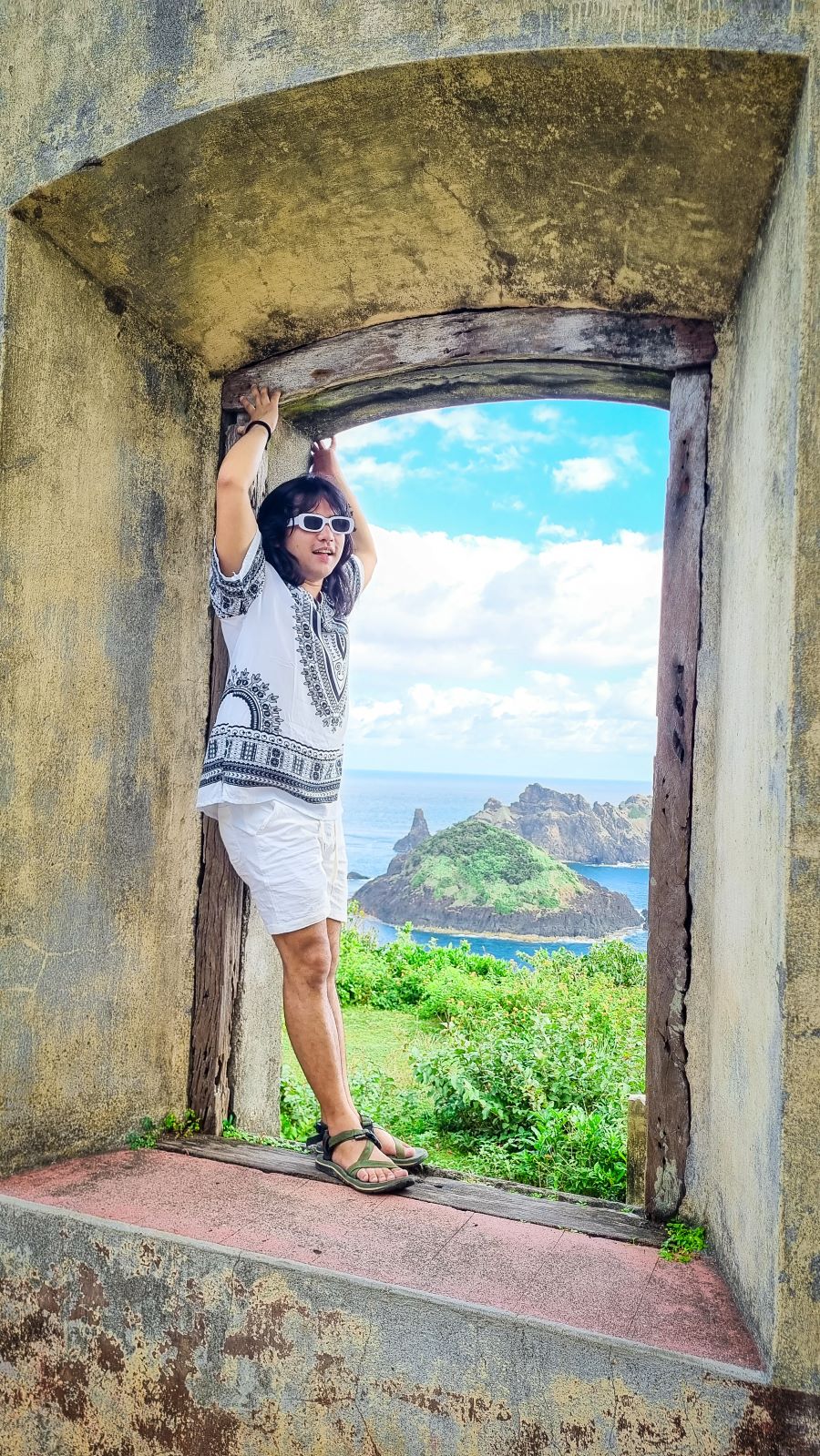


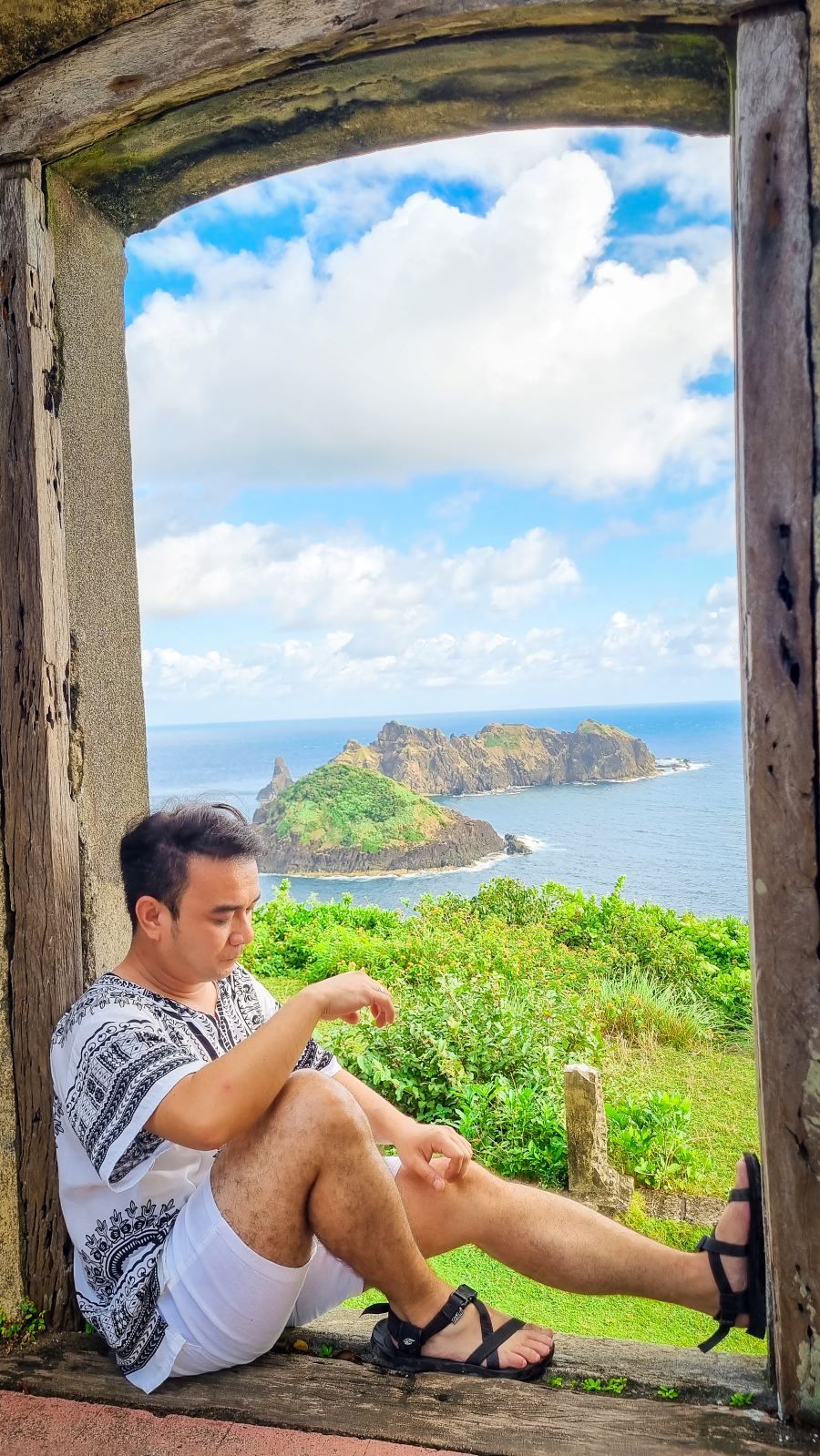


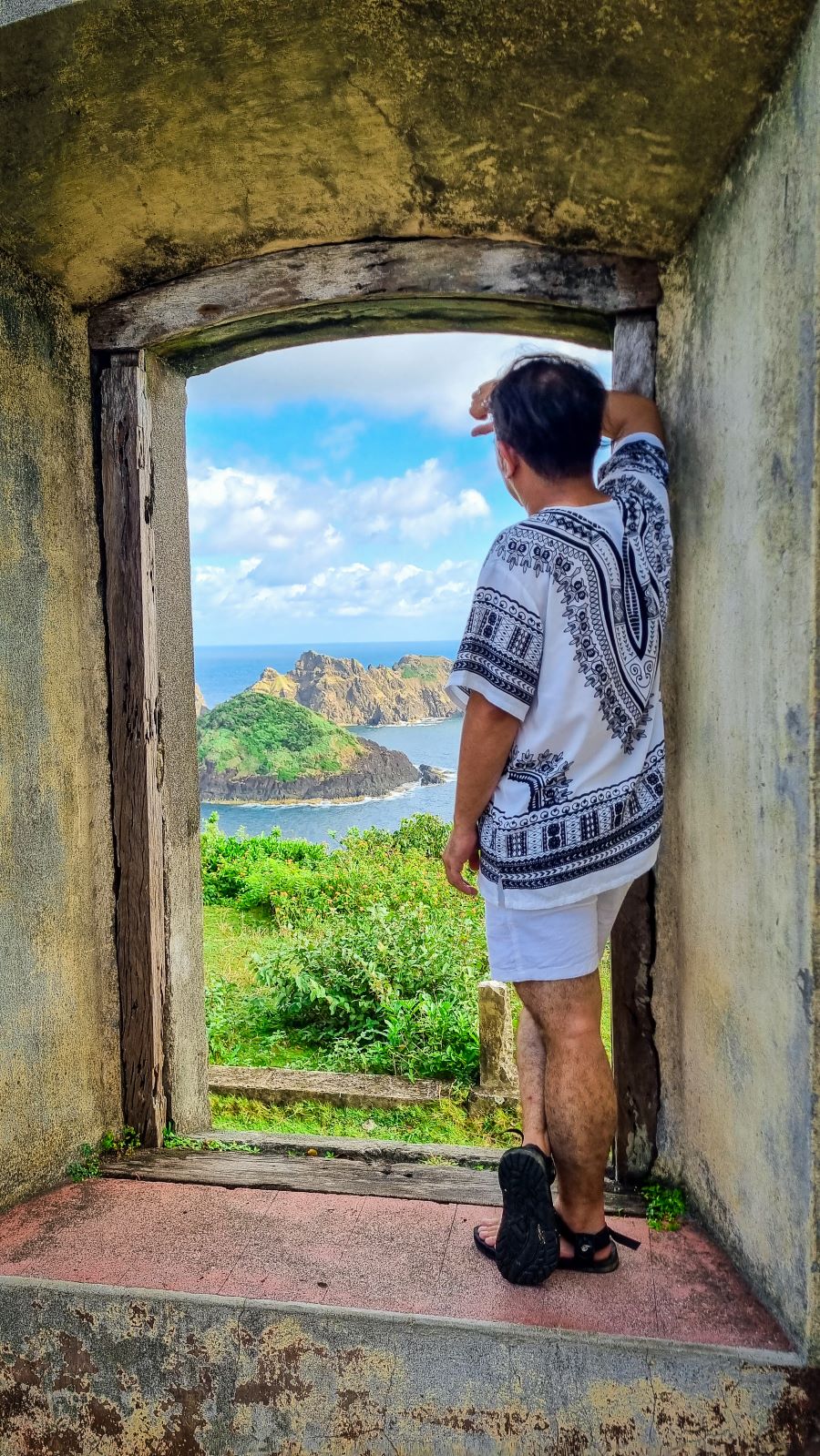

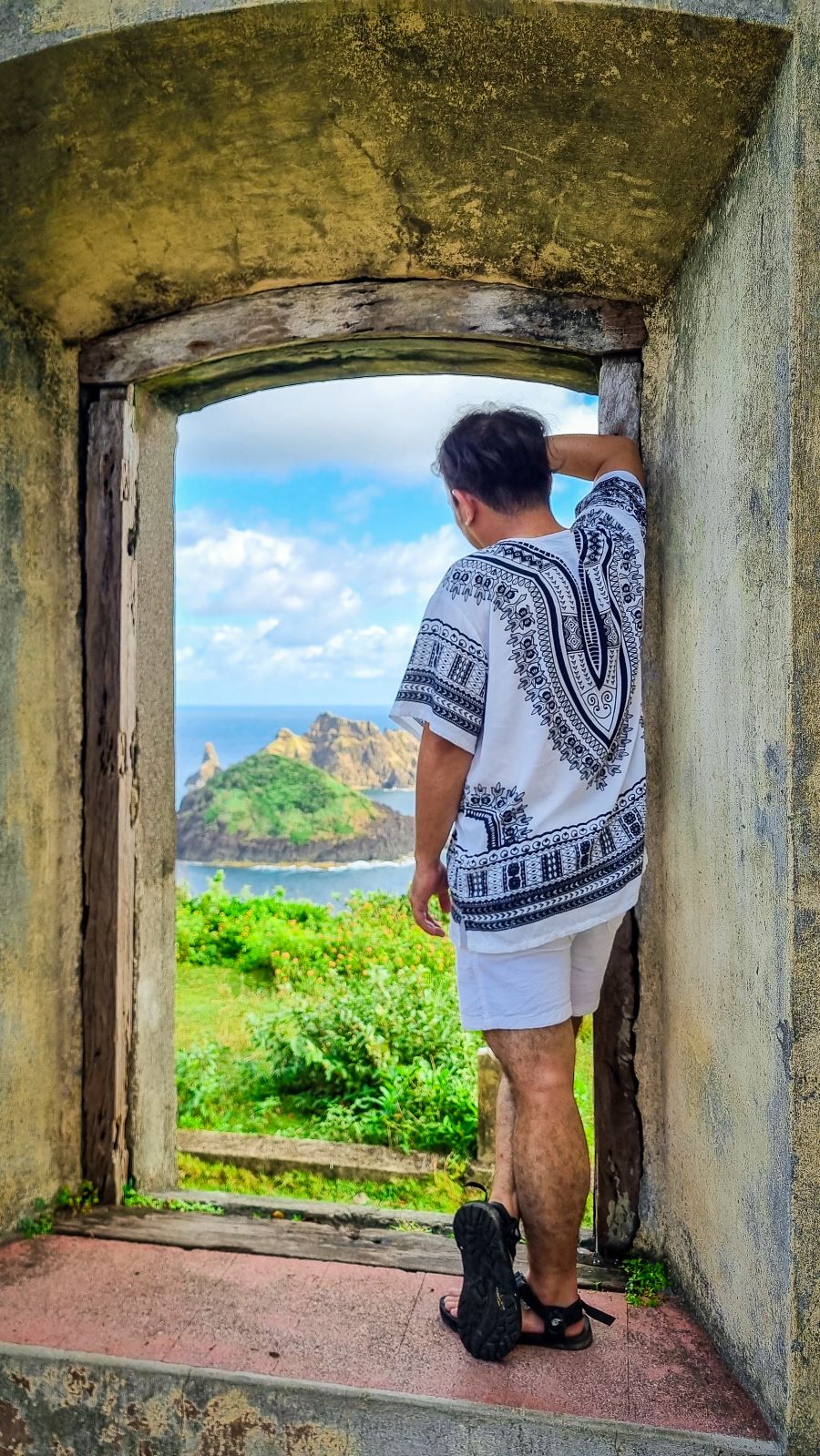
After our solo shots, we proceeded with the ritual duo shots. The duo shots are hilarious!

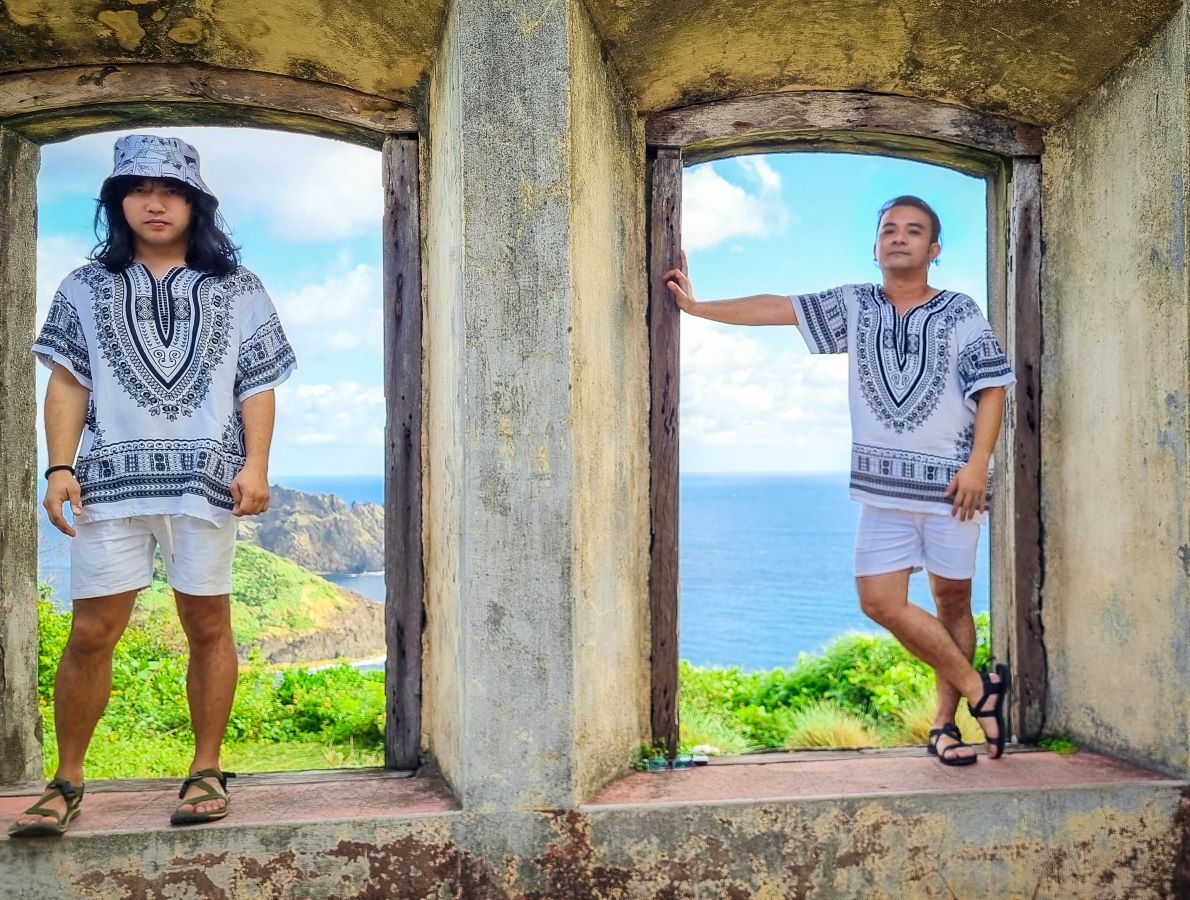


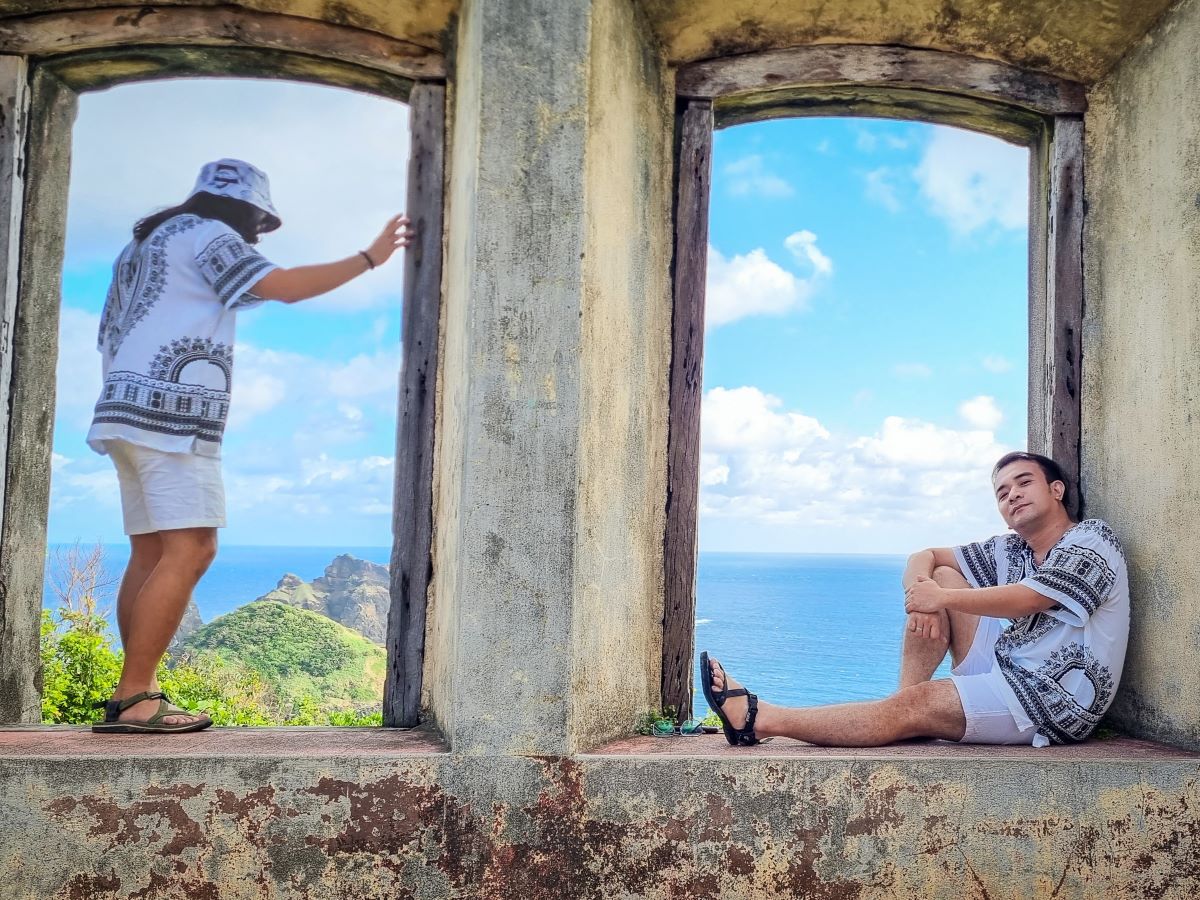

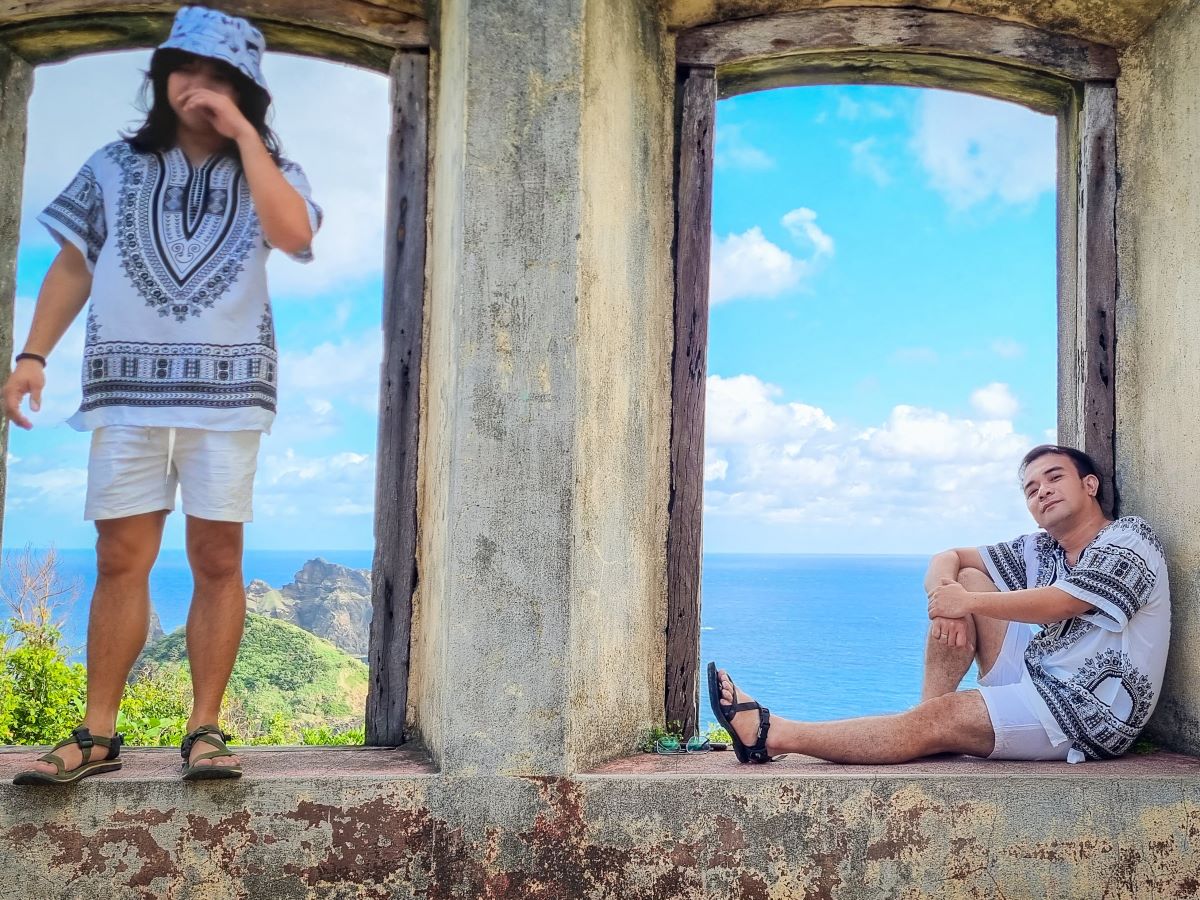

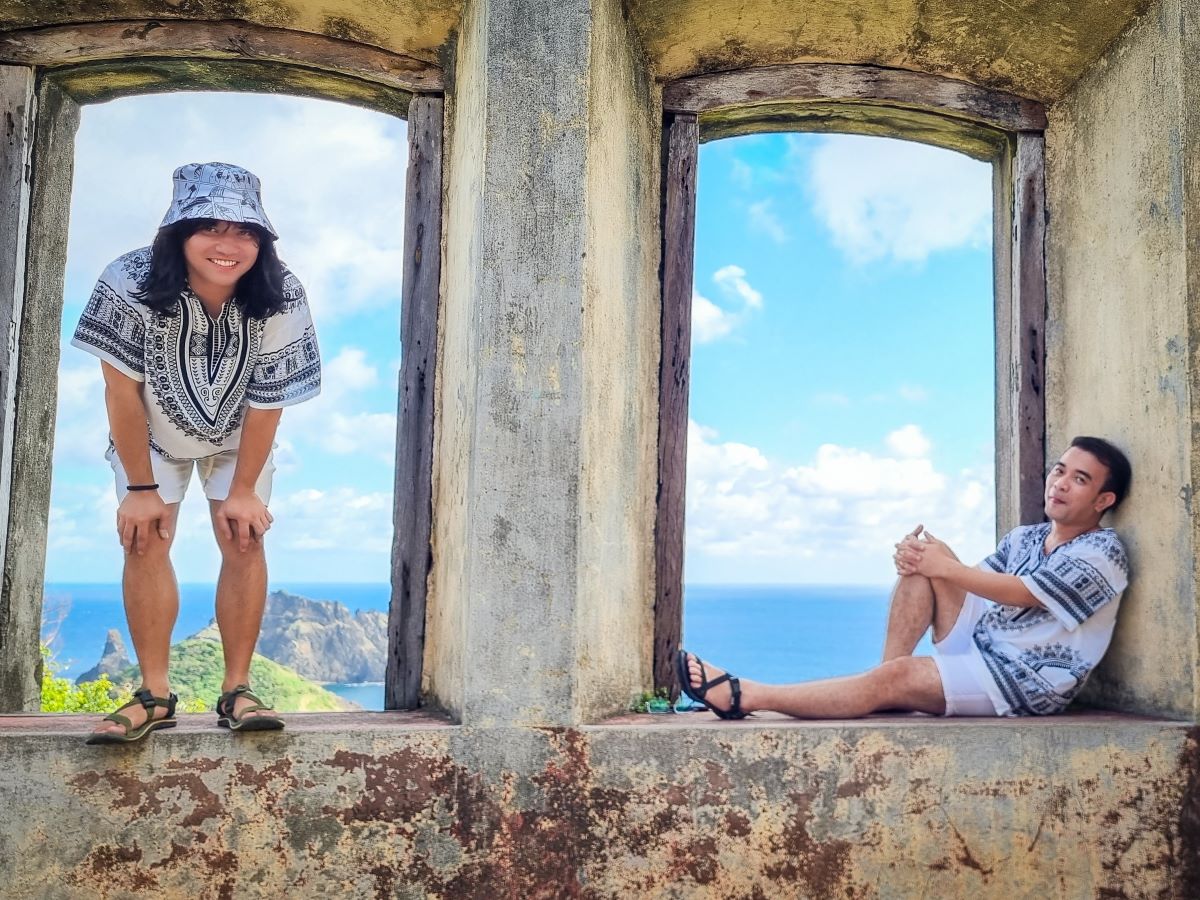


There are five shots in these pictures that I did not move but Ran had five poses! Napakaharot!
We then exited the lighthouse complex through the back. What we saw was an old wall that has withstood the elements and time, testifying to the coexistence of man and nature through history on this island of natural magnificence.
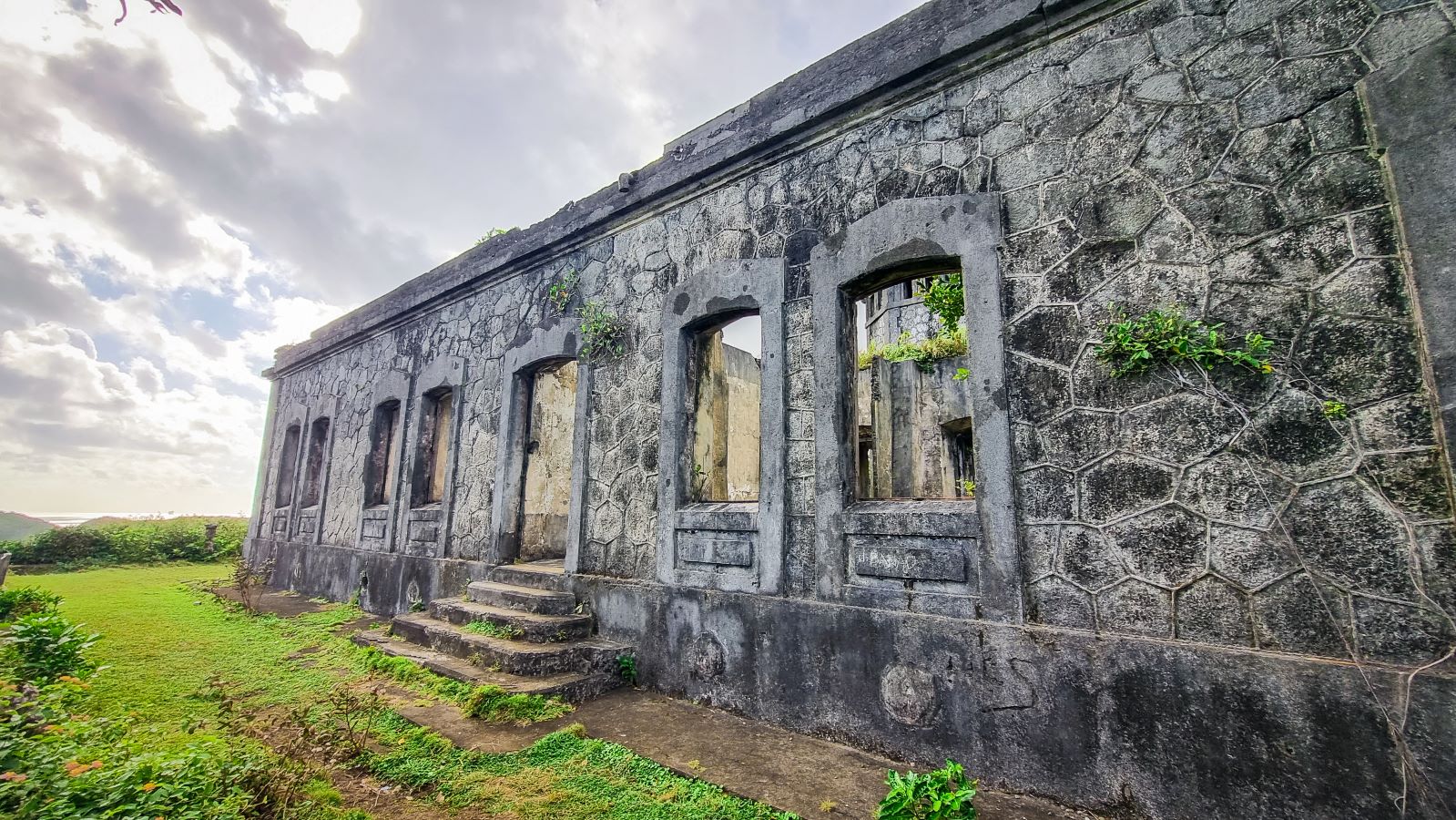
Cape Engaño Lighthouse takes to heart the term crowning jewel by being on the top of the cape and by being a jewel in its own right: a gem weathered though time whose age only enhanced its beauty. It has already served its purpose of being the beacon of those who braved the seas, and beaten as it is, it now serves a new purpose: to remind every visitor in Palaui Island that if the coexistence of nature and of man is ever a battle, man and his handiwork would not prevail.


 Renegade Junctures
Leave a comment