
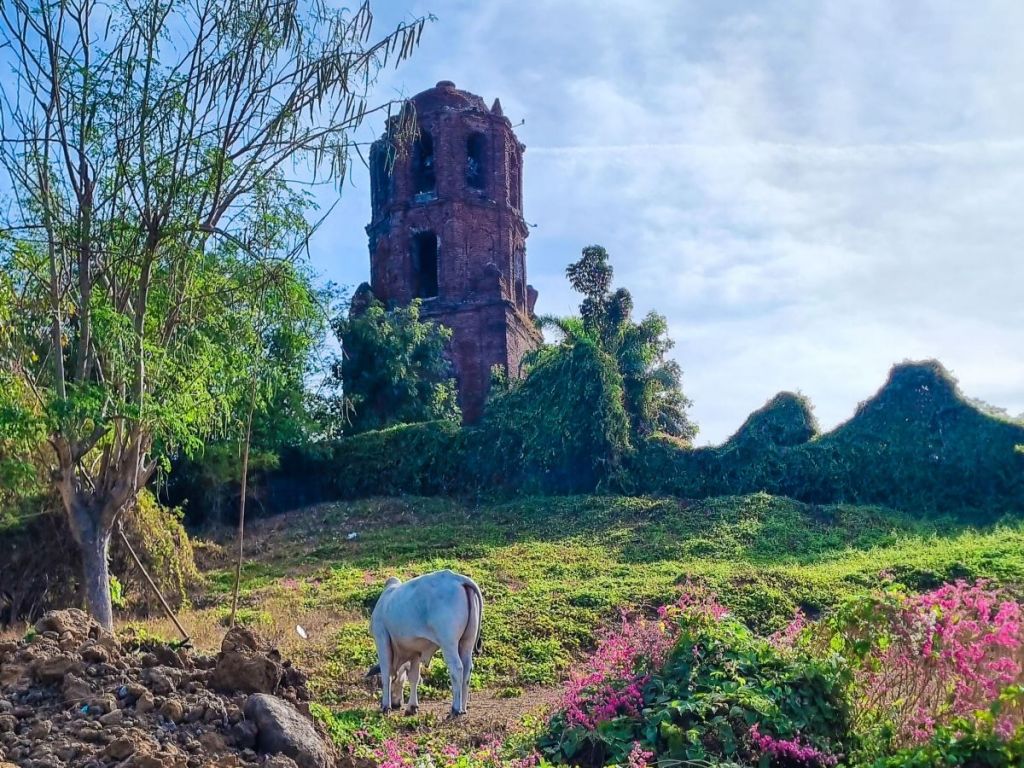
We headed off to leave Vigan after our trip down history lane in Calle Crisologo and the Cathedral of Nueva Segovia. When we were finally back on the main road, Ran saw something prominent that he told me to turn back so we may have a closer look. It was a tower.
Turned out we were already in the town of Bantay which neighbors the city of Vigan, and the tower that Ran saw was the famous Bantay Tower.
After a series of turns and u-turns, we finally saw the route going to Bantay Church, which like the church of Vigan, holds a treasure of history with it. Though the present structure is a postwar reconstruction, the original church was built by the Augustinian missionaries when they arrived in Vigan in 1572. Dedicated to St. Augustine, Bishop of Hippo, it was recognized as a parish in 1591. In 1593, Bantay separated from Vigan to become an independent pueblo of its own.
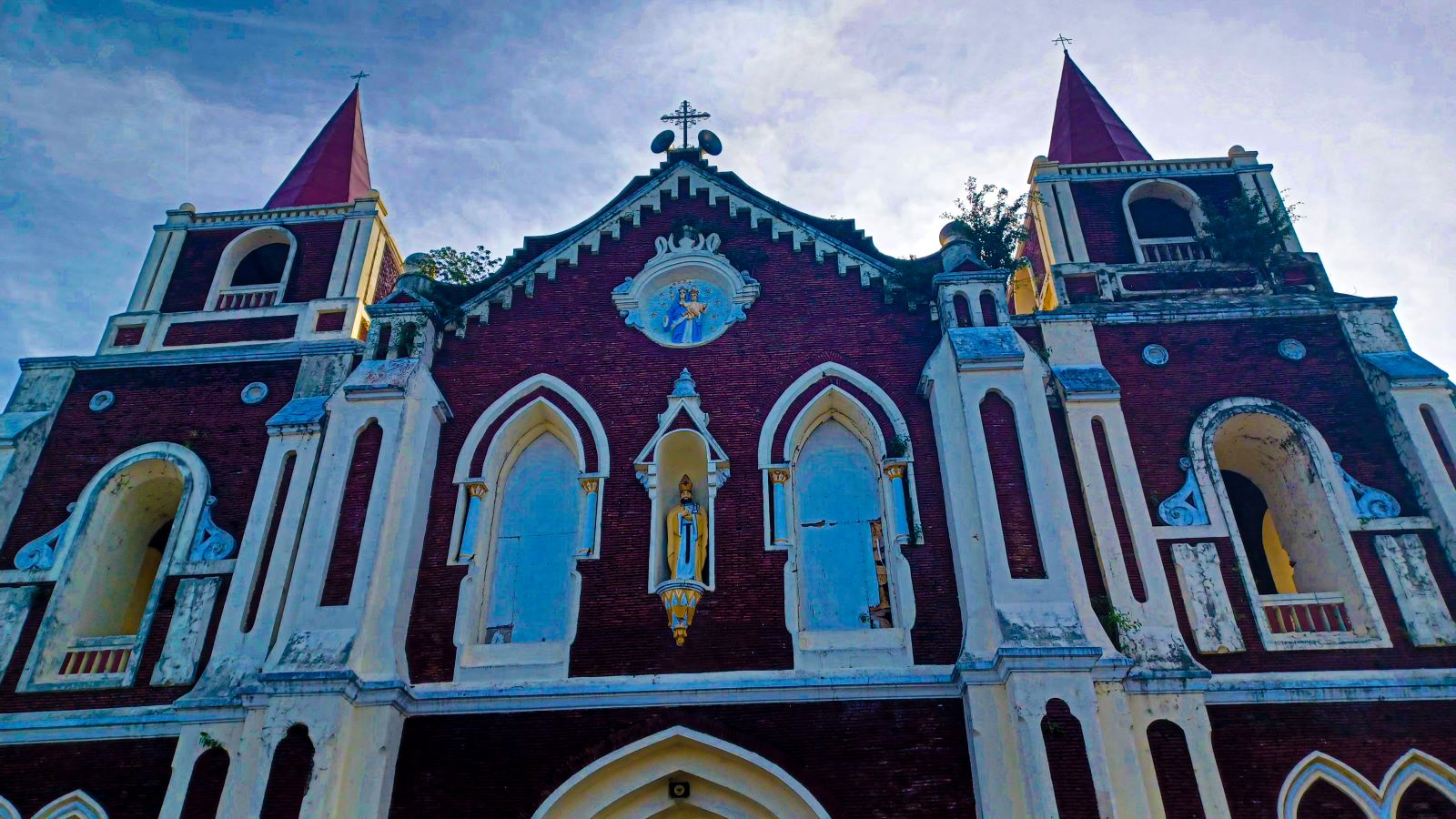
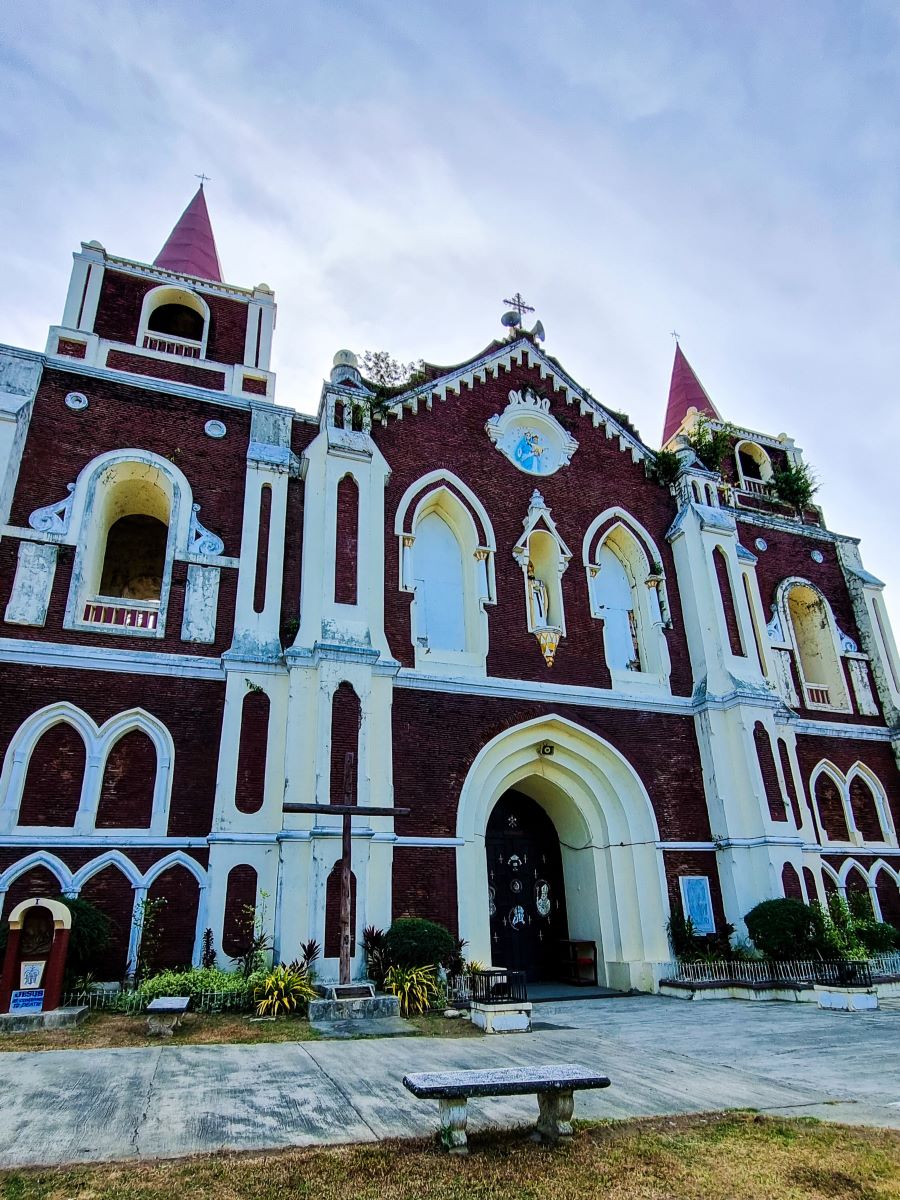
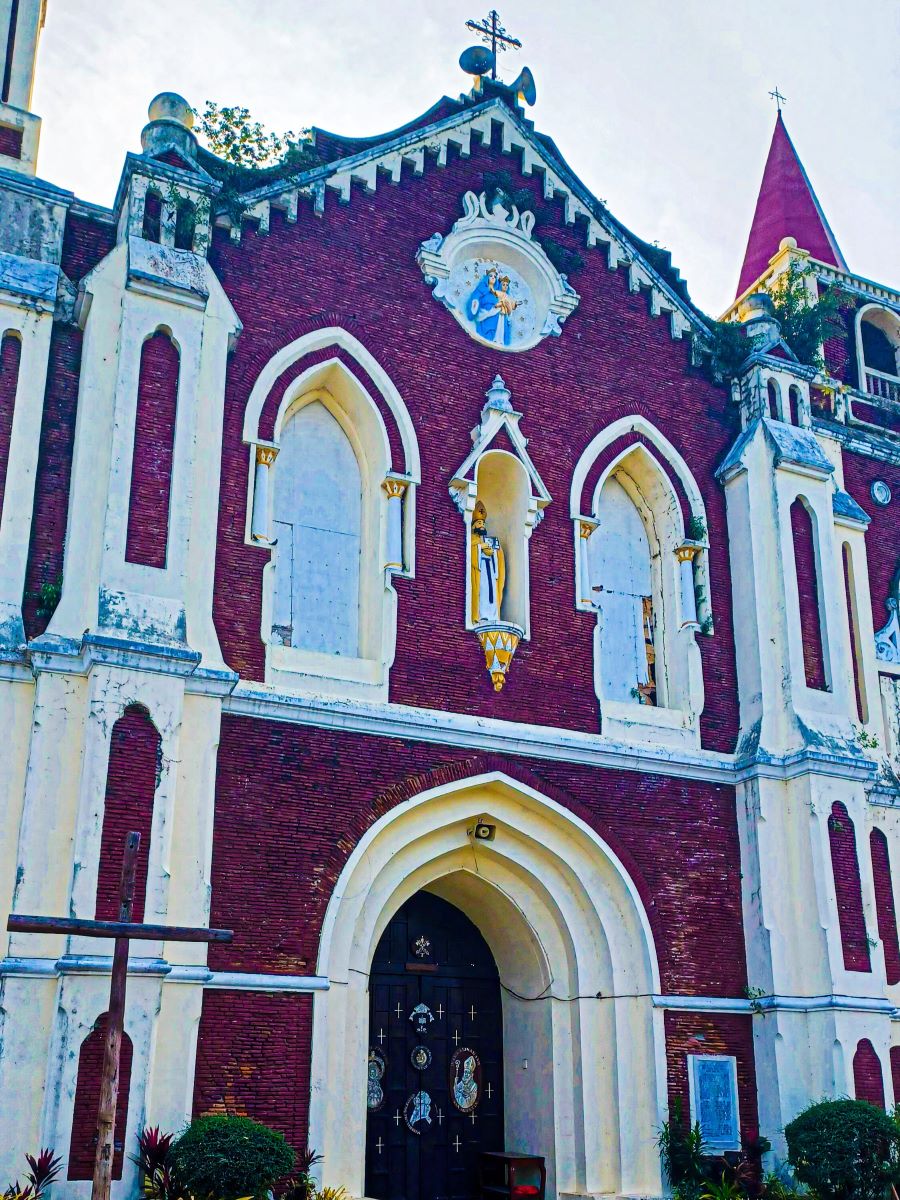
Unfortunately, very much like the Nueva Segovia Cathedral, Bantay Church was also affected by the 2022 magnitude 7.0 earthquake. It was closed when we were there, hence had no opportunity to see its interior.
The neighboring Bantay Tower which is an equally popular destination within the church grounds bore much of the grunt of the earthquake that it had to be cordoned off from visitors as significant parts of the tower crumbled during the quake. We were only able to view it from a distance, but still managed to take photos of it.
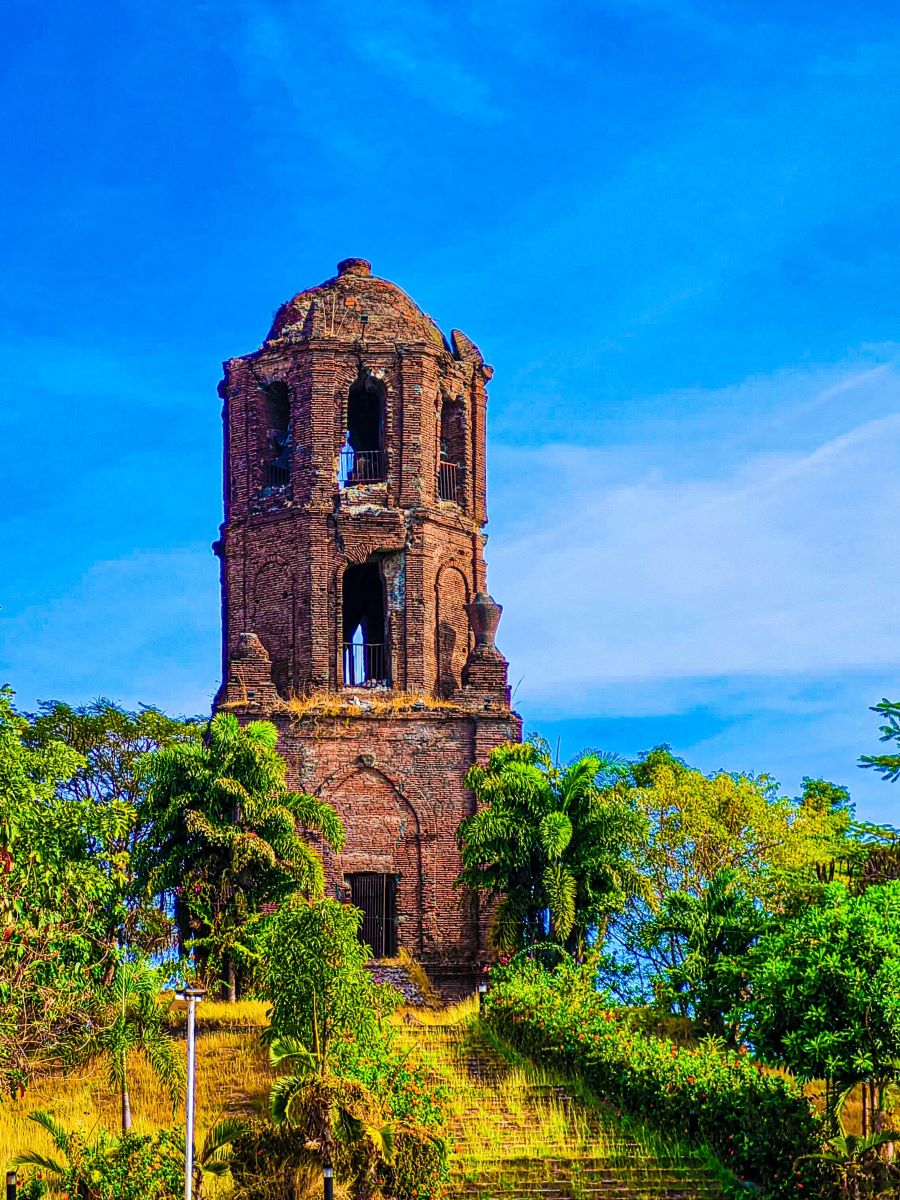
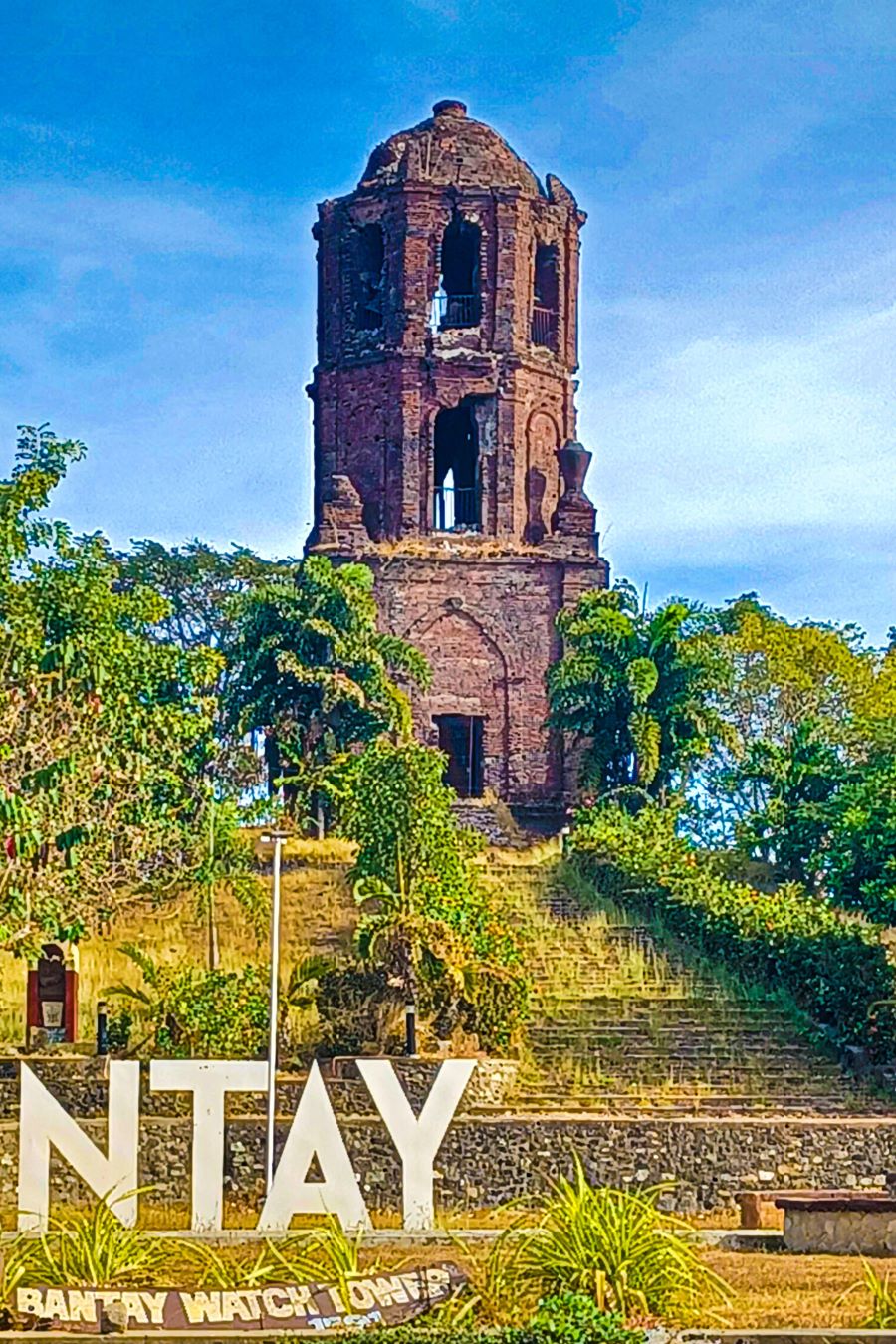
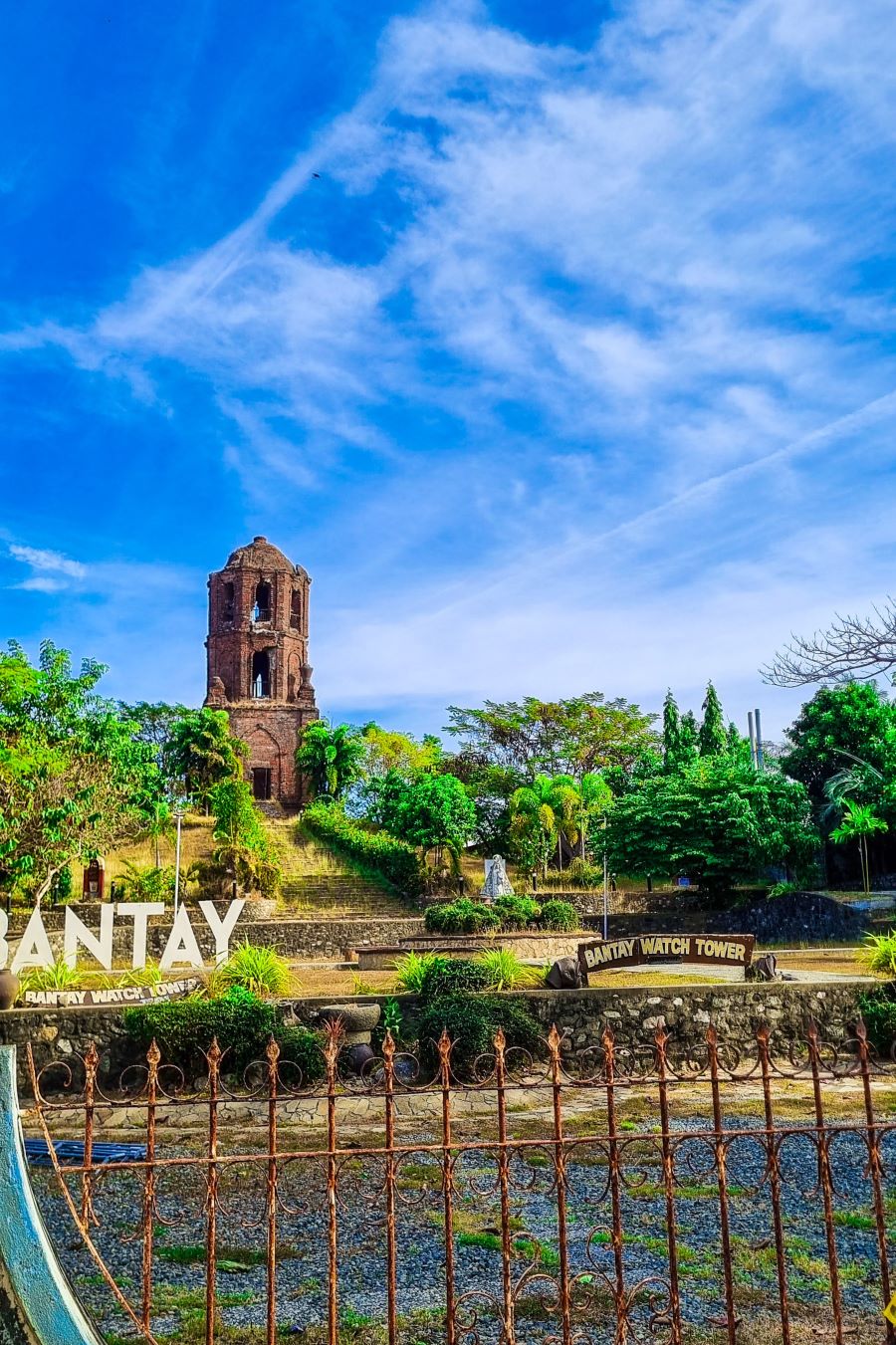
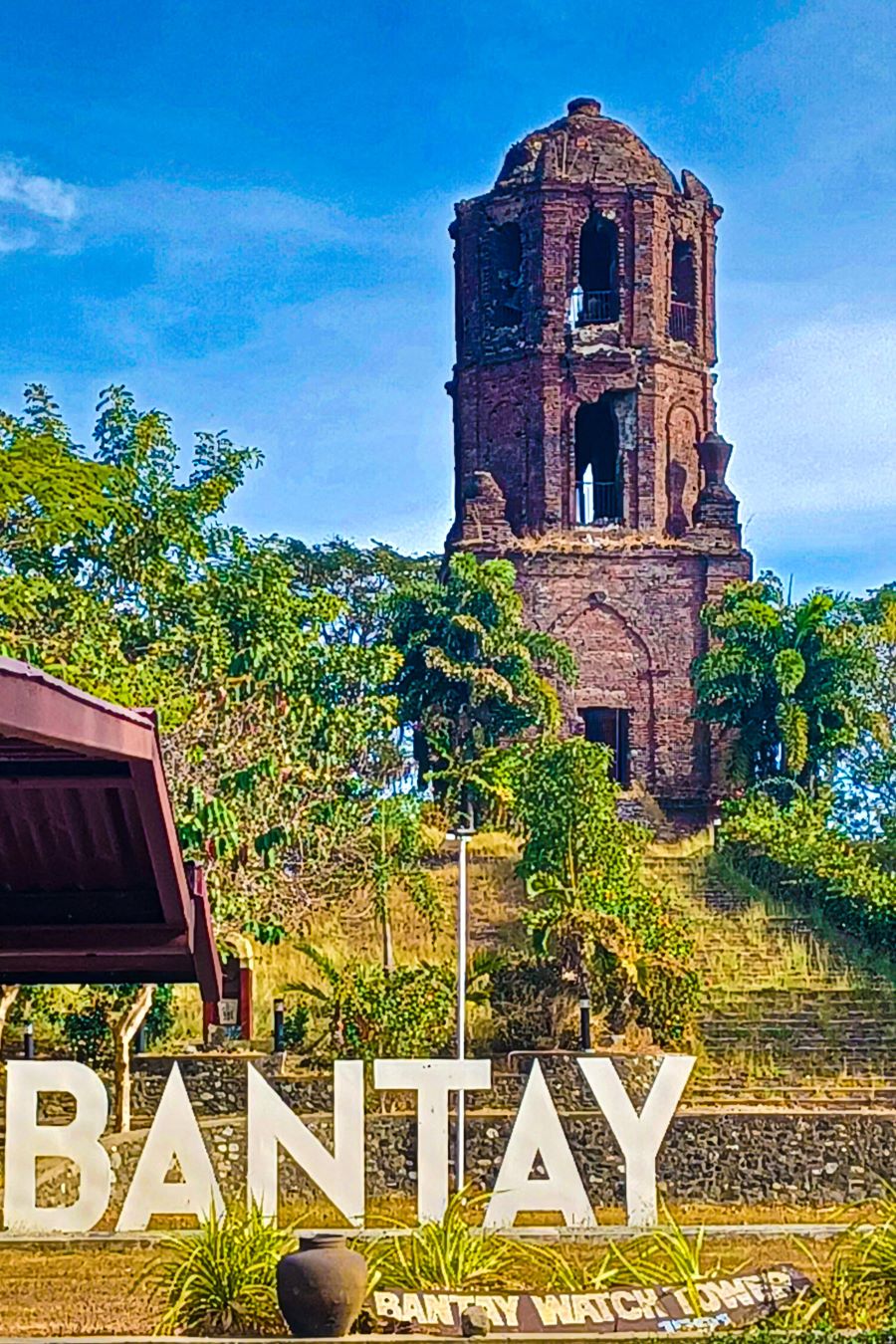
Prior to the 2022 earthquake, visitors could go inside the tower. However, due to the damages it suffered from, the structural integrity of the tower is no longer safe for people to go into. It has seen better days and have witnessed history unfold for centuries, one may say it has served its purpose well. As for us, we settled for photos with the tower in the background.
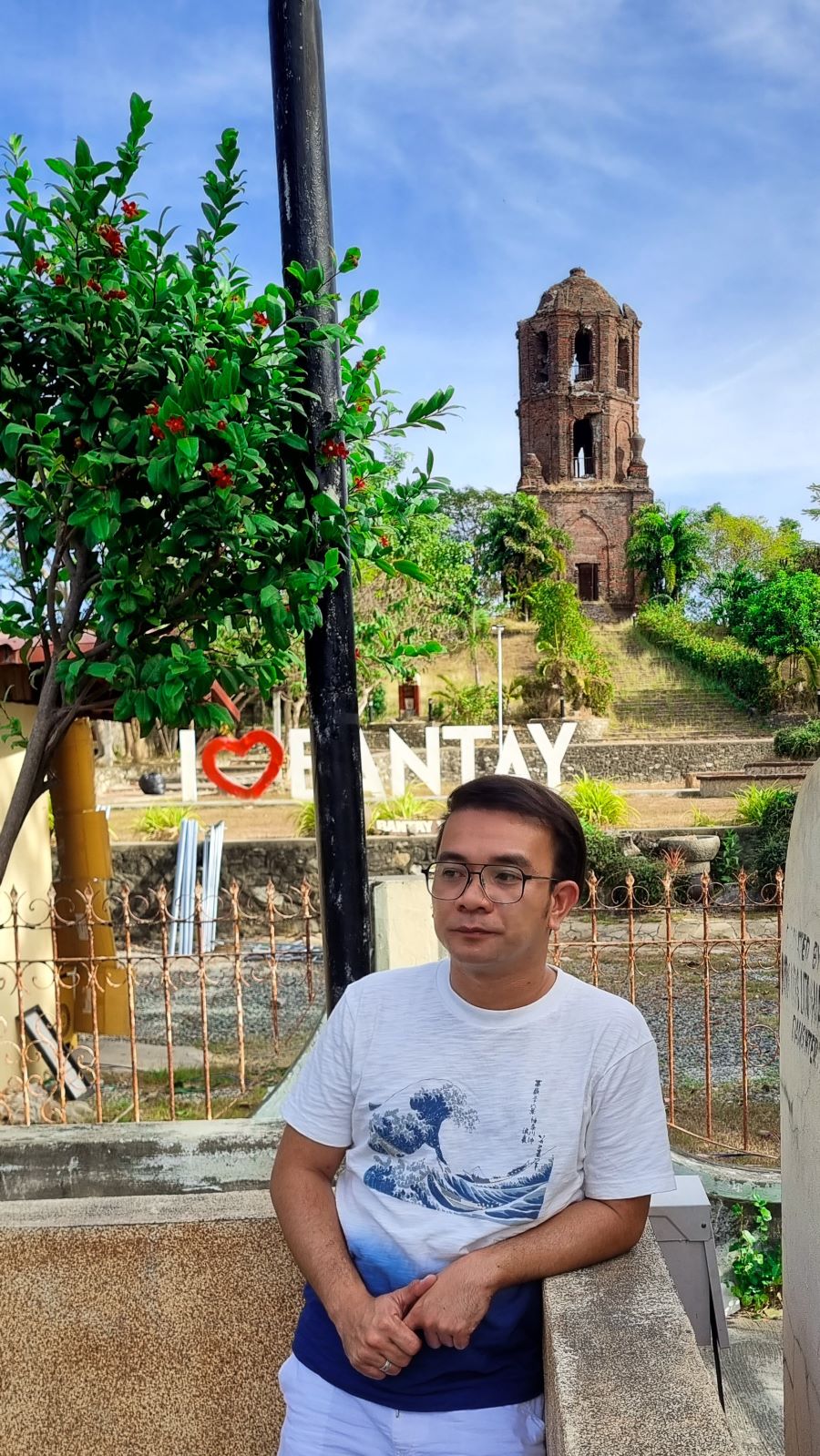
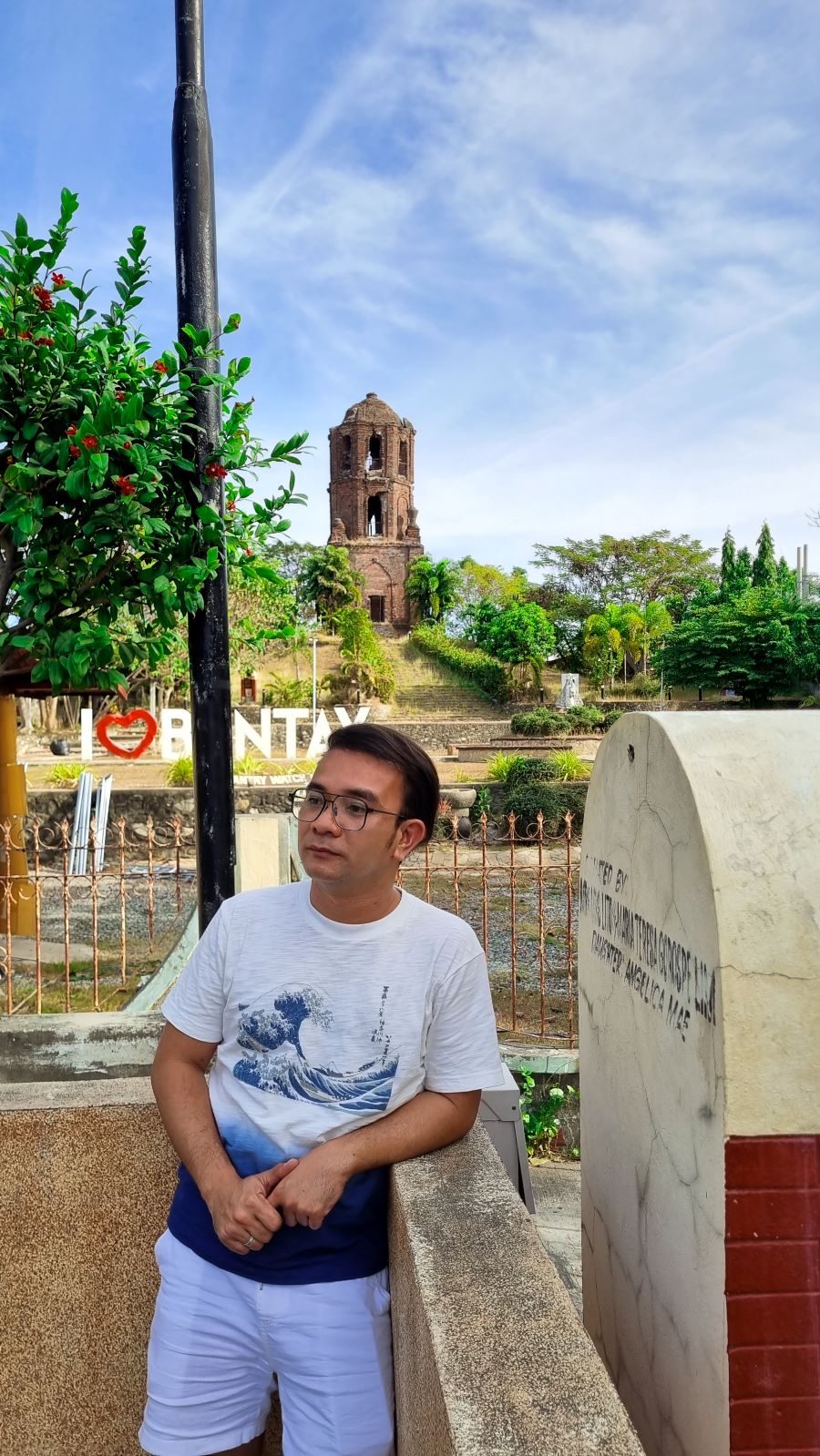
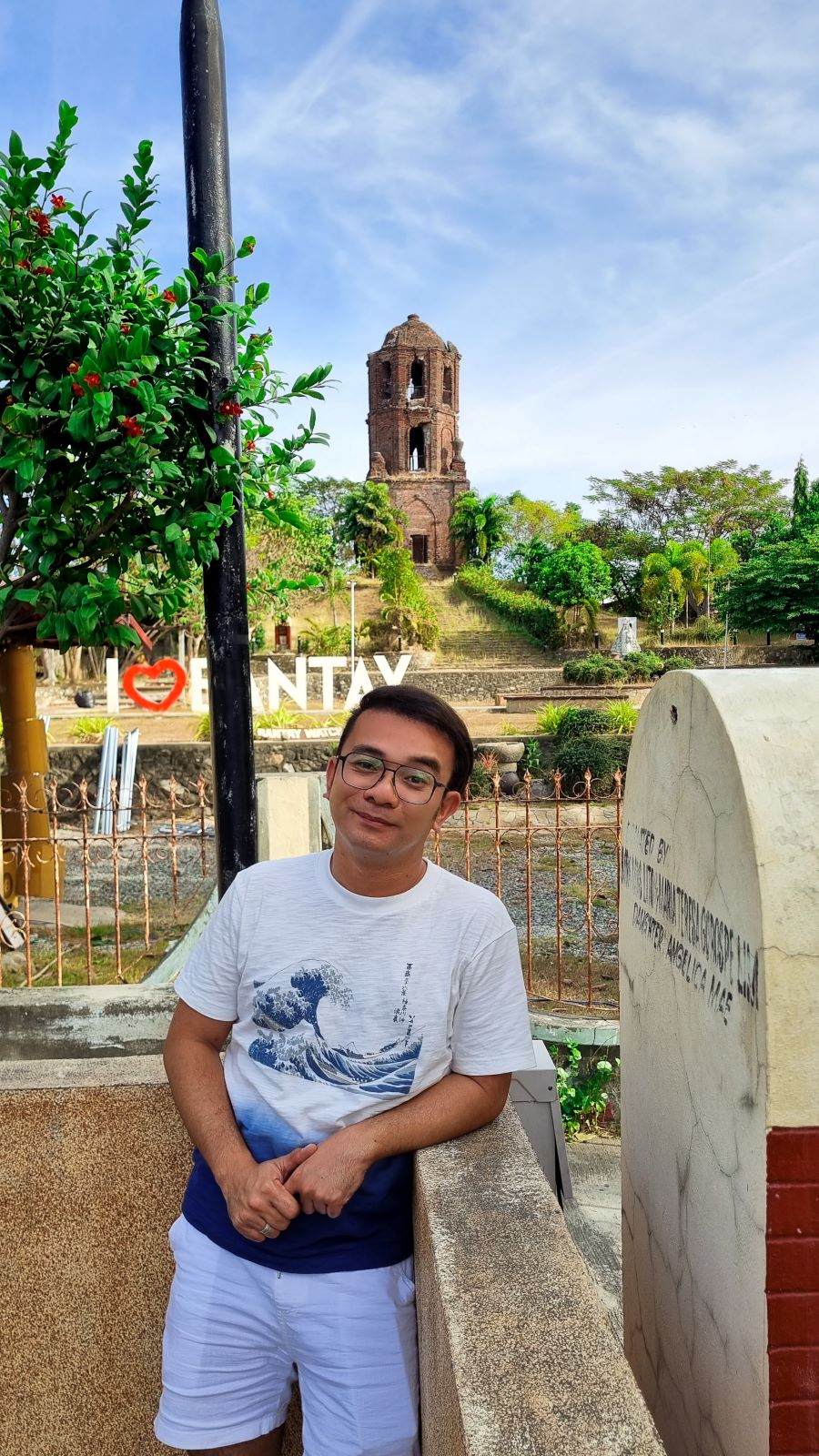
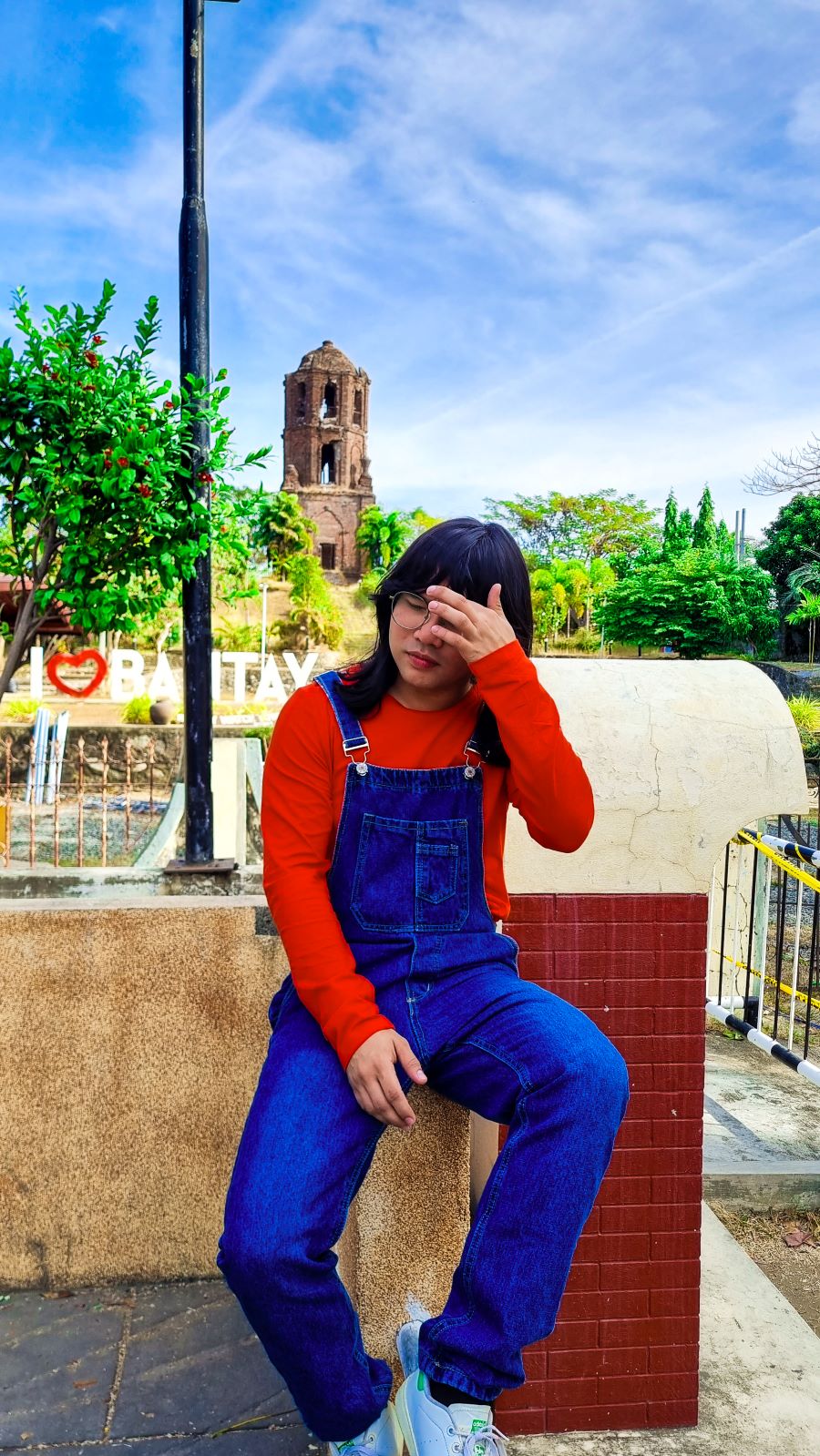
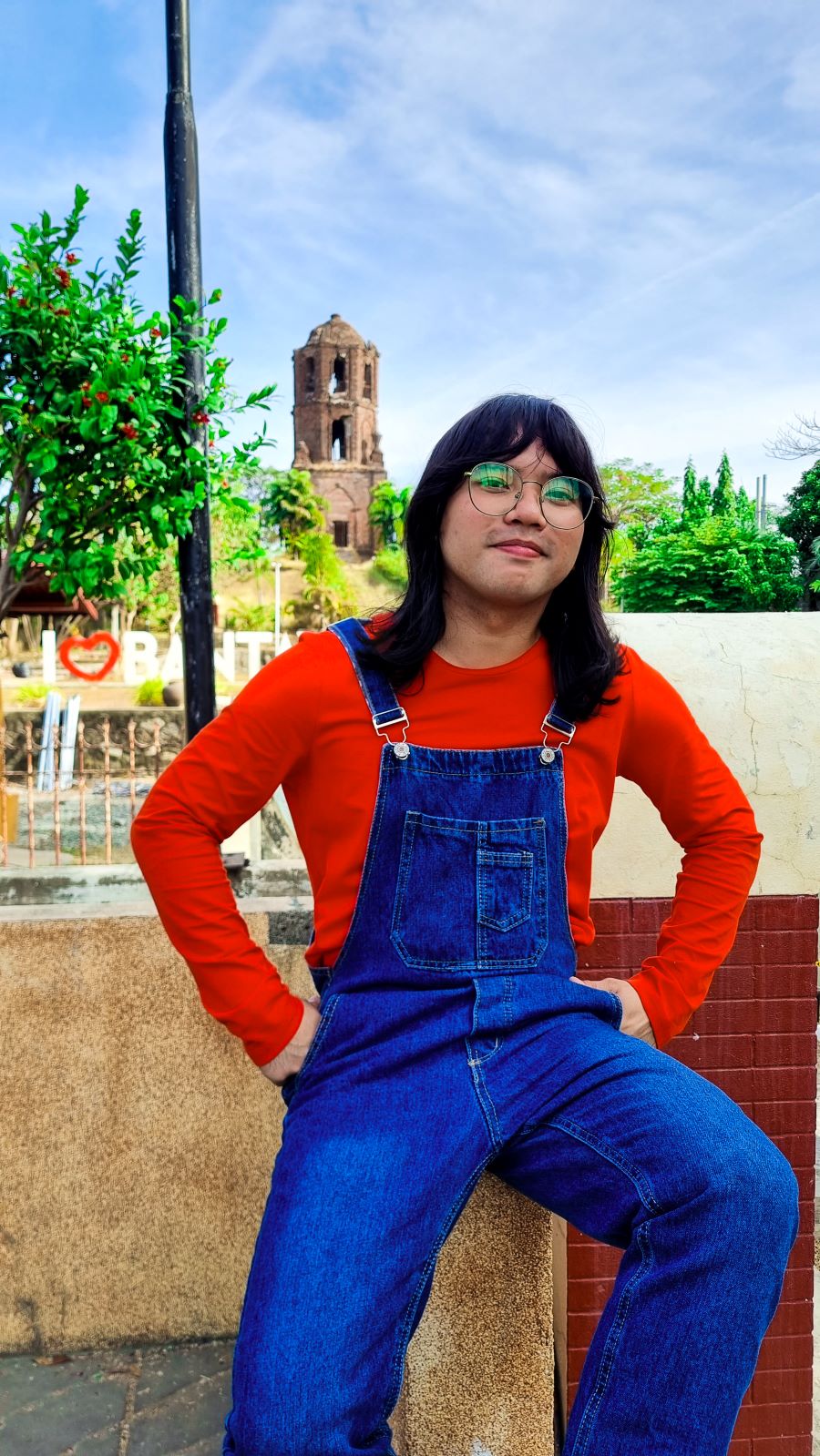
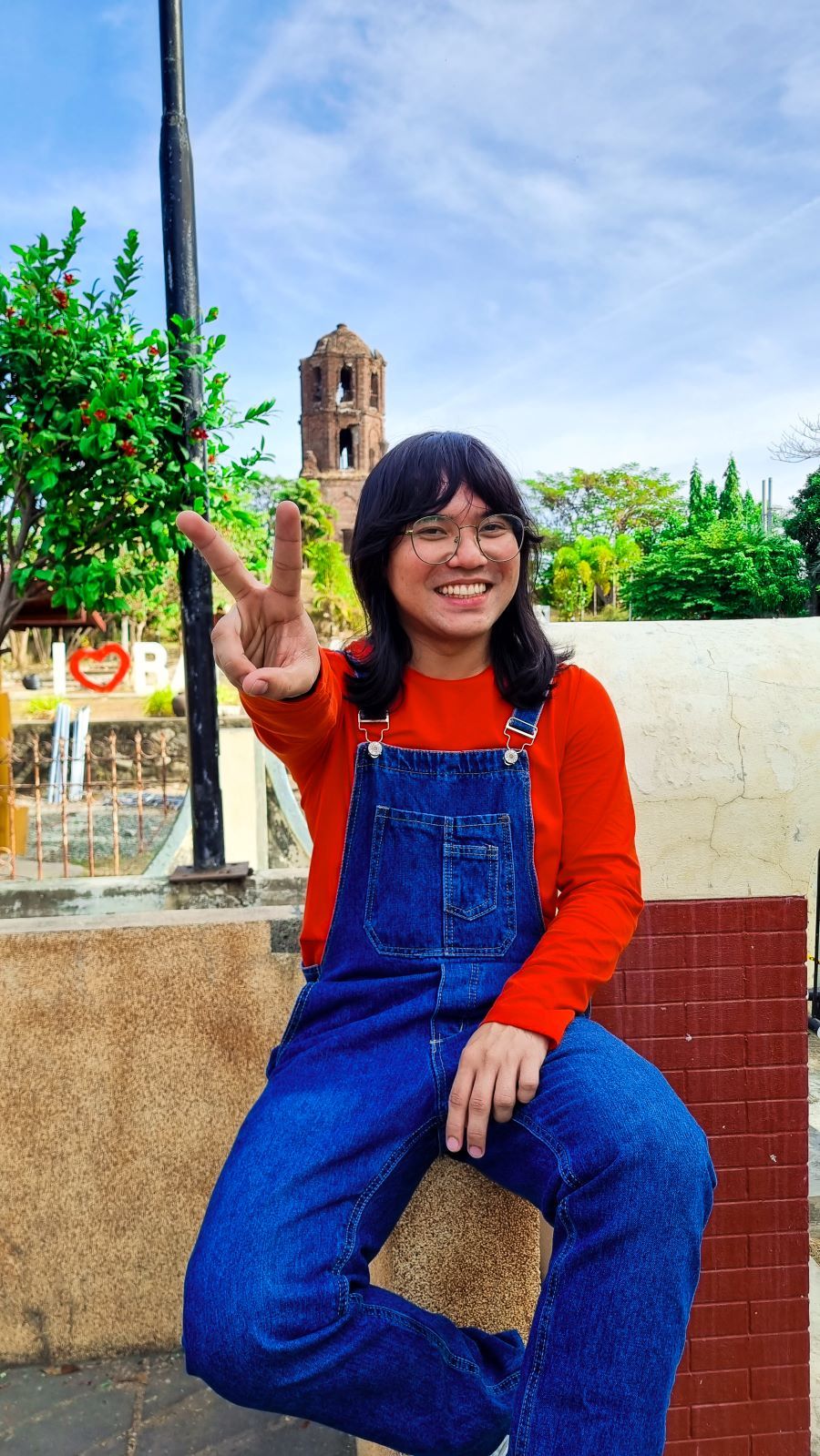
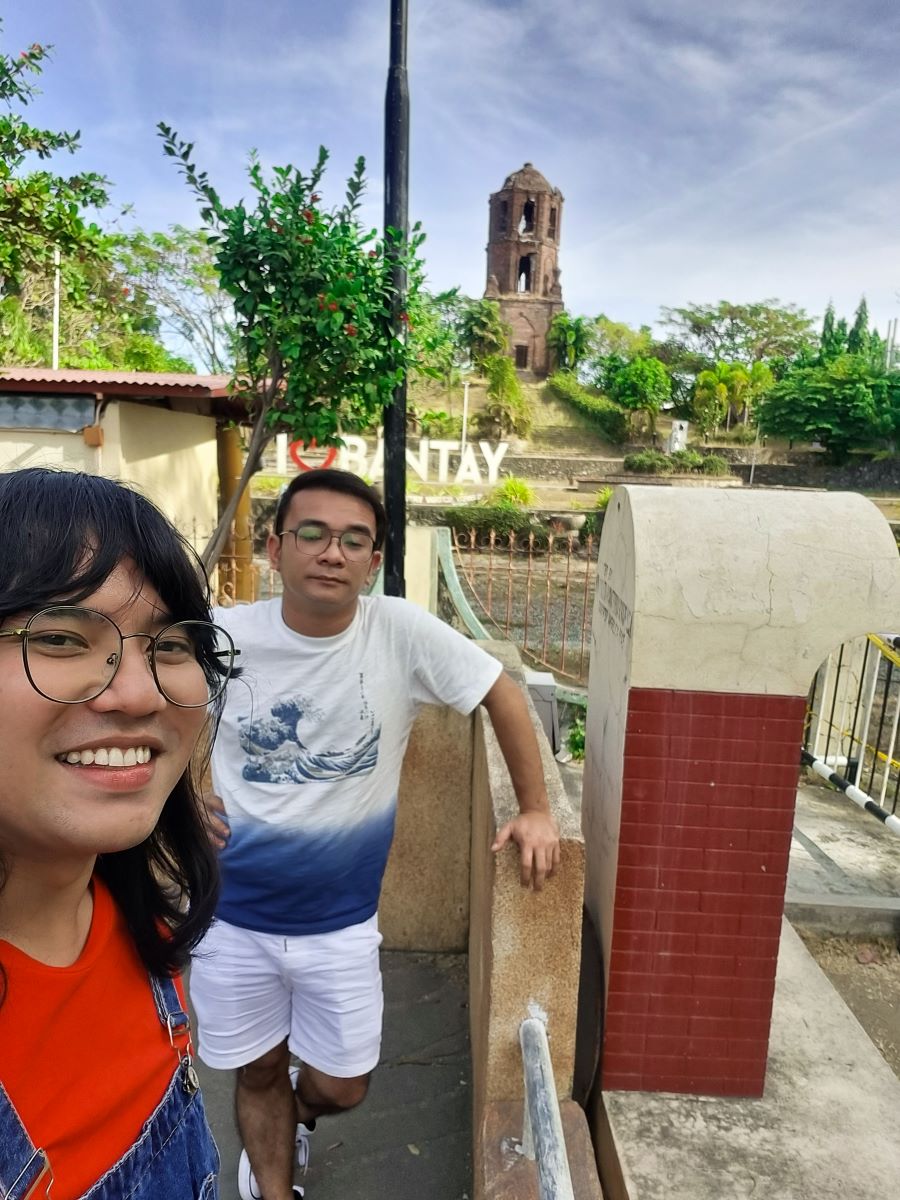
Ligayang-ligaya sa pagkakapikit ko.
It was just a short detour in Bantay then we decided to resume our journey further up north. It had been 10 hours already since we left Malolos and we were still nowhere near our intended ultimate destination.
A little more than another hour since we left Bantay, we finally reached the arch that we have been longing to see. After 11 hours, we reached the Ilocos Norte welcome arch.
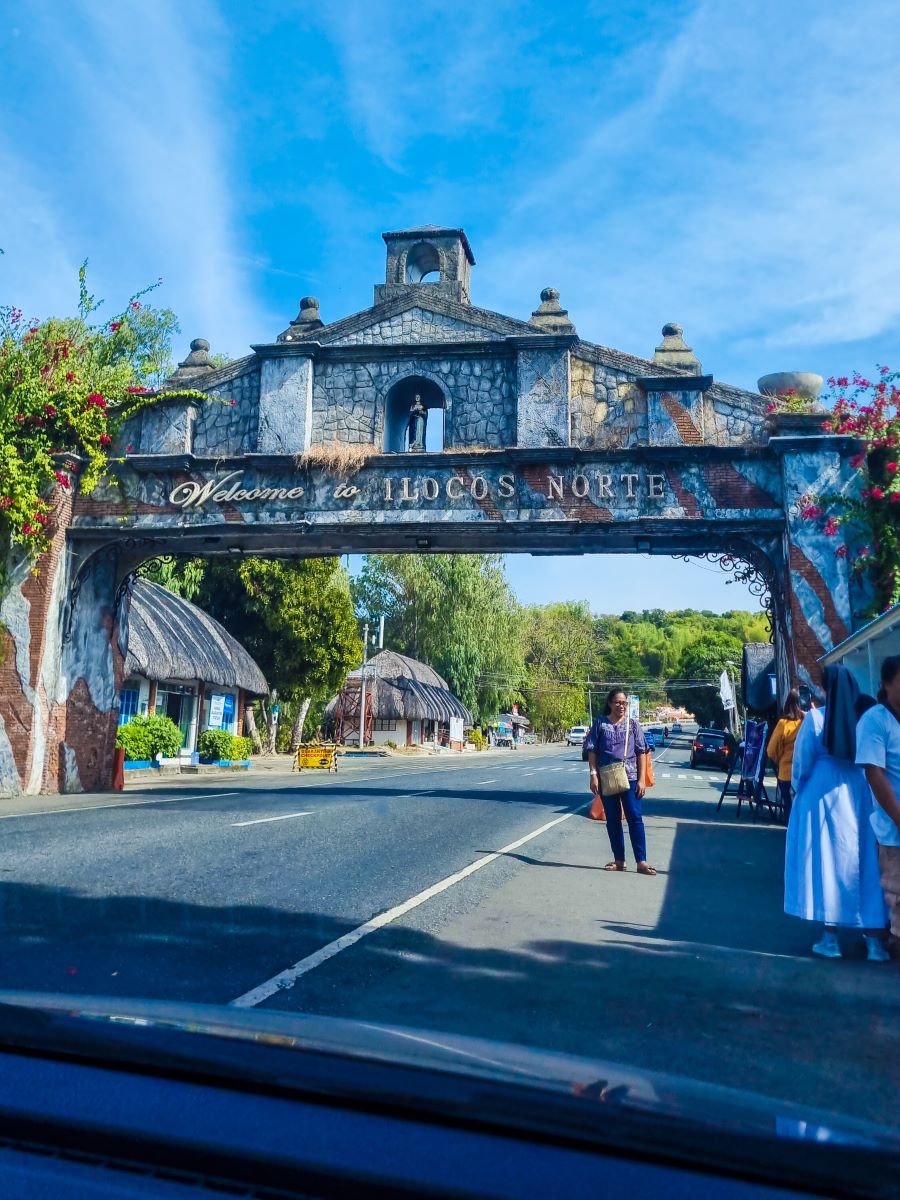
Despite Ilocos occupying only the western part of northern Luzon, it is almost always associated with the north. When one speaks of norte, there seems to be not much who would think of Cagayan which is in the easternmost part of northern Luzon, and there seems fewer who would mention Apayao which is in the middle north. It has to be Ilocos. Apart from the probable reason that the term norte in Ilocos Norte rings a bell, the north as consolidated by Juan de Salcedo was a very expansive territory, beginning from Vigan the moving all the way to Cagayan. One of the reasons why the See of Nueva Segovia was transferred from Cagayan to Vigan is a clue: they were not considered as different places and were under the same ecclesiastical jurisdiction which during those times were basis for civil boundaries as well.
It was not until 1818 that a royal decree paved way for the division of Ilocos into two: Ilocos Norte and Ilocos Sur.
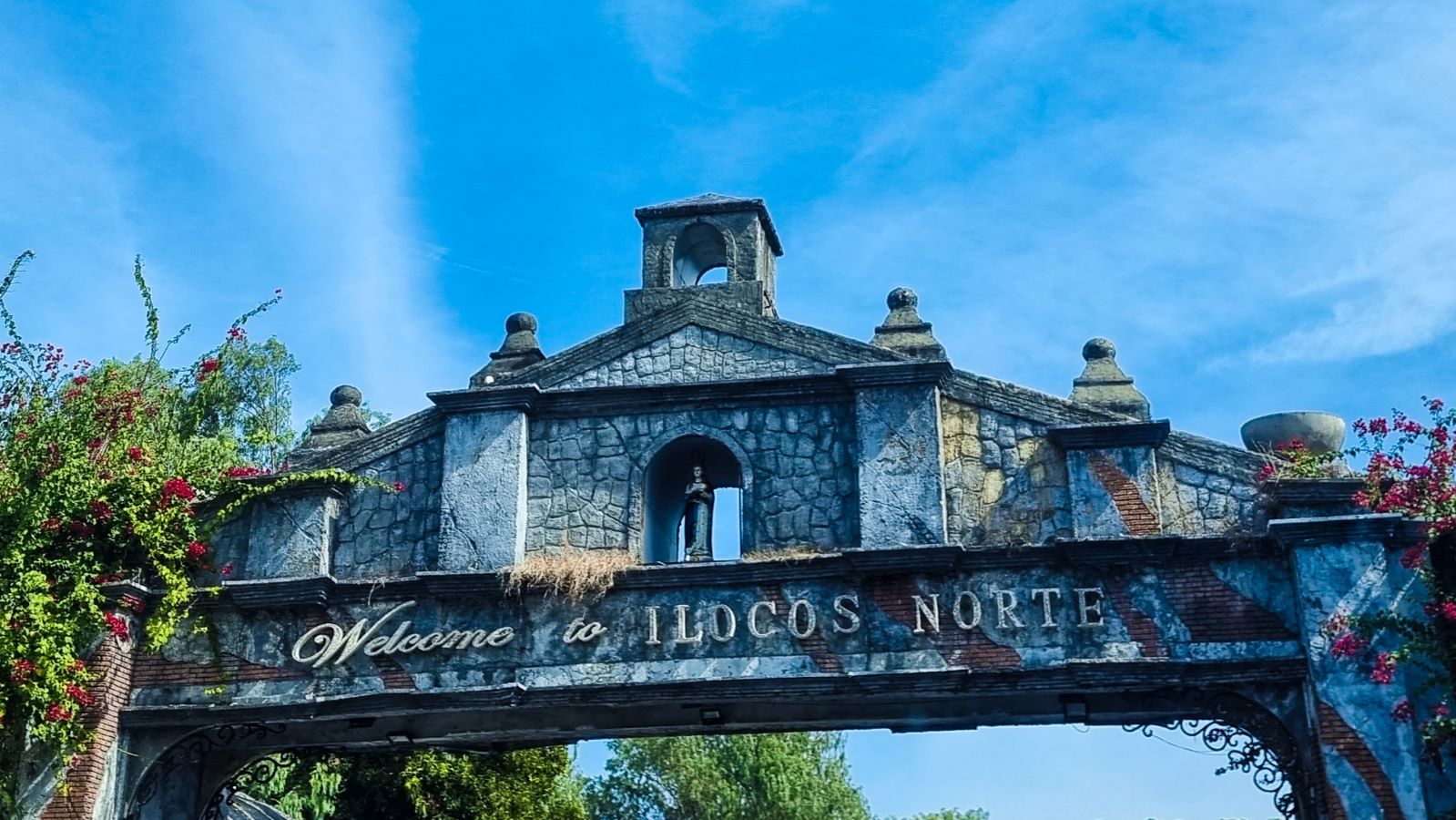
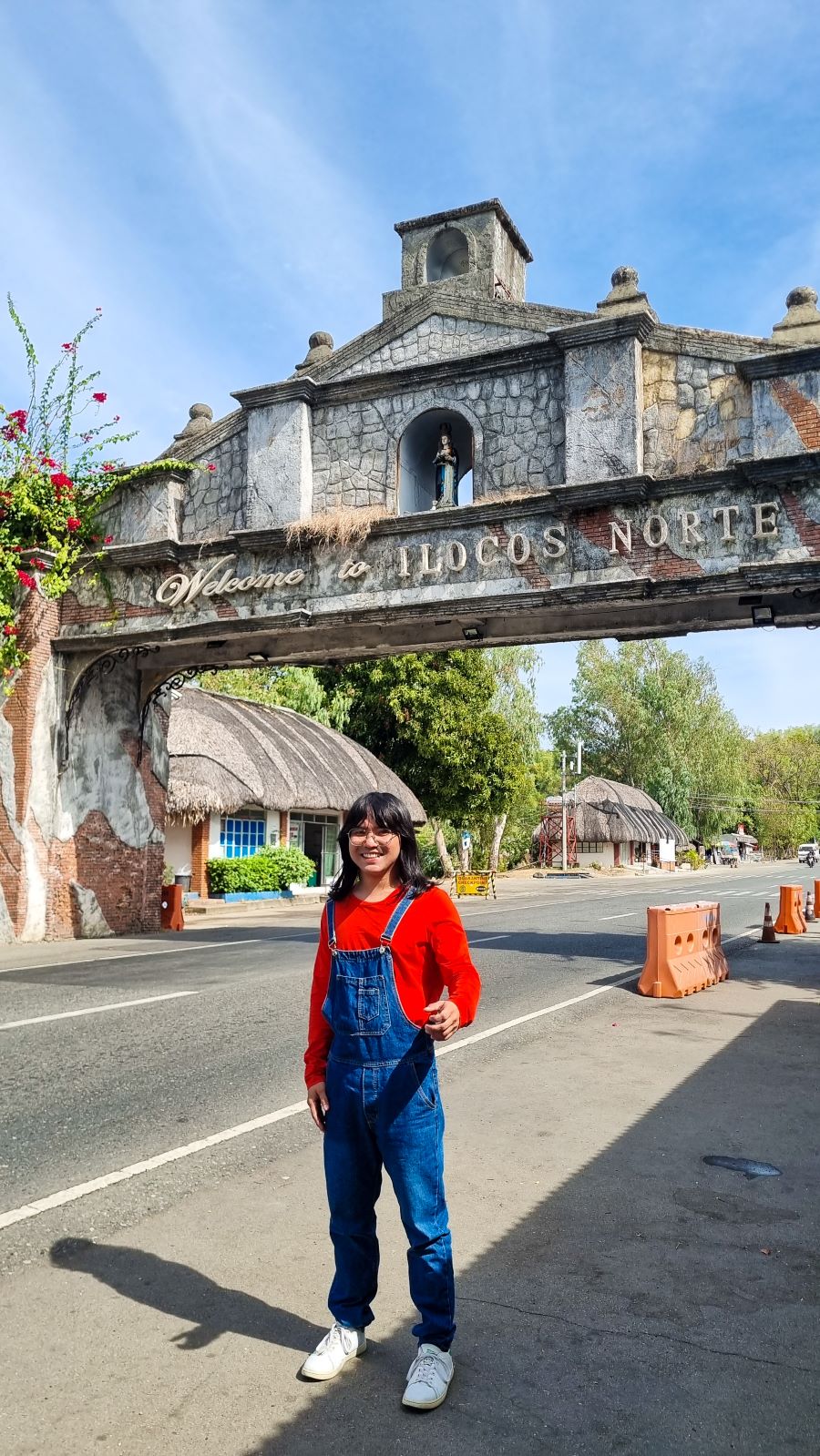
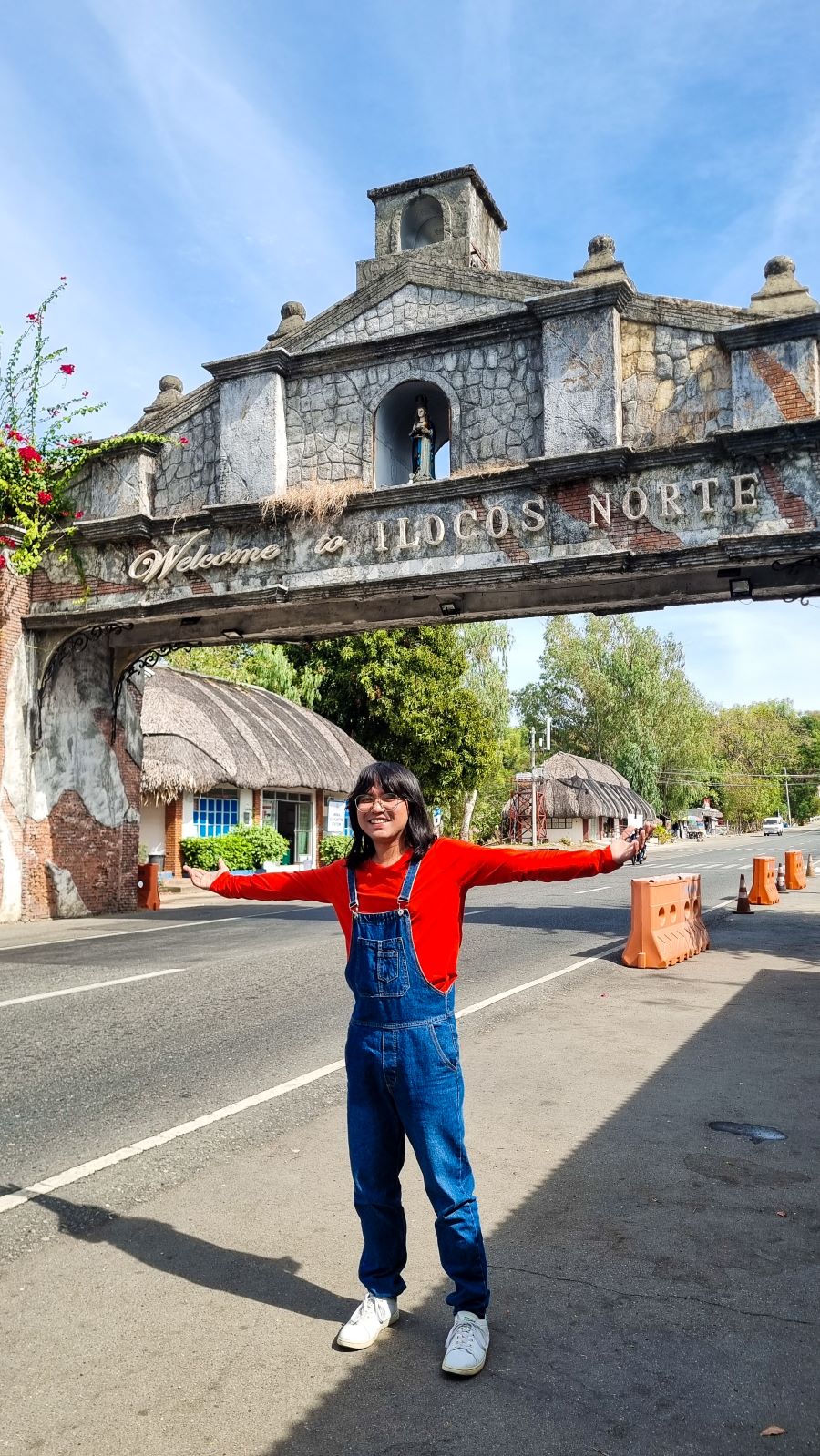
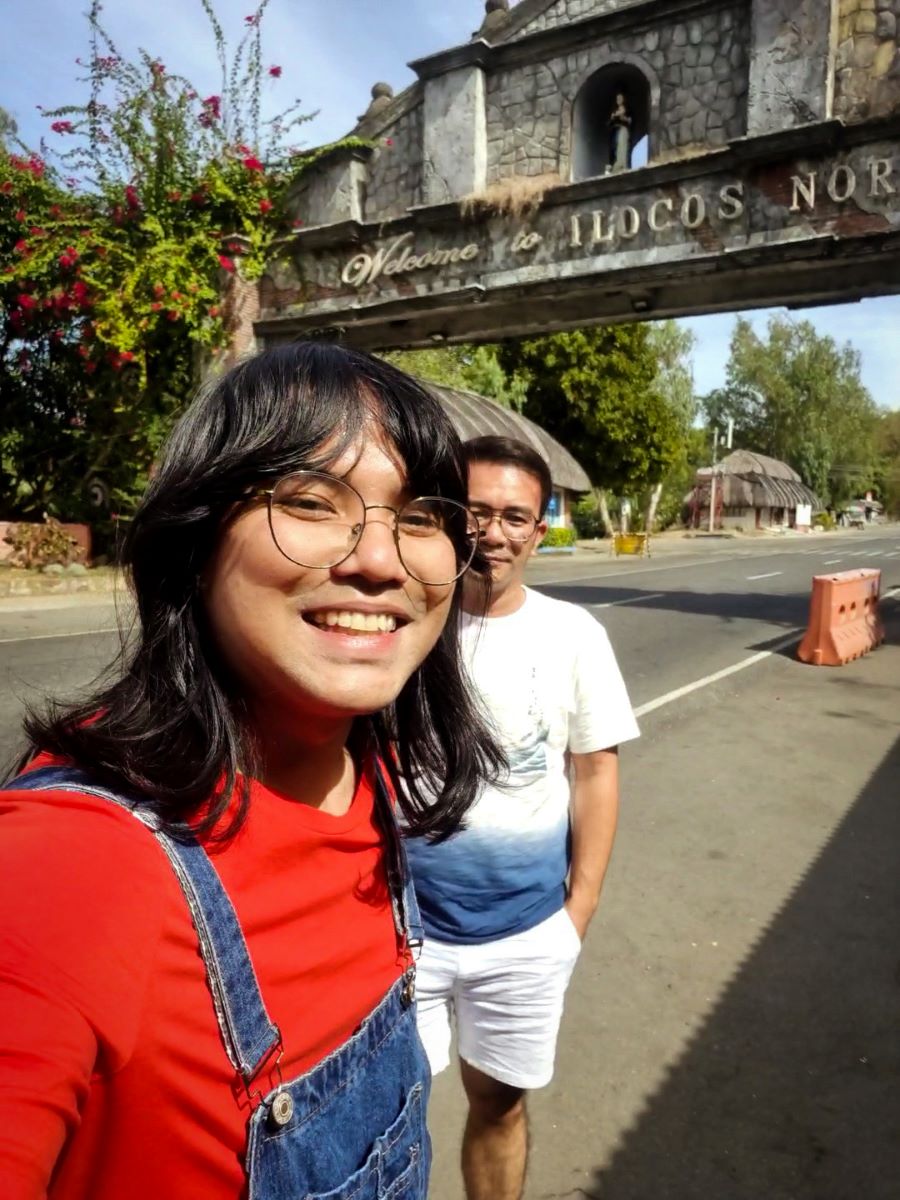
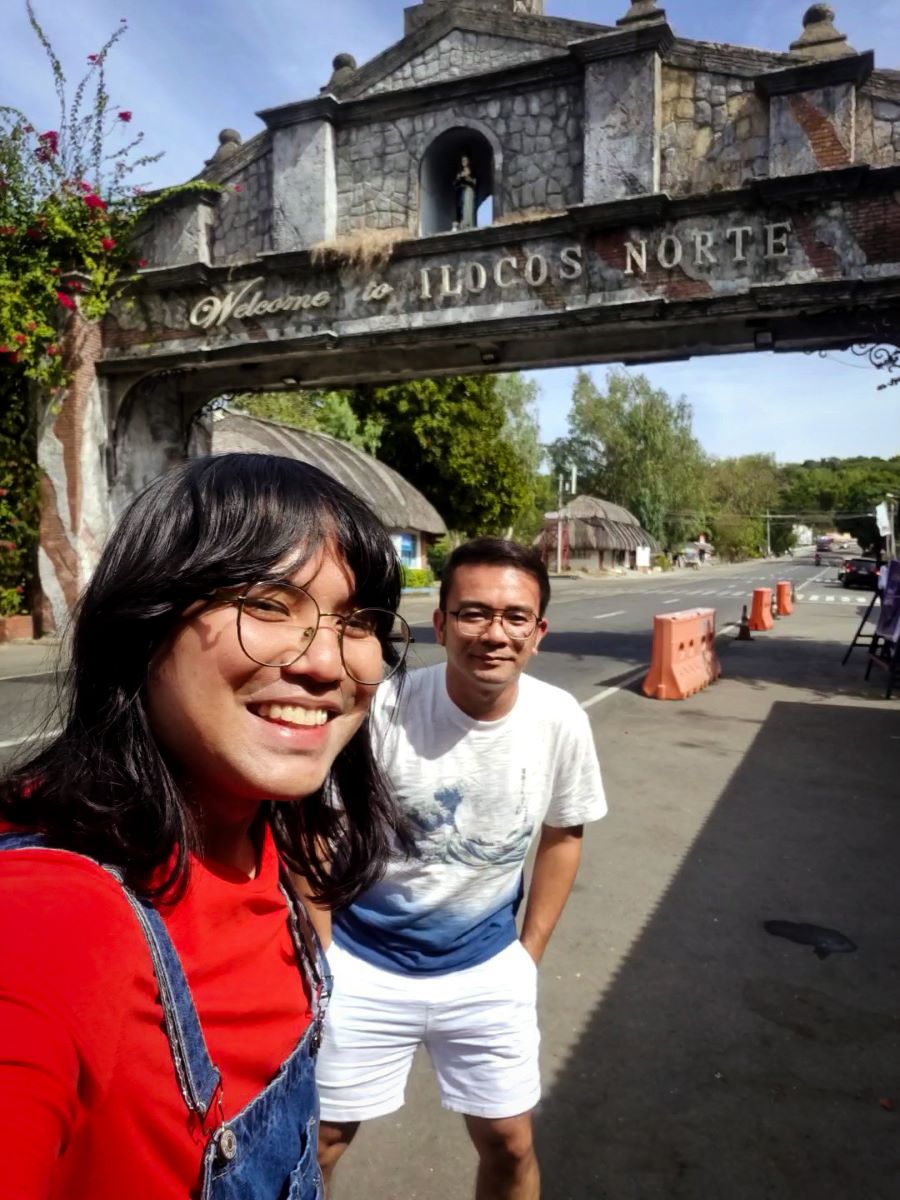
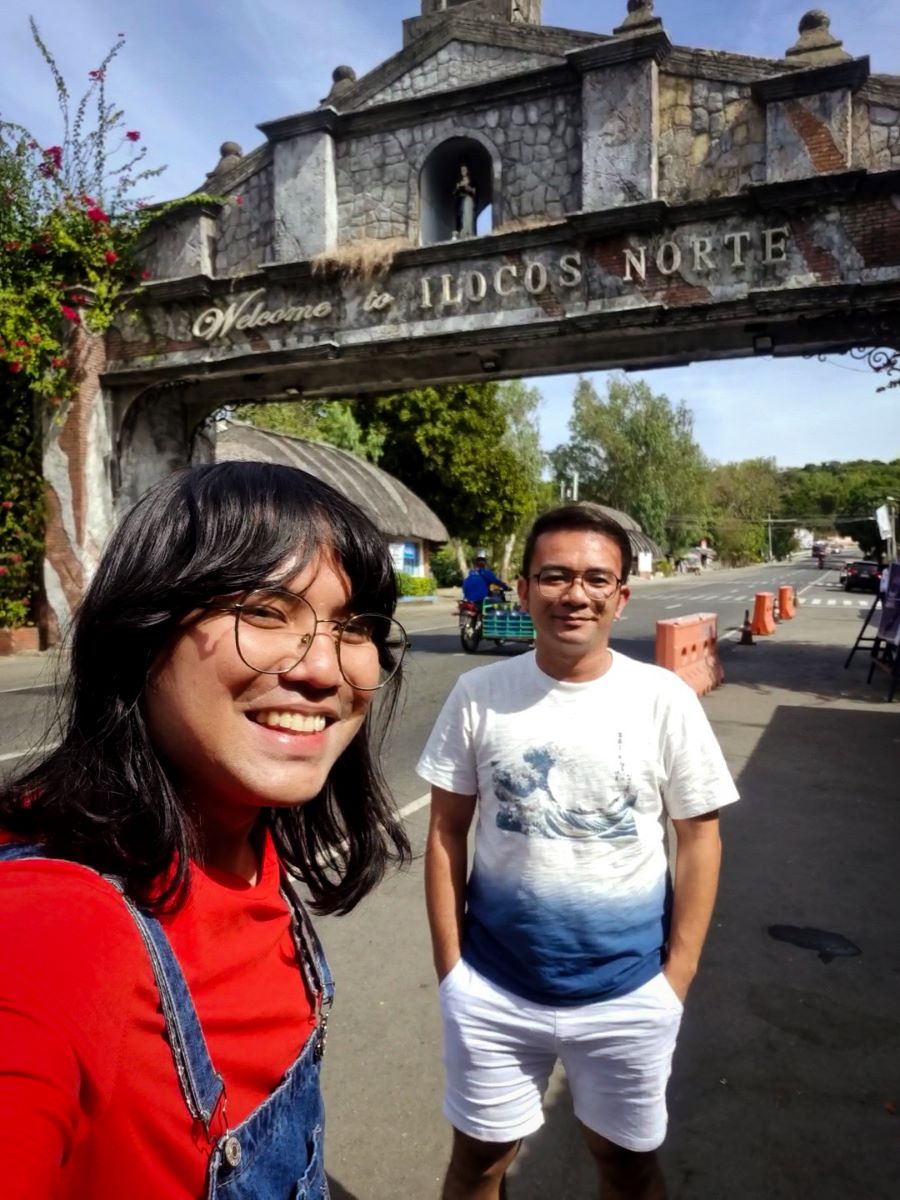
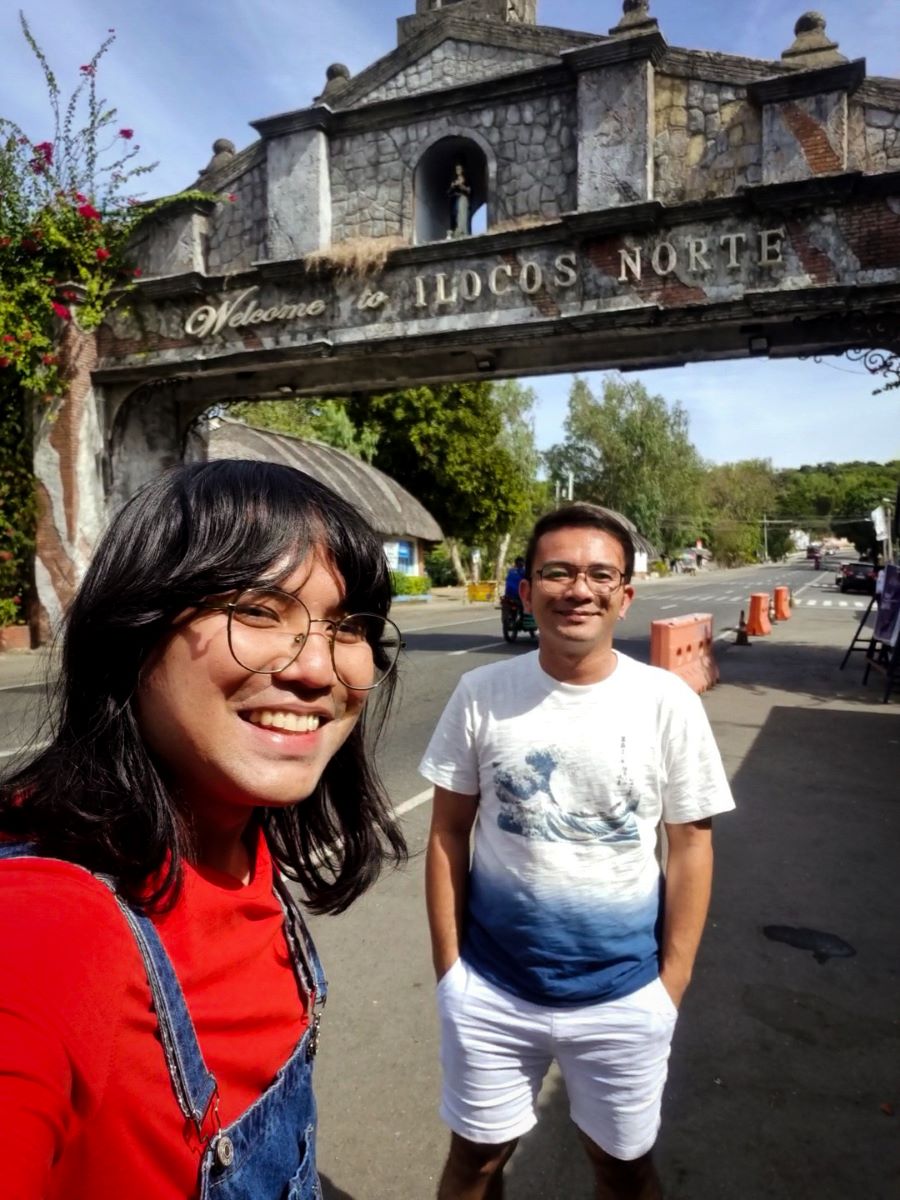
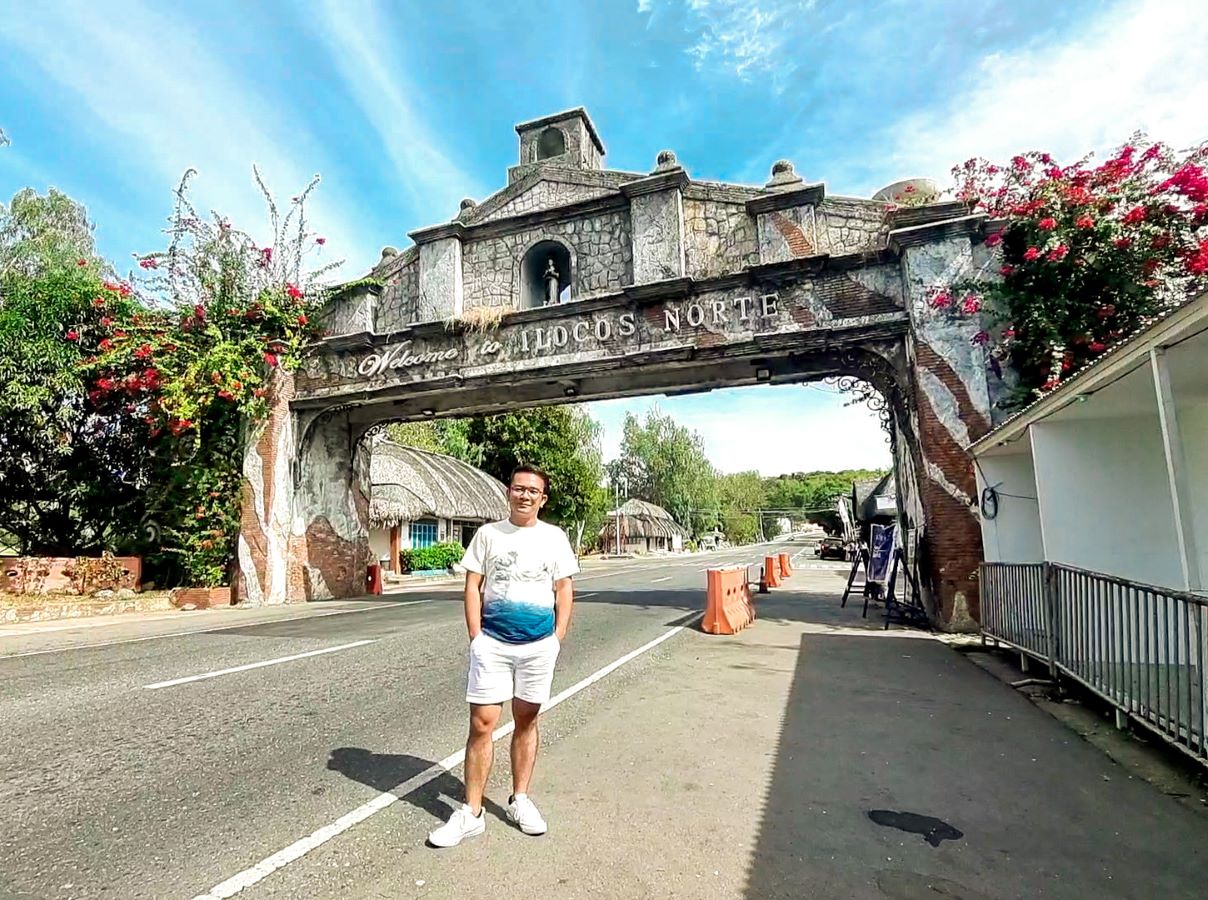
We were still an hour short for us to get to our first destination in Ilocos Norte, but the arch was a gentle reminder that we were doing progress. At least we were there already, right? Right?
We had no idea.


 Renegade Junctures
Leave a comment