

The year was 1986. Dictator Ferdinand E. Marcos was swept away from power by the People Power Revolution. Having been told by US Senator Paul Laxalt to cut and cut cleanly, the idea of bringing the disgraced strongman back to his hometown in Ilocos Norte was put forward. It was, however, denied by the then new President, Corazon C. Aquino and the former was instead asked to leave the country. A joke from that scenario was eventually conceived and became popular: It’s Hawaii, not Paoay.
Though immortalized in an anecdote during the inevitable end of the dictatorial regime, Paoay is renowned in its own right. It is home to a UNESCO World Heritage Site, the famous Paoay Church.
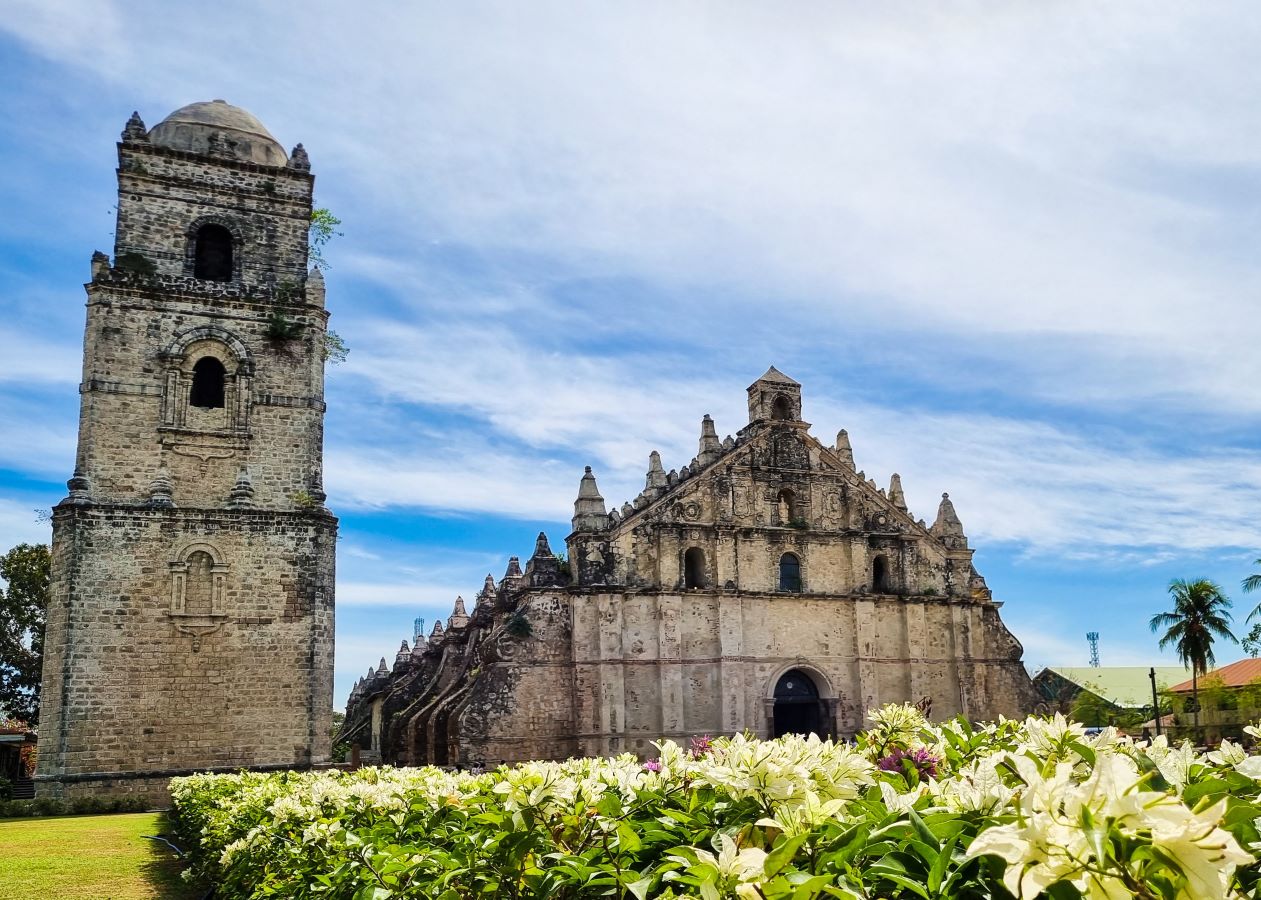
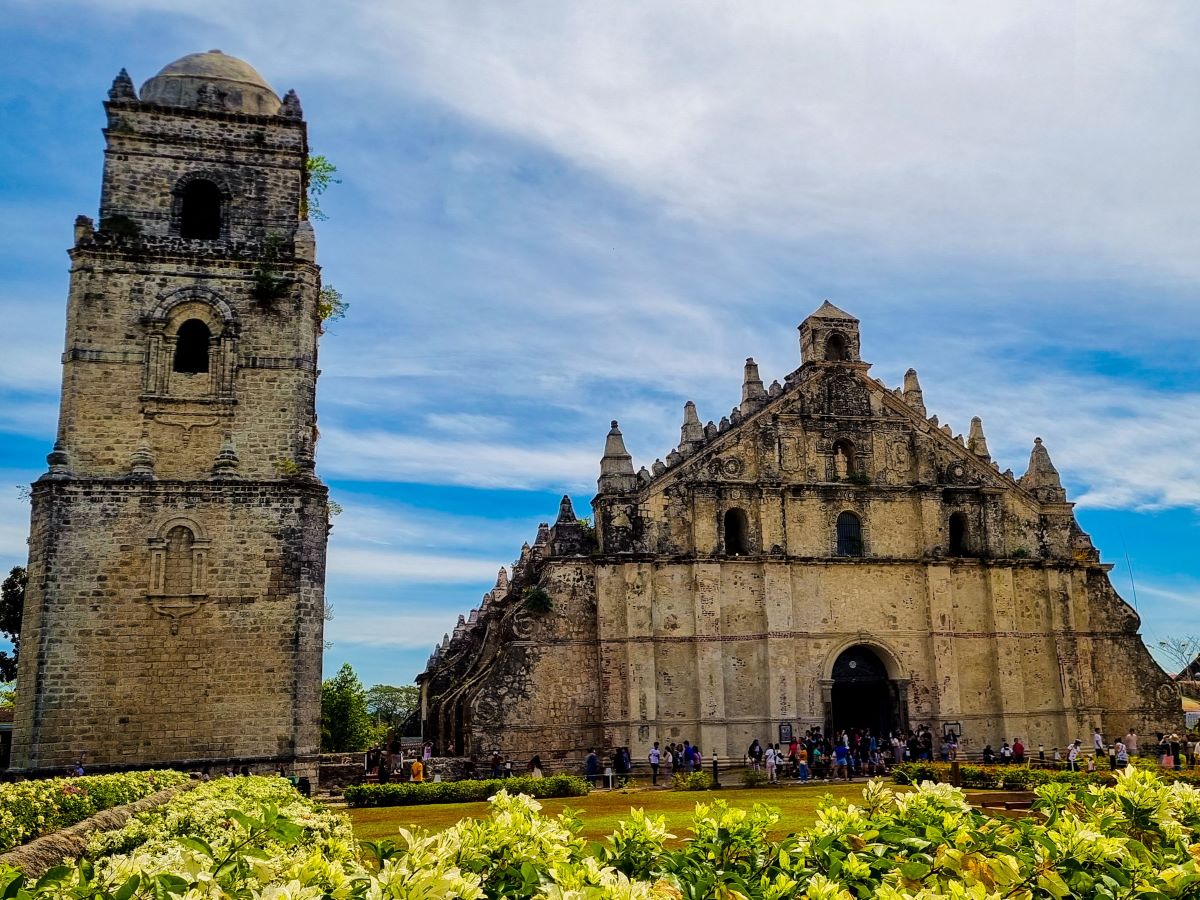
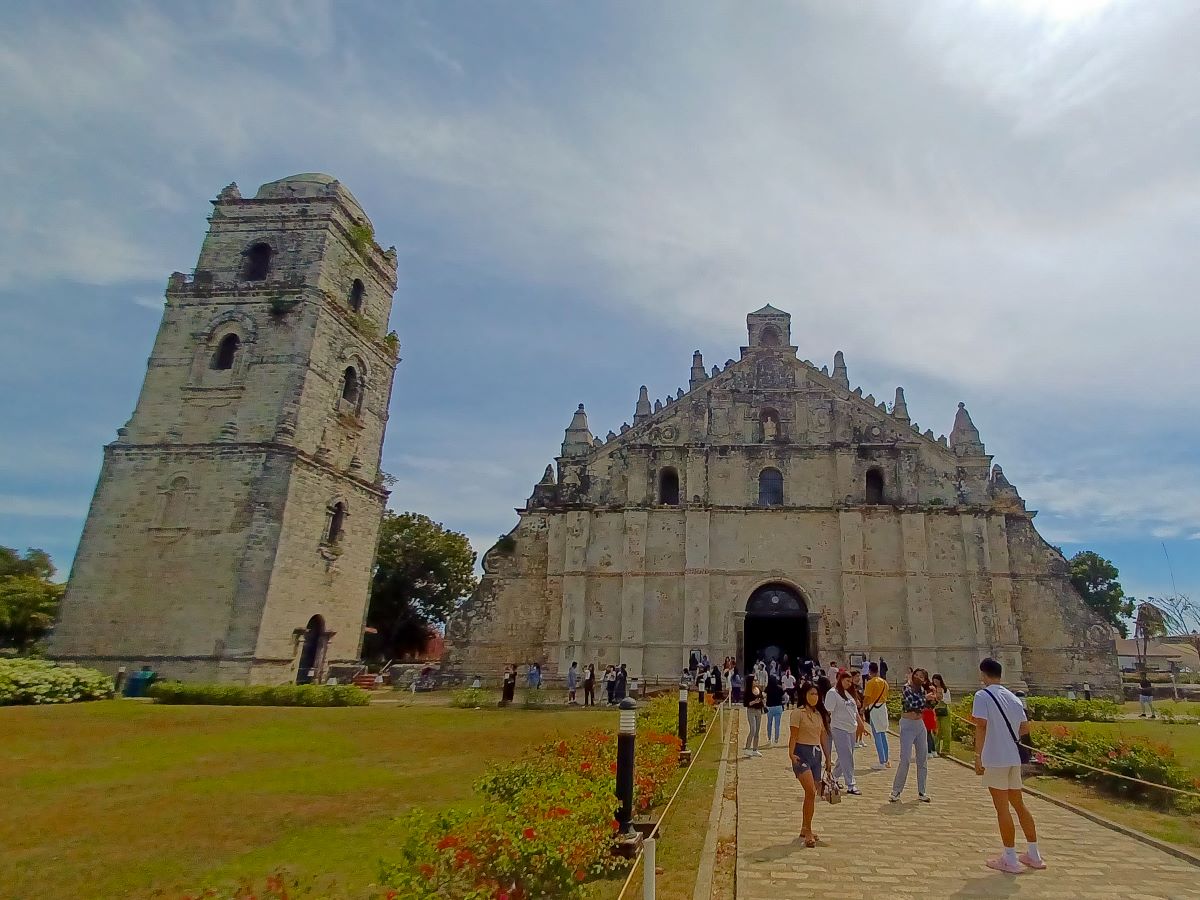
The famous Paoay Church.
Completed in 1710 and dedicated to St. Augustine of Hippo, Paoay Church is known for its buttresses supporting the structure, which is a form of earthquake proofing typical of Baroque churches during the Spanish period, hence the term Seismic Baroque. One feature of such architectures as well is that the bell tower is constructed separately such that it would not cause damage to the structure of the main church in the event that it would crumble in case of an earthquake. The same technic was the one employed to the Vigan Cathedral and other Baroque churches in the Philippines for that matter.
Apart from its distinctive architecture, the church is also known for its use of large coral stones in its walls, which makes sense given its relative proximity to the sea. The use of coral stones also speaks of native ingenuity in making use of what is available in the immediate vicinity.

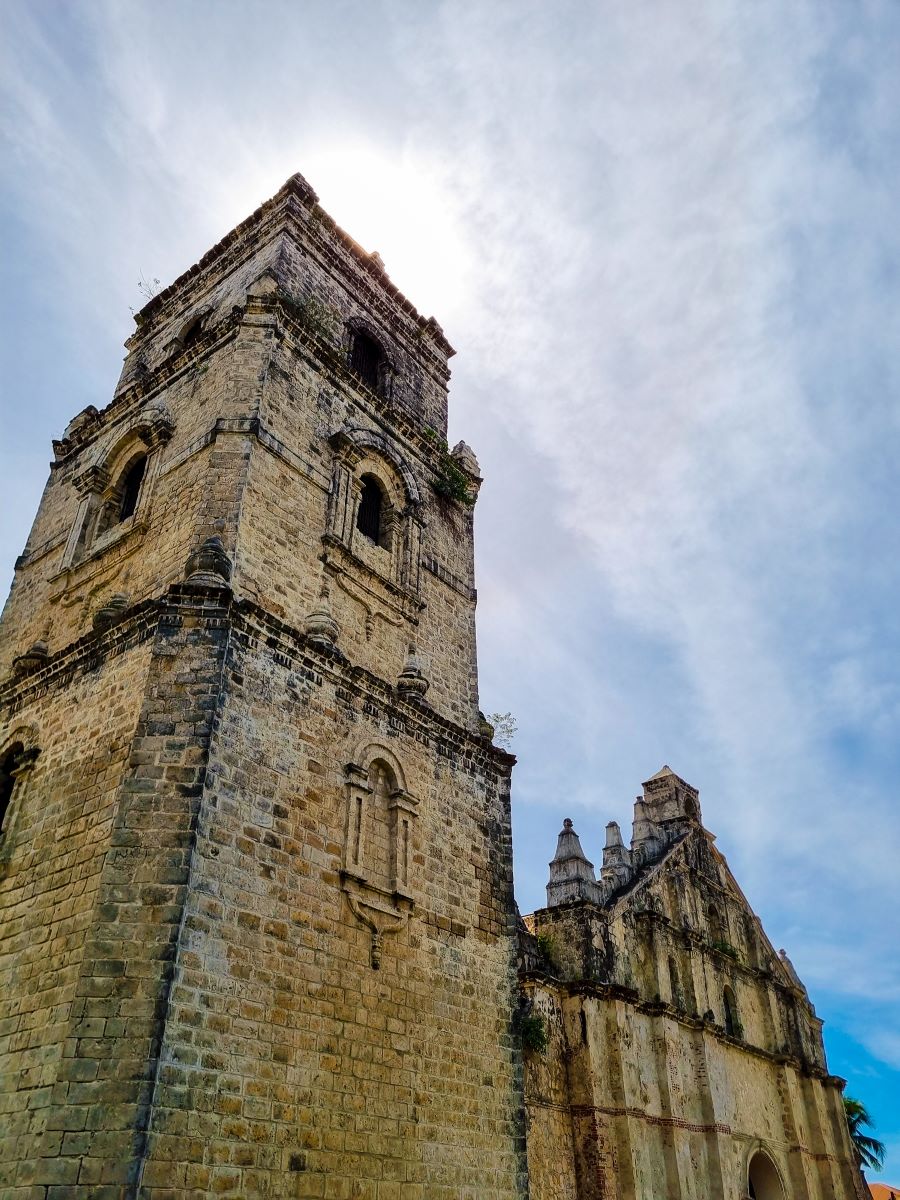
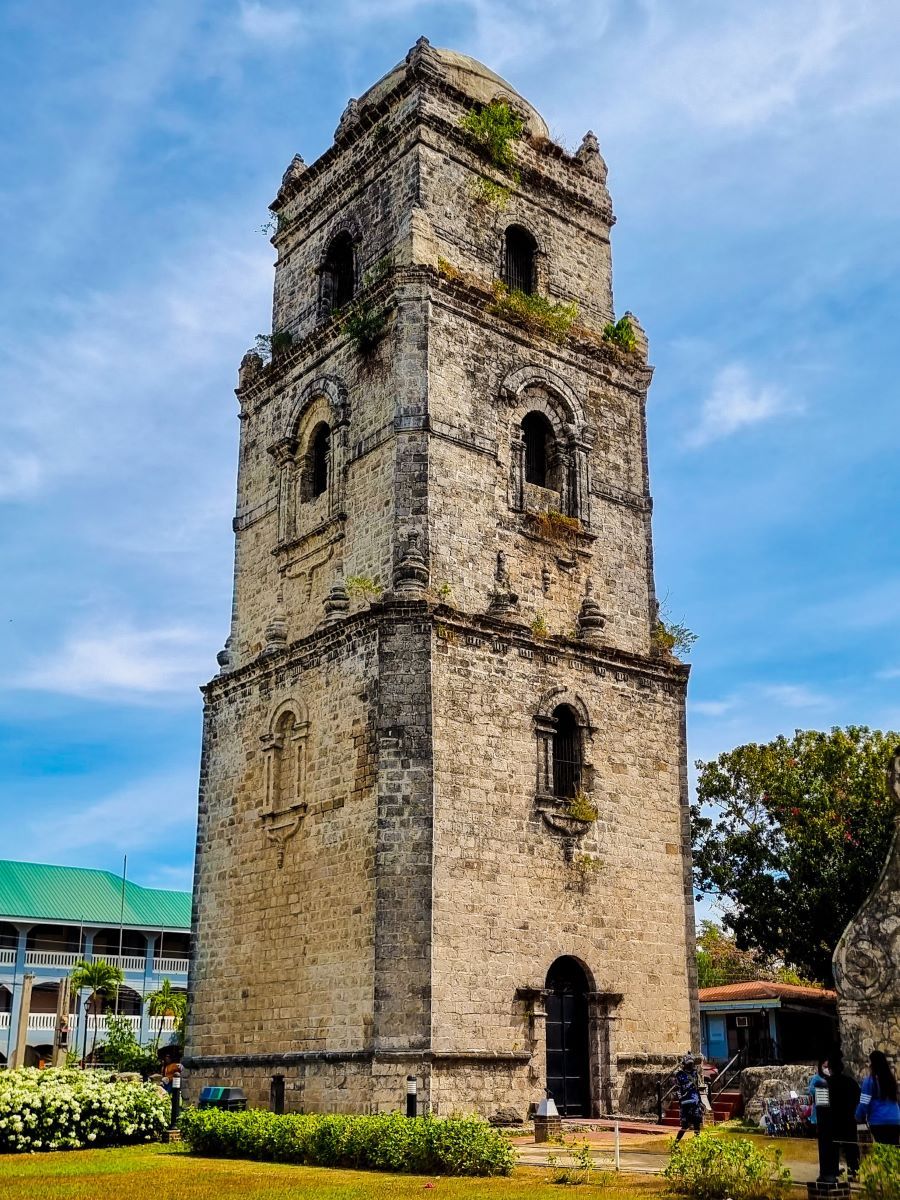
The façade and the freestanding bell tower of the church.
Unlike the two previous churches that we visited in Vigan and in Bantay, Paoay Church was open for tourists as it was not damaged by the 2022 earthquake. As such, we were able to peek into its interior.

After a quick peek inside, we went back outside as there came a platoon of tourists visiting the church. We then took our photos with the façade of the famous church on the background. The sun was well above our heads already, but we just have to do this.
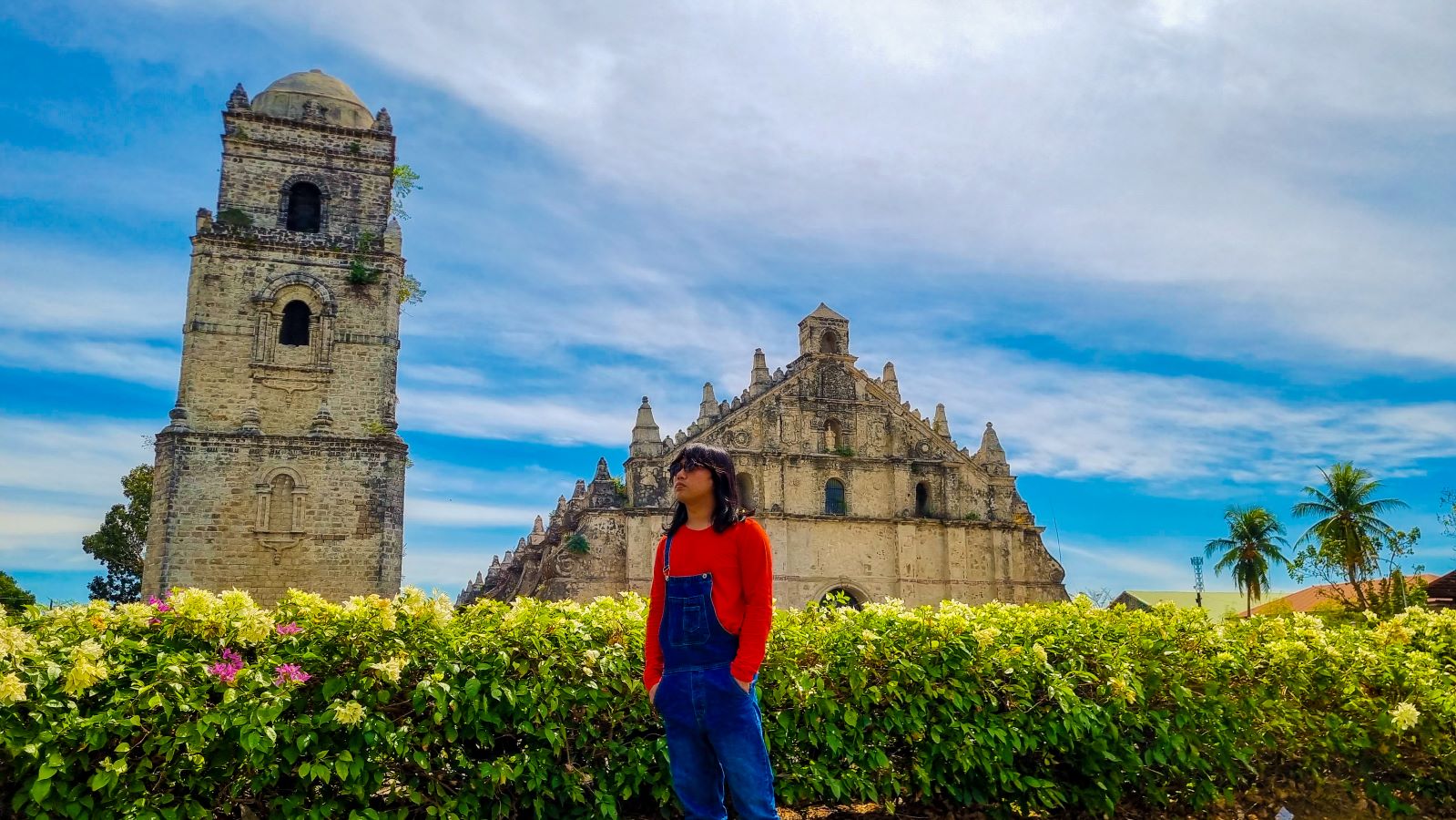
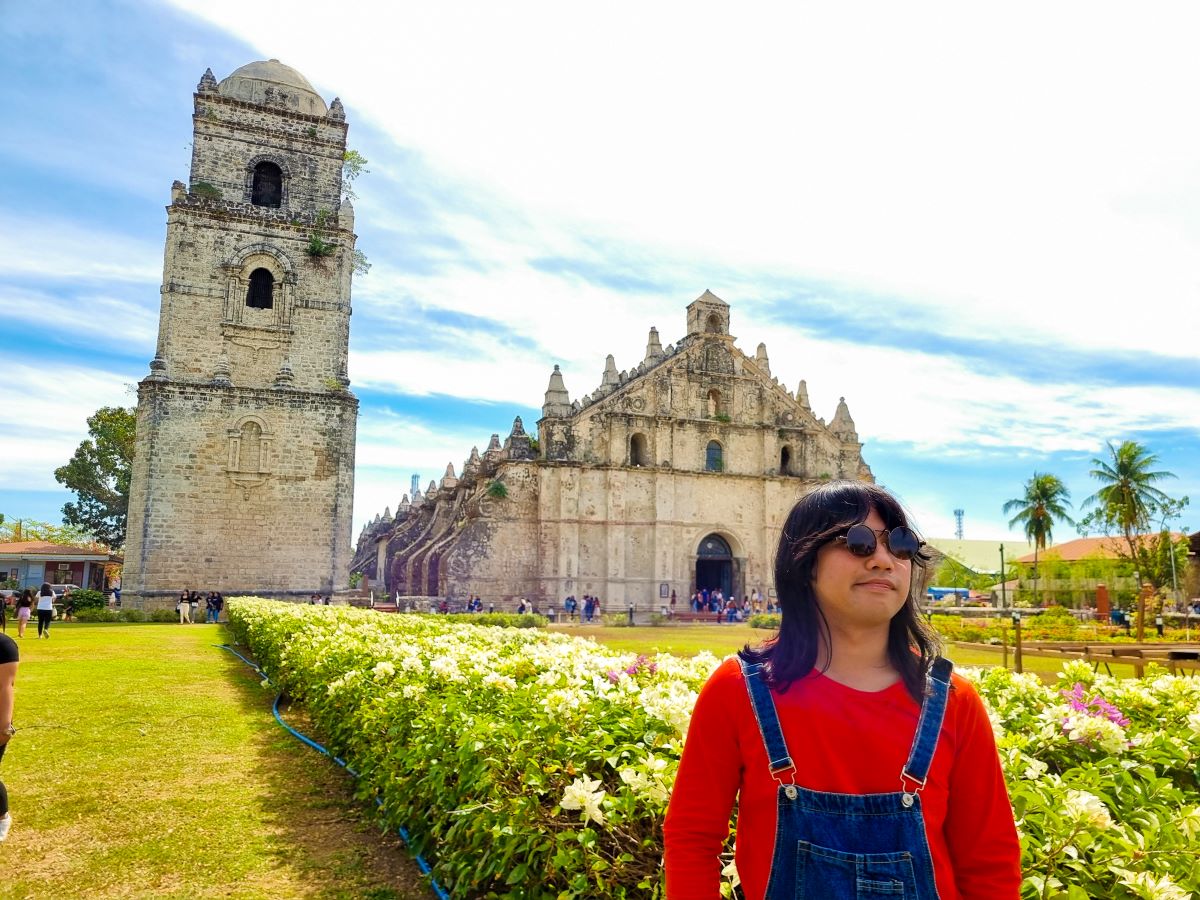
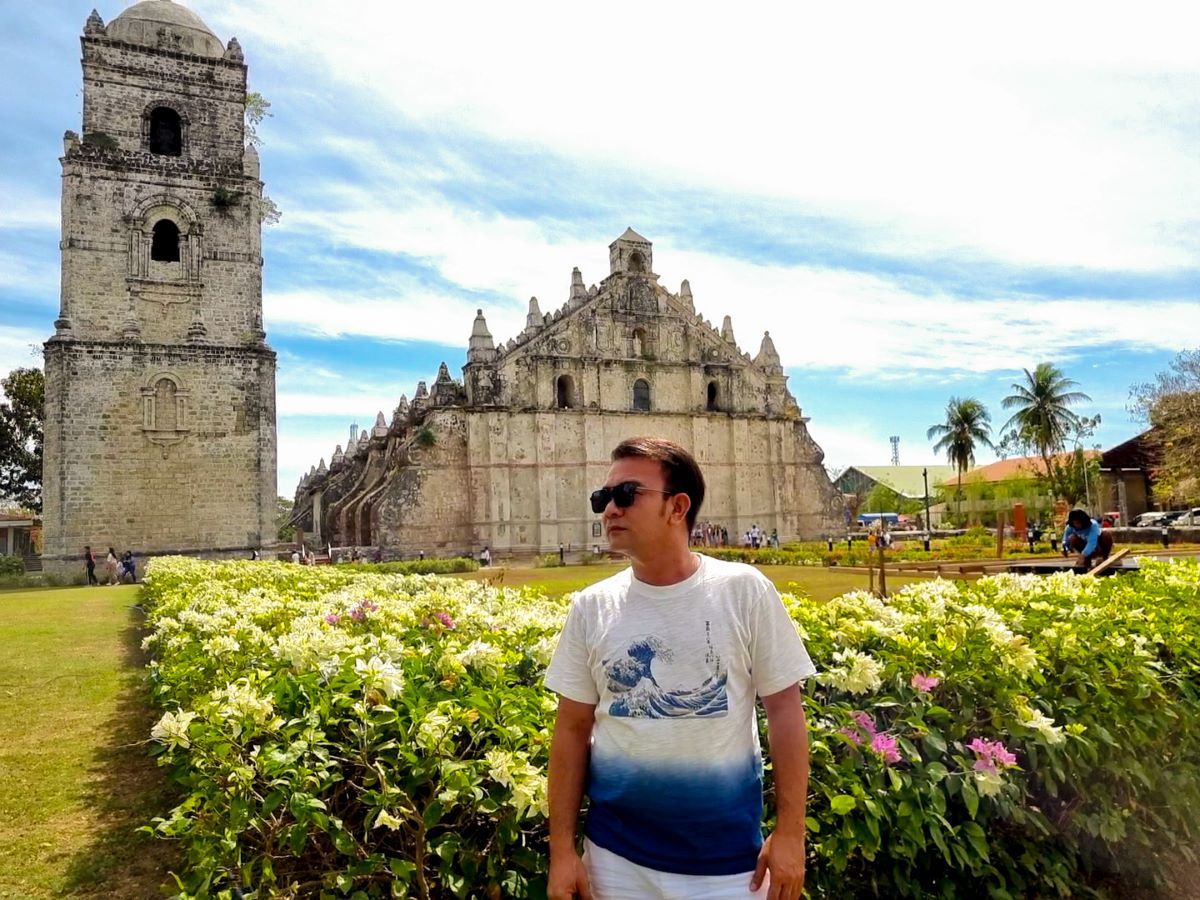

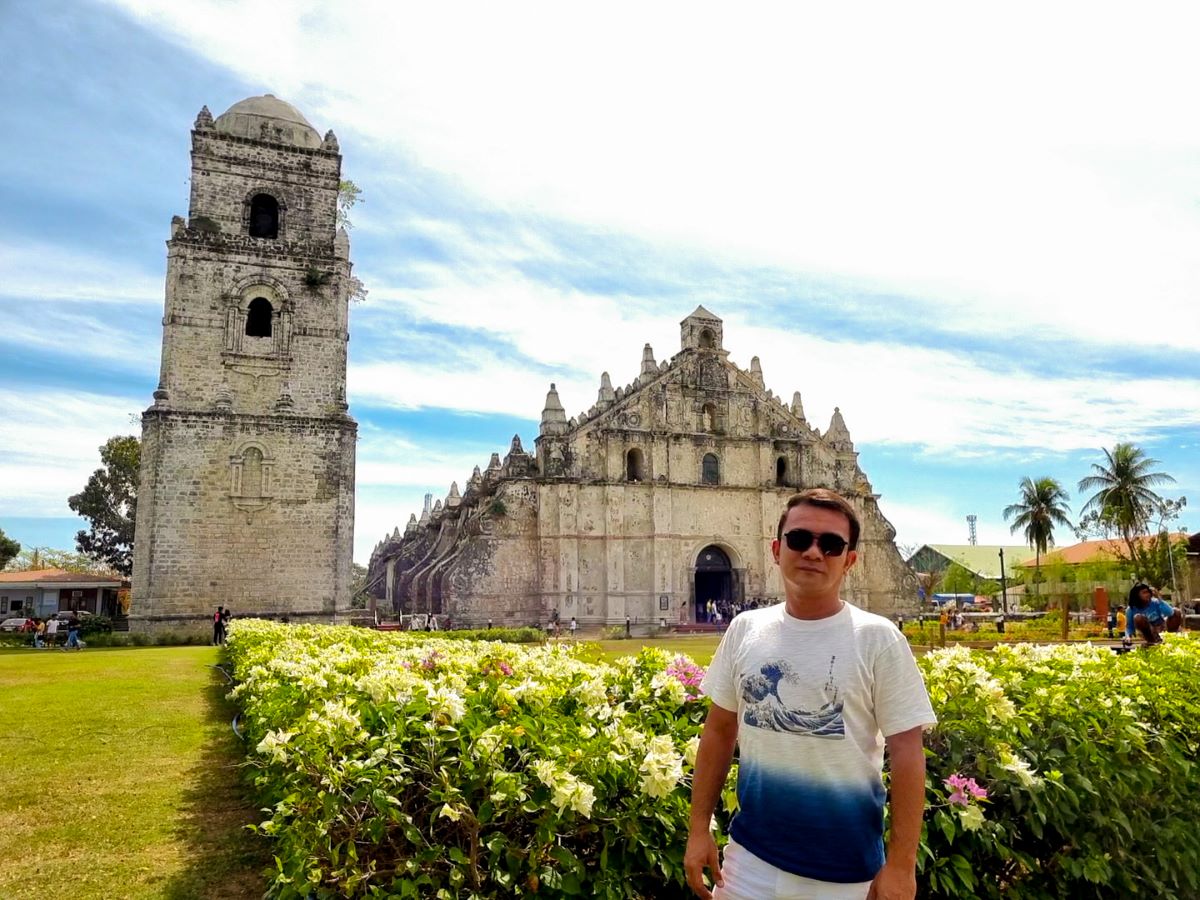


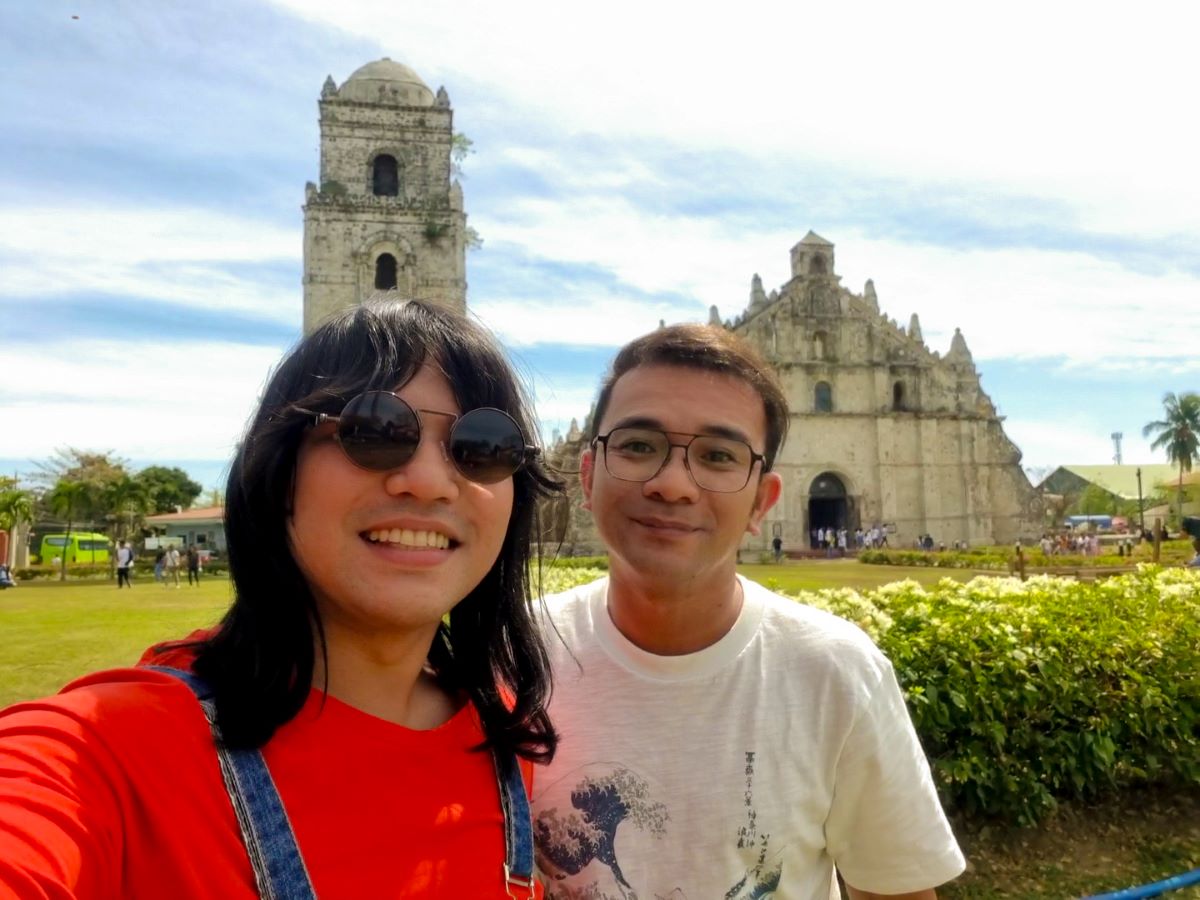

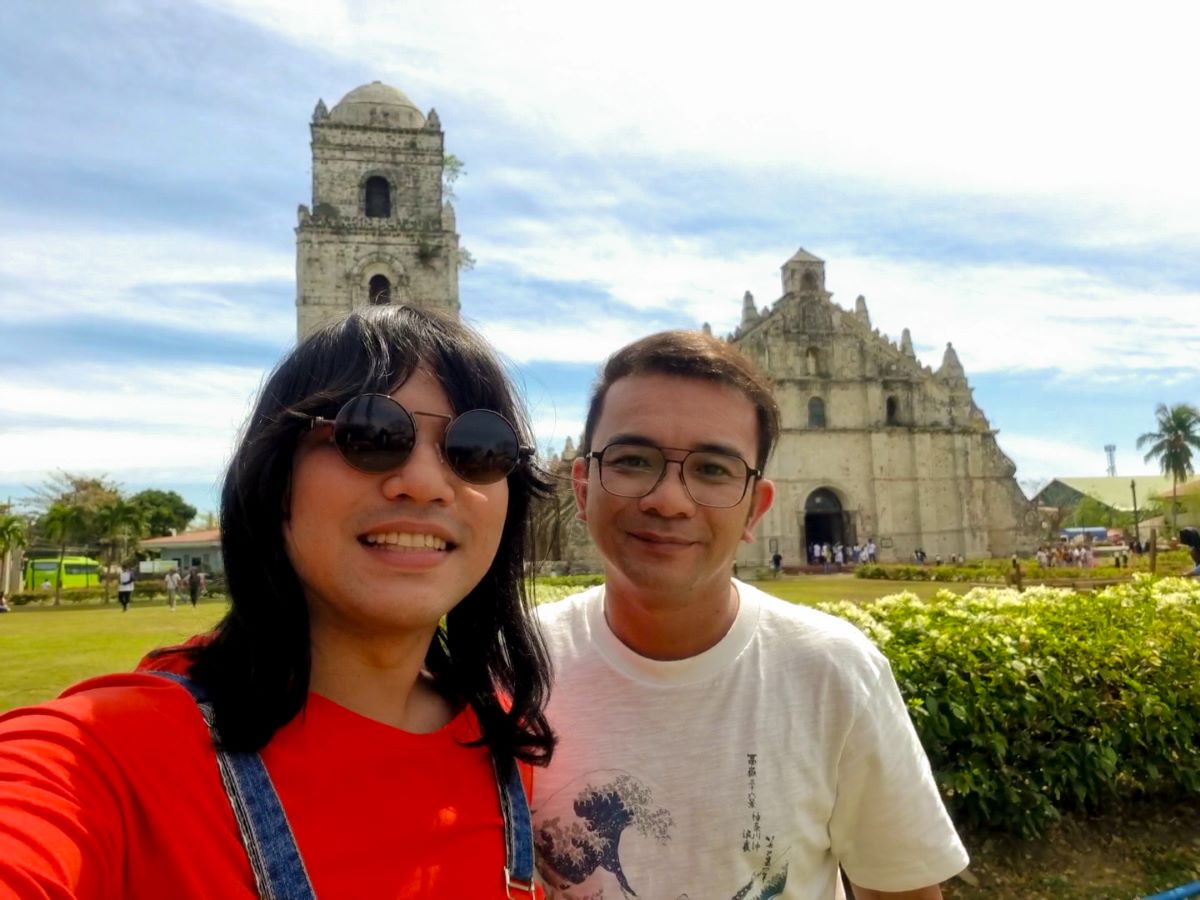
It was almost midday when we decided to leave Paoay Church. Realizing that we haven’t taken any meal yet since we left Malolos, the next question was: Saan tayo kakain?
Ran and I were both in an unfamiliar territory, so we relied again on Google Maps to do the thing for us. An hour more or so on the road, we were led to a restaurant in Laoag City, La Preciosa. It was somehow providential that we ended up in a restaurant that offers Ilocano dishes. Bago pa kasi namin maisipan na pumunta ng Ilocos, ilang araw na ring nangungulit si Ran na gusto n’ya ng higadu. Higadu it is. And kilawin. And bagnet.


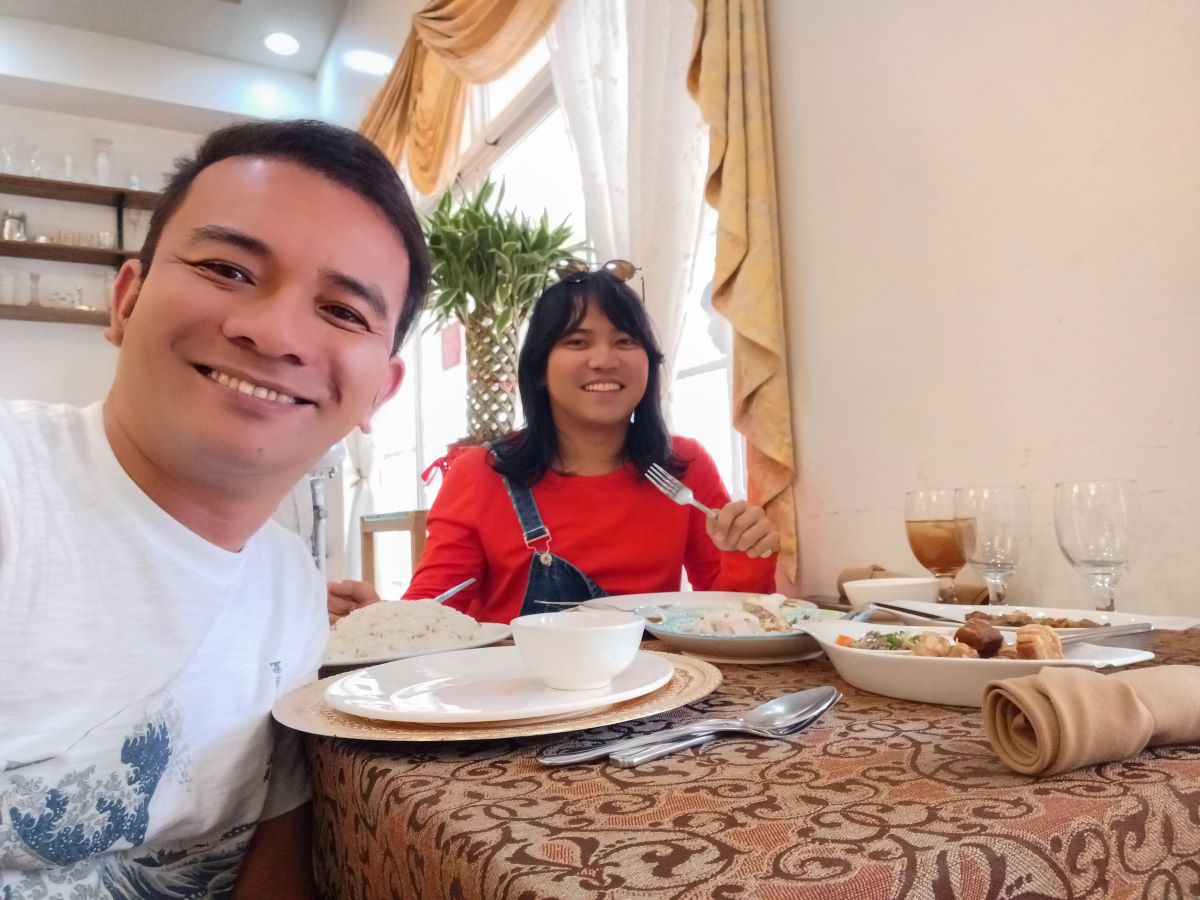
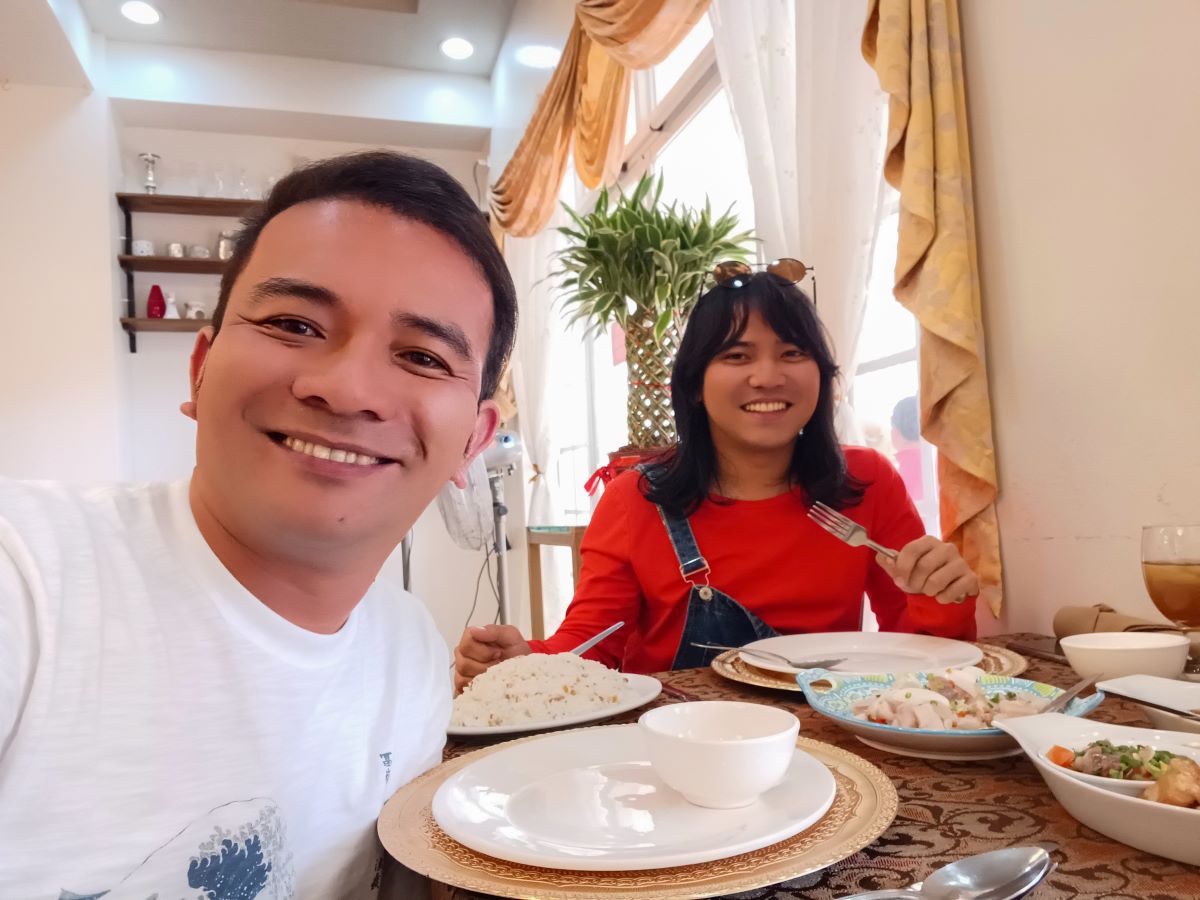
The meal was satisfying, especially that it was our fist meal since we left home at 11:30 PM the previous night. It was the necessary fuel that we needed, as we were not done driving yet. By 01:30 PM, we were back on the road.
So where exactly are we headed to?
A week before our Ilocandia trip, we were in the northeasternmost point of Luzon. We considered it only fitting to visit the northwesternmost part, specifically the northernmost tip. Yes, we are going to Pagudpud!


 Renegade Junctures
Leave a comment