

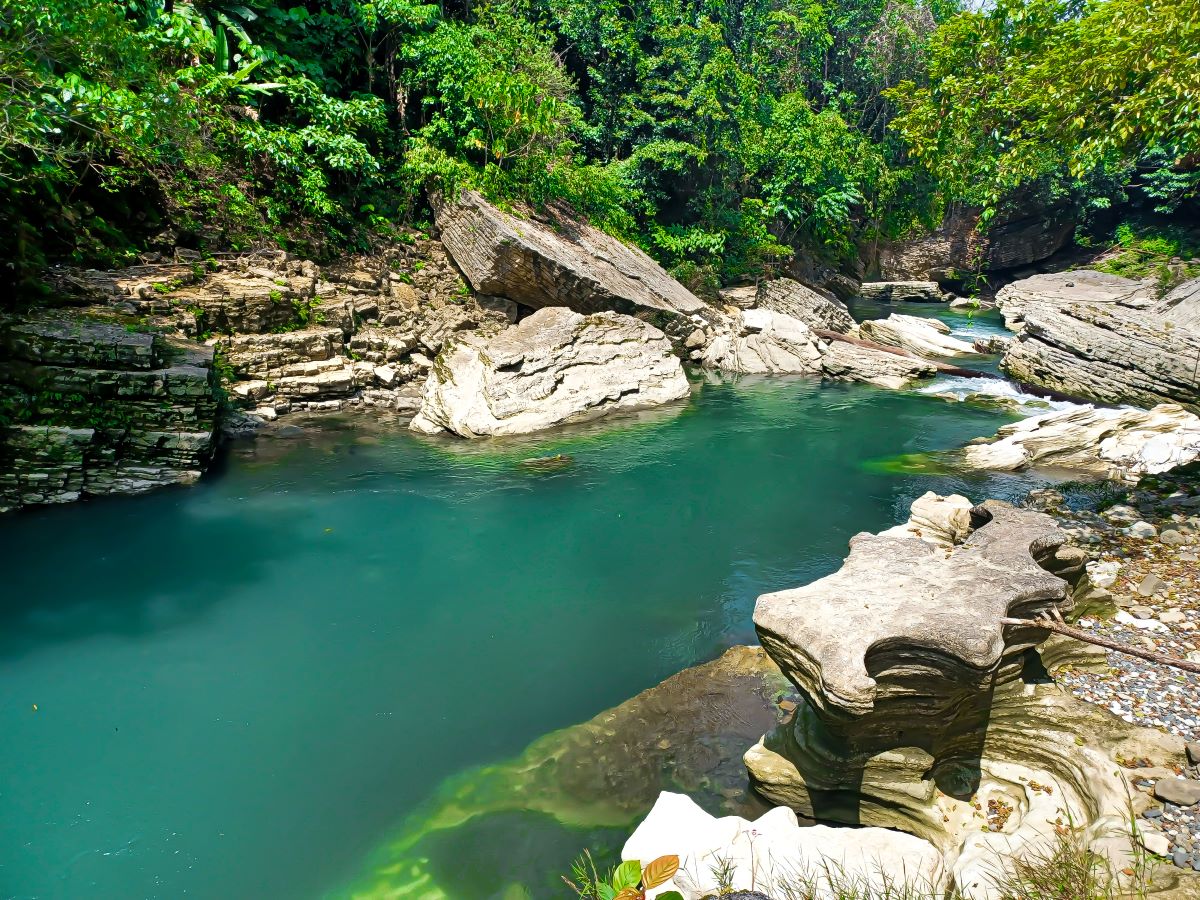
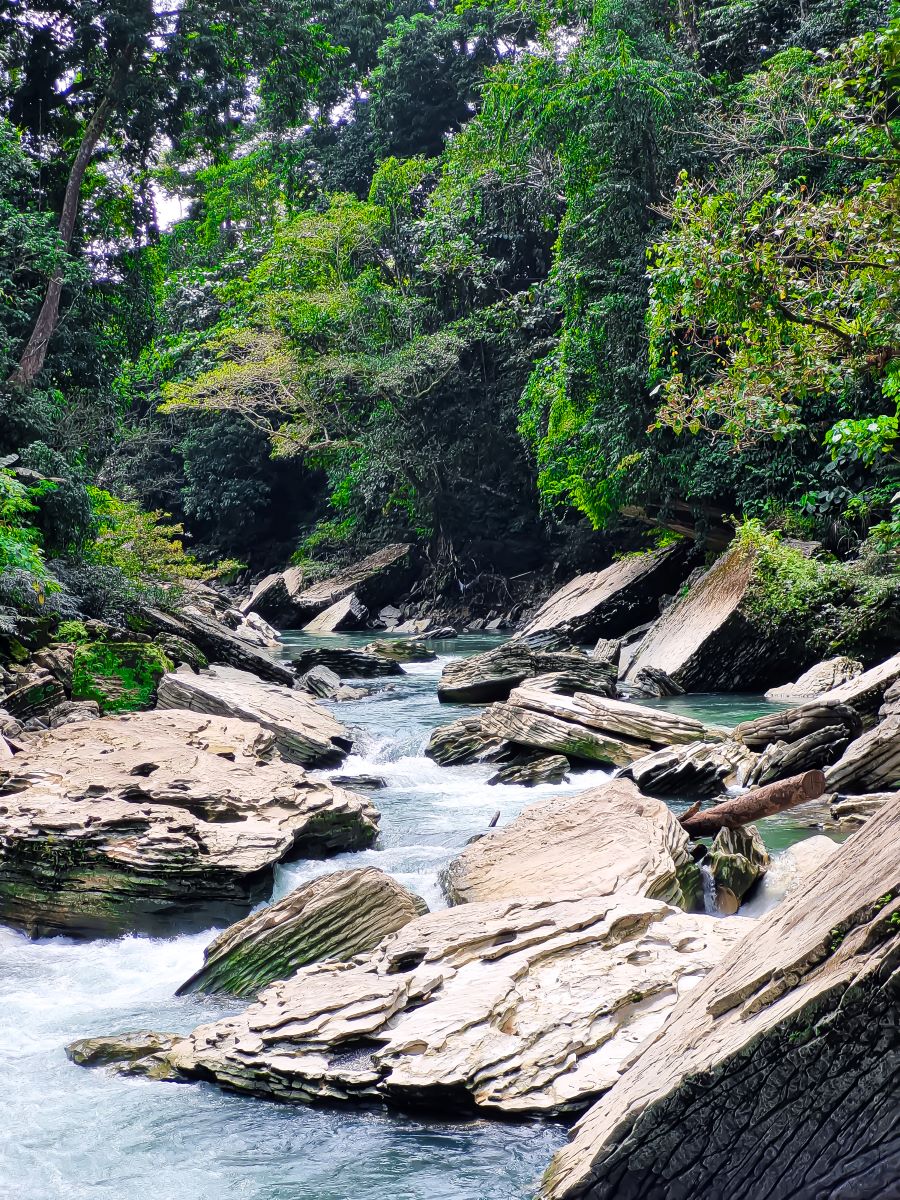
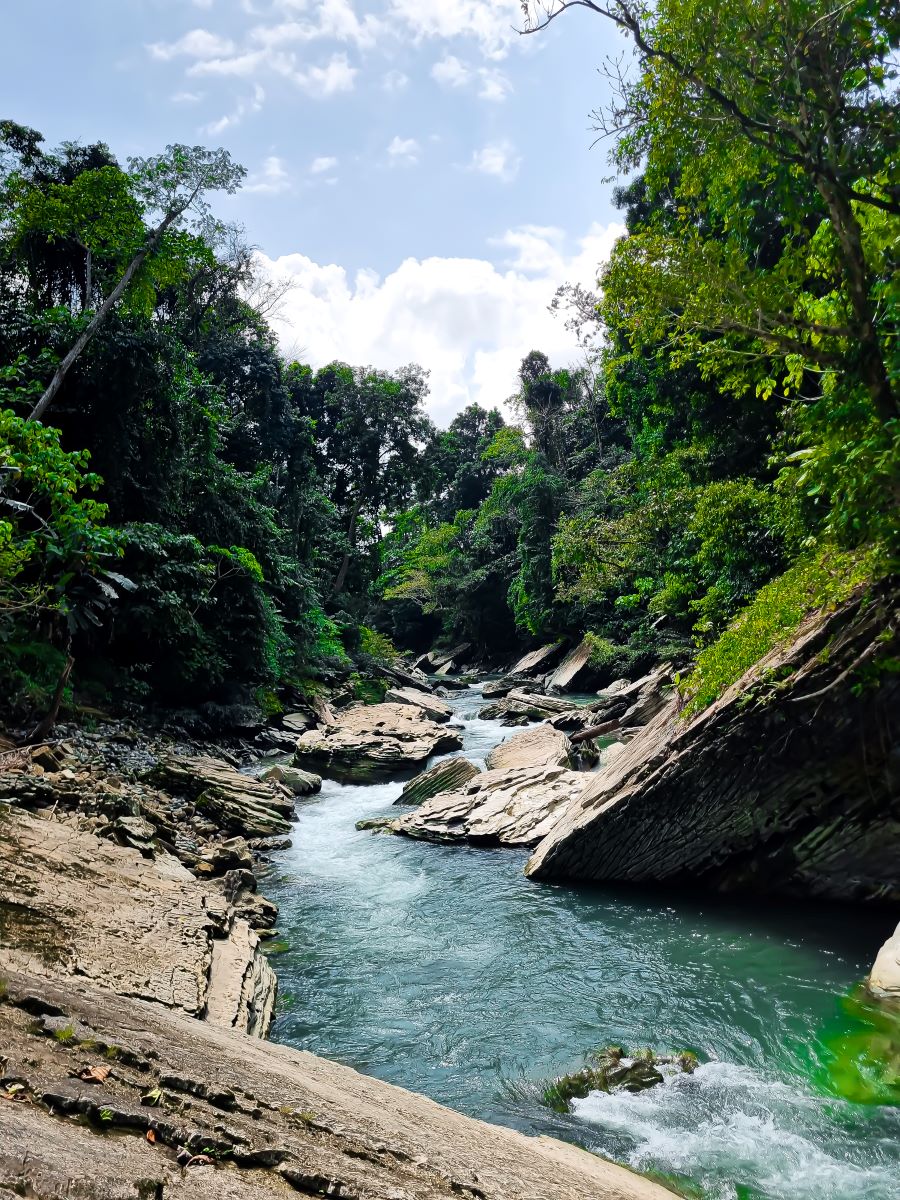
The history of Apayao predates its creation as a province by a lot. Having been established as an independent province only in 1995 when it separated from Kalinga in what was then the province of Kalinga–Apayao, its historical significance is way too much older. Its landscapes, natural waterways, flora and fauna all speak of something way older, which would suggest predating human settlement itself.
No wonder the Isneg people wanted to be left alone. It was only on the late 19th century when the Spanish colonial government got hold of Apayao, albeit loosely as it never went on a full control.
That beauty from antiquity kept us cradled in the arms of Apayao for a moment, that was why despite the near miss that we experienced, we continued our walk upstream.

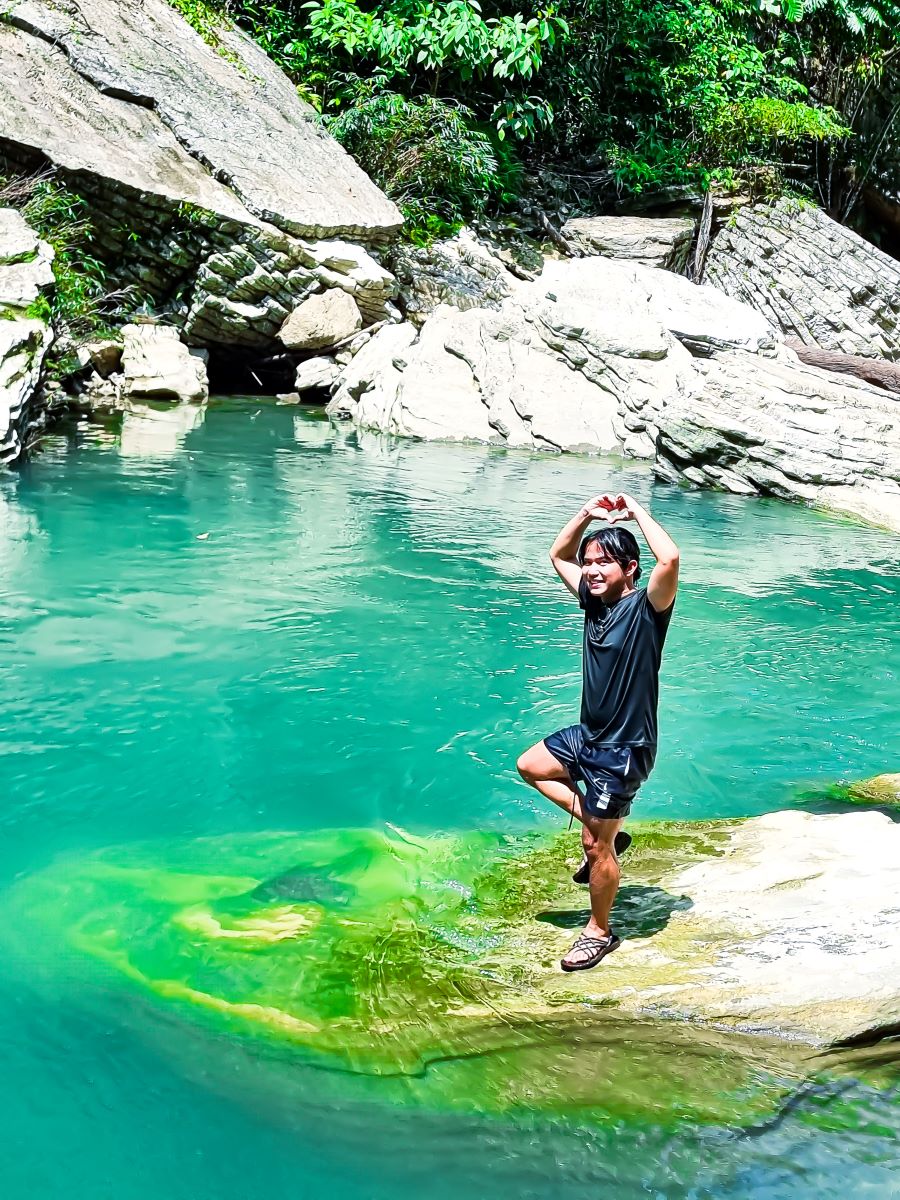
Gaganyan ganyan ka pa ngayon.


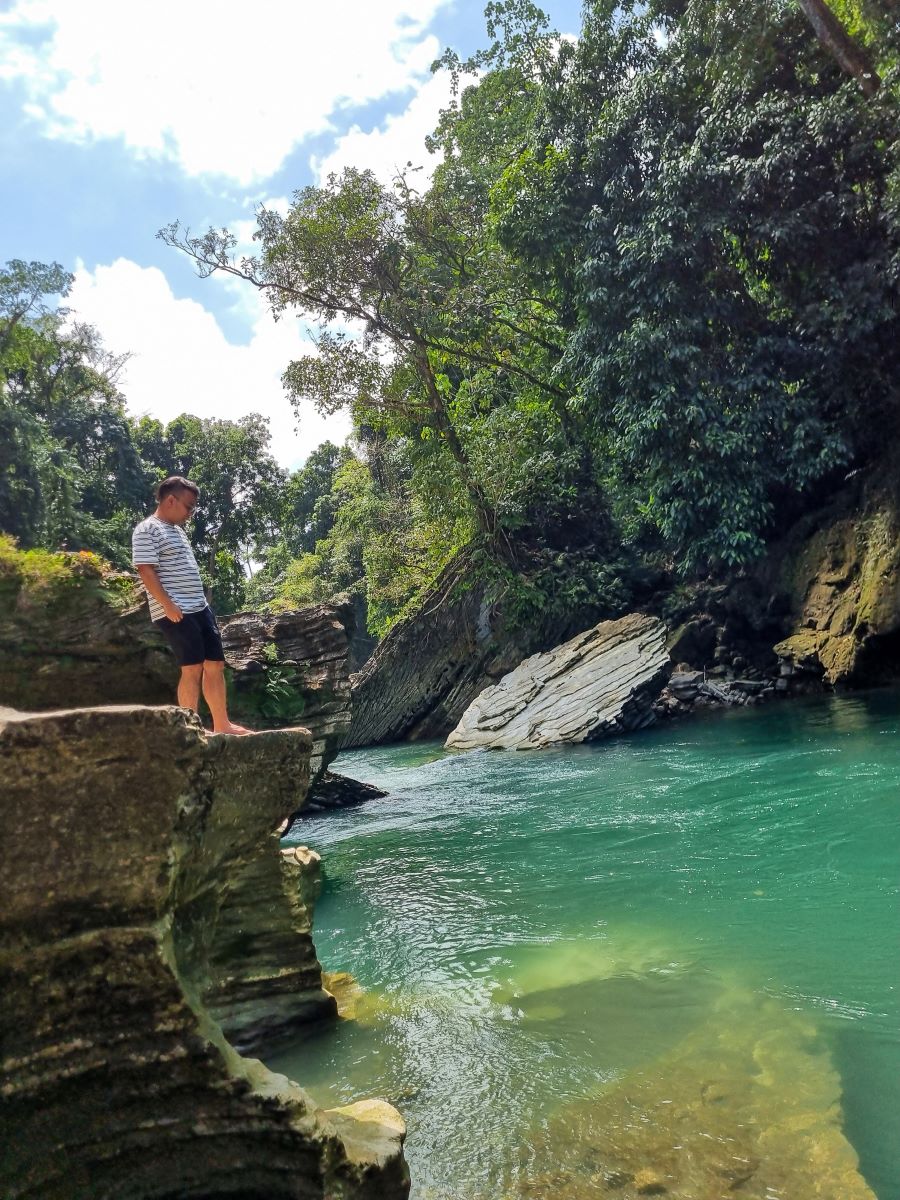

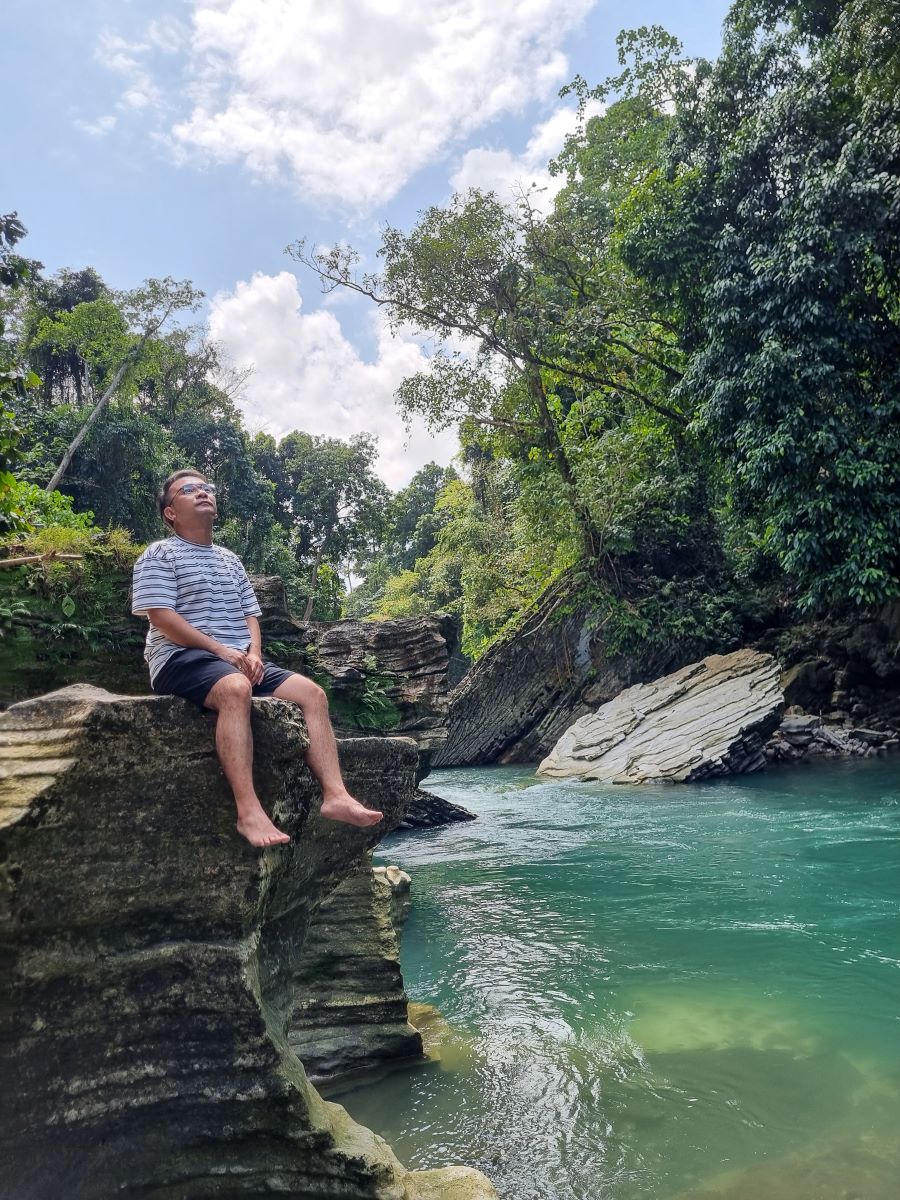


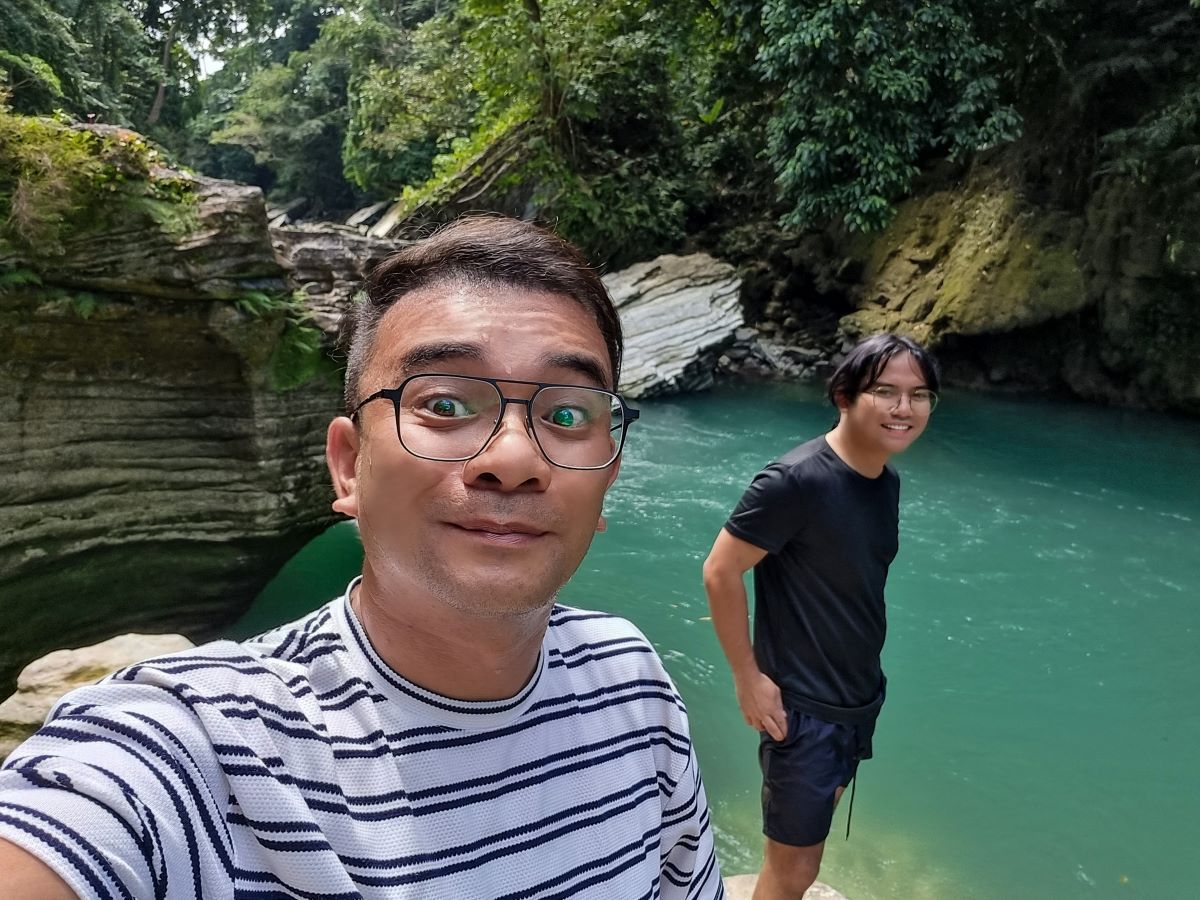
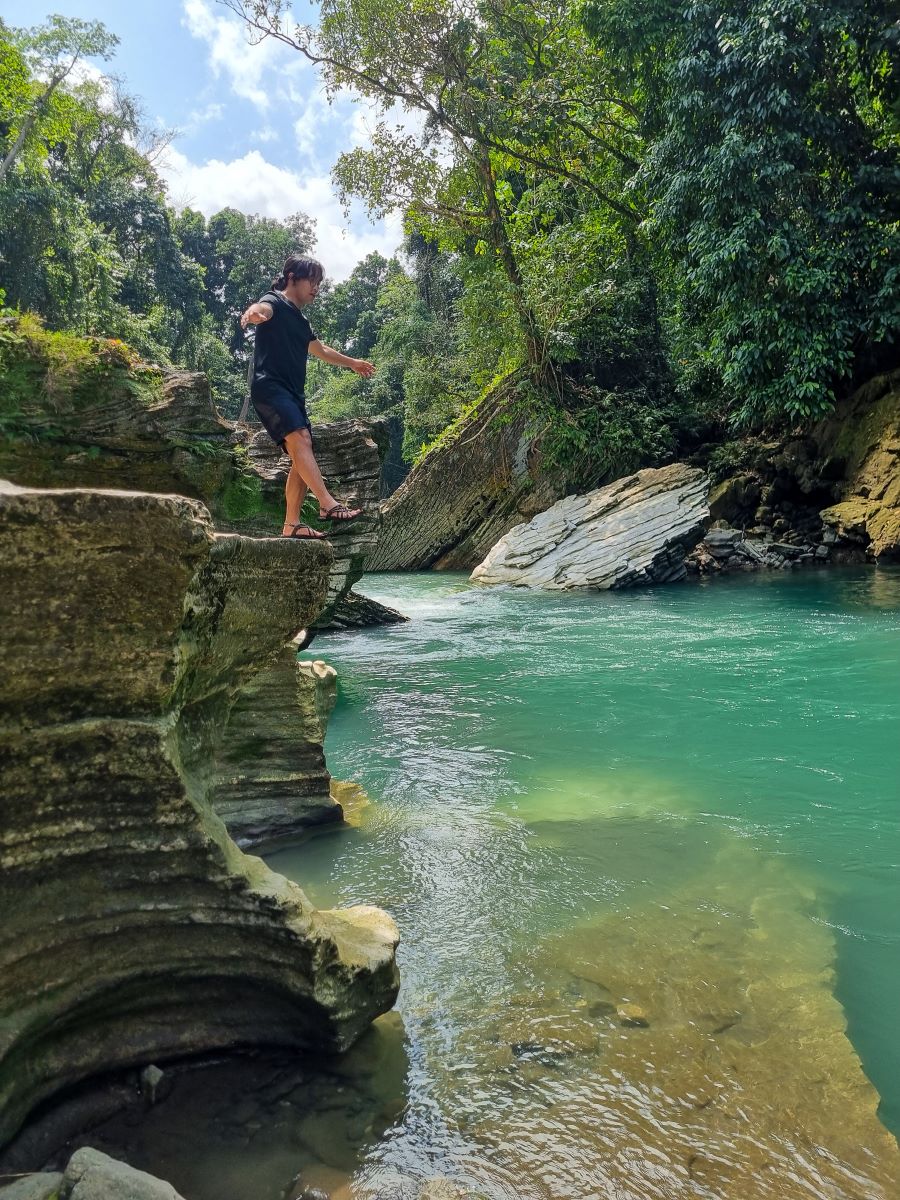
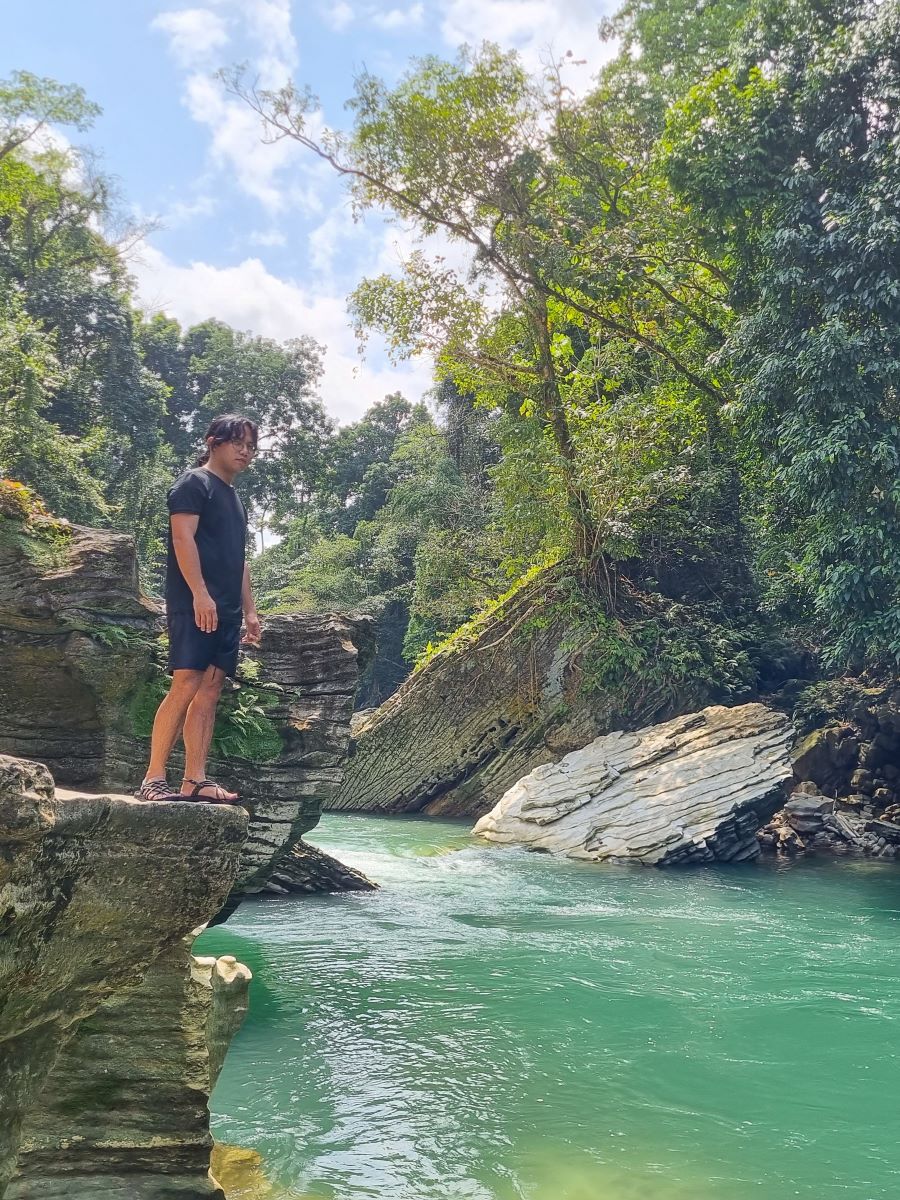


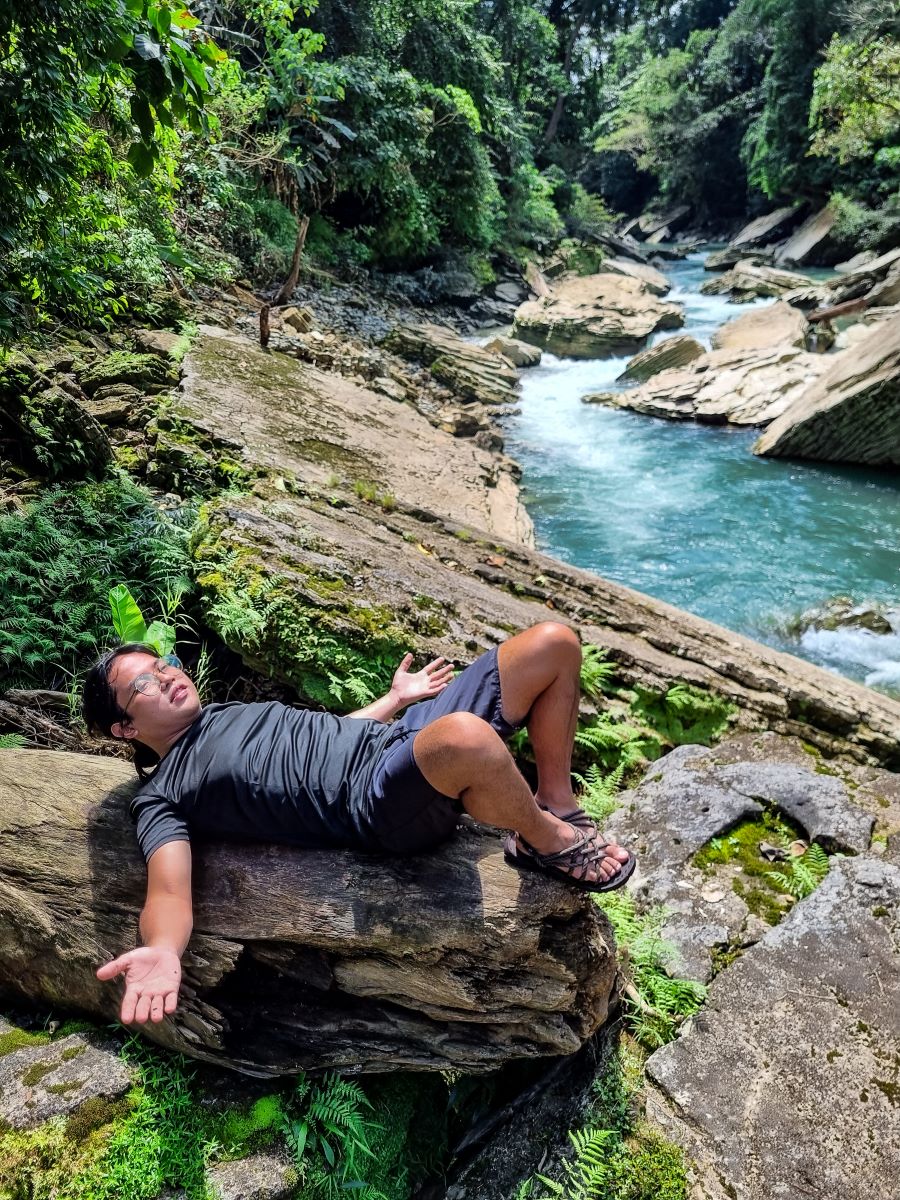
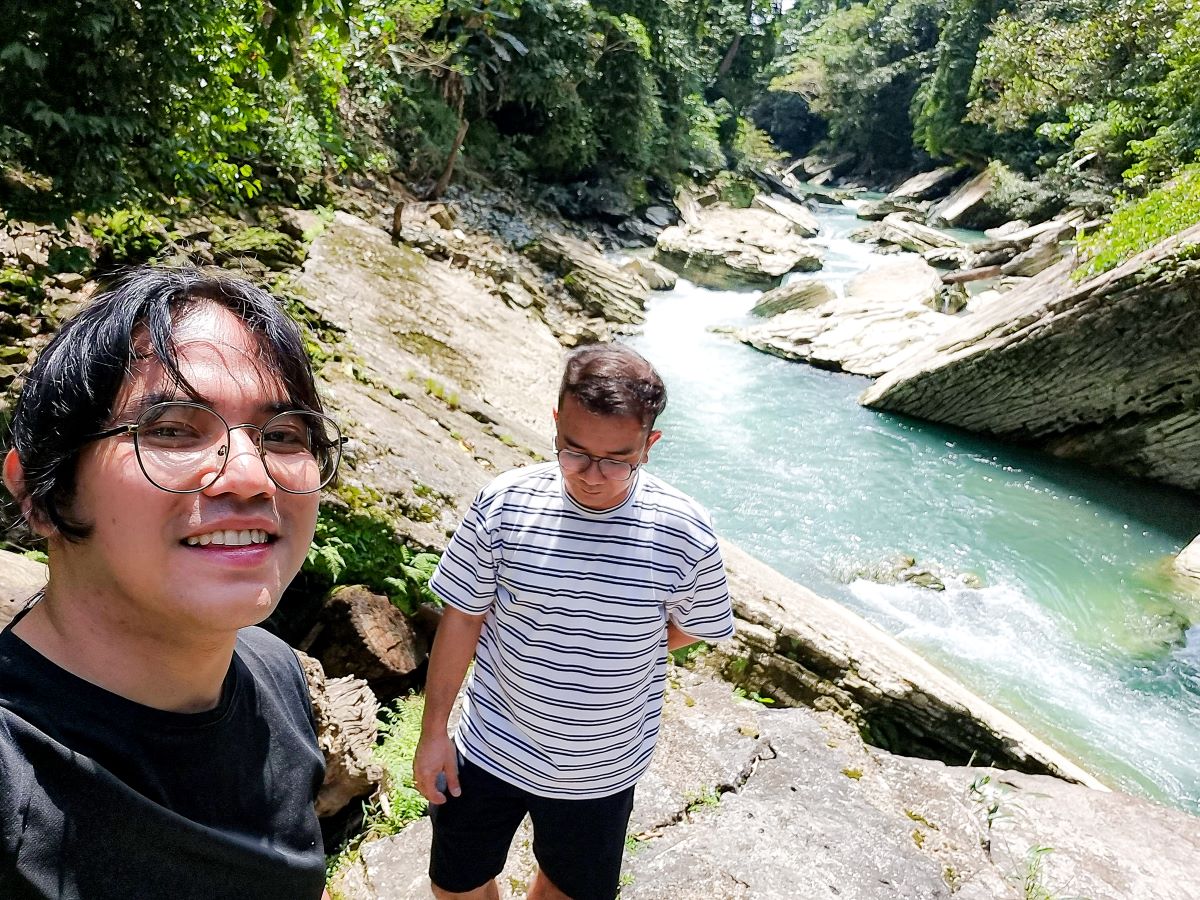

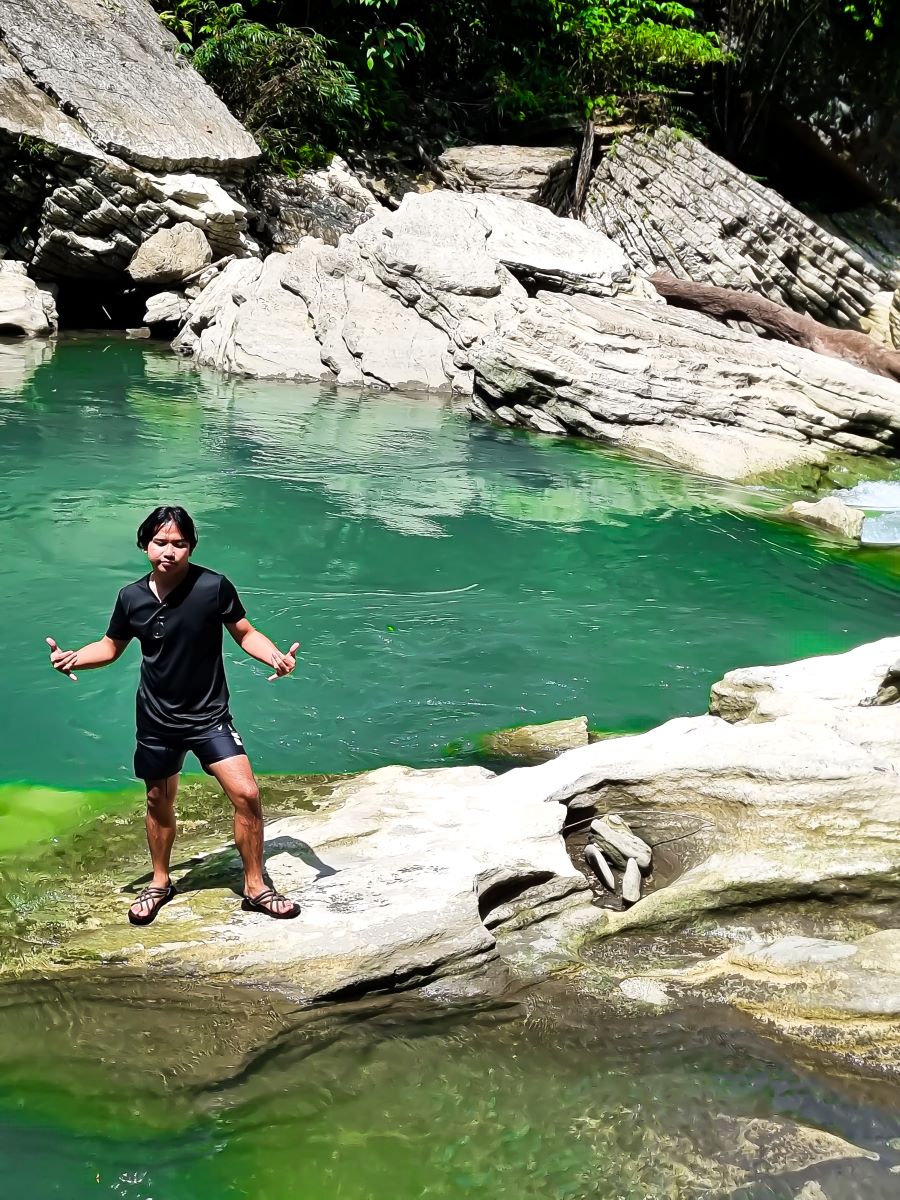
I was only waiting for one thing for me to call it a day in Hutungan and head to our next destination: kapag tuyo na si Ran. When he was dry enough to ride the car, we started our trek back to the stairs. It was almost 01:00 PM already, but we were not really hungry yet. It was time to move though, so that we would still be able to take on more destinations.

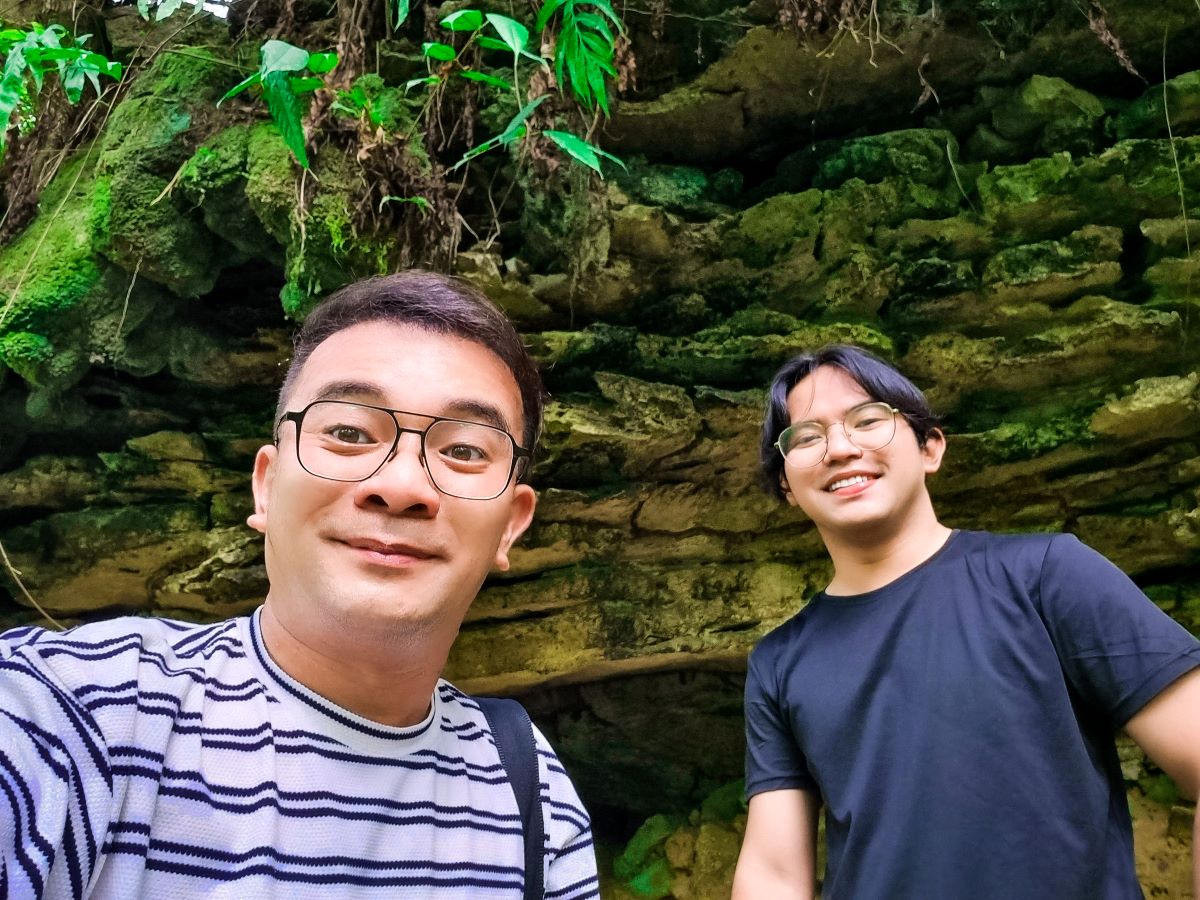

It would be an understatement to call our Hutungan trip an adventure, but it was. No, there was no extreme activity, at least not an intended one. Our major takeaway though was to always watch each other’s back, especially that we are always just a duo during our travel adventures.
The wet wood mishap aside, Hutungan Hidden Paradise aptly sums Apayao for us: only a few knows of this hidden gem, yet it has the ability to surprise with what it has in store. As Cordillera’s last frontier of nature’s riches, we really cannot expect less, can we?


 Renegade Junctures
Leave a reply to renegadetraveller Cancel reply