

The year was 1980. Forces of the dictatorial regime arrived in Barrio Bugnay on Ford Fiera trucks. They were looking for two individuals: Pedro Dungoc, Sr. and Macli-ing Dulag, both associated with the opposition to the Chico River Dam Project. The said project of the Marcos dictatorial regime and the World Bank reportedly would generate 1,000 megawatts of electricity, but it would in the process displace about 100,000 Kalingas and Bontocs along with their culturally upheld domains, artifacts, customs and traditions.
The project was eventually dropped, but not without cost. On that evening in 1980, on April 24, Macli-ing Dulag was murdered by government forces.
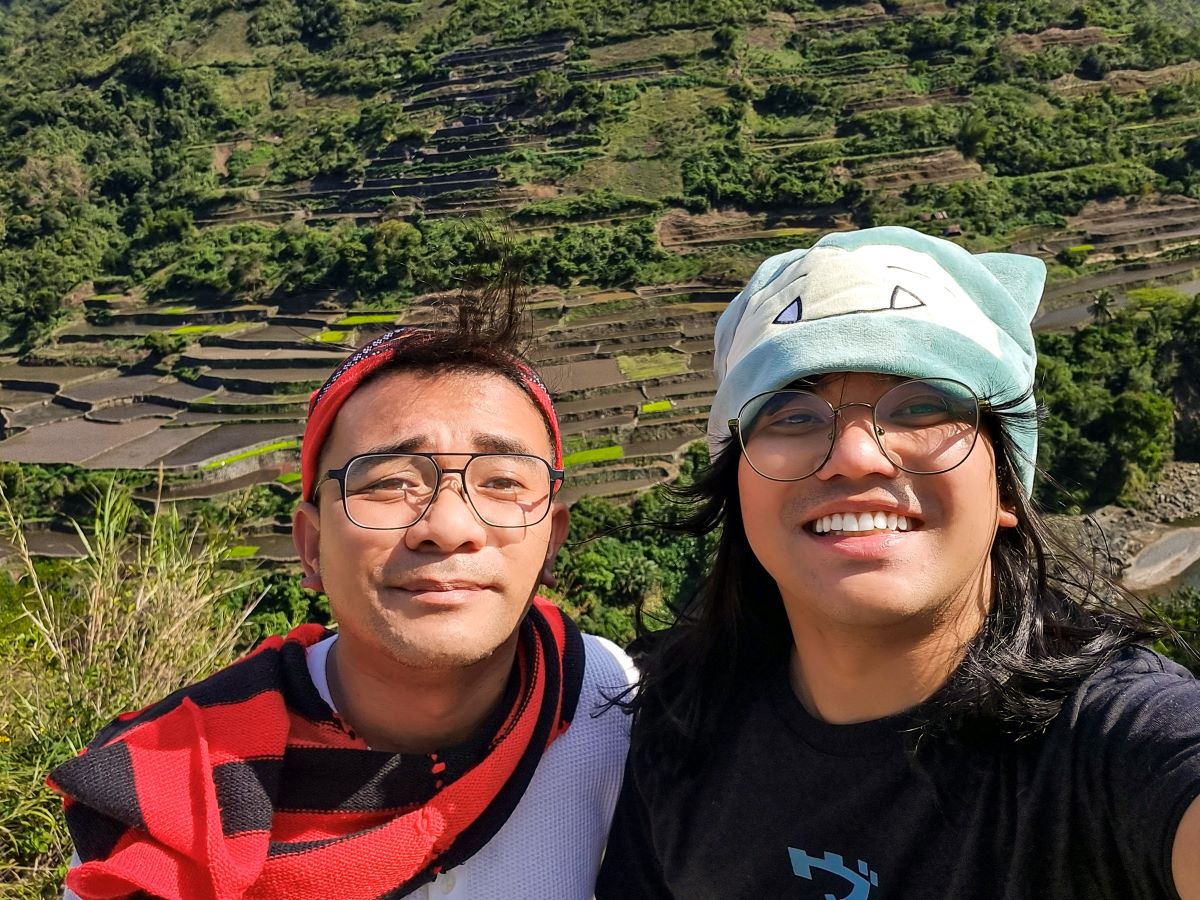
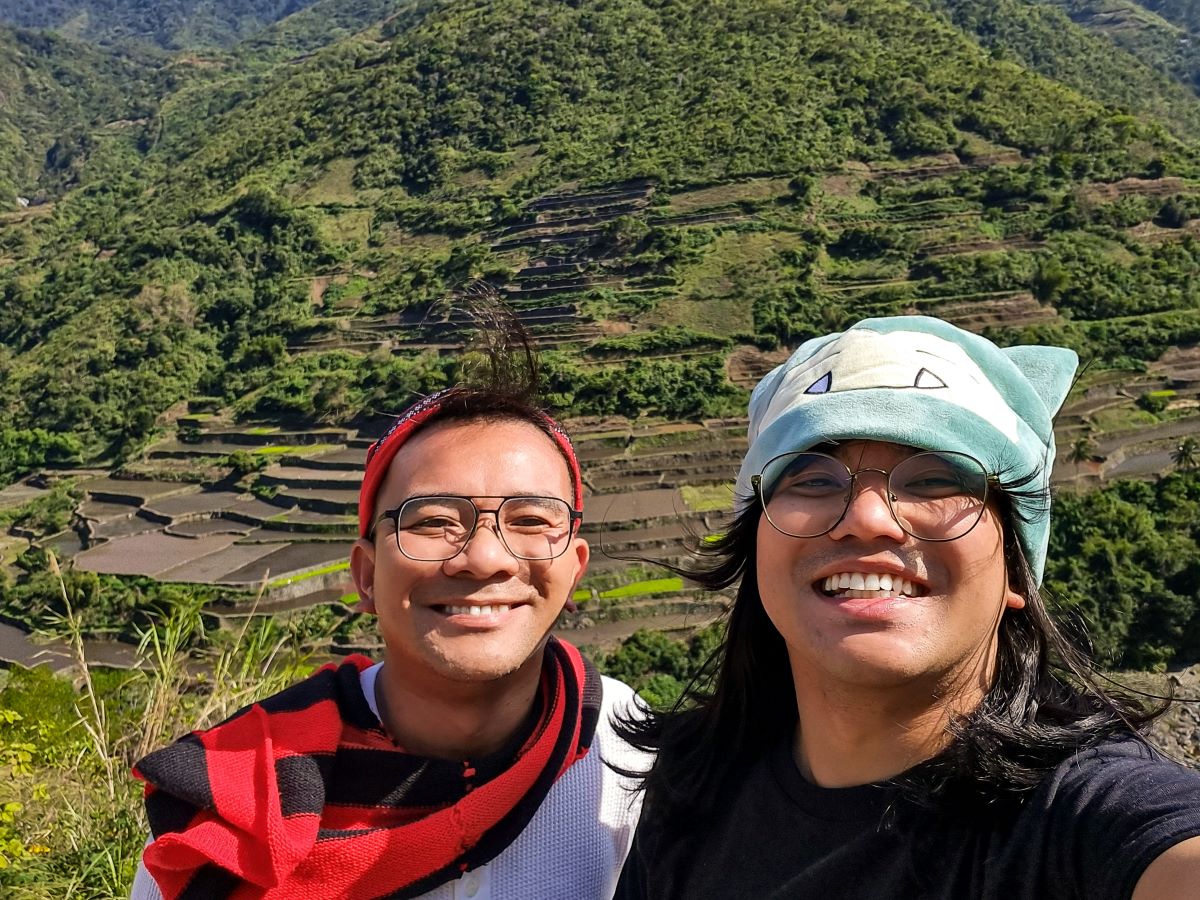
It was already around 02:40 PM when we reached the Bugnay Rice Terraces with a view of the Chico River. Back then, we were not aware of our proximity to history and culture when we were traversing the roads across the mountains of the Cordilleras. Little did we know that we were standing on hallowed grounds, the preservation of which was paid for by blood.
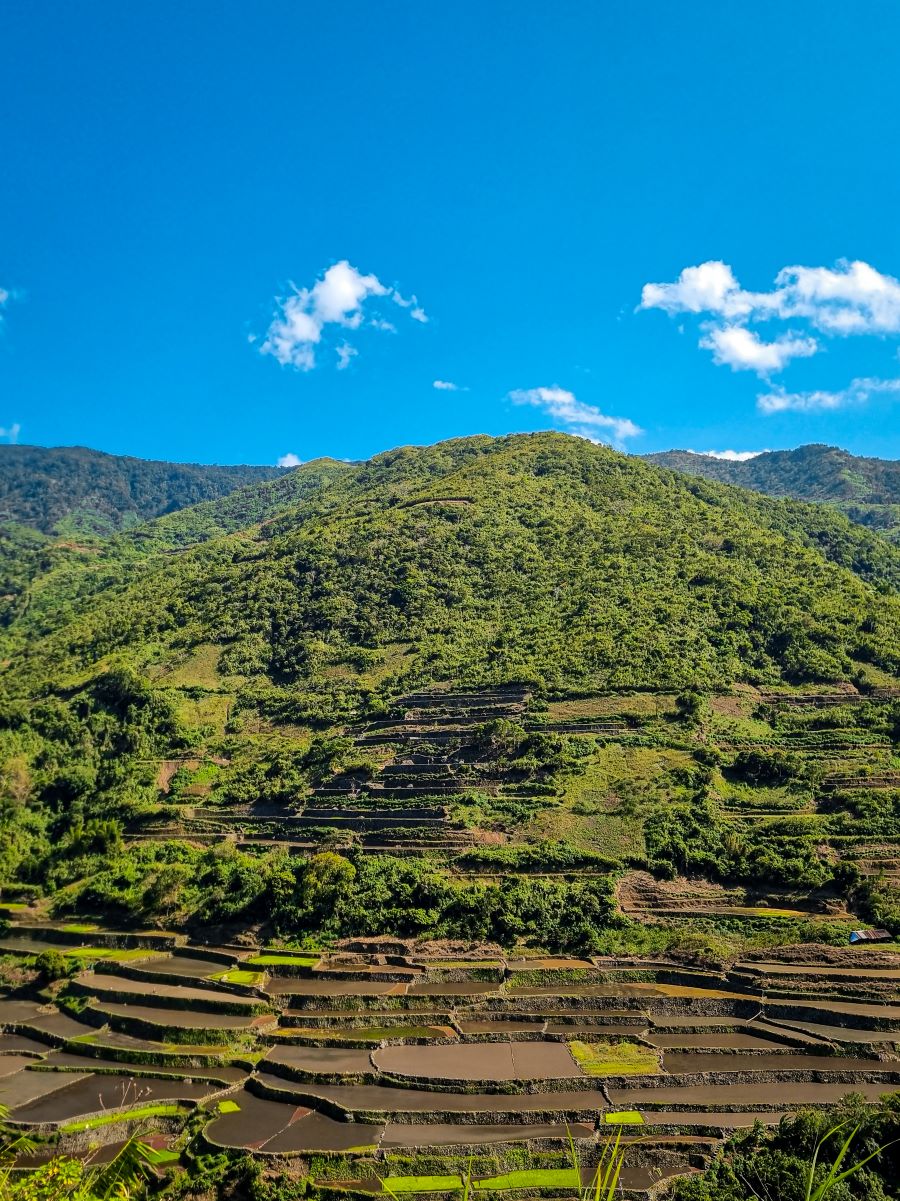
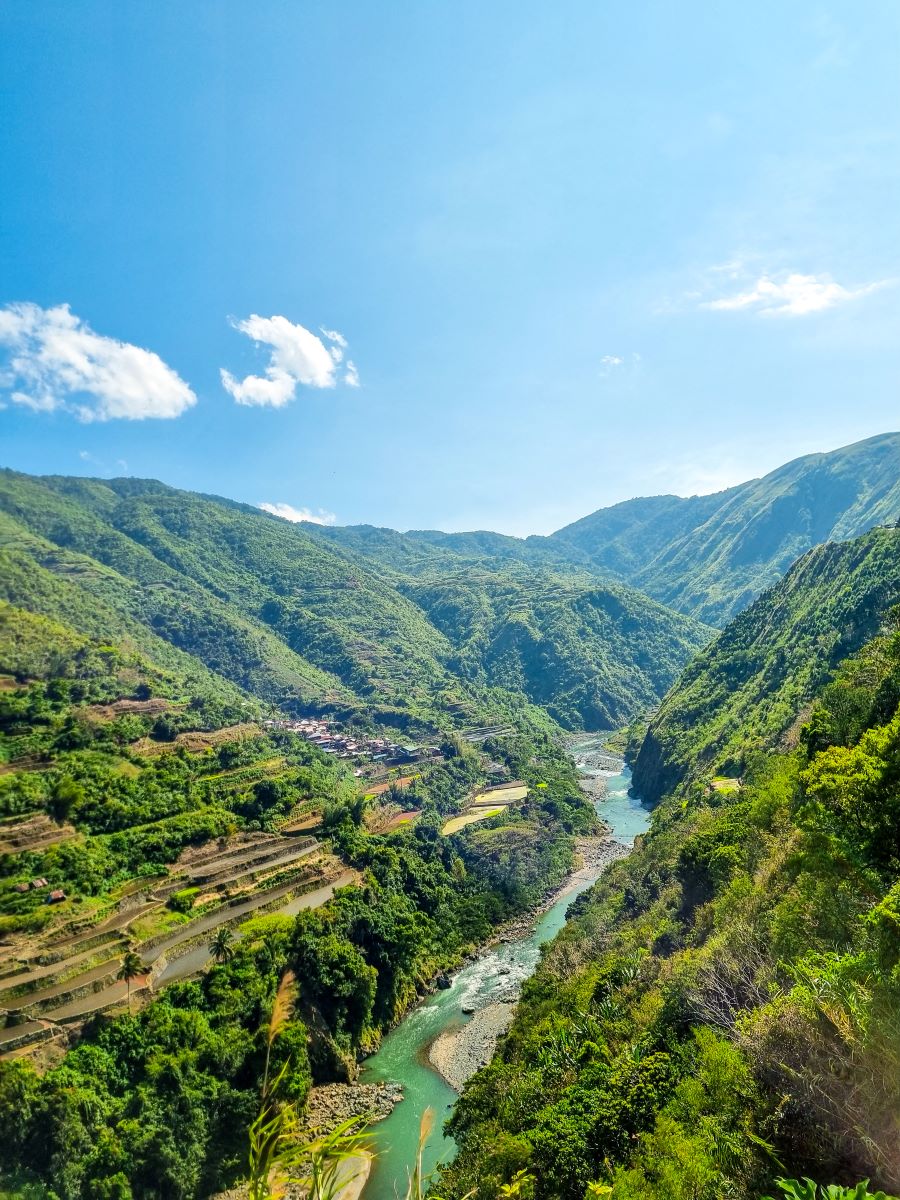
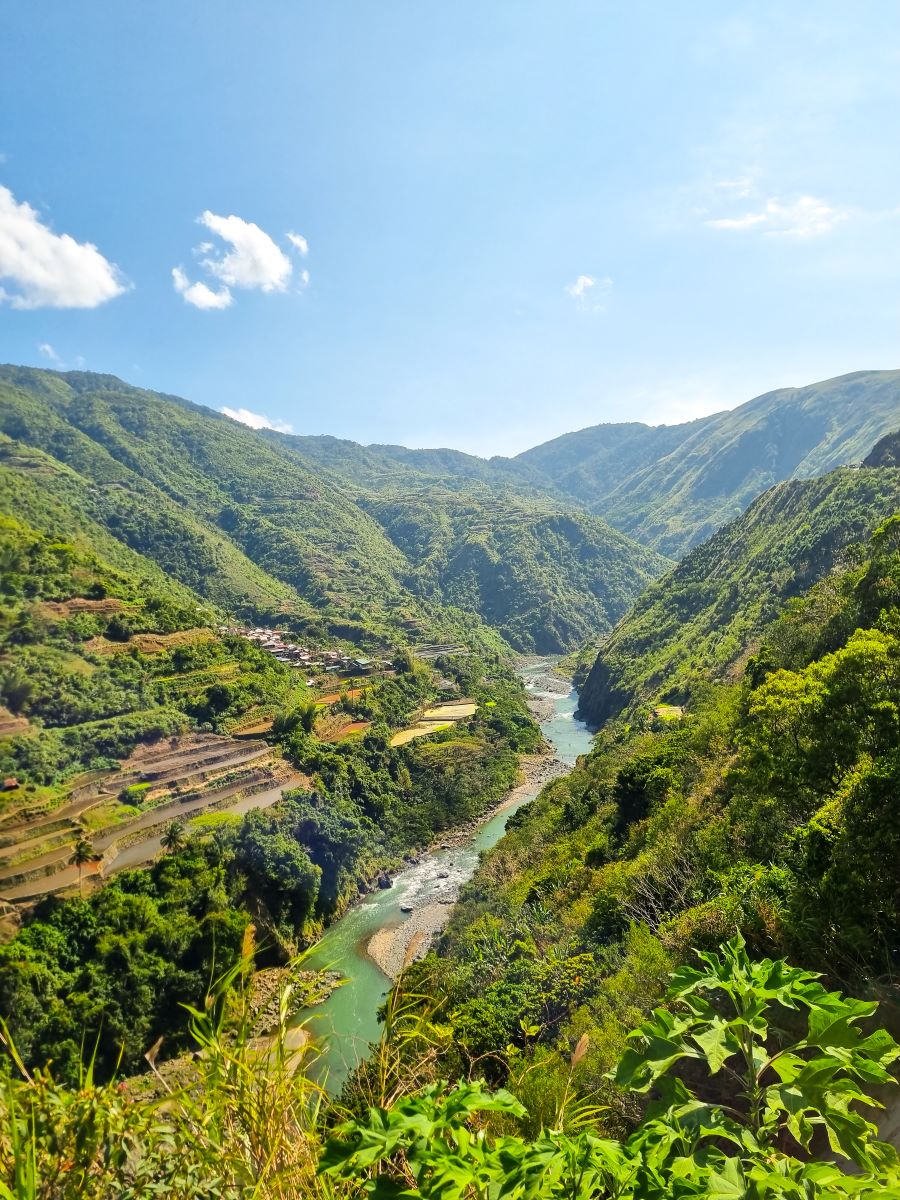
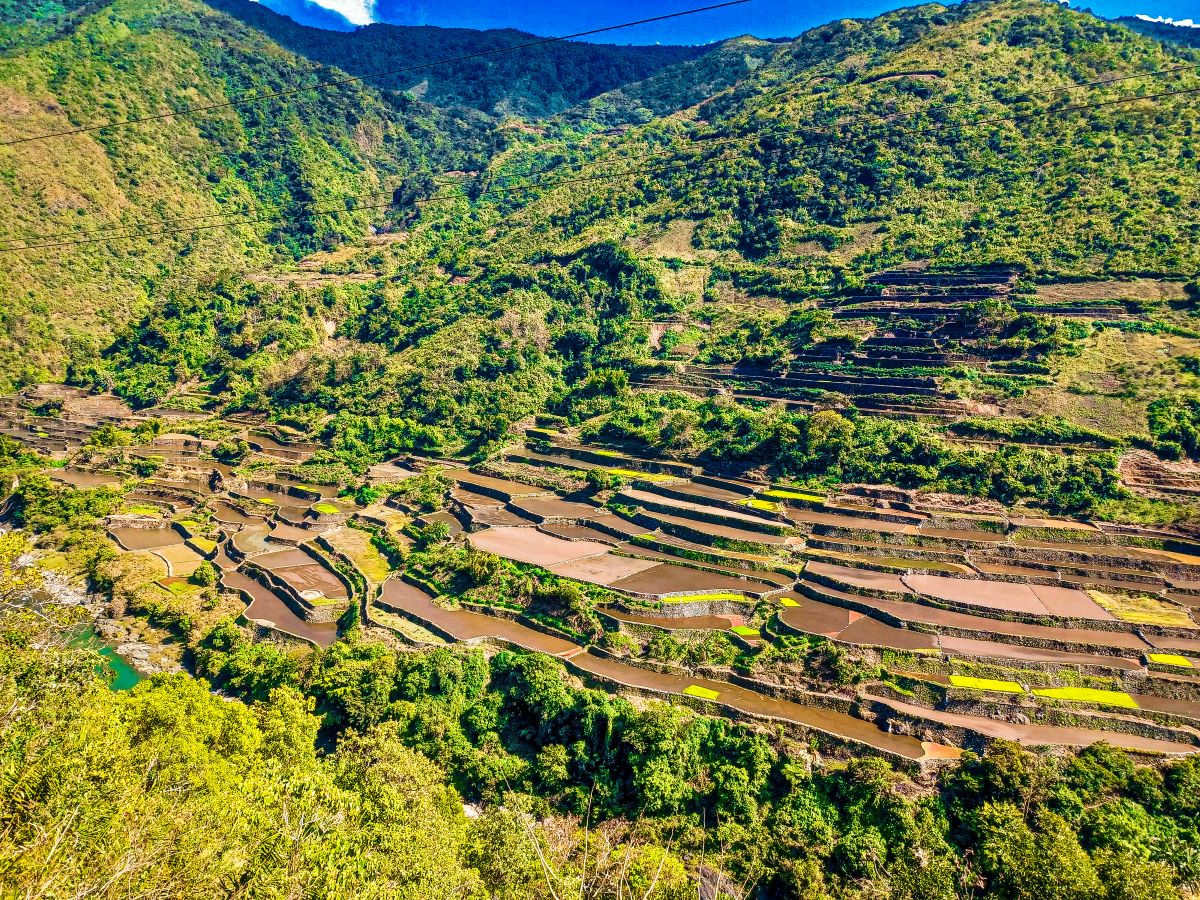
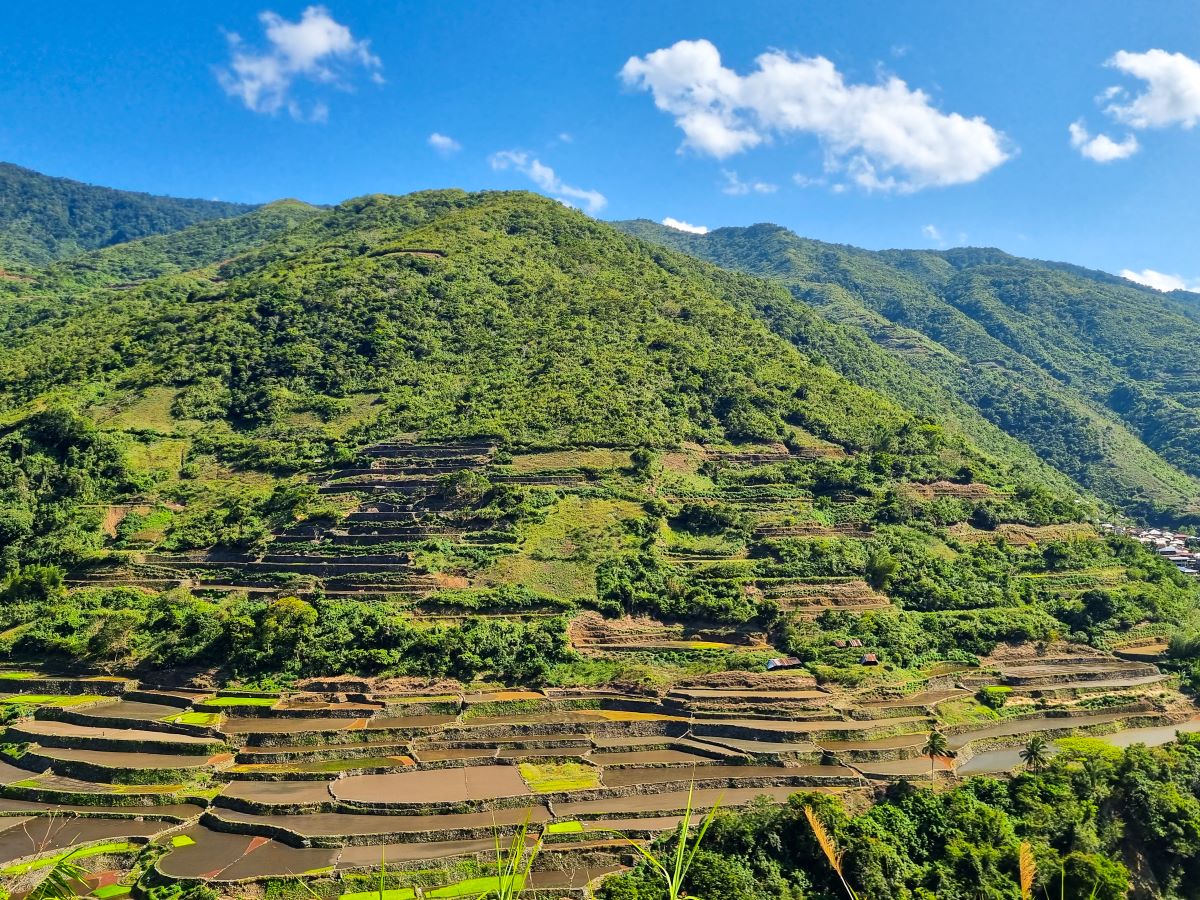
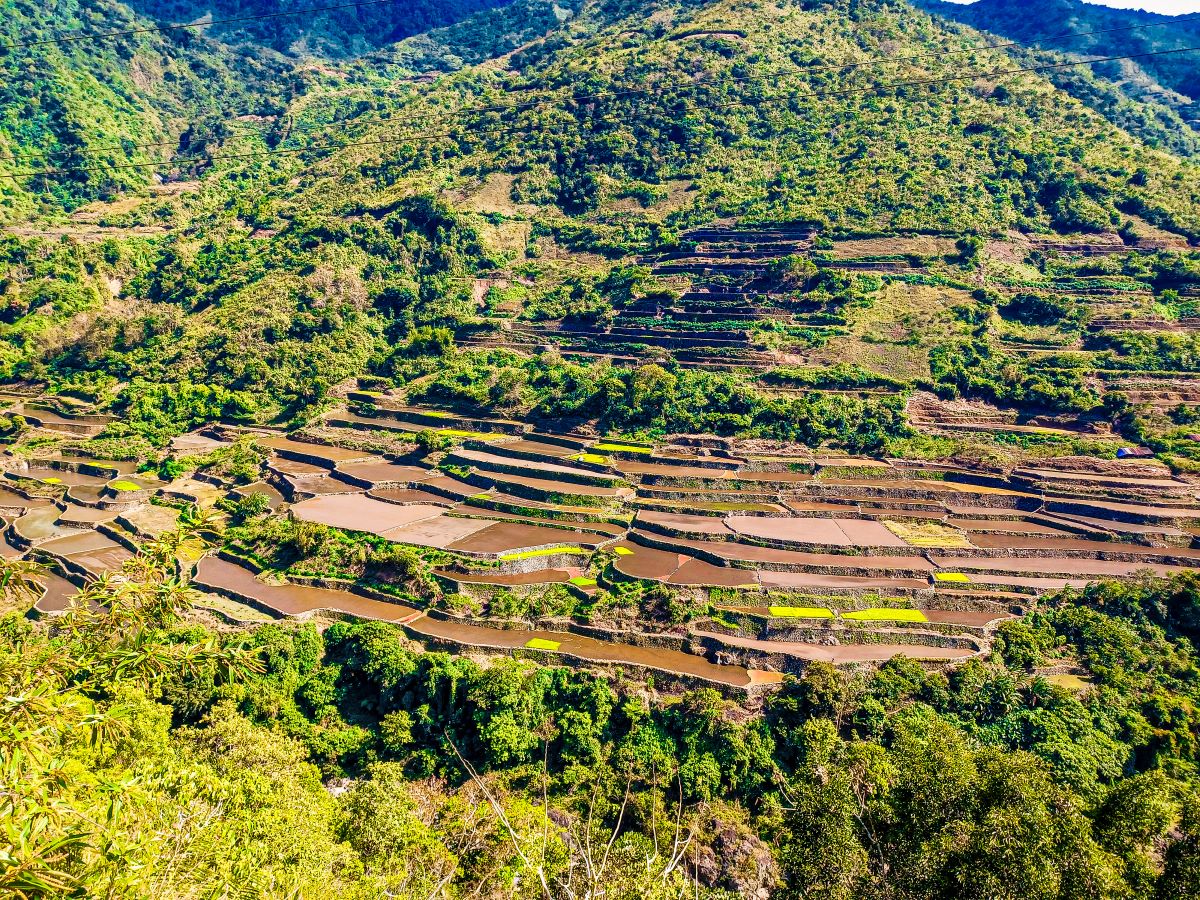
Despite the sun being high in the sky, the climate was still way cooler than it would have been in if we were in the metro. We hence really did not mind getting off the car and taking our photos before the wonder of what I would call the perfect nature-manmade combination.
Bugnay was such a beauty to behold; a perfect example where man knows how and is able to serve as stewards of creation.
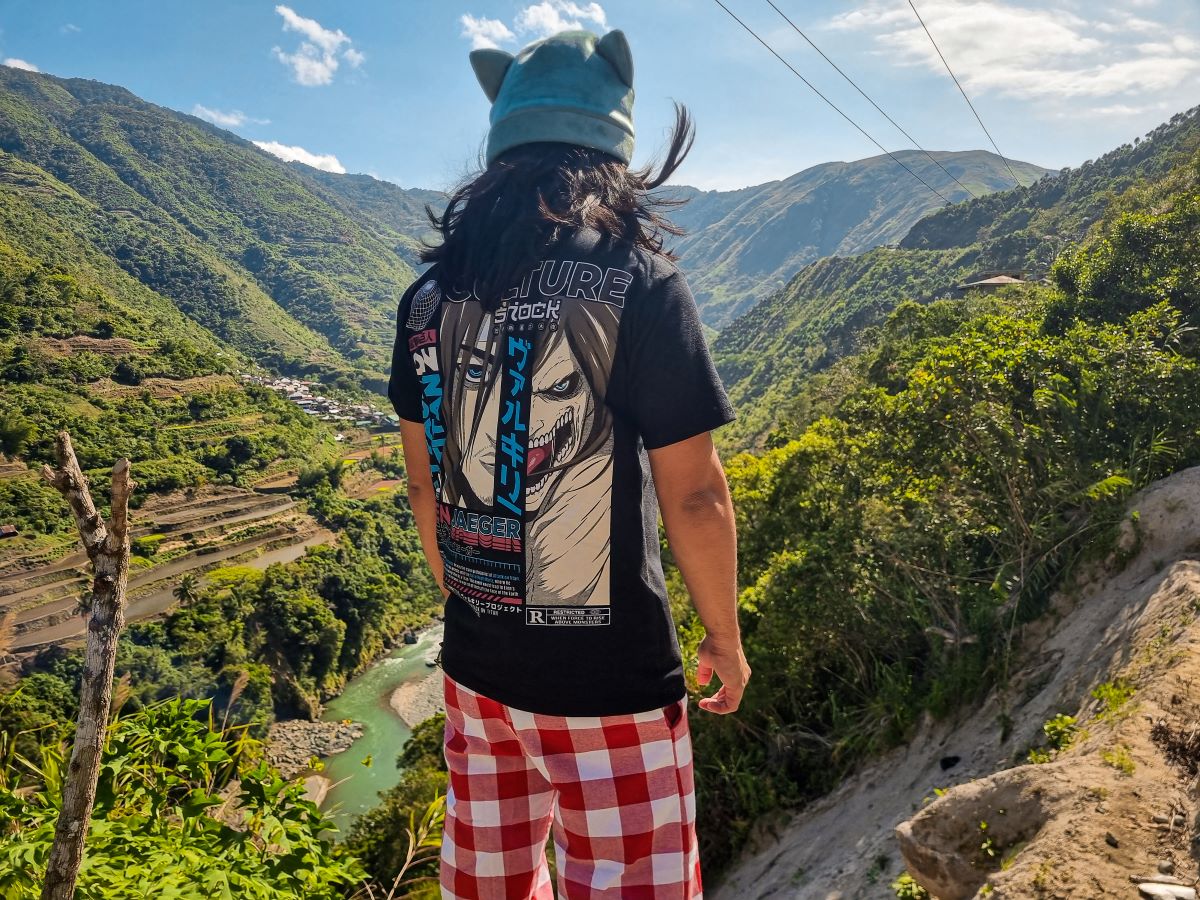
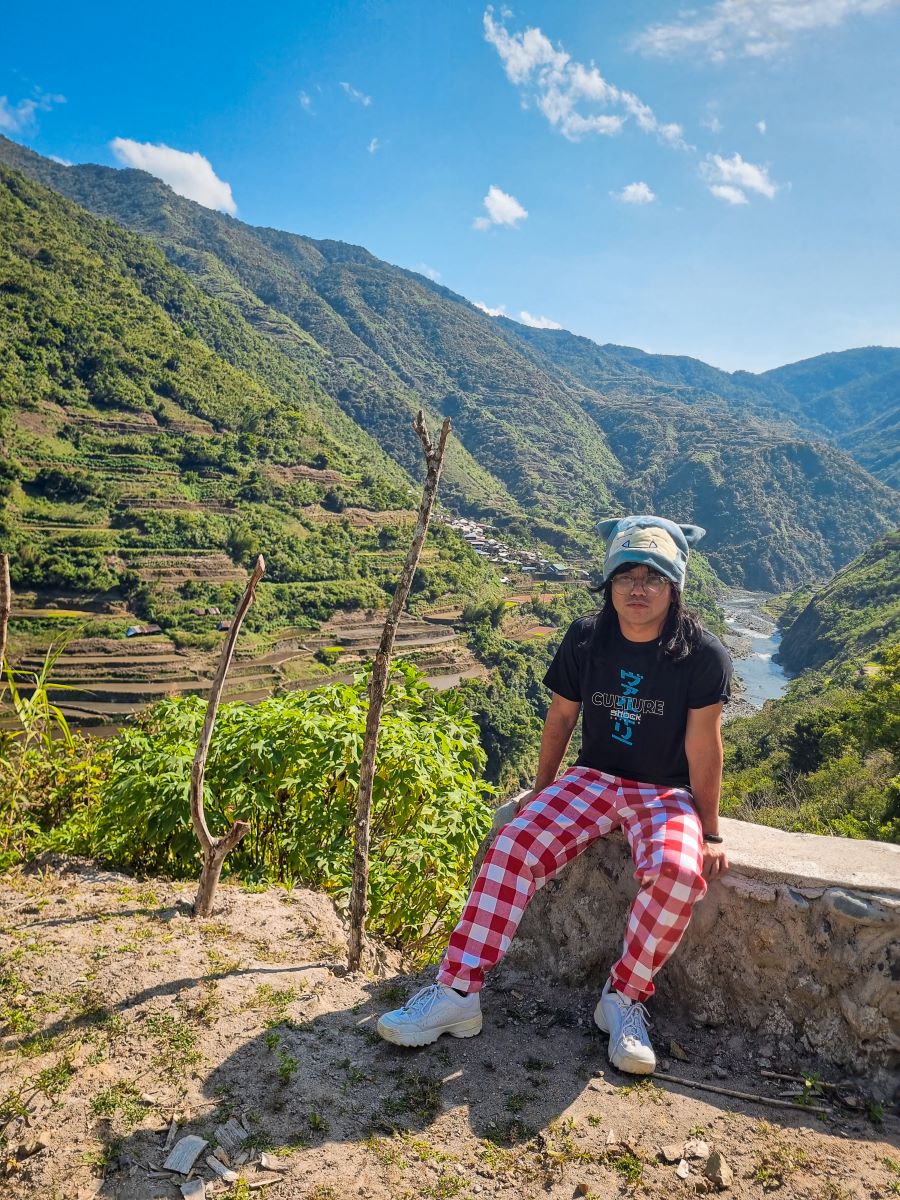
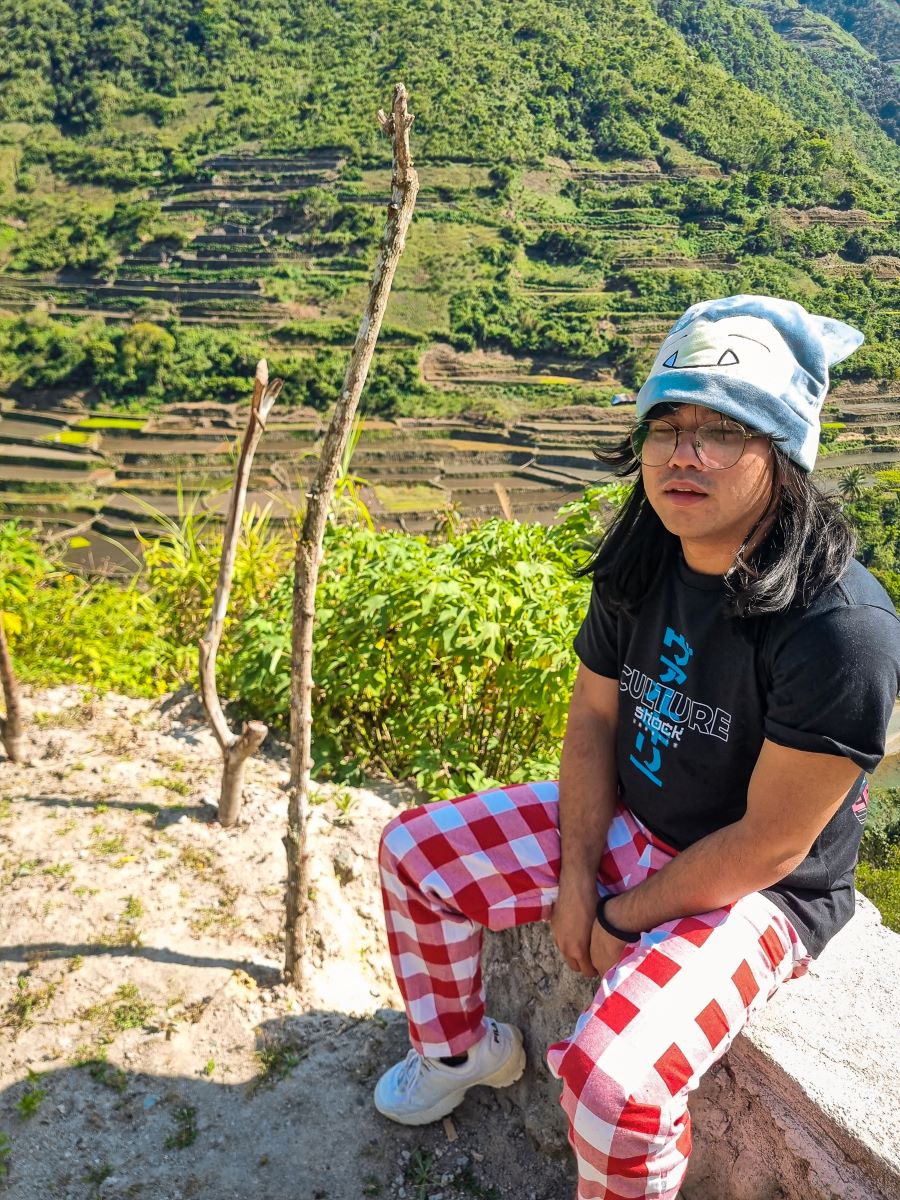
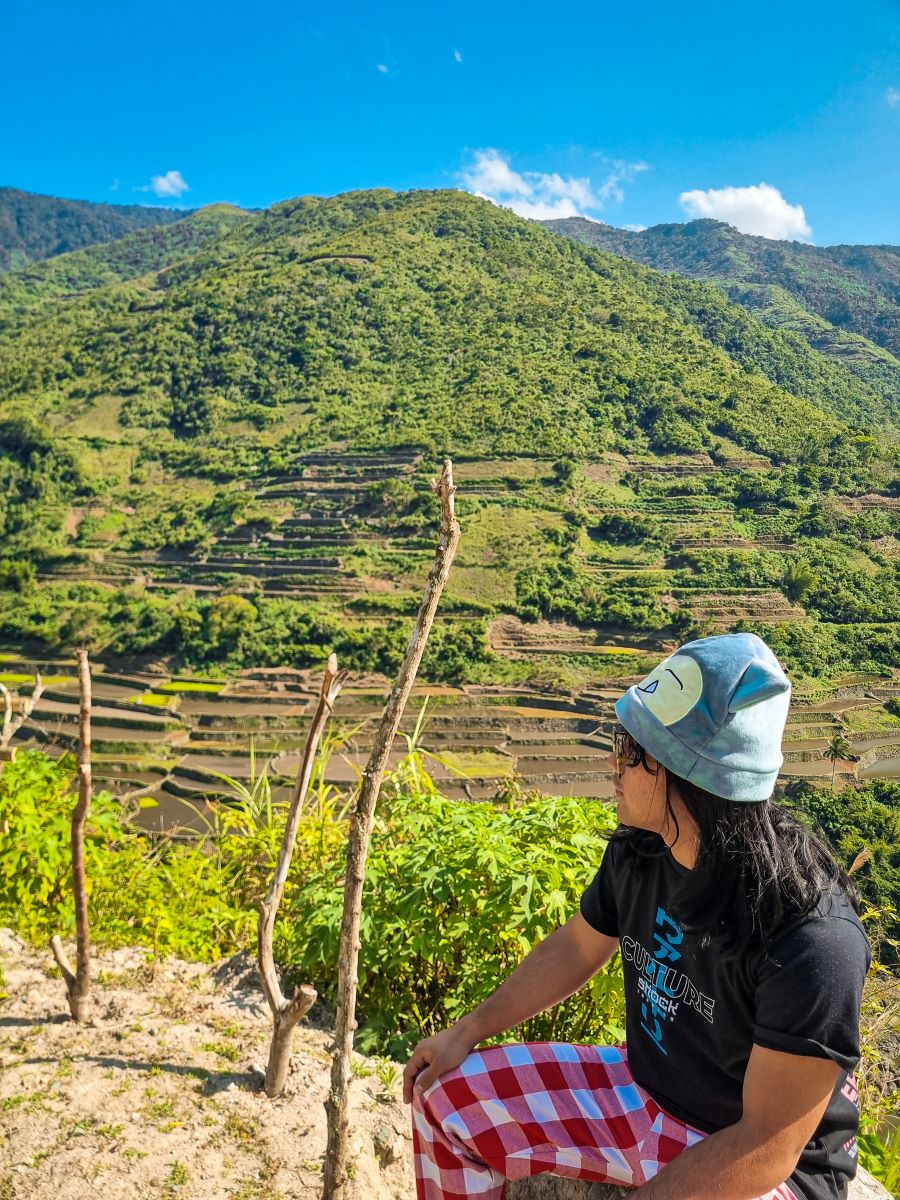
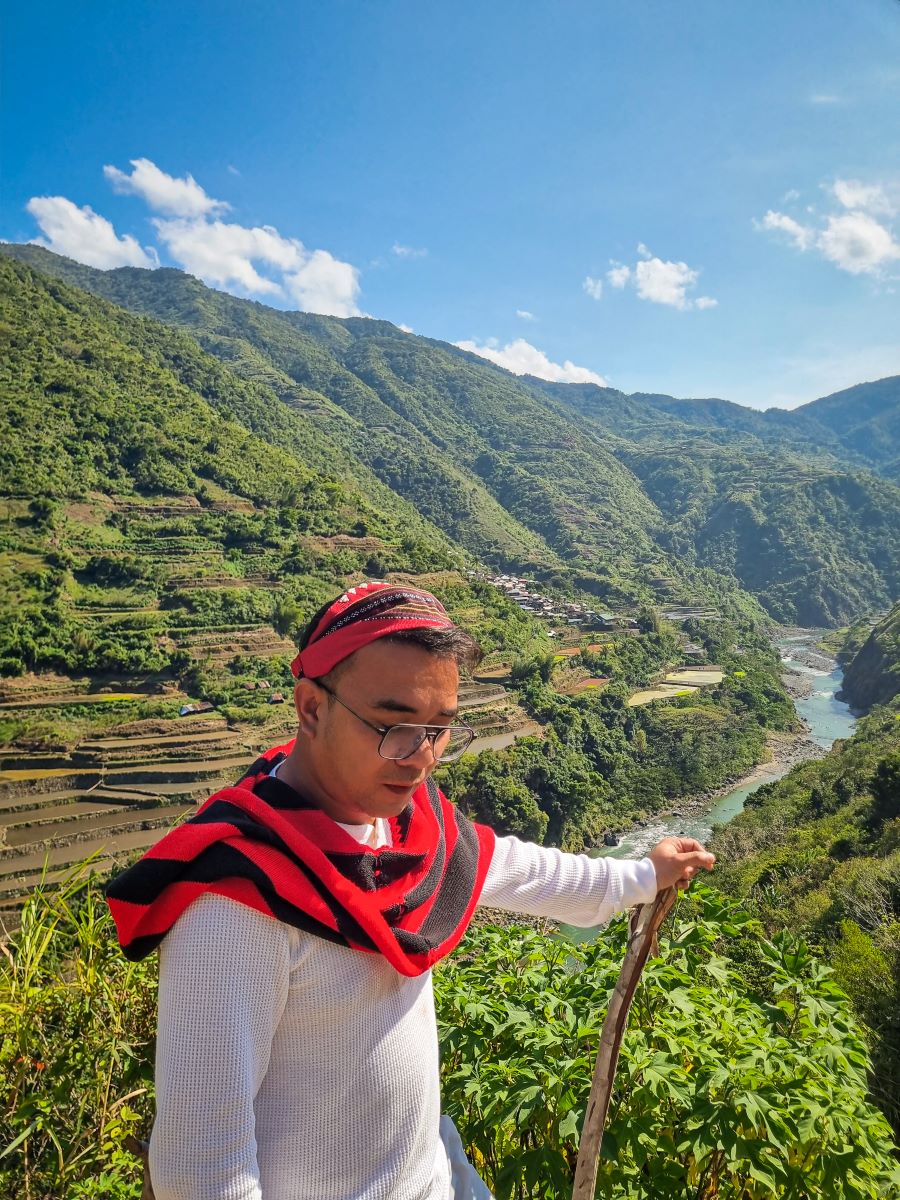
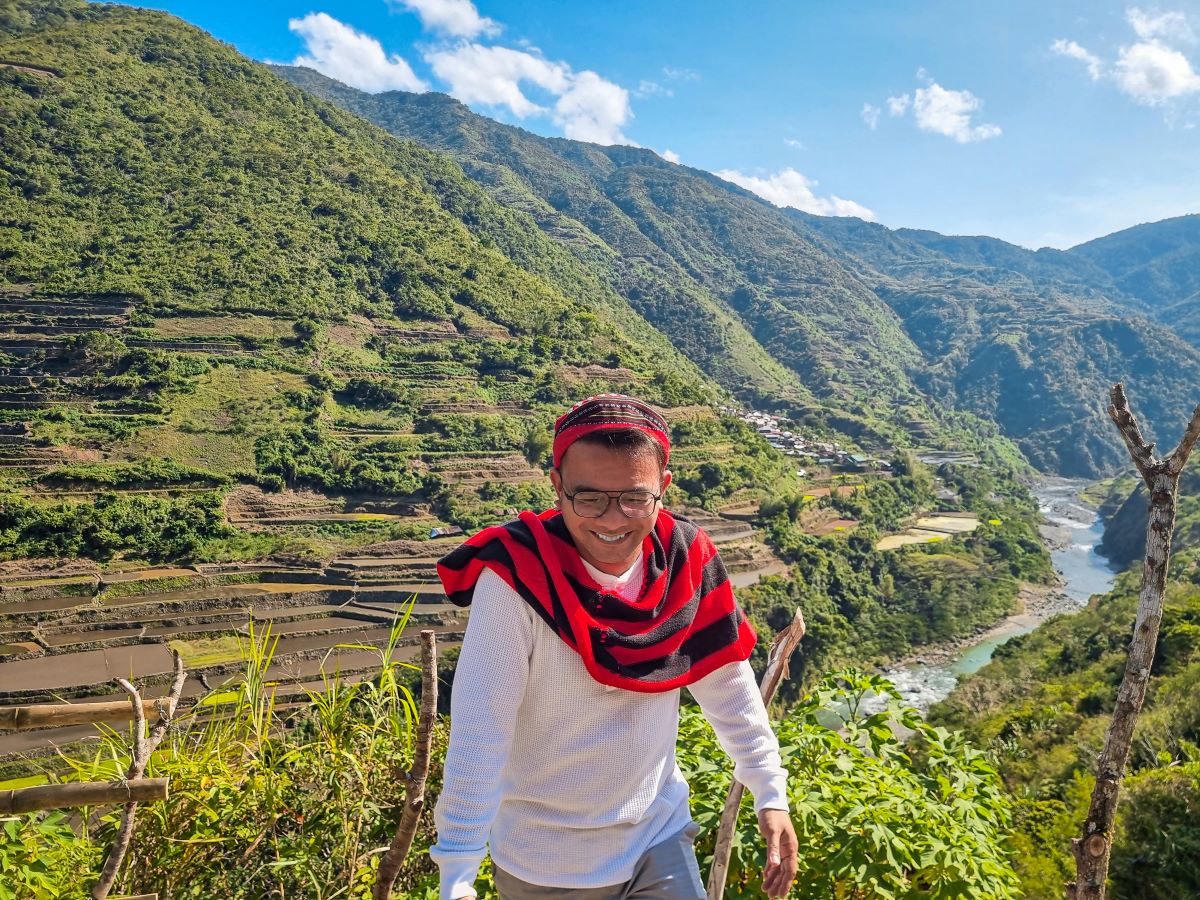
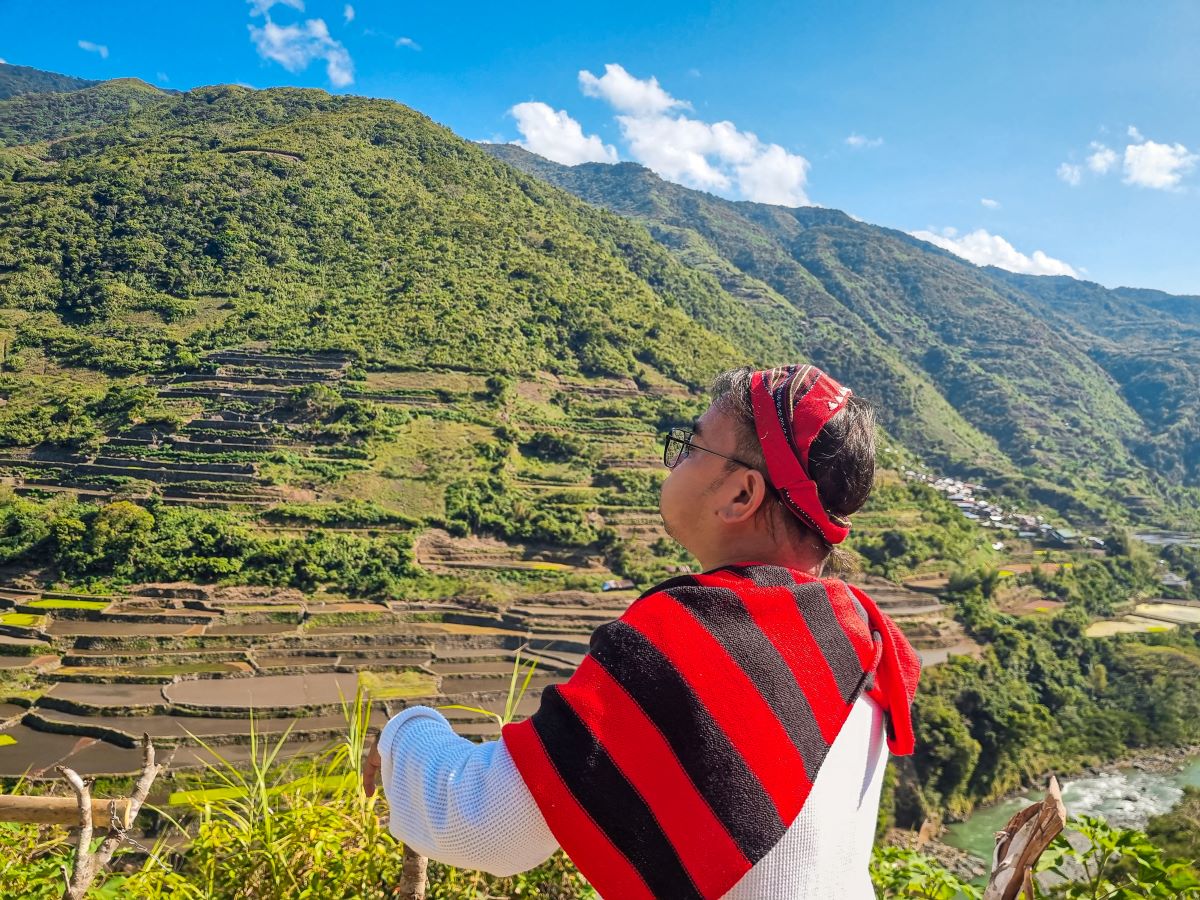
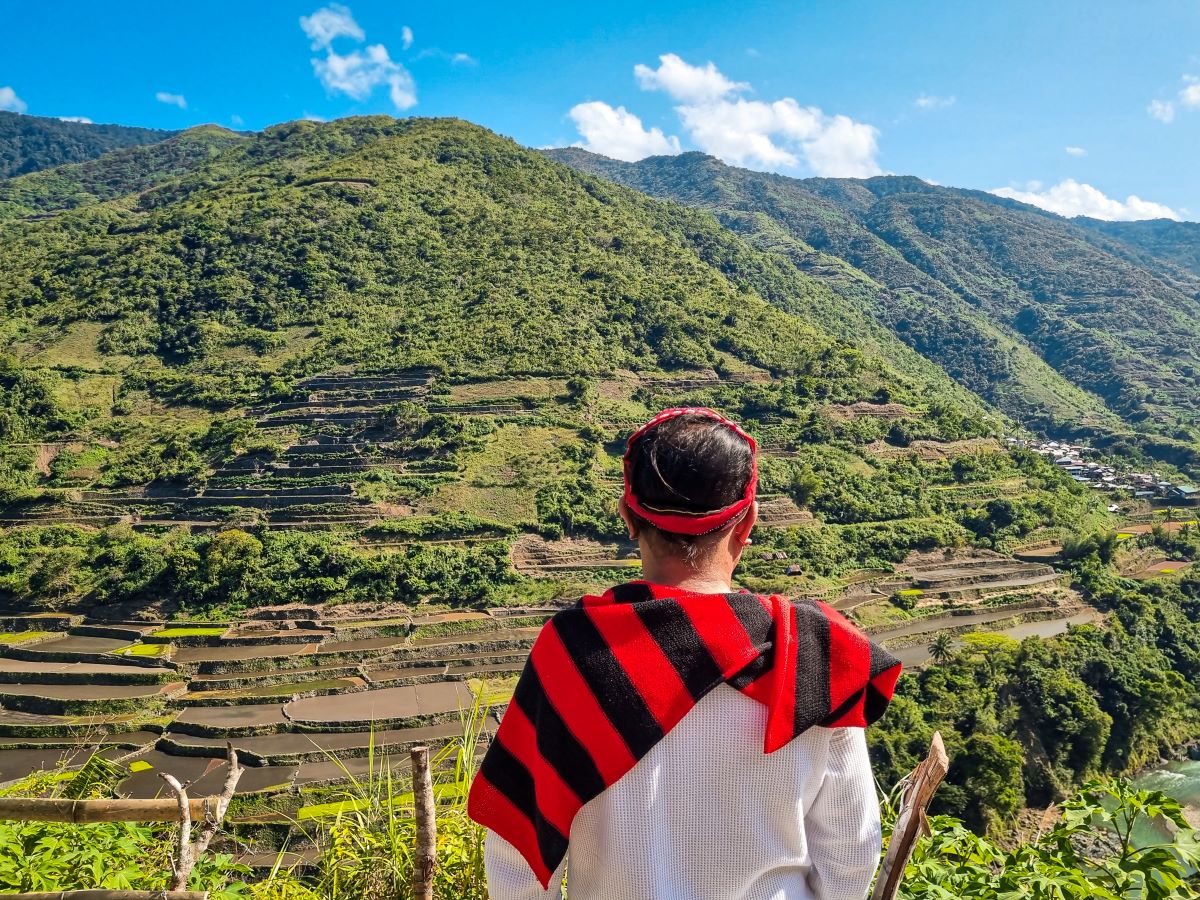
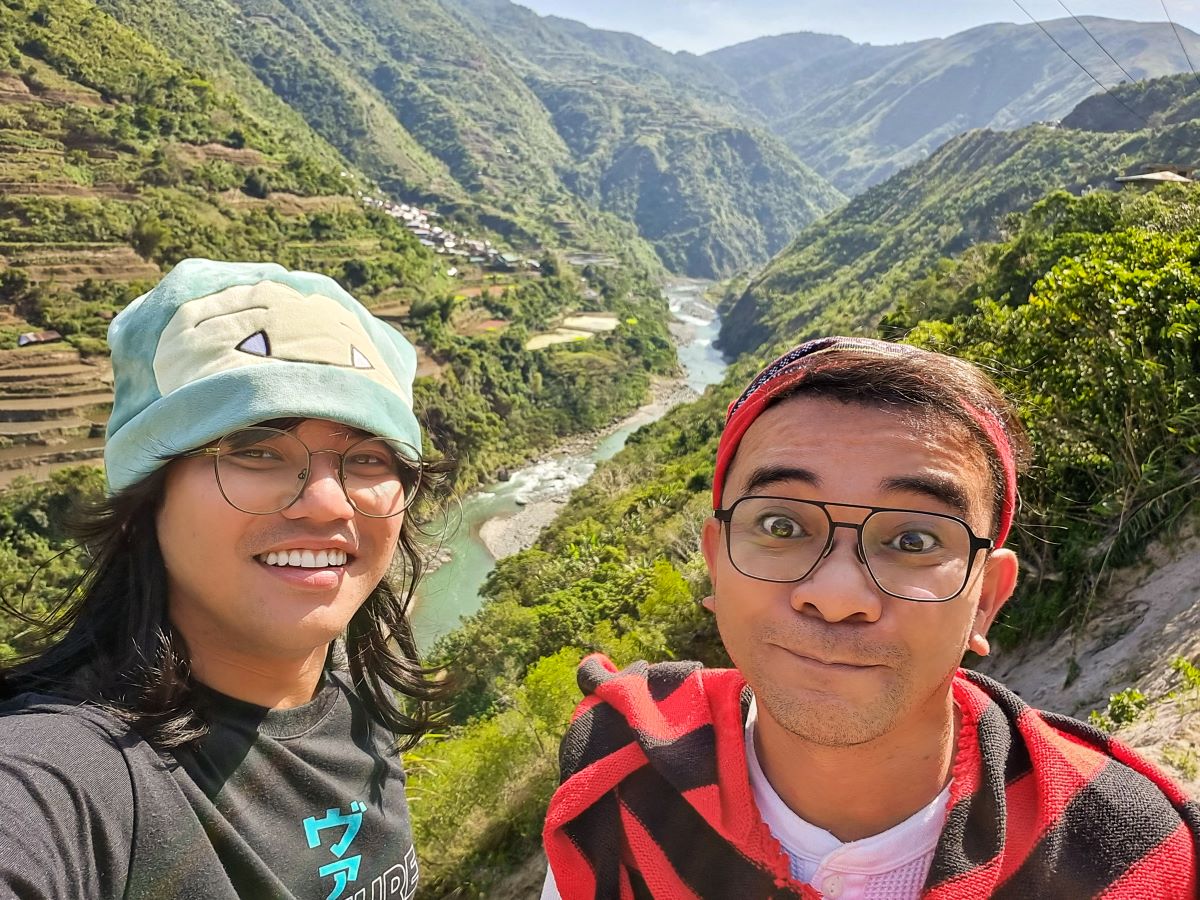
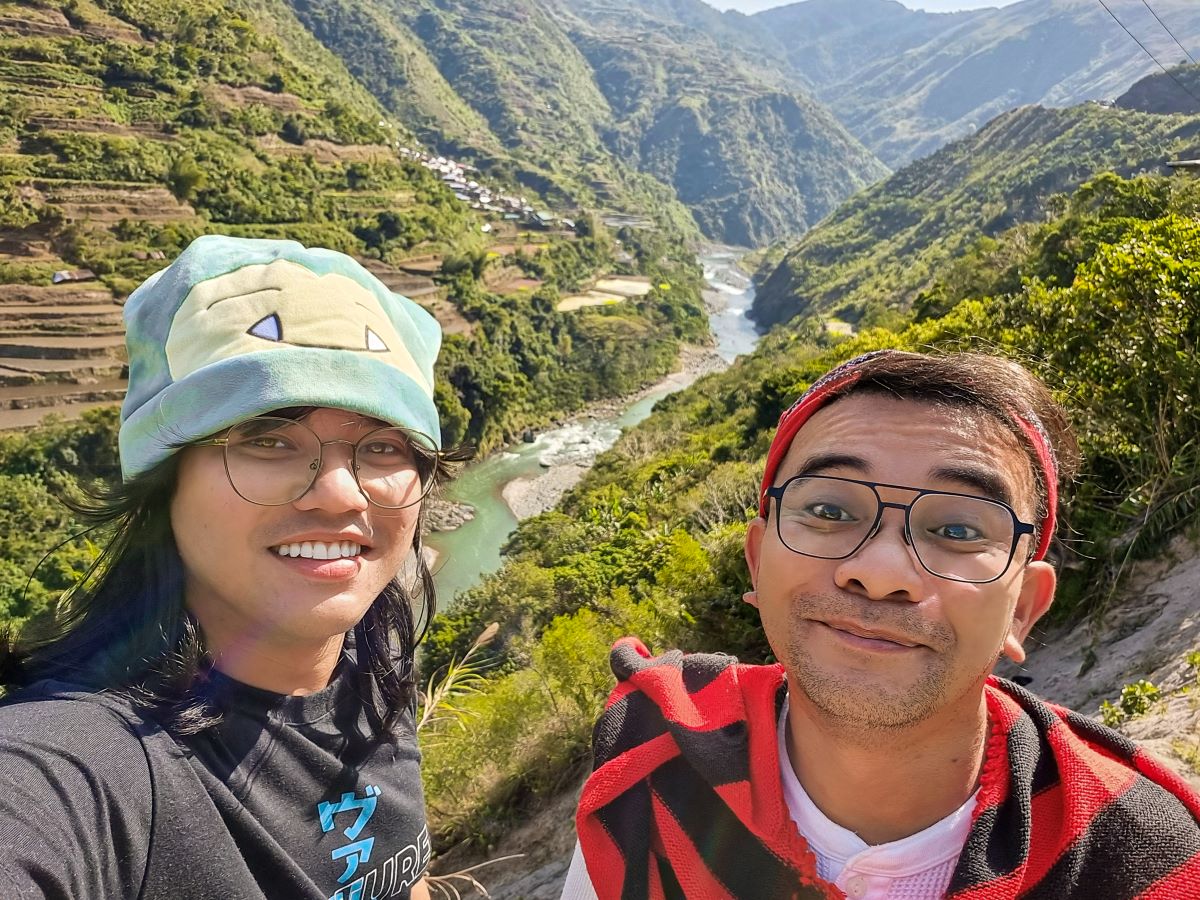
Looking back now, we perfectly understand why Macli-ing Dulag was willing to fight forces stronger than his even if during that time, it meant certain death: he was defending his land of birth and it was his treasure, much as it is for his people. He did not die in vain. His death served as the event that ignited stronger resistance to a plan that gave no regard for ancestral domain, culture and tradition, uniting the people of the Cordilleras, much as how the death of Senator Benigno Ninoy Aquino, Jr. three years later united the Filipino nation against the oppressive regime of that time.
His name is etched for perpetuity in the Bantayog ng mga Bayani, the heroes’ shrine for those who fought against the tyranny of the dictatorship, and albeit unofficially, his date of death is observed as one of the dates considered as Cordillera Day.
The man who protected the Cordilleran treasure became the people’s treasure himself.


 Renegade Junctures
Leave a comment