

It was World War II. The forces of the Japanese Empire arrived in Batanes in 1941. Upon arrival, they immediately cut all communication lines of the islands to the mainland. There was resistance from some of the locals, and those who were captured were put to death. It was a dark period in history for the world, and islands as isolated as Batanes did not escape the talons of war. The islands are in a strategic position after all.
We all know how the war ended in 1945. It was not a graceful end, as if grace could really be expected out of war. Atomic bombs had to be deployed against the Japanese just to end the atrocities, adding hundreds of thousands more to the death toll. The Japanese as did the rest of the Axis Powers surrendered, but the scars of war did not instantly diminished. Some visible reminders of those difficult times remain even to this day. Among such reminders is the Dipnaysupuan Japanese Tunnel.
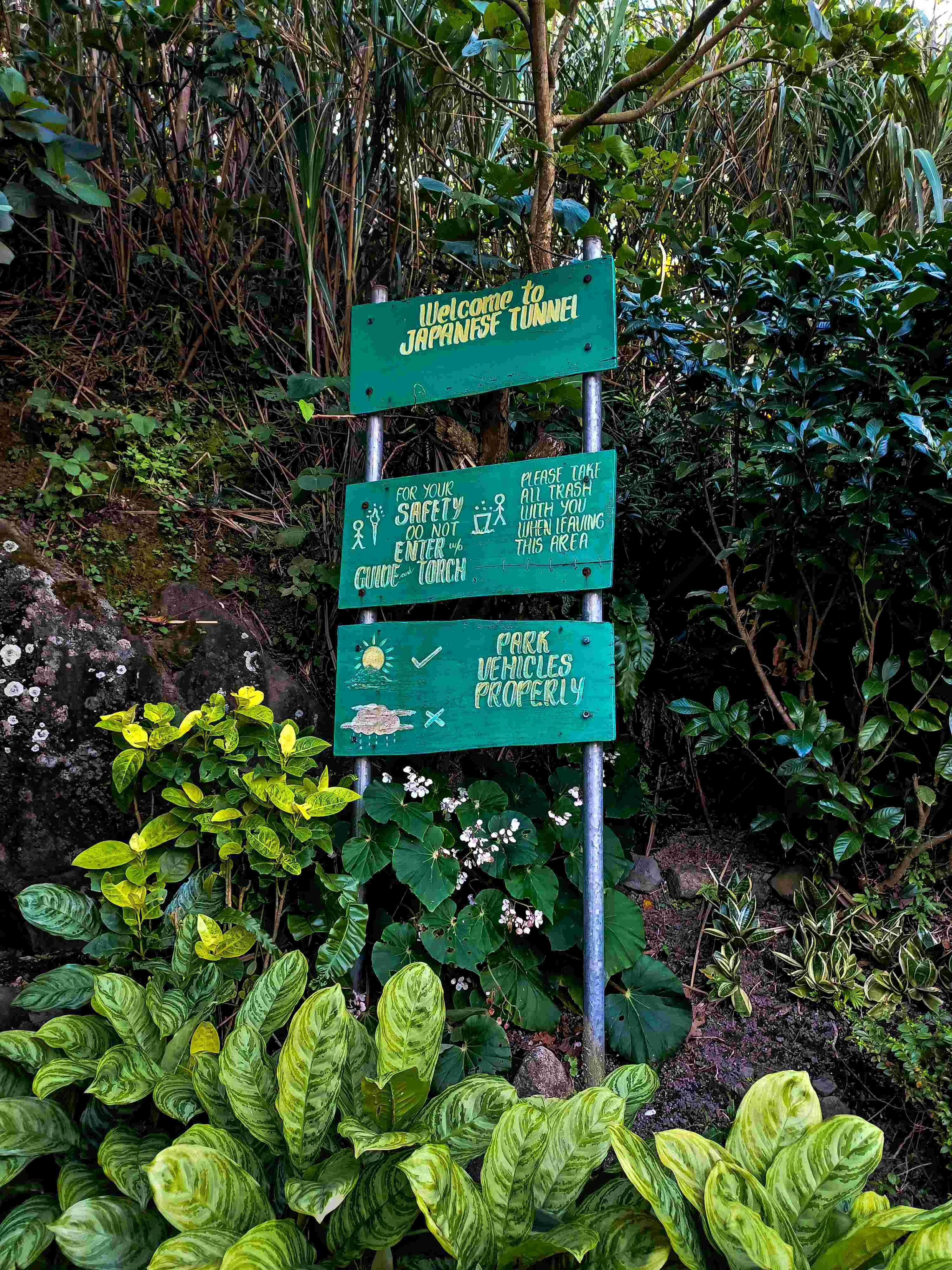
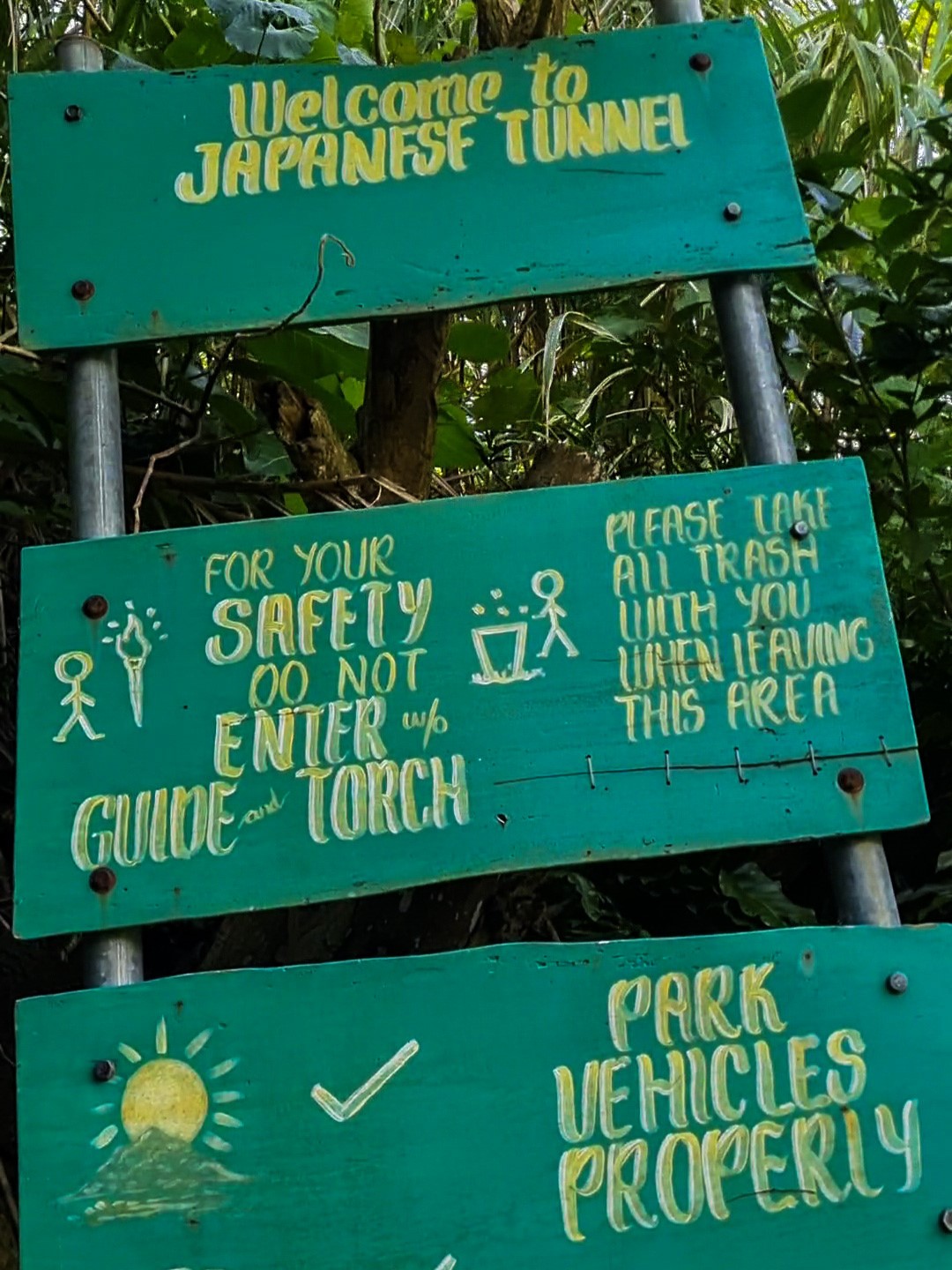
Through force labor imposed on the Ivatans, the Japanese built an underground shelter for their soldiers as the heat of battle against the Americans were intensifying. The tunnel which features a series of waypoints, also served as a lookout spot for the Japanese. To us who are touring Batanes, it is a destination part of the itinerary, but a very good one at that, as it was adventure and history rolled into one.
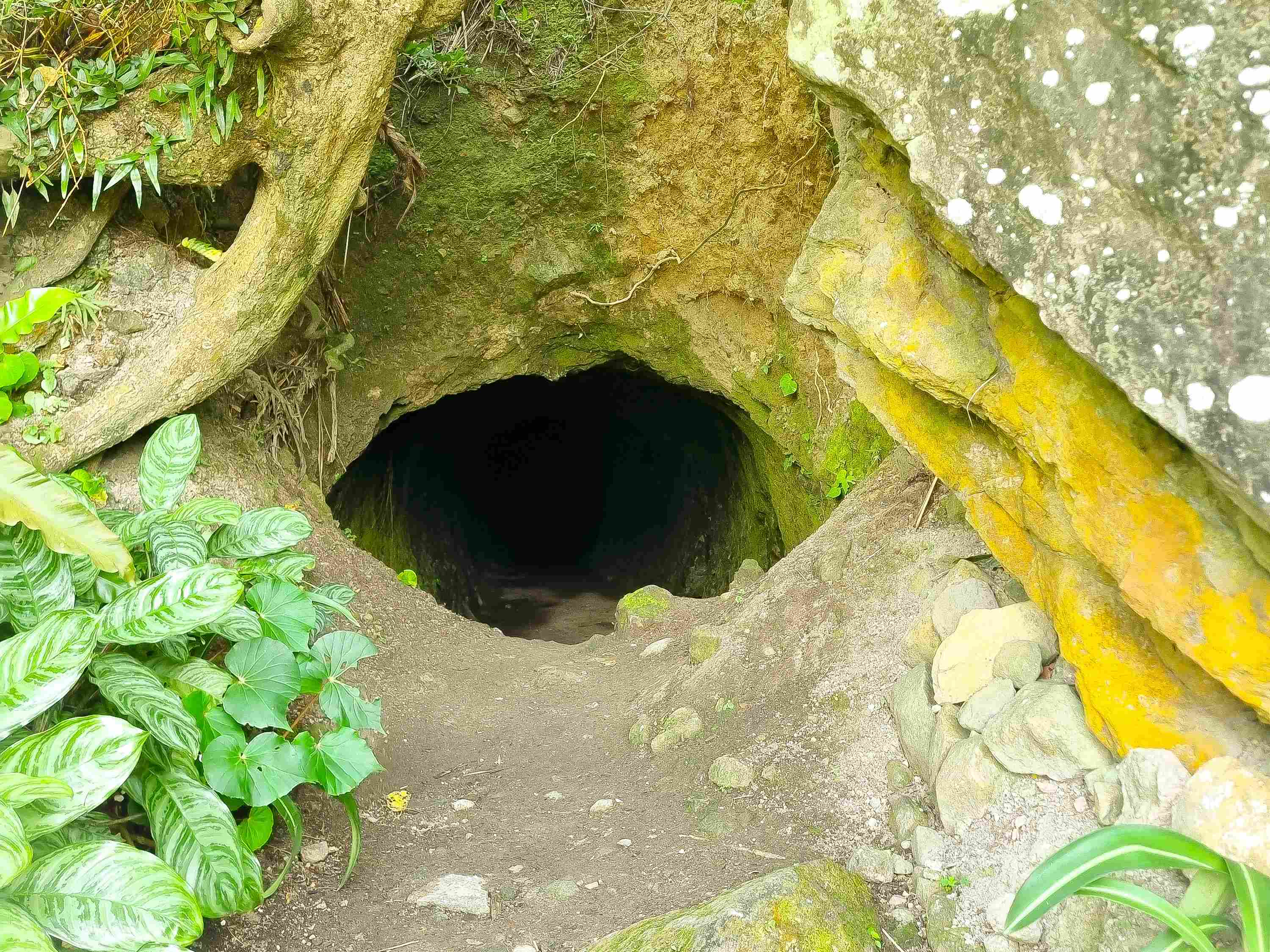
The entrance to the tunnel required some serious ducking and bending.
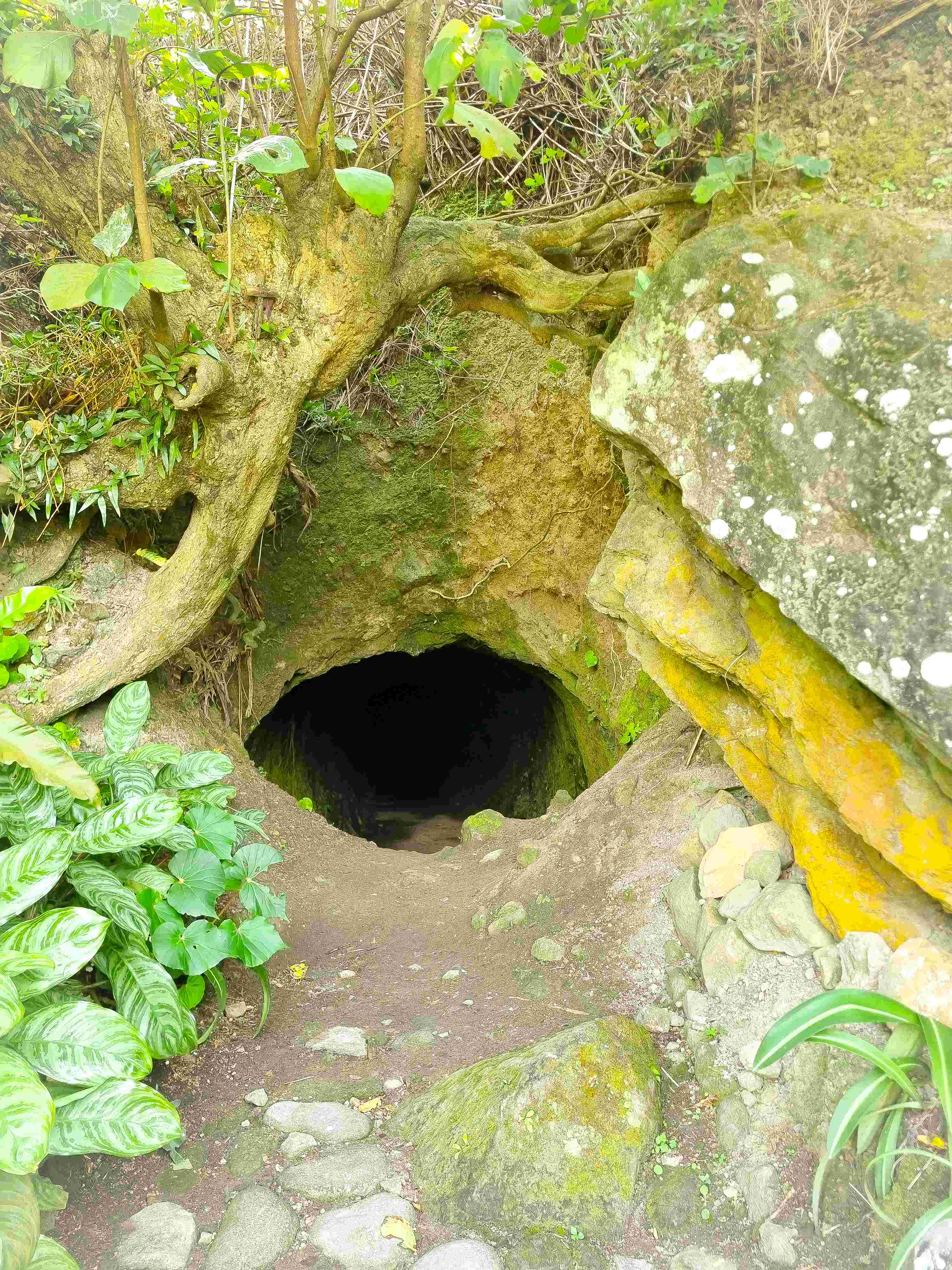
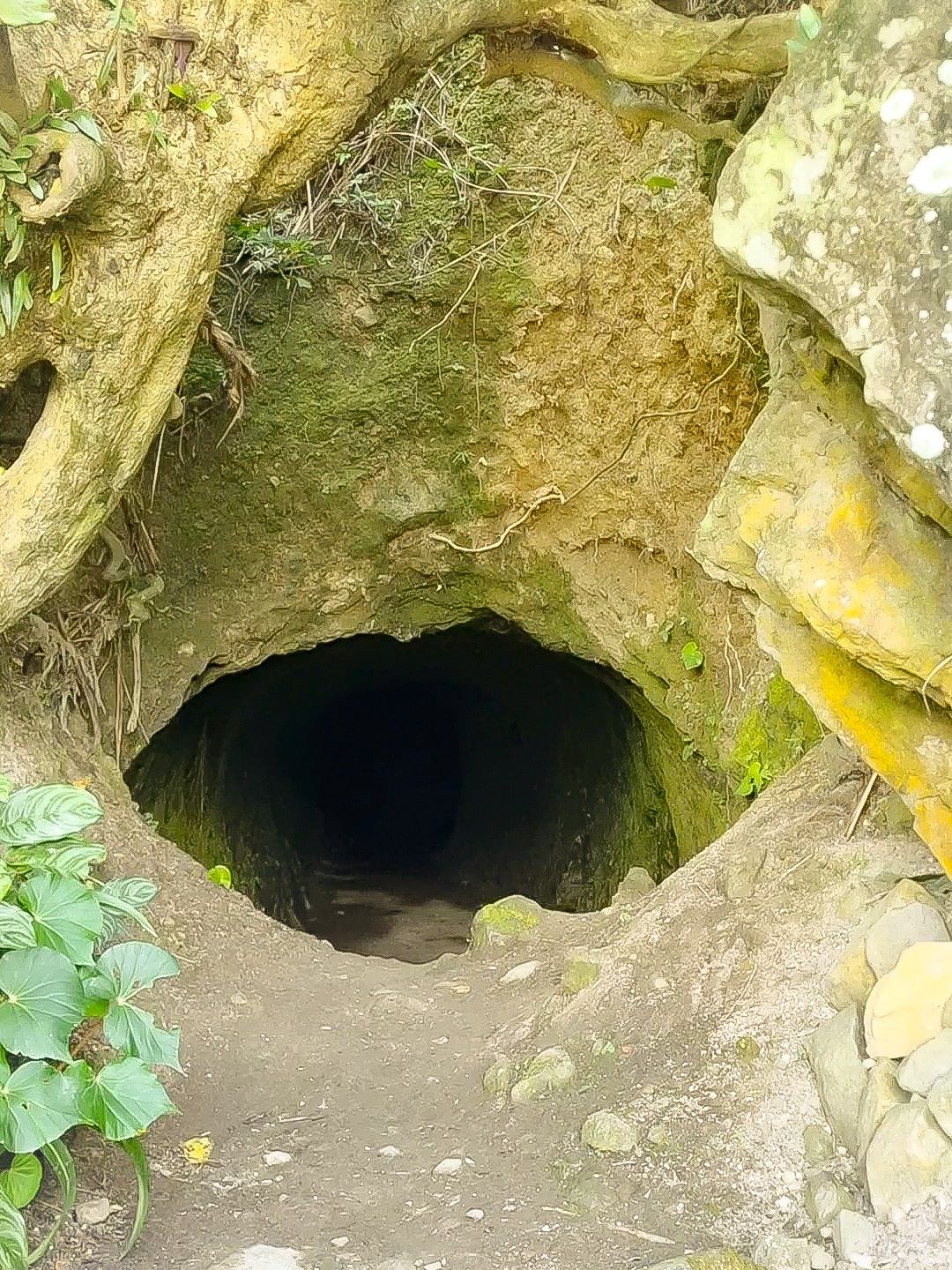
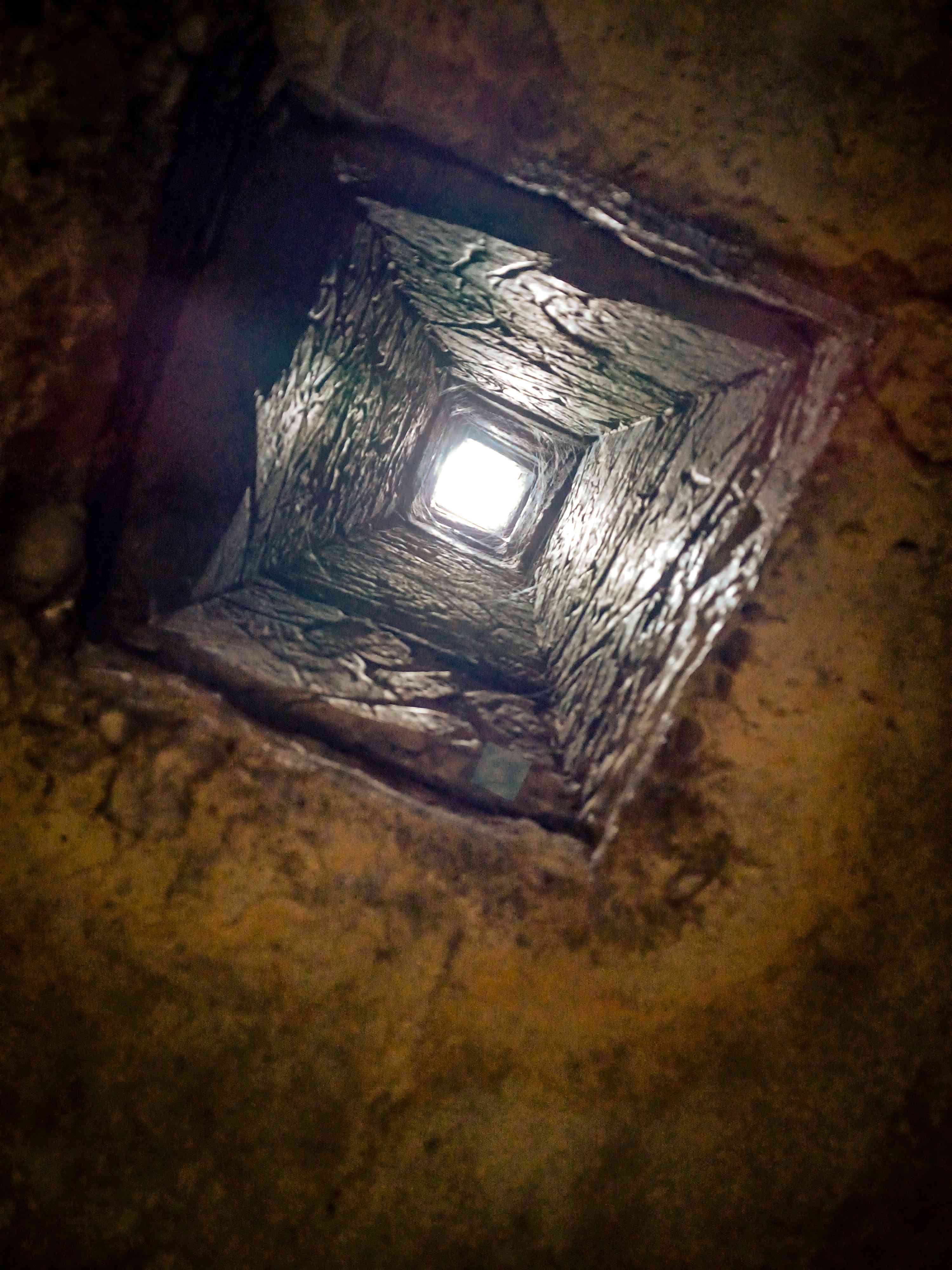
Inside, it required some serious guiding and lighting as there was total darkness. Save for Kuya Joaquin’s flash light, we would have seen nothing inside. The darkness does not only cloak the place with some sense of mystery; it also retells the poignant reason why the tunnels were built.
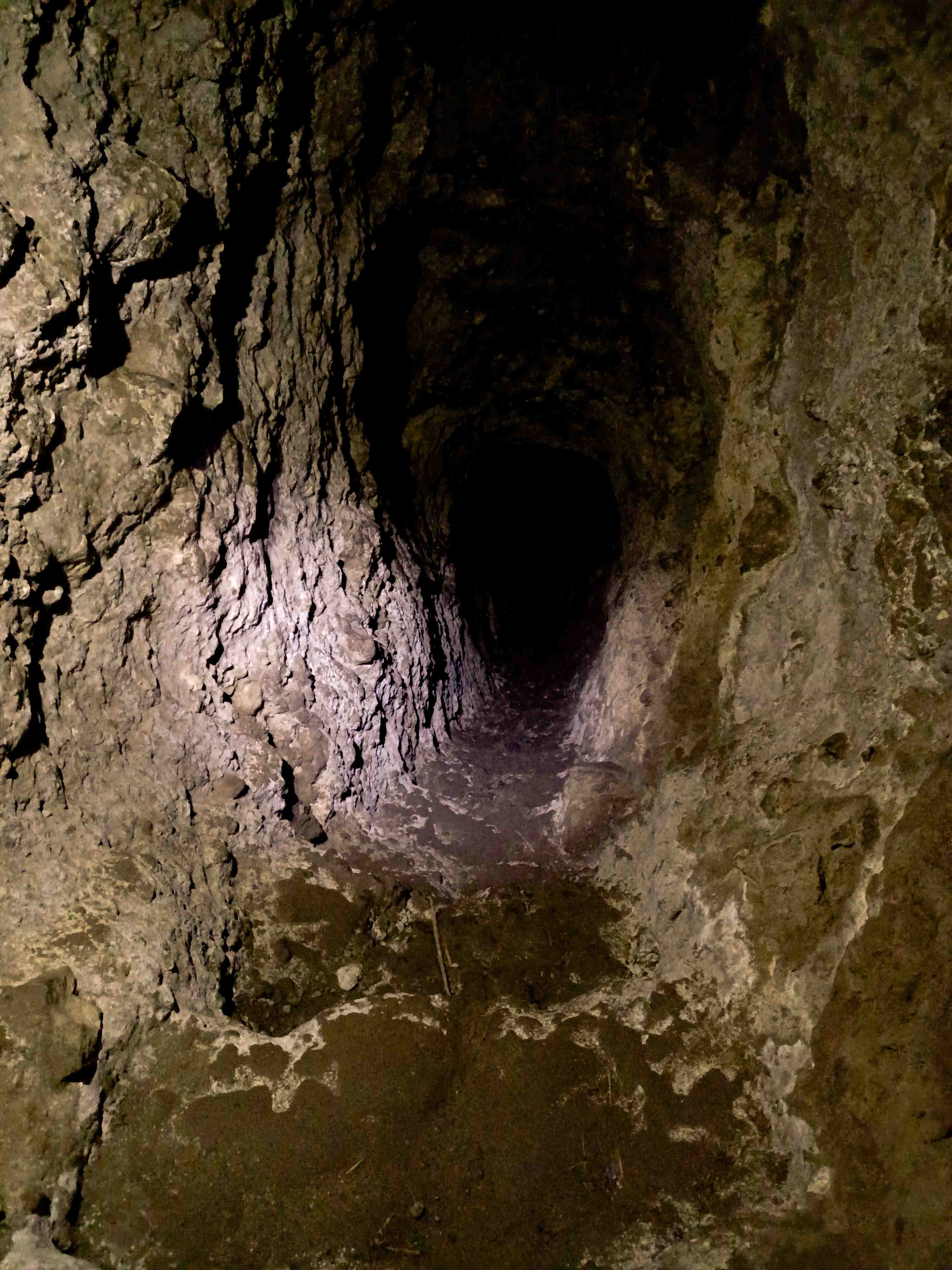
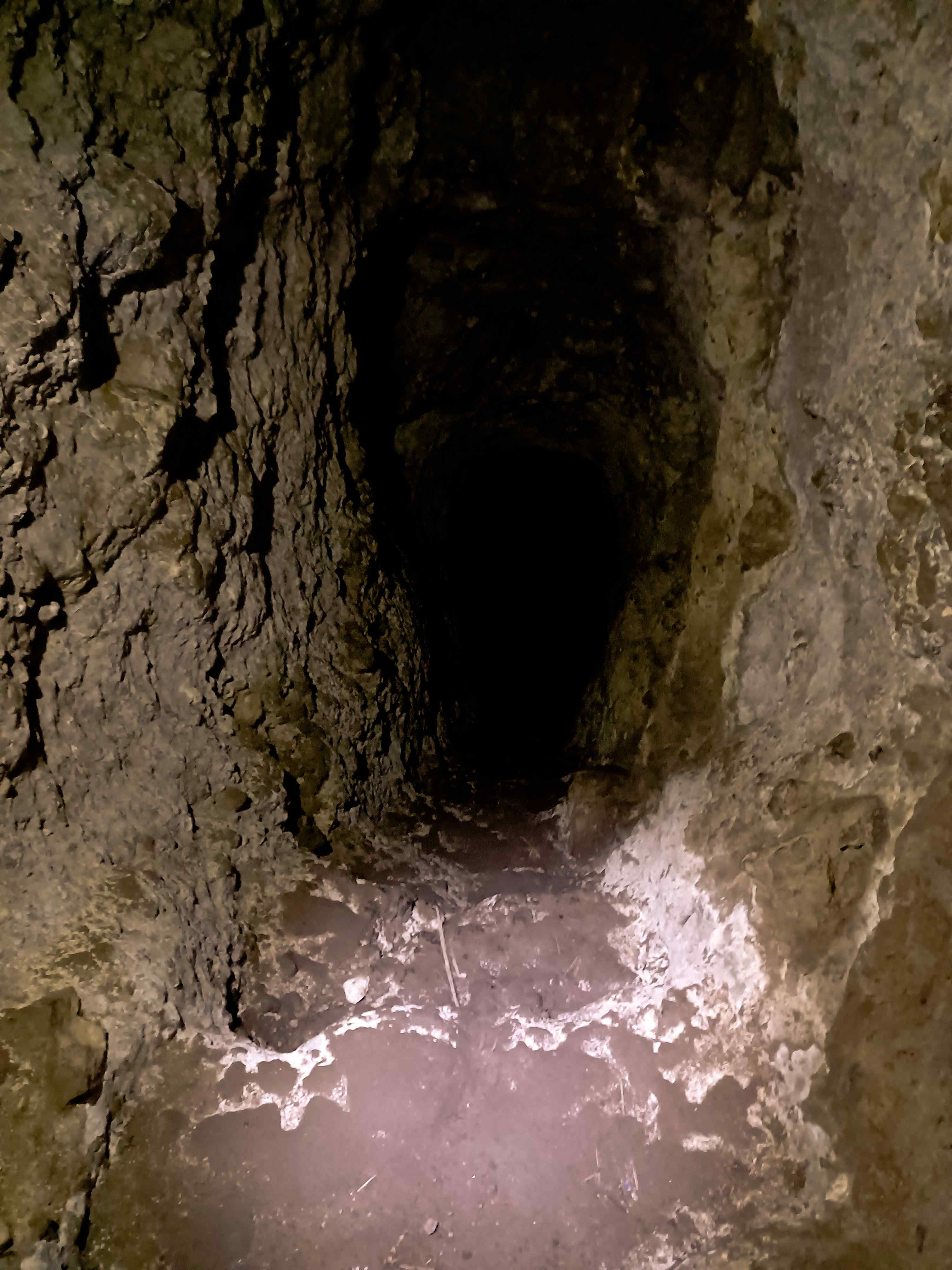
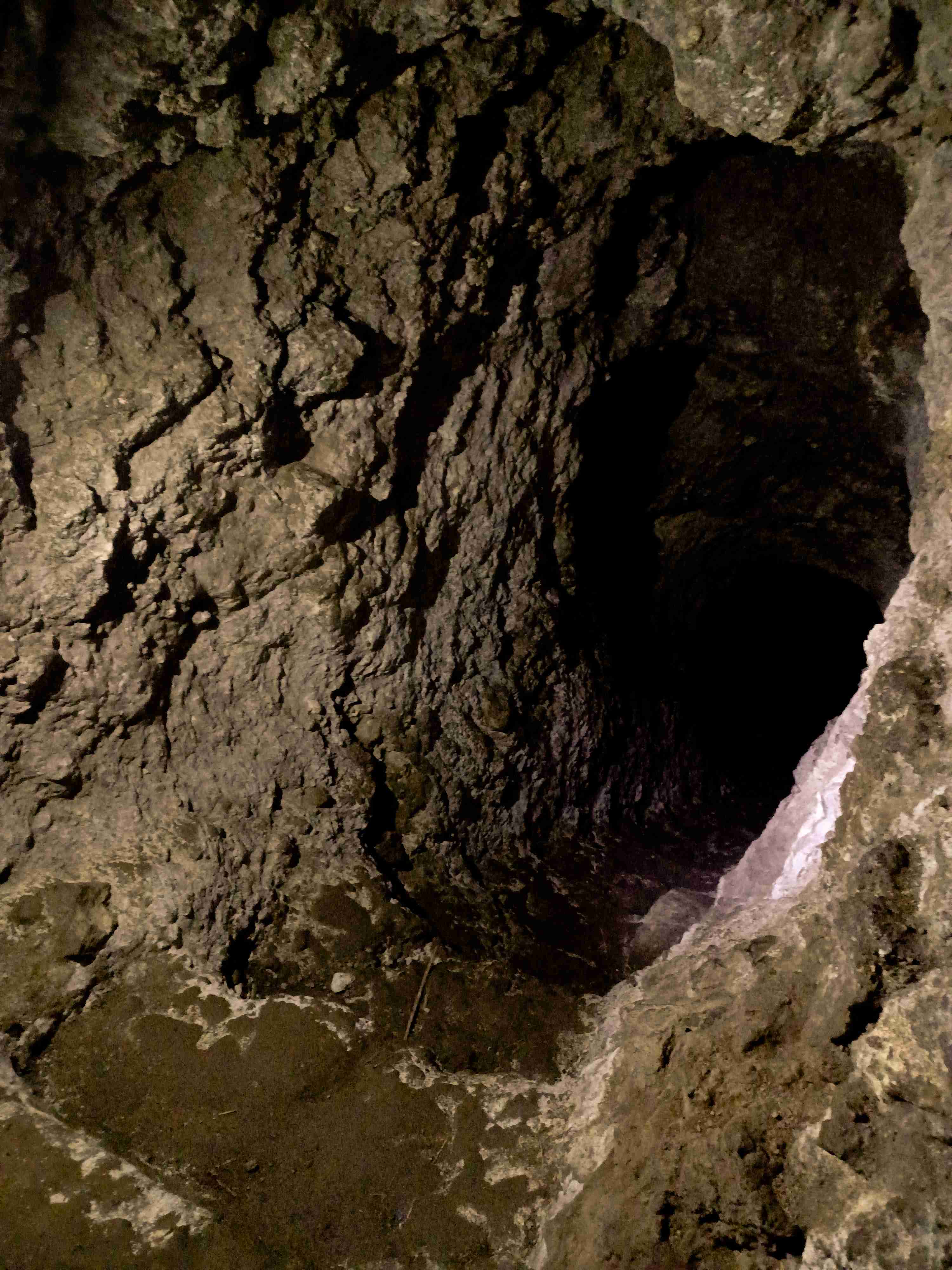
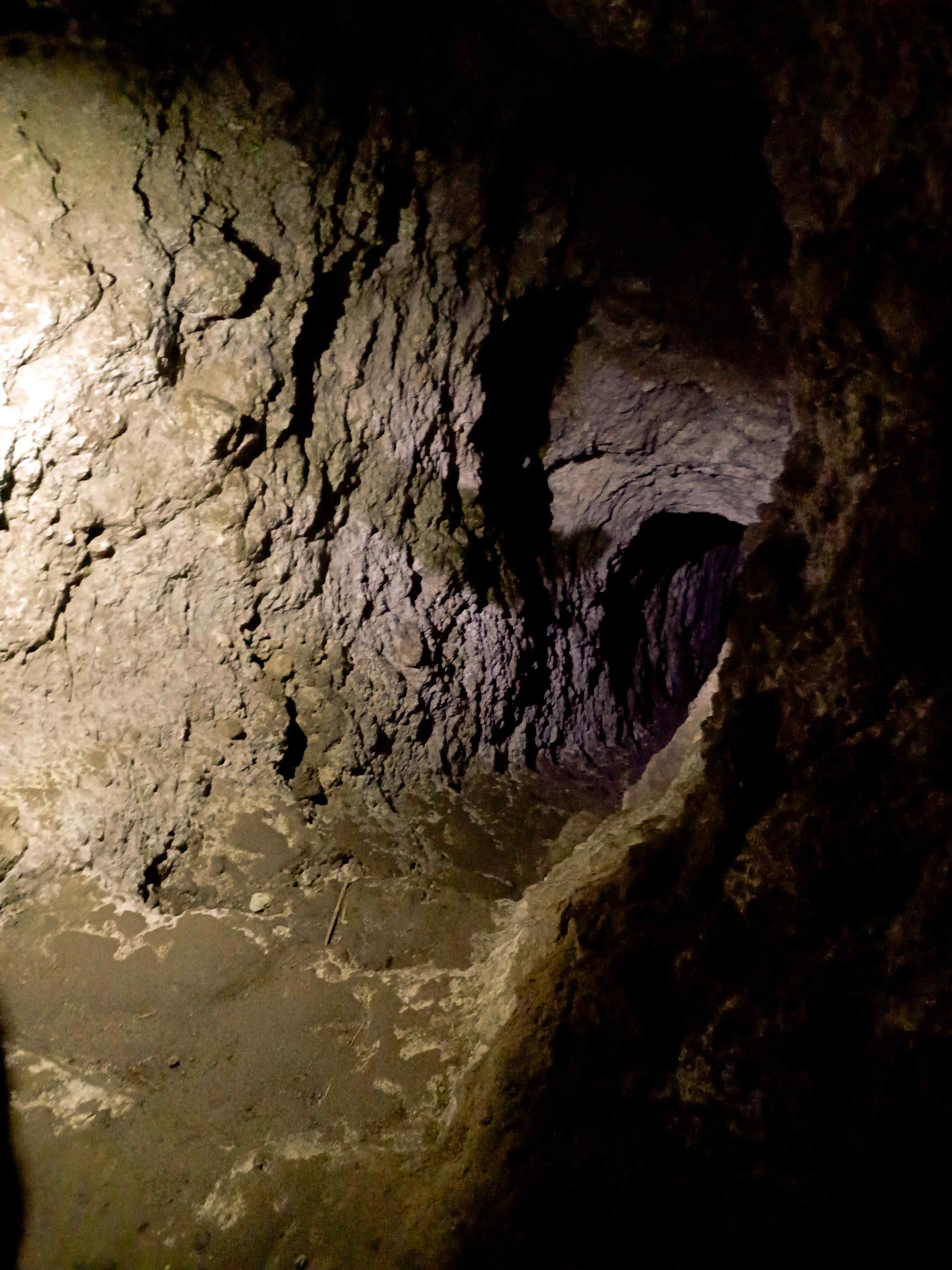
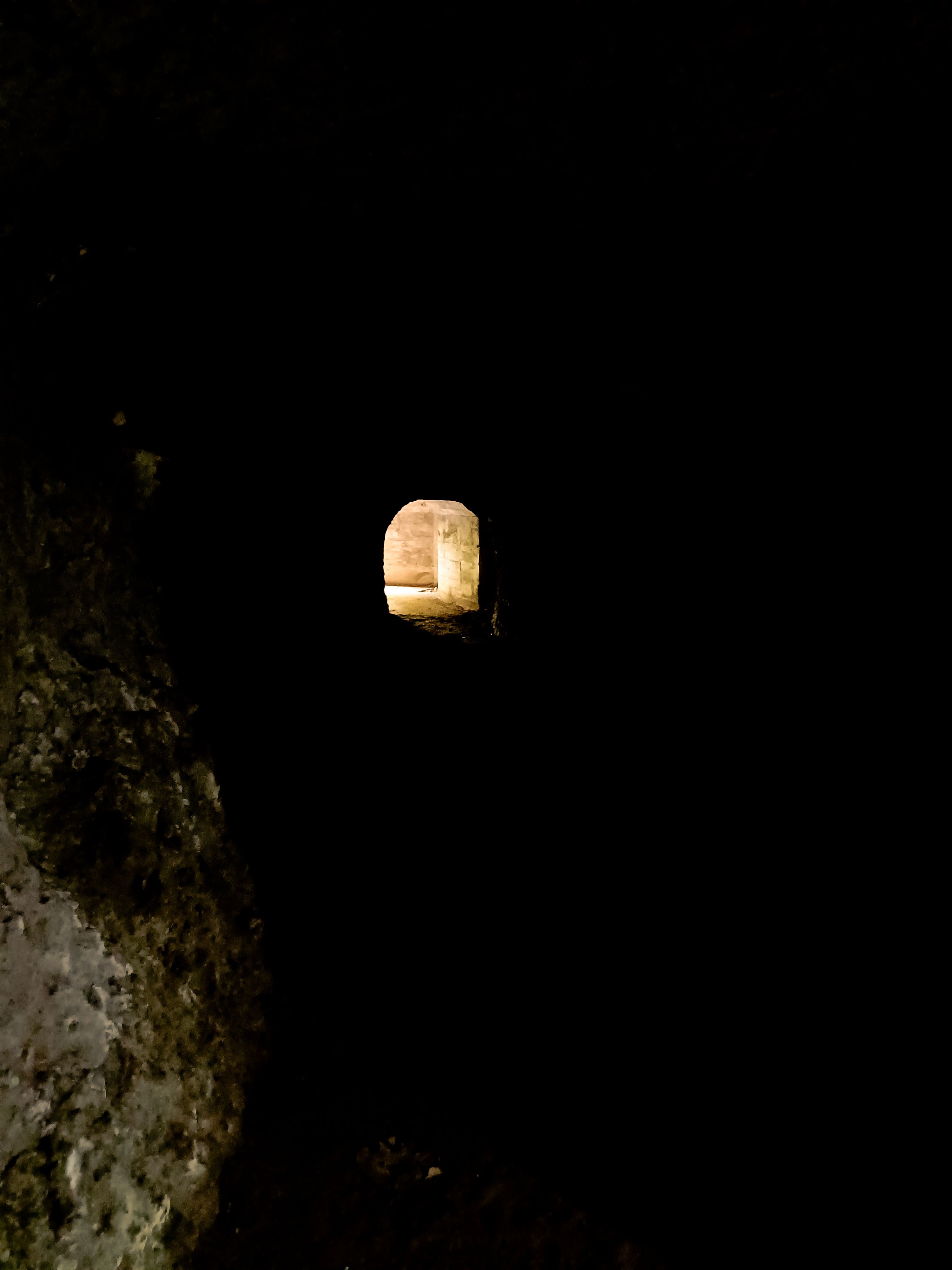
Dark as it was in the tunnel, our trusty guide and photographer Kuya Joaquin still managed to take our photos. Medyo mahirap lang talaga gumawa ng pose kung hindi mo alam kung saan ka titingin.
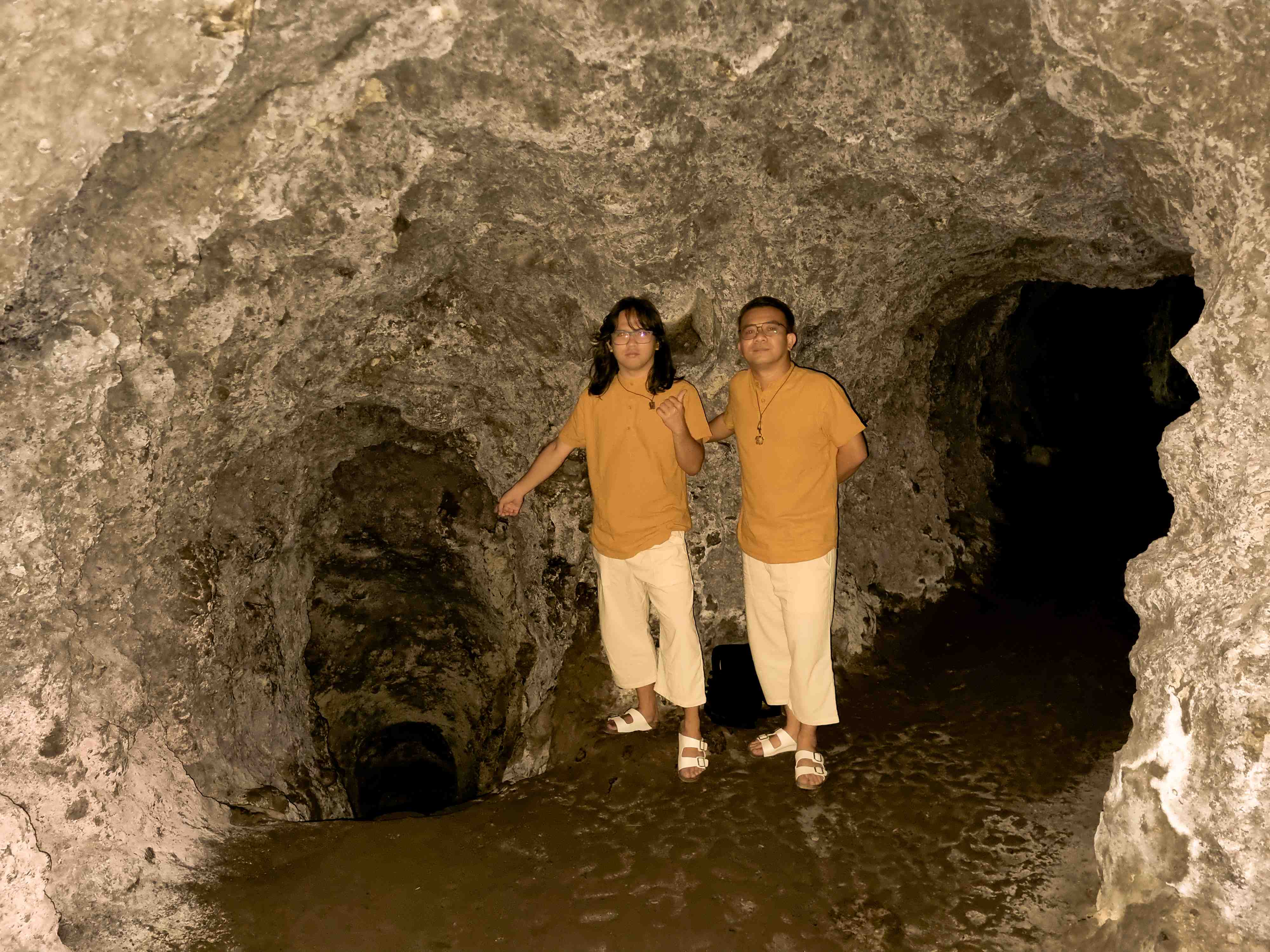
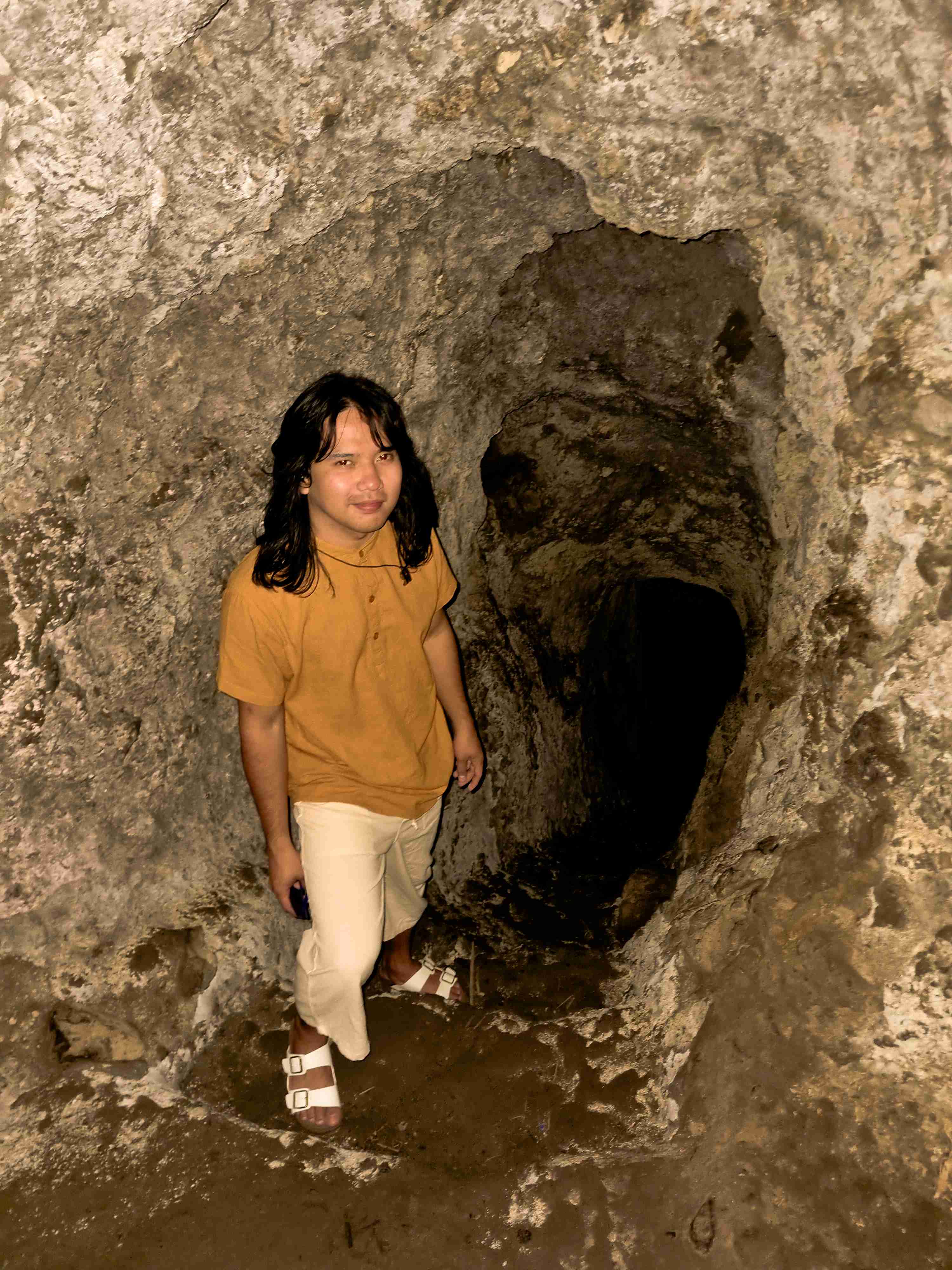
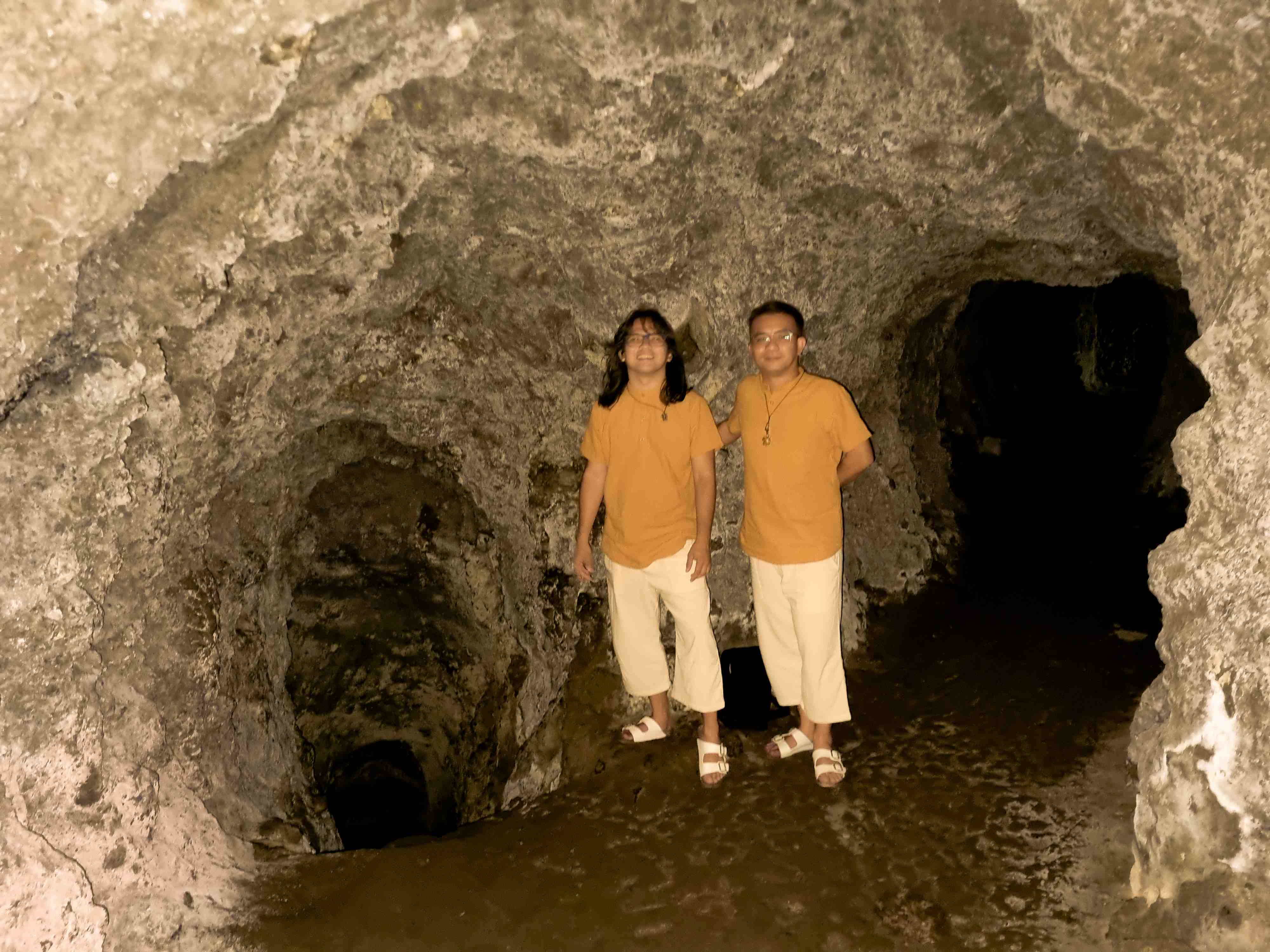
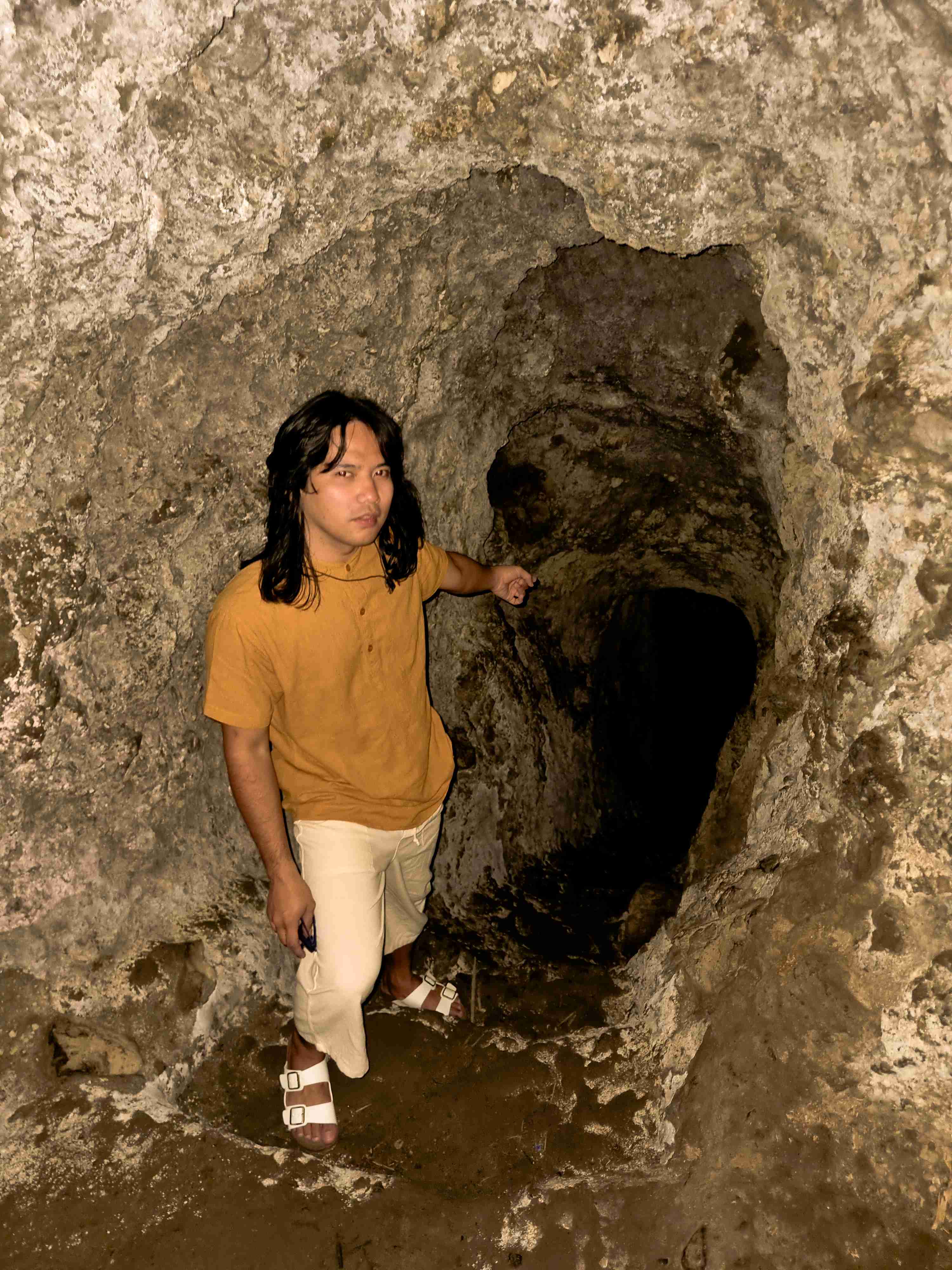
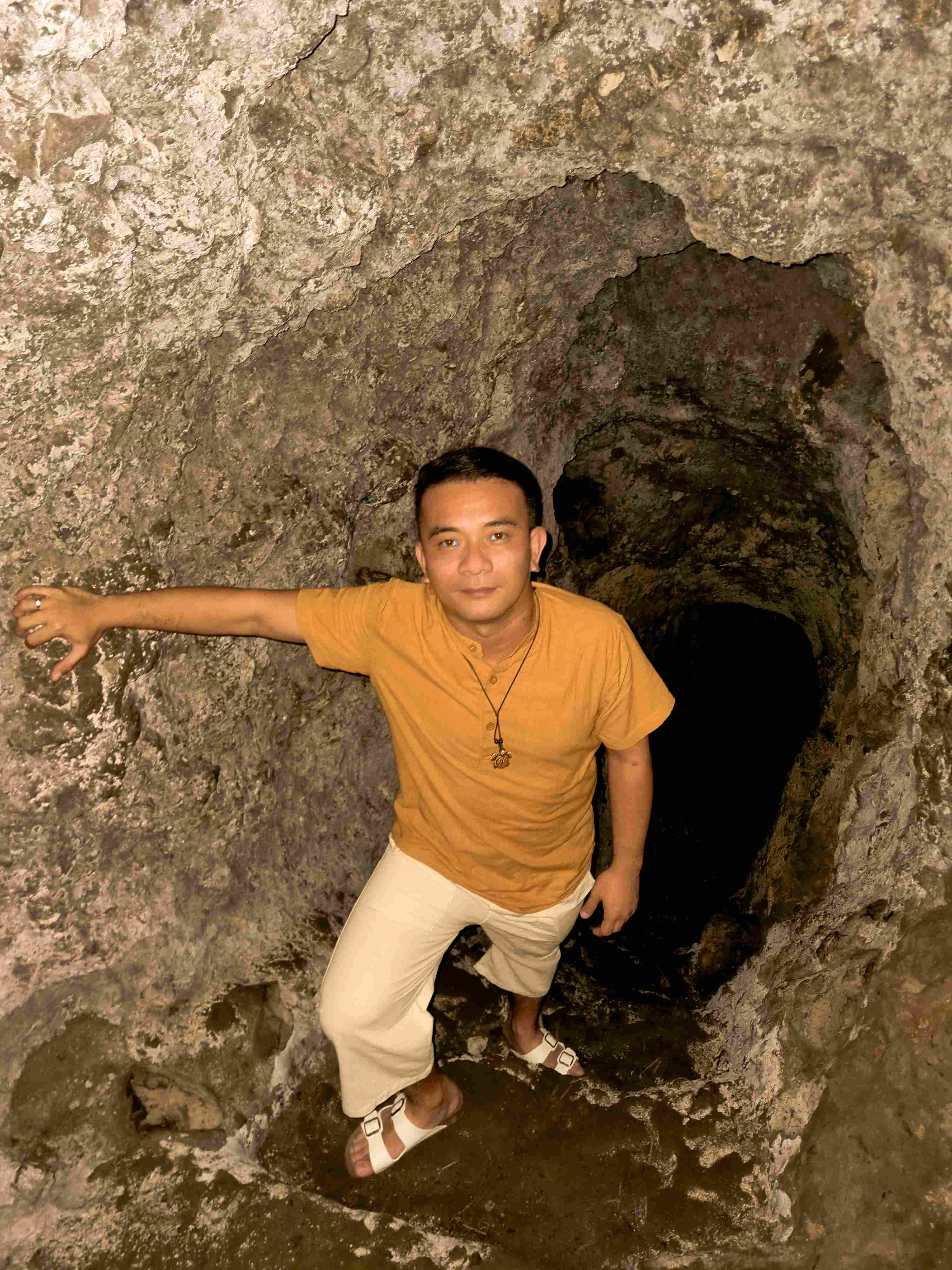
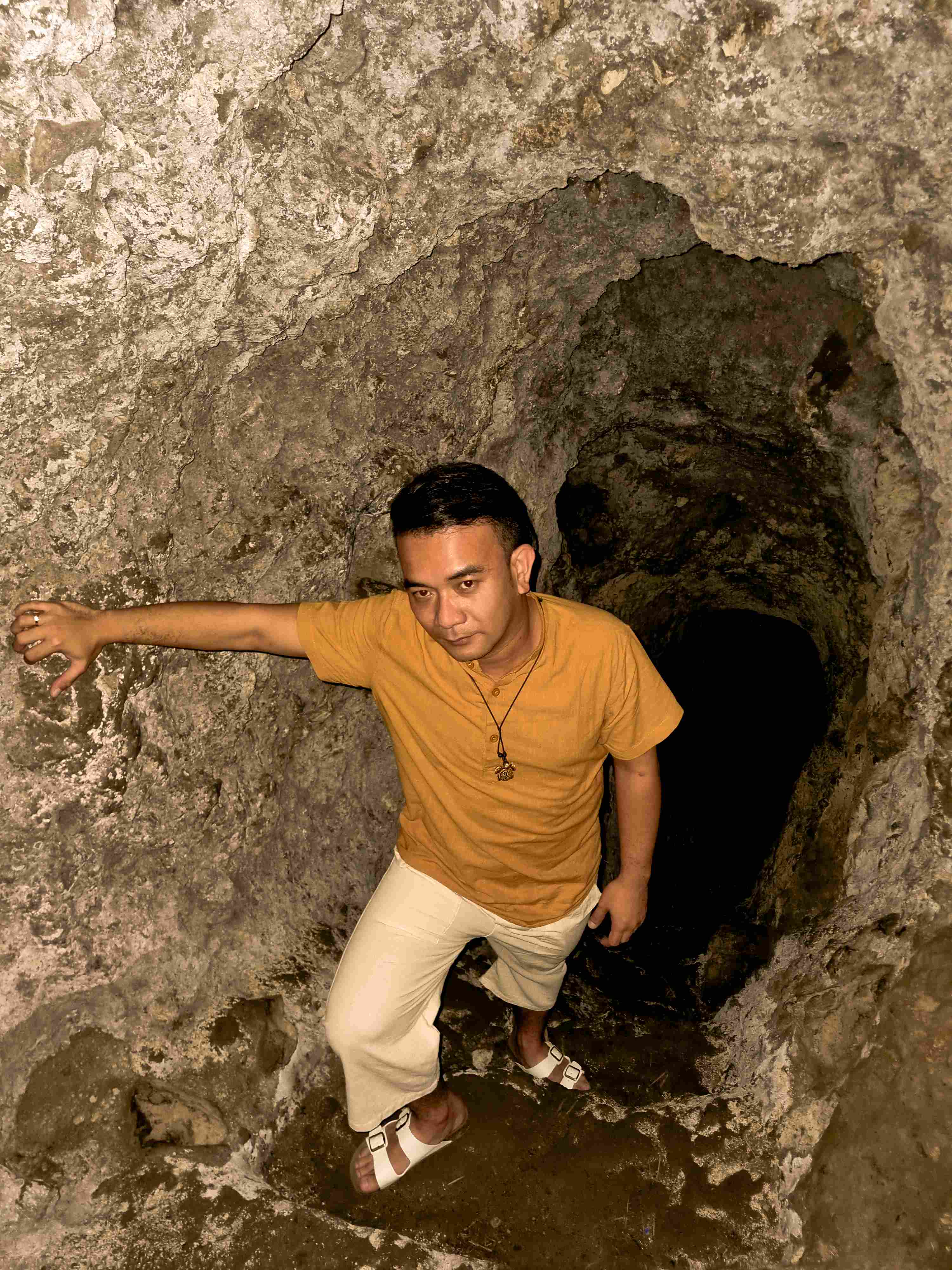
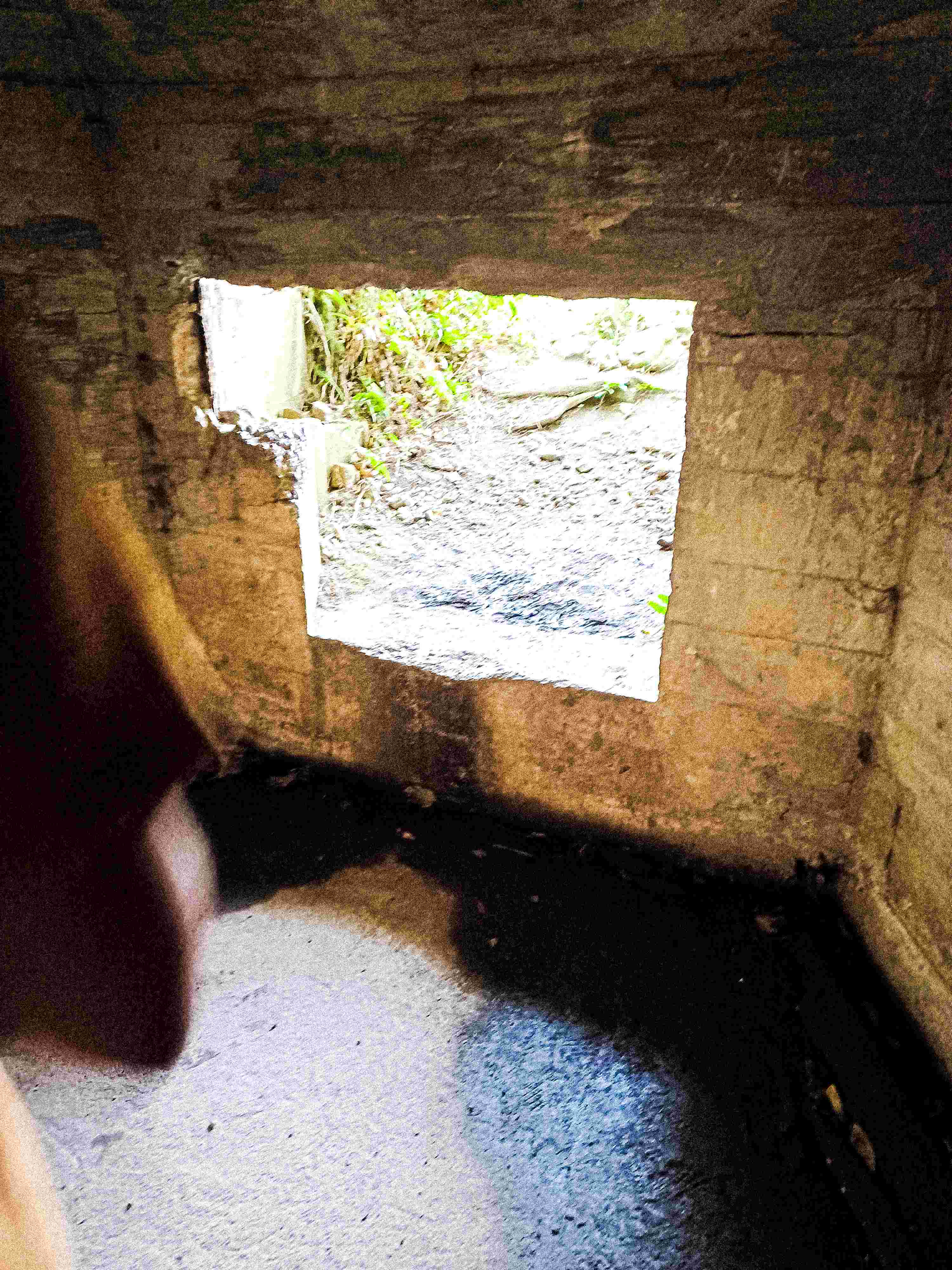
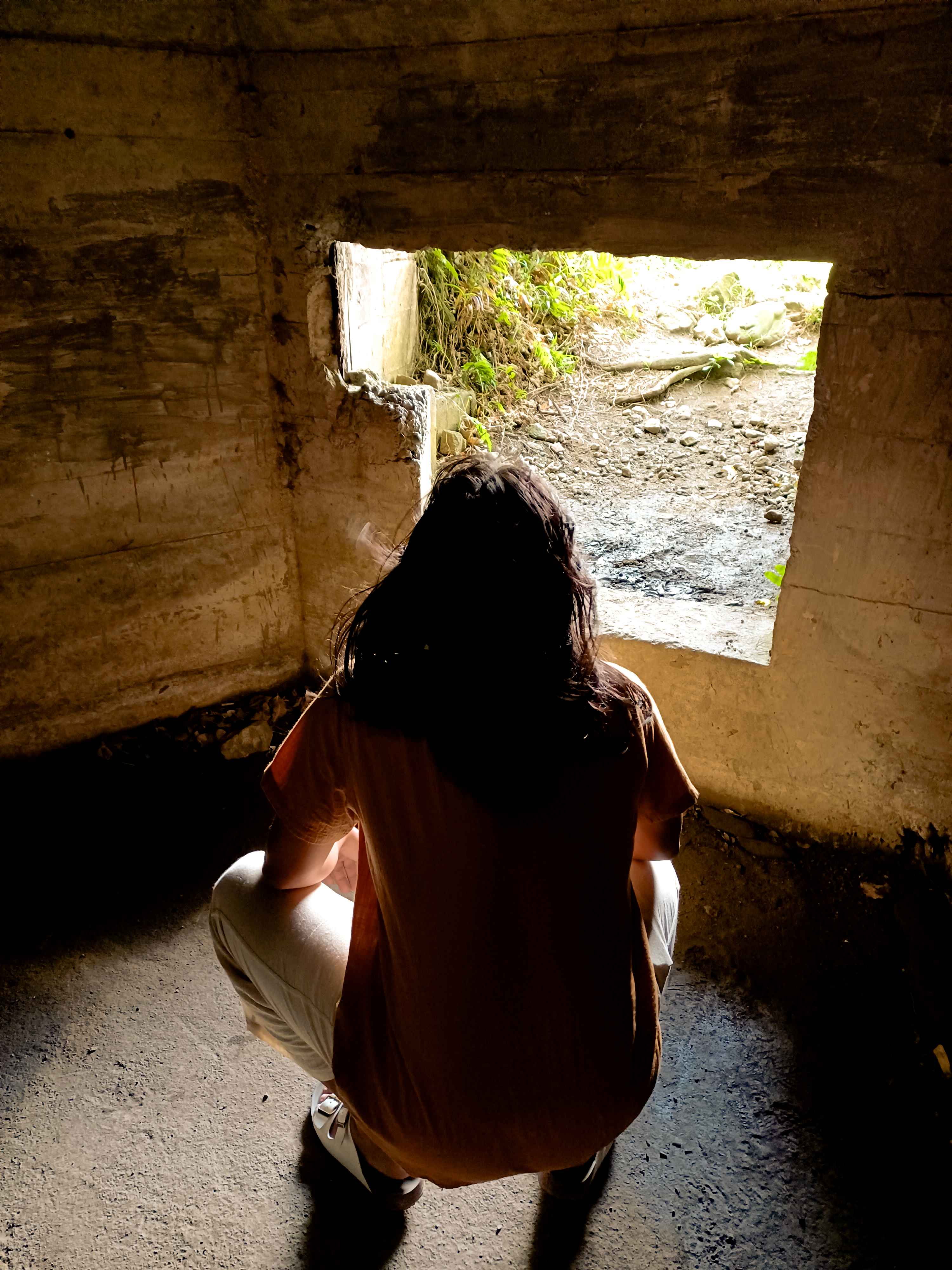
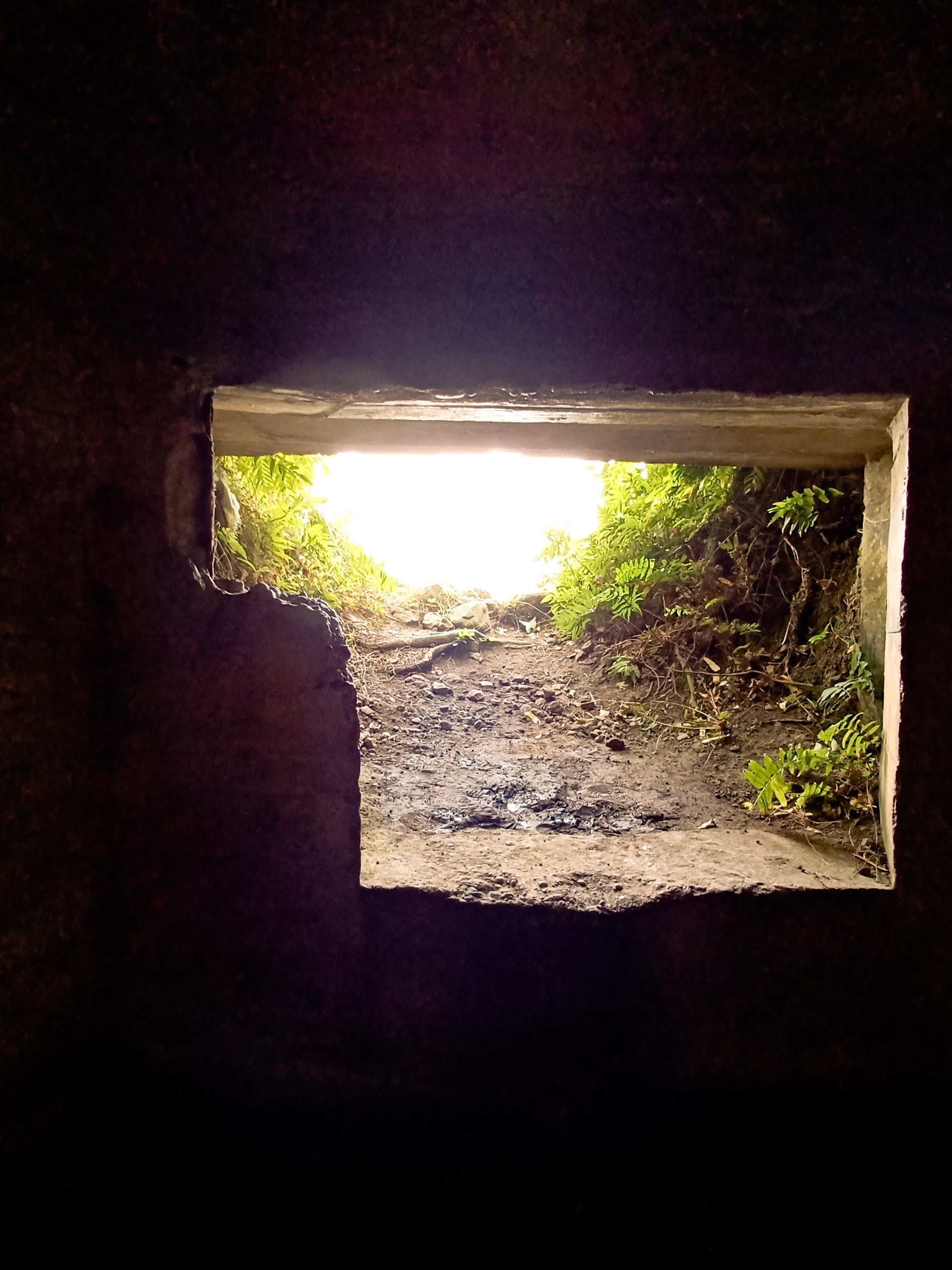
After a while more in the dark, we reached the end of the tunnel where natural light from the outside seeps through.
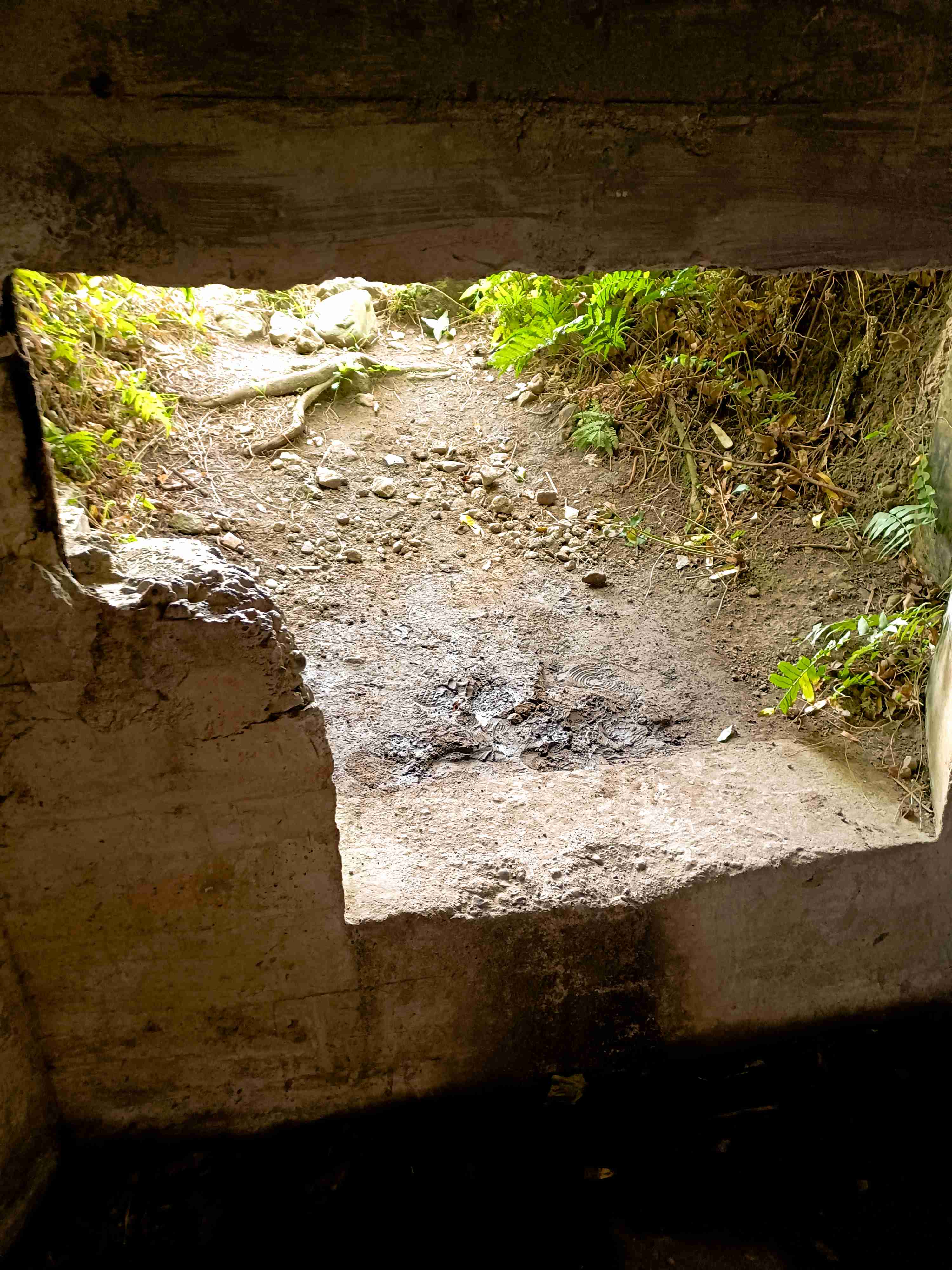
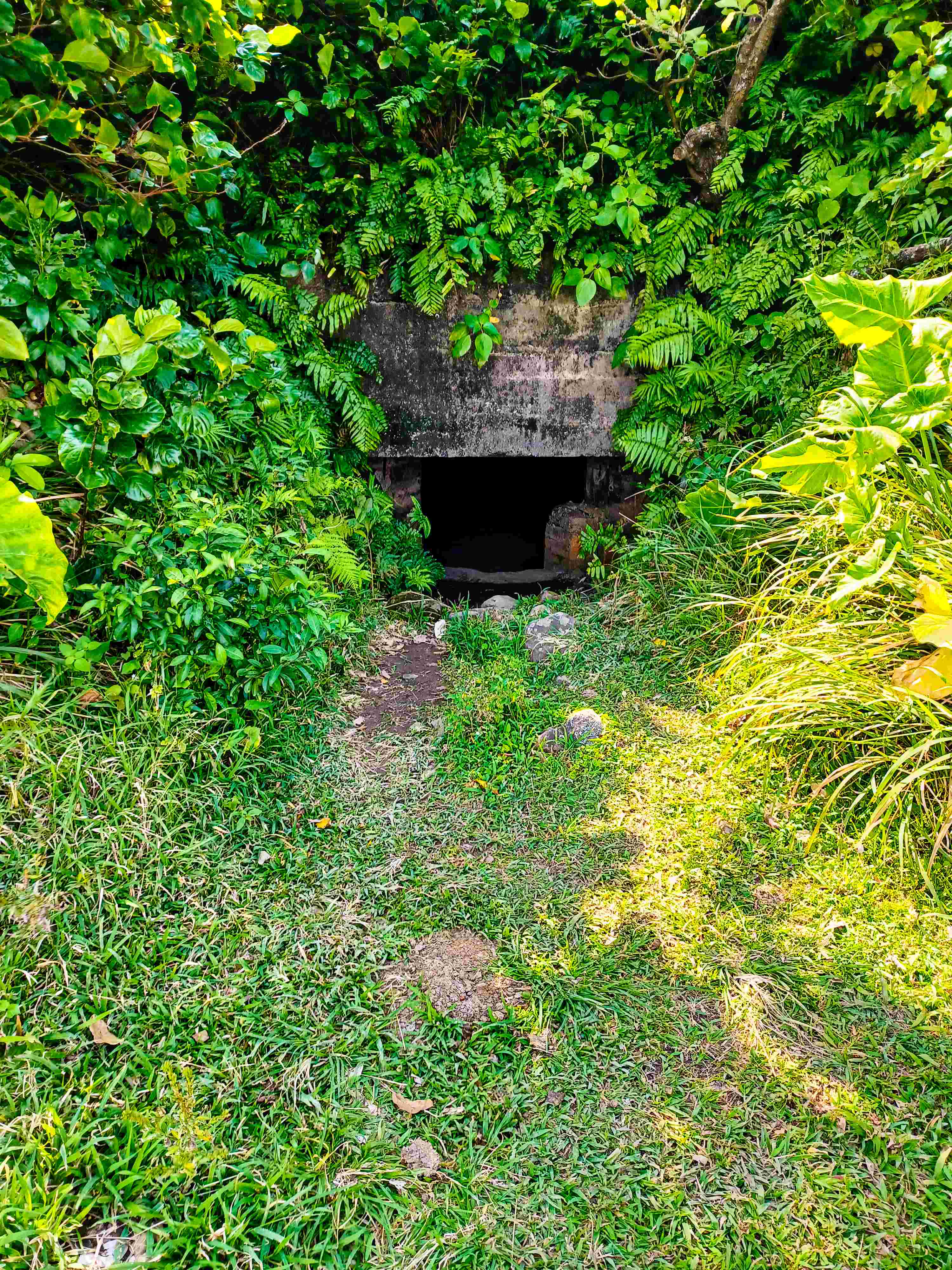
When we went off the tunnel, we thought that it was pretty much it and that we would move to our next destination. We we were wrong. Turned out that Kuya Bhong and Kuya Joaquin had more for us. Though the tunnel was constructed underground, it was actually built on a hill. Our guides hence took us for a quick walk atop the hill where the tunnel stands beneath.
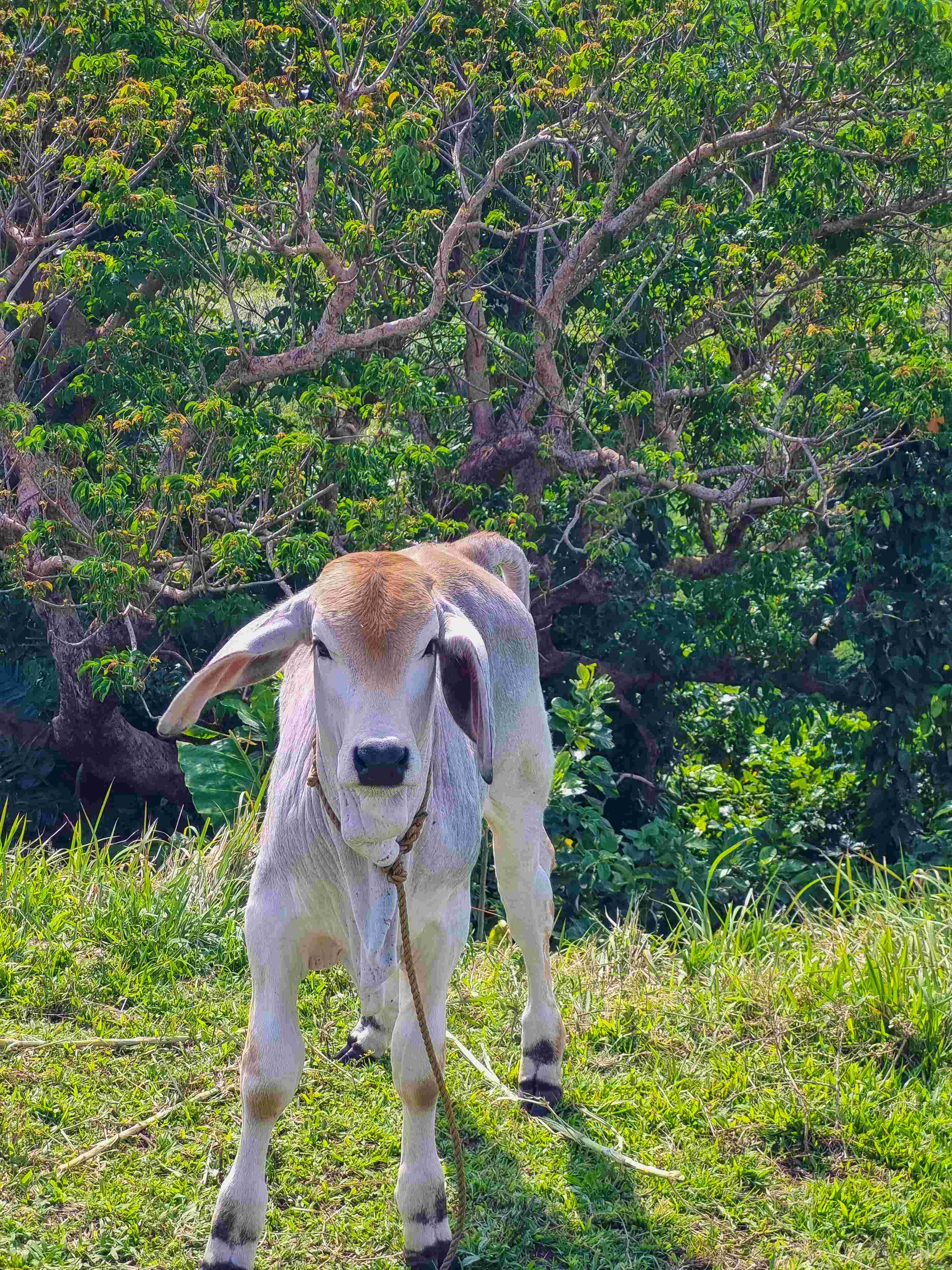
Typically as it is in Batanes, an awe-striking view was awaiting for us atop the hill. We were also welcomed by an iconic animal in Batanes: the cattle. It is such an important export for the province that it appears both on the official seal of the Provincial Government of Batanes and the coat of arms of the Roman Catholic Territorial Prelature of Batanes.
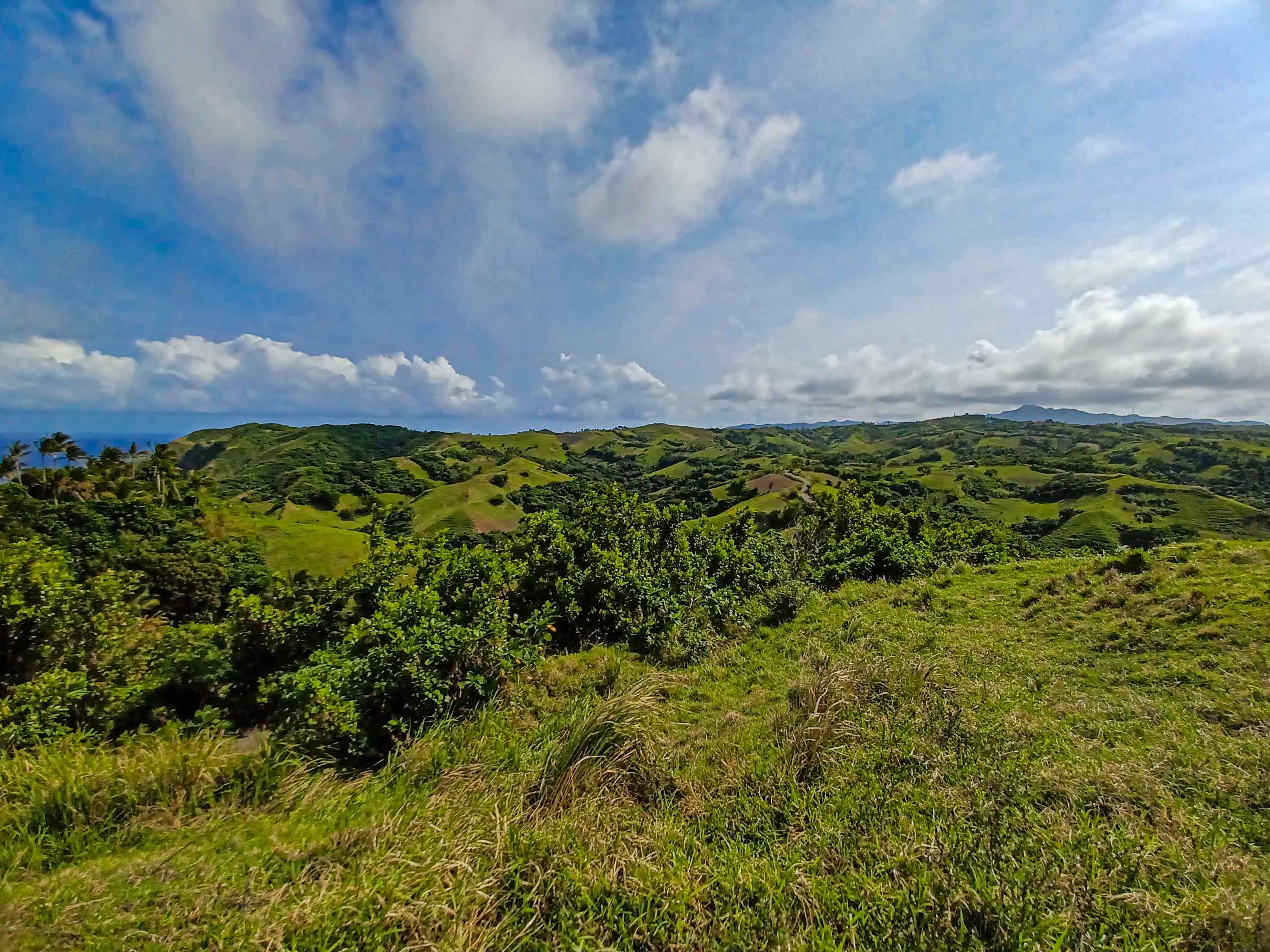
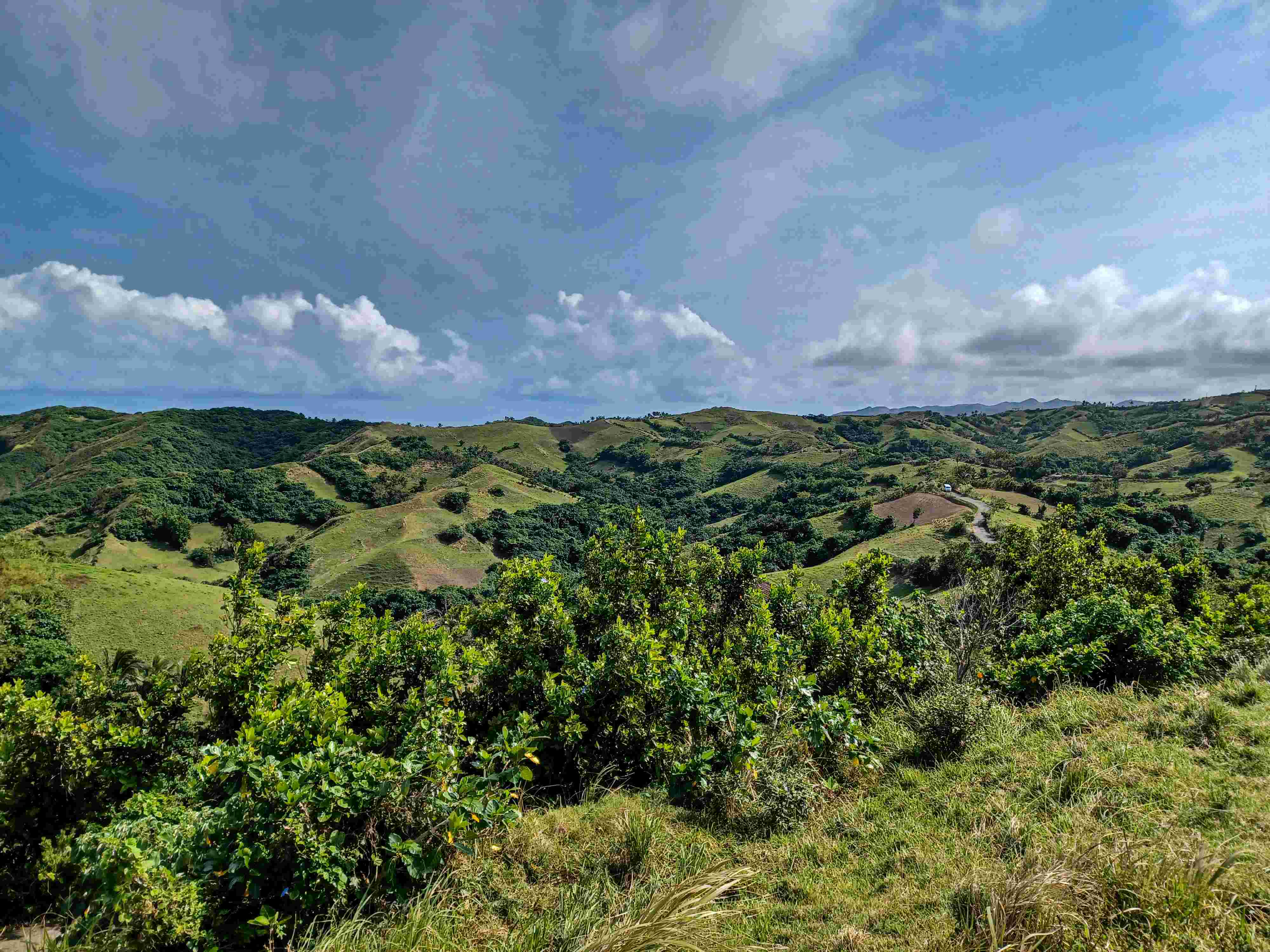
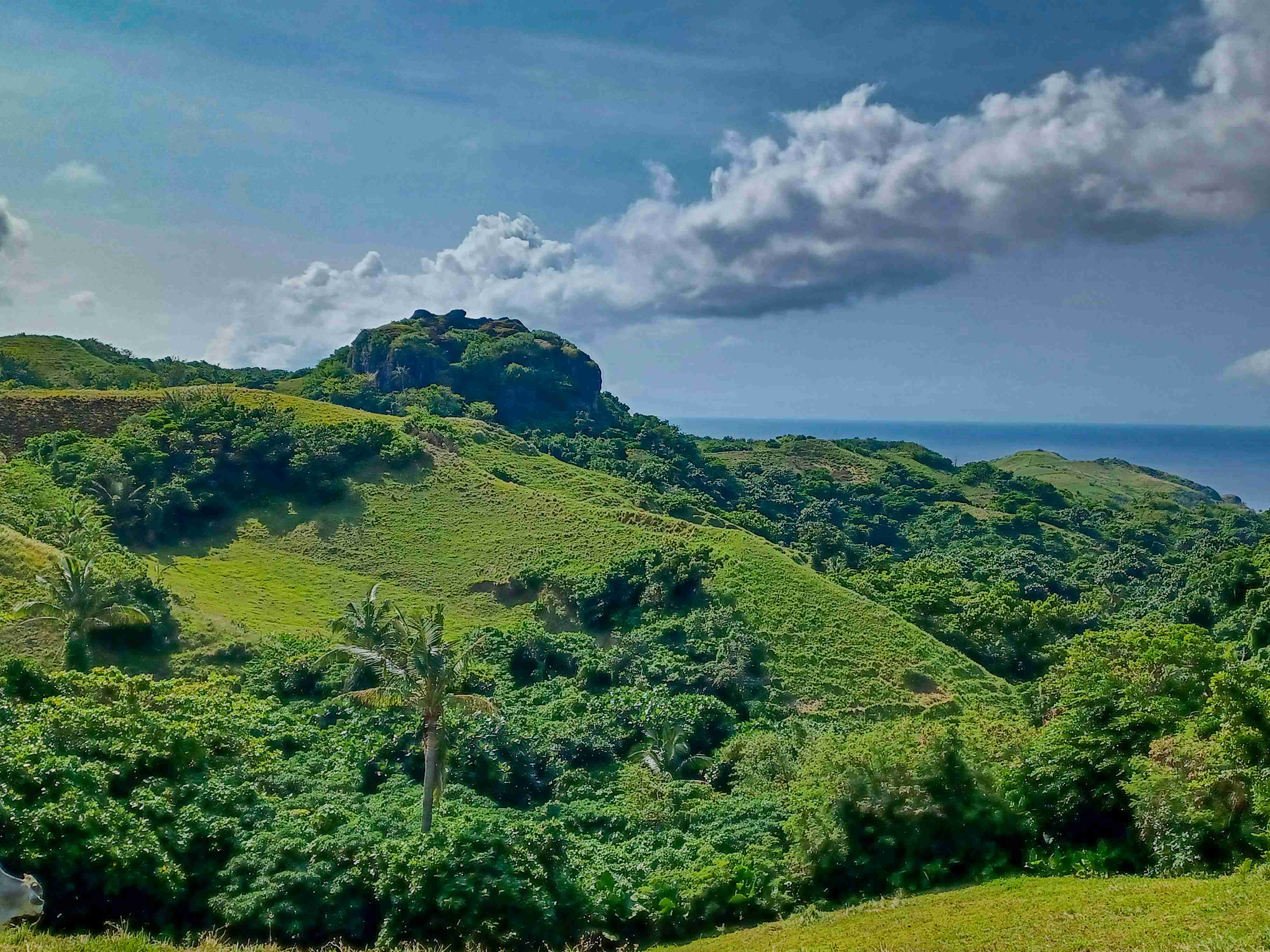
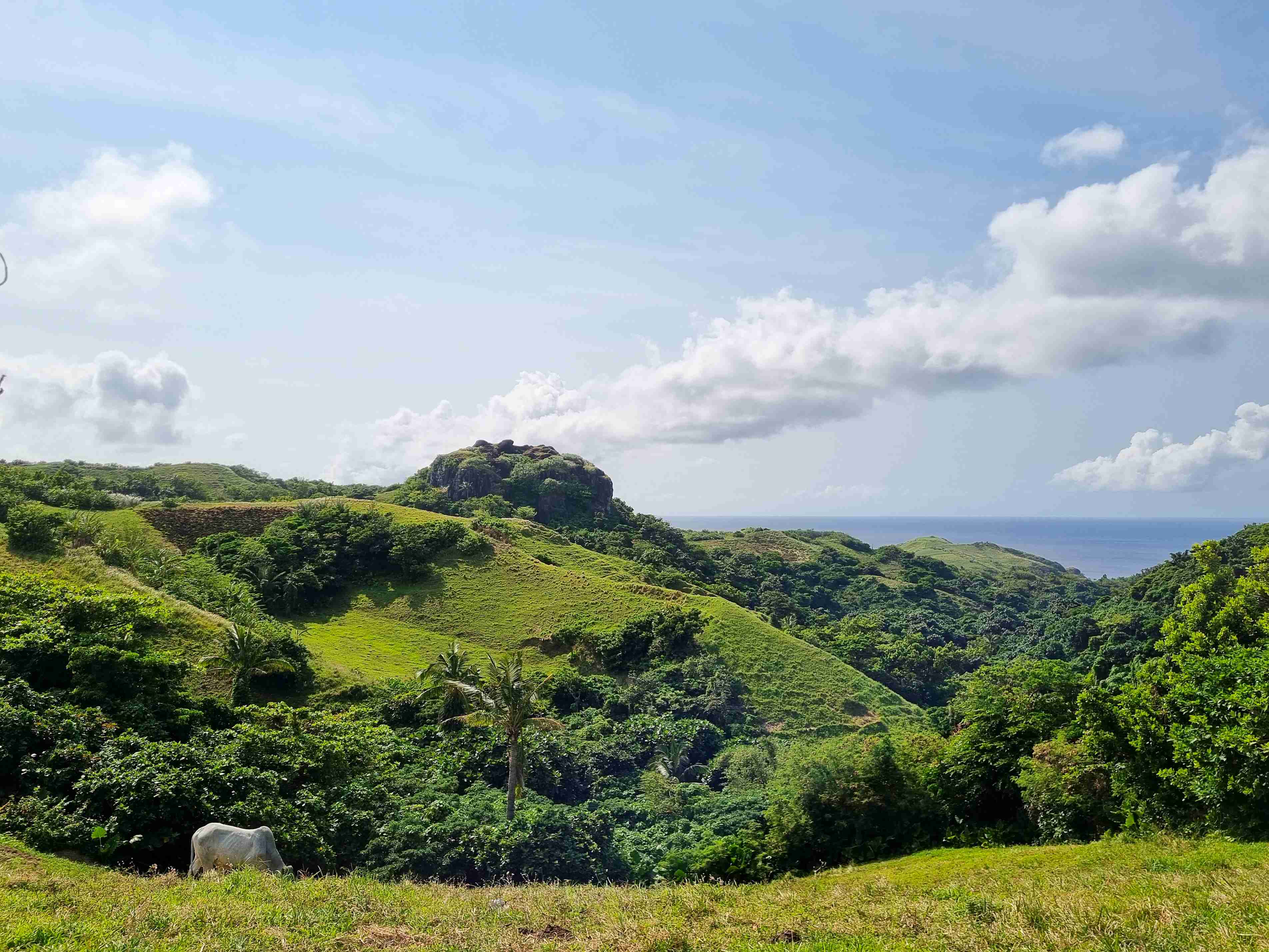
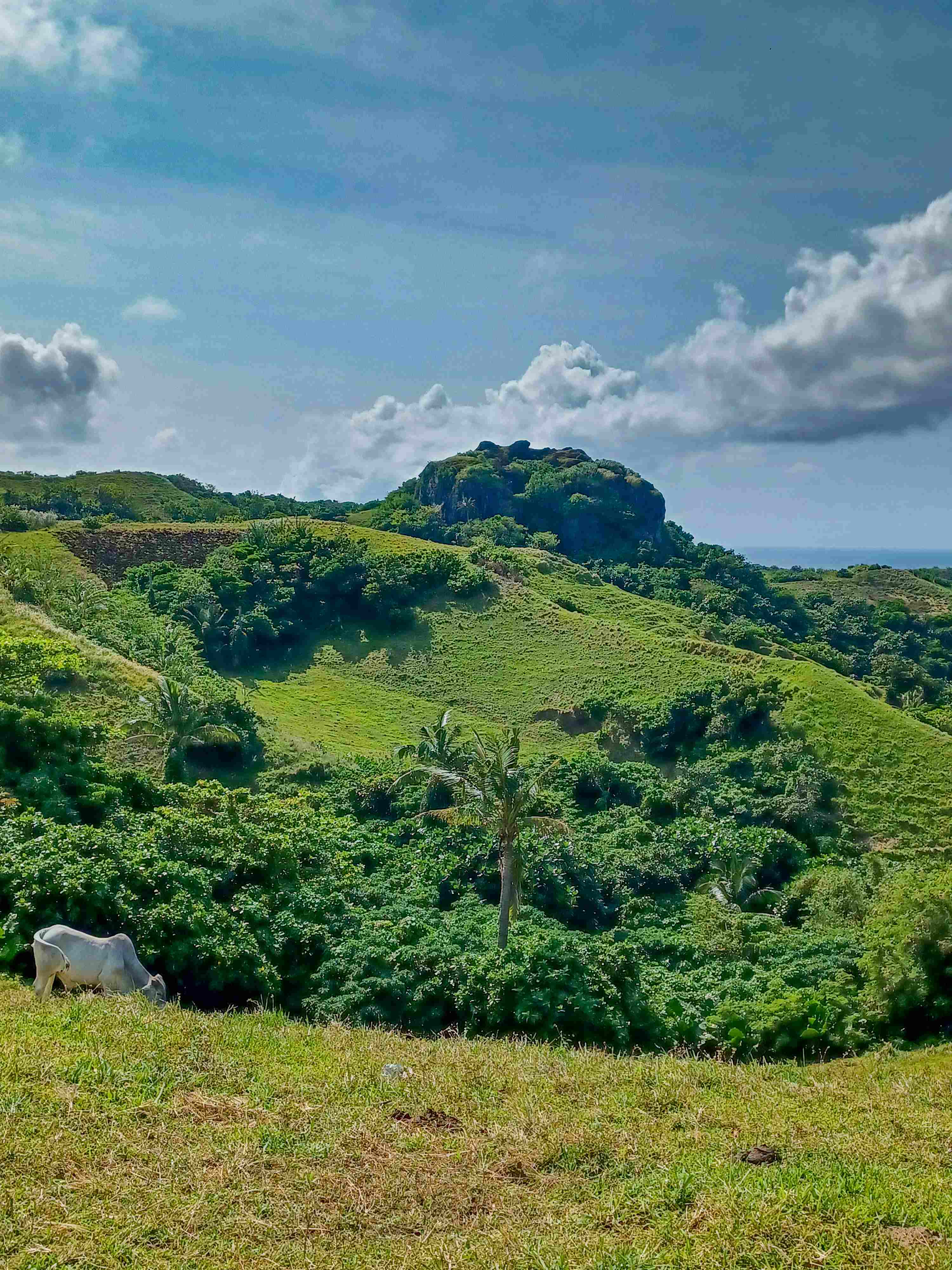
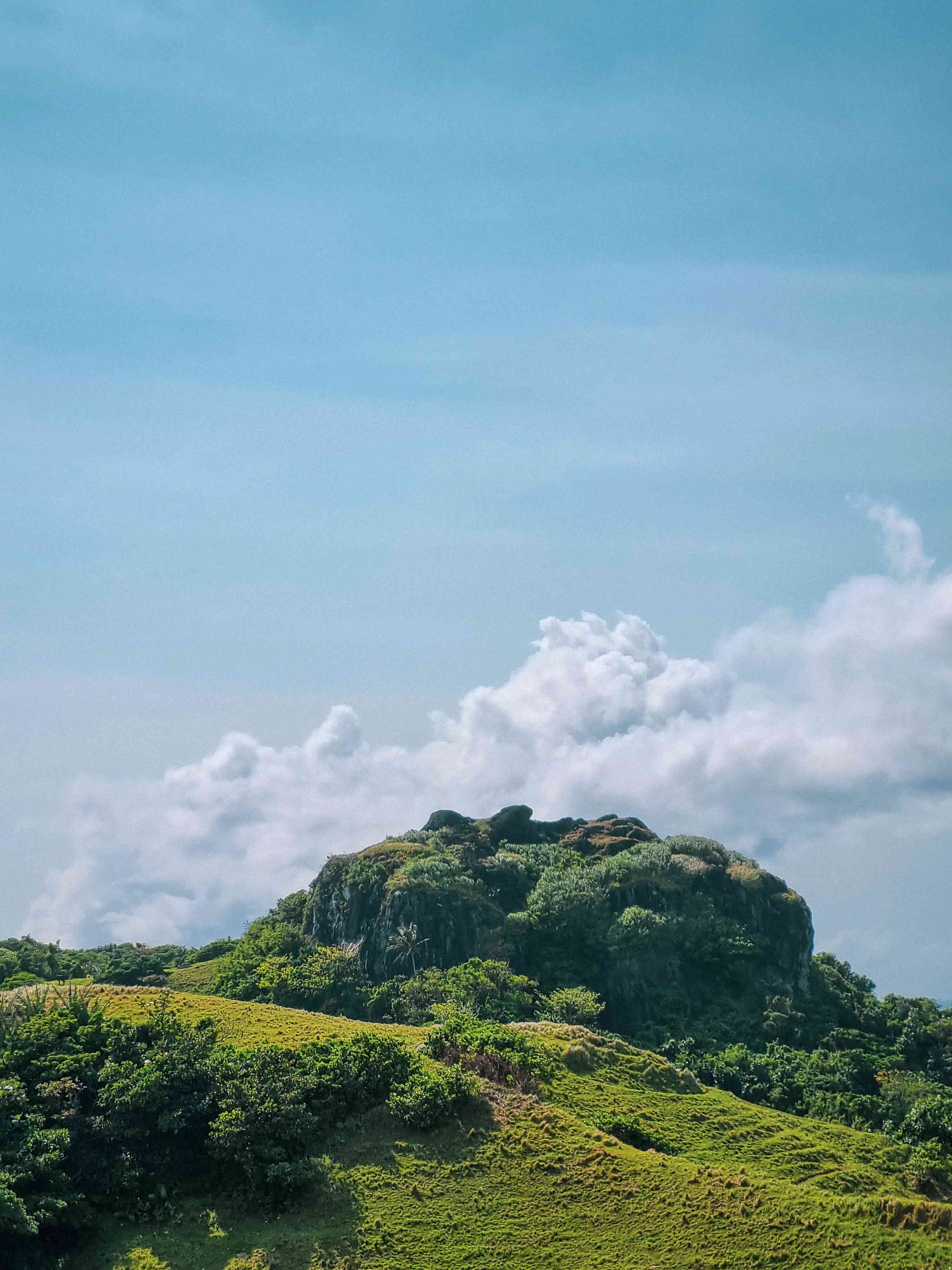
While appreciating the view from the top of the hill, there was that imposing mountain that we cannot help but notice as it was ubiquitous wherever we went, as if watching over the islands. We were then told that it was actually Mt. Iraya, a dormant stratovolcano which is am important part of Ivatan mythology and culture.
Mt. Iraya did not show itself entirely though, as it was partially covered by clouds.
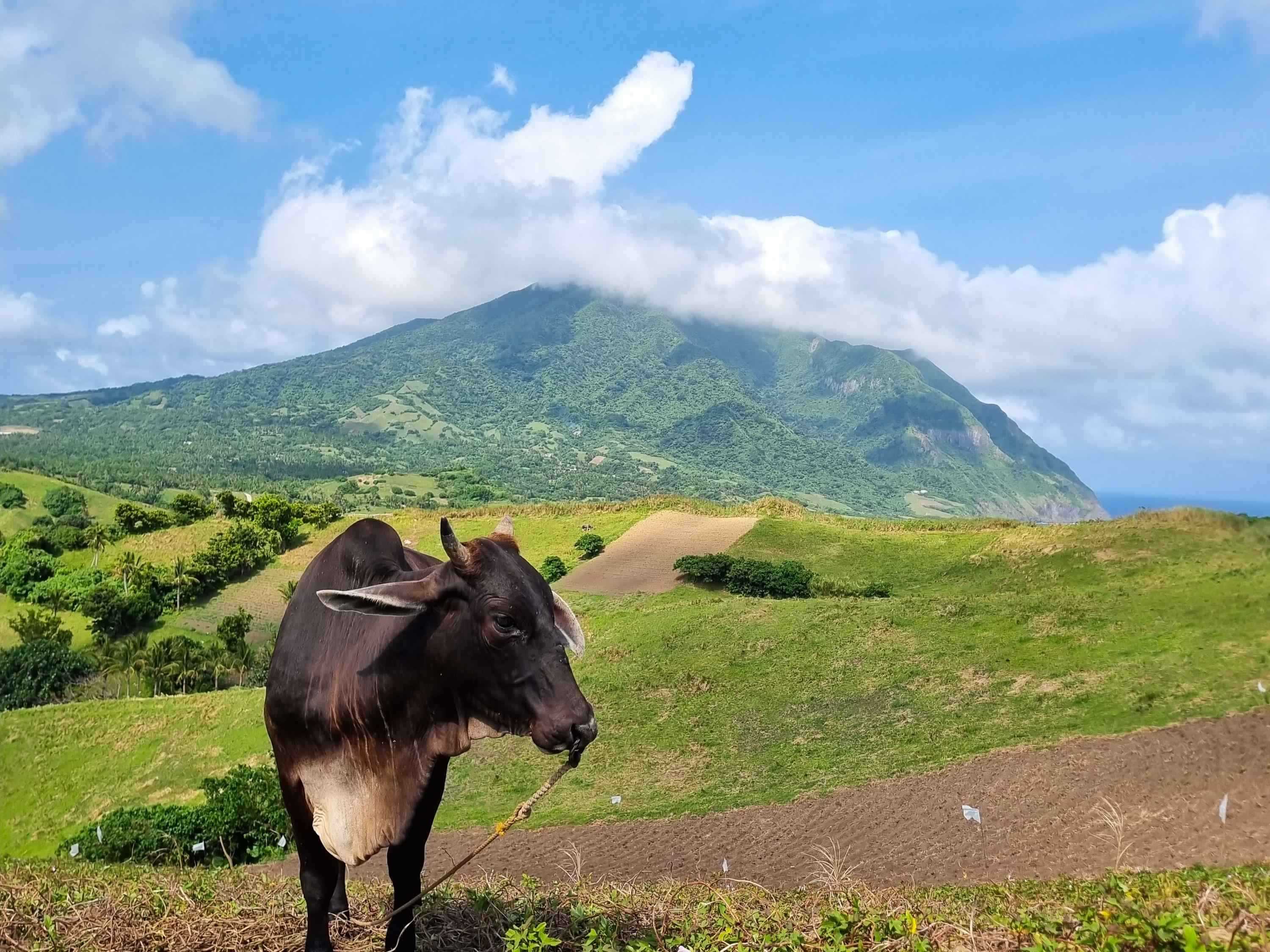
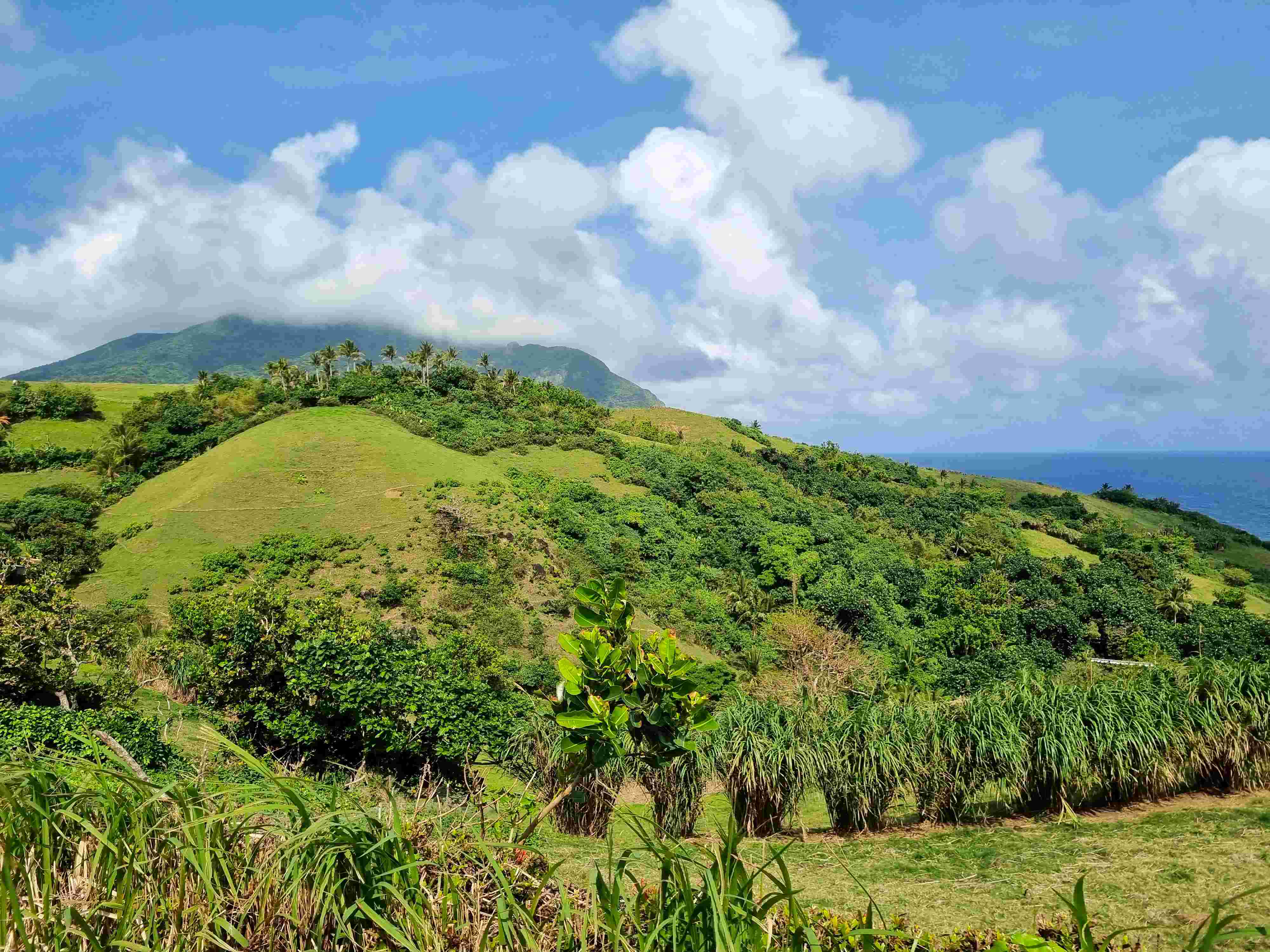
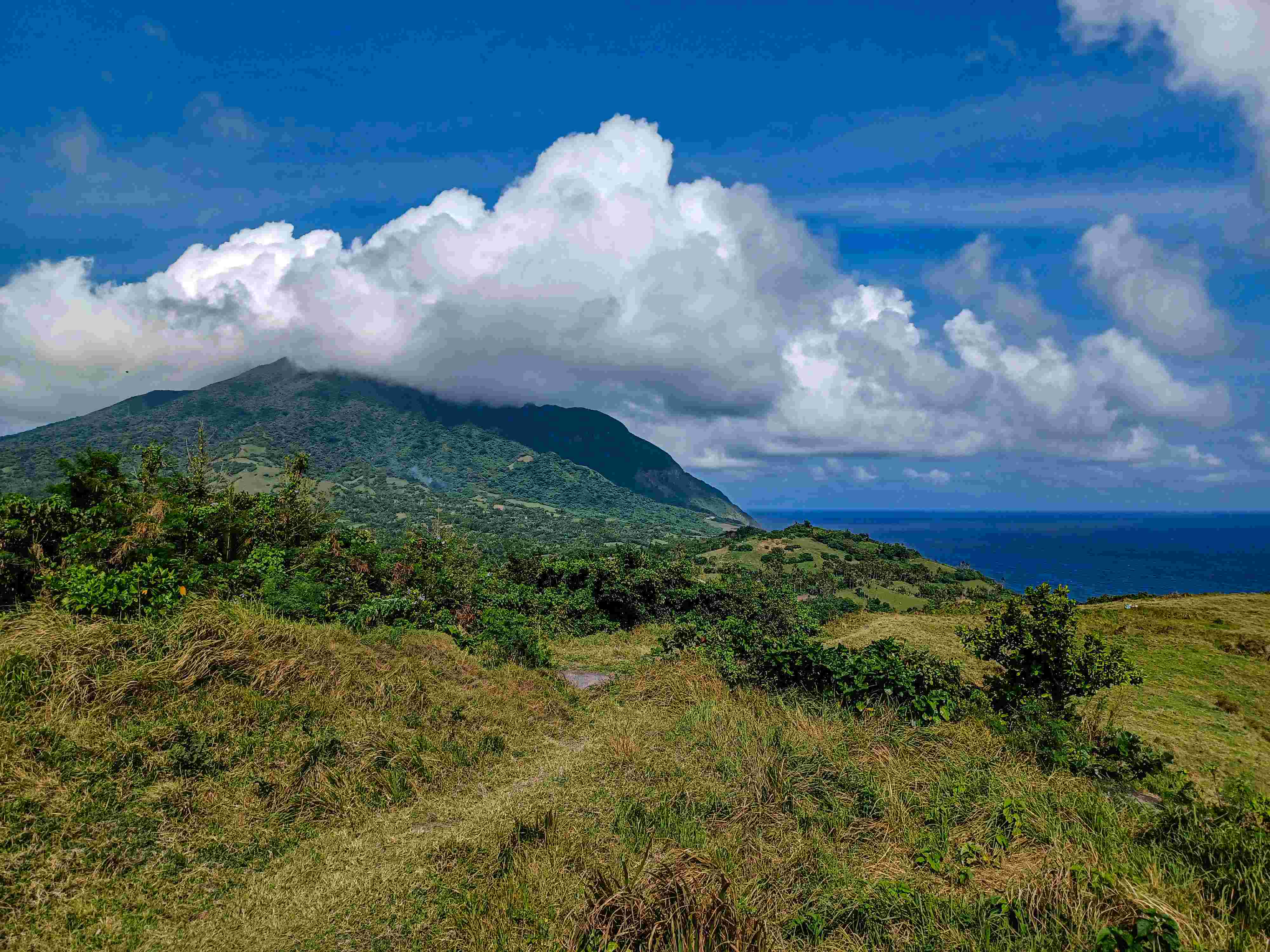
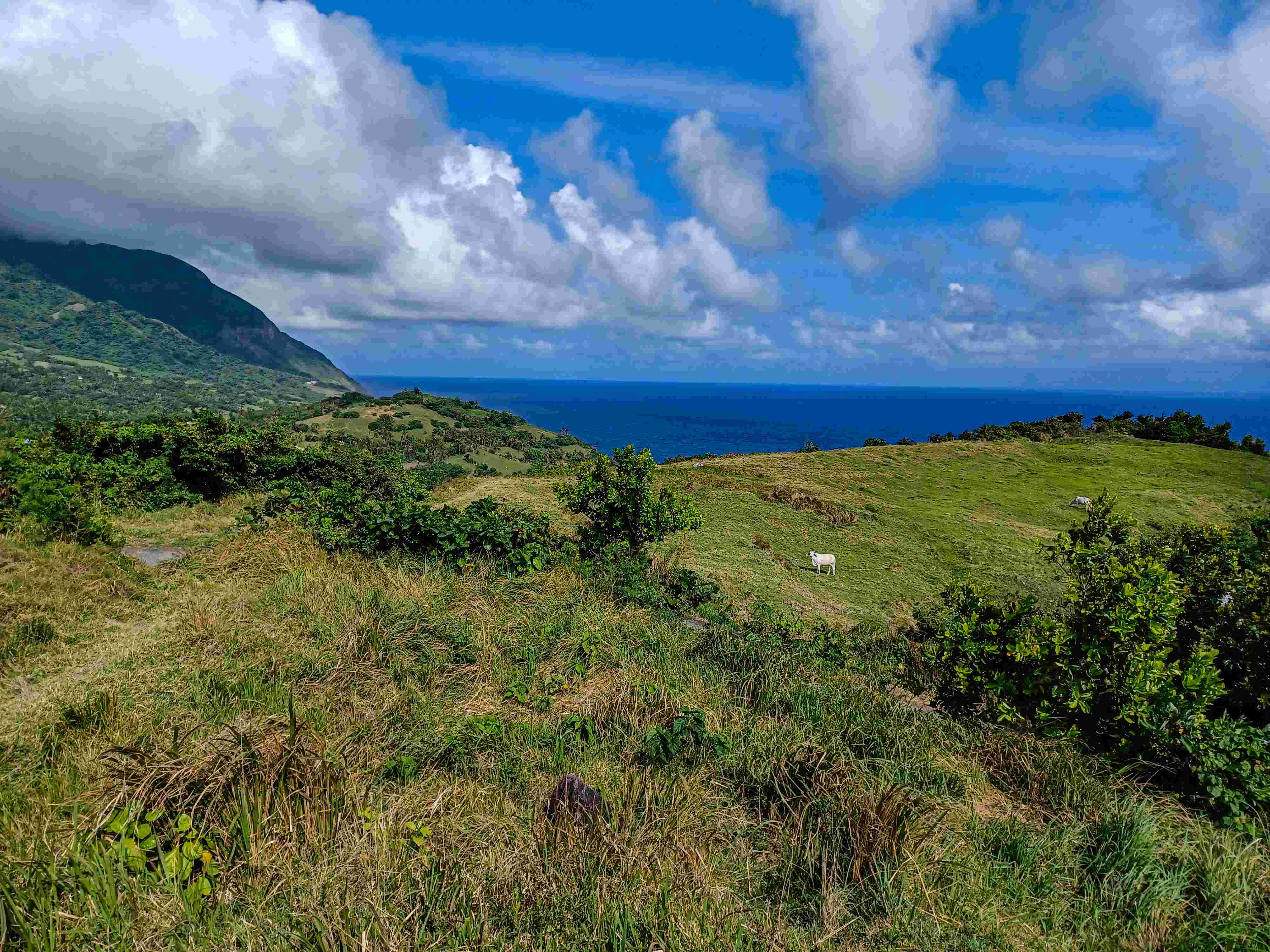
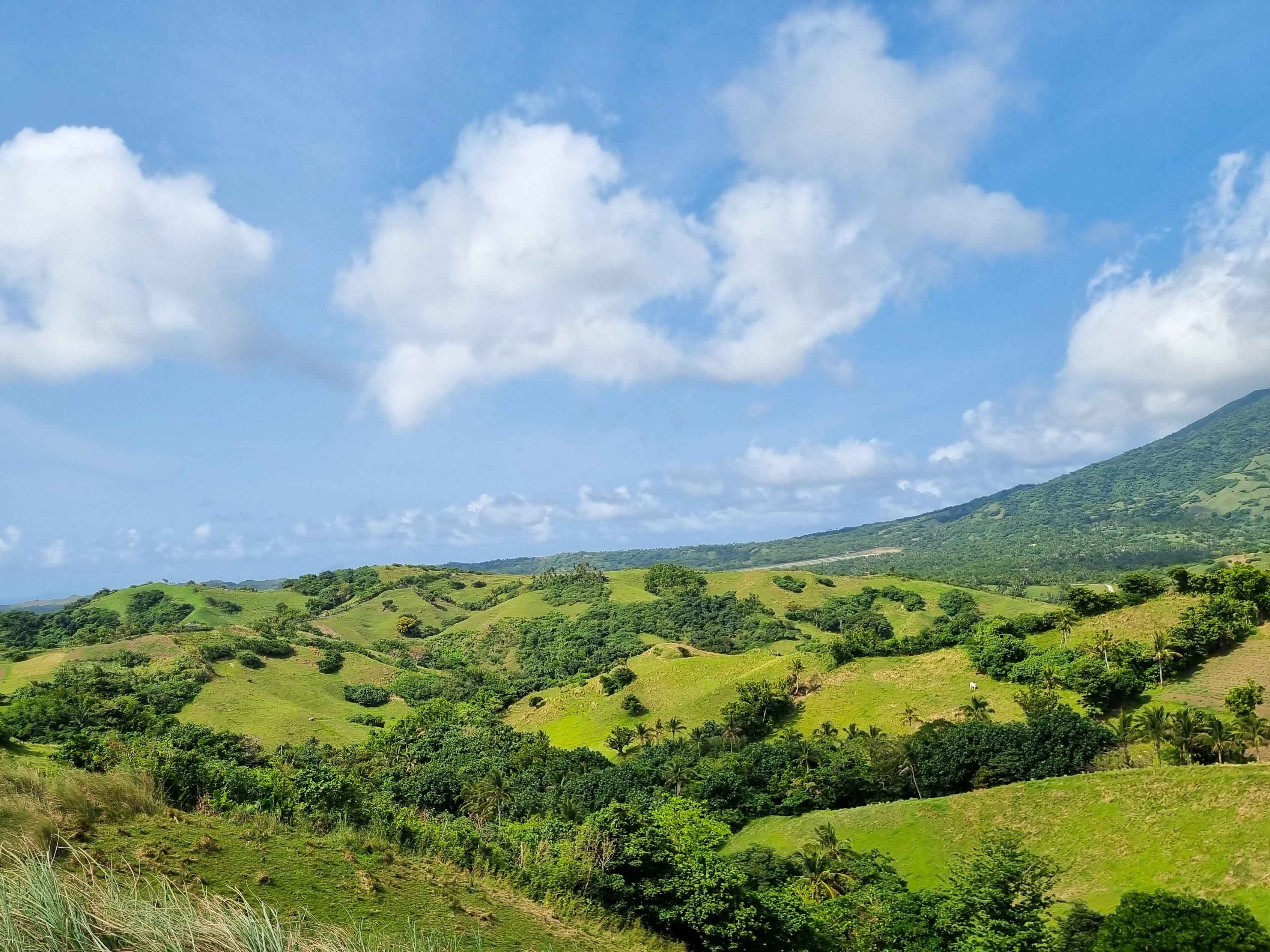
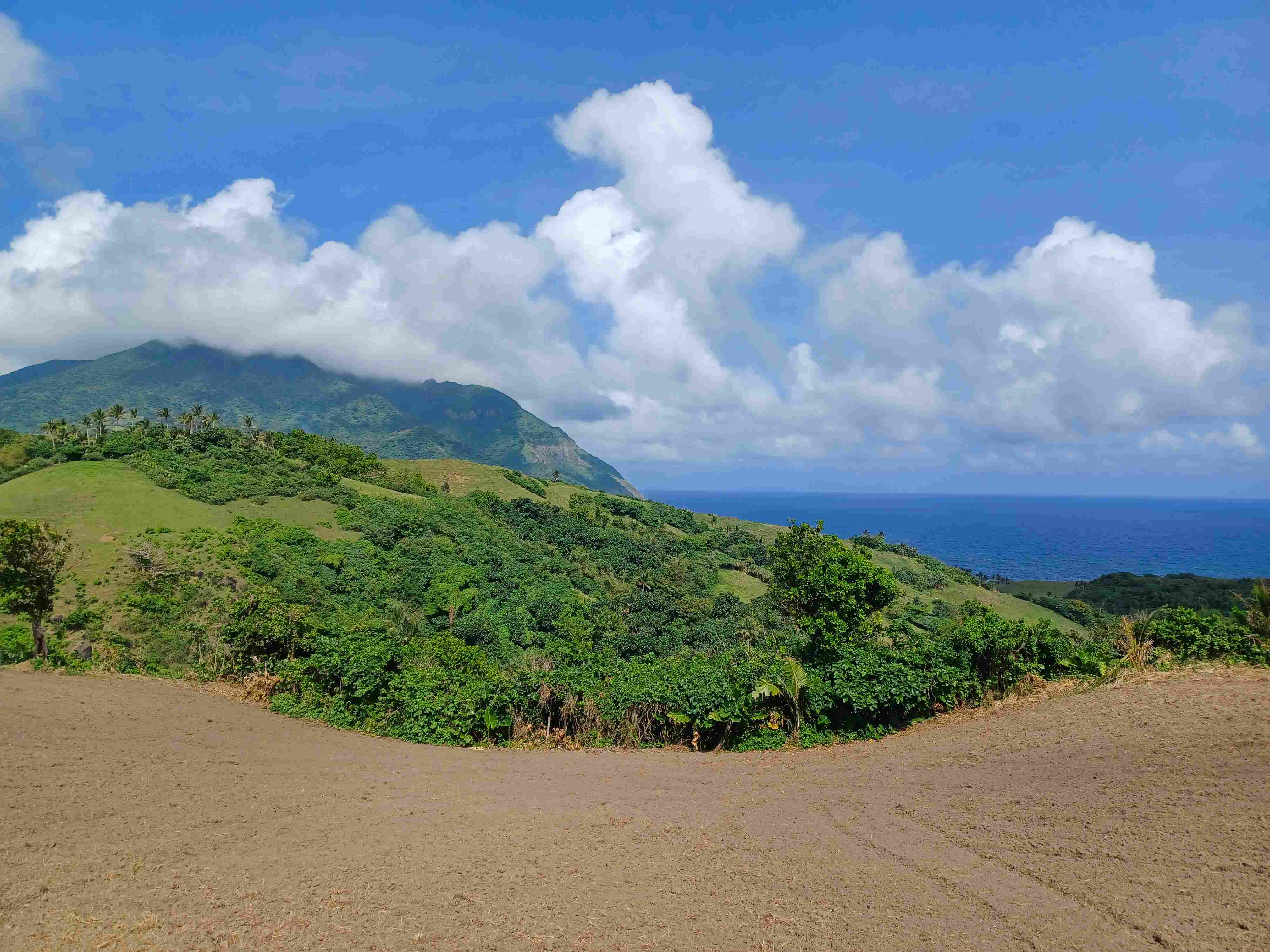
We then took our twofies with Mt. Iraya and the landscapes of Batanes in the background. As it is, it was too windy!
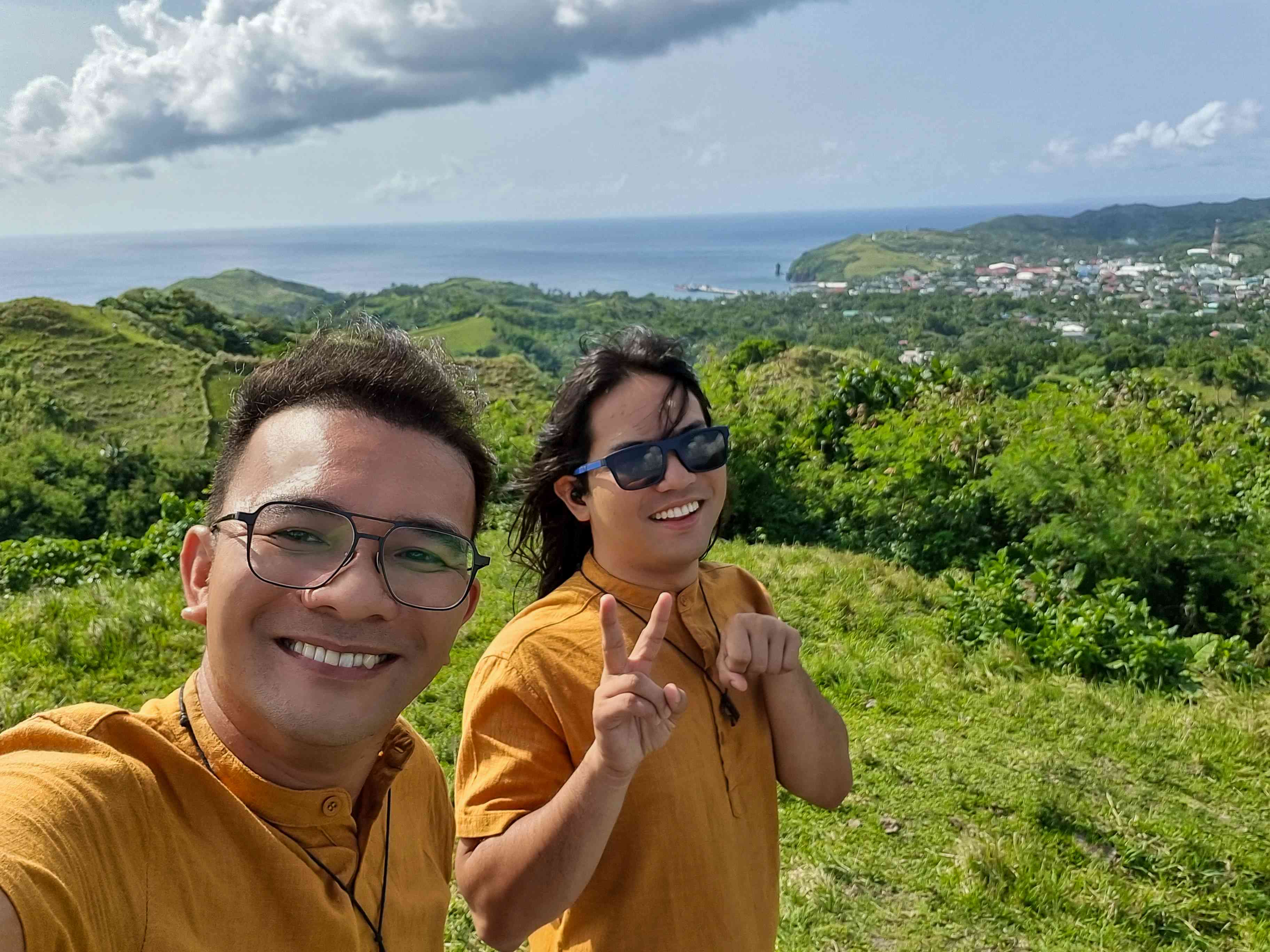
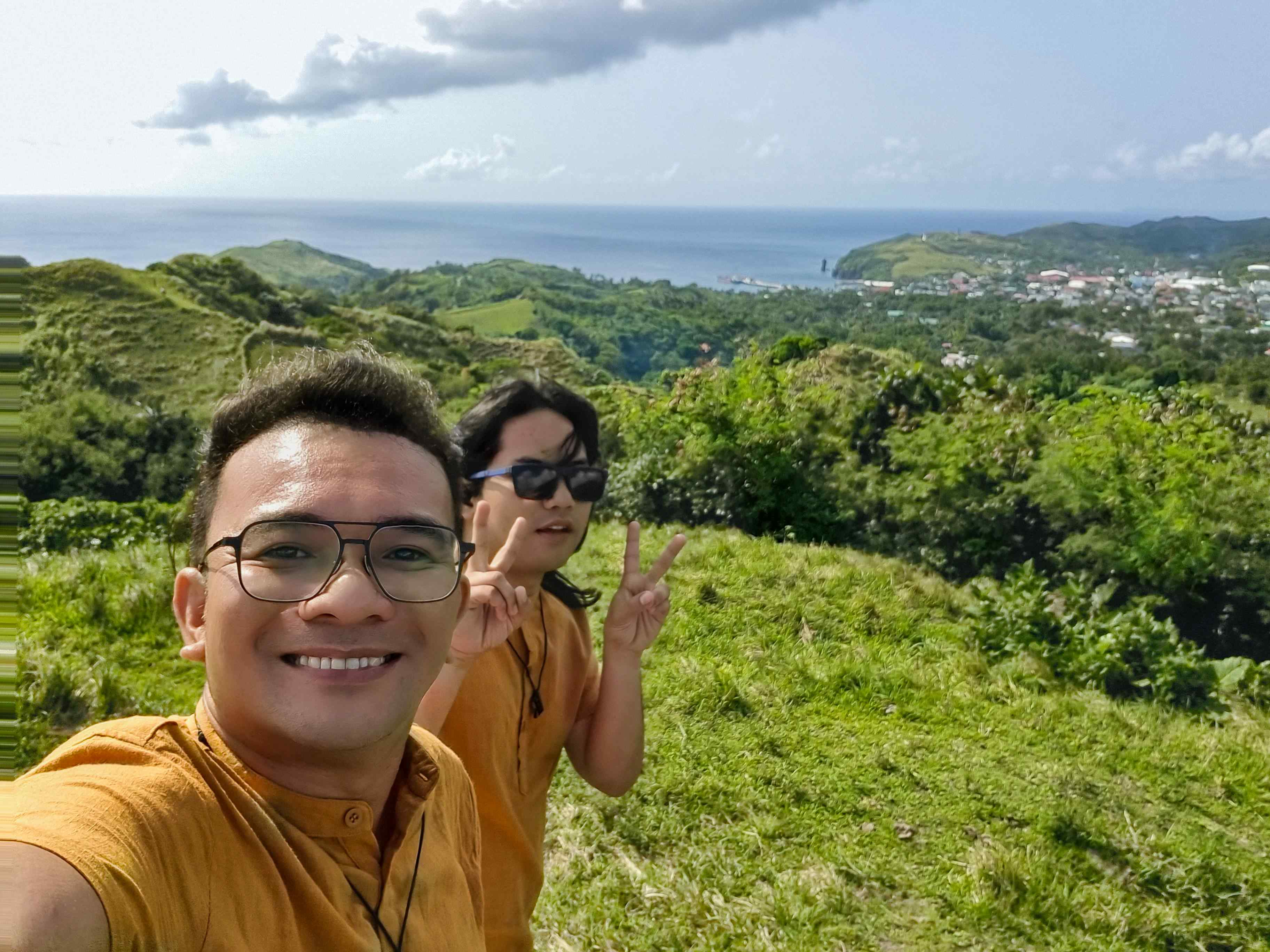
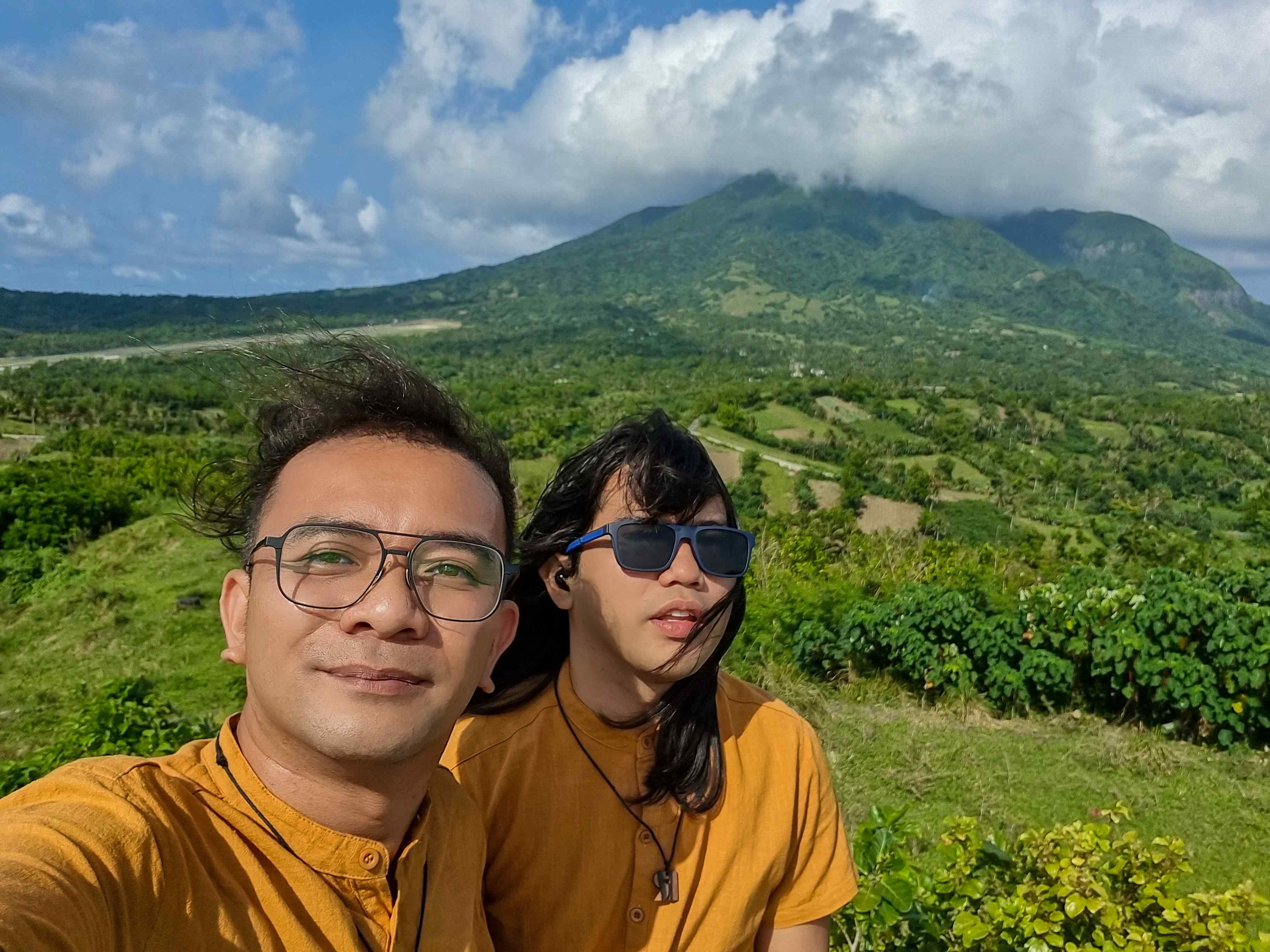
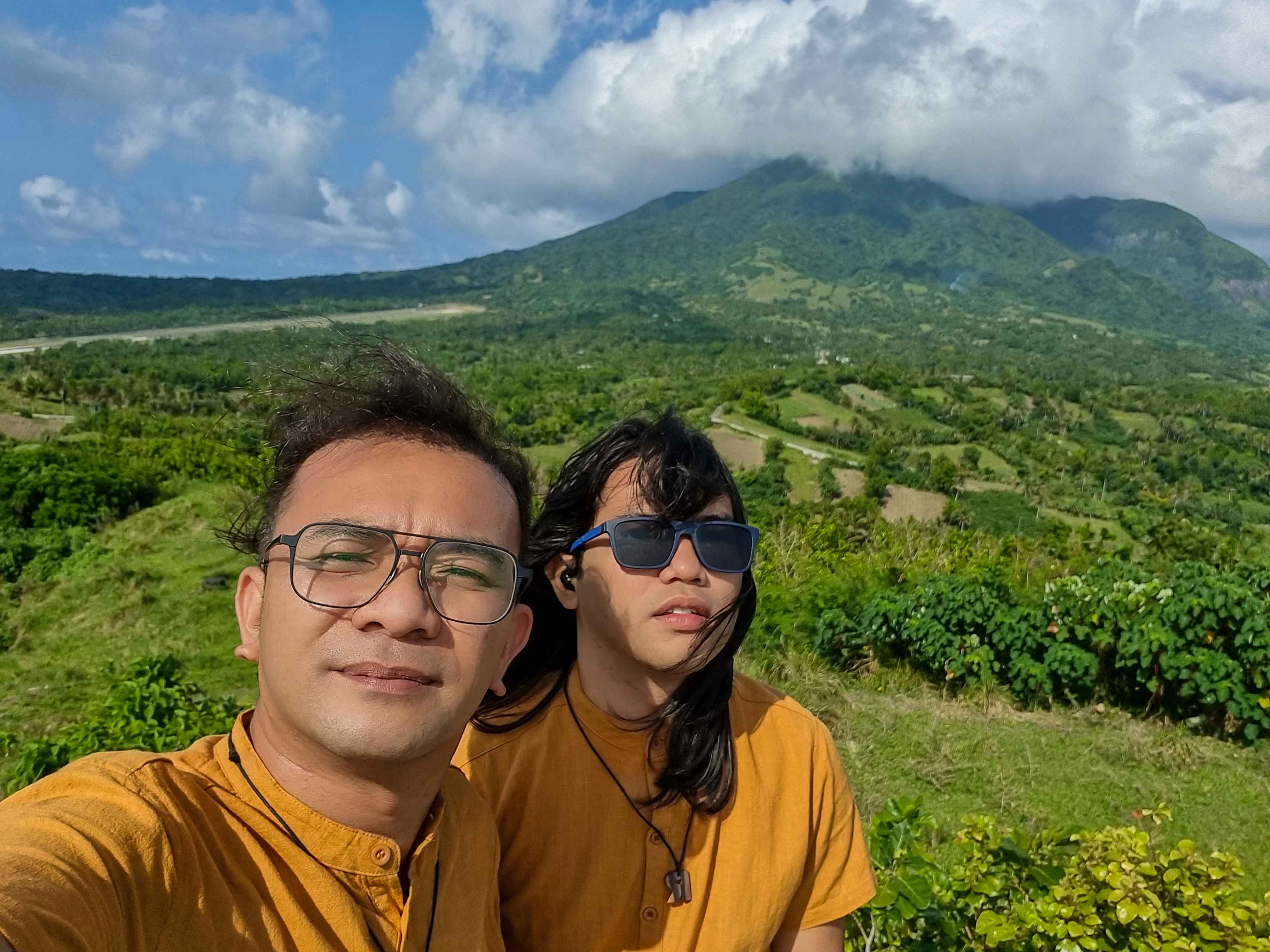
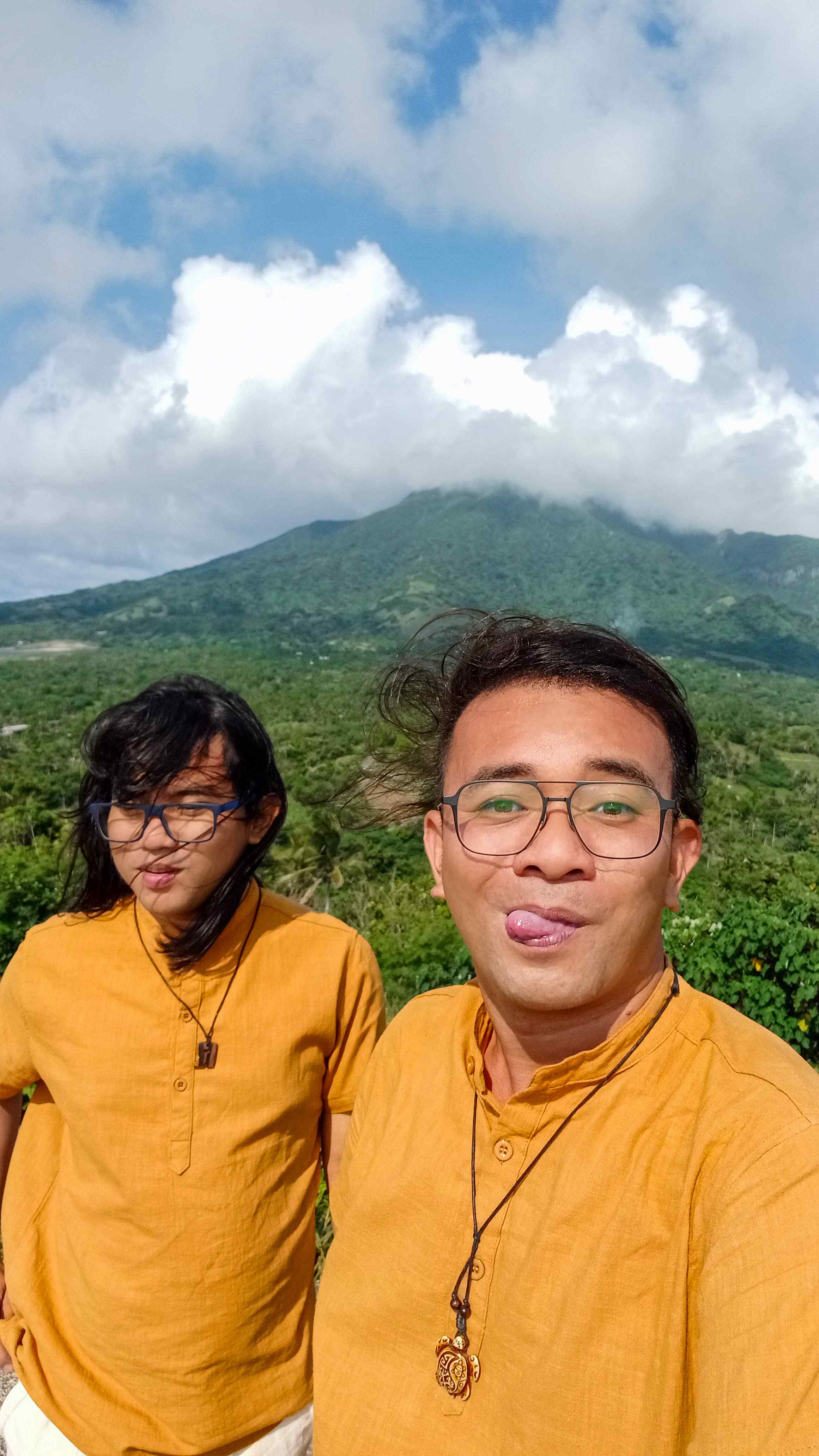
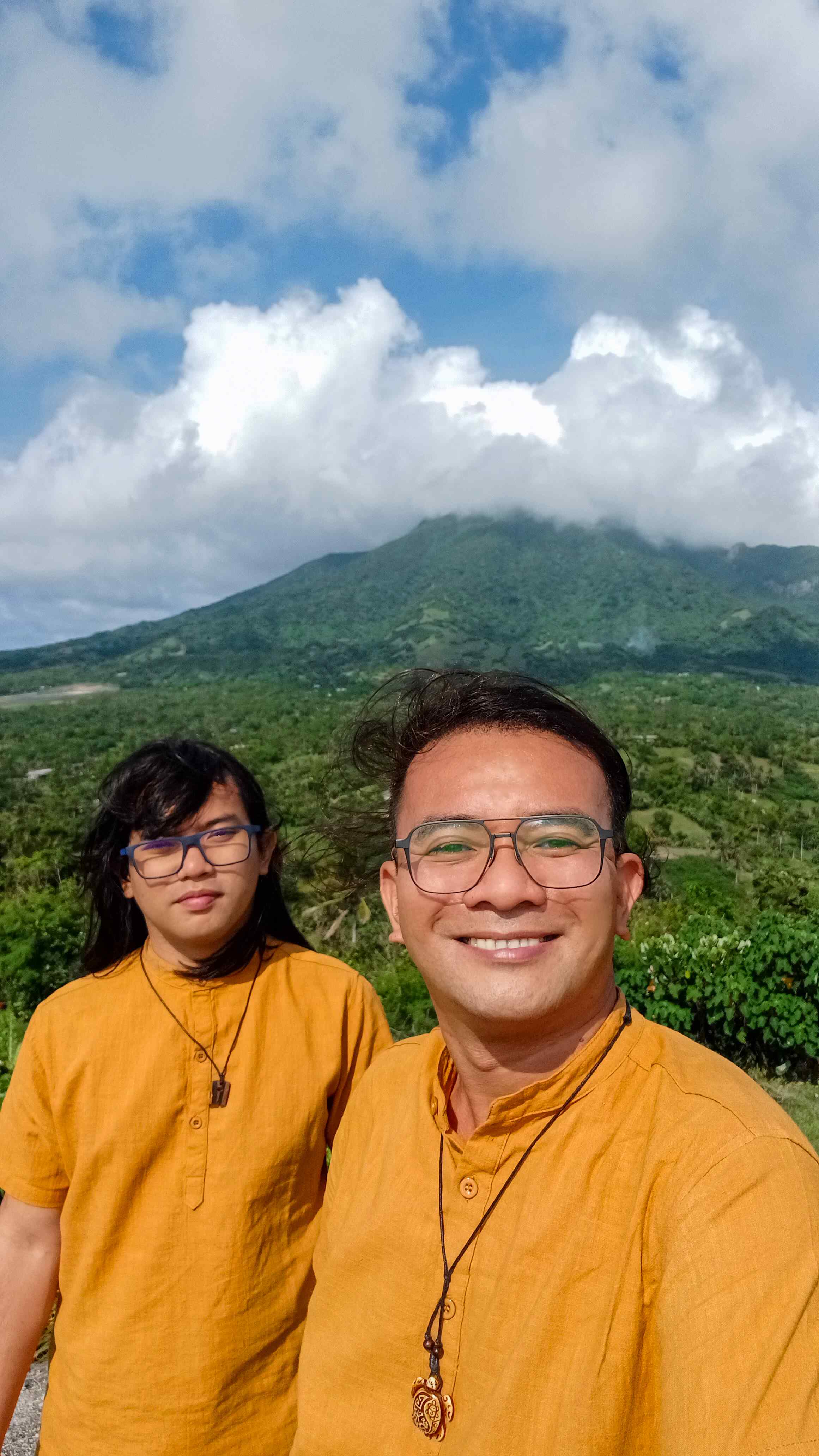
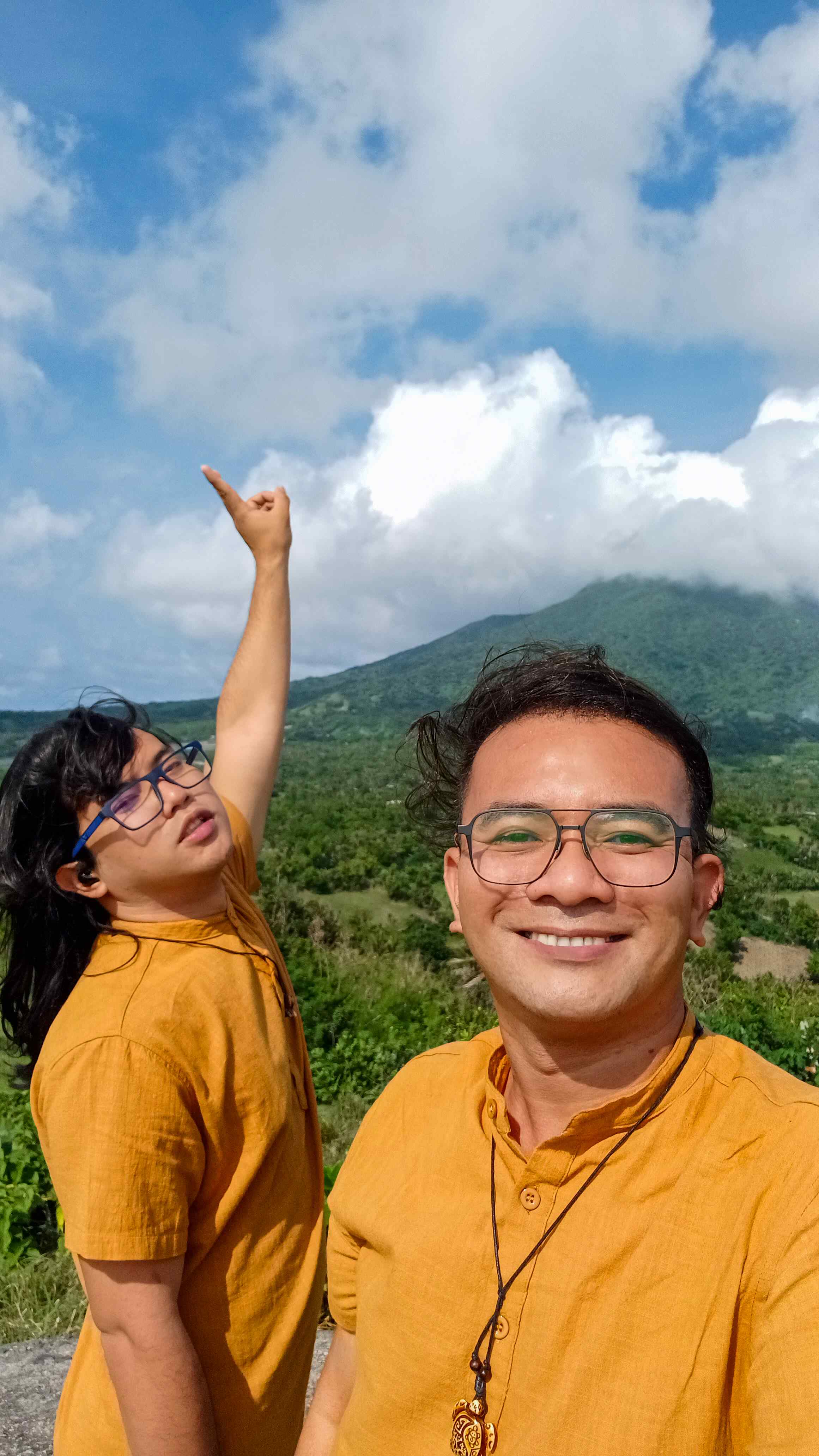
It is said that Mt. Iraya has a major role in shaping the natural topography of the Batanes Islands. One could only imagine how. When it erupted, it probably spewed volcanic debris such as ash and rocks, not to mention that it could have caused the ground to move. Such chaos could only result in a beautiful aftermath. Hundreds of years after an eruption, rocks and ground splits would be smoothened by weathering, then overgrowth would dominate the place, all as if moving in harmony to provide a wonderful landscape without the need for human hands.
While the Japanese Tunnel that we visited is a tangible historical artifact, Batanes is a living history; a testament to how time formed and continuously forms the very land we stand on.


 Renegade Junctures
Leave a comment