
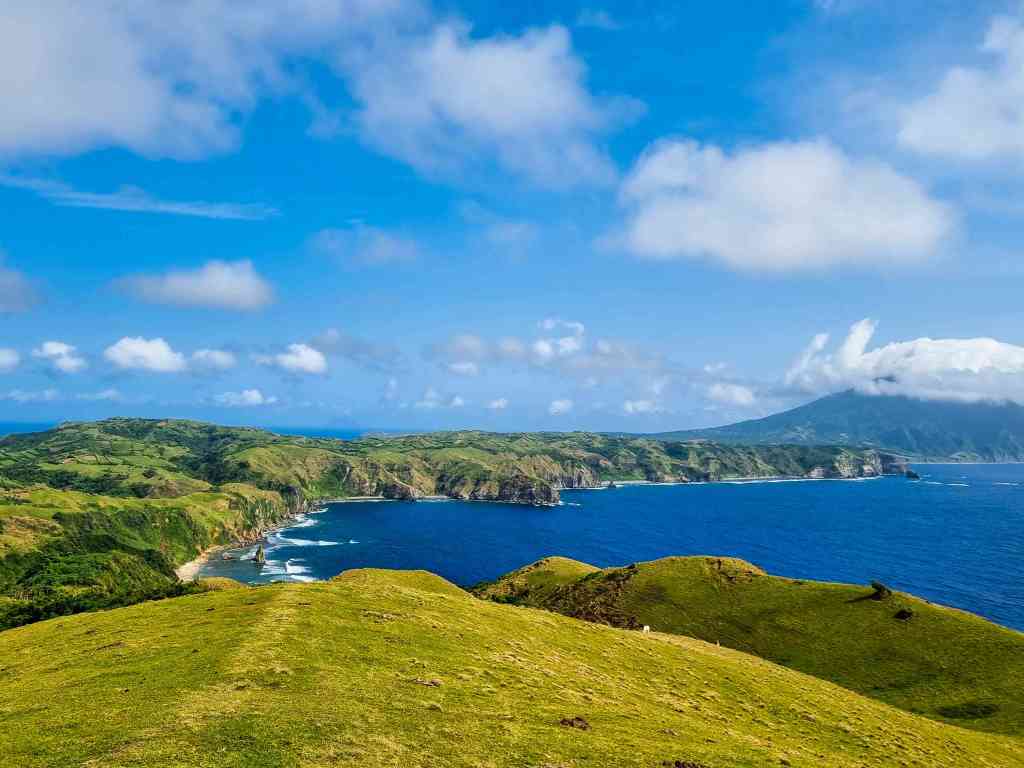
In the 1960s, a commercial of a cigarette brand became too famous, so much so that even up to the early 90s, I could still remember being able to watch the said television ad. It was the Marlboro Country commercial where a stereotypical western cowboy runs on his horse across rolling grasslands and captures a wild horse for breaking. The commercial became too popular that it lent its name to one of the famous places in Batanes.
Marlboro Hills is located in the town of Mahatao, roughly 10.5 kilometers from the capital town of Basco. It was originally known as Racuh-a-Payaman, which roughly translates to wide pastureland, and I believe we will do Batanes and the Ivatan heritage more justice if we keep it that way. It serves not only as a tourist destination but also a place where communal livelihood is very much alive, serving as a hub for livestock farmers where cattle may be left to graze.

Upon entry to the gated area of Racuh-a-Payaman, one will be welcomed by vast rolling hills with a view of Mt. Iraya at a distance. The height of the pastureland provides a vantage point where the seas surrounding Batan Island could be seen: the West Philippine Sea to the left, and the Philippine Sea connected to the greater Pacific Ocean to the right.
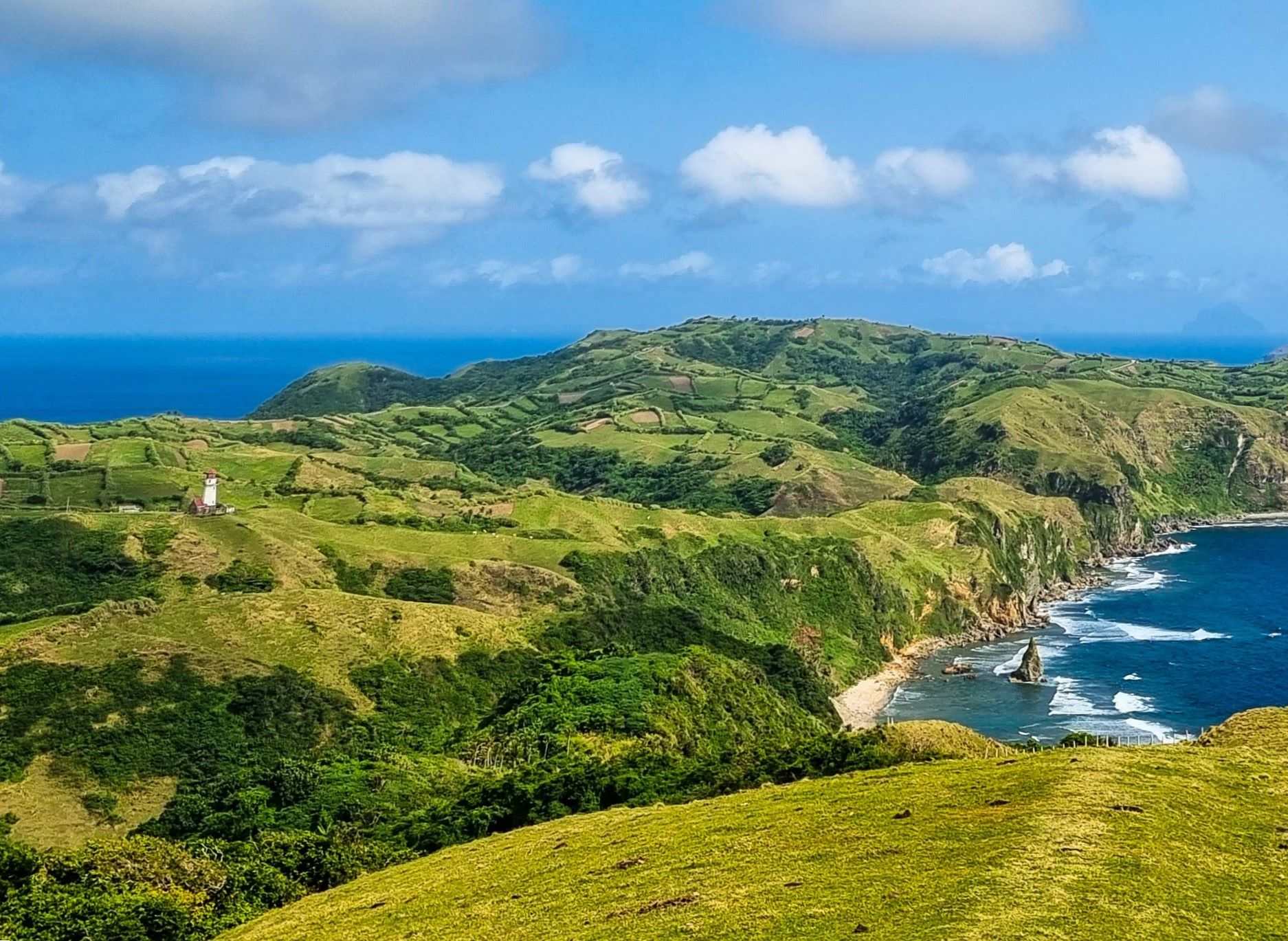


The western side of Racuh-a-Payaman, with Tayid Lighthouse and the West Philippine Sea at a distance.


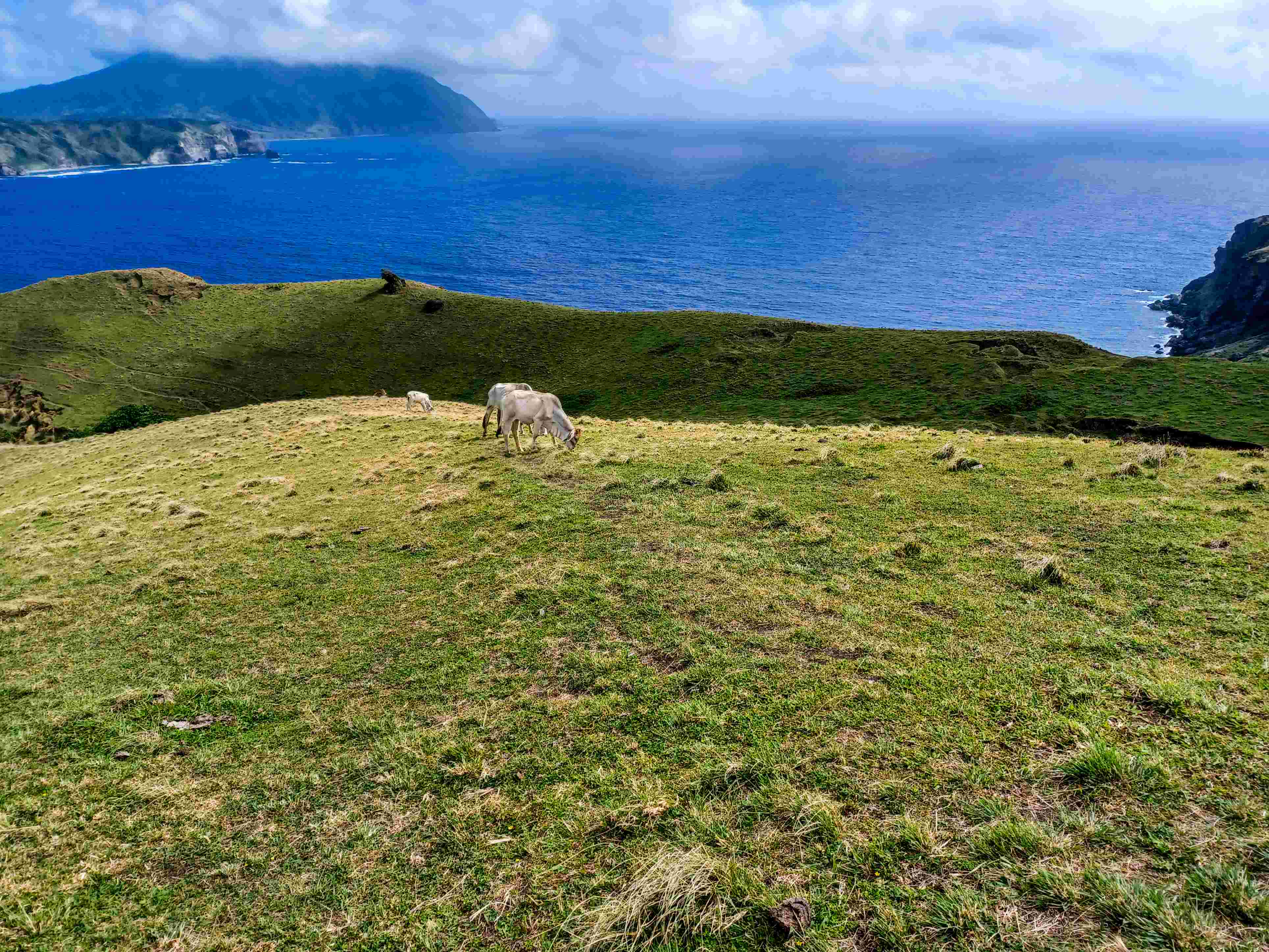
The eastern side, with the Philippine Sea as backdrop. Mt Iraya can also be seen, covered in clouds.


The moniker home of the winds of Batanes is very true in Racuh-a-Payaman. Being elevated and surrounded by enormous bodies of waters, the onshore breeze is coming from all directions. The winds were too strong that it was howling, Ran and I had difficulty hearing each other while our pictures were being taken.




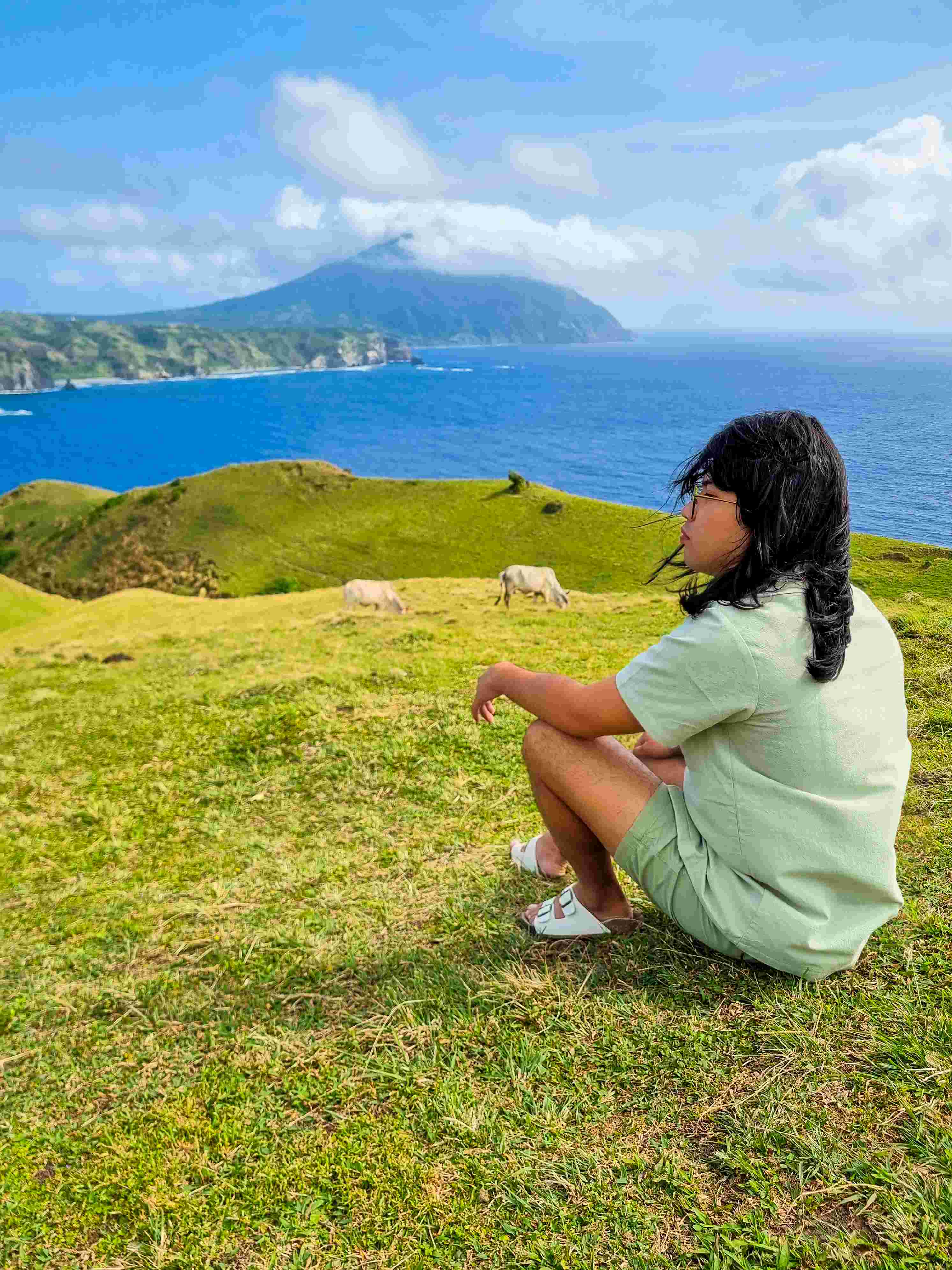


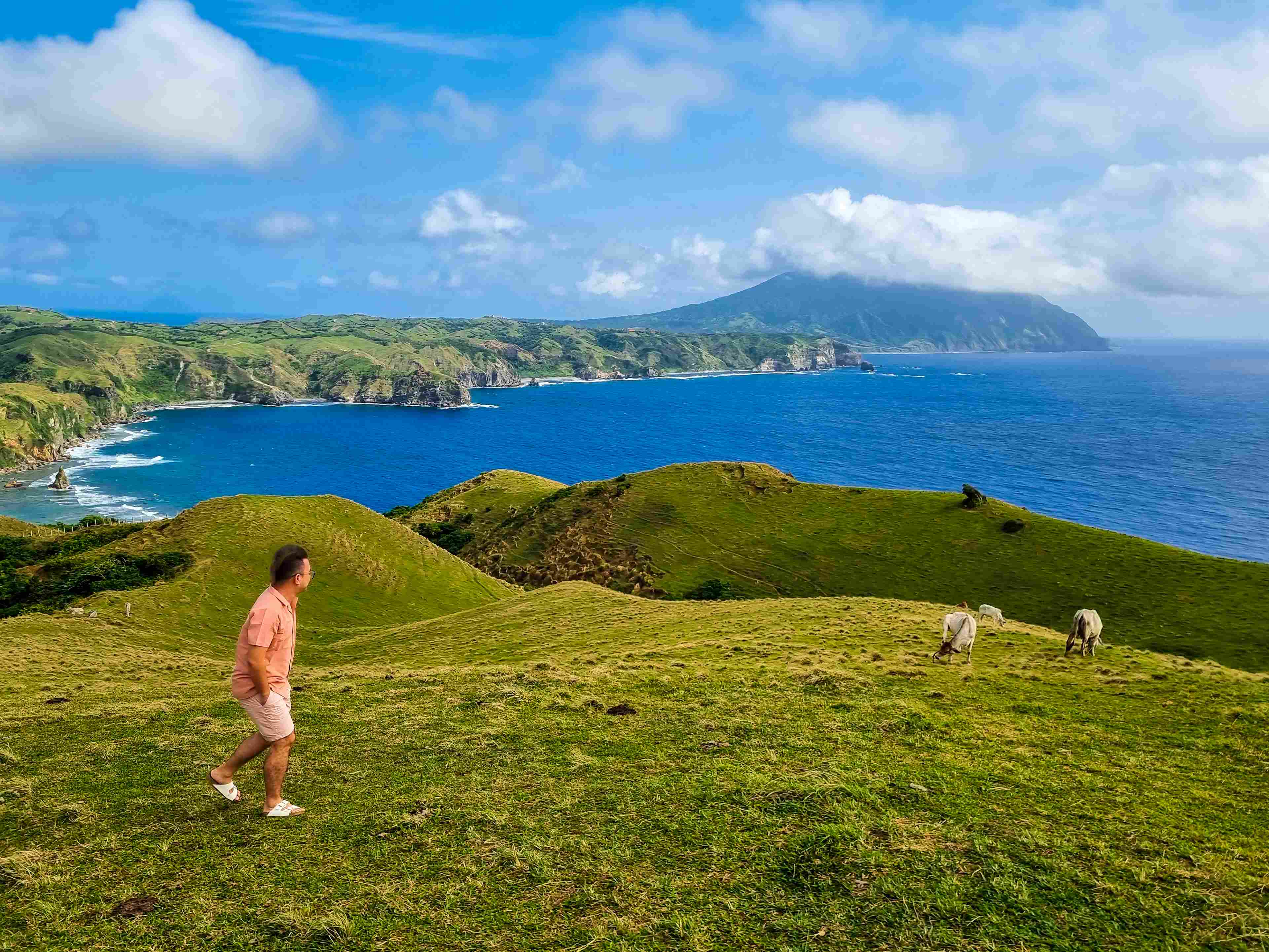


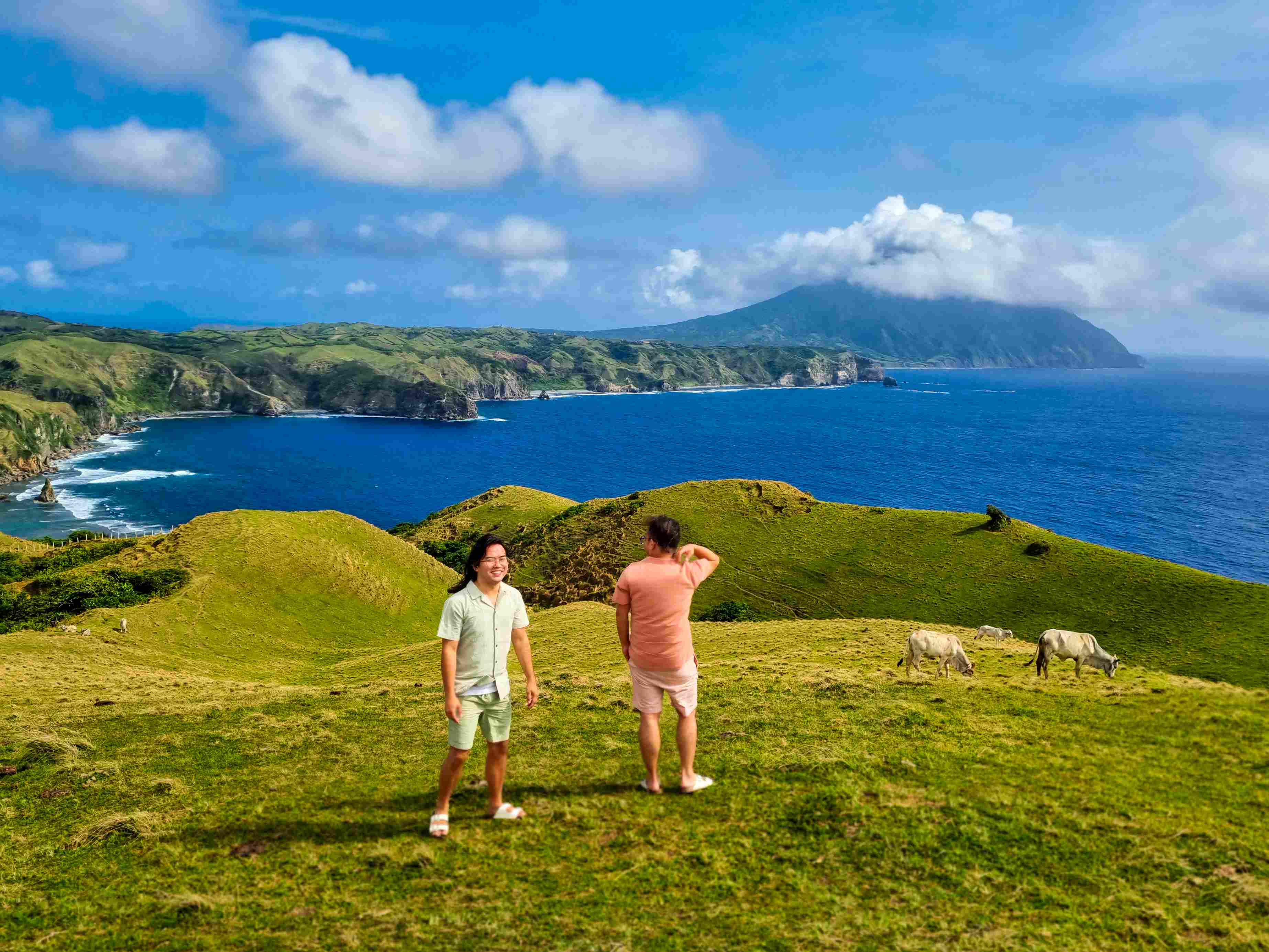




Having appreciated the soothing green earth and the calming blue sea while being immersed in the playfulness of the wind made us ponder that Racuh-a-Payaman might have been the playground of the gods; a paradise set on earth to provide a place that is aesthetically pleasing for men to appreciate the handiwork of nature. From that point, a challenge arises: for man to take to heart the stewardship of the wonder he beholds and keep it as the paradise as it is.


 Renegade Junctures
Leave a comment