
It is a common notion that strength fades away with age, probably because that’s how things go for human beings. Though sophistication can be achieved when one ages like fine wine, the same cannot be said when it comes to brute strength.
That though could only be said for humans and other animate living beings. There are the inanimate non-living ones from the far past whose sturdiness surpassed the test of time, so much so that they are still in the present time. Those ones indeed aged like fine wine but retained the sturdiness of youth.
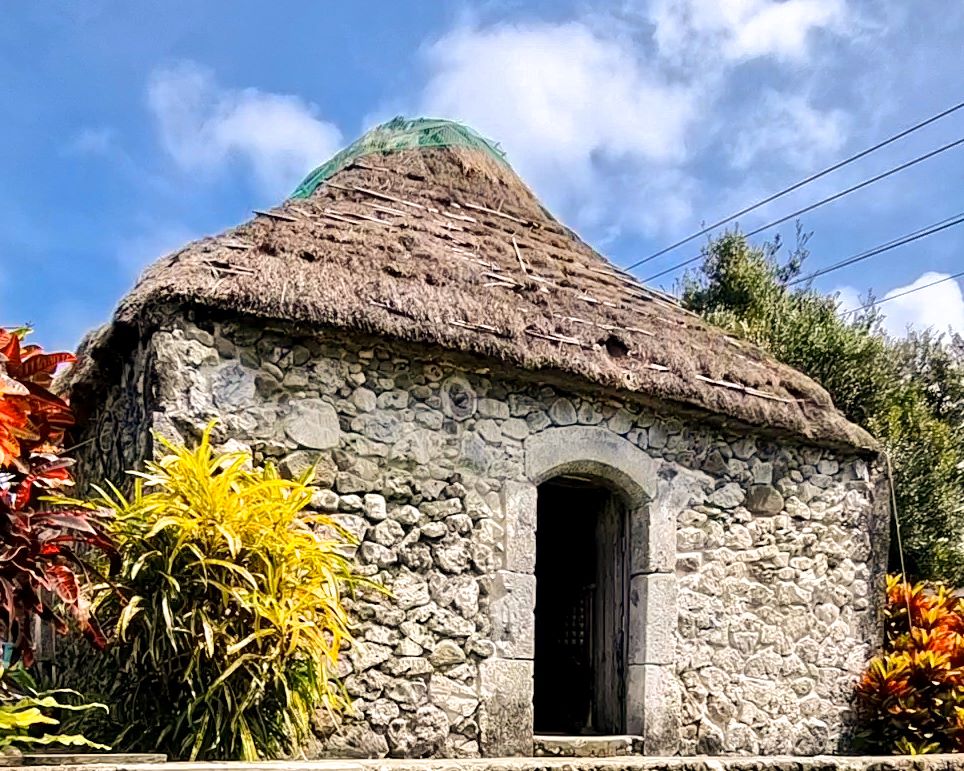
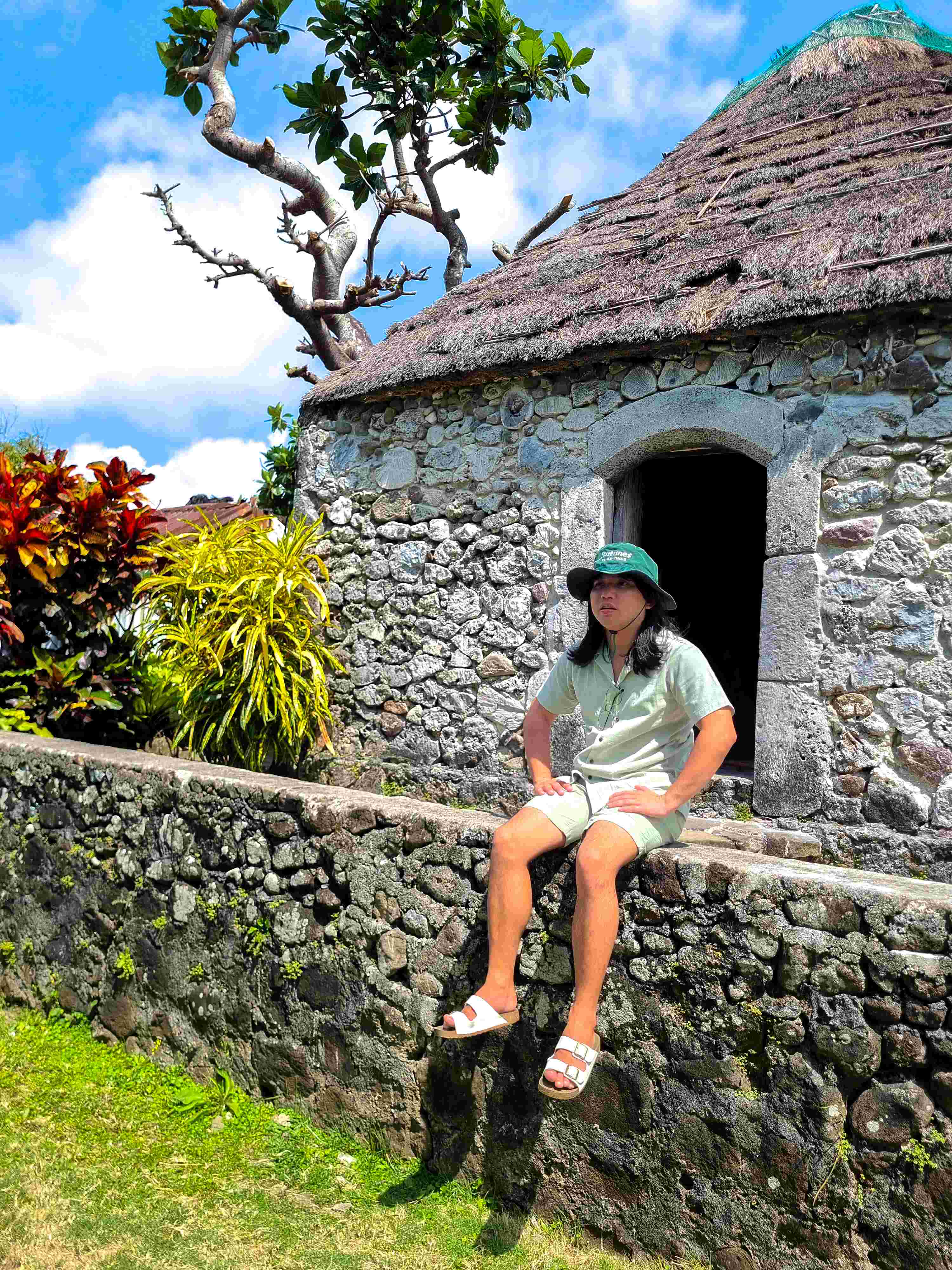
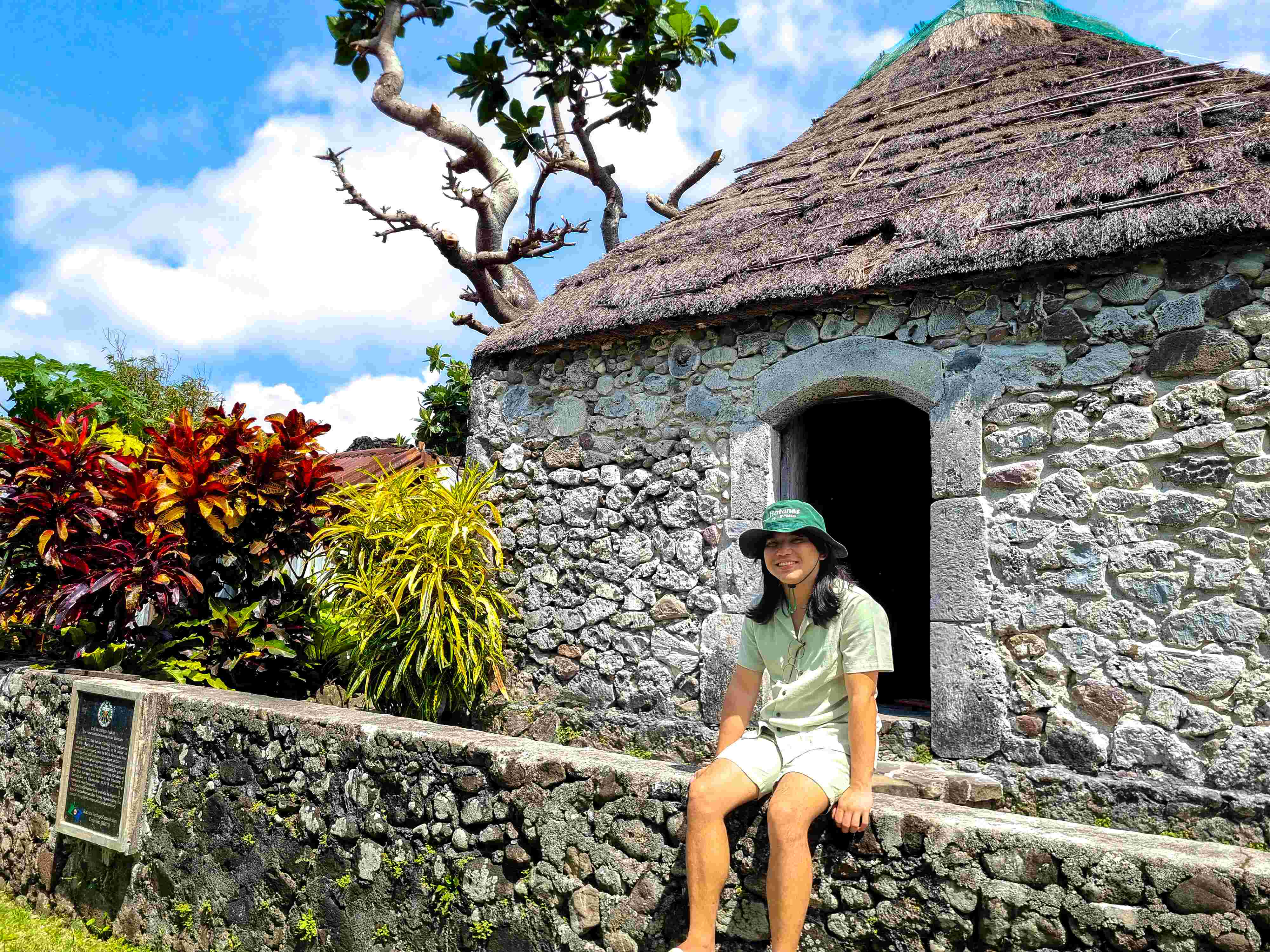
It took us about 20 minutes from Honesty Coffee Shop to our next destination, the famed House of Dakay. Made of stone and lime for its walls and cogon for its roof in the traditional sinadumparan style, it was built in 1877 and has since then been the residence of the family of the original owner Jose “Dakay” Estrella down to his descendants in the present day.

While it is true that old houses are not really uncommon in the Philippines given its colonial past, there are reasons why the House of Dakay is exceptional. Apart from the fact that it remains an active residence of the same family of owners, one must take into account the extremes that the House of Dakay has endured, and yet it remains standing. It has withstood earthquakes, most notable of which is the 1918 intensity 7.0 earthquake. It has also withstood countless strong typhoons through the years given how Batanes is the playground of the storms. Despite all the cataclysmic events, it managed to remain standing so much so that is now such a popular destination for visitors in the island.


Someone was either watching the television or listening to the radio when we arrived in the house, so we did not bother. We just sufficed with taking photos in front of the famed antique structure.


From the House of Dakay, it didn’t take more than three minutes for us to reach another ancient marvel.

The Tuhel Spanish Bridge, called so because it stands over Tuhel Creek, is one of the few remaining bridges built by the Spanish that remain standing to this day. Completed in 1810, it used to be the major connecting way for places separated by internal bodies of water. Now standing parallel to the modern-day national road which has taken over as the main thoroughfare, it stands testament to the ingenuity of the fusion of indigenous materials and colonial architecture.

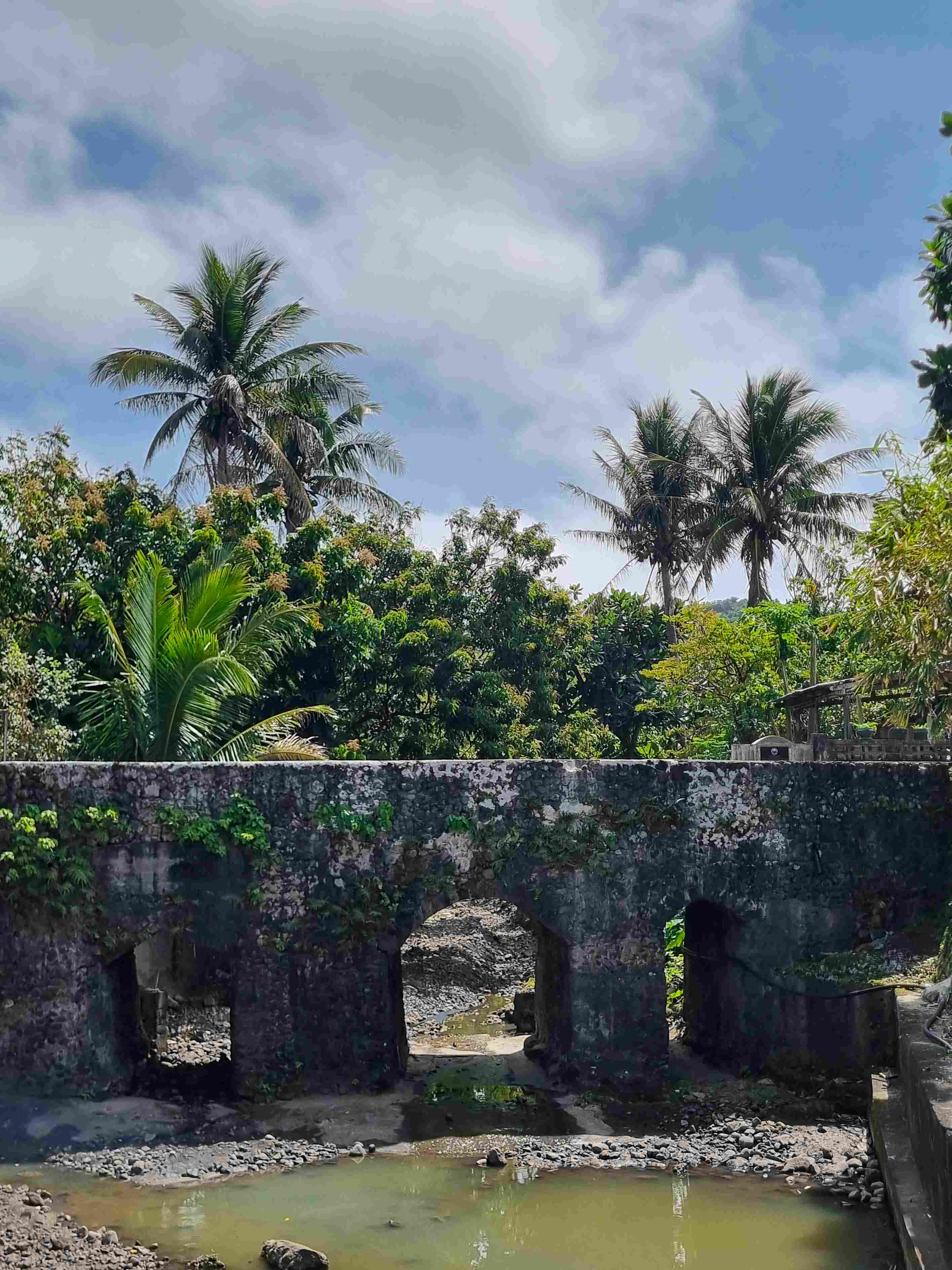


We did not go down to see the bridge up-close, but Kuya Bhong was gracious enough to stop it for us to appreciate it from a distance and take photos.
Our visit to the ancient manmade marvels would be our last stop in the town of Ivana for the day. We were then bound back to Mahatao for the organized tour’s last stop, and yes, the best was saved for last.


 Renegade Junctures
Leave a reply to renegadetraveller Cancel reply