

Three weeks after our walking trip in the Diocese of Kalookan, Ran and I decided to take another walk through the streets of the Metro. We would still be focusing on churches that hold significance to Filipino religiosity, history and culture. Surely, there is no better place to do that but in the heart of the nation’s capital, Manila. Unlike the Diocese of Kalookan, however, the Archdiocese of Manila is huge, hence it would be impossible to take on the heritage churches by foot. We had to cherry-pick, and in doing so, we decided to visit the churches within the vicinity of the seat of power of the nation: Malacañan Palace.
We followed the route we used when we visited Caloocan, taking the MRT and LRT 1. We went down Central Station, then started our hike through Ayala Boulevard until we reached Ayala Bridge.
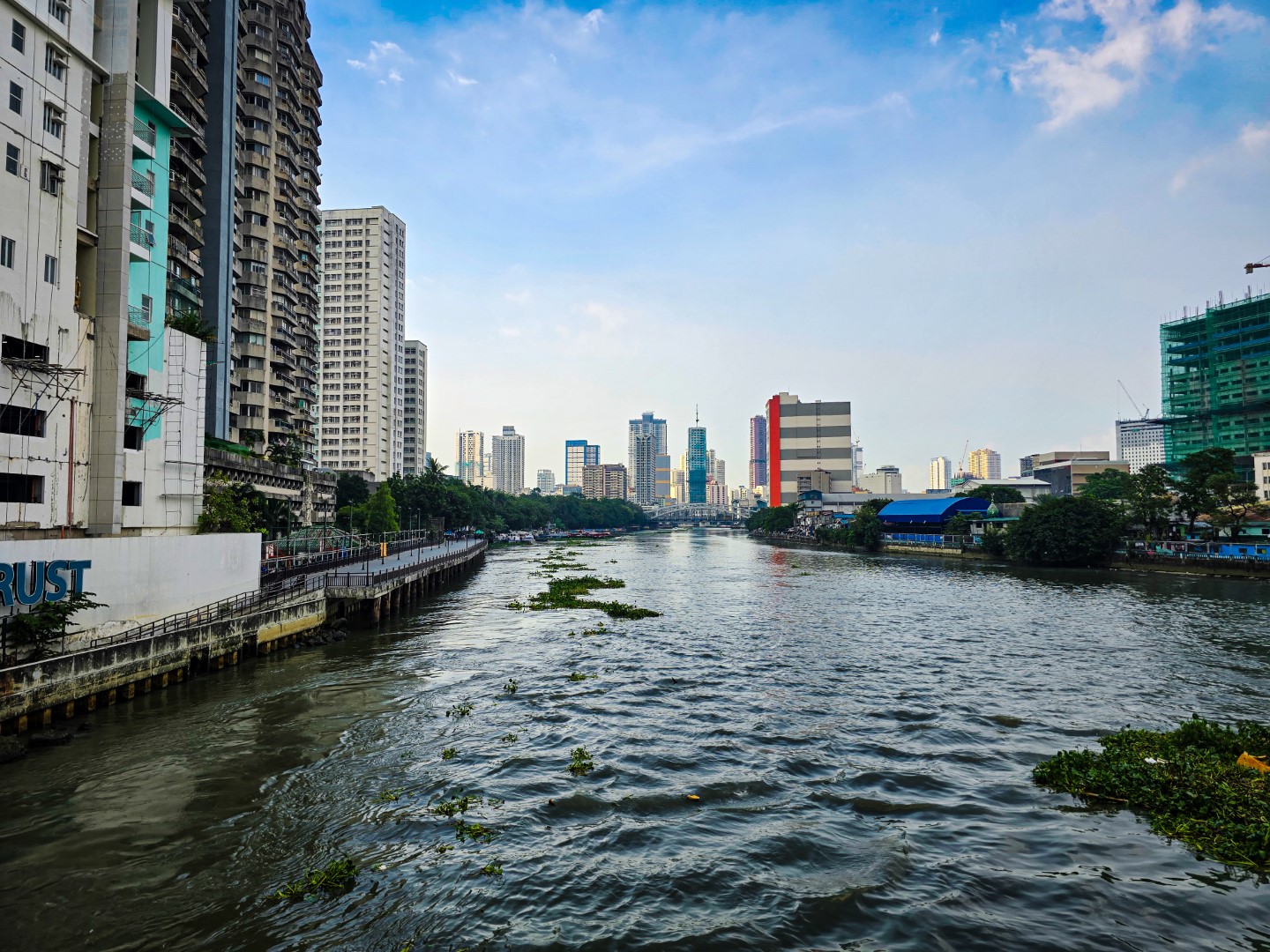
We continued our hike through Casal St., then took a left at Nepomuceno St. We emerged at the end of the narrow street to a view of our first destination: the Basilica Minore de San Sebastian.

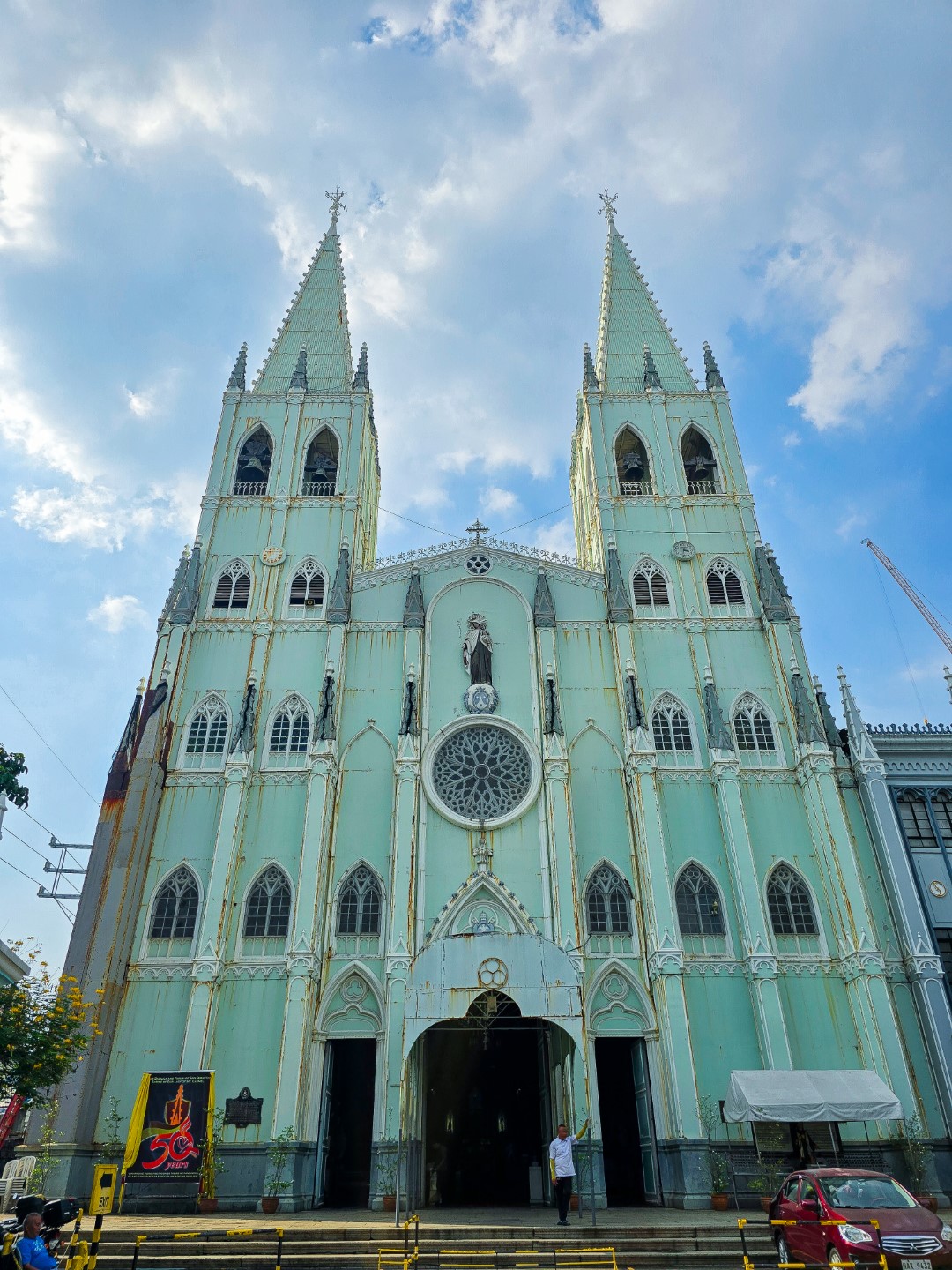


Dedicated to St. Sebastian and Our Lady of Mt. Carmel, the Basilica Minore de San Sebastian is unique in more ways than one. If it is commonly said that structures such as churches are built with bricks and mortar, the San Sebastian Minor Basilica defies just that. It is the only church in the Philippines and in Asia at large that is constructed entirely of pre-fabricated steel. The steel were fabricated in Belgium, and Belgian engineers supervised the construction of the church which started in 1890. It was elevated to the status of minor basilica in the same year by Pope Leo XIII, making it the first one in the Philippines to be accorded such stature. The church remains under the care of the Order of Augustinian Recollects.
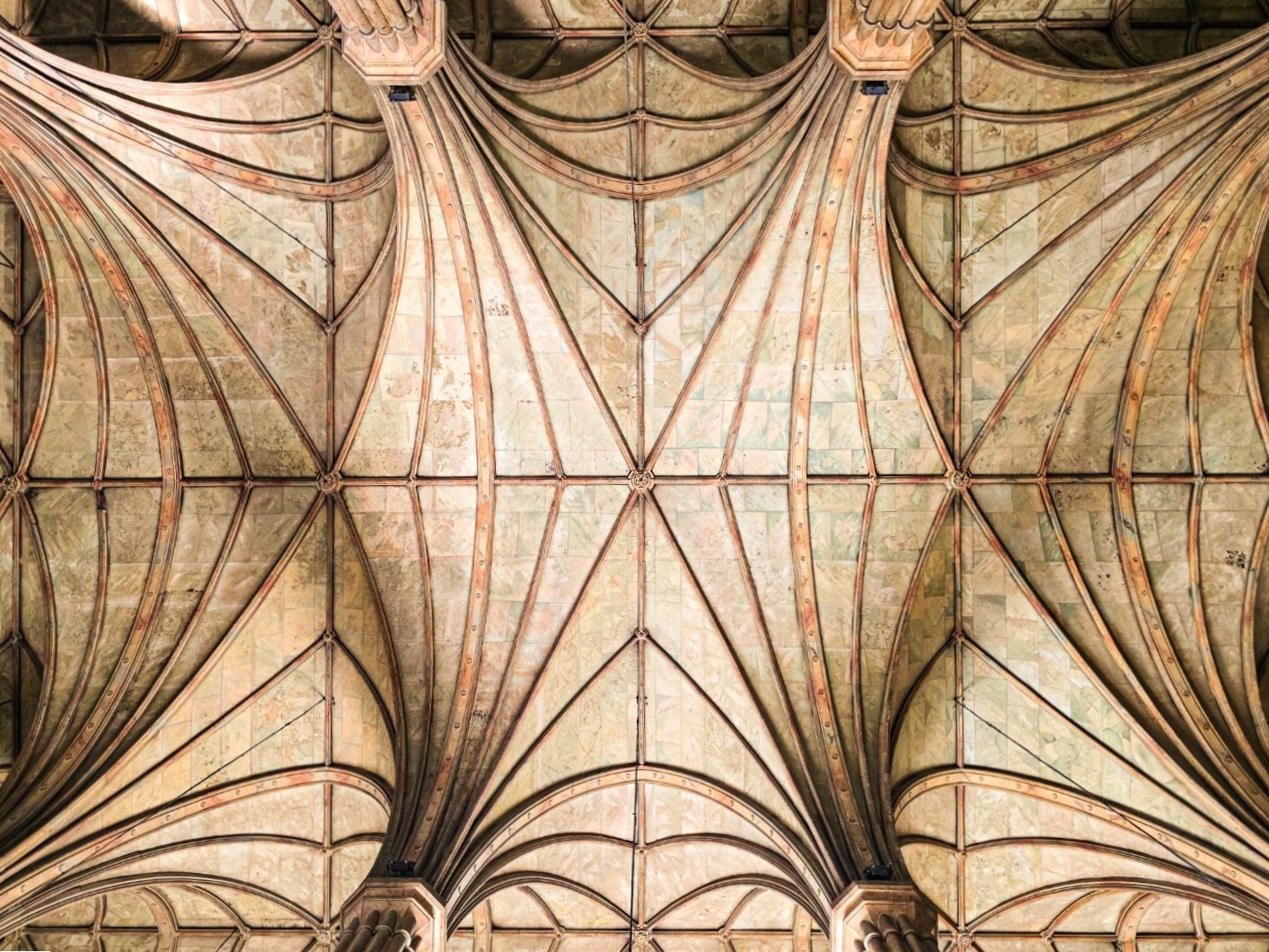
The beauty of the Neo–Gothic structure from the outside, despite the obvious signs of corrosion, is equally reflected in the interior of the church.

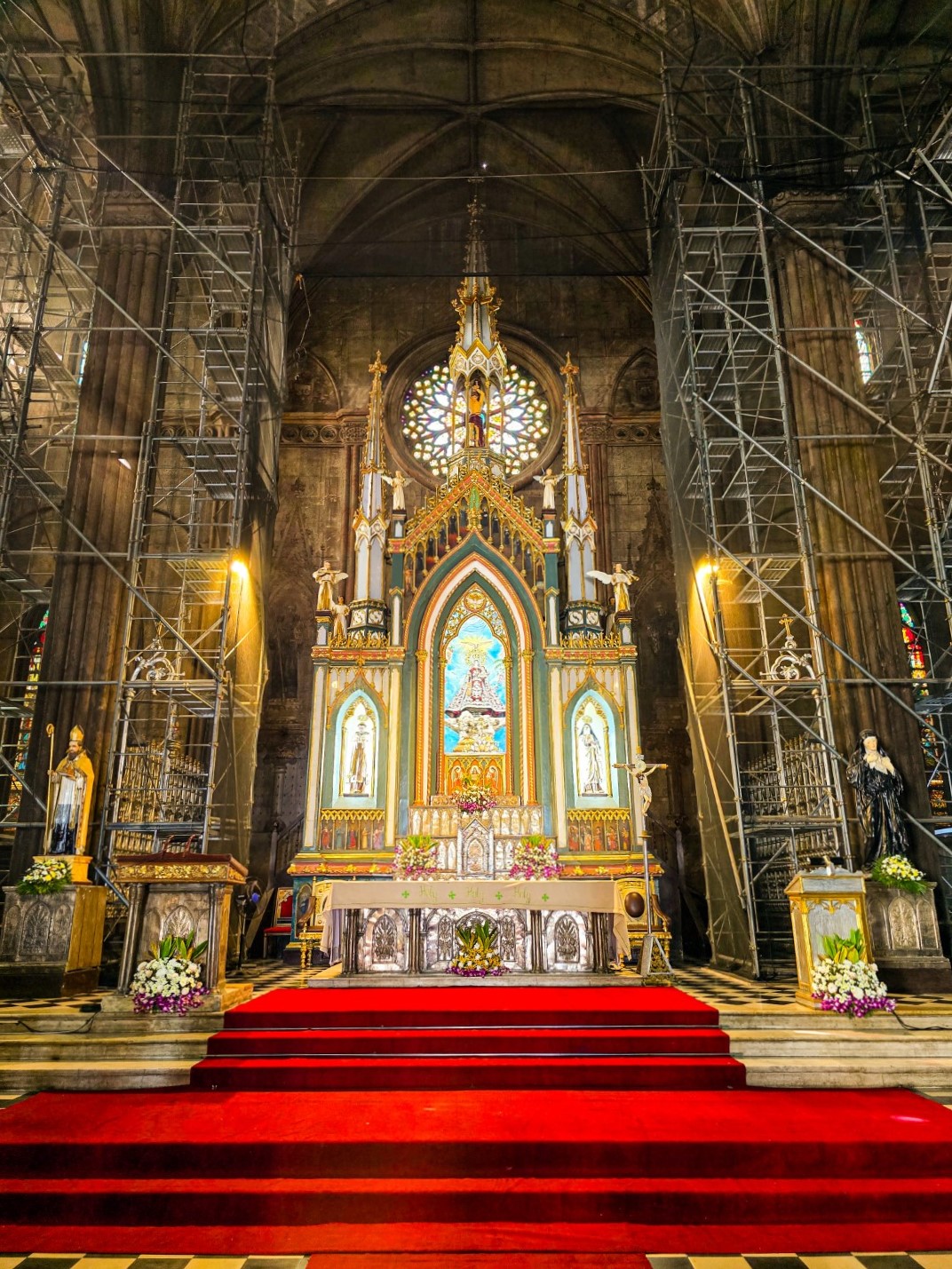
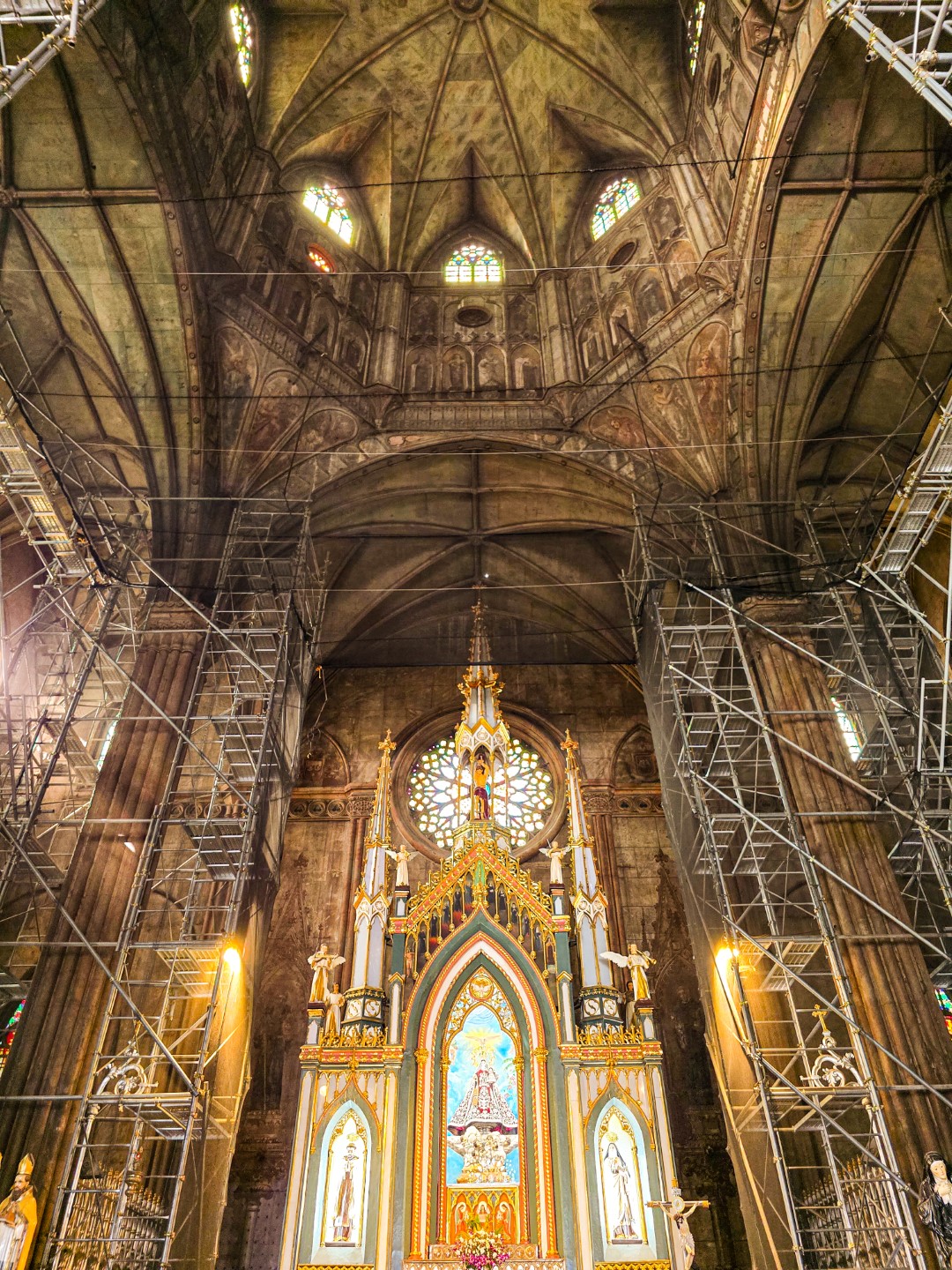

The sanctuary of the church and a view of the dome from the inside.

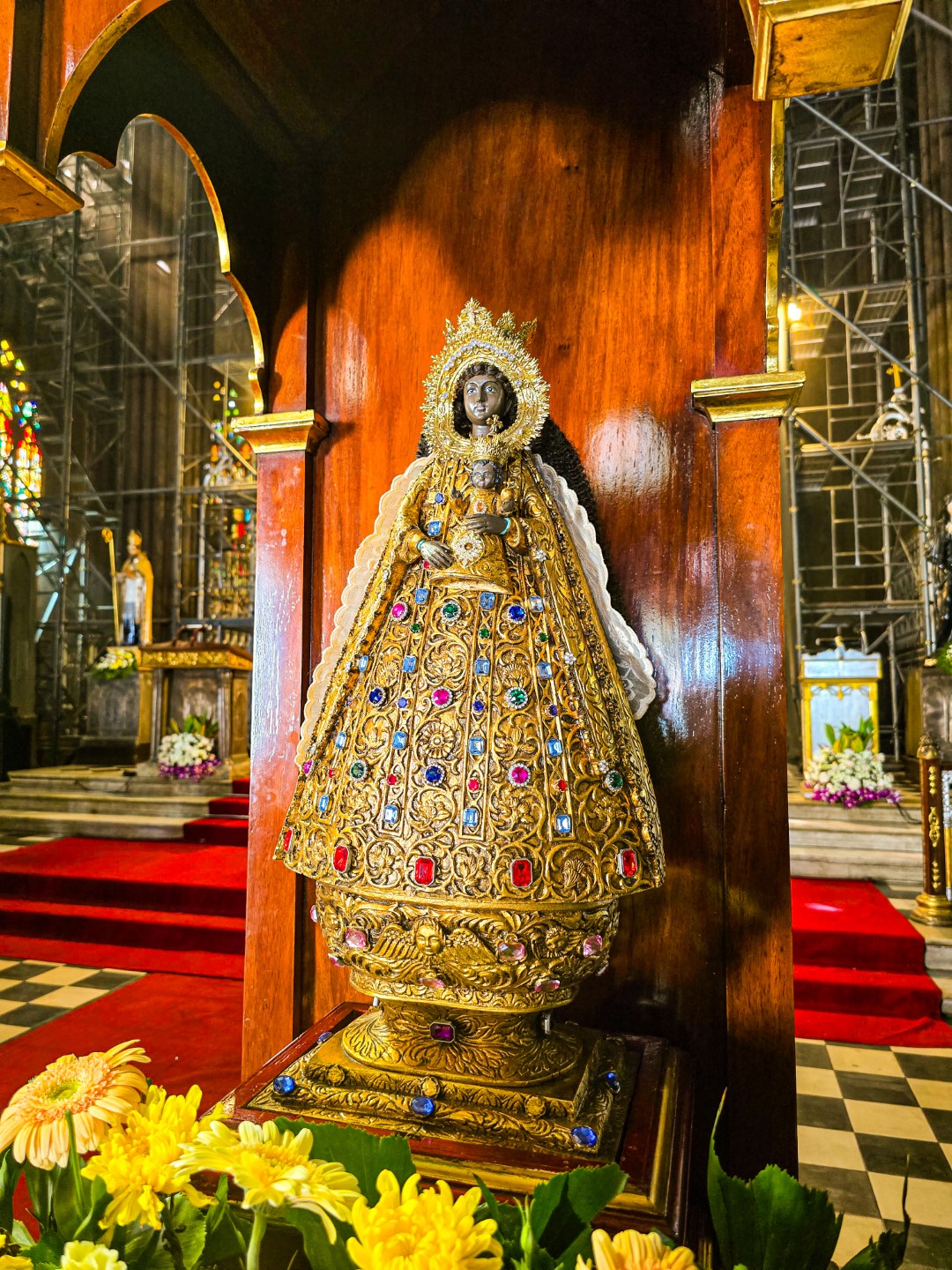
The images of St. Sebastian and Ntra. Sra. de la Salud.


The stained glasses, pulpit and pipe organ of the minor basilica.
While it was Ran’s first time to visit the Basilica Minore de San Sebastian, it wasn’t for me. In fact, I have been in the church countless of times before, having spent my college years in San Beda College, now university, which is just a stone’s throw away. Every visit to the church though still provides a unique sense of connection to the divine, providing a deeper appreciation of the faith we inherited from our forebears.


The Basilica Minore de San Sebastian was once listed by the World Monuments Fund as one of the most endangered monuments in the world. Restoration efforts have been underway since in order to preserve this wonder of architecture and faith. The church used to be in the tentative list of UNESCO as well, for a potential bid to be declared a world heritage site as well but was delisted. Attempts were made to put it back in the list, but with a high-rise building expected to be constructed within its immediate vicinity, the possibilities have been practically windswept.
Corroding as it may be, the San Sebastian Church is a timeless reminder of how faith is deeply embedded in Filipino history and culture, making it a monument worthy of efforts towards restoration and preservation. With designation as a world heritage site or none, those who have the power and means to help in bringing the minor basilica to its former glory must do so. It is, after all, a mirror that reflects the Filipino people: a people with faith of steel.
The day was passing swiftly, and at around 02:30 PM, we decided to resume our hike to our next destination. The Basilica Minore de San Sebastian was just our first stop to an afternoon of history, reflection, and in my case, nostalgia.


 Renegade Junctures
Leave a reply to renegadetraveller Cancel reply