

It is not hard to be lost in time in Panampangan Island, surrounded by crystal clear waters and powdery white sand while basking under the blue skies tinted by the golden rays of the sun. After all, the island seemed to have been lost in time itself, allowing the hands of nature to work on such a marvelous masterpiece.
While Panampangan was an island paradise that will make one feel that as if time has frozen still, our next island destination was literally one that has the imprints of time embedded upon its shores. It took at least a couple and a half hours since we left Panampangan Island before we caught sight of the port of Simunul. A town seemingly cast in the middle of the vast sea, it is characteristically Sama–Bajau, with stilt houses lining along the shallows, connected to a concrete road that leads to the main island.
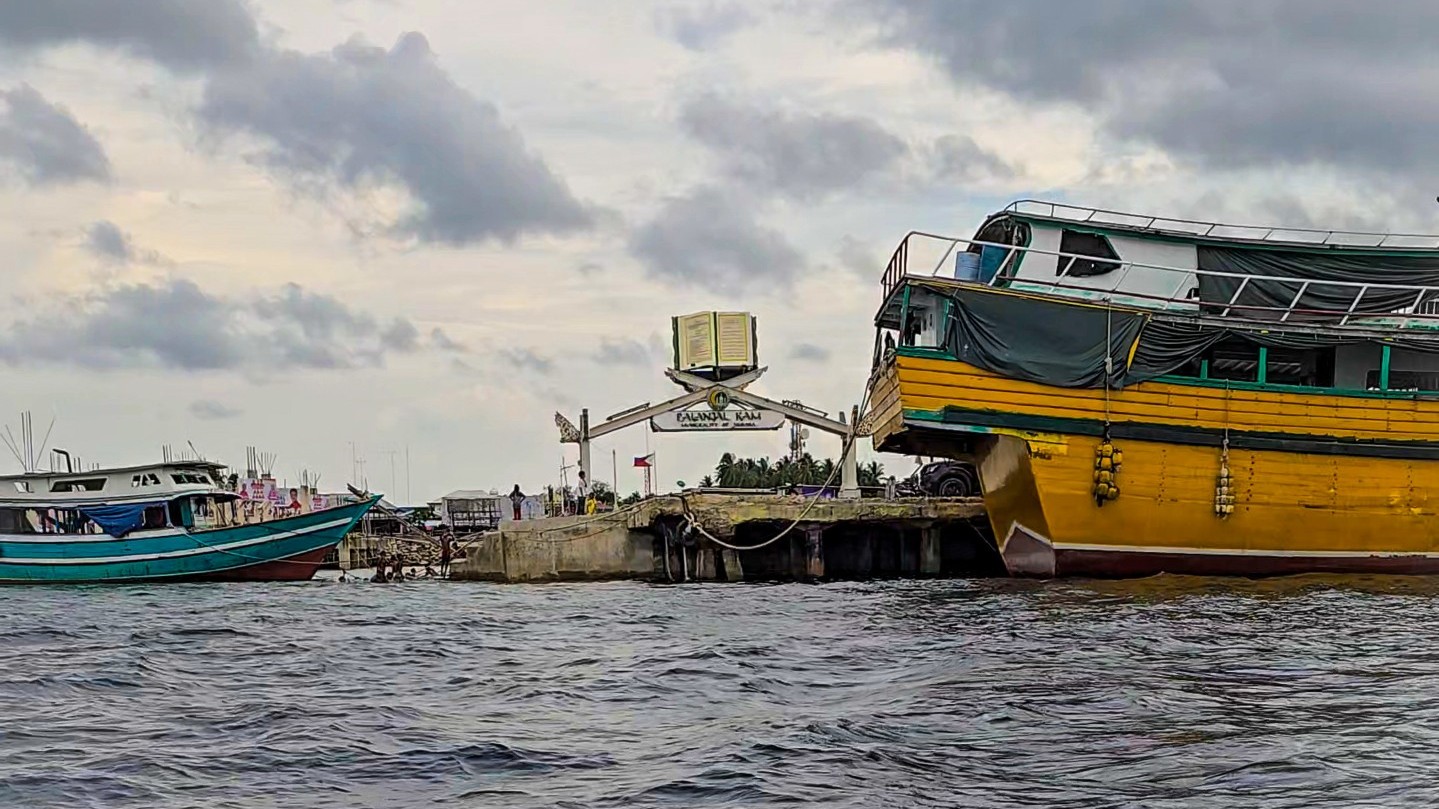
Upon disembarking, one cannot miss the welcome arch of the island town, the details of which very well speaks of the great historical significance it identifies itself with. In this island, the third major Abrahamic religion embedded its roots in the archipelago that we know today.
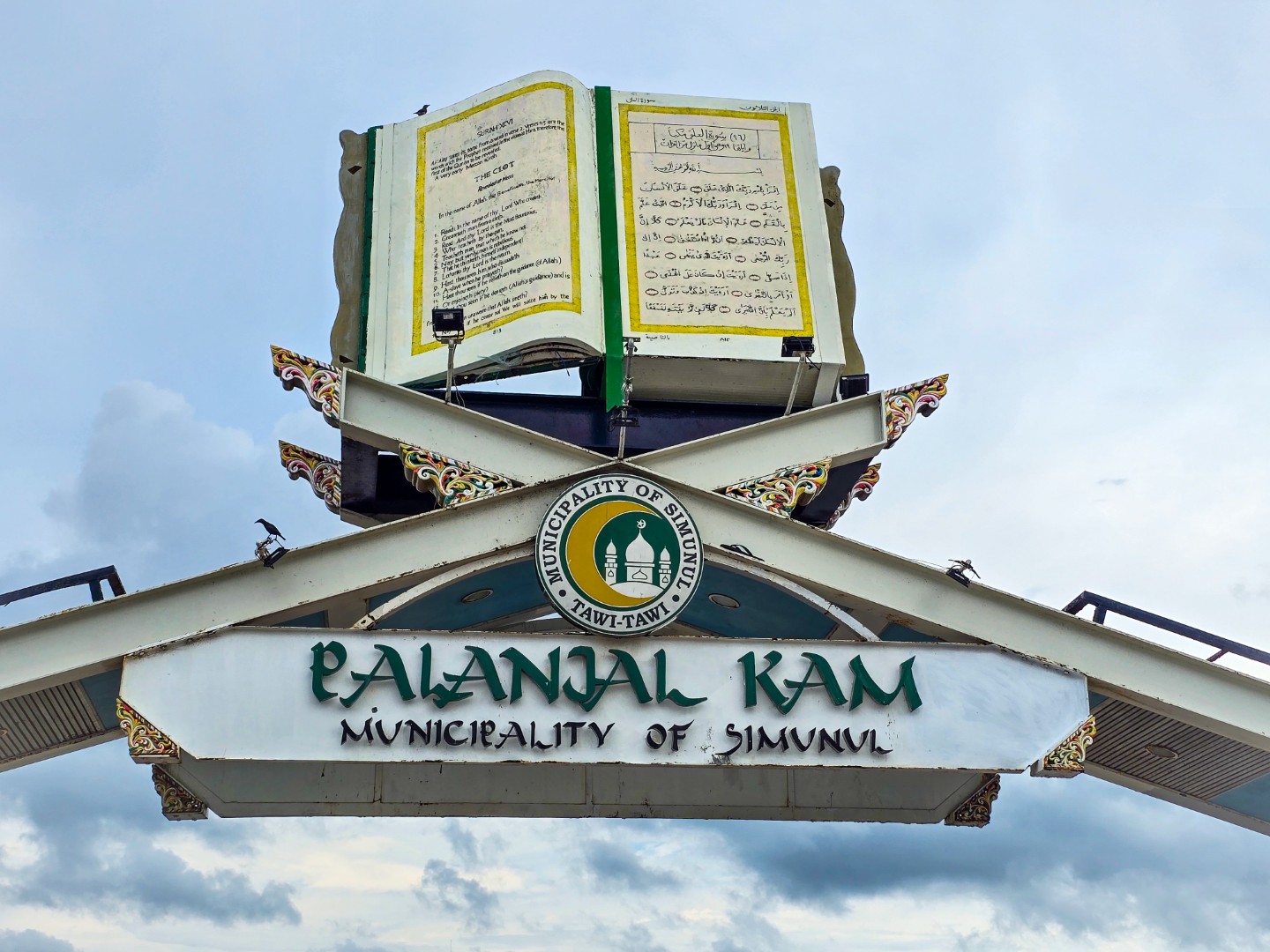
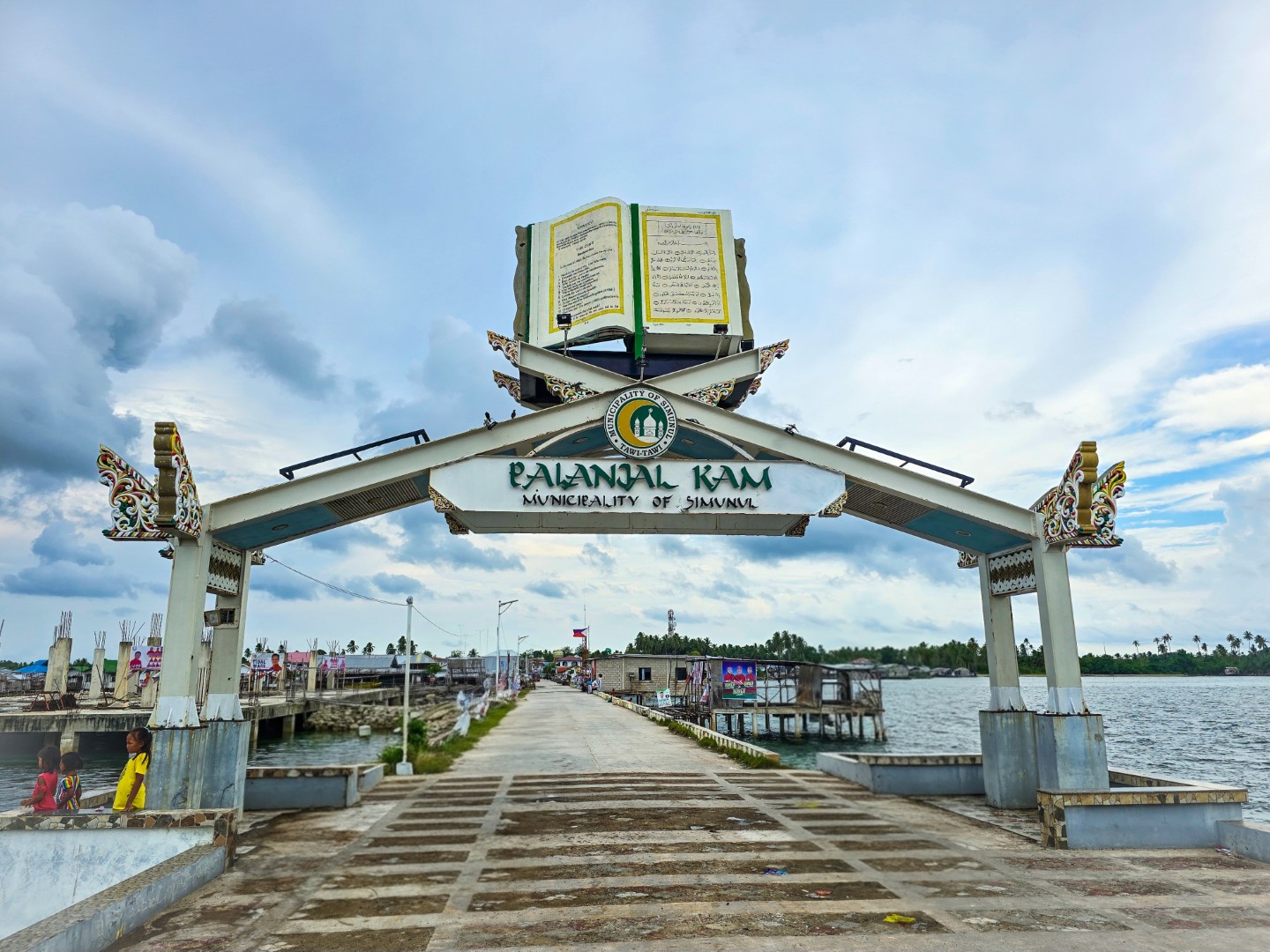
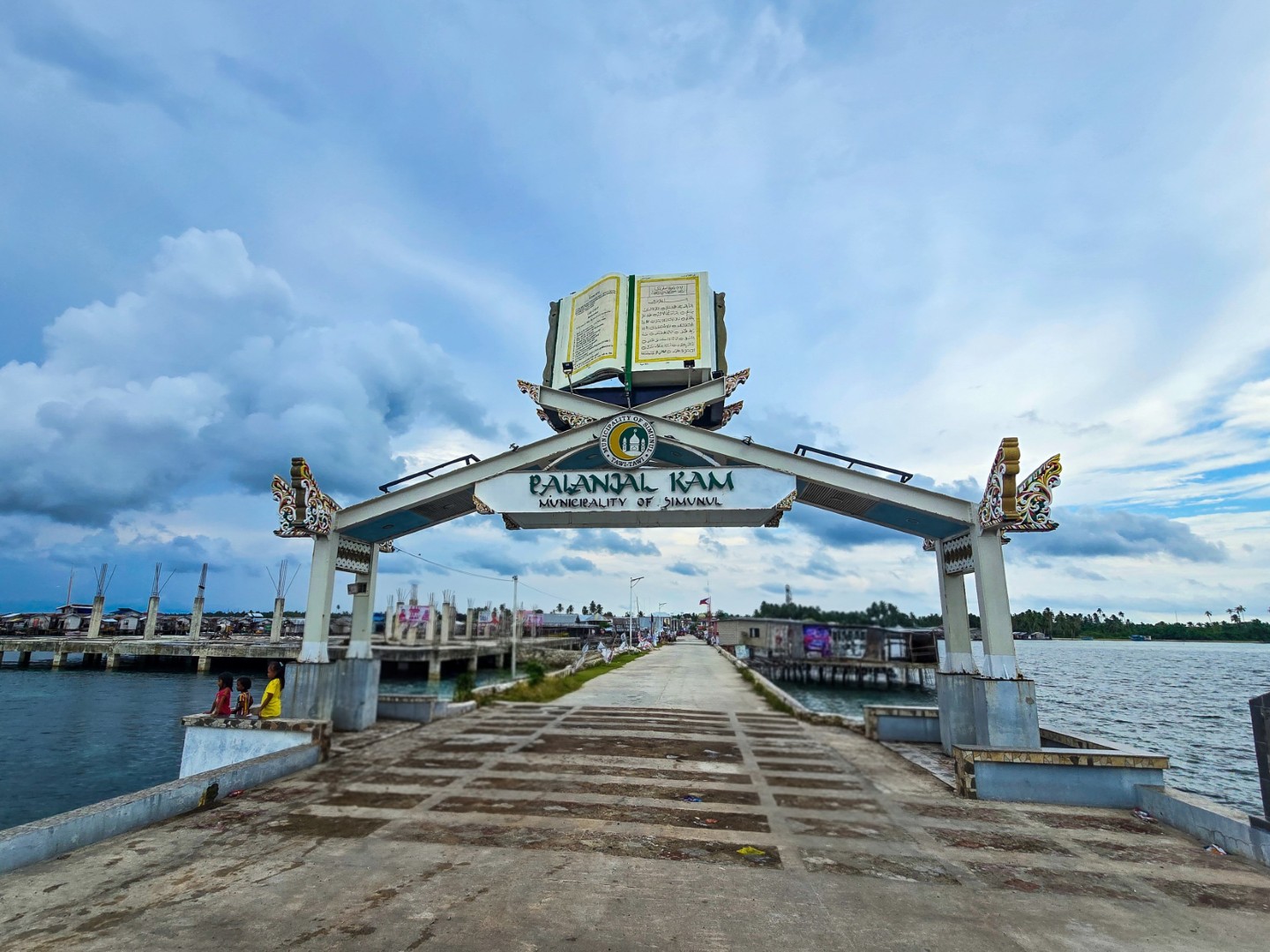
The Qur’an at the top of the welcome arch is testament to the deep Islamic tradition and heritage of Simunul.
Most information regarding the arrival of Islam is said to be from local folklore, but there is no denying that it happened in the very shores of Tawi–Tawi. The evidence is indisputable. Just barely five minutes away from the port is a mosque that stands on the same ground where the first mosque in the Philippine archipelago was built, the Masjid Sheikh Karimul Makhdum.
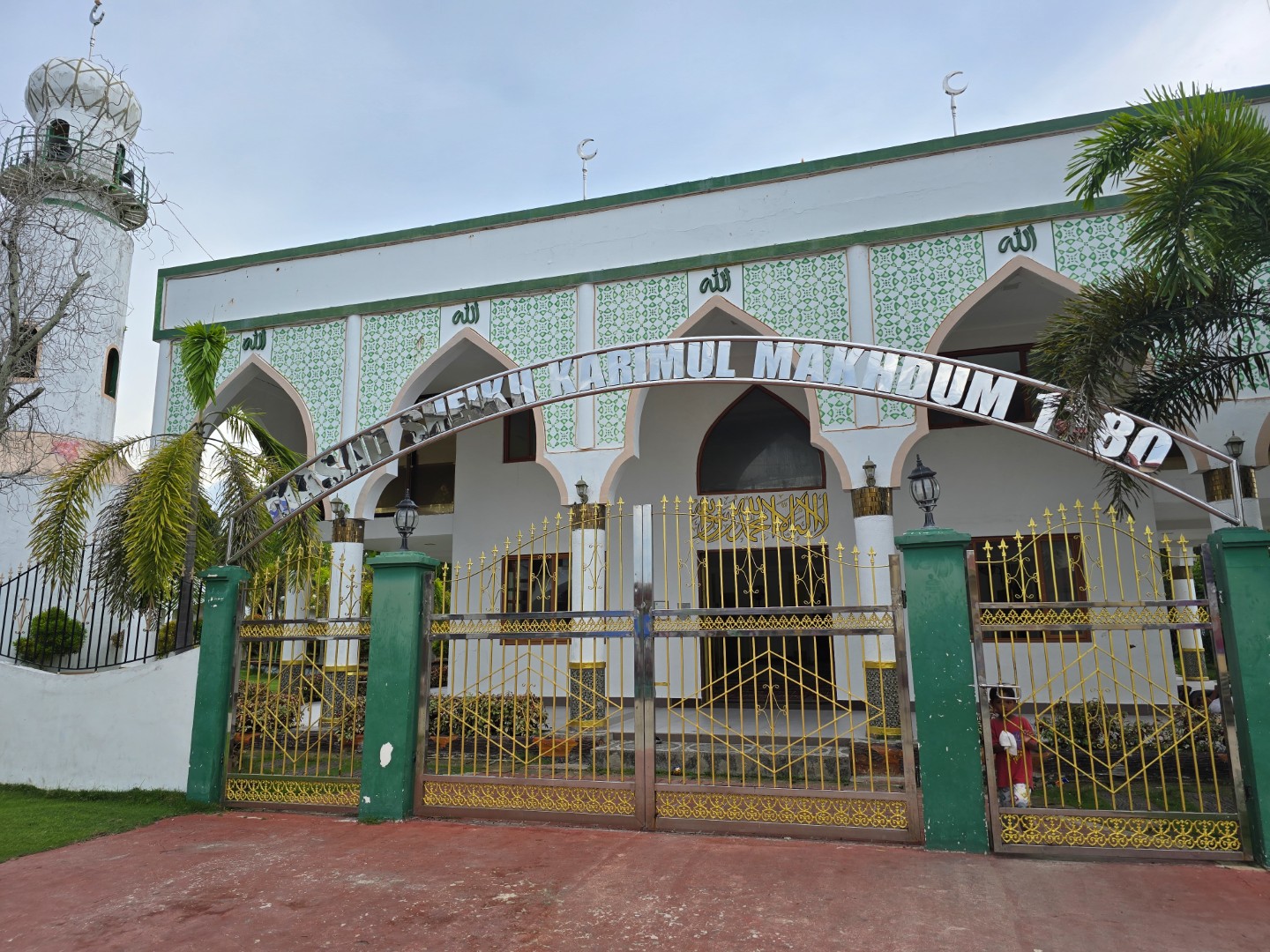
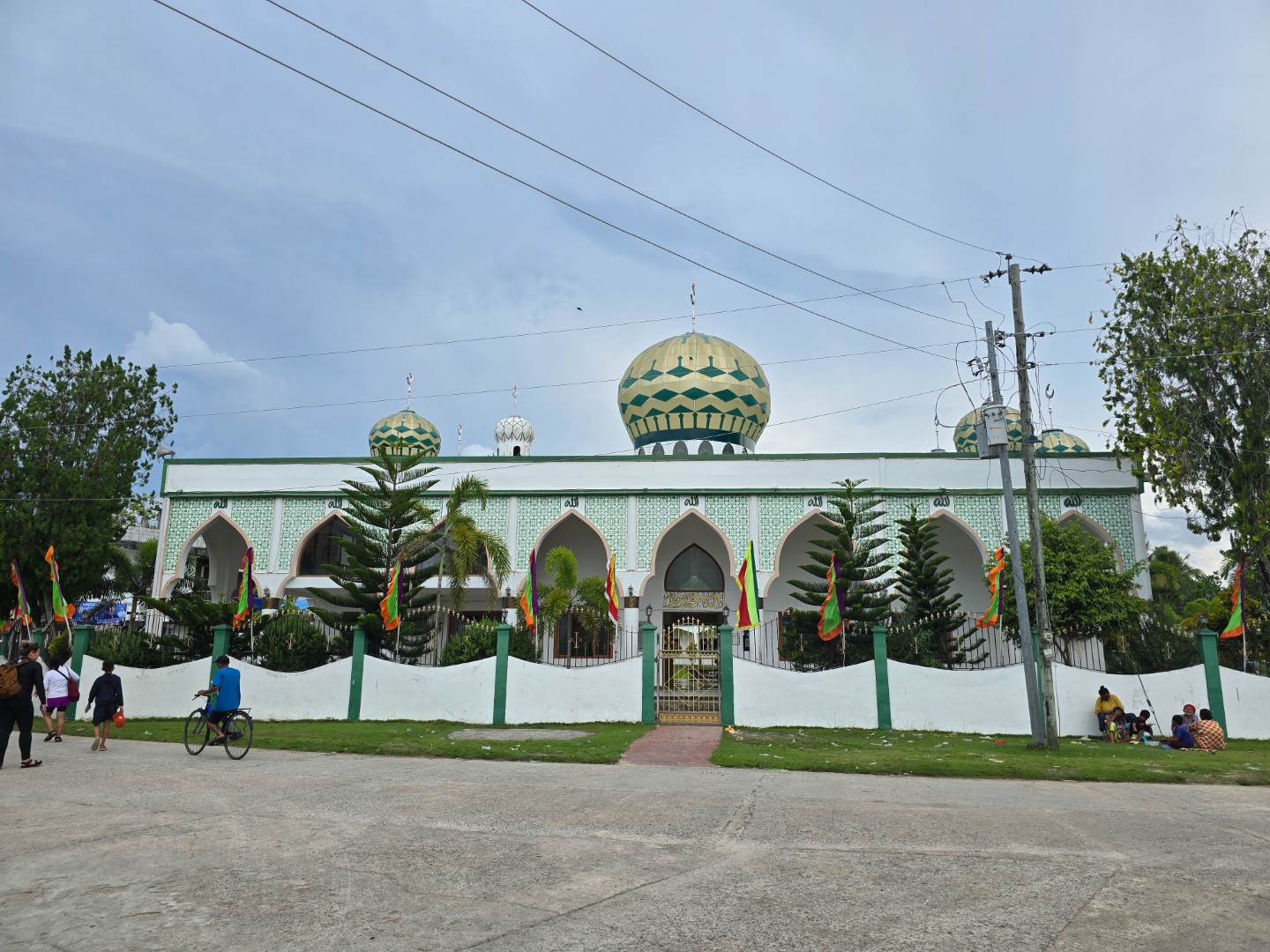
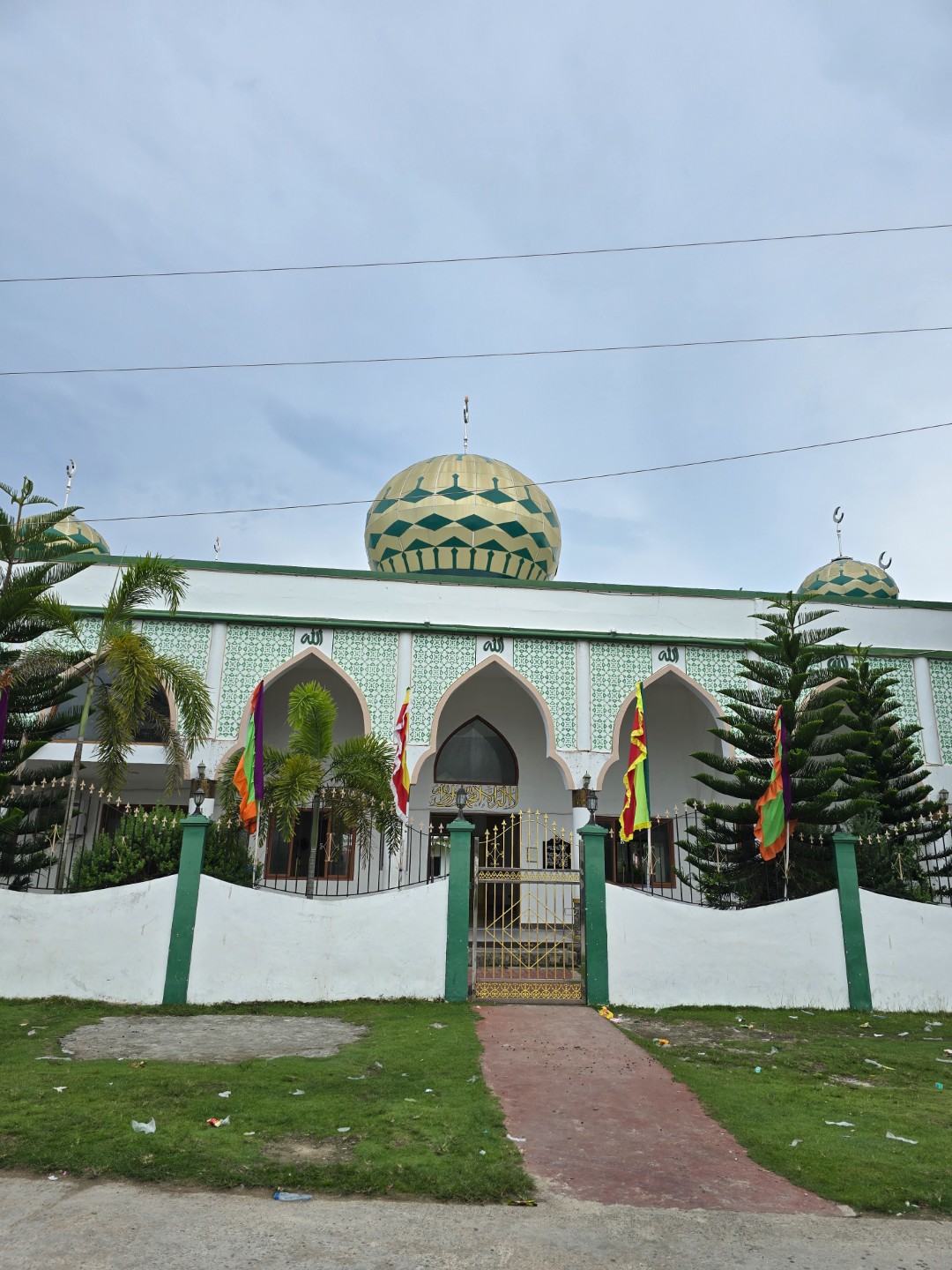
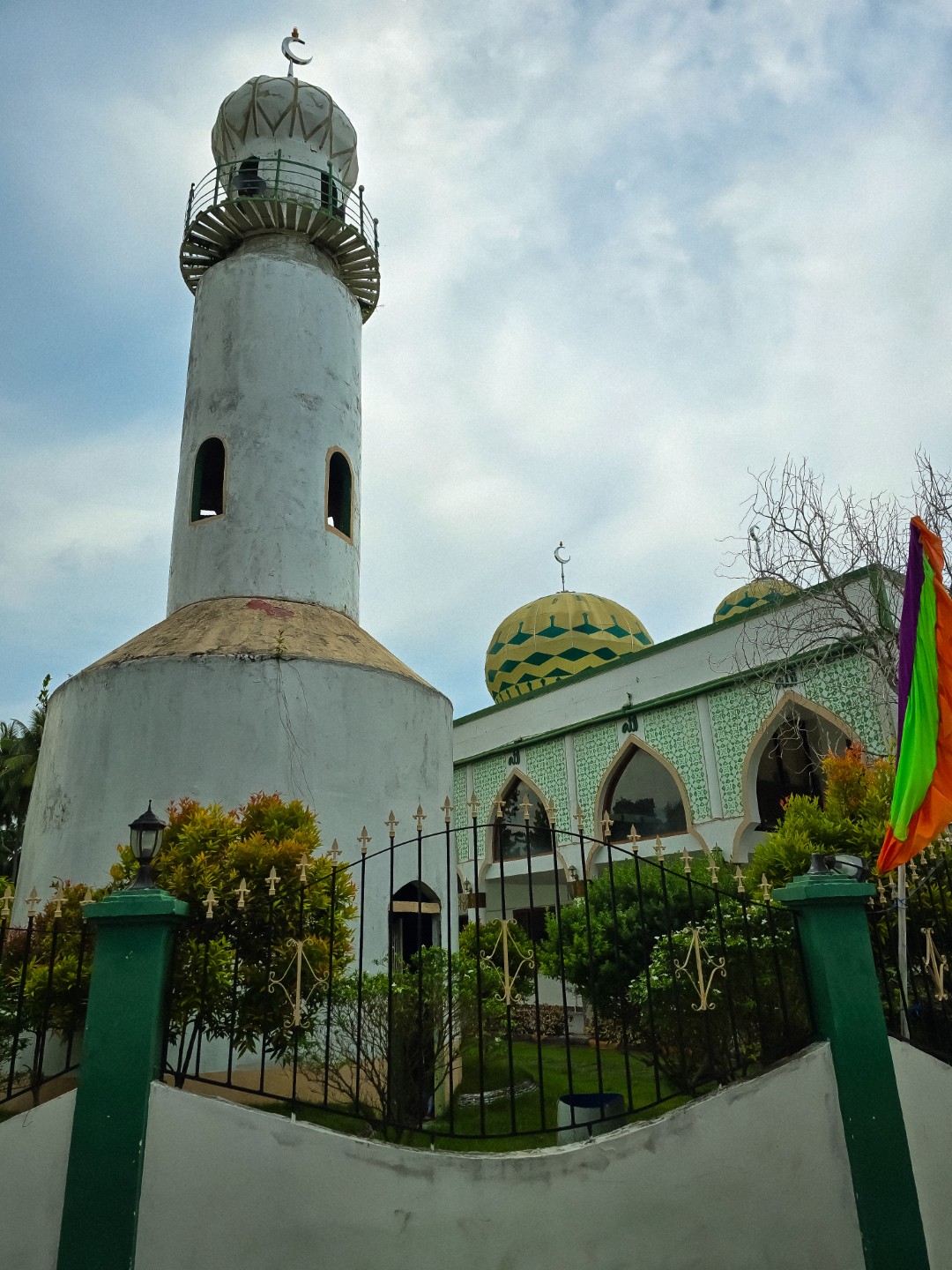
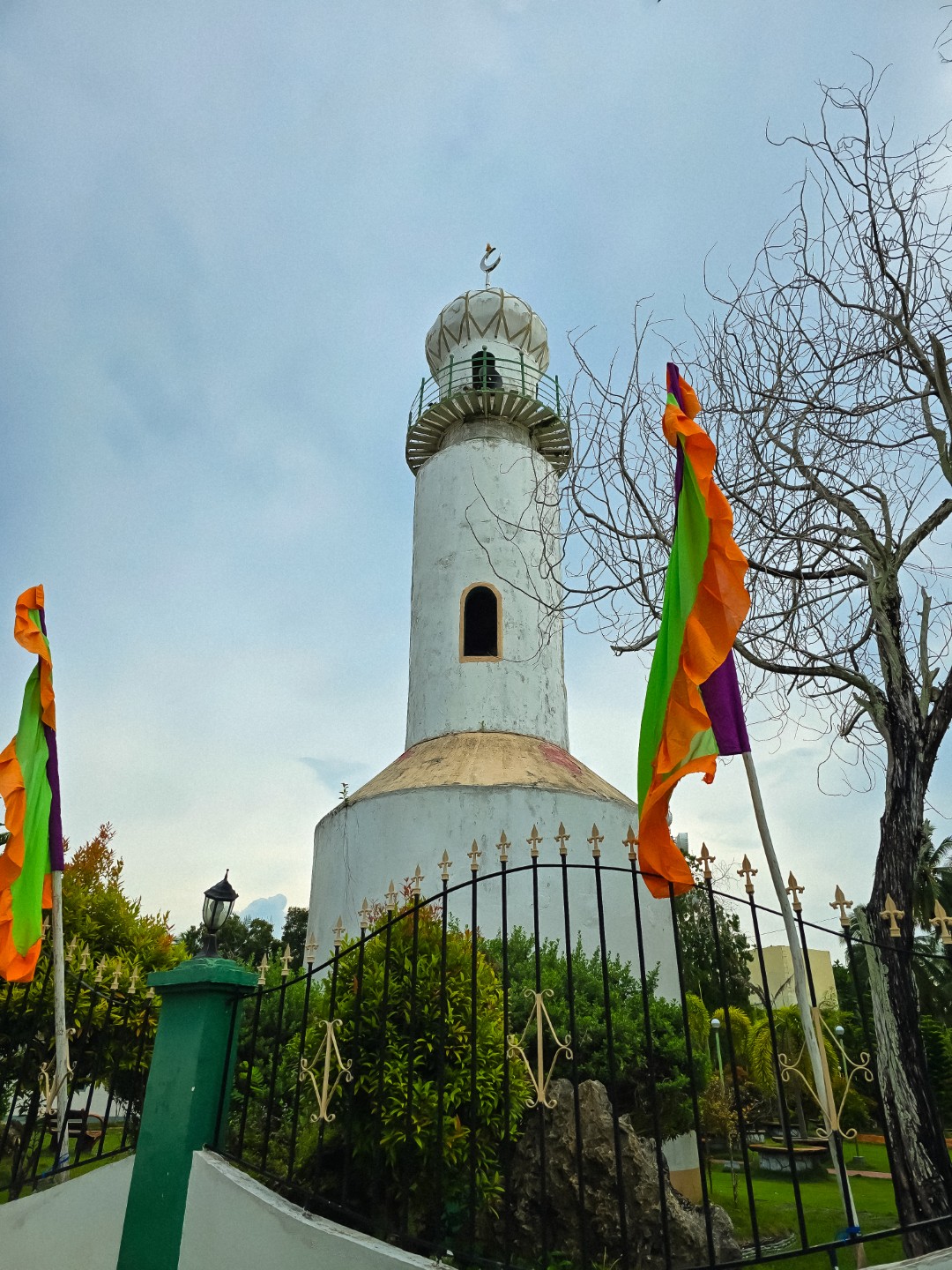
Our first sight of Masjid Sheikh Karimul Makhdum, founded in 1380.
Sheikh Karimul Makhdum, an Arab Sunni Sufi Muslim, arrived on the shores of Tawi–Tawi in 1380. Presumably already inhabited by the Sama then practicing ancient animistic religion, the islands were introduced to a new faith that Sheikh Makhdum brought with him from the arid lands of the Middle East to the wet coasts of Tawi–Tawi. From the barren dessert to the soaked shores came the dawn of Islam in what would eventually be the Philippines.
Shortly upon his arrival, Sheikh Makhdum founded the first and hence the oldest mosque in the country. Now named after its founder, the Masjid Sheikh Karimul Makhdum in Tubig Indangan has been standing for more than six centuries to date, predating other places of organized worship in the Philippines by at least 141 years.
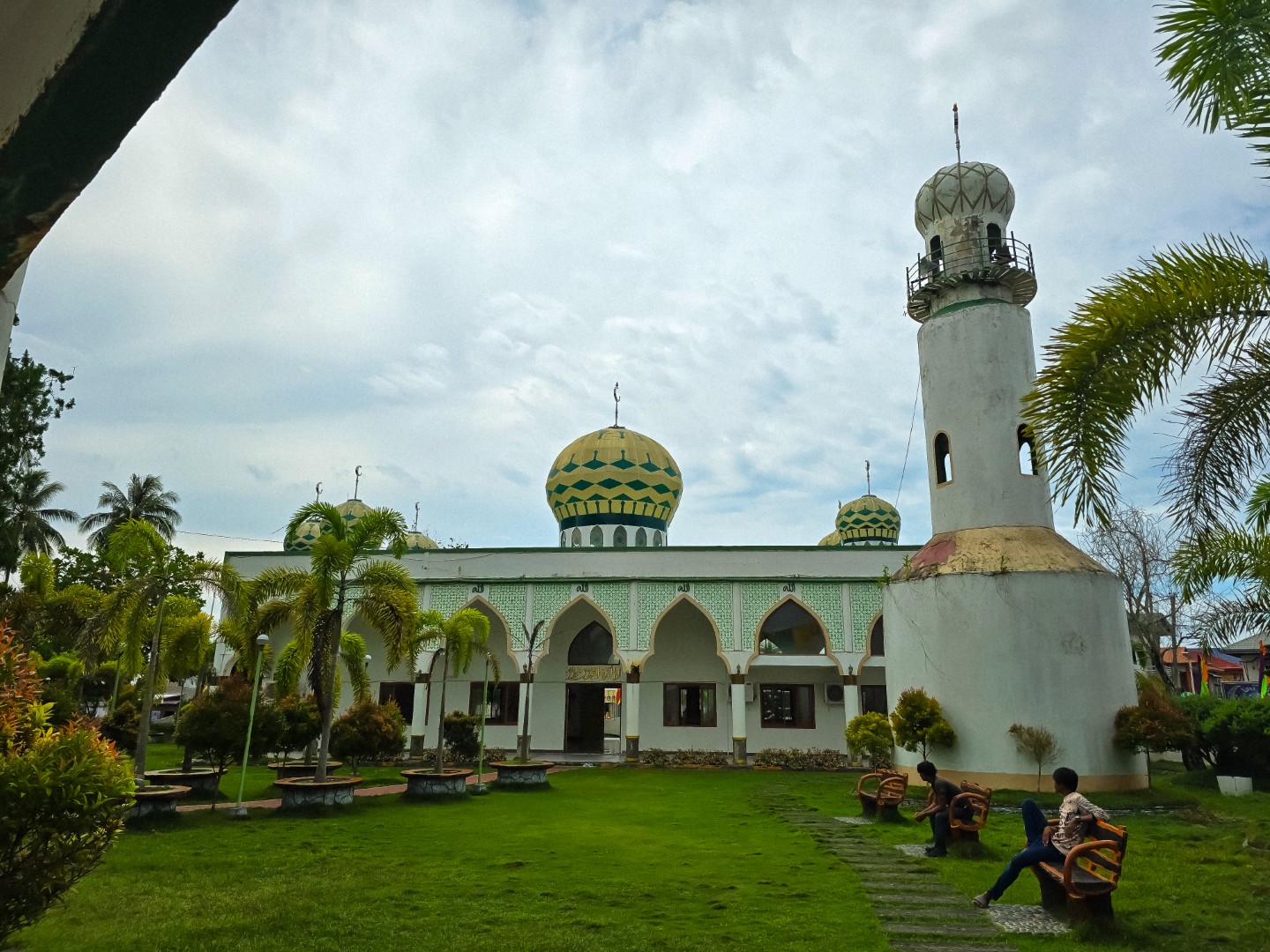
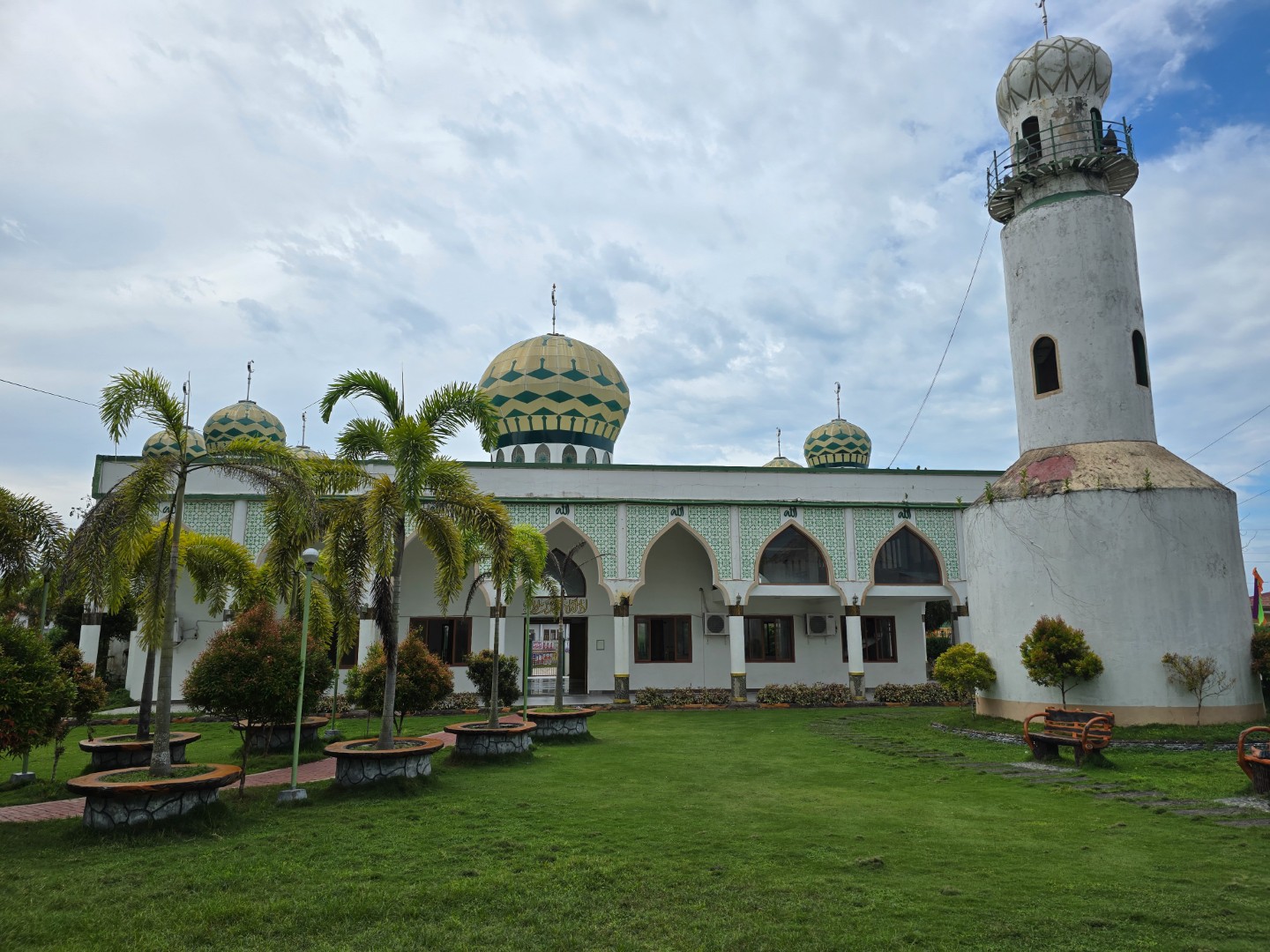
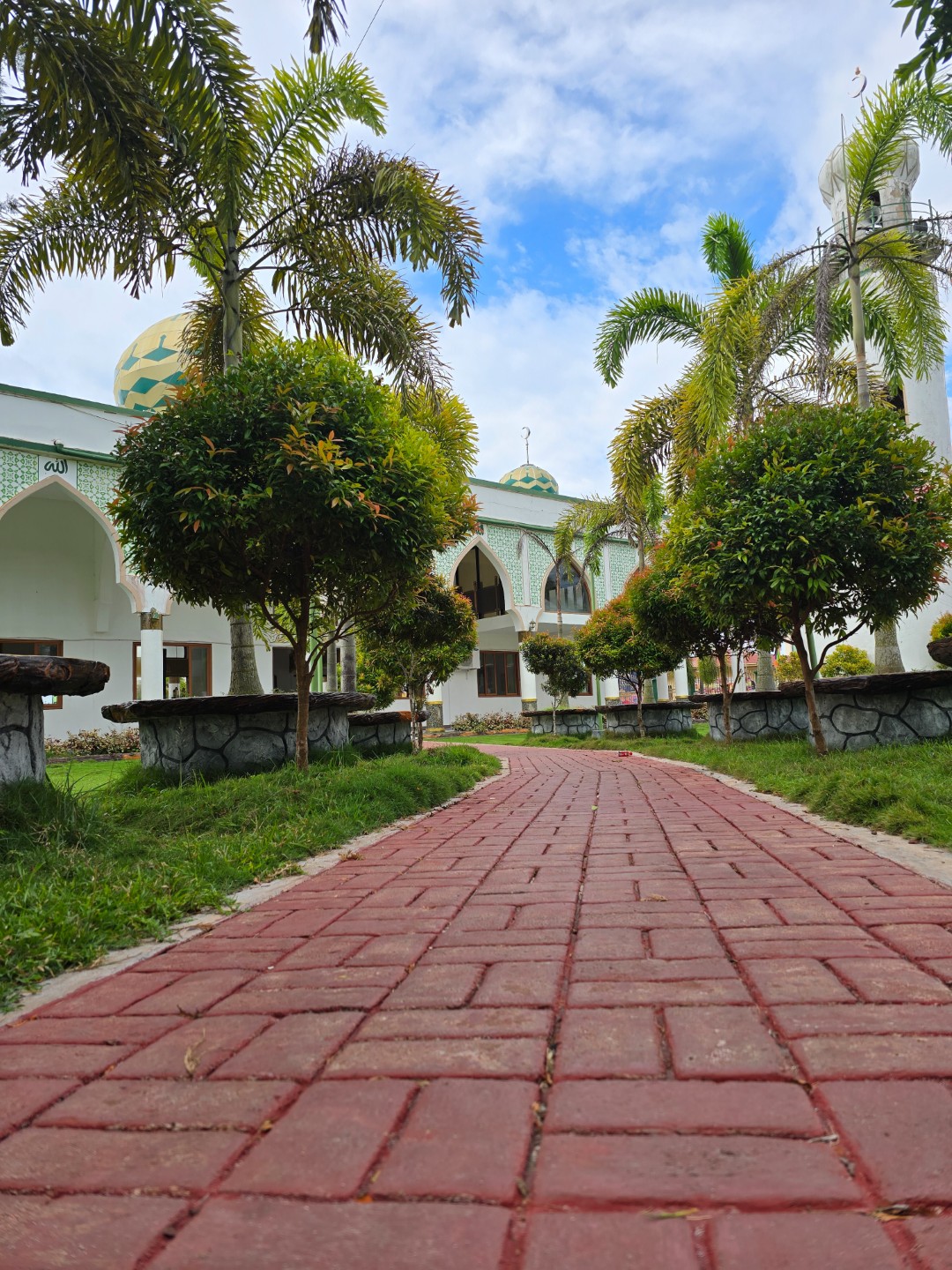
The yard of the mosque.
While we were not able to get inside the first mosque that we visited in Tawi–Tawi, the same was thankfully not true for the mosque in Simunul. We were told by the tourism officer and guide stationed at the Masjid Makhdum that granting access to non-Muslims inside mosques is not the usual norm. In the case of Simunul, however, it is being allowed provided that appropriate clothing requisites are met. Hence, we needed to don traditional Muslim garments before gaining access to the mosque: thawb for the gents and hijab for the ladies. The mosque office provides for Muslim clothing in exchange of a voluntary donation.
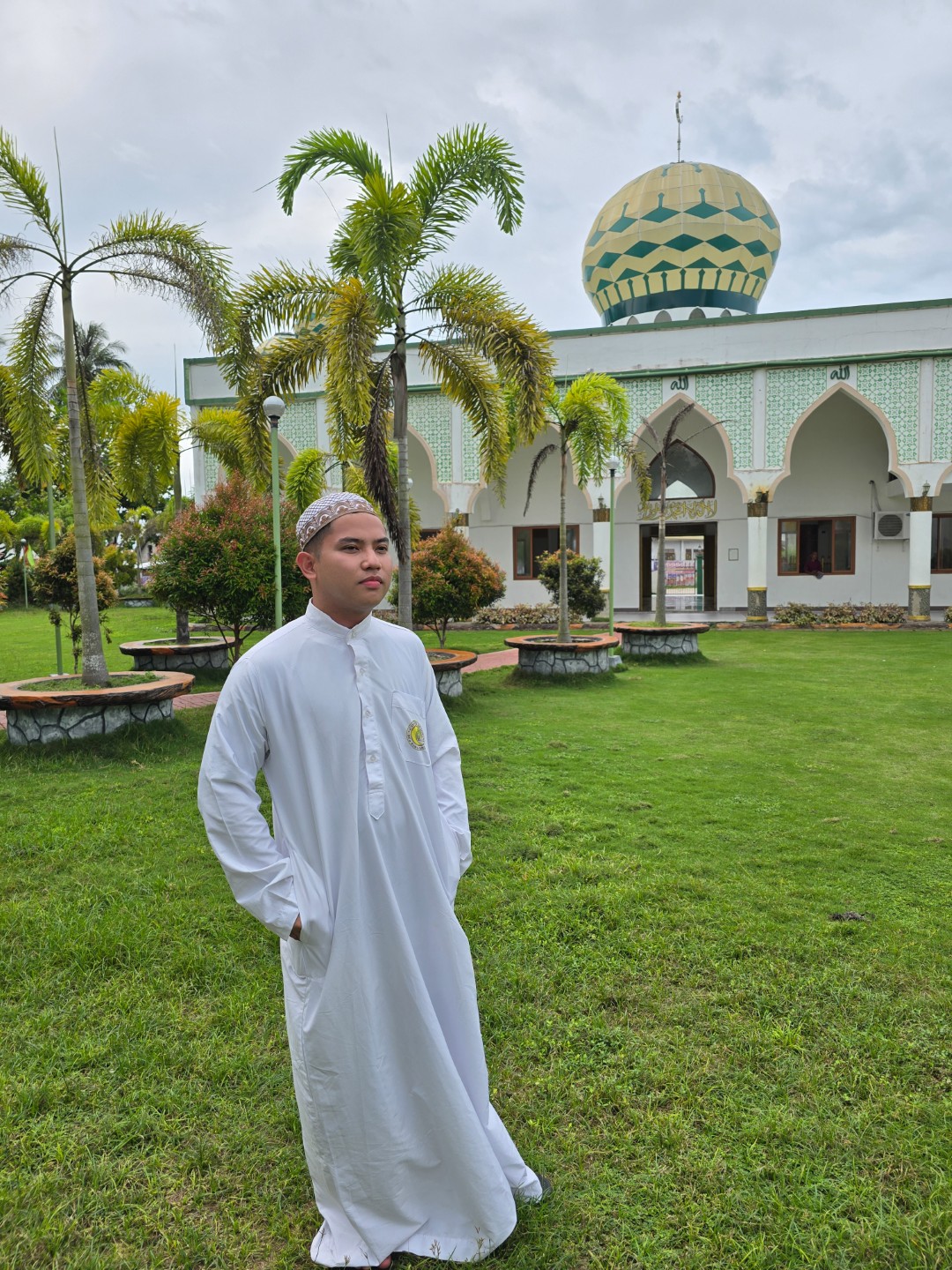
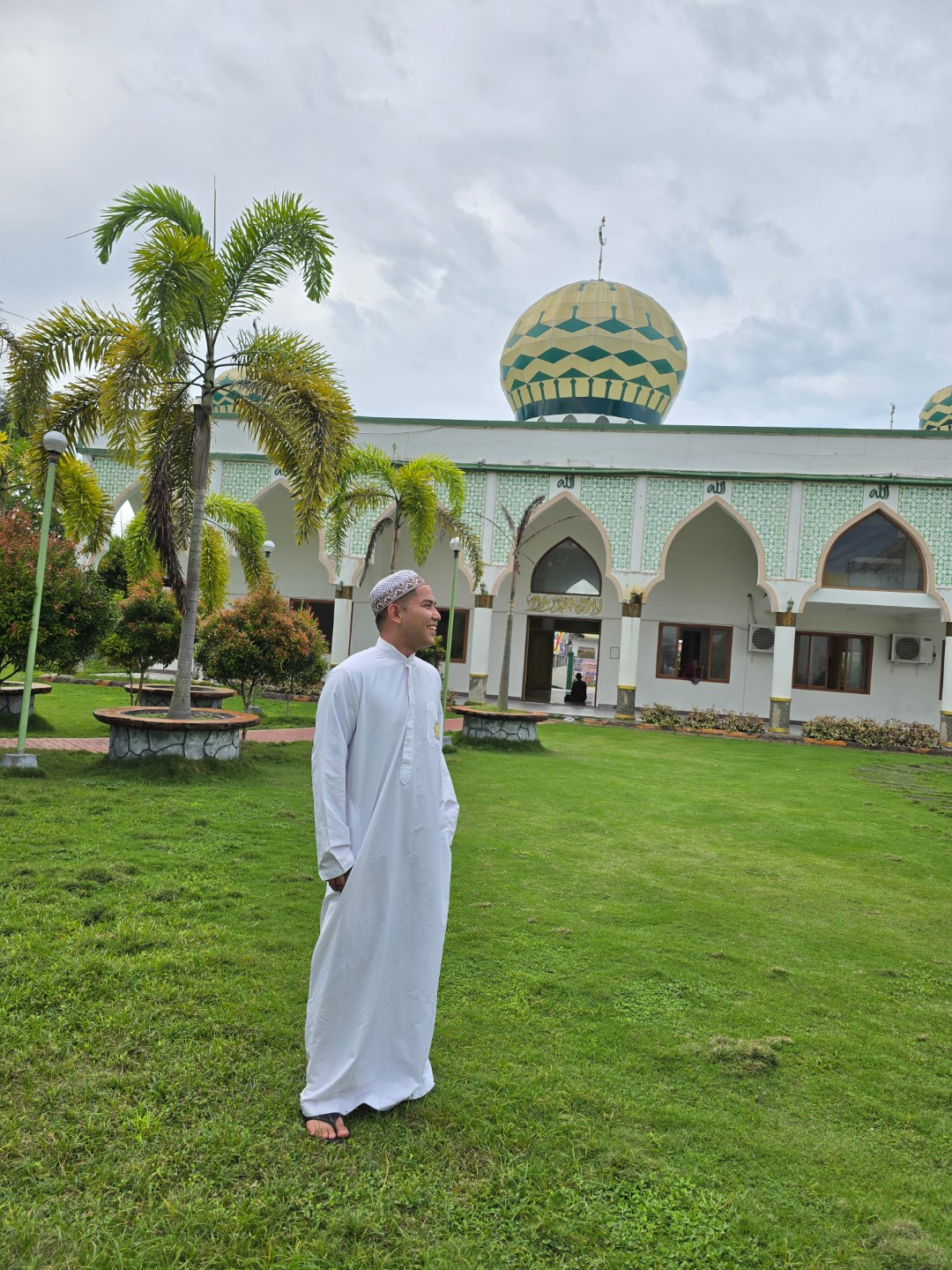
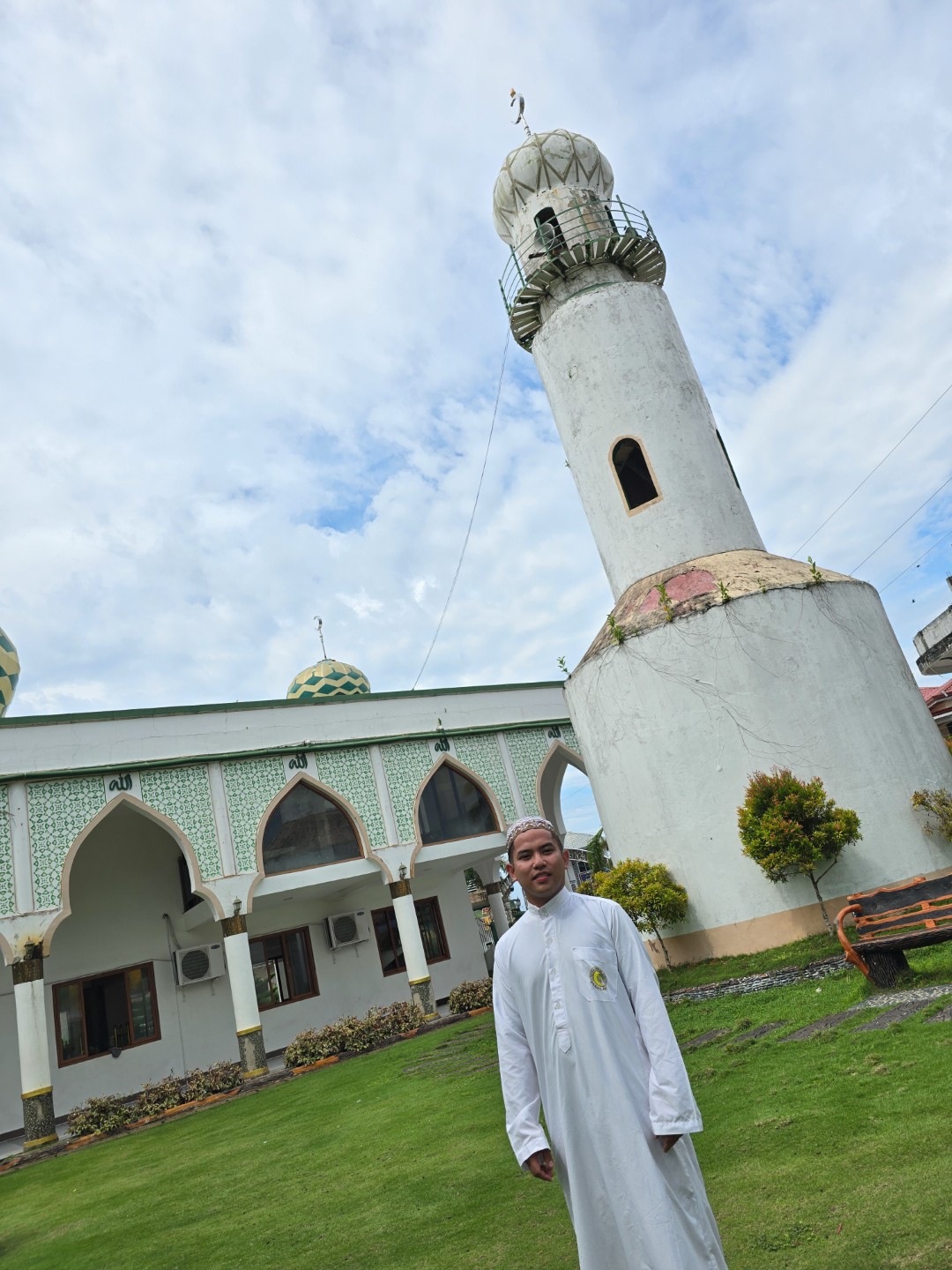
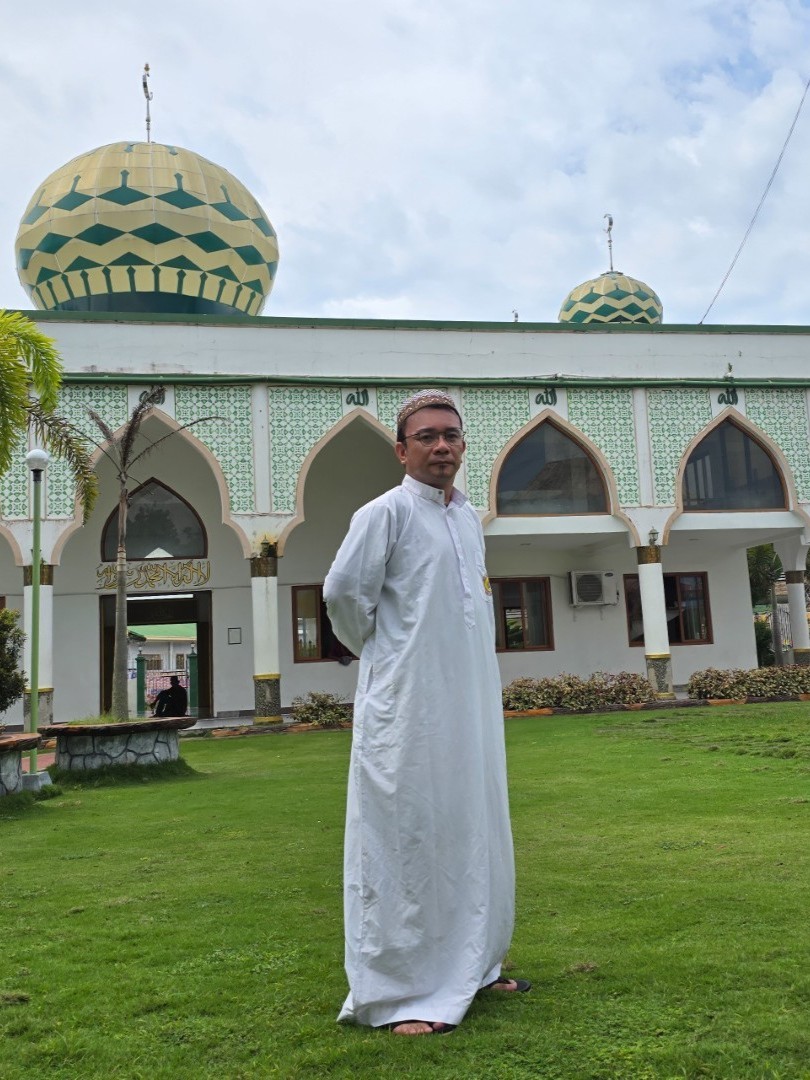
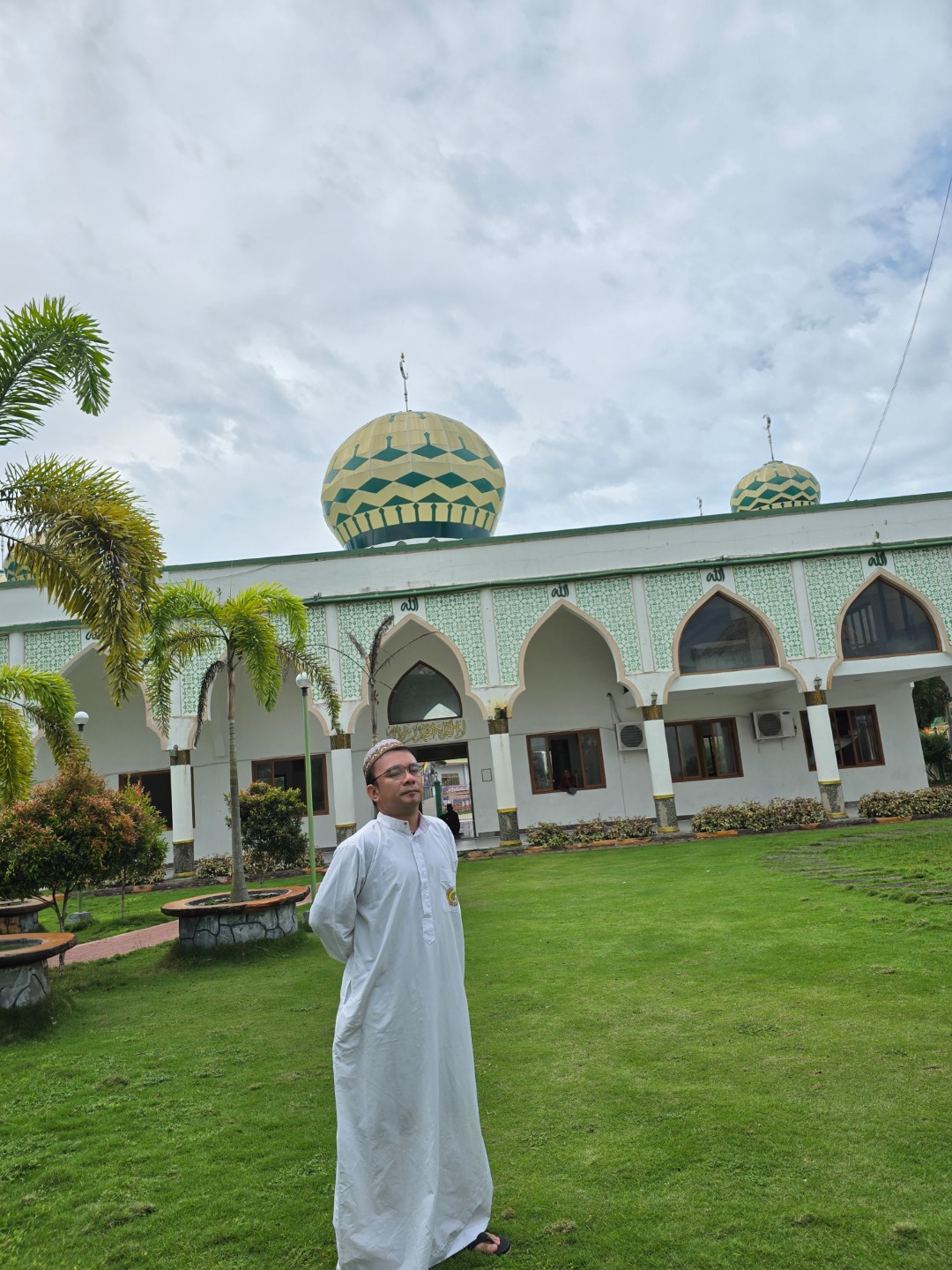
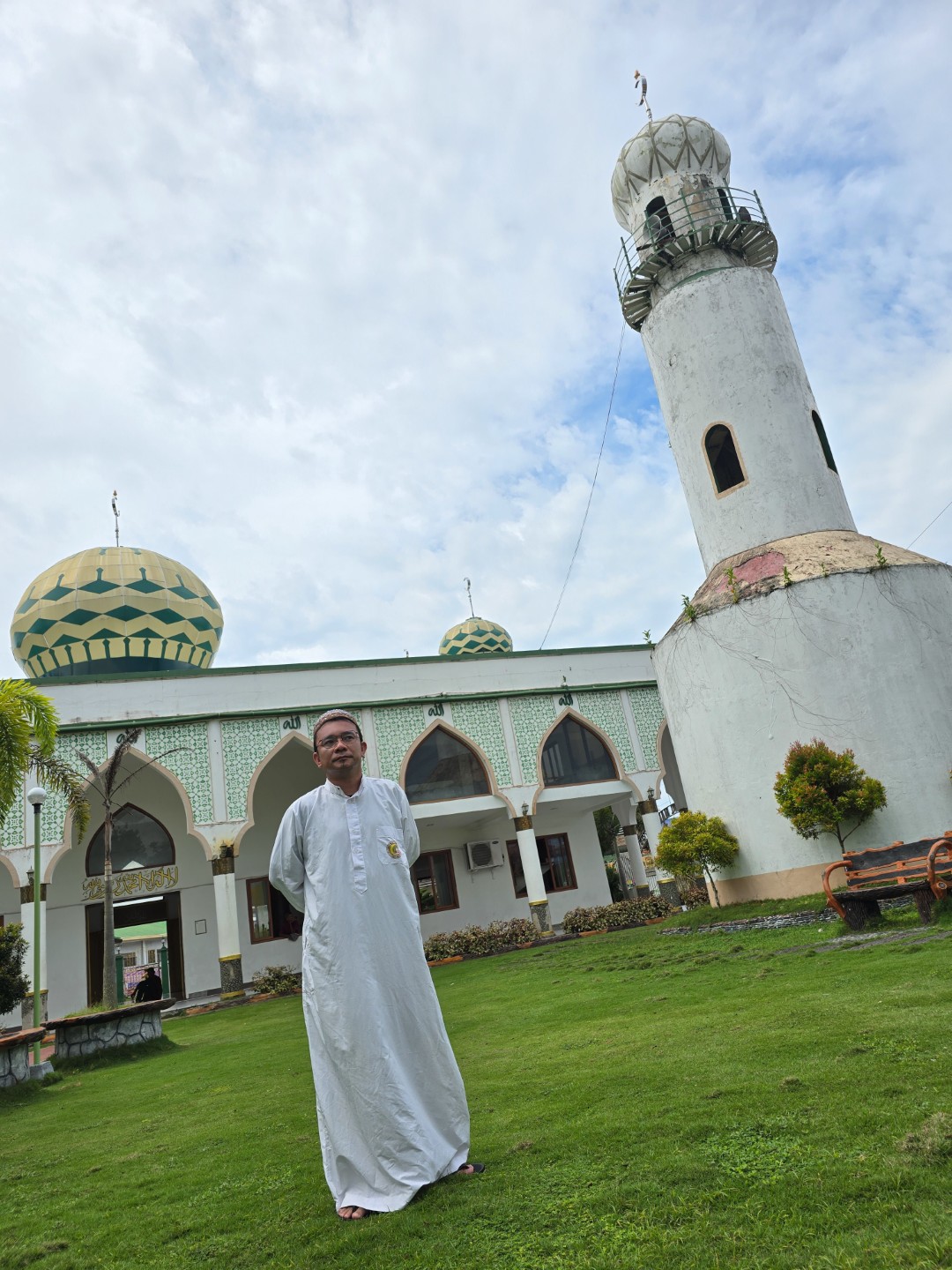
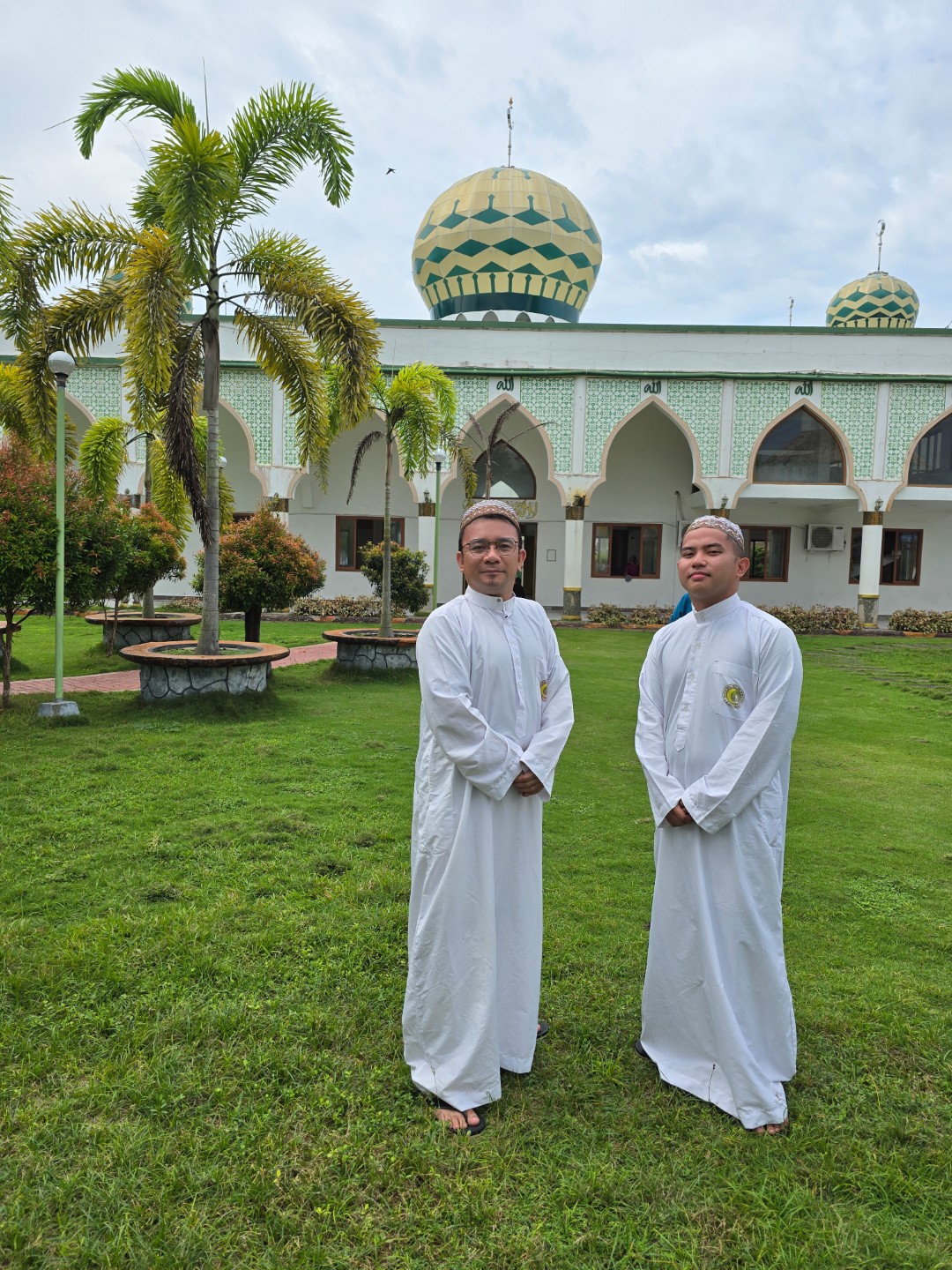
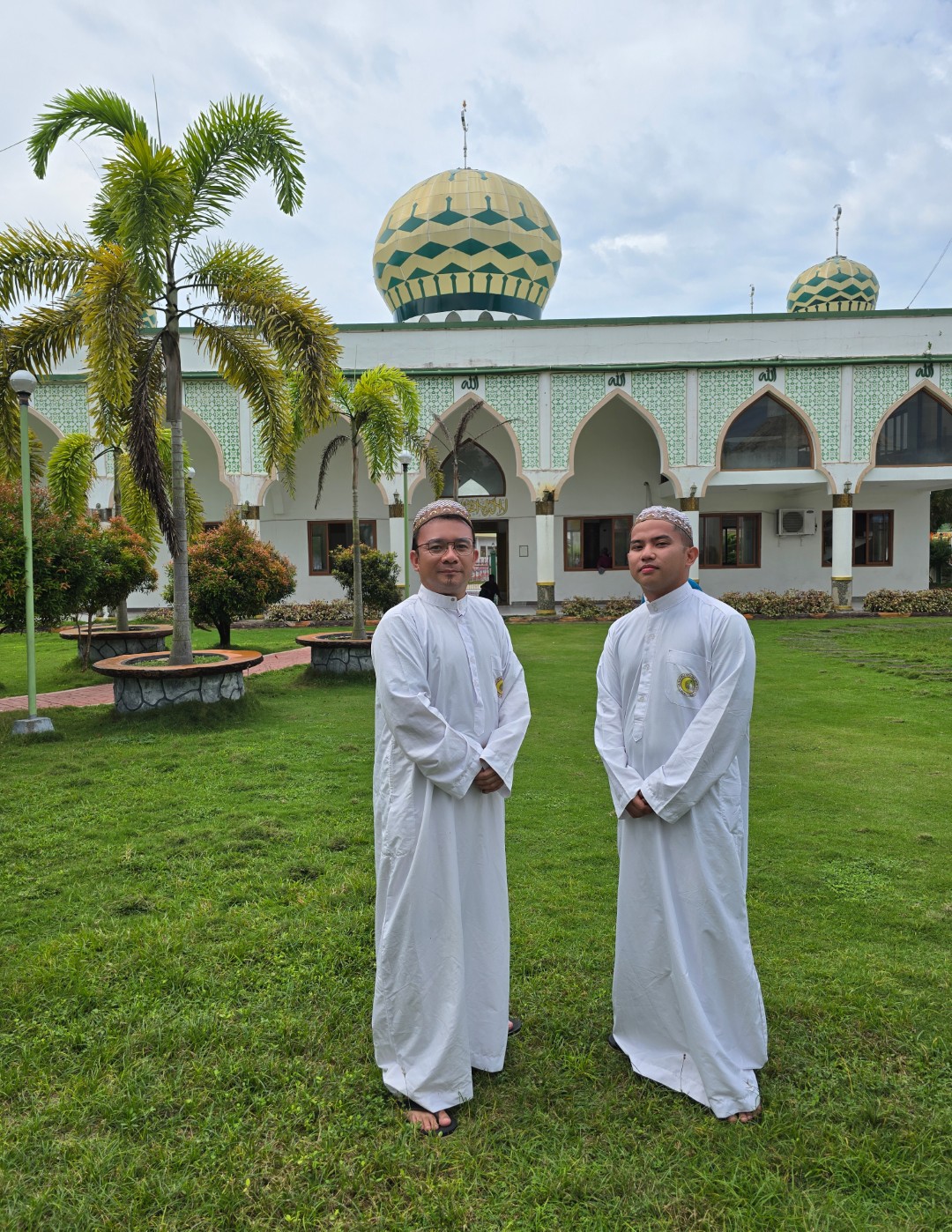
The Renegade Duo wearing the thawb and kopiah.
Enveloped by silence, compelled by tradition and the sacred to remove our sandals, we set foot on the grounds of the first mosque in the Philippines.
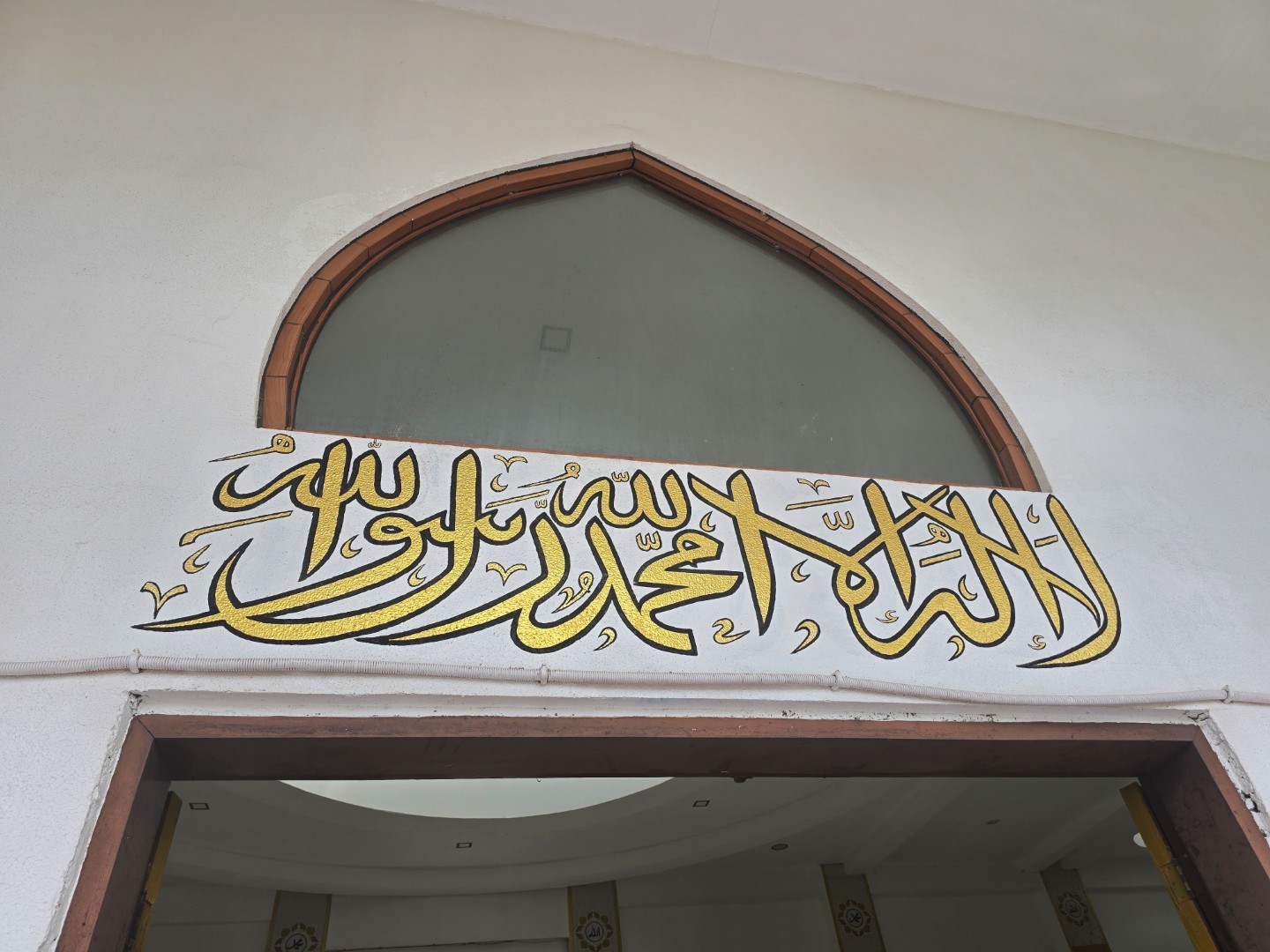
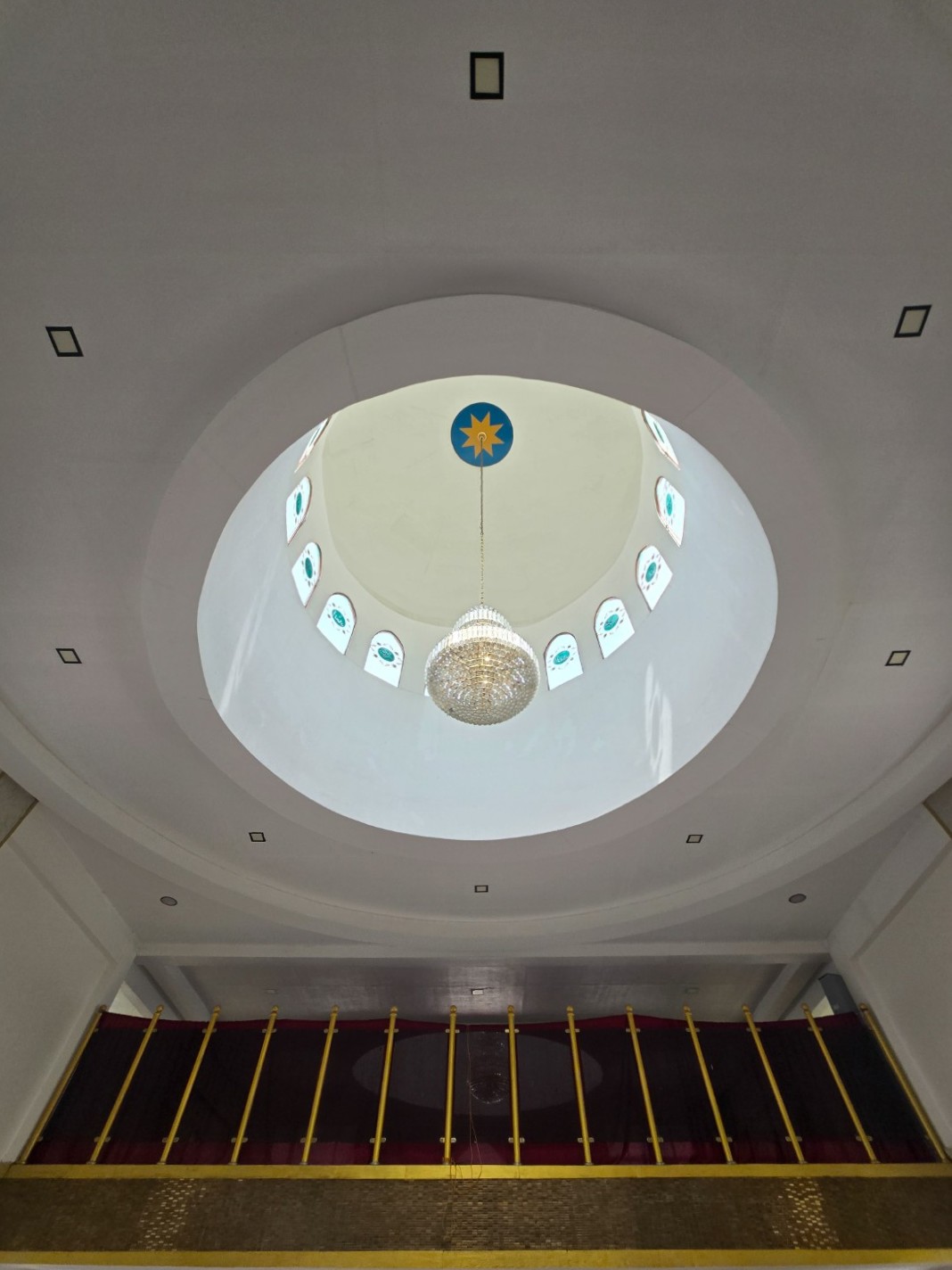
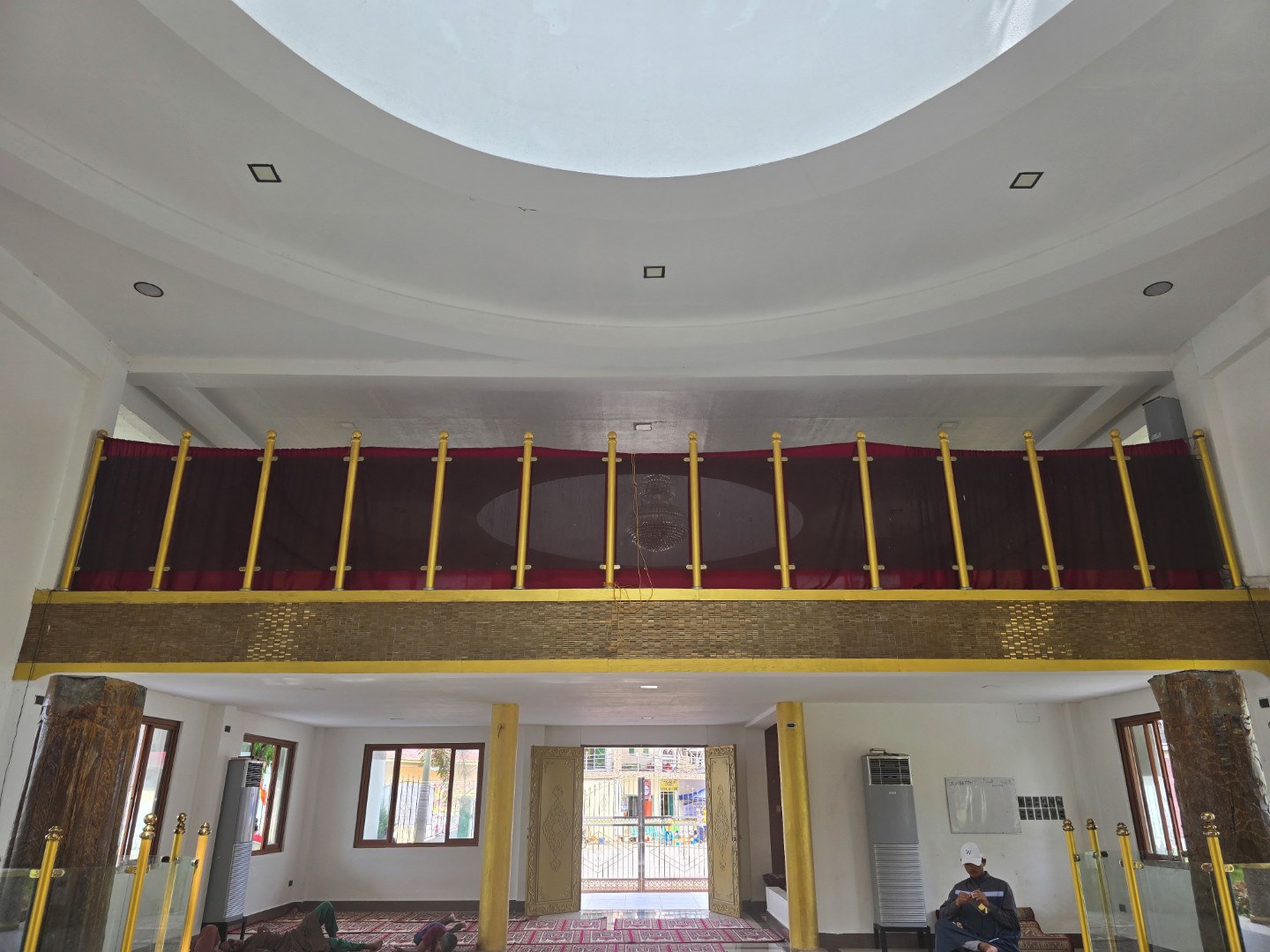
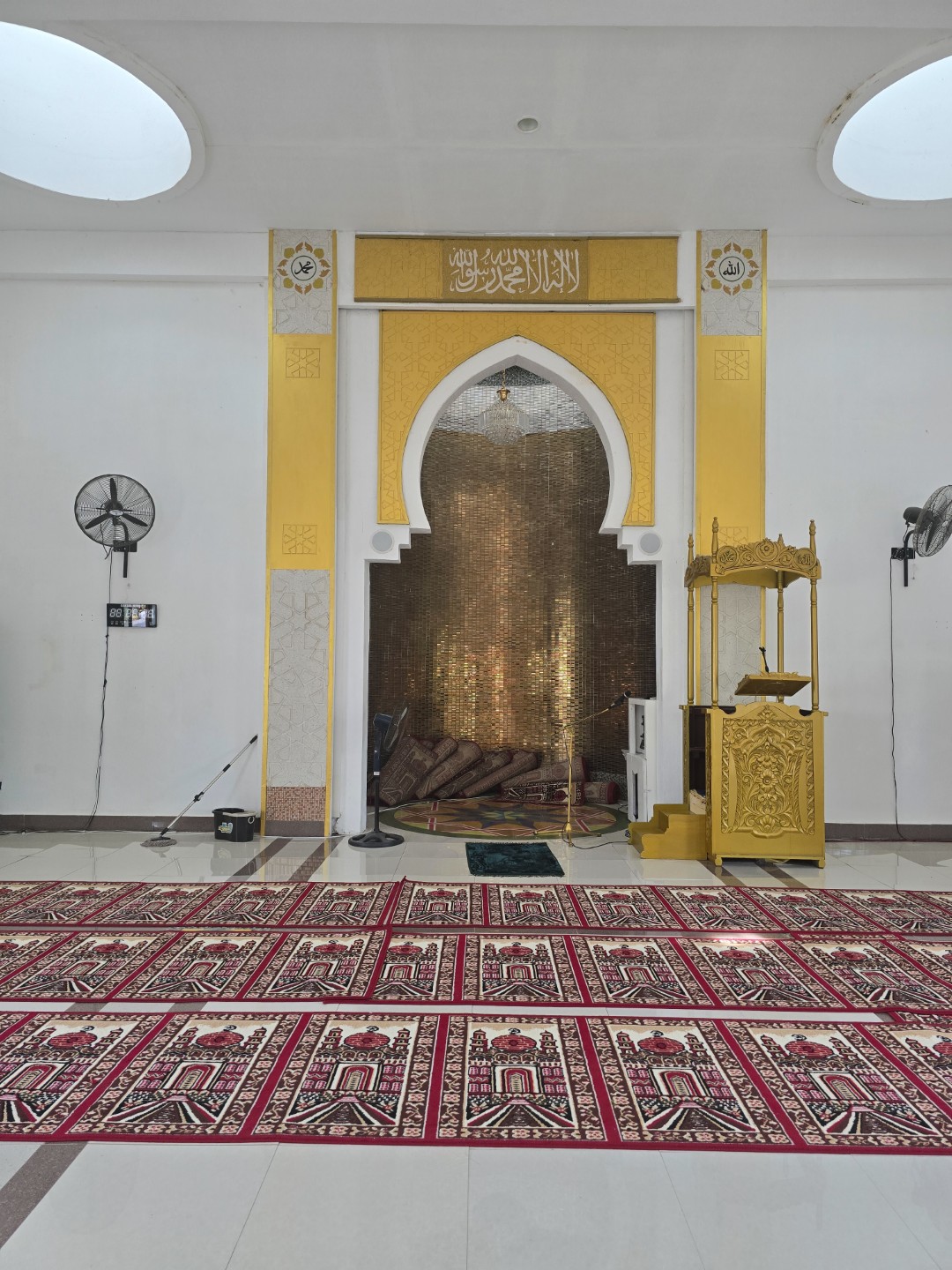
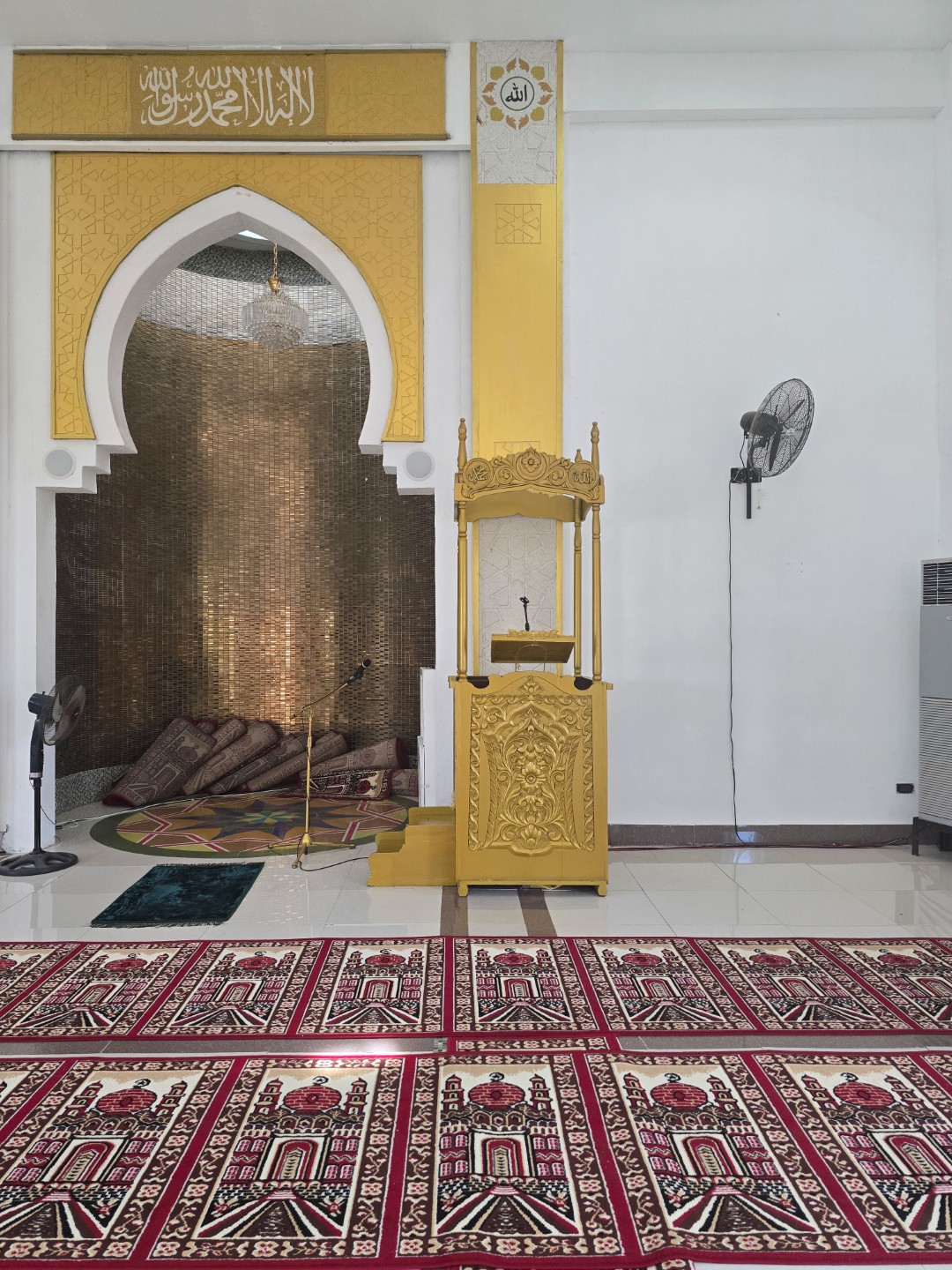
The interior of the mosque.
Six centuries of being exposed to the elements and of enduring the Second World War when most of its structure were burned down, most of the original mosque has already been either demolished or renovated, with the current structure dating to the 1960s. The original four pillars, mostly believed to be the same from the time the mosque was built, remain standing inside, partially enclosed in bollards and glass.
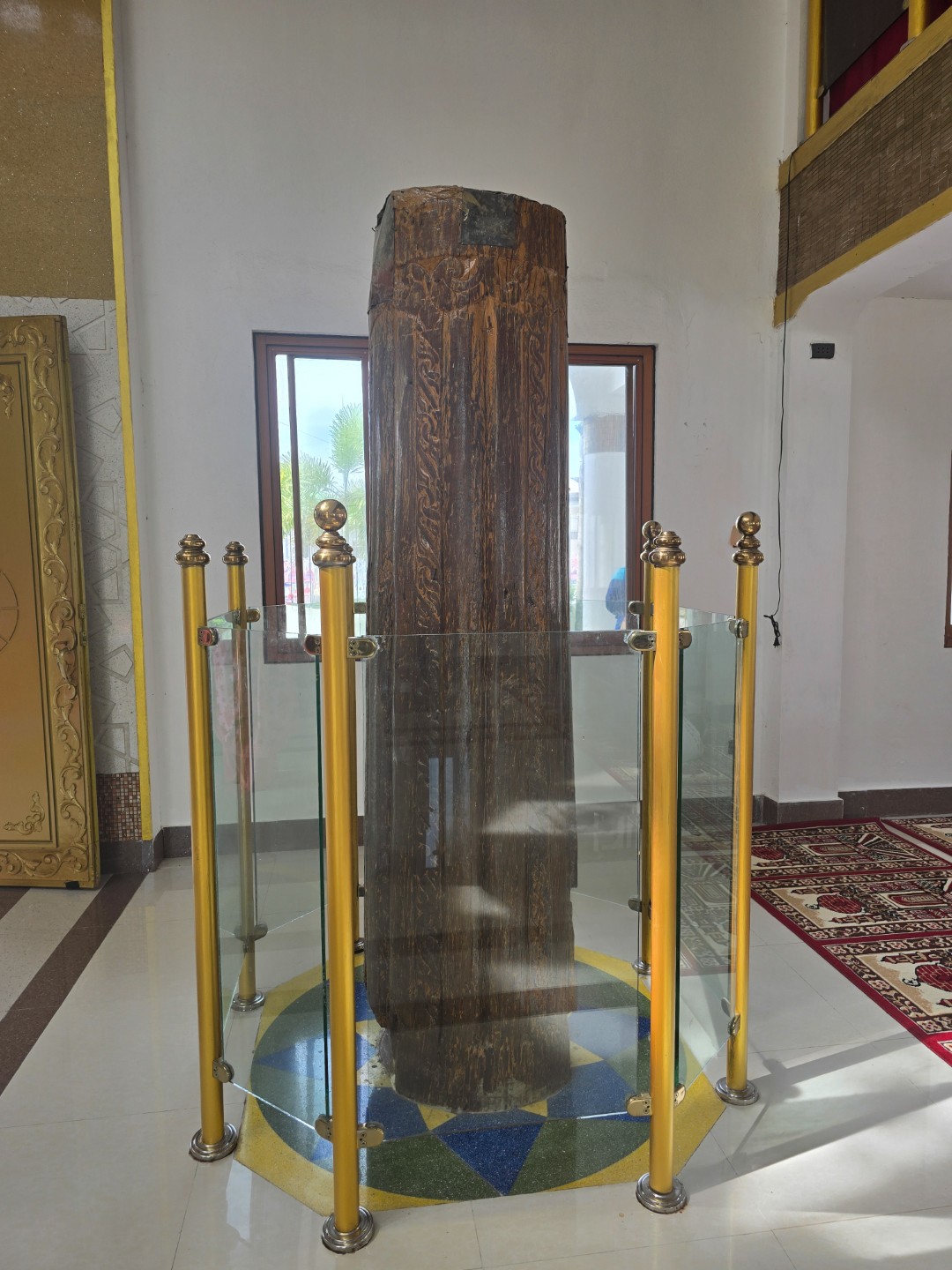
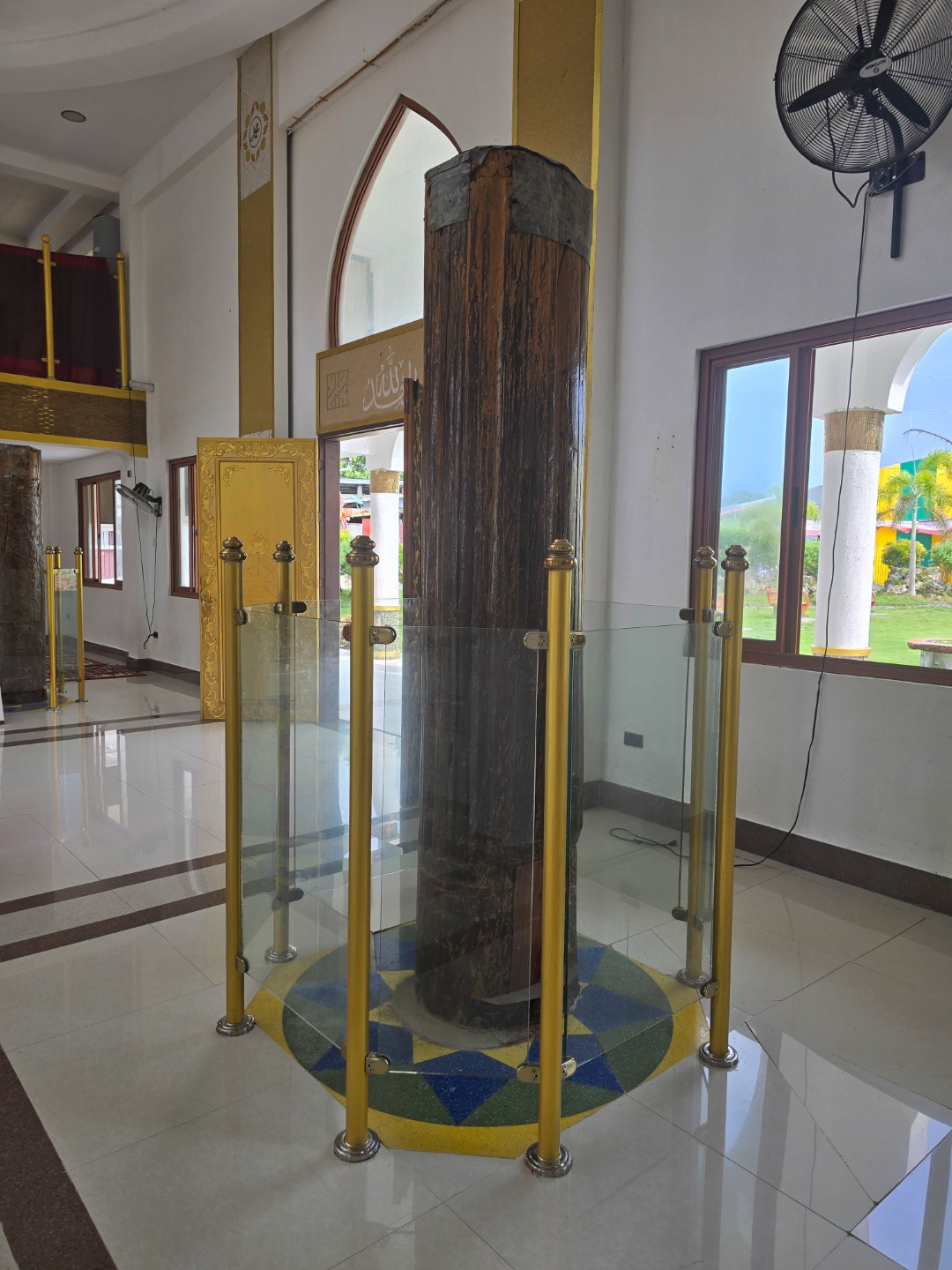
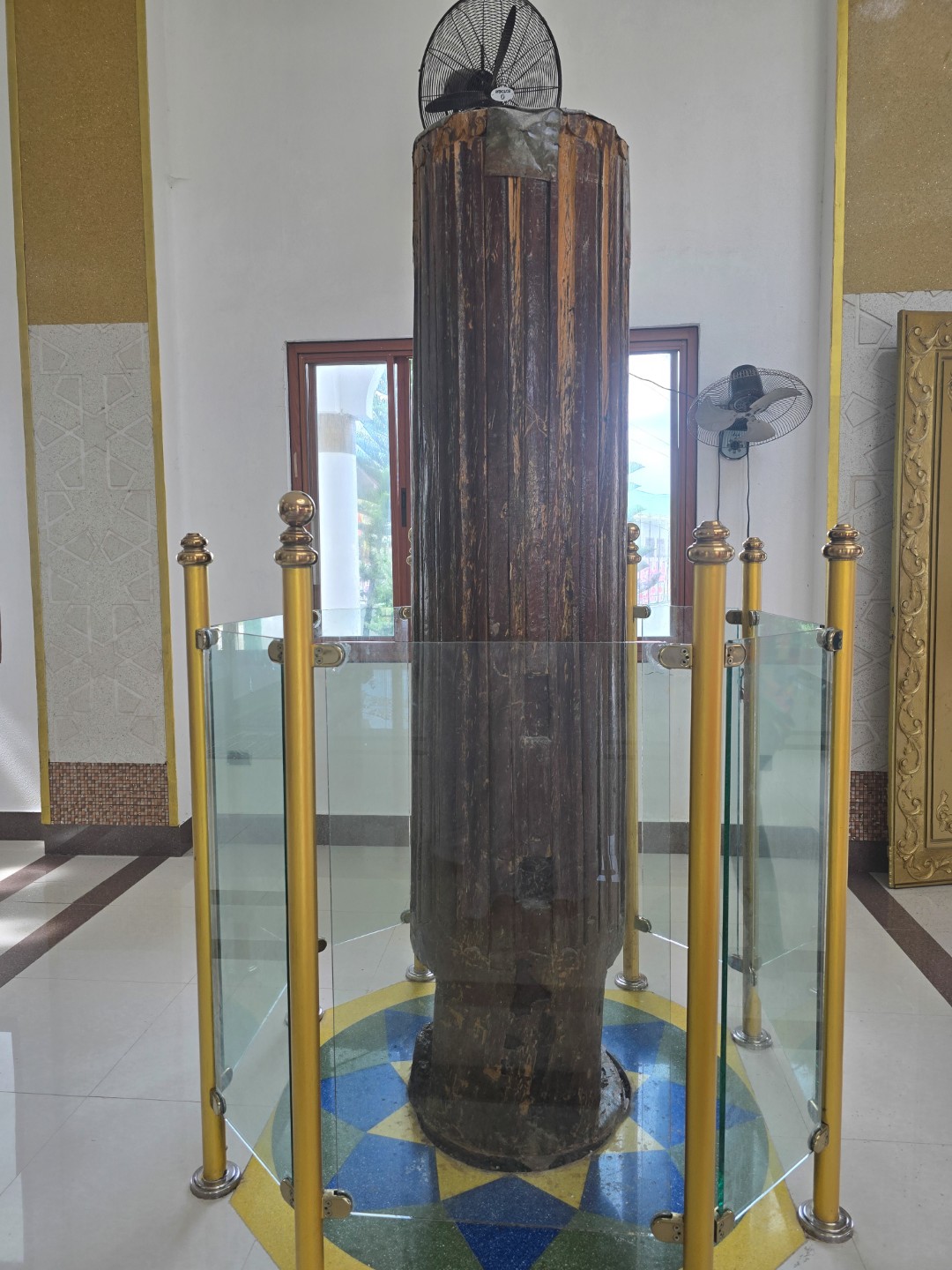
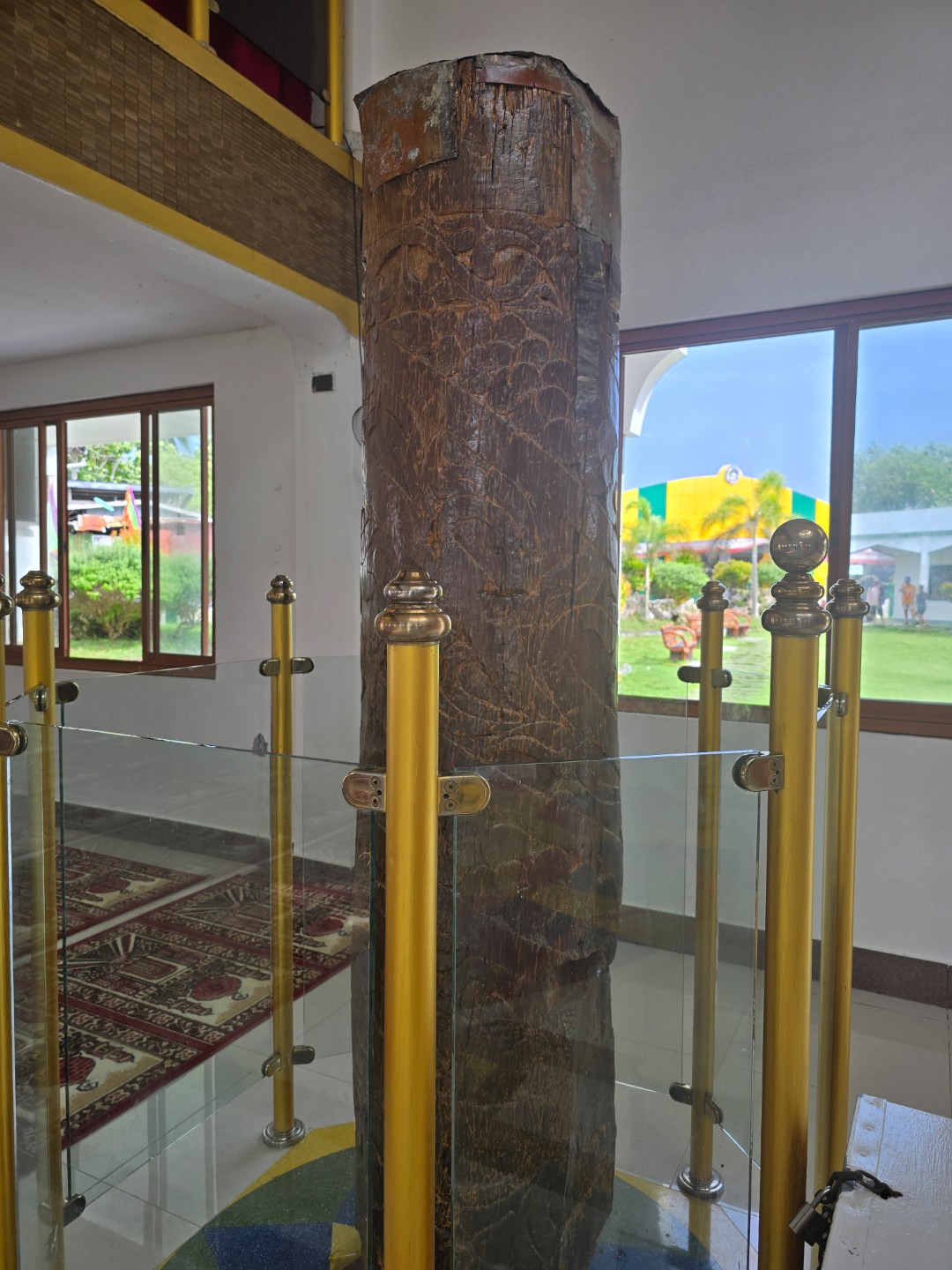
The original four pillars inside the masjid.
The enclosure is not just to preserve the pillars from natural degradation. Our guide told us that though superstitious and not an integral part of the teachings of Islam, there were Simunul residents in the past that when leaving the island town for extended period of time would embrace the pillar and chip away some parts of the wood as a relic souvenir. Such action is more poignant than merely sentimental. As Muslims are generally required to be buried within 24 hours after death, they bring a piece of home with them in case something tragic happens while they are away and their mortal remains would no longer find their way back home.
We were given a few minutes to do self-exploration of the mosque, which led Ran and I to the other side of the masjid. There, we saw the plaques recognizing the important role that the mosque played in the history of the country and in the propagation of the Islamic faith.
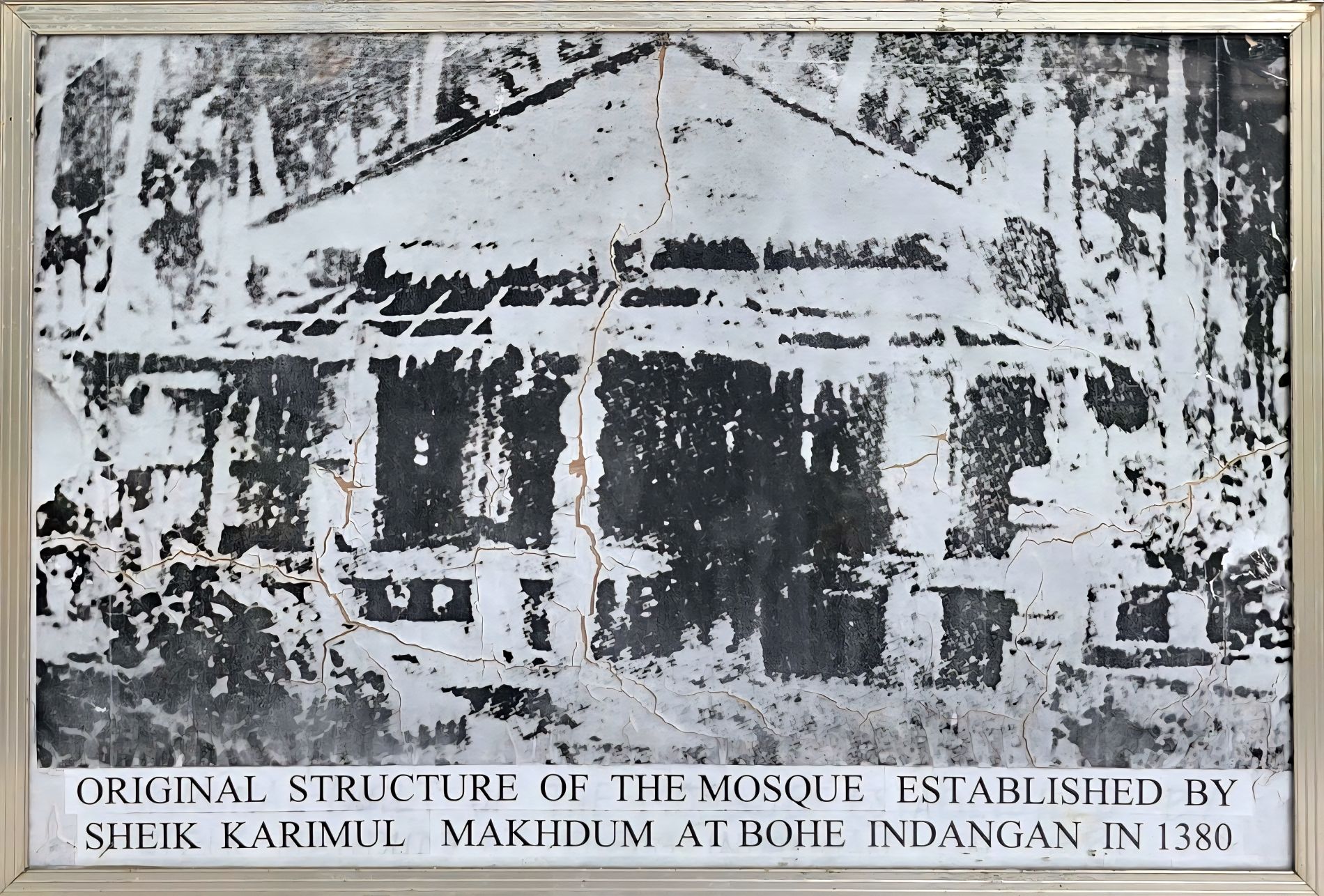
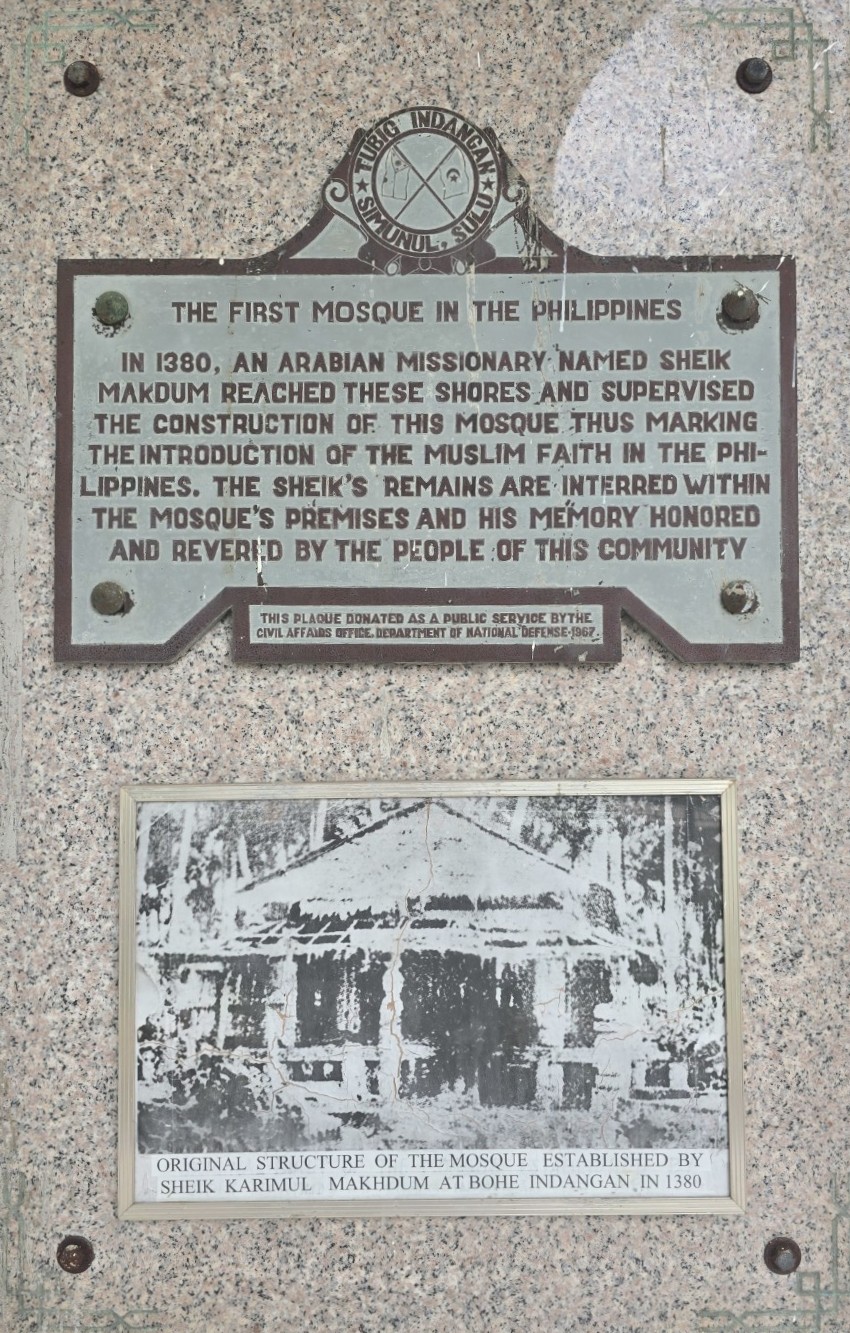
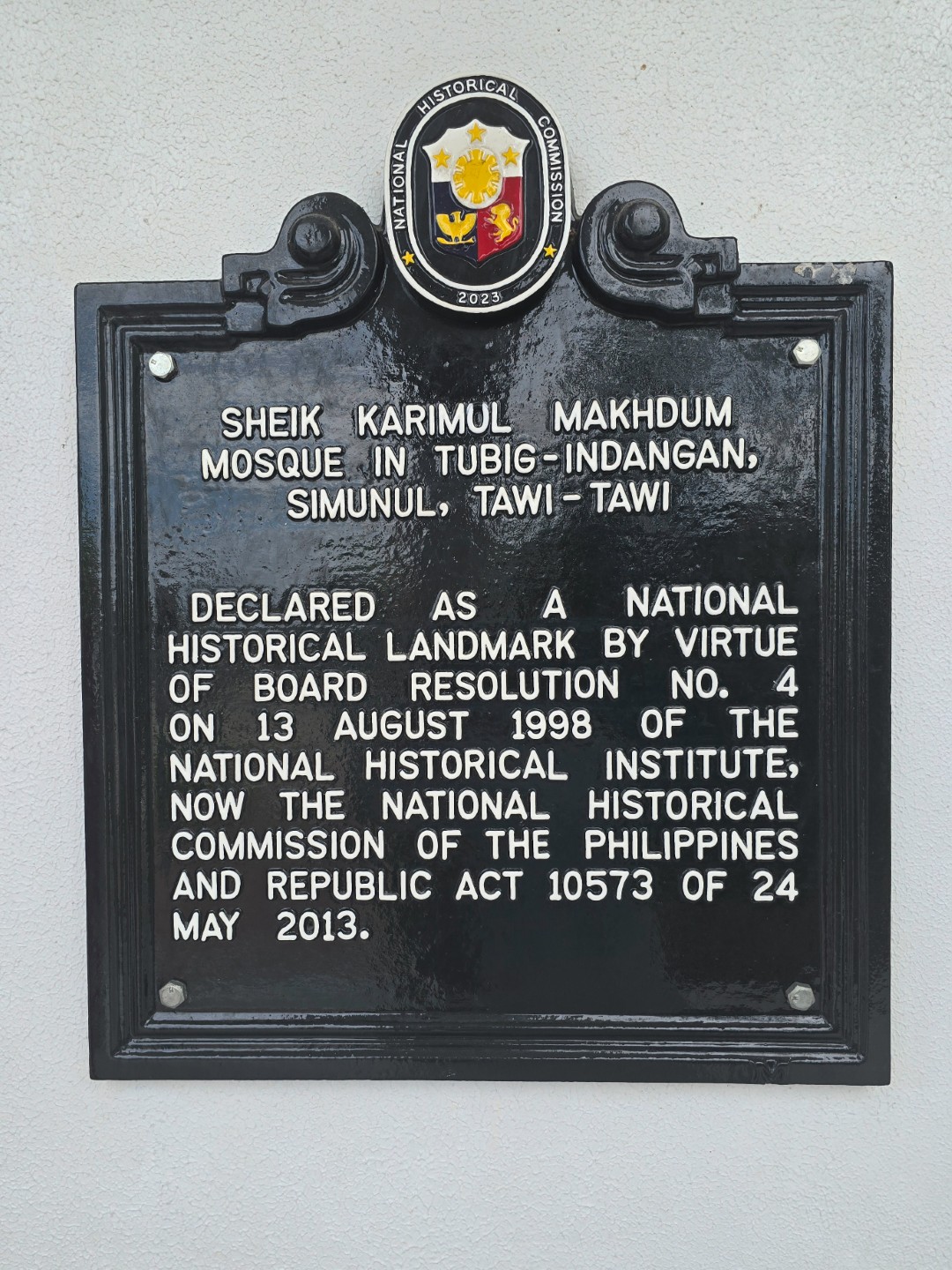
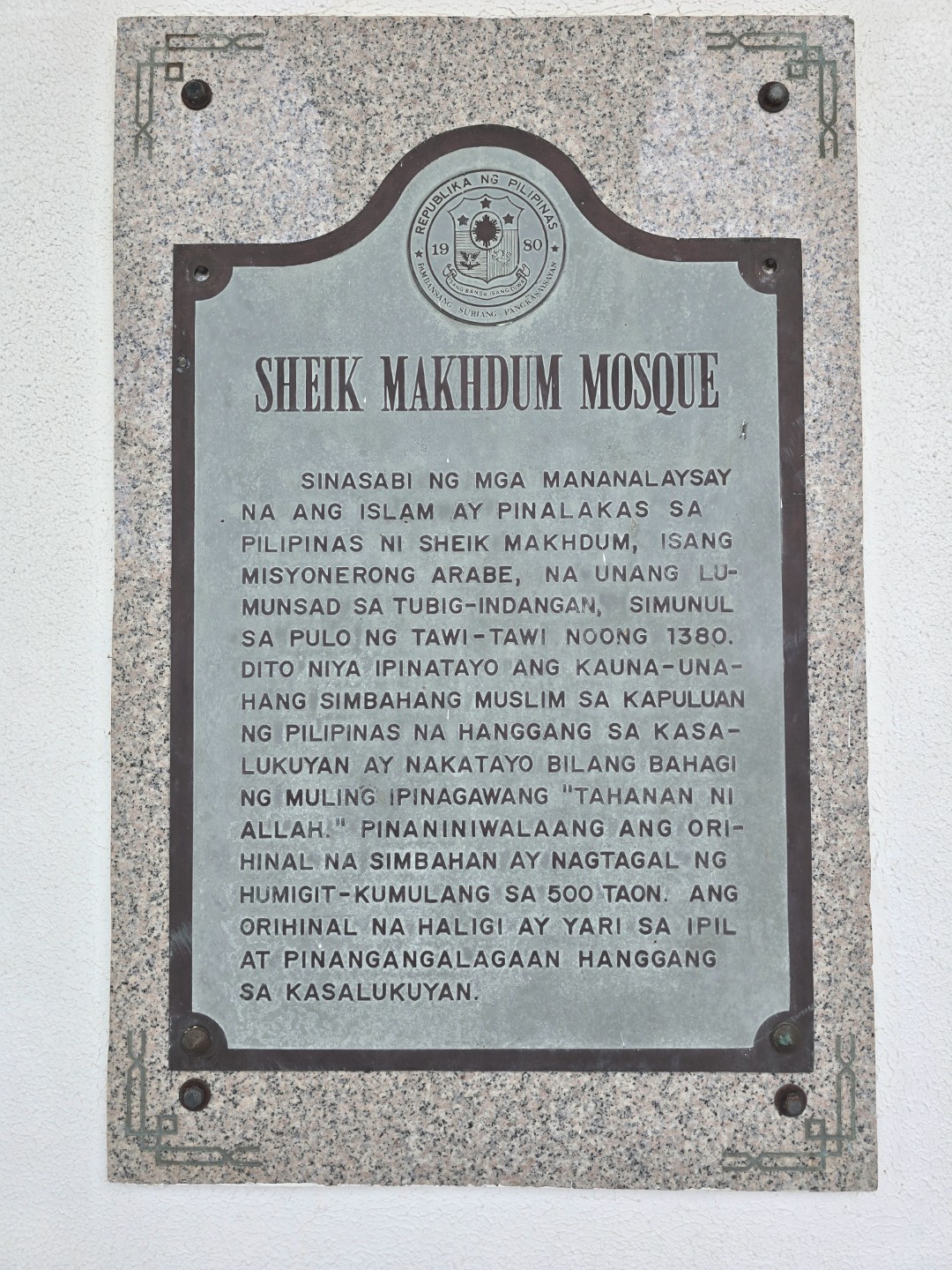
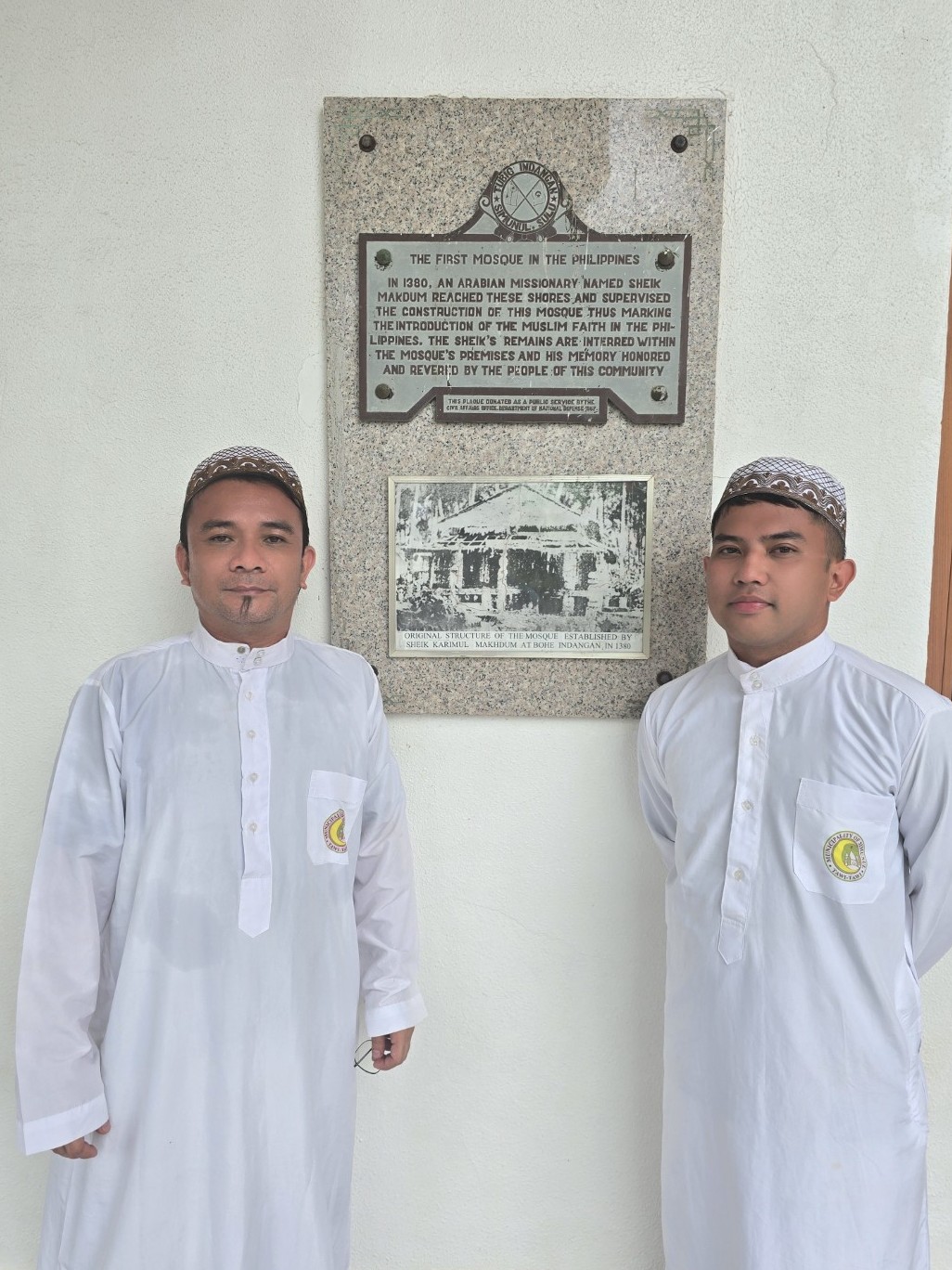
Commemorative plaques recognizing the masjid.
When we were done with our mosque visit, we took a photo in the yard together with the rest of the Aura Adventures gang. After the photo session, we changed back to our own clothes, returned the Muslim garments, then went on to return to the port. As we went out of the mosque compound, we stopped by a store and bought some drinks to quench our thirst.
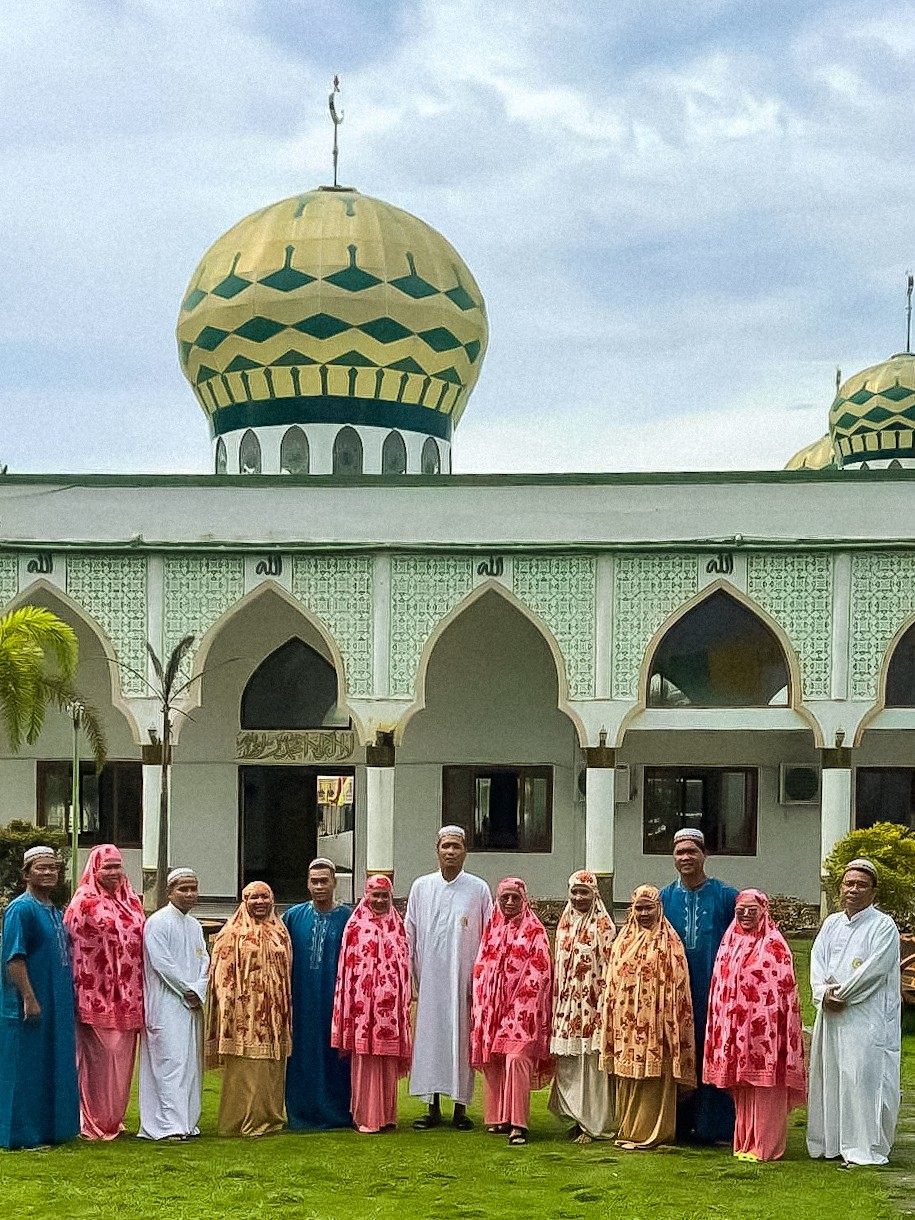
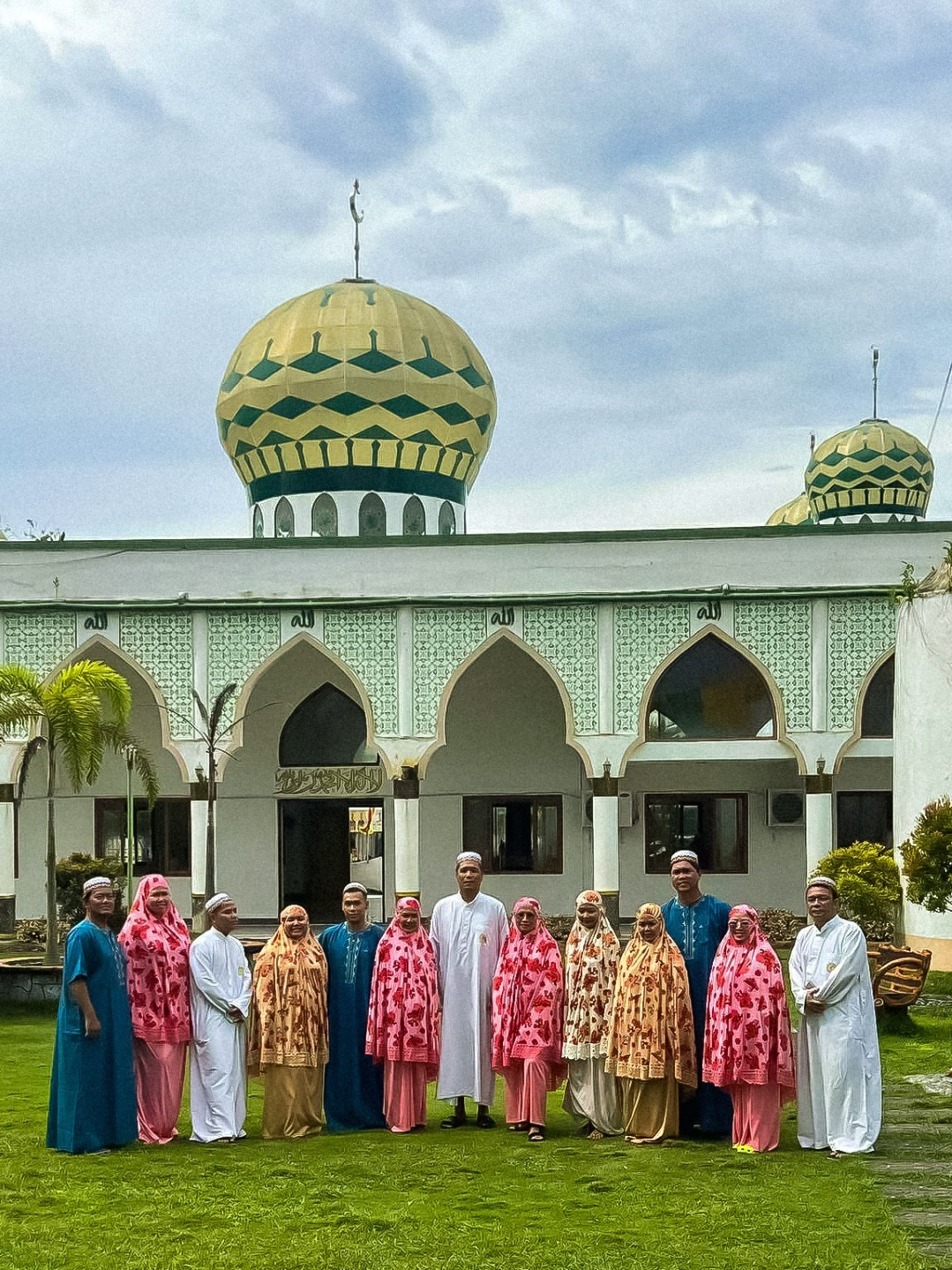
The Aura Adventures gang in the yard of the masjid.
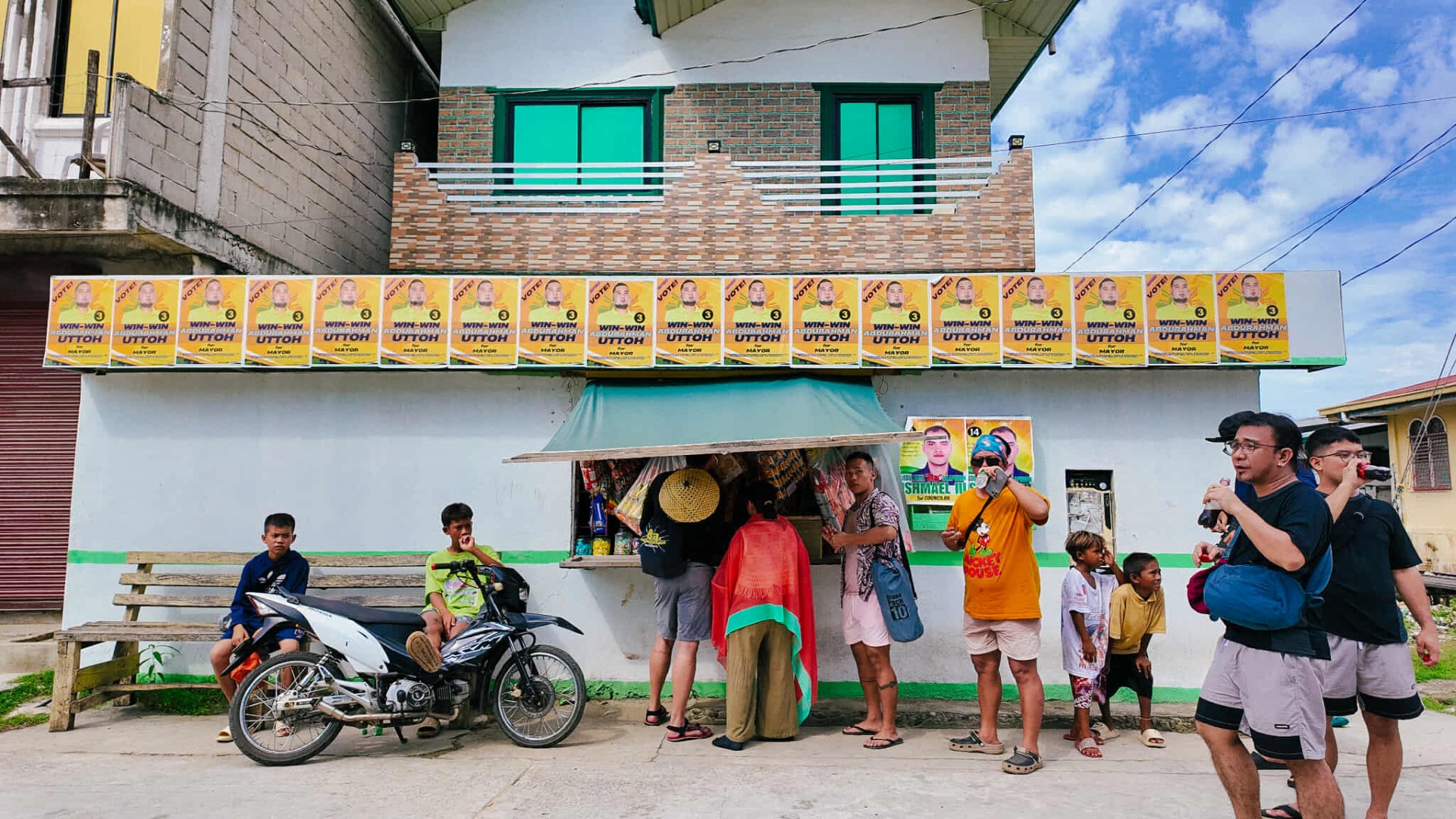
Our visit to the Masjid Sheikh Karimul Makhdum was a very meaningful one. The first mosque where Ran and I actually set foot happened to be no less than the first mosque in the country. It was also an eye-opener for us, the means by which we finally saw beyond the prejudicial stereotypes that society has about Islam. As devout Catholics ourselves, the way we were welcomed inside a Muslim place of worship strikes well within the core of the truth that living harmoniously in the midst of diversity is not impossible at all.
Before we went onboard our service boat again, we took one final opportunity to take photos by the Simunul Welcome Arch. First it was just the Renegade Duo, then the photos of the entire Aura Adventures gang. This experience is indeed once-in-a-lifetime.
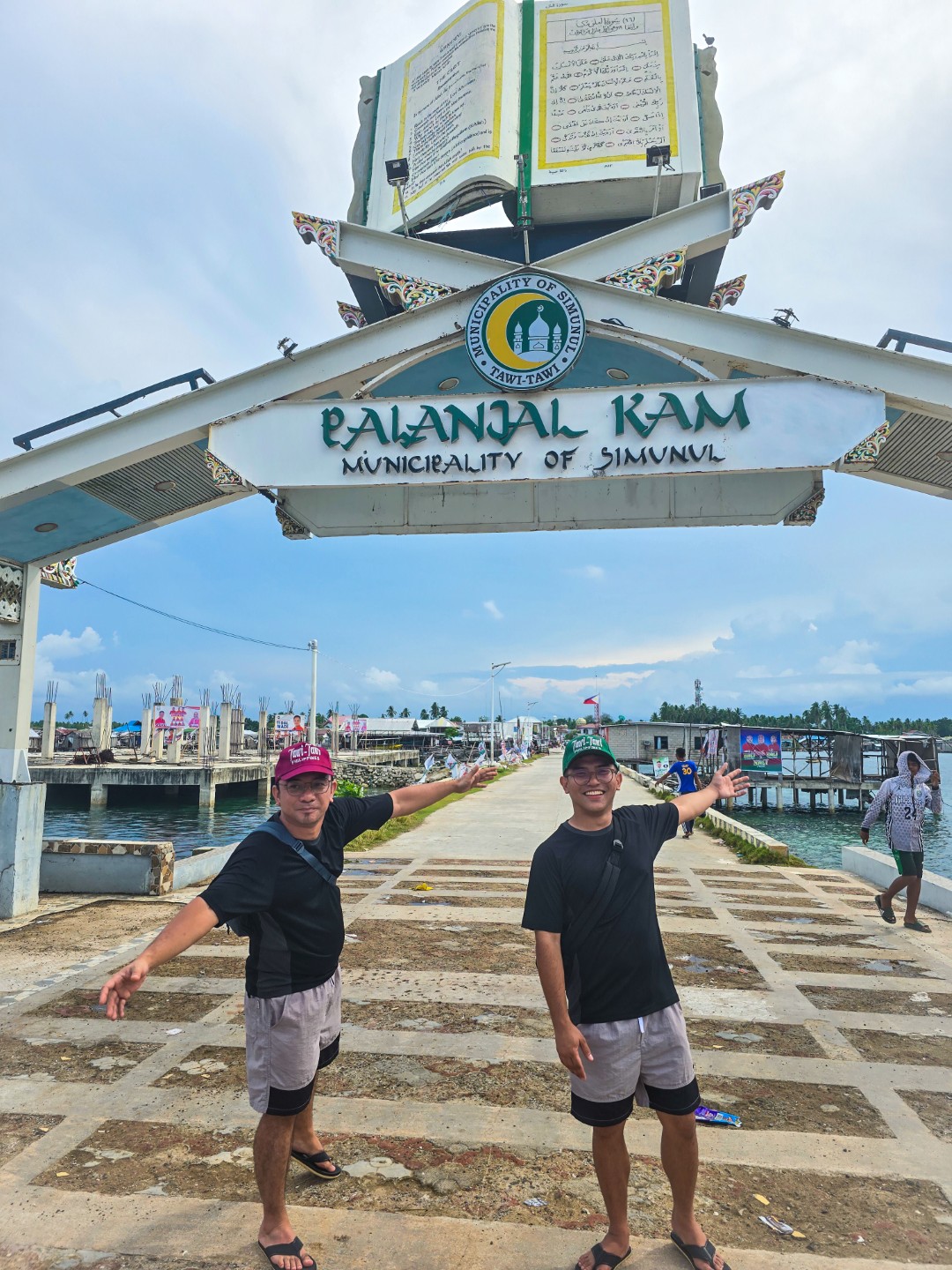
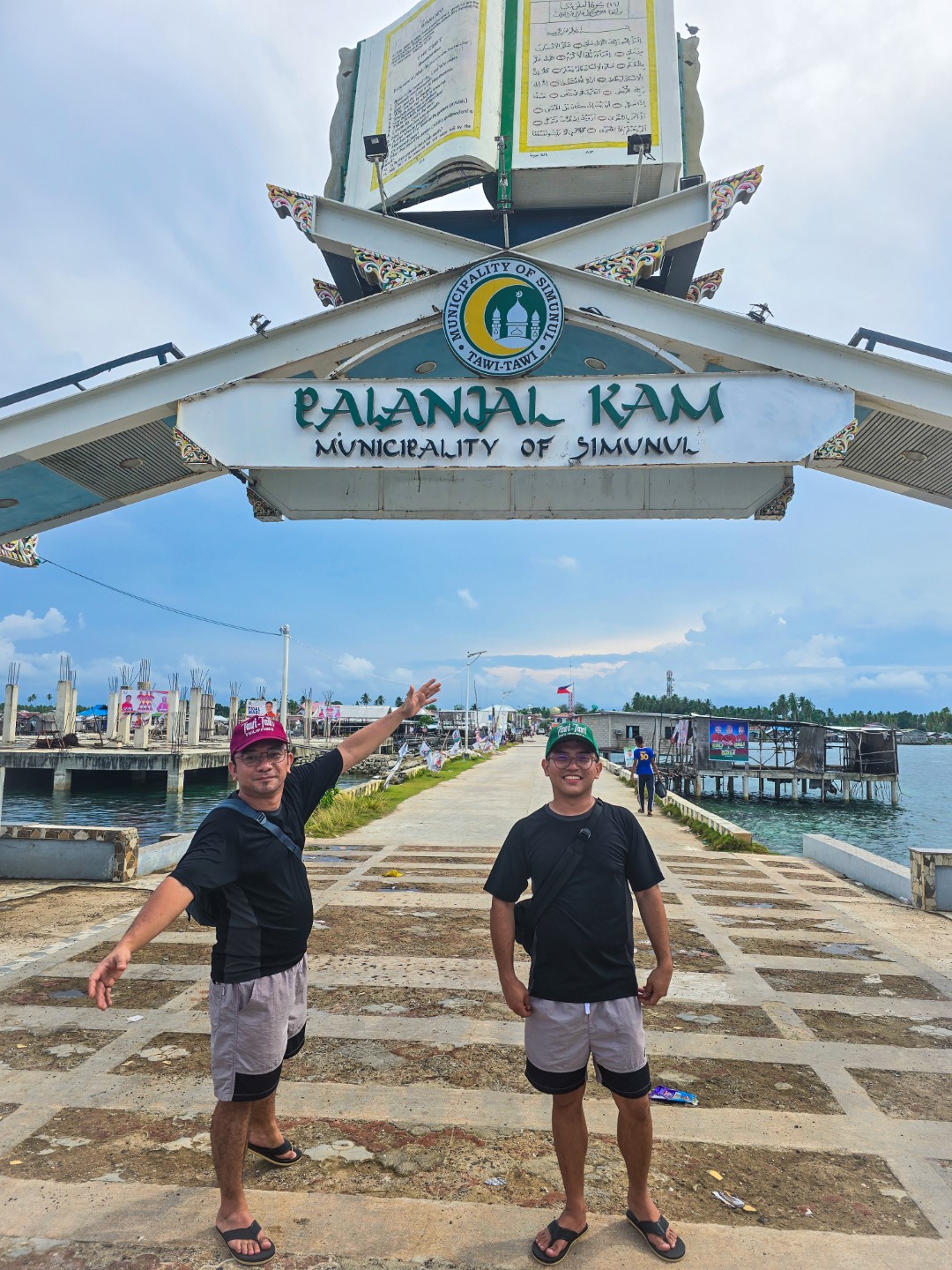
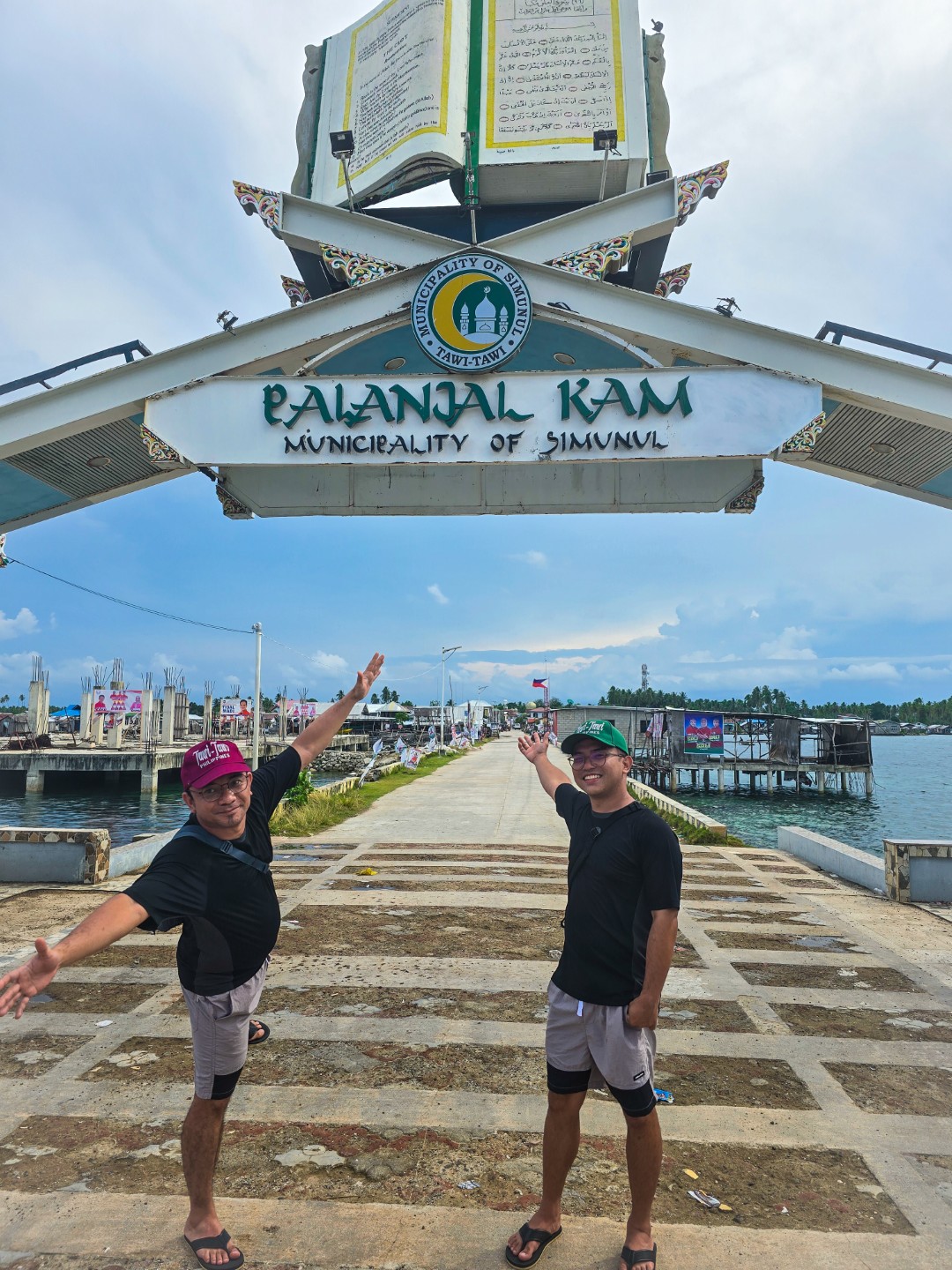
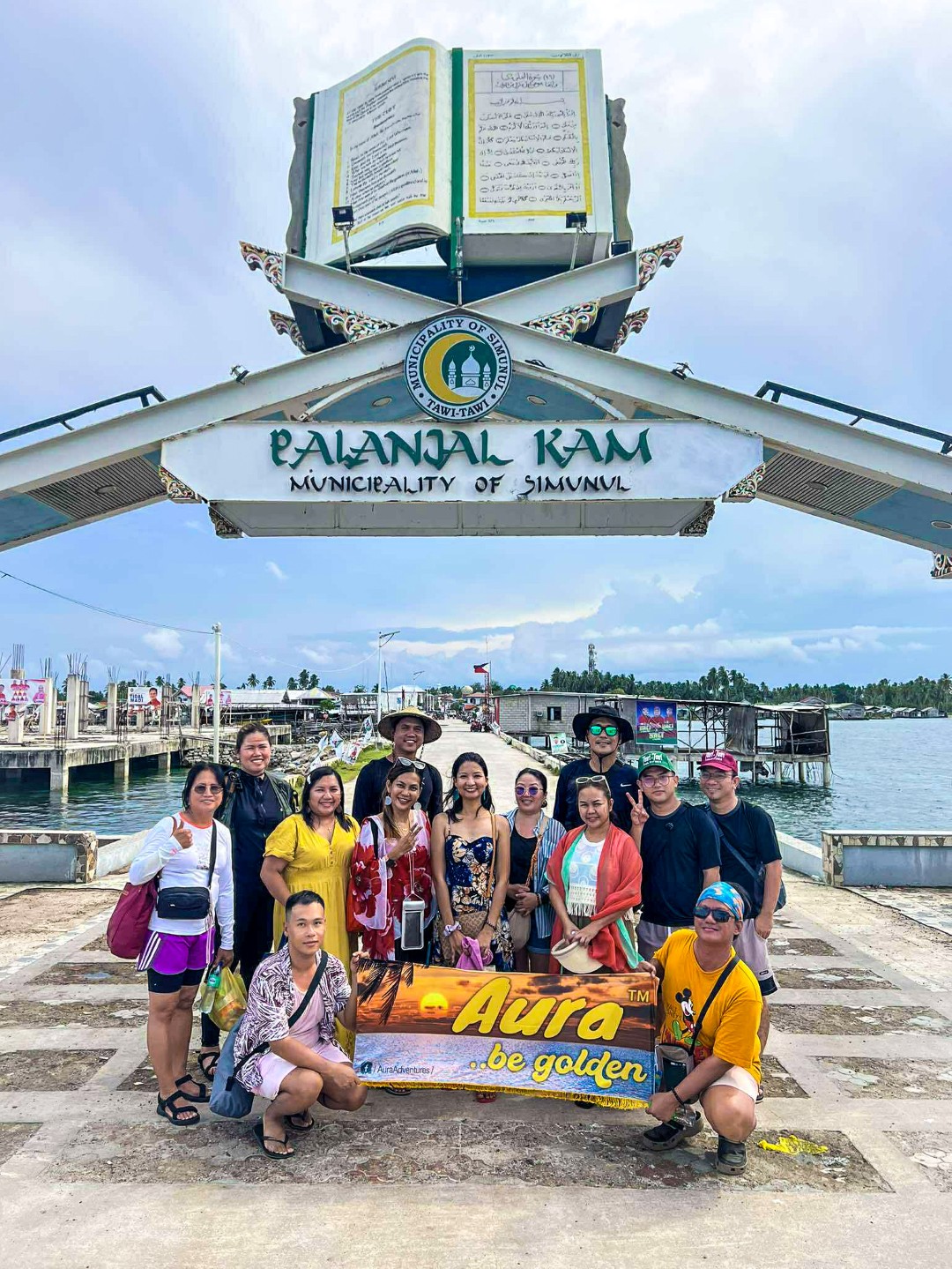
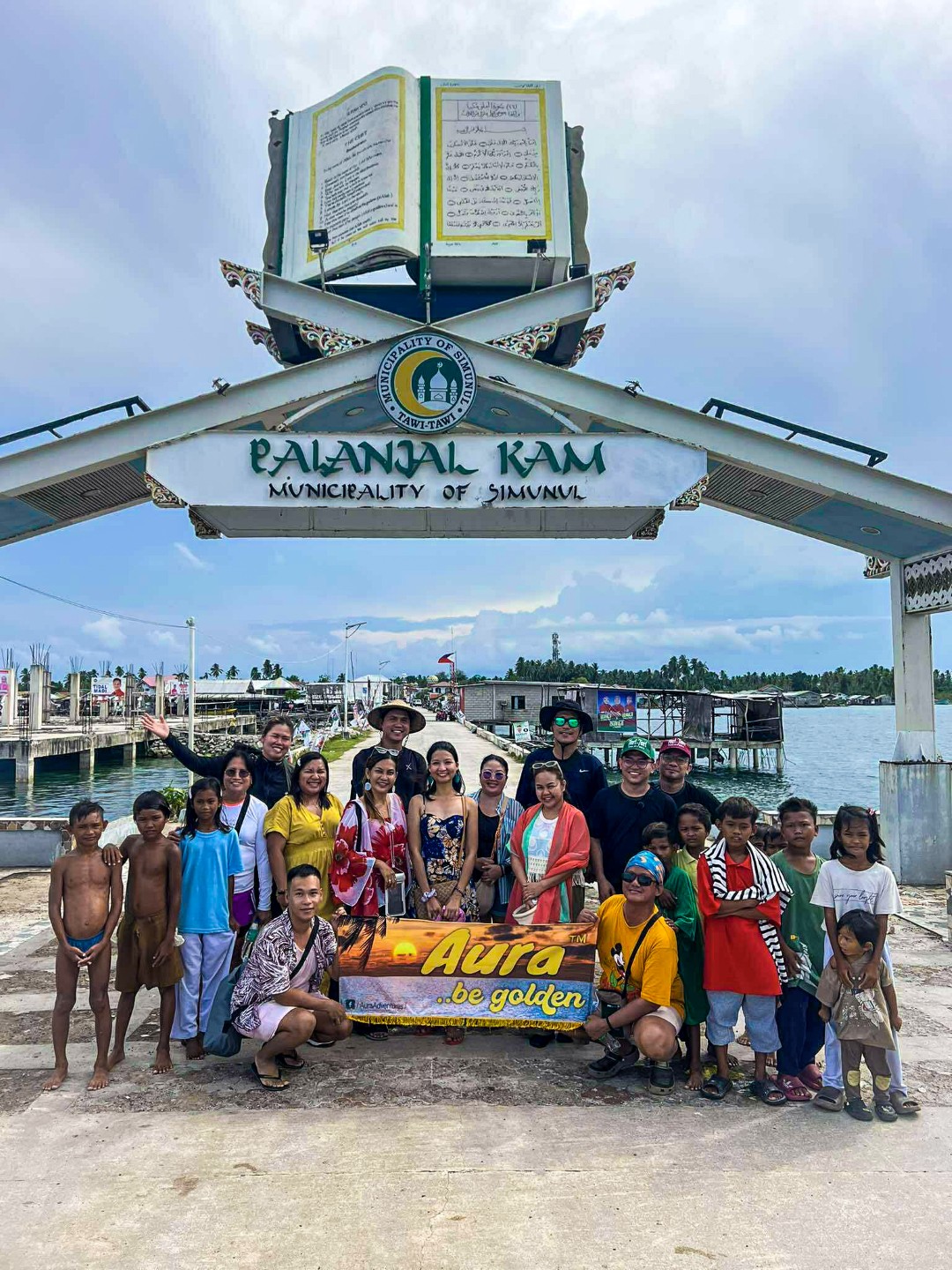
Photos under the Simunul Welcome Arch.
A little while more and we bade farewell to the remote and mystic island of Simunul. Totally unbeknownst to us until the day of the trip itself, Simunul struck to us as a place that deserves more attention than what it is getting. While the people of Simunul and Tawi–Tawi in general are culturally accustomed to living a simple way of life, there is still a lot that can be done to ensure that the islands in the literal fringes of the Philippine territory do not remain left out in the fringes of national progress and development. No, not just government support by means of tourism promotion, but more so by means of heritage preservation vis-à-vis inclusive quality of life alleviation.
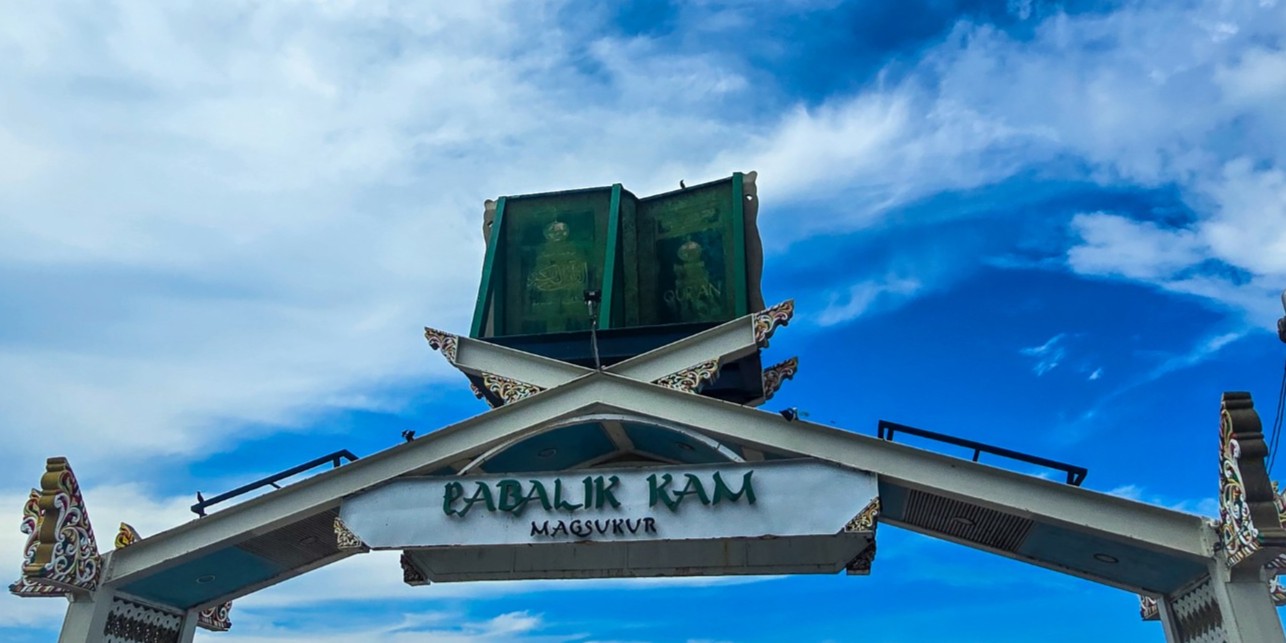
The legacy that Sheikh Karimul Makhdum left in 1380 is still standing today. That is proof enough that if only for heritage preservation, Simunul has already done it. We hope that in this lifetime, we get to see the island municipality being rostered among the world-class places where history and progress meet.


 Renegade Junctures
Leave a reply to renegadetraveller Cancel reply