

Our relatively short stay in Zamboanga del Norte somehow proved that the amount of time spent in a place does not necessarily equate to quality. From the time we spent in Dakak to the time we spent retracing Rizal’s footsteps at Punto de Desembarco and the Dapitan Church, every moment was meaningful, giving off the vibe that one would make one stop, breathe and reflect.
It was not done yet though.
After Ran and I had our breakfast, we went to an ancestral house, literally a few steps from our accommodation. The old residence, now a museum, belonged to Mariano Hamoy, a close friend of Rizal and a former classmate in Ateneo Municipal de Manila. Known as Balay Hamoy, it was closed when we were there, hence we just took photos of the house from the outside.
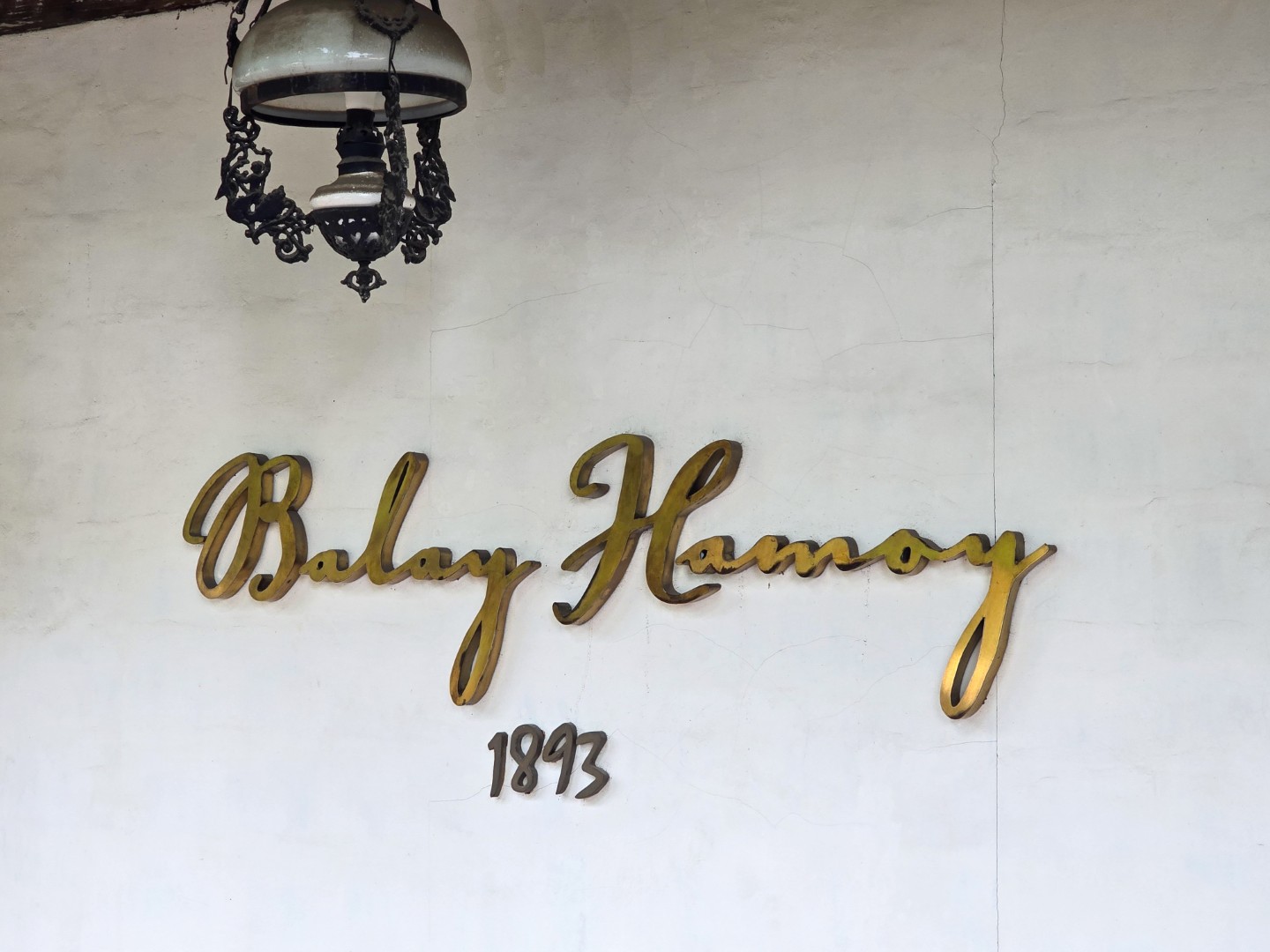
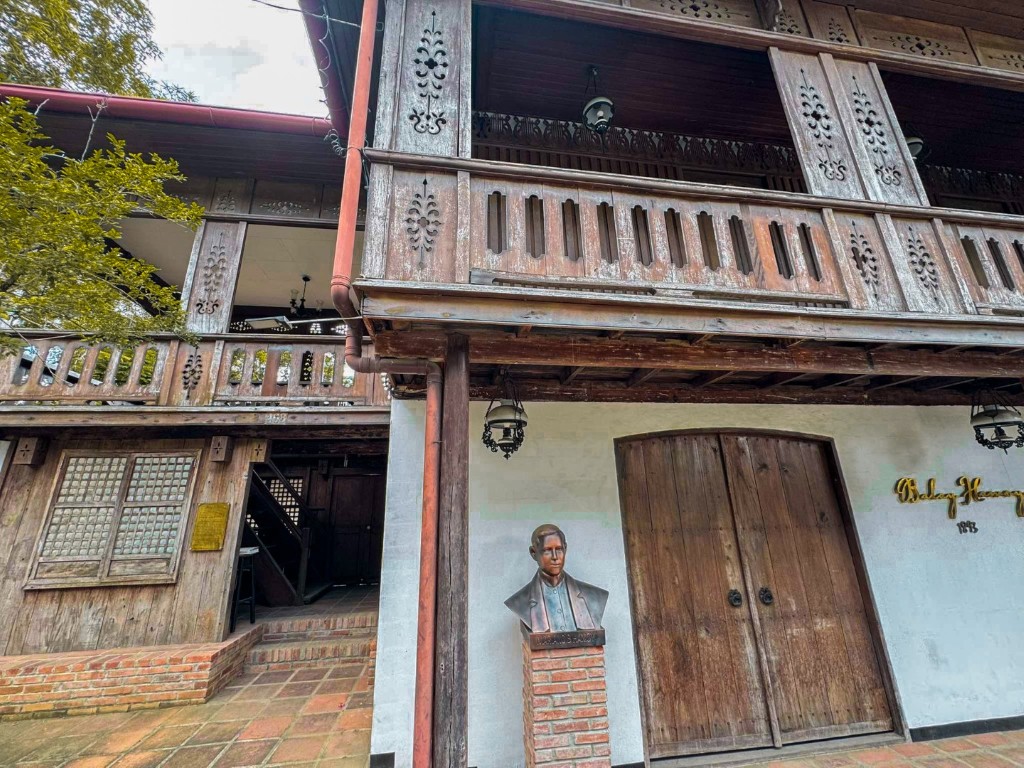
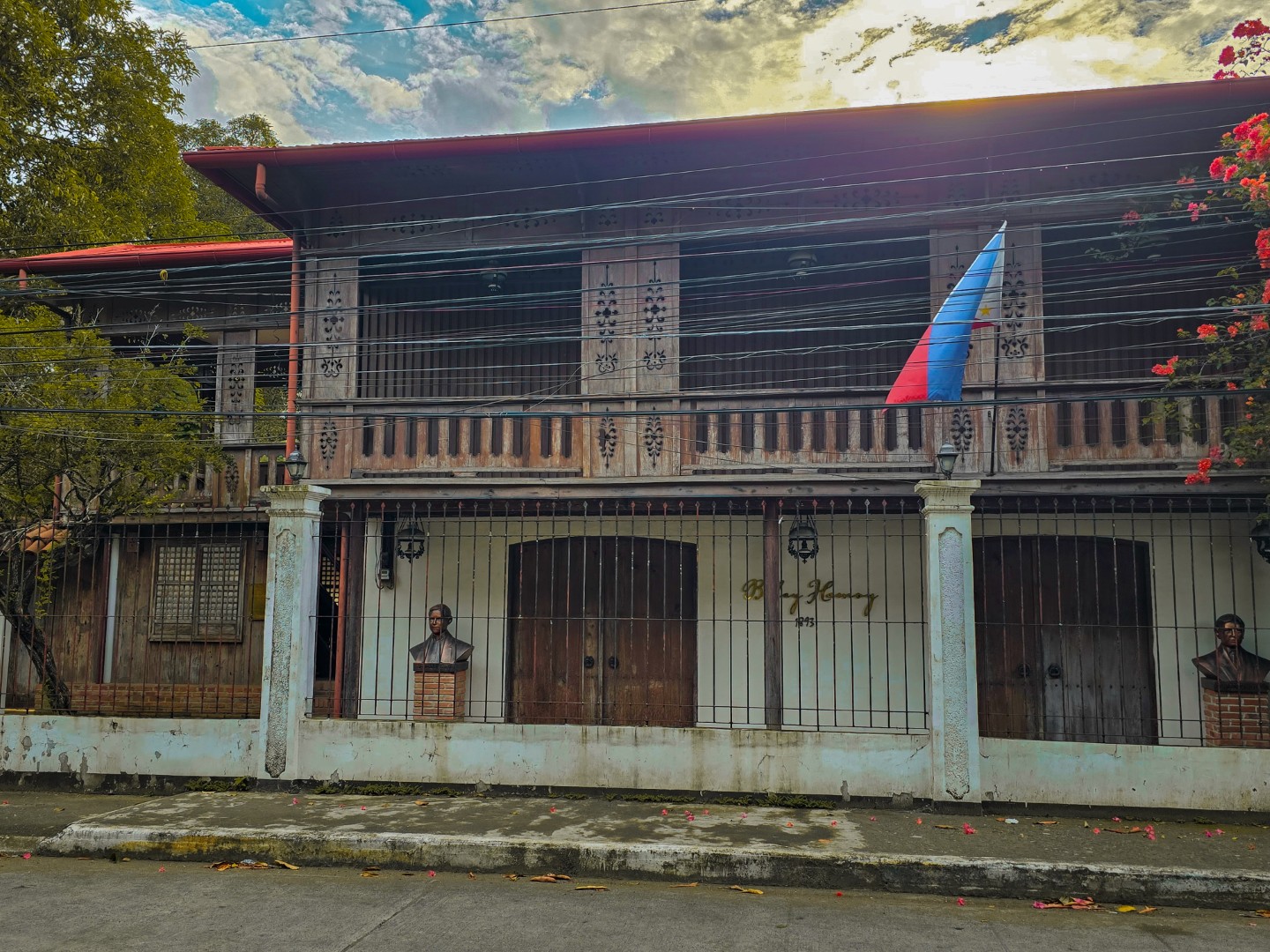
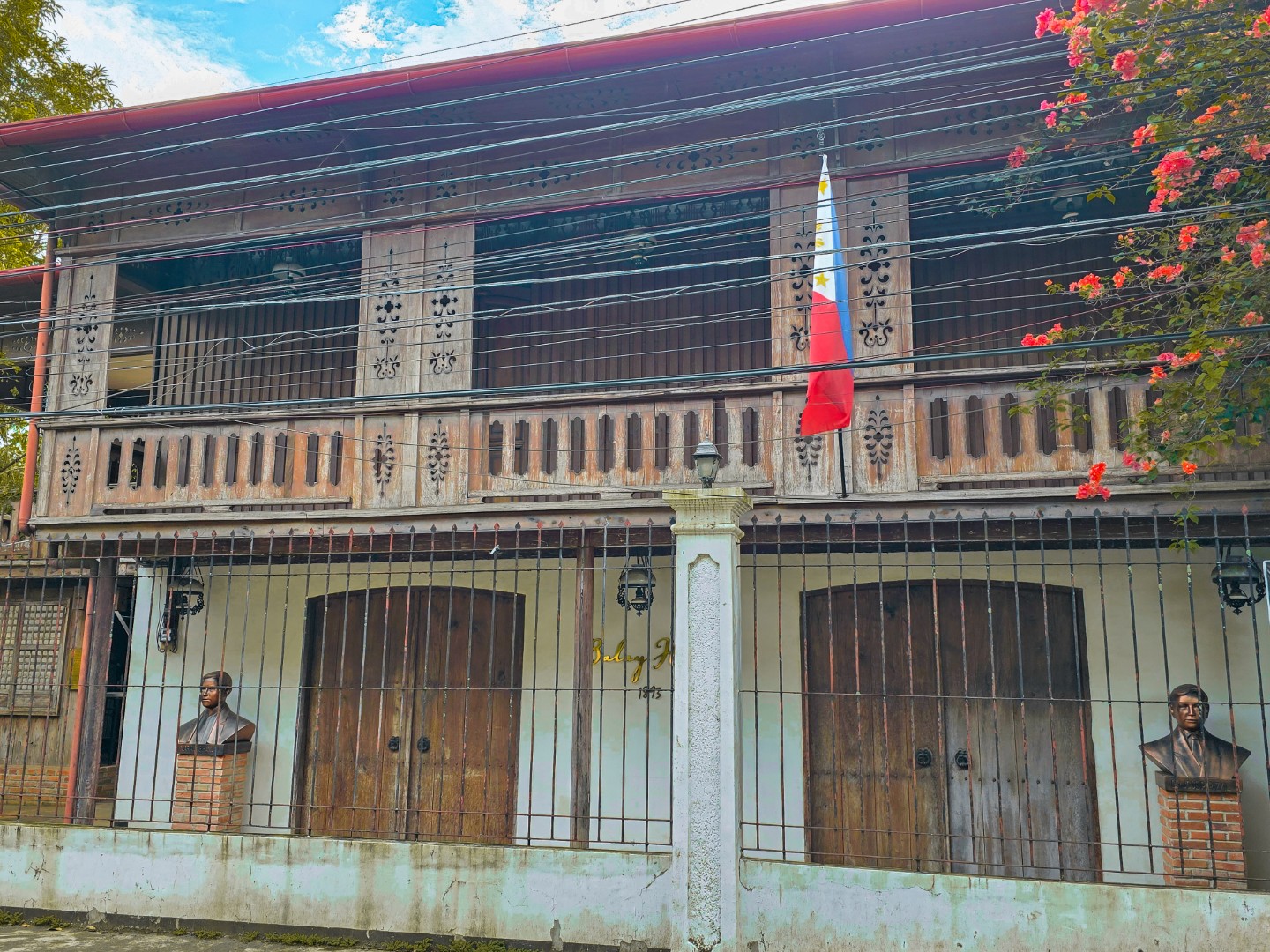
Balay Hamoy, built in 1893.
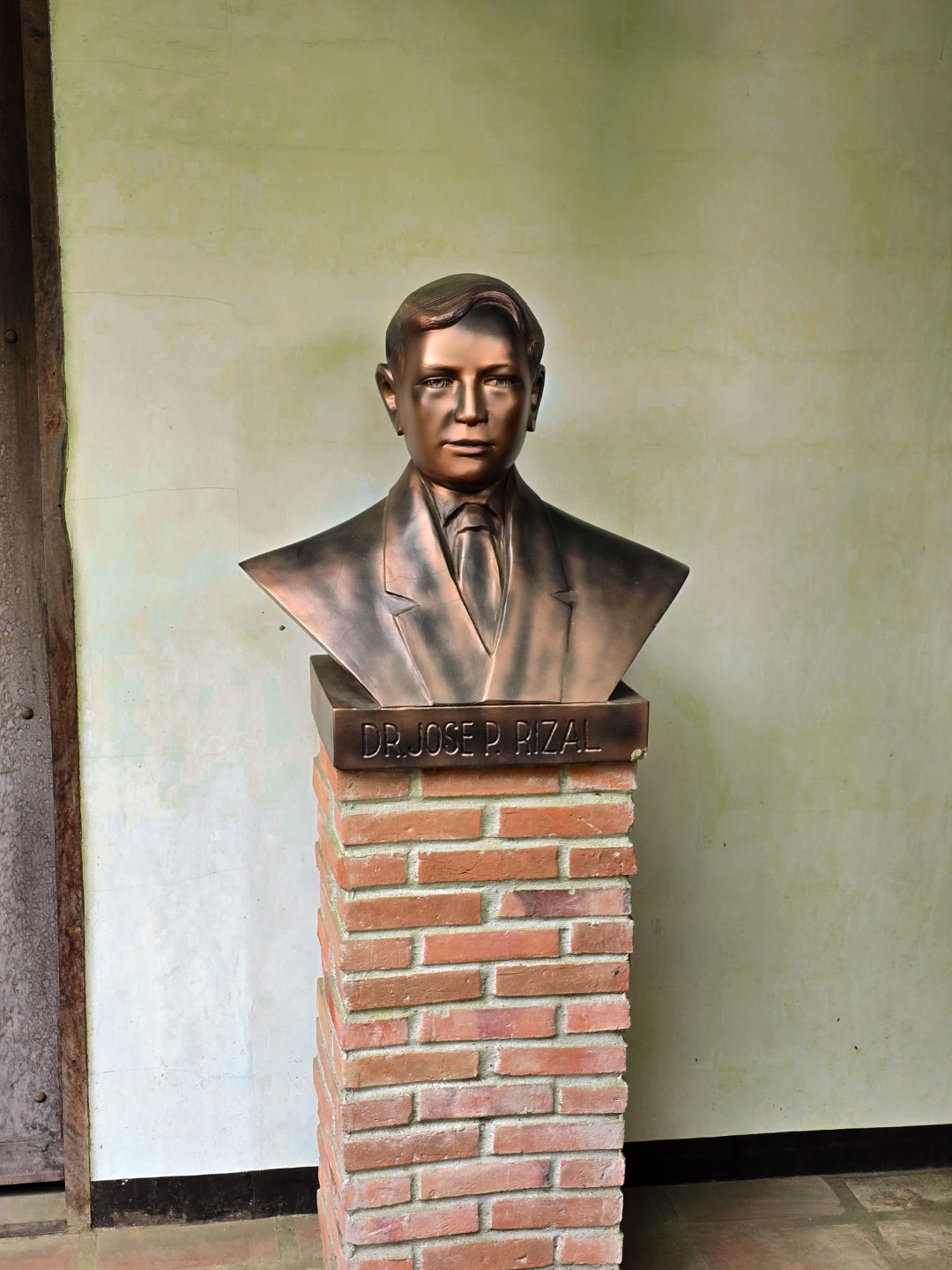
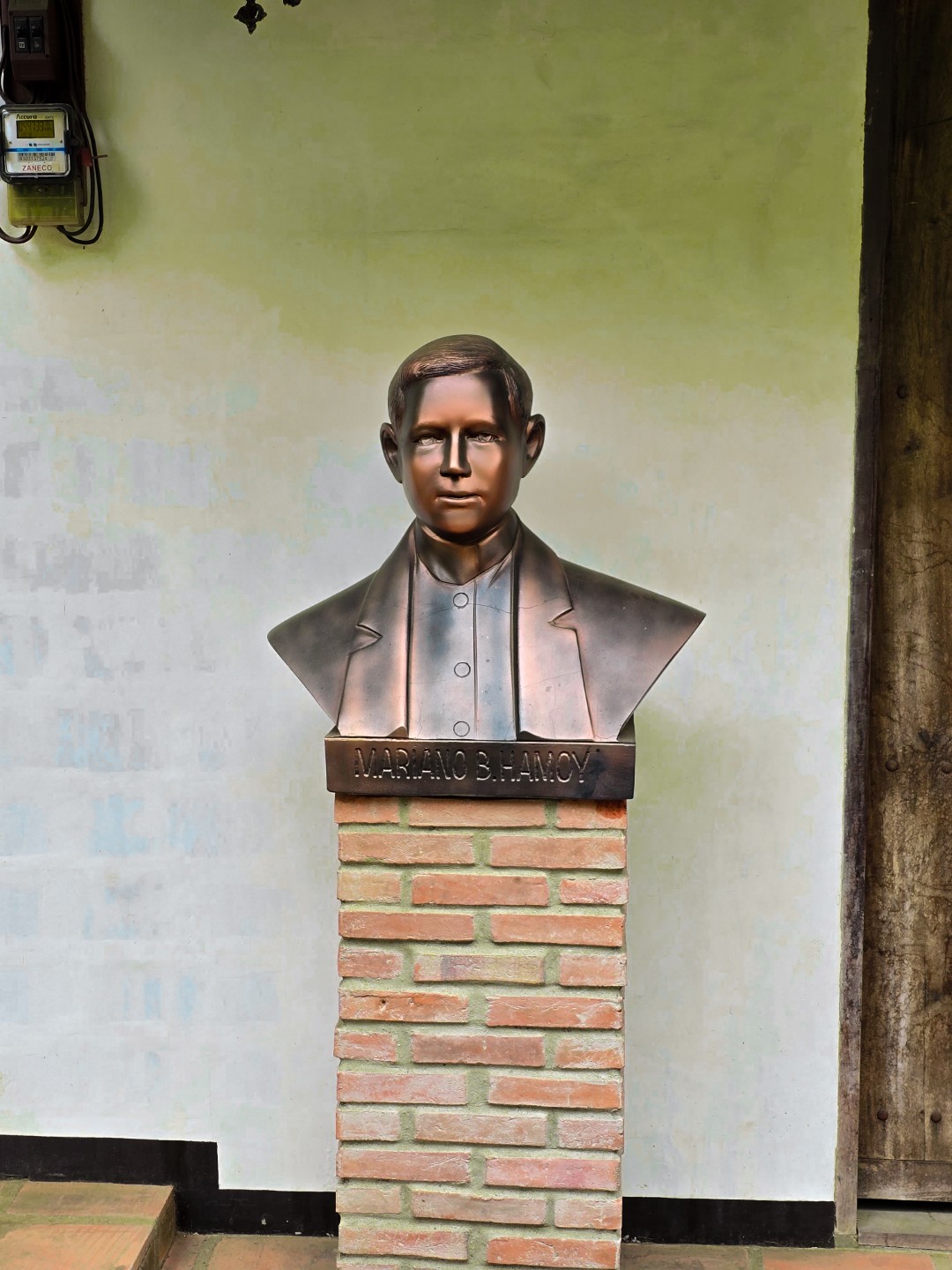
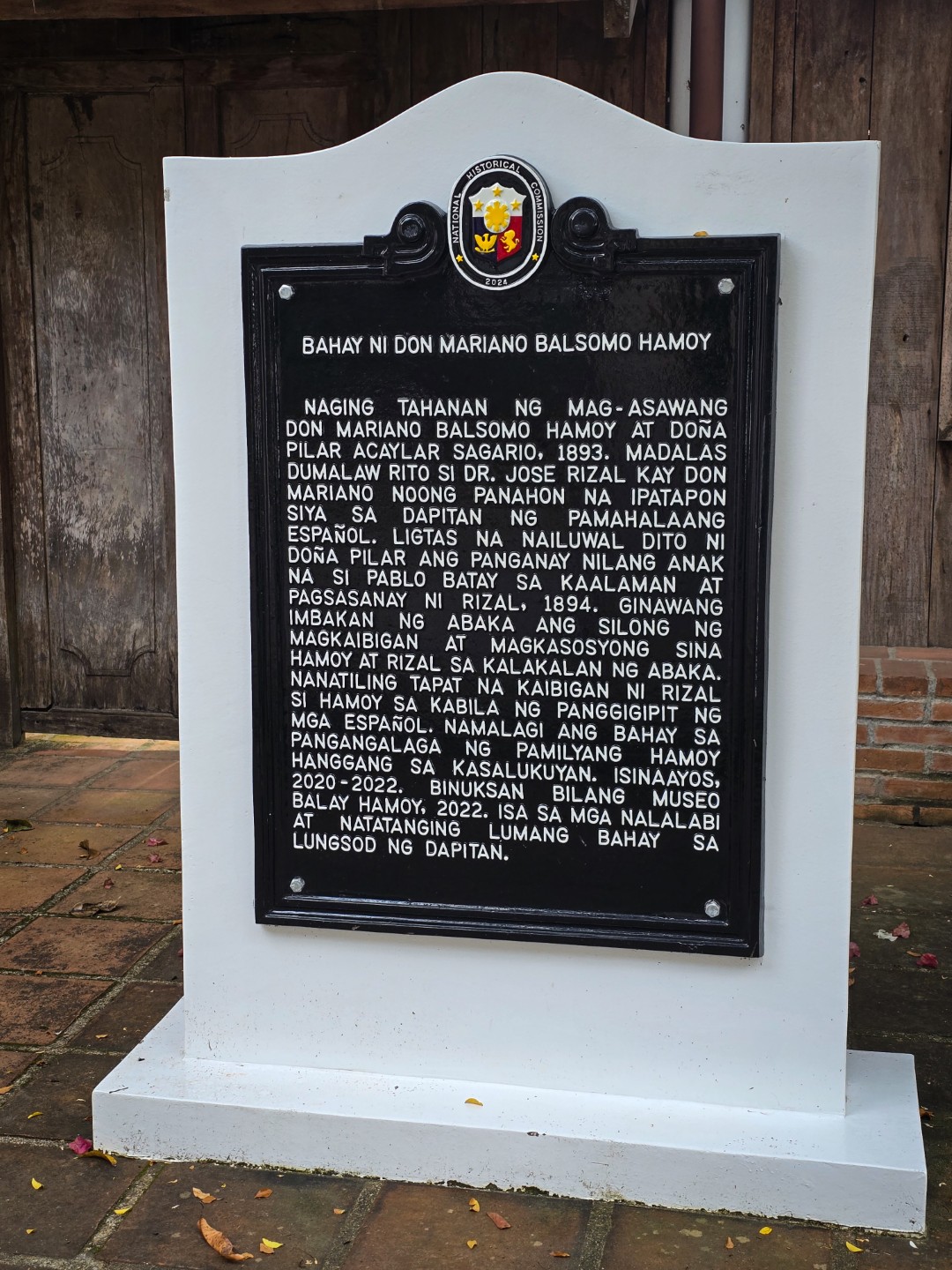
Busts of Rizal and Hamoy, and the historical marker from the National Historical Commission of the Philippines.
The friendship between Rizal and Hamoy grew in the unlikeliest of places during the unlikeliest of times. The friendship deepened, so much so that Rizal was present when Hamoy’s firstborn son was born. The duo also entered into a business partnership in trading abaca. Needless to say, during the former’s exile to a place where solitude was imposed instead of sought after, Hamoy provided a reliable and loyal friendship, making the exile a little sufferable.
We made a quick return to the inn after seeing the Hamoy House just to pick our things up, and our group finally left at a little past eight quarter, bidding goodbye to what served as our abode for a night in a city rich with historical heritage. It was not the end of our Dapitan exploration though. If only for heritage, then another heritage house was along our way.
Just before we finally headed out of Dapitan City, we stopped by the Aniano Adasa Ancestral House. Like Balay Hamoy, however, it was also closed, so exterior photos are the best that we could get.
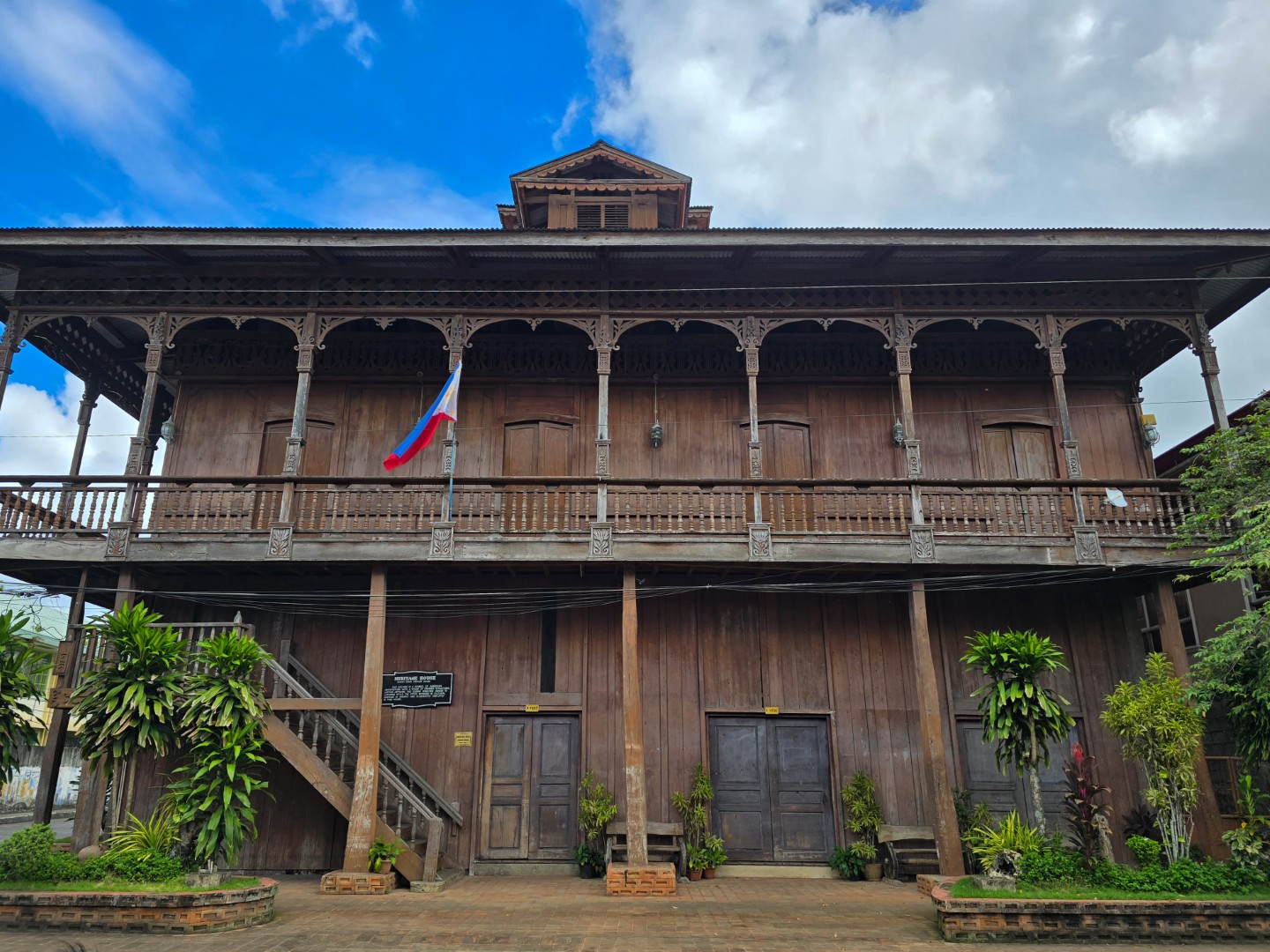
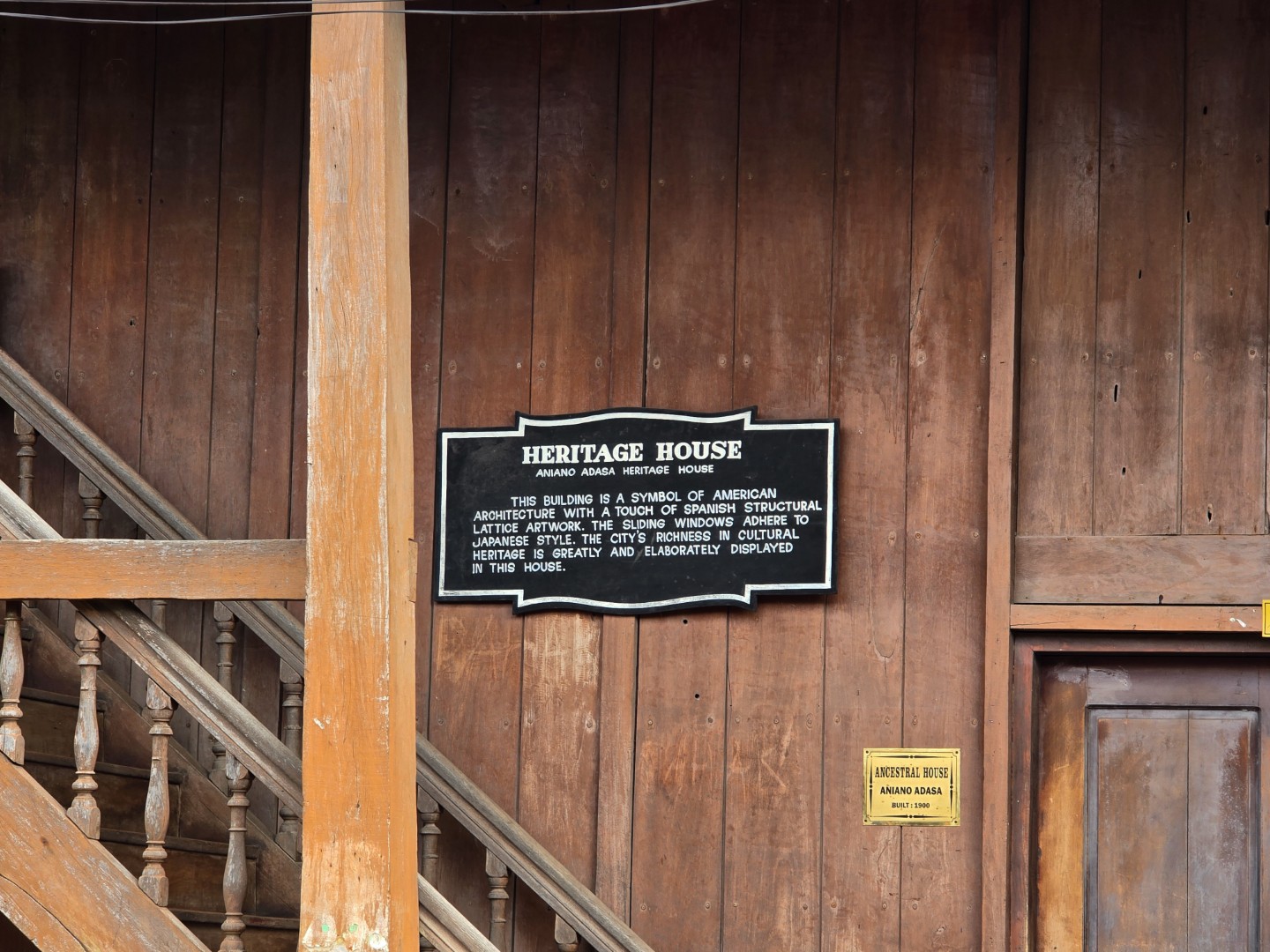
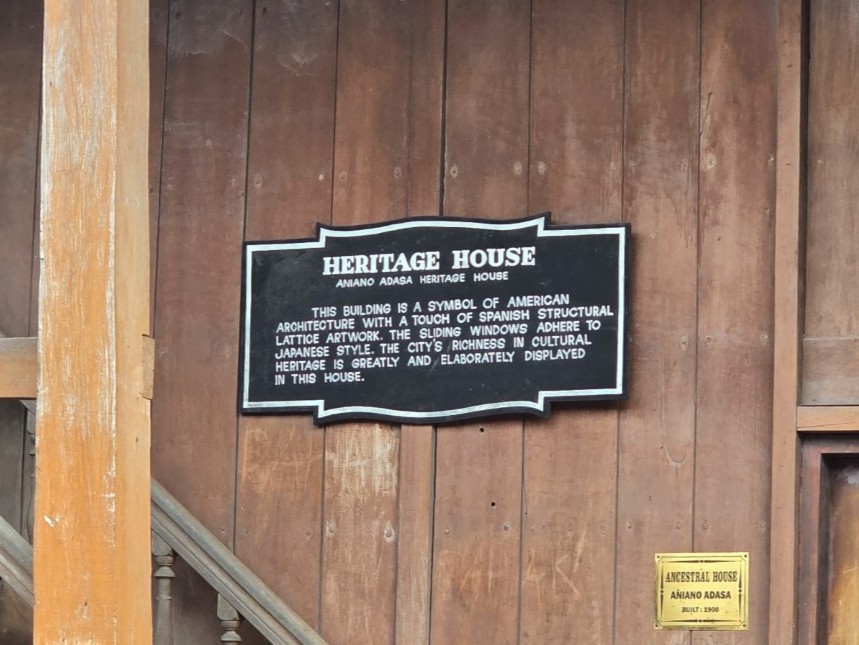
The Adasa House is relatively new, having been built in 1900. Owned by the Adasa clan, a prominent family in Dapitan, it is made predominantly of wood and is described by the marker on its façade as a symbol of American architecture with a touch of Spanish structural lattice artwork, while the sliding windows adhere to Japanese style. The marker went on in stating that the city’s richness in cultural heritage is greatly and elaborately displayed in this house.
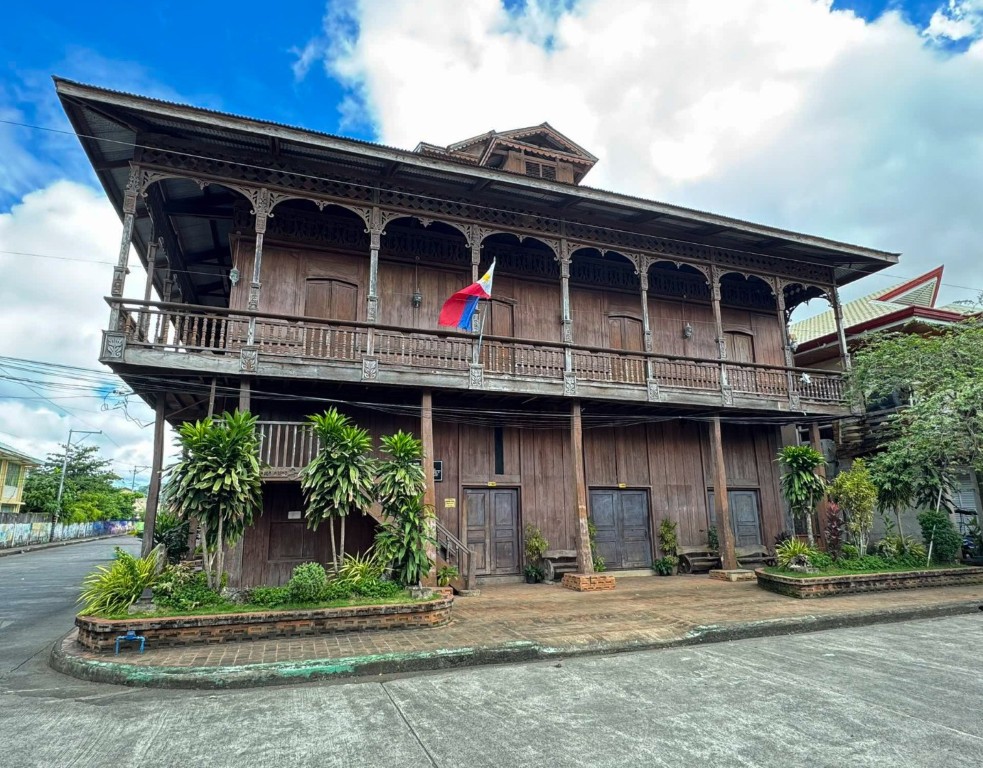
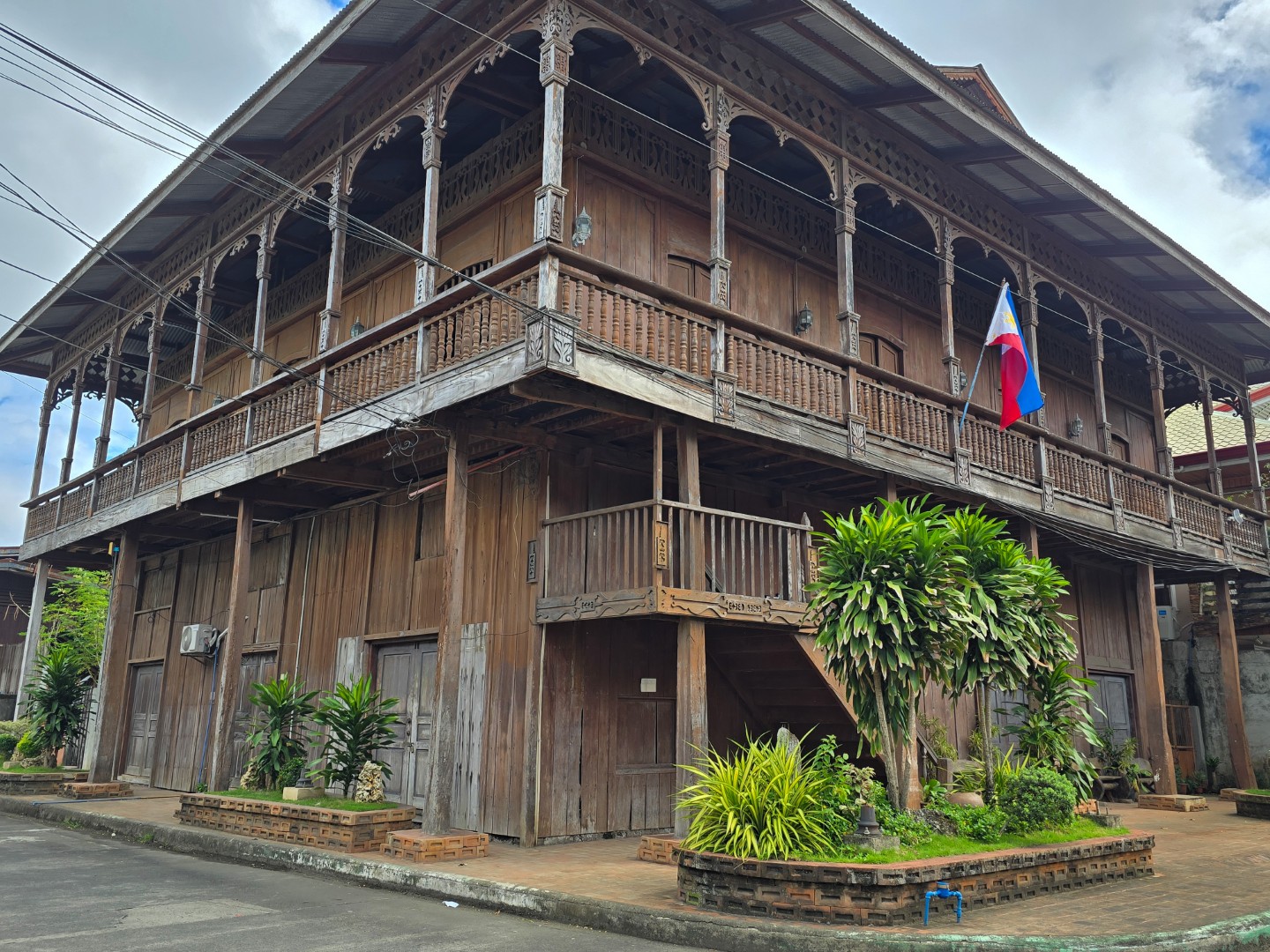
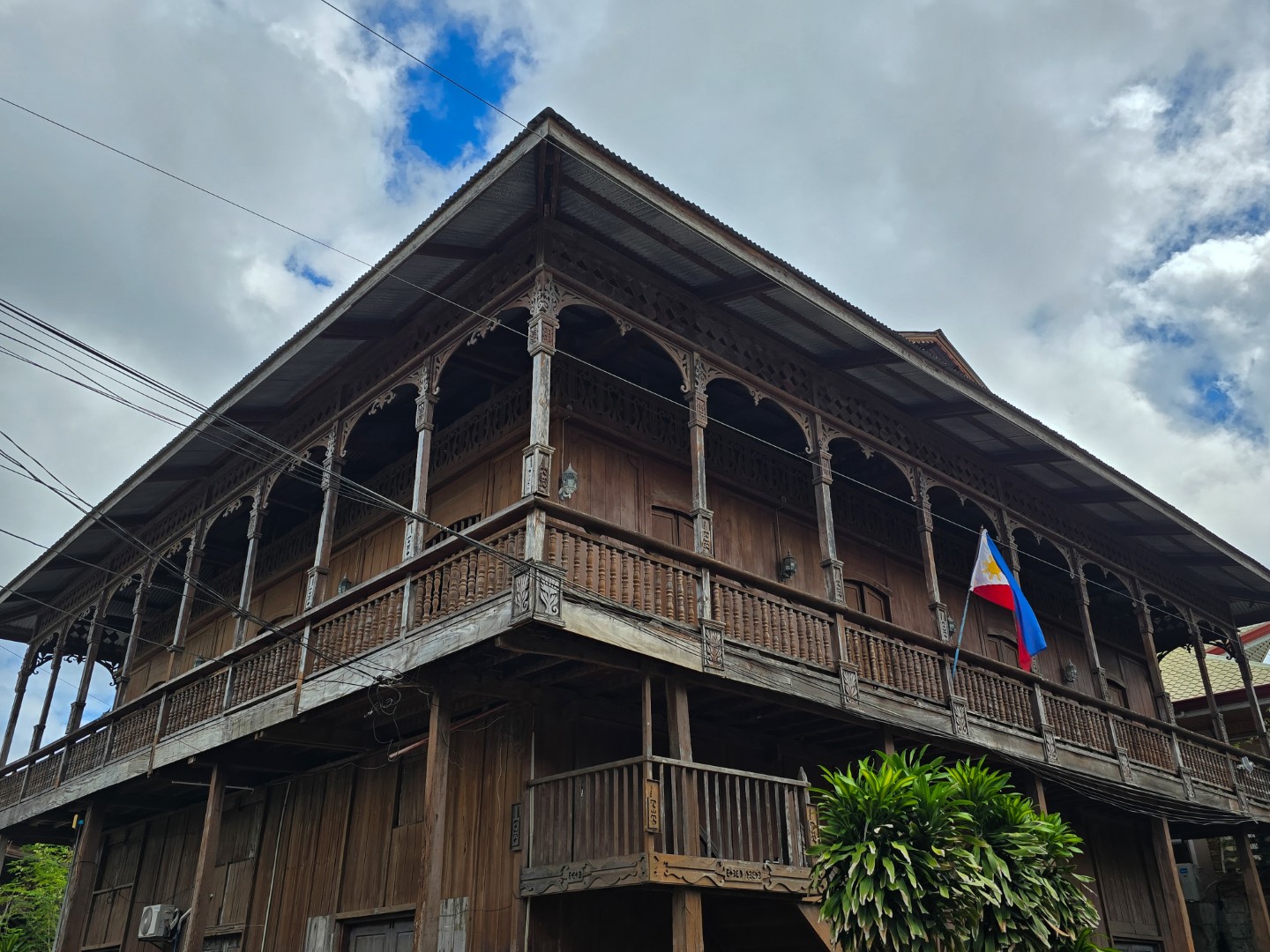
Exterior shots of the Adasa House.
Adasa House would be our last stop in Dapitan City. From there though, we would still make a couple of stops before making it back to Zamboanga City. Around half an hour since we left the ancestral house, we were back in Dipolog City, paying a visit to the seat of provincial government of Zamboanga del Norte.
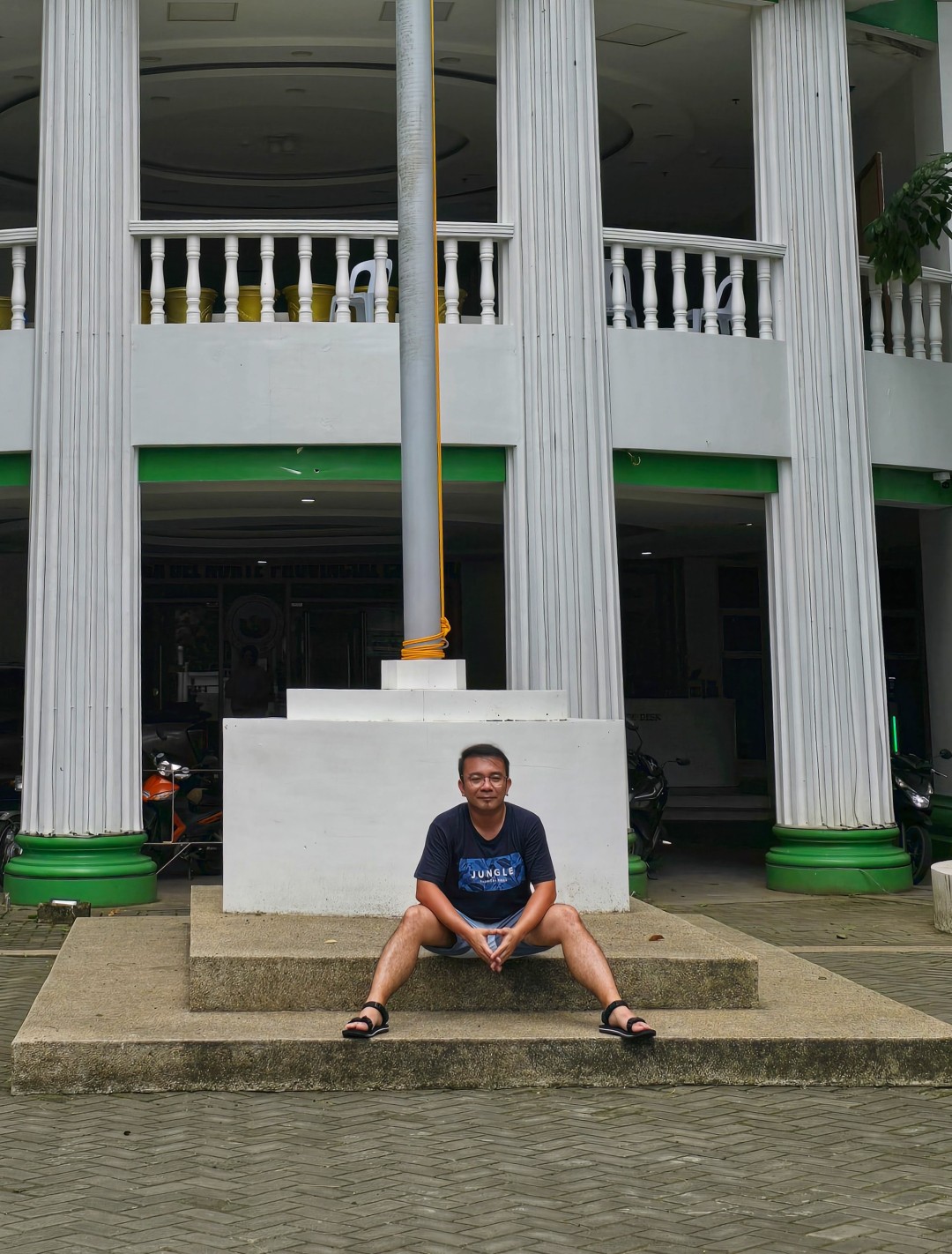
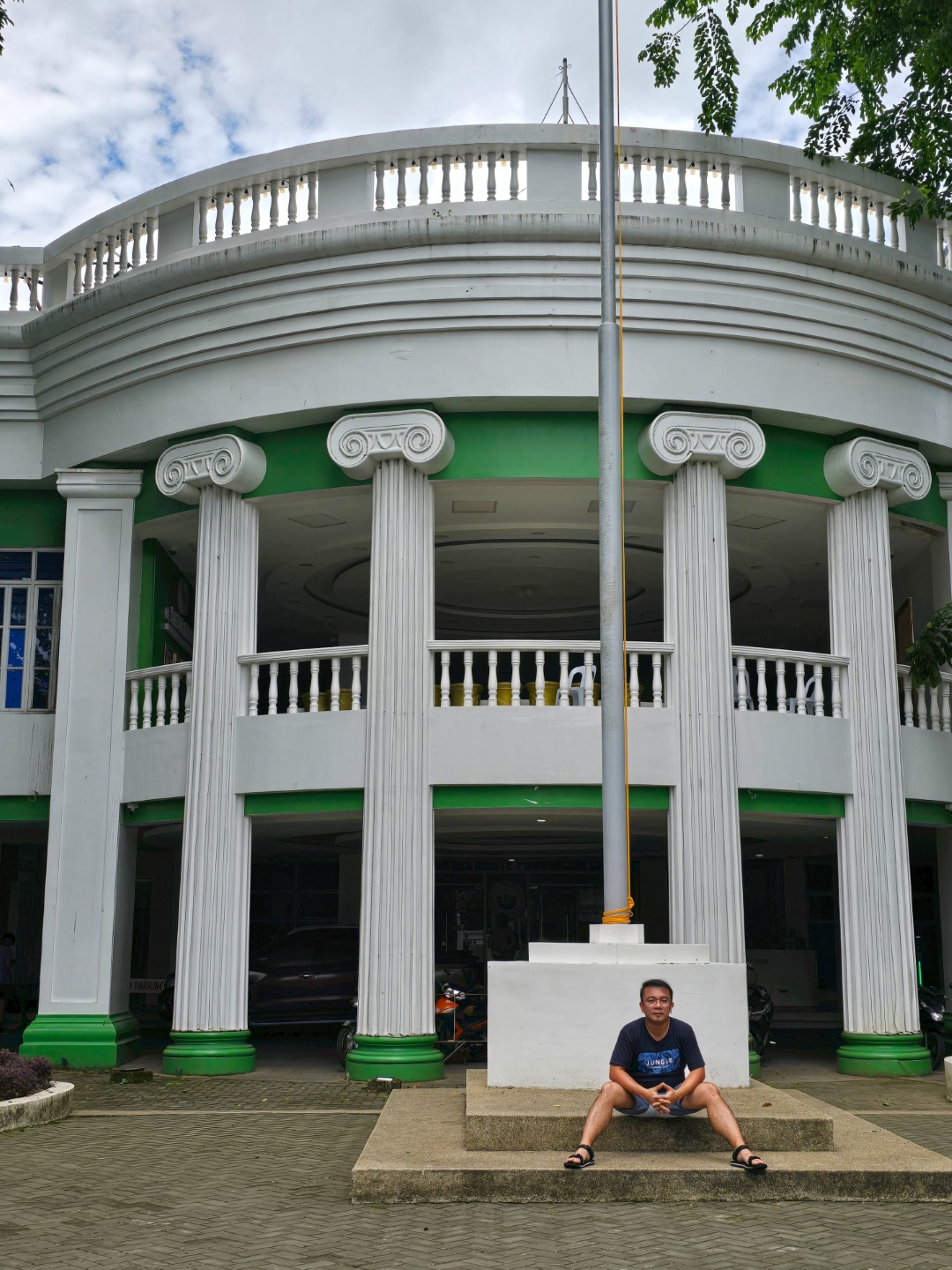
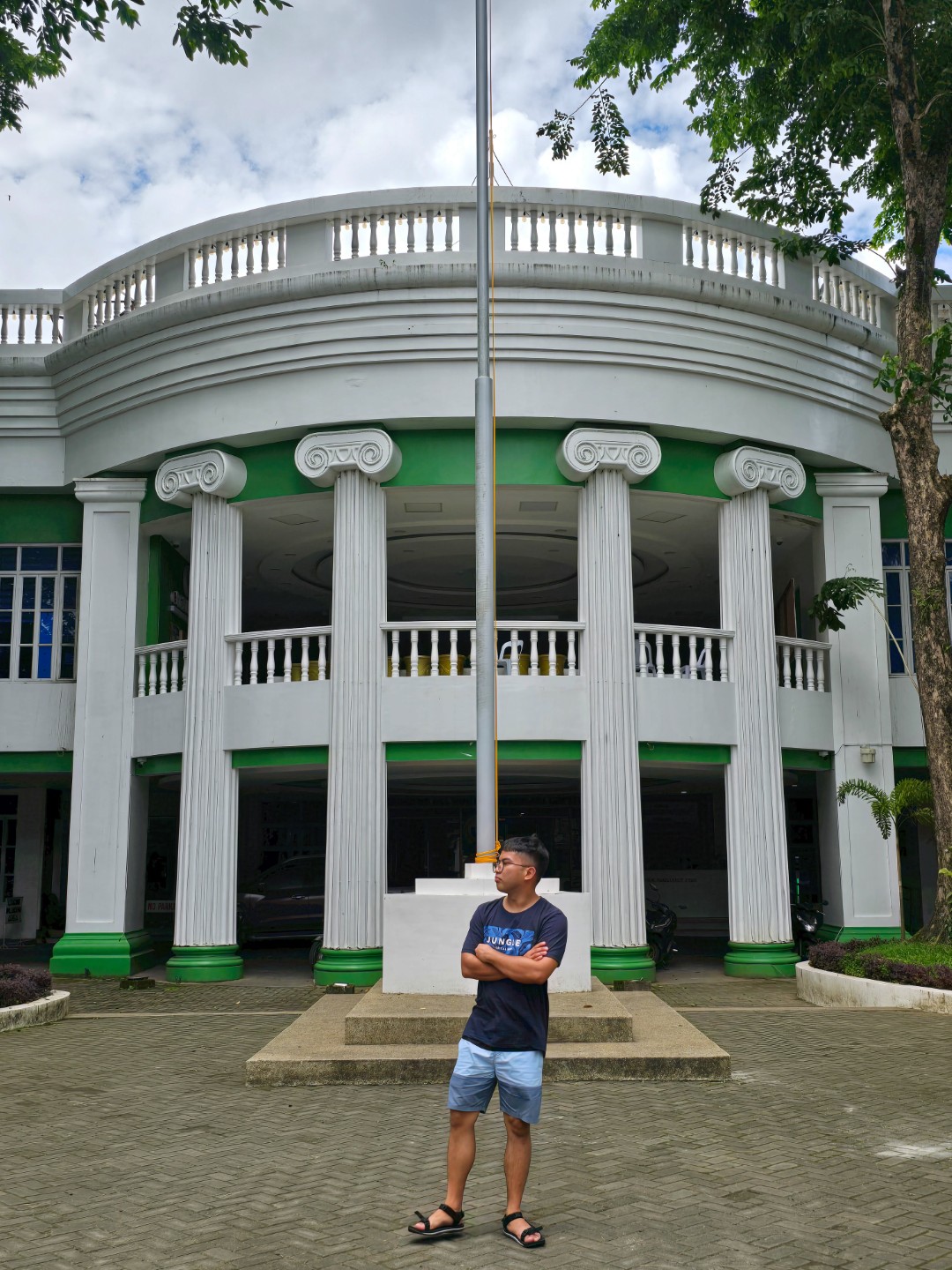
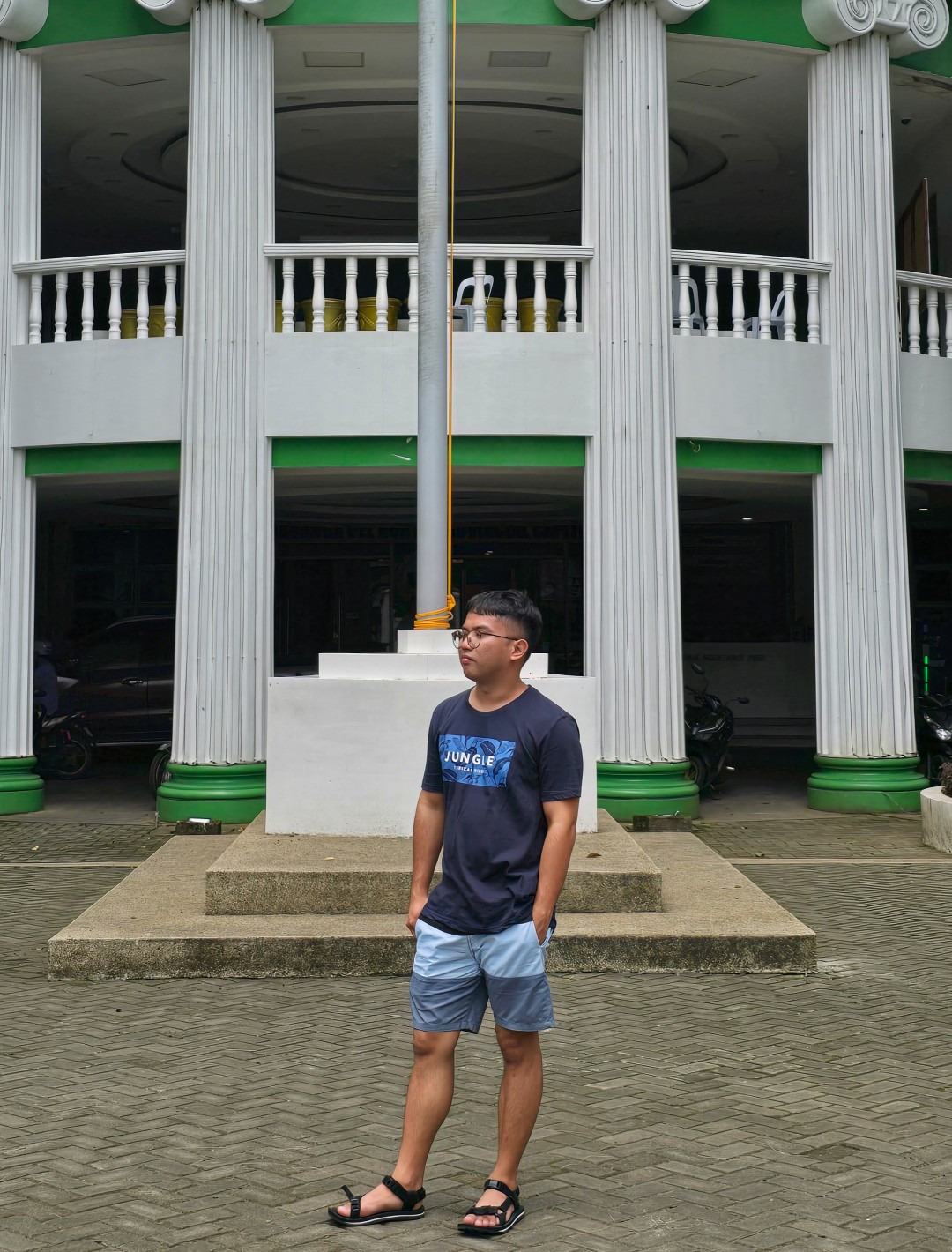
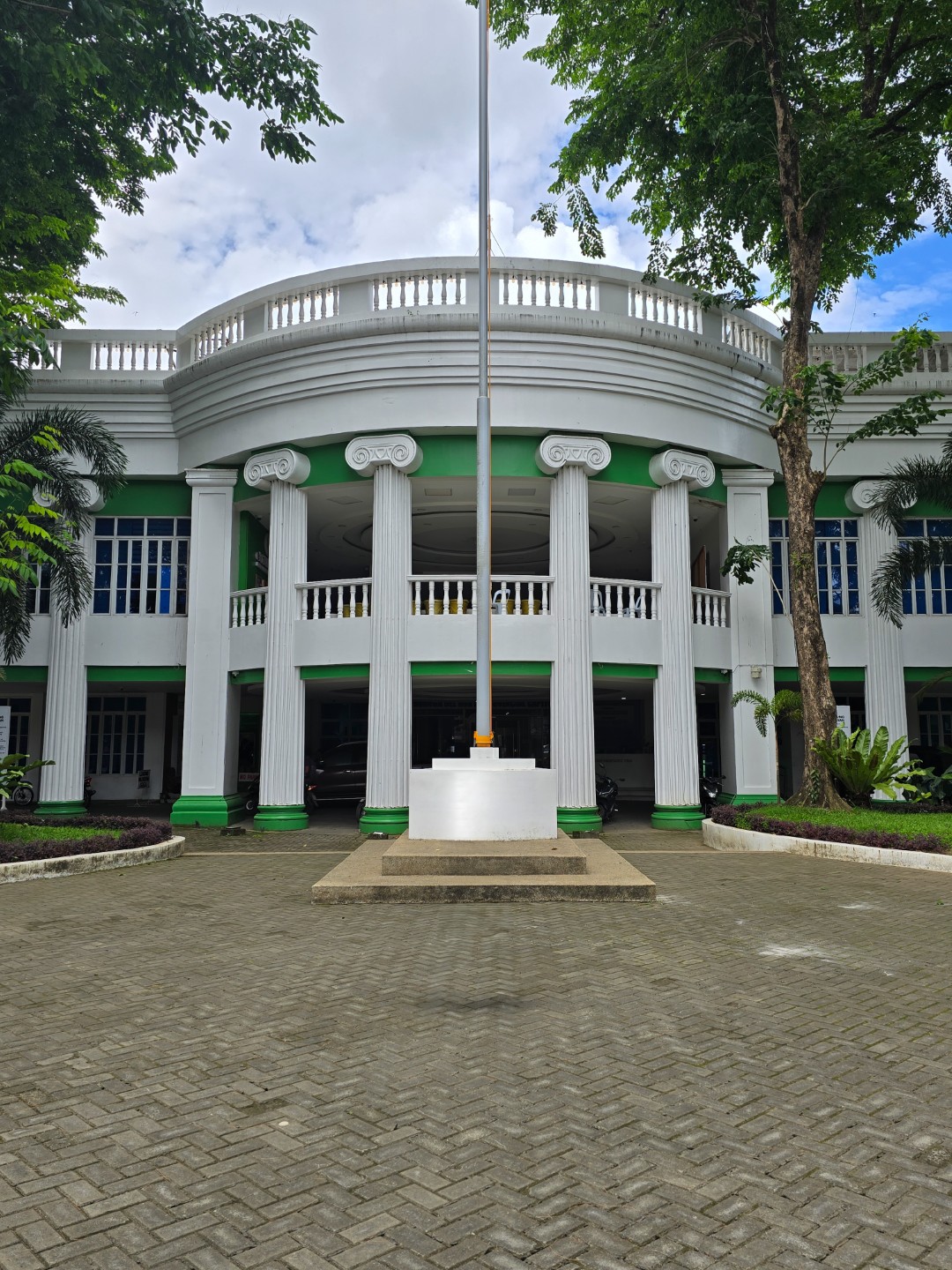
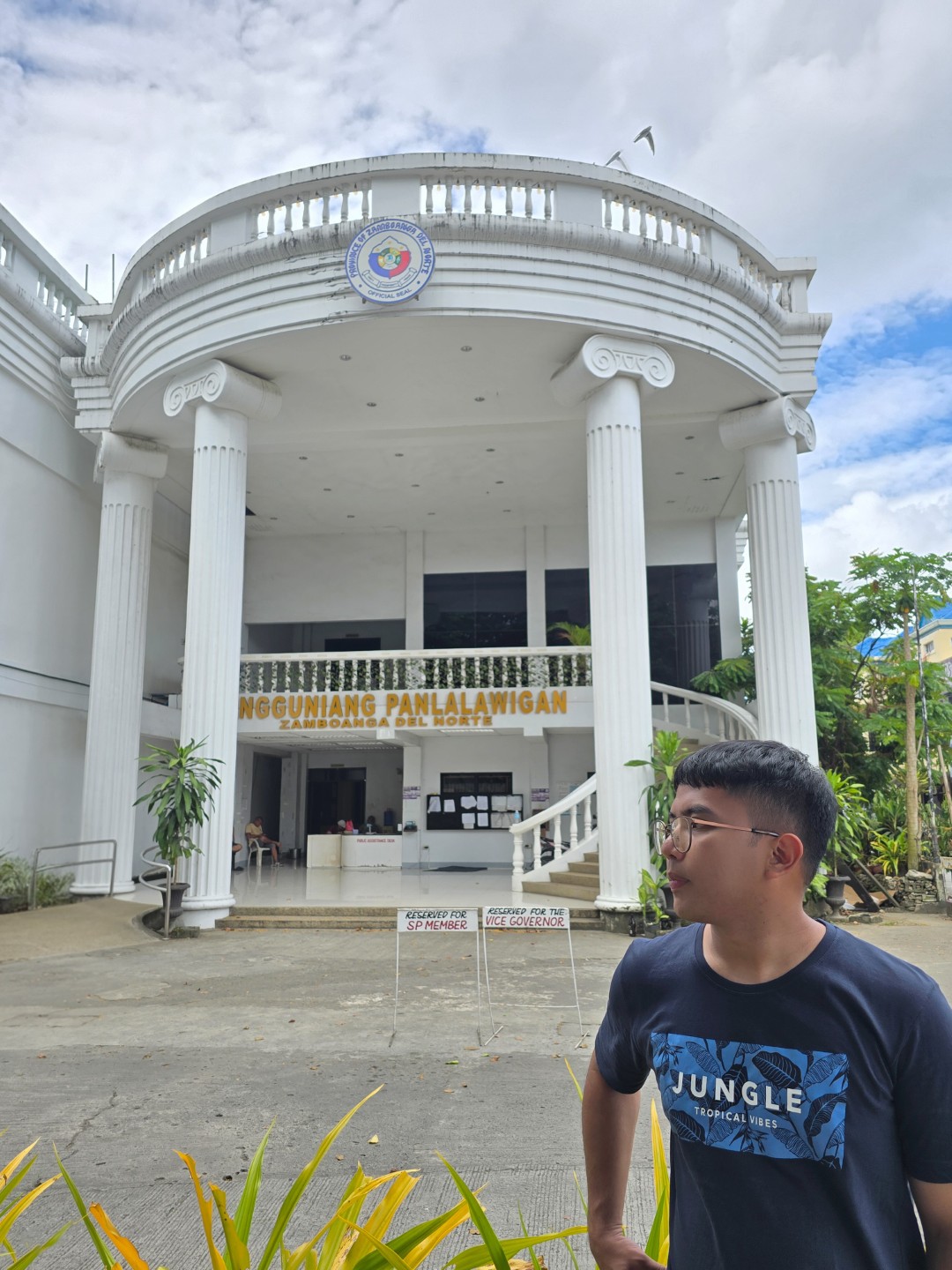
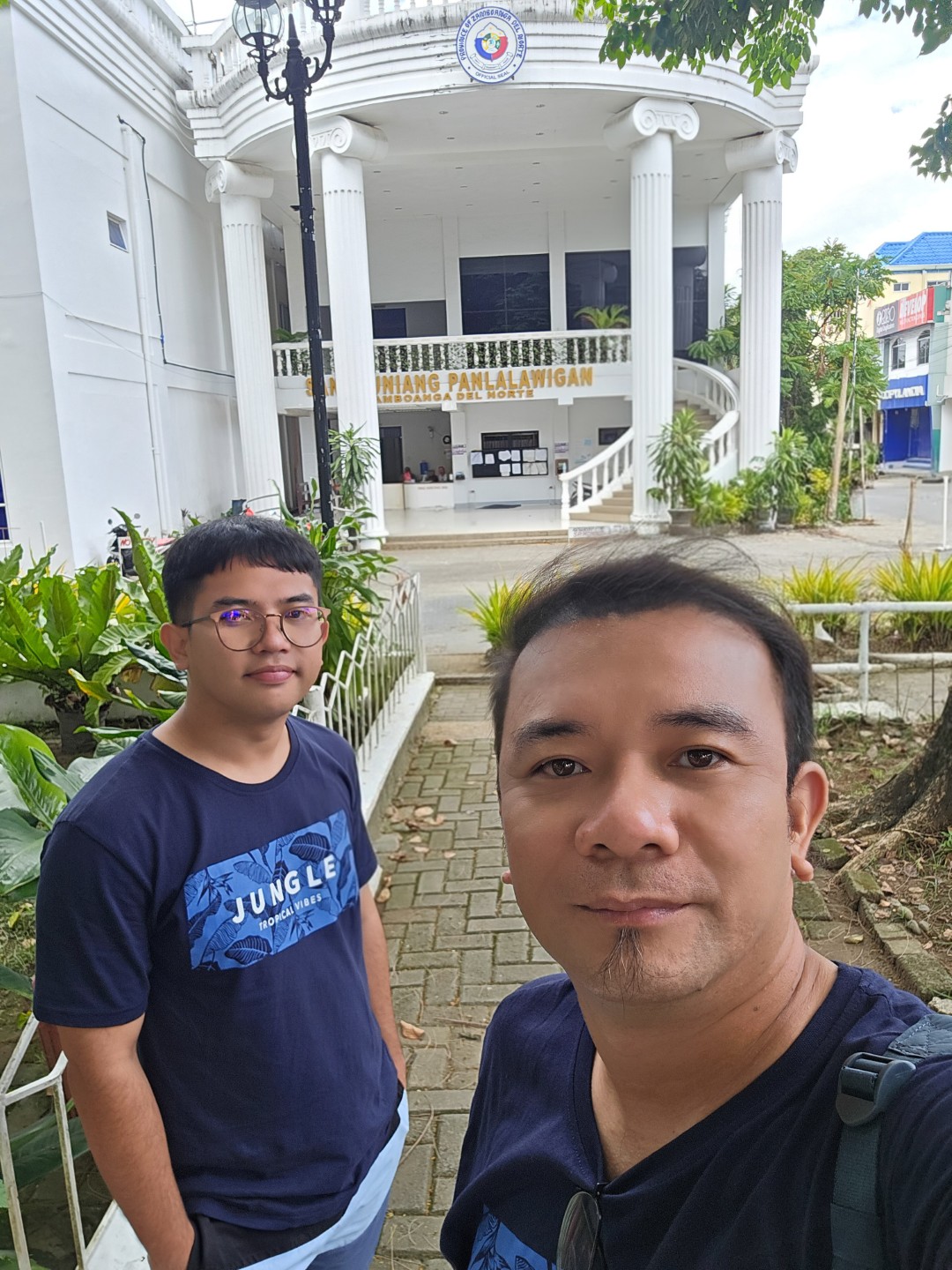
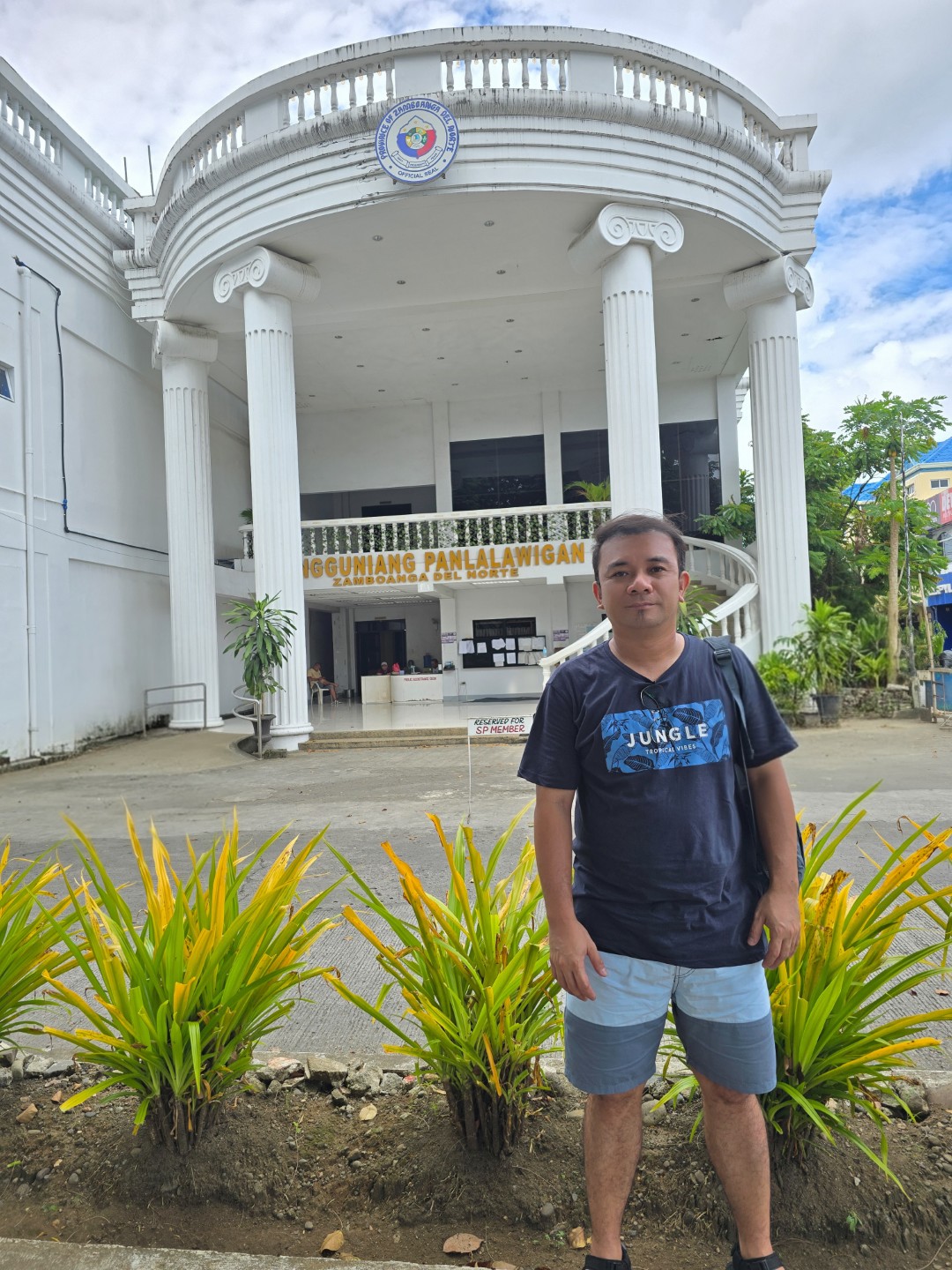
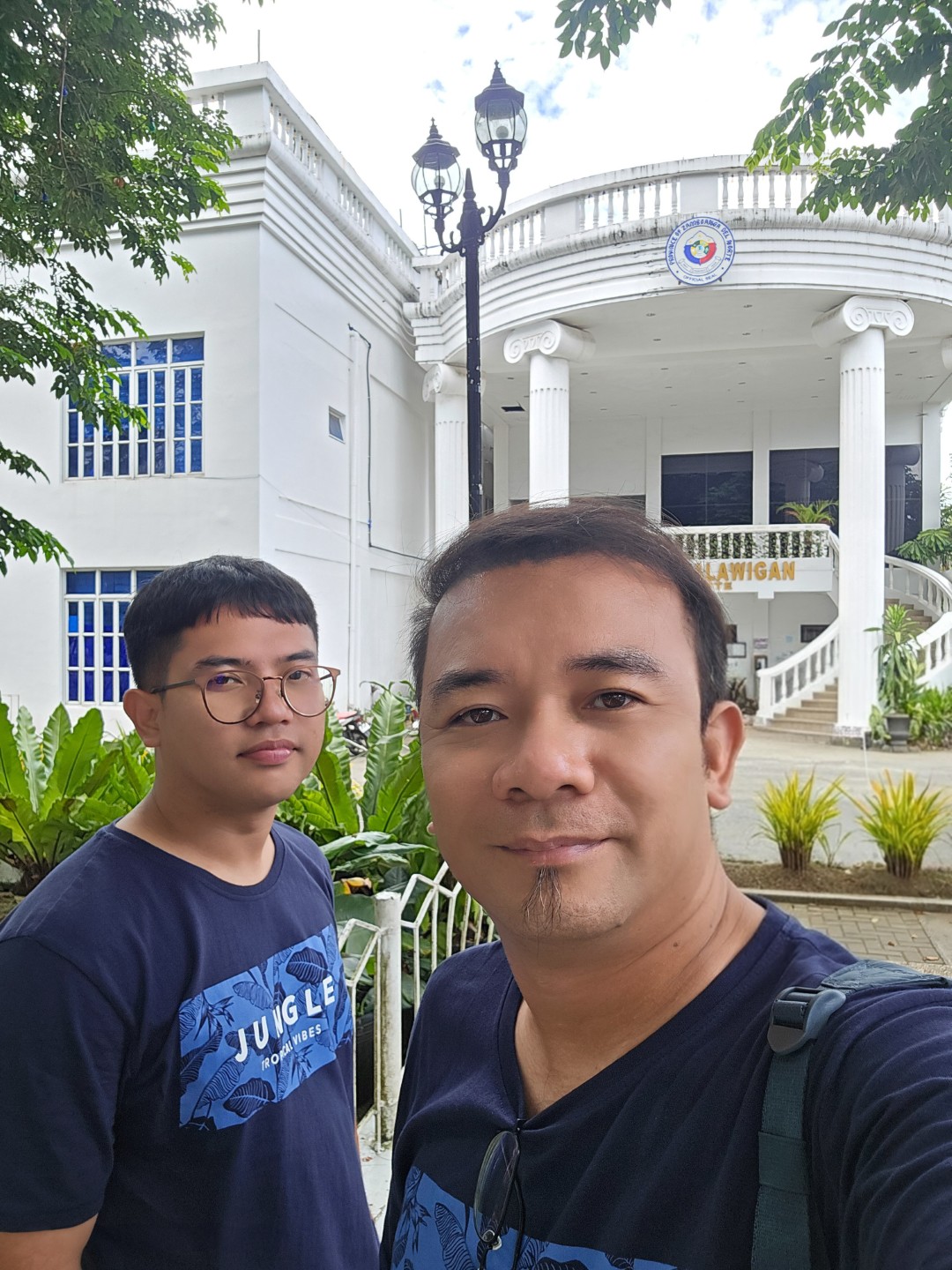
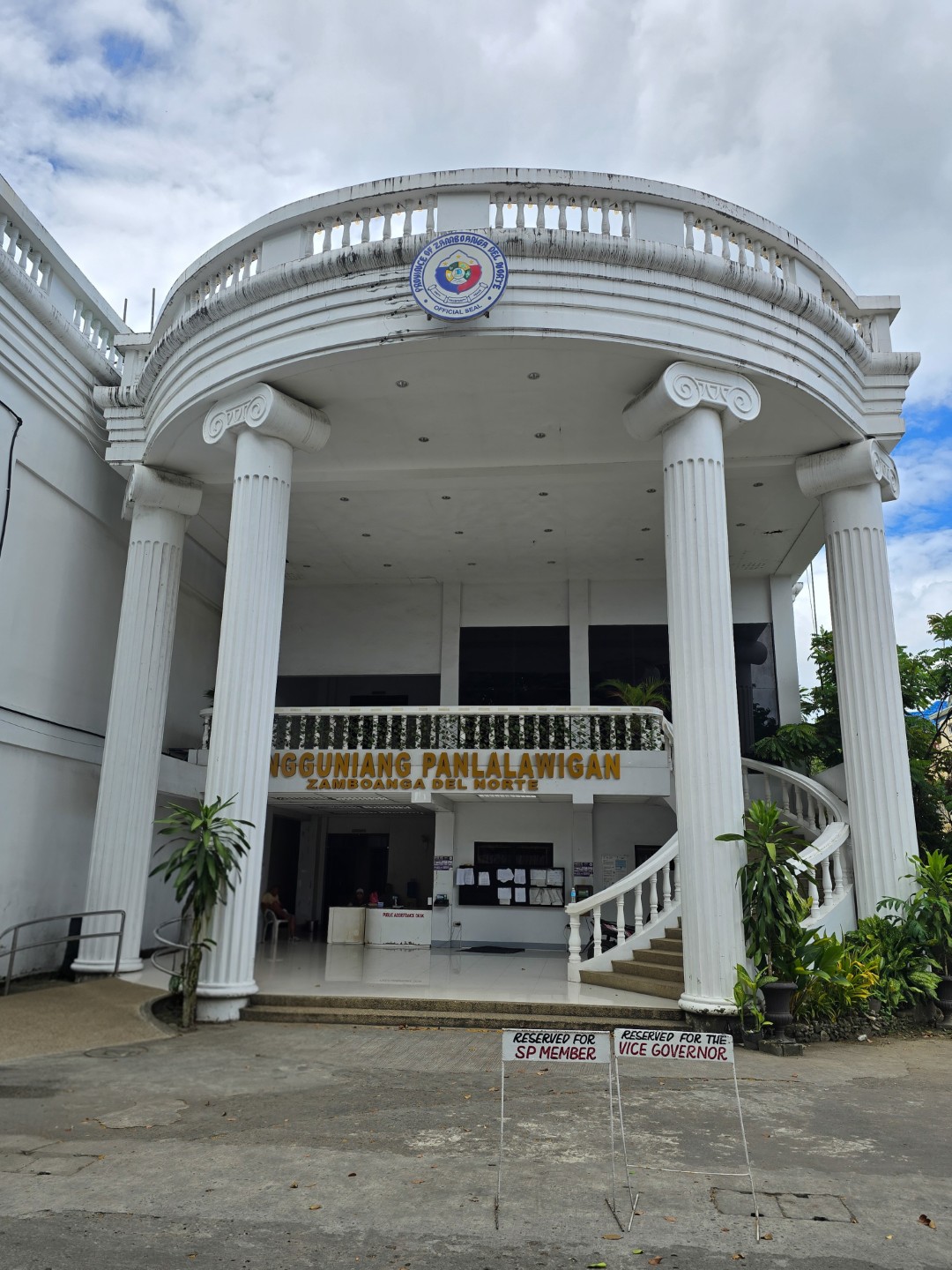
Zamboanga del Norte Provincial Capitol
Dipolog City has the unique history of being made a capital twice. It was made the capital of Zamboanga at large until the end of the Second World War when the capital was relocated to Molave in what is now Zamboanga del Sur. In 1952, during the Zamboanga partition, it was designated as the capital of Zamboanga del Norte as it remains to this day, eventually being declared a city in 1970.
Since we were doing our Zamboanga del Norte road trip on as Sunday, the places we were stopping at were closed for the weekend. On one hand, that meant lesser opportunity to explore what could be inside such places. On the other hand, that meant lesser or no crowd at all, giving better picture taking opportunities. That also meant faster travel time, as we did not have to queue or wait for the crowd to subside just to take a photograph of something.
Around an hour after our quick stop at the capitol in Dipolog City, we found ourselves stopping in a town that features a monument that is rather unique, if not odd, to the uninformed. The monument? A giant chicken.
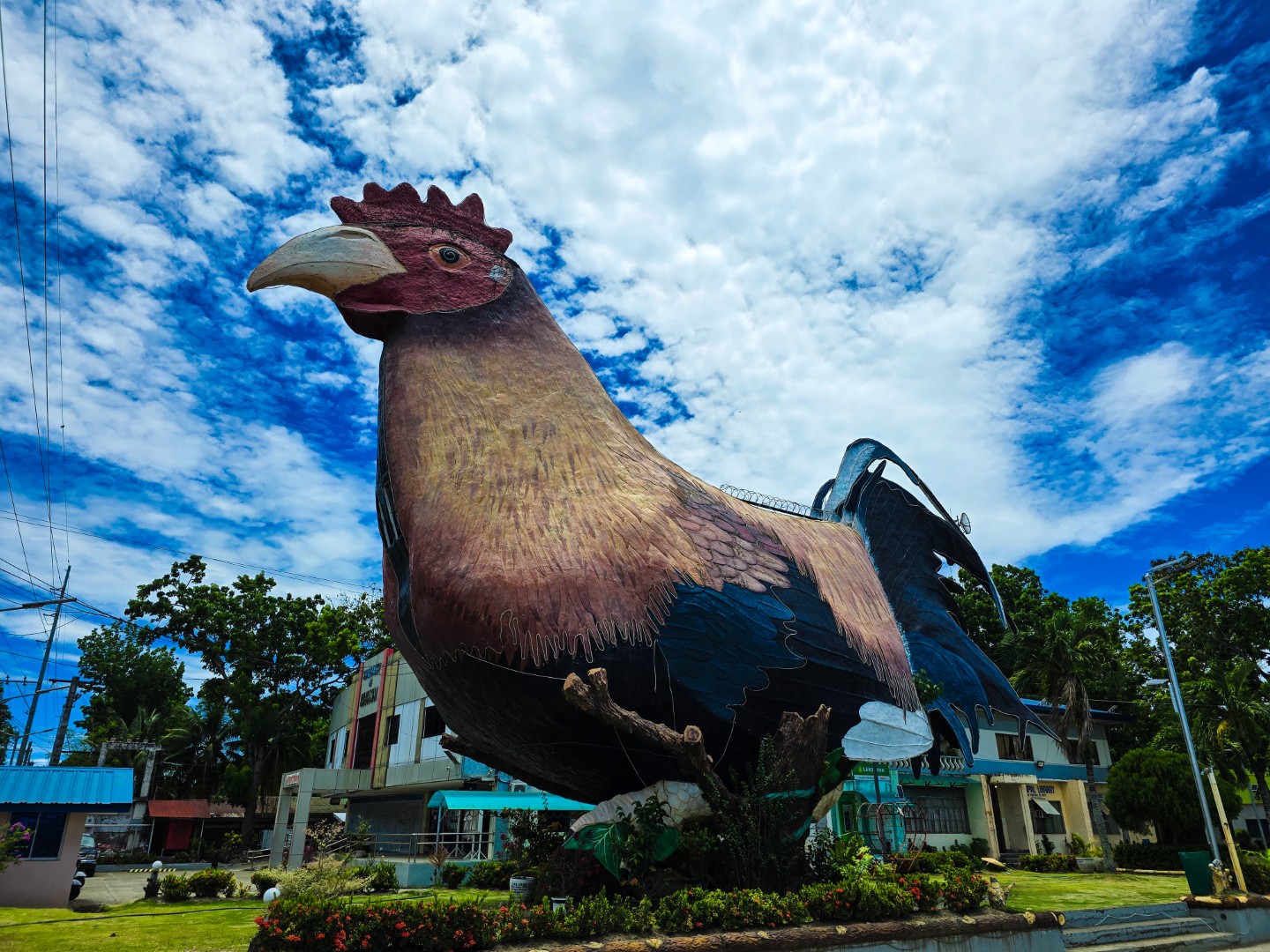
So why pay homage to the chicken? Well, the name of the town is Manukan, which literally means poultry farm. Made a municipality in 1952, Manukan was a barrio of Dapitan, known for hosting poultry farms that provide poultry meat and produce to nearby towns. The giant chicken statue that stands in front of the town hall is hence a literal concretization not only of the town’s name but also its history and contribution to the cultural and economic landscape of Zamboanga Peninsula.
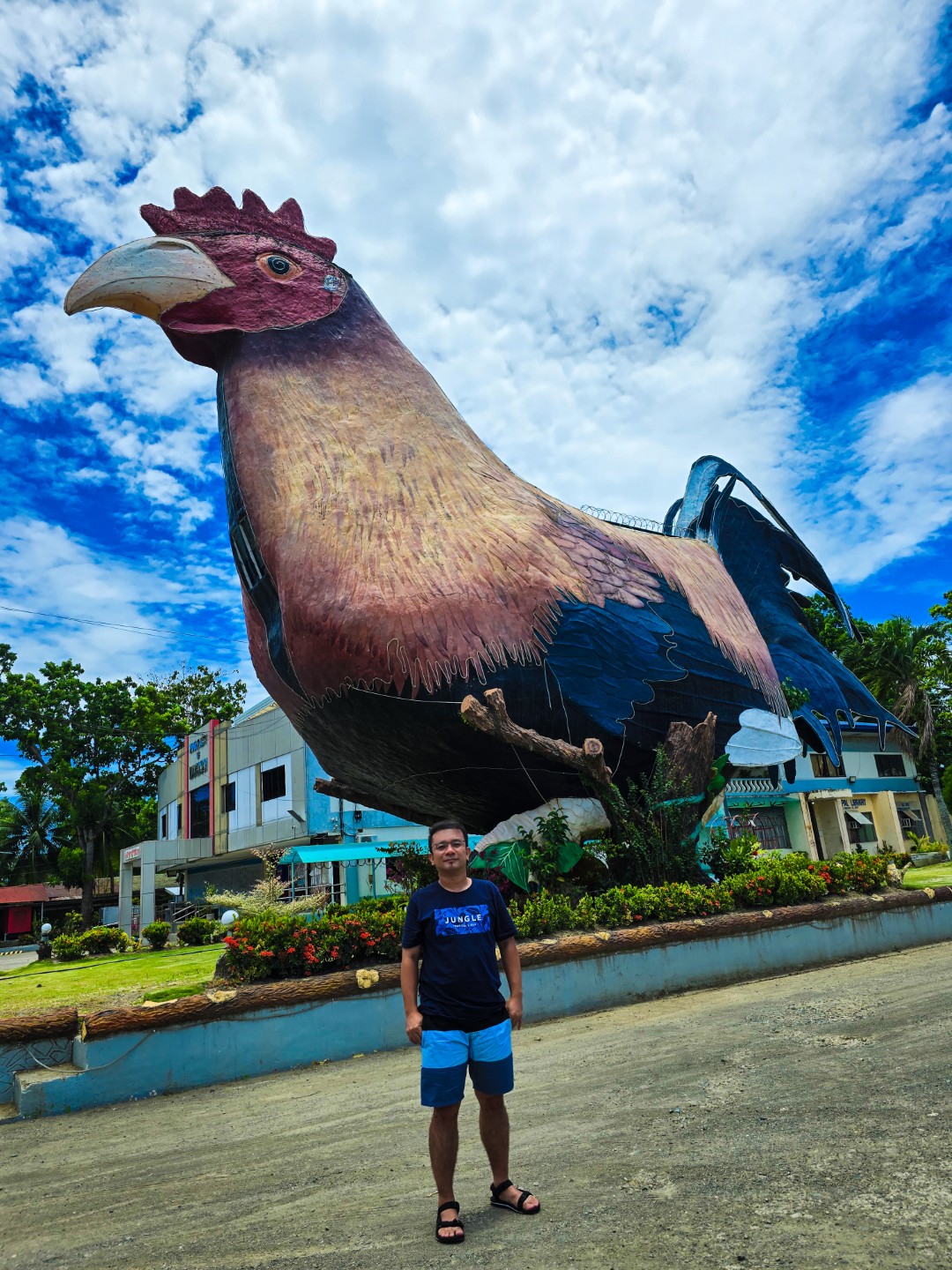
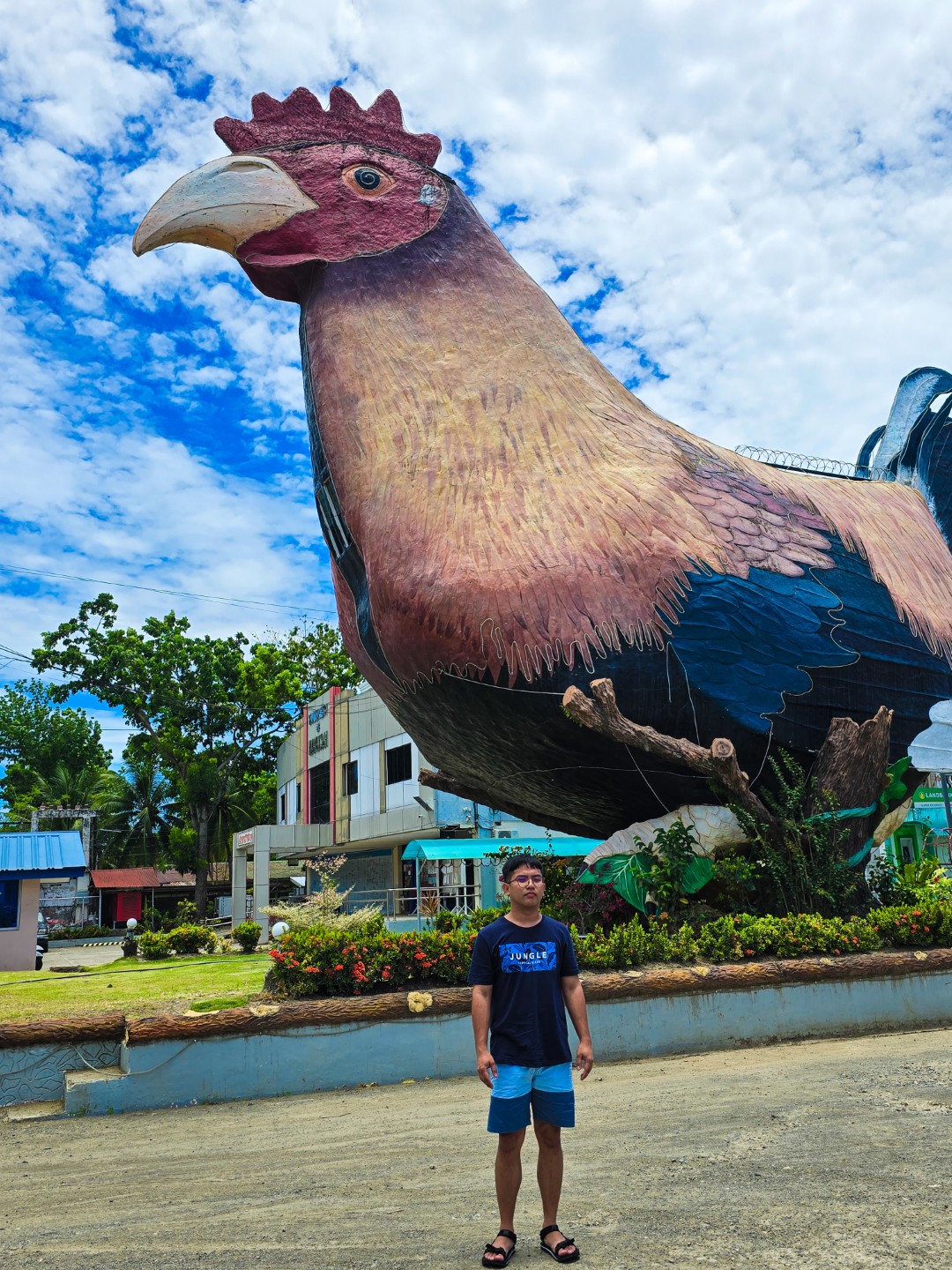
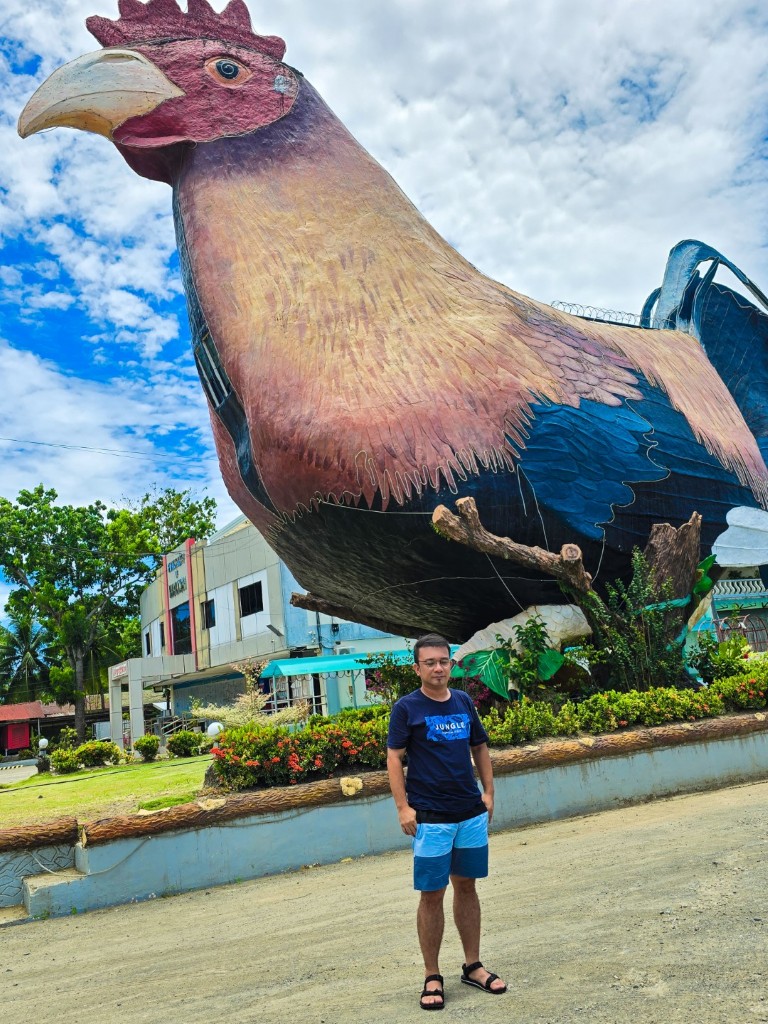
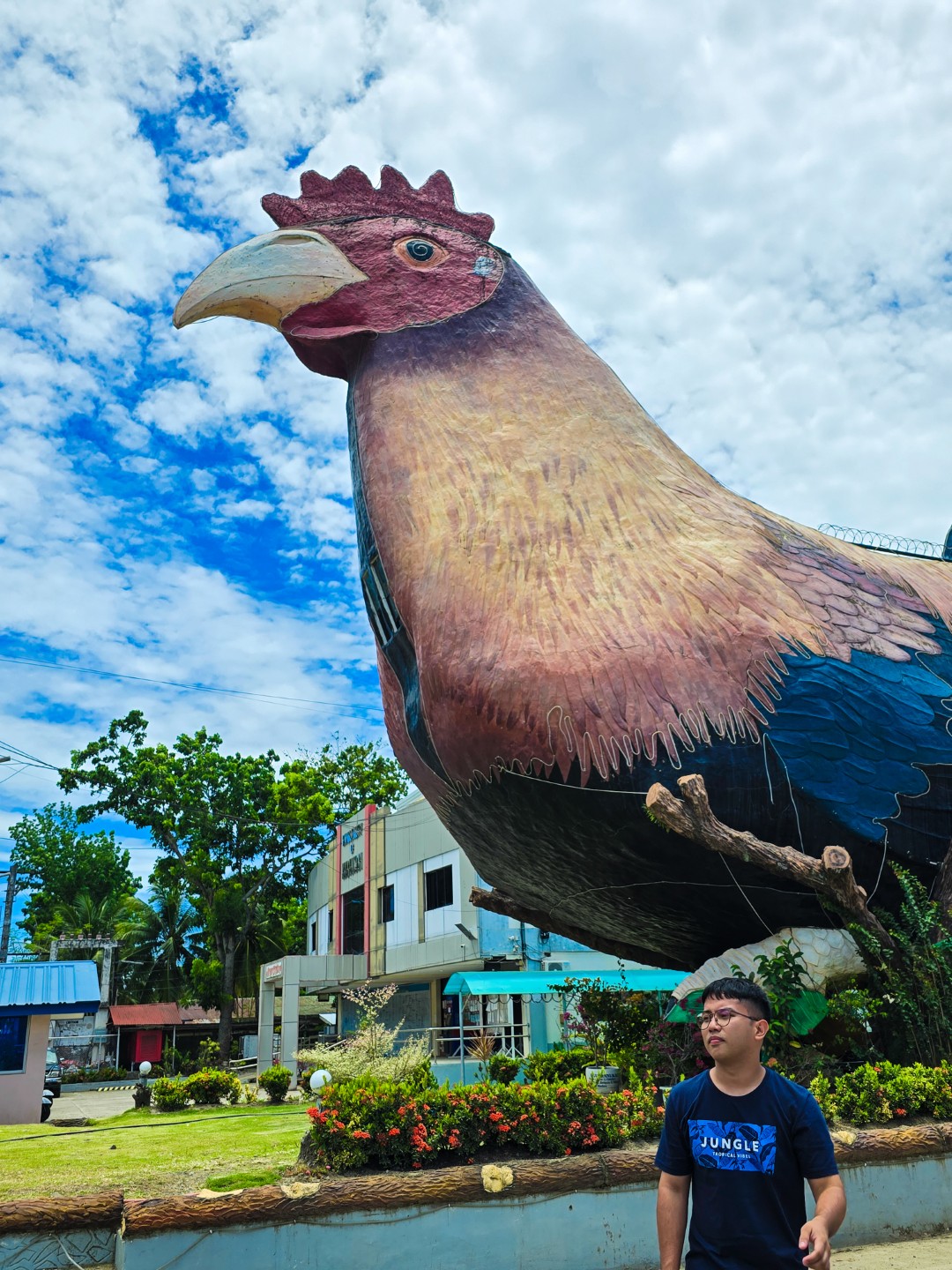
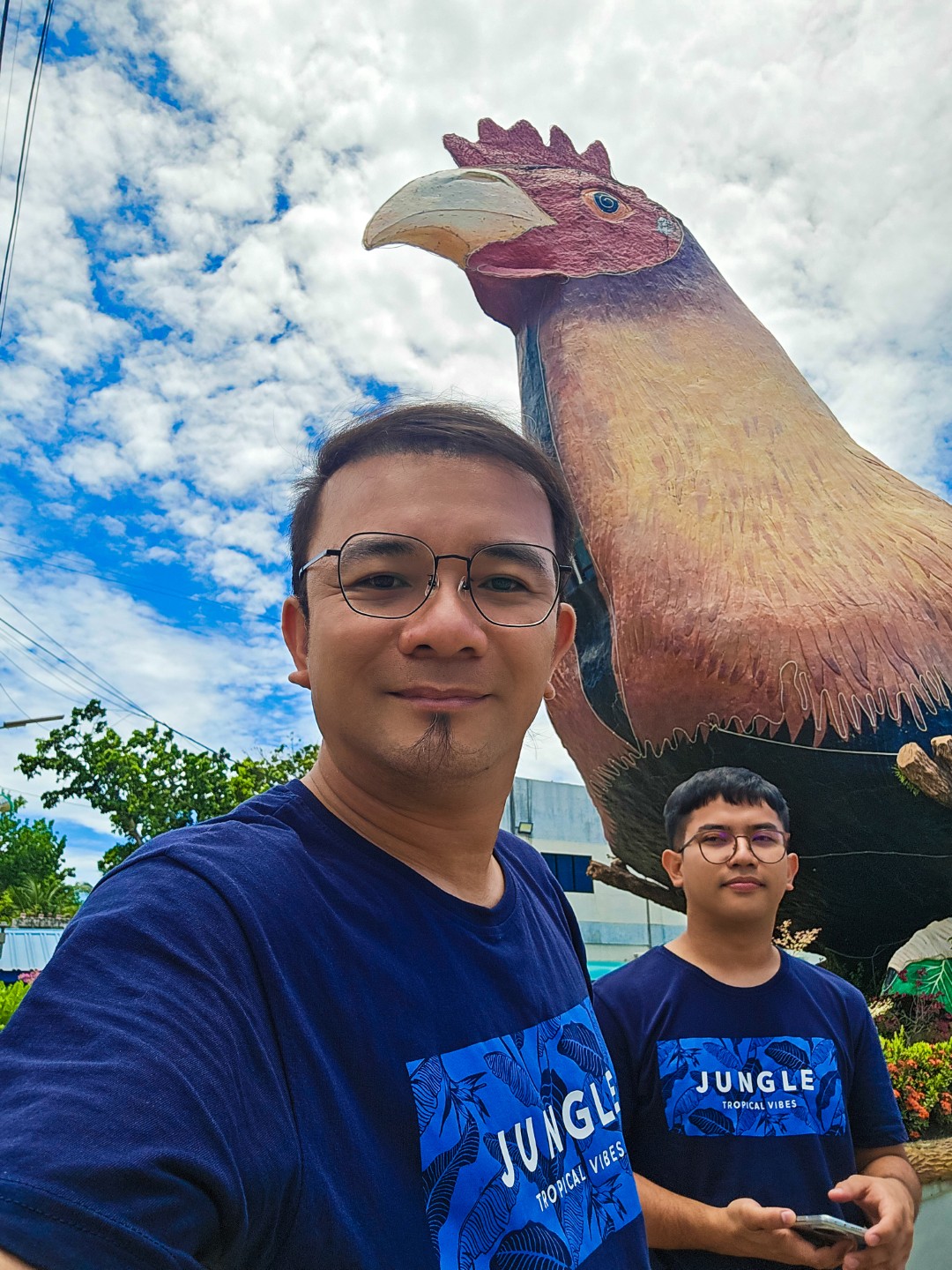
Posing in front of the big chicken.
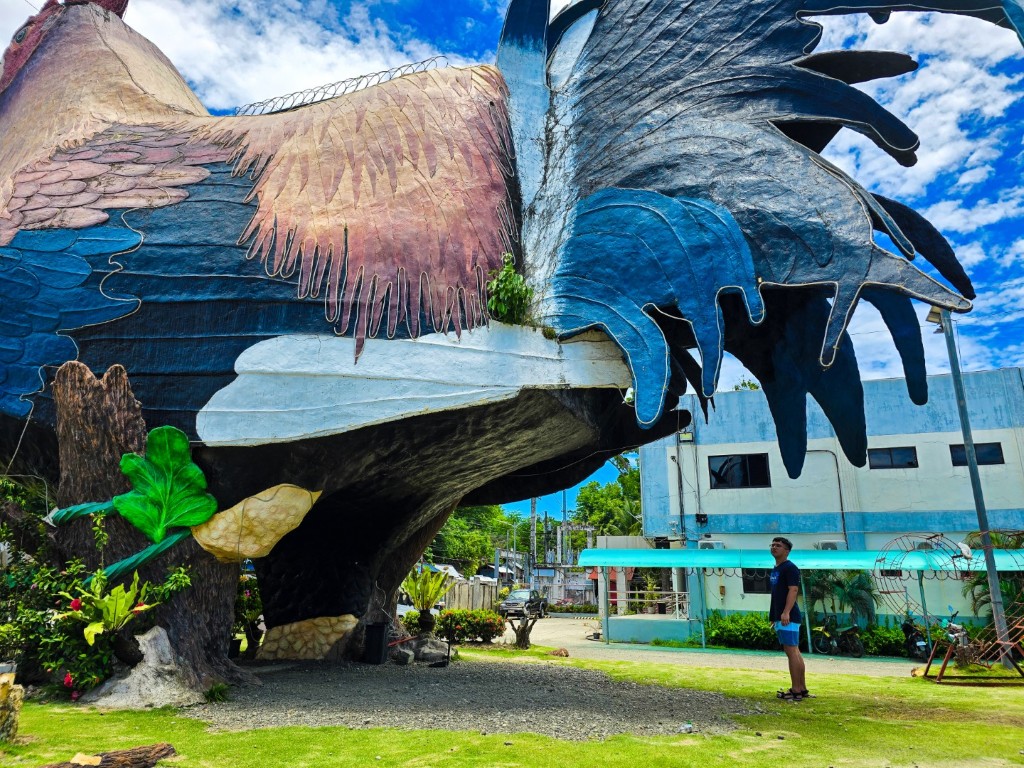
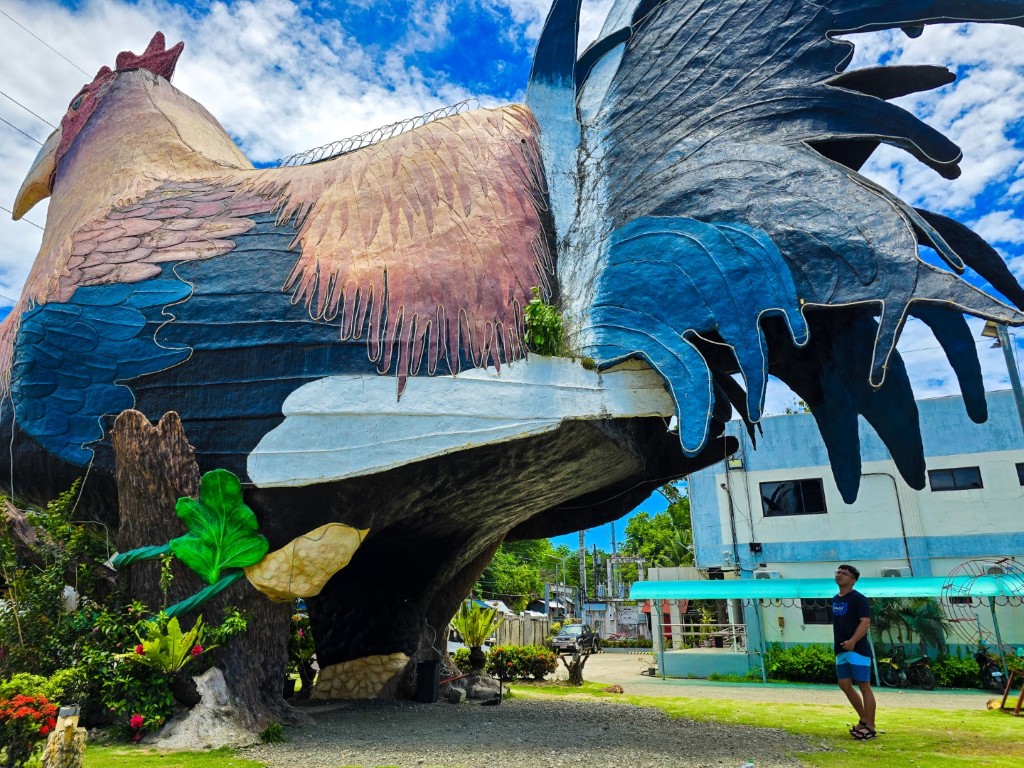
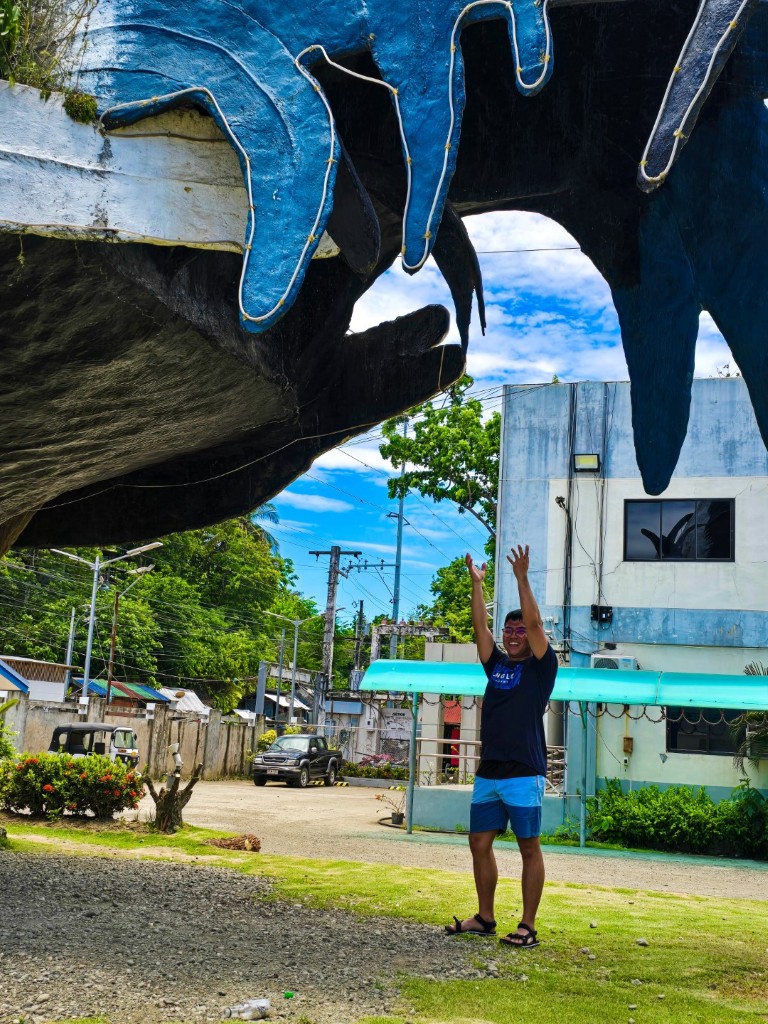
Ran, that’s a rooster, so I am pretty sure it’s not egg that’s going to fall off its rear.
We did not stay long in the municipal hall of Manukan. Much like our trip in Zamboanga Sibugay, we were practically breezing through Zamboanga del Norte on our way back to Zamboanga City. It was for a practical reason though. We need to be on the dot at the Port of Zamboanga for our next destination.
Short and fleeting as our road trip was in Zamboanga del Norte, it is not devoid of anything worth noting. Zamboanga del Norte is not just a province that comprises the entirety of the peninsula. In its own right, it is a land enriched by wonderful coastlines, colorful culture and meaningful history that all contribute to the continuing growth and development of the Norte Zamboangueño identity.
It took us roughly eight hours to get back to Zamboanga City since we left Dapitan City. The night that we were about to experience was another first for the Renegade Duo. We do not have any accommodation for the night: no inn, no hotel, no homestay. For us in Renegade Junctures, it would be the first time for us to spend the night in a ferry for an overnight ride across the sea.


 Renegade Junctures
Leave a comment