

The vessel that ferried us from Sulu back to Zamboanga City left at 08:13 PM. It was another night in the middle of the sea. Unlike when we arrived though just around 15 hours earlier, there were no internalizations while in the middle of the sea. The lack of sleep from the night before finally caught up with me.
The golden orange beams of the sun has already started to pierce through the morning sky when I woke-up. It was 05:40 AM. We finally docked in Zamboanga City Port at 06:00 AM.

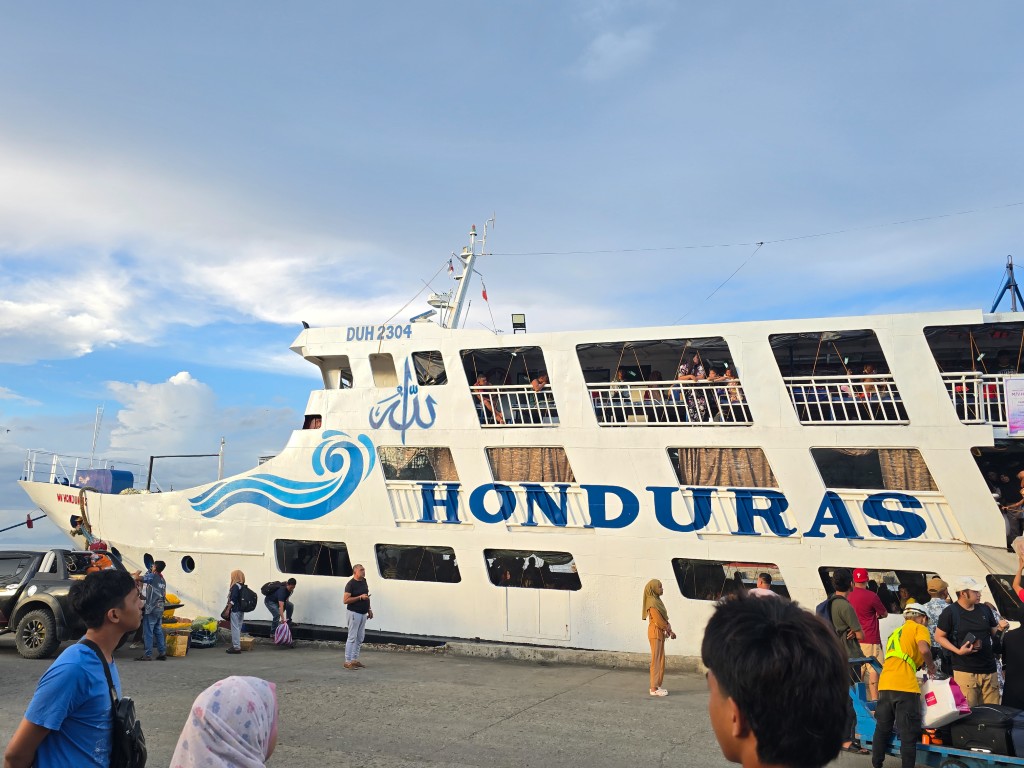

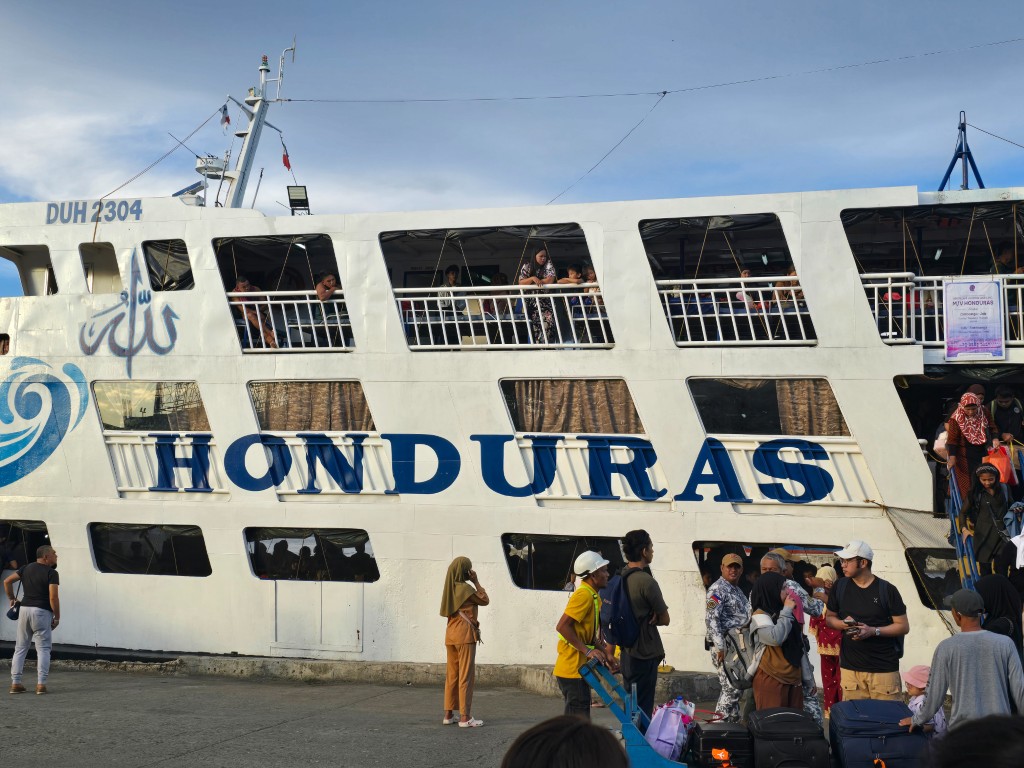
M/V Honduras, our home in the middle of the sea for a night.
As soon as we disembarked on the port, we had to make a run for it. Sea travel was not over yet and we had to catch another one going to our next destination—the one would complete the BaSulTa in ZamPenBaSulTa—the Province of Basilan.
The ferry that would take us to Basilan was located on the other side of the port, and running was altogether inconvenient given our baggage. Thankfully, the port’s free shuttle passed-by and we were able to make it to another vessel of Aleson Shipping Lines.
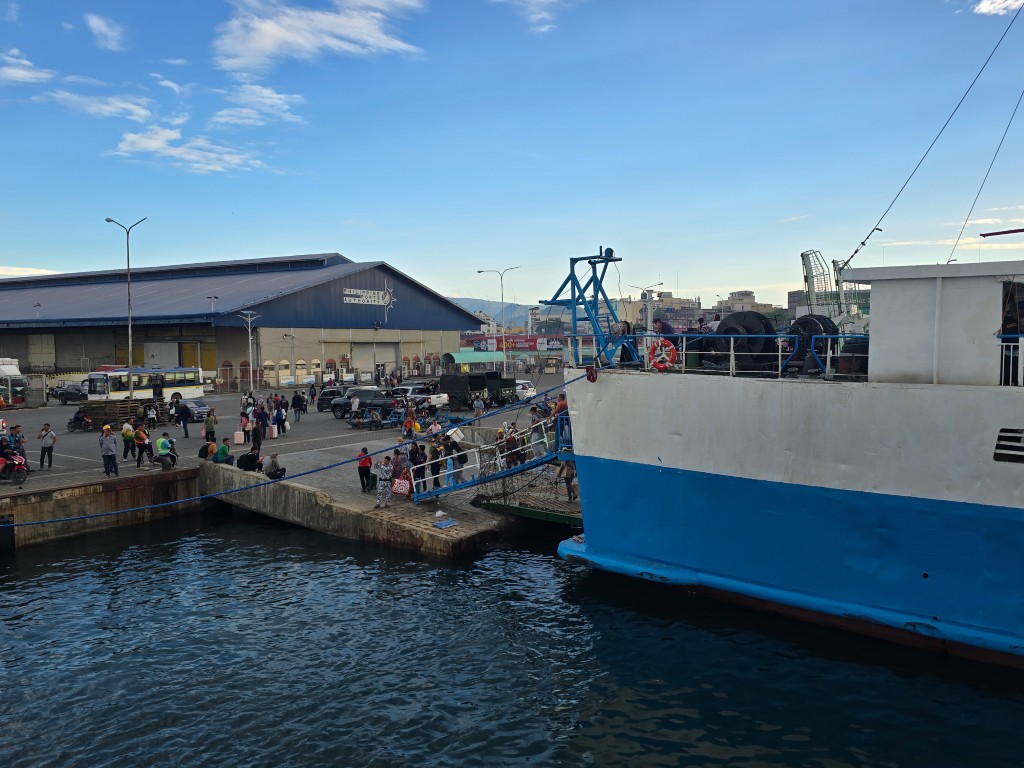
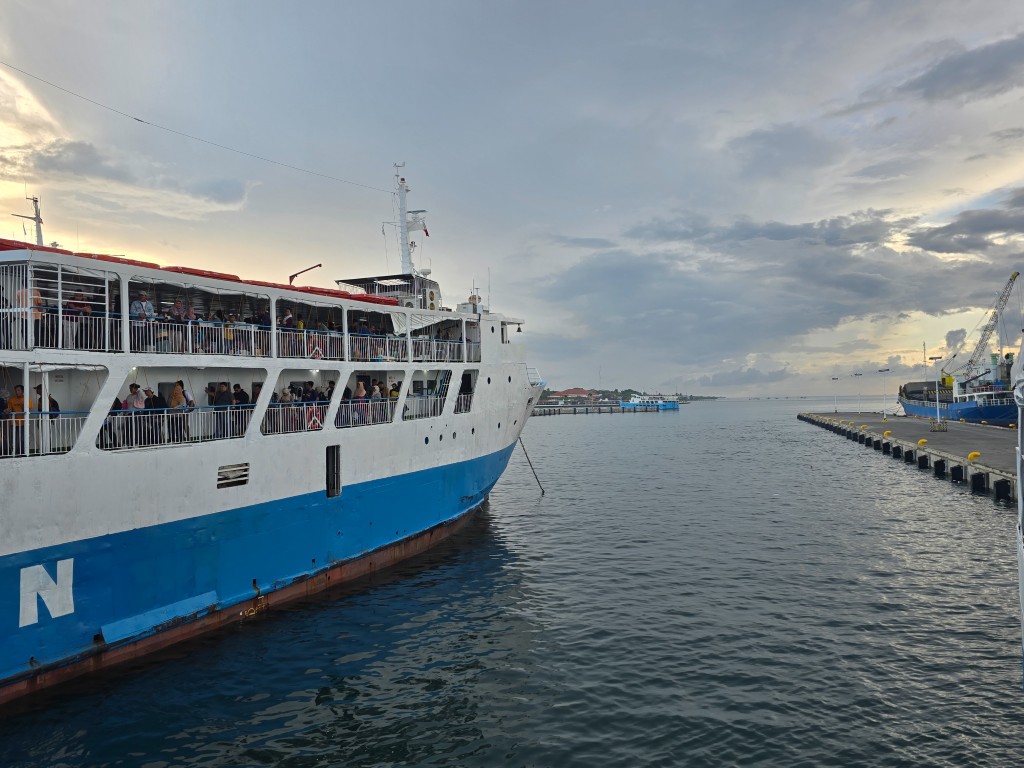
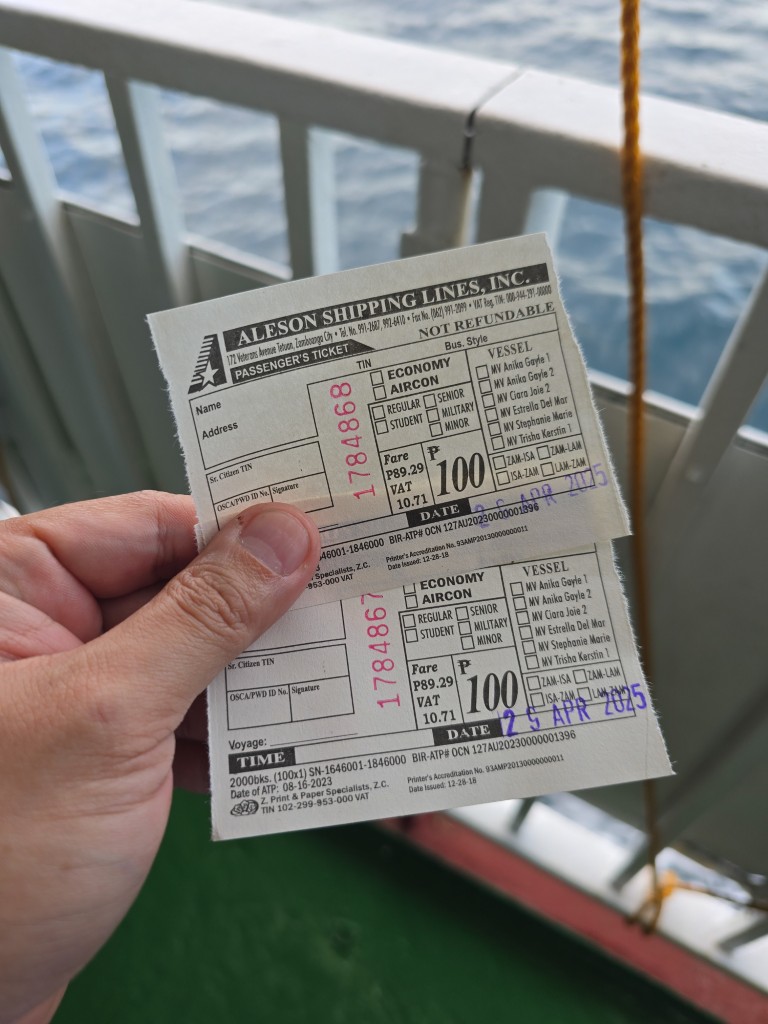
Another ferry ride across the Basilan Strait.
There was no overnight ferry ride. Unlike Sulu, it would only take around a couple of hours to reach Basilan from Zamboanga. Very much like Sulu, however, Basilan is a place that some decades ago was unthinkable to visit. It has suffered from a lot of stigma due to conflicts in the recent past and was once considered as one of the most dangerous places in the Philippines.

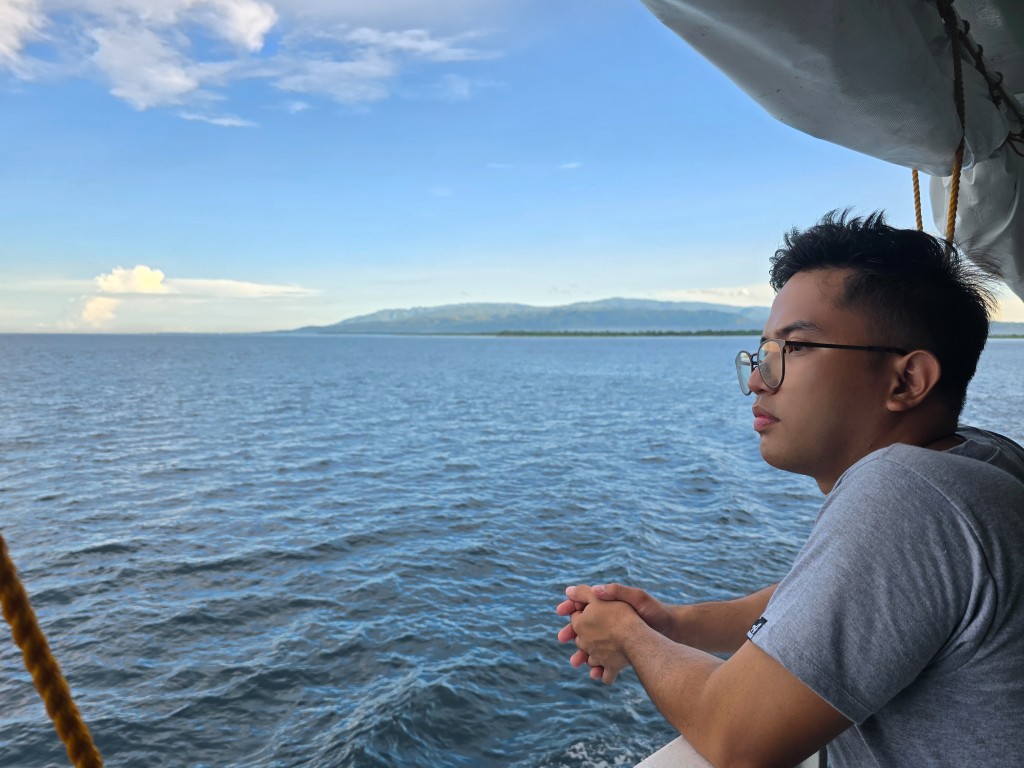

On our way to the Treasure Islands of the Southern Seas, Basilan.
The island province of Basilan has a rather interesting moniker: the Treasure Islands of the Southern Seas. There are at least two explanations as to how Basilan got its moniker. One is that the nickname is owing to the fact that Basilan has a lot of pearly islands. That could be taken either in a figurative sense given the white sand beaches that abound the province, or in a literal sense as the Pigafetta Expedition found precious pearls when they stopped on the islands after the Battle of Mactan. Two is that Basilan was a staging ground for piracy and that the treasures from plunder at sea were being reposed in the islands.
Basilan is home to the Yakan, a branch of the Sama people together with the Sama–Bajau, Sama–Dilaut and other Sama branches but who chose to live on land.
An hour and a half on the sea, we knew we were getting closer. No one could miss the signs: mangroves, stilt houses and the most obvious one—a lighthouse with large letters by its foot saying Welcome to Isabela de Basilan.
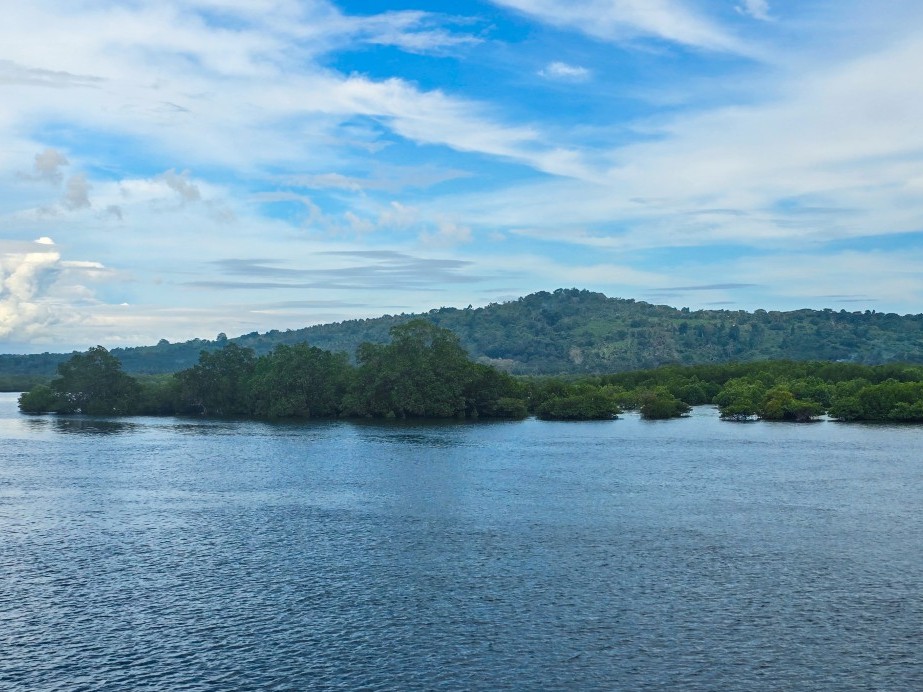
Mangroves that abound in the Basilan Strait.


Colorfully iconic stilt houses.
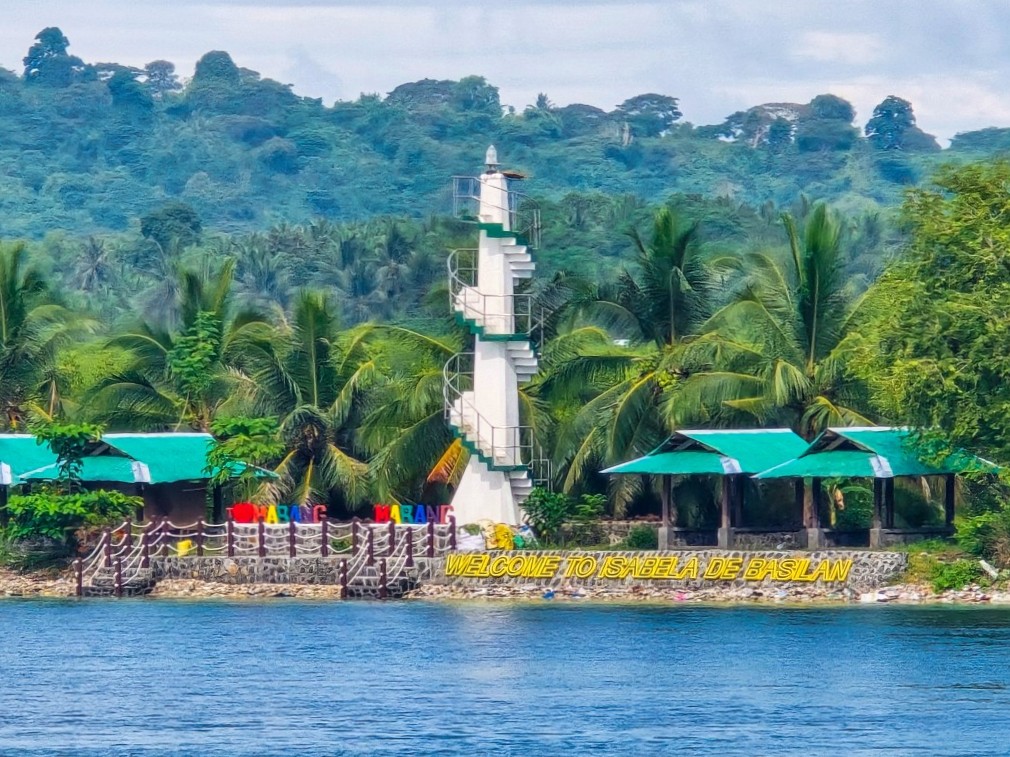
Isabela de Basilan was named after Queen Isabela II of Spain.


Ferrying between Malamawi Island and the main island of Basilan.
We reached the Port of Isabela at around 08:30 AM. While waiting for us to disembark, we saw a Bajau kid who was asking for coins from below. Known for their superb swimming and diving skills, the Bajau would willingly wait for ship passengers to toss some coins which they would follow by diving right into the sea. I checked and I did have a 10–peso coin. I could only wish I could swim and dive as good as the kid.
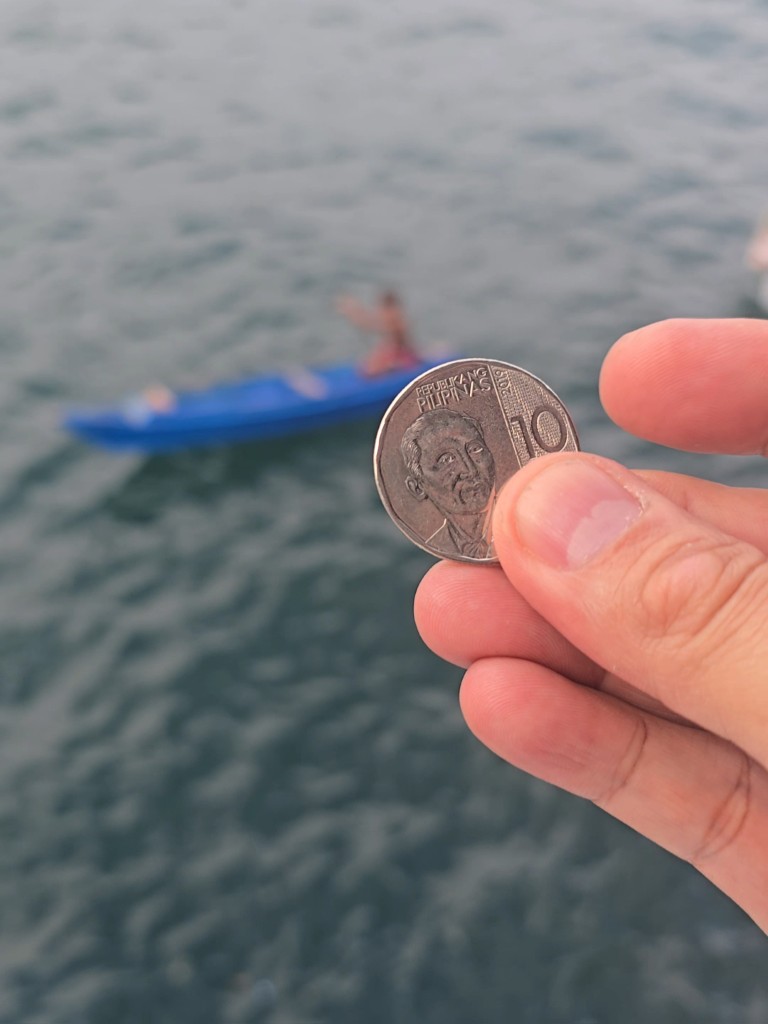


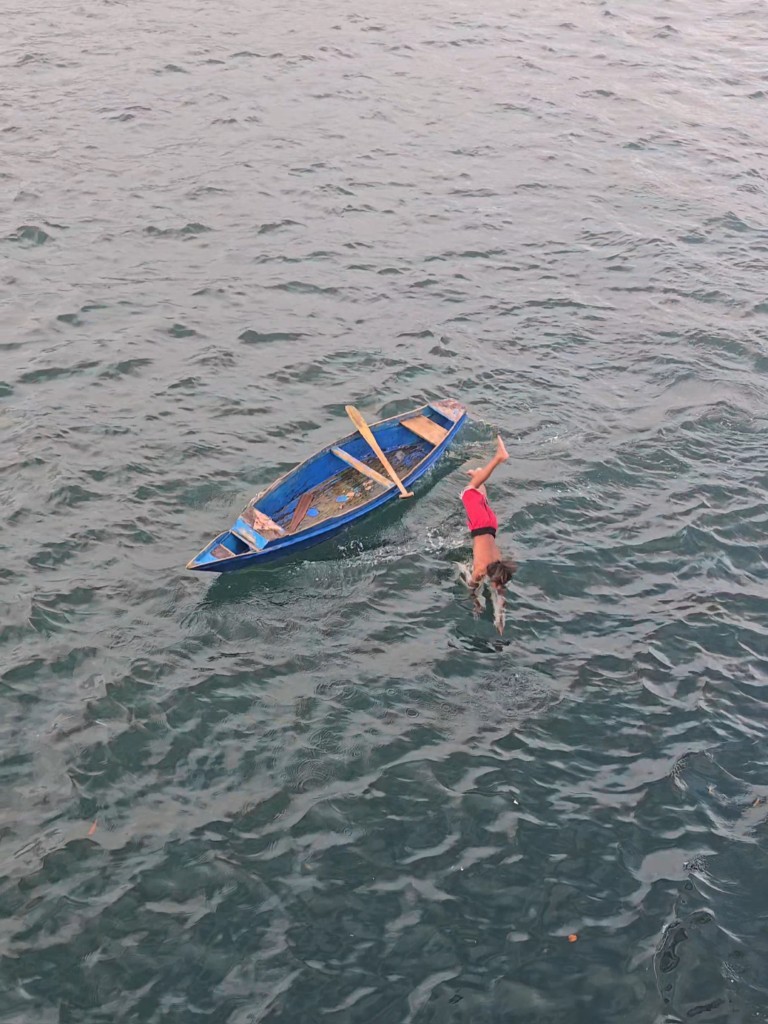

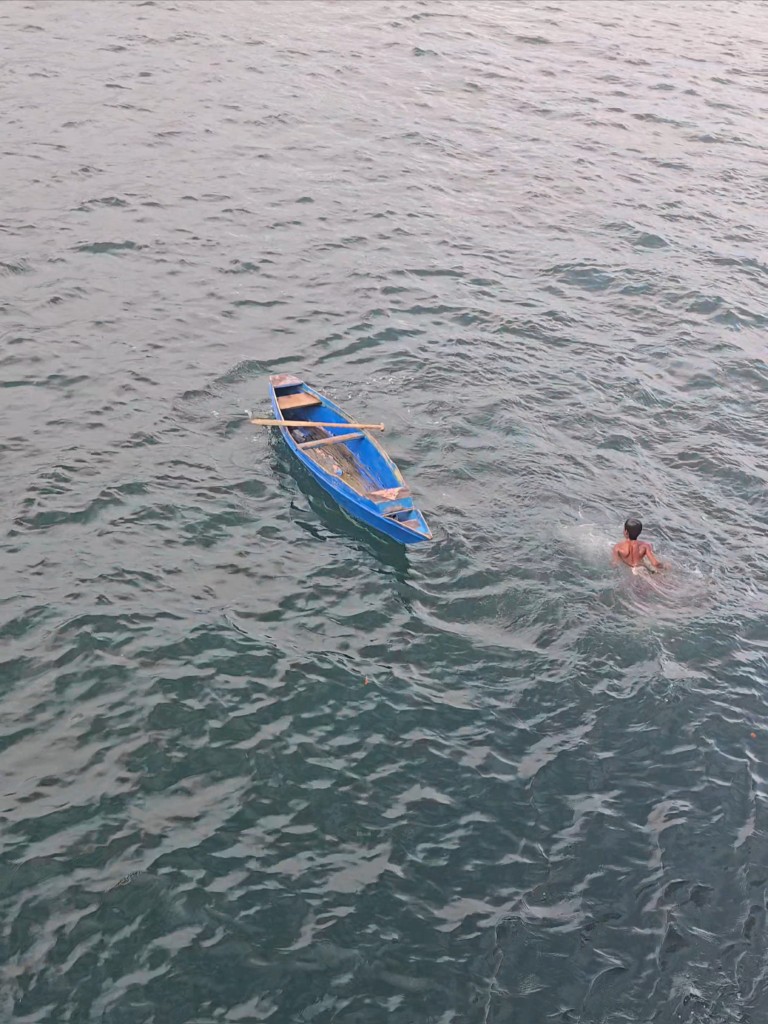
The Bajau kid showing how greatly connected his people is to the sea.
It took a while before we were finally able to disembark. Our first sight of Basilan from the ferry was a picture which you could hear: water crashing through the concrete docks, noise of the motorized bancas, shouts of pier porters and the buzzing sounds of people going to and fro in their usual business. Well, the port is a busy place anyway, but it is a reflection of the industrious and persevering Yakan way of life.

Probably like the explorers of old, we disembarked on a land until then unknown to us, filled with so much curiosity as to what treasures actually lies within the islands. We were sure there would be a lot. Those were the Treasure Islands of the Southern Seas after all. That was Basilan.


 Renegade Junctures
Leave a comment