
Whenever one speaks of the majestic Mayon Volcano, it is often depicted in its perfect cone with the bell tower of the Cagsawa Church Ruins at the foreground. Visitors who wish to see the volcano almost always prefer to do it from the ruins, as we did during a previous visit to Albay.
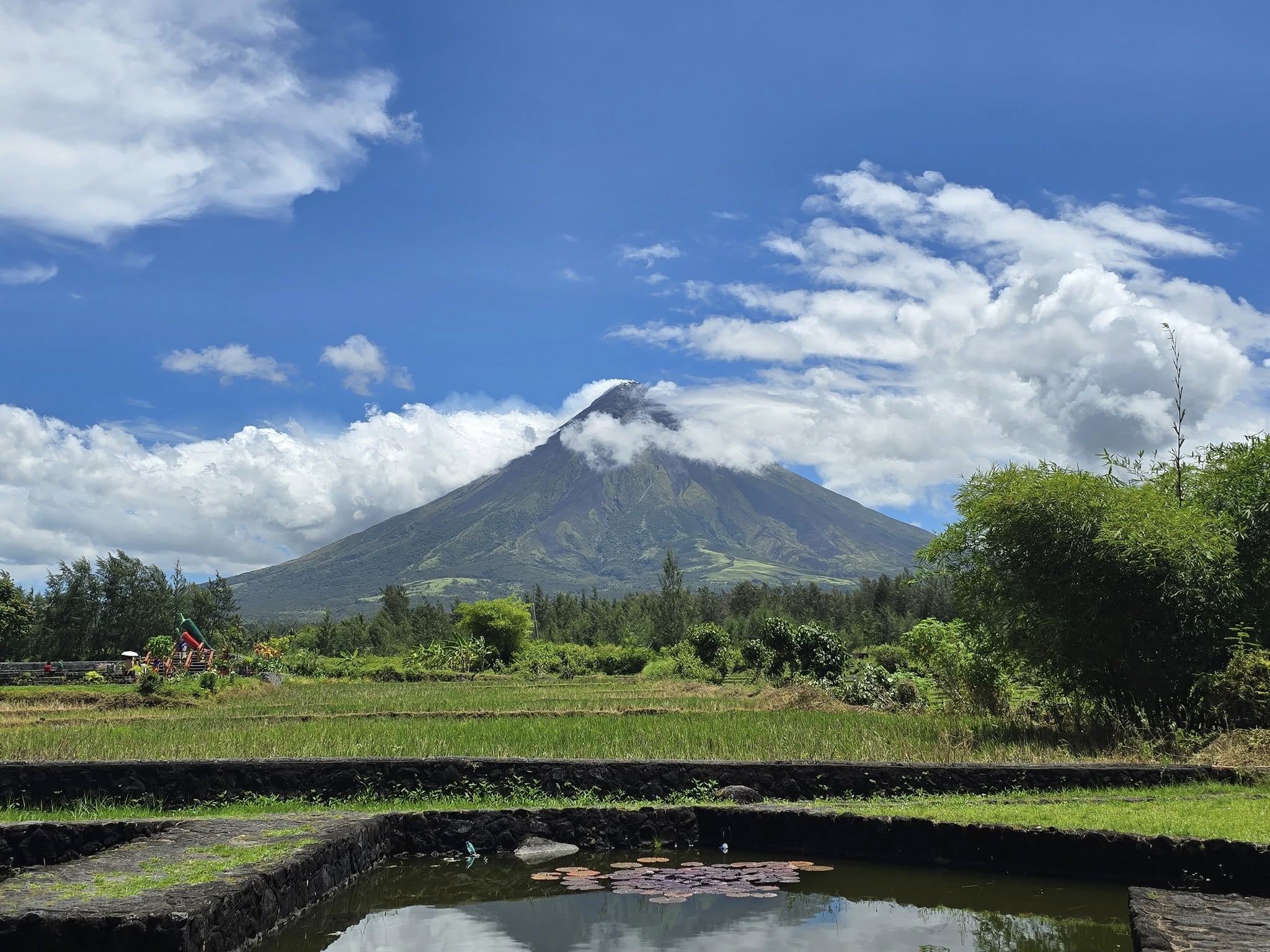
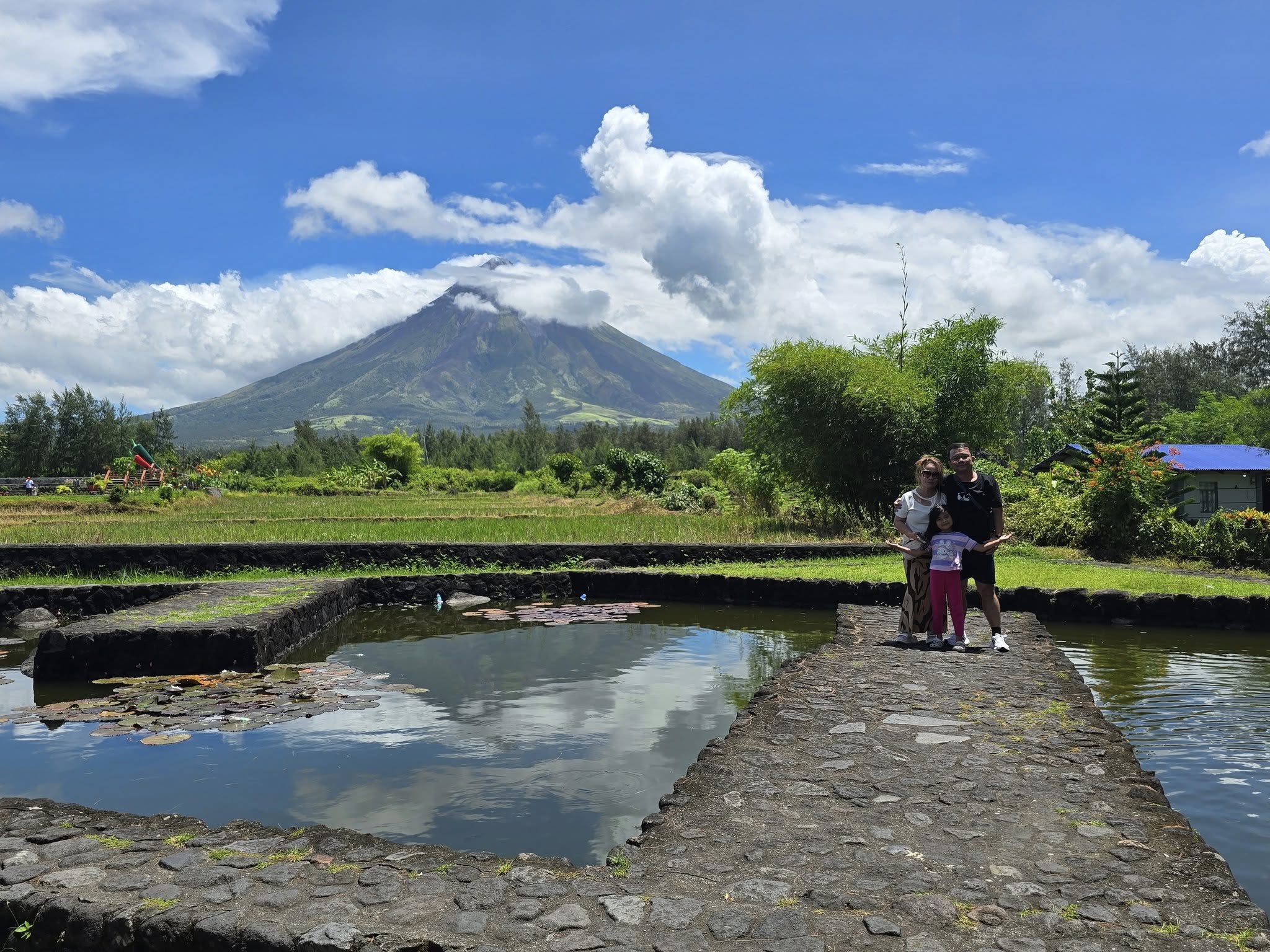
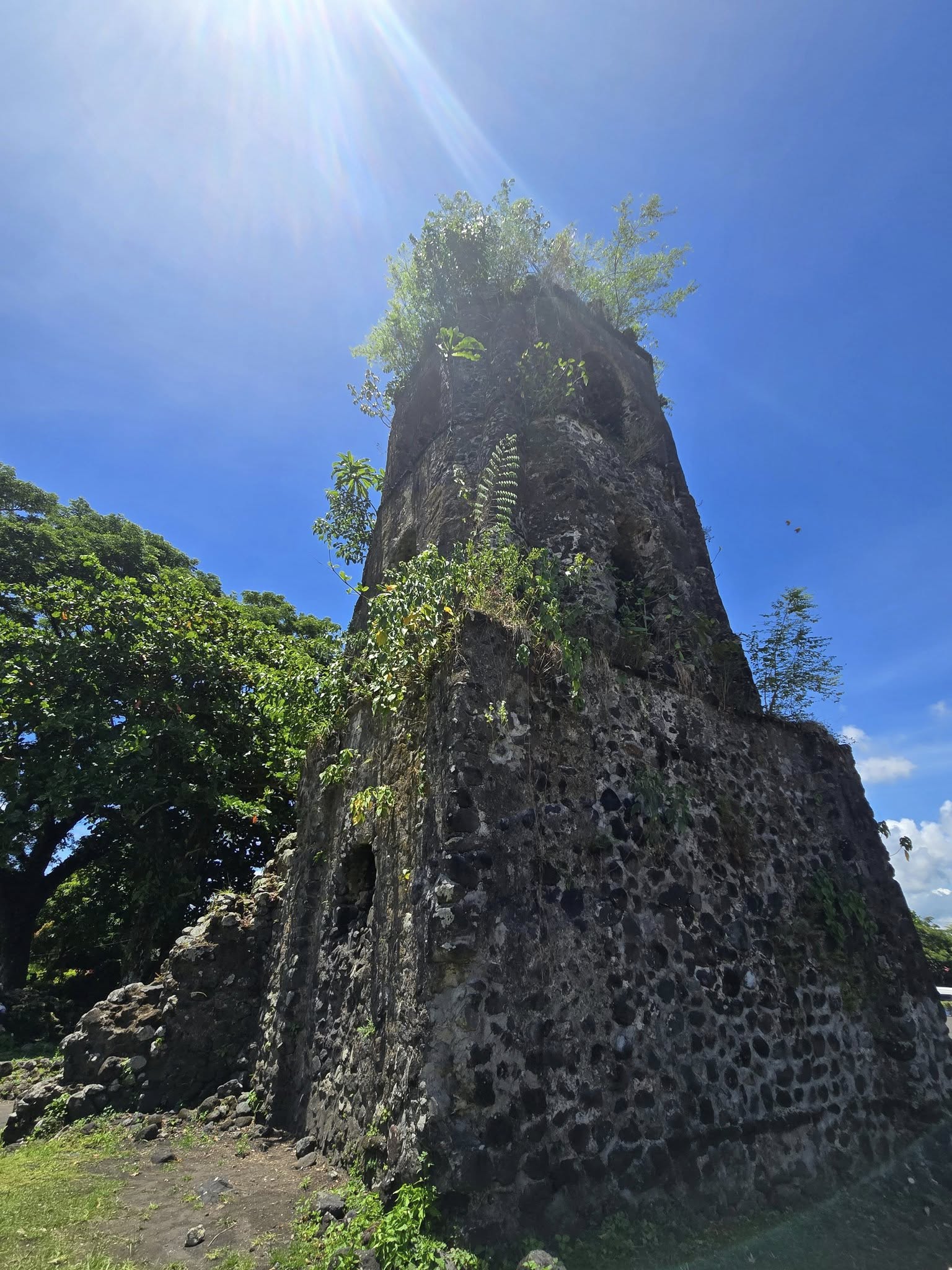
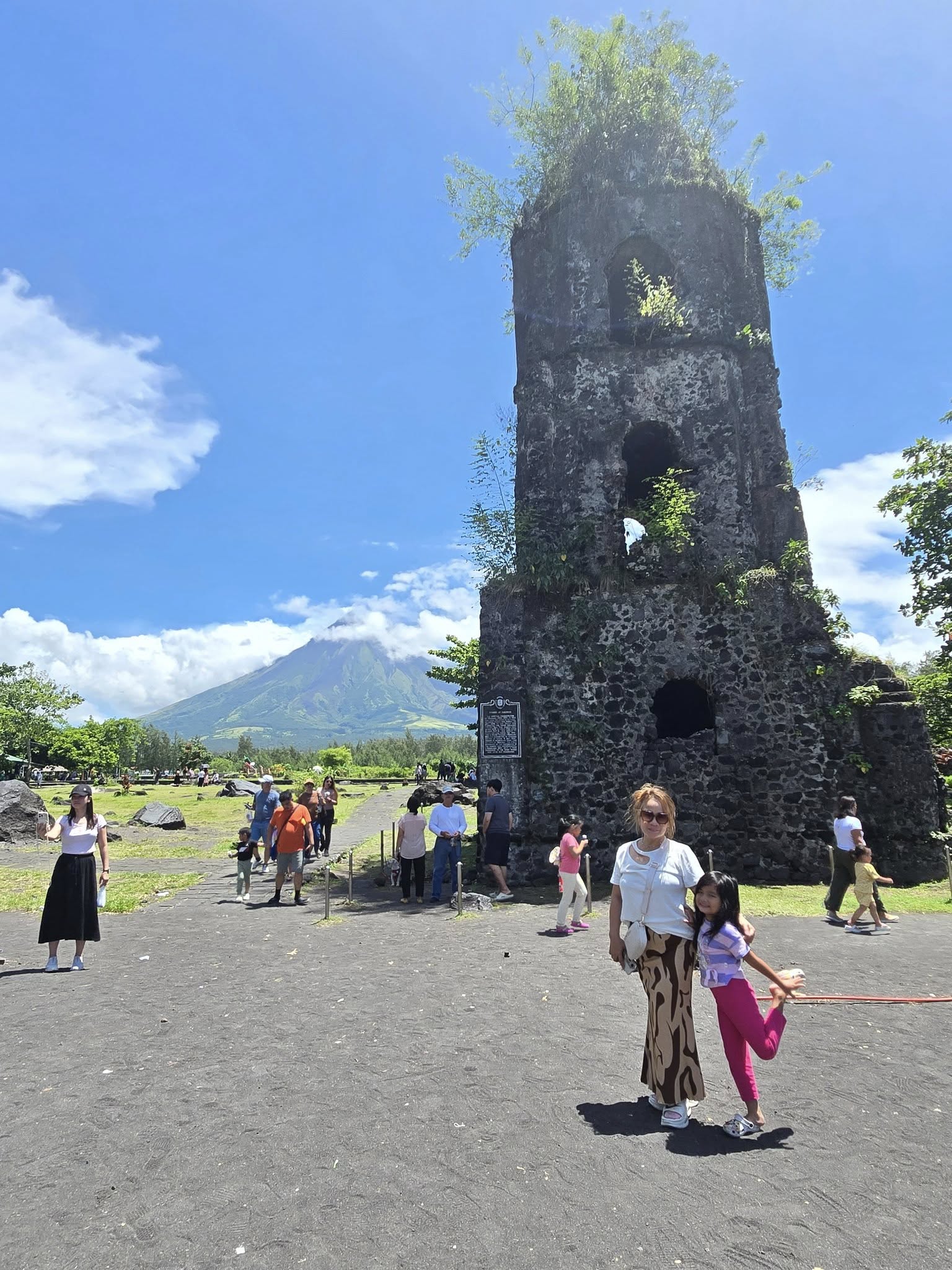
Mayon Volcano from the Cagsawa Ruins, May 2025.
The Cagsawa Ruins is part of the historical town of Cagsaua which was devastated by the 1814 eruption of Mayon Volcano. The residents of the town sought refuge to the then visita of Daraga, then part of what was Cagsaua. Eventually, Cagsaua will be dissolved as a town and its former territory will be integrated to Daraga. The remnants of the former town would be what is known today as the Cagsawa Ruins.
During our visit to Albay, we did not go to the Cagsawa Ruins as we have already been there. We instead opted for what is technically its successor town, the town of Daraga. Not only that. Since we have visited the Cagsawa Ruins Church in the past, we chose to visit the church that adopted the faithful townsfolk from Cagsaua after the former was devastated by the 1814 Mayon Volcano eruption.
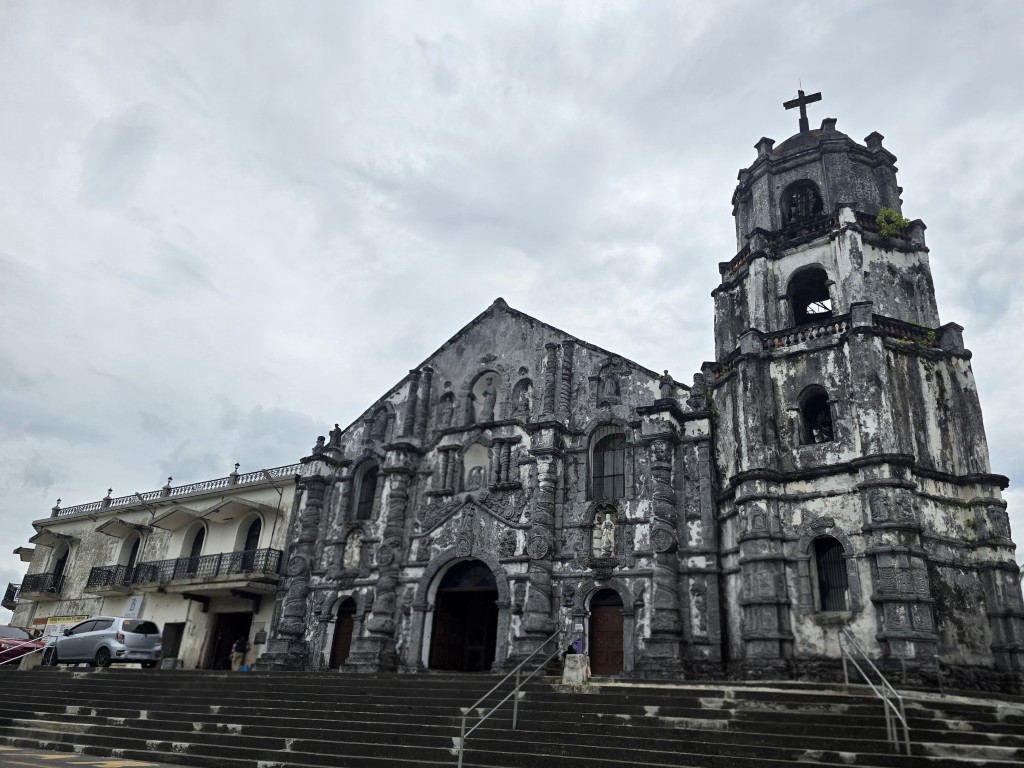
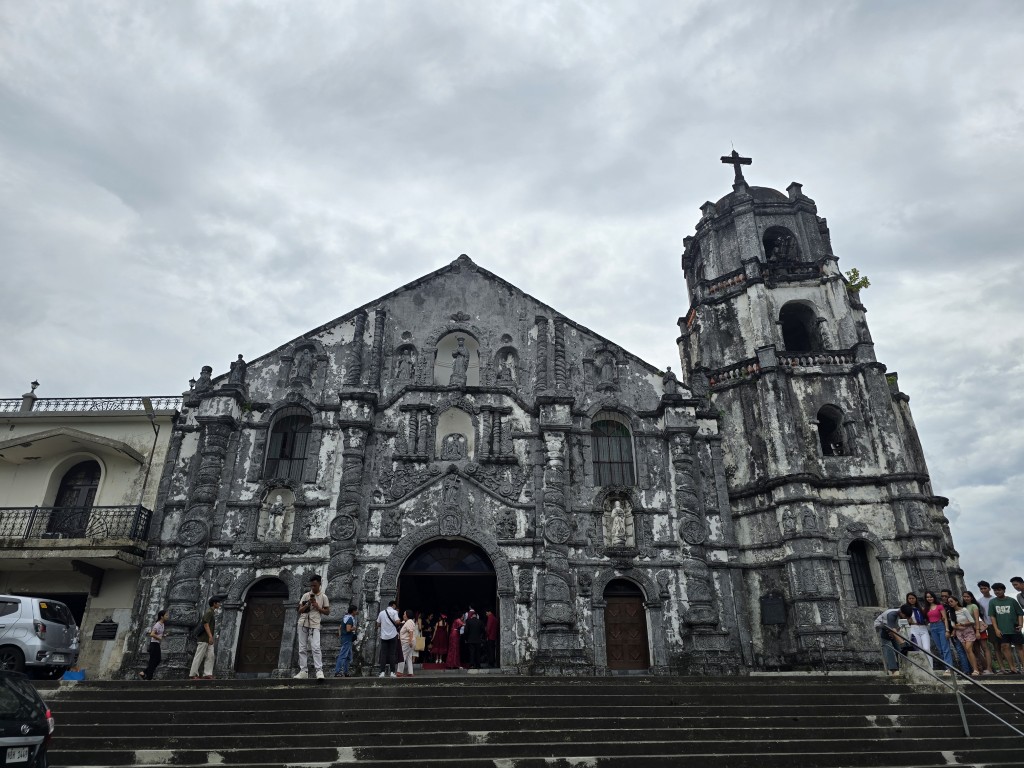
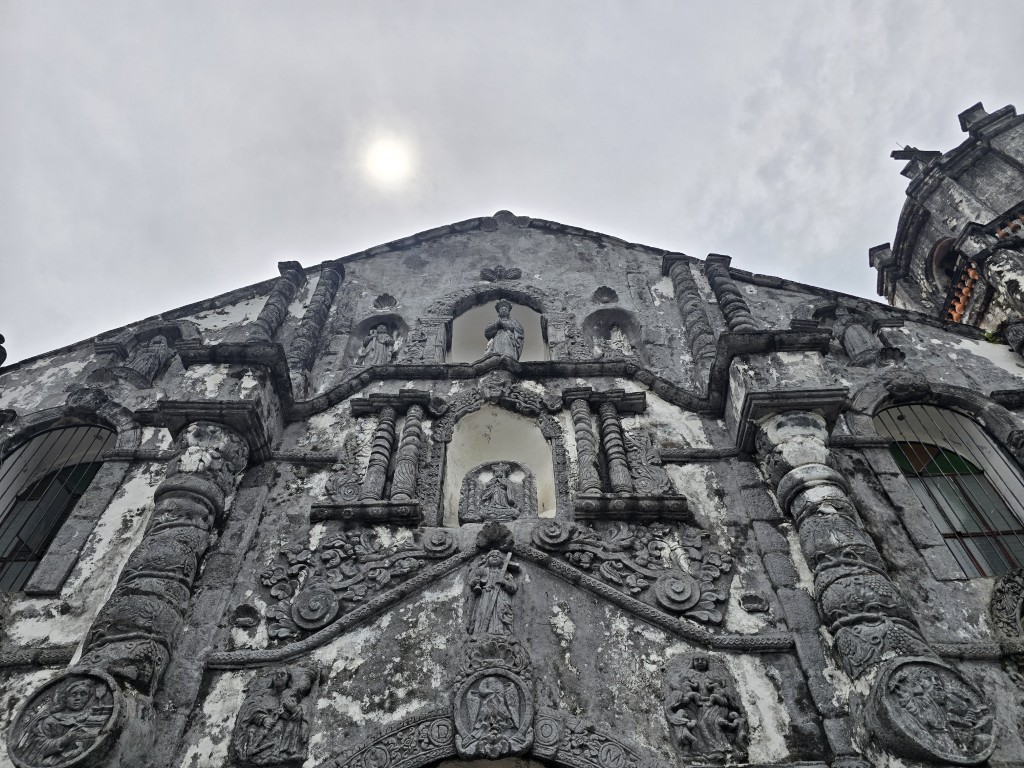
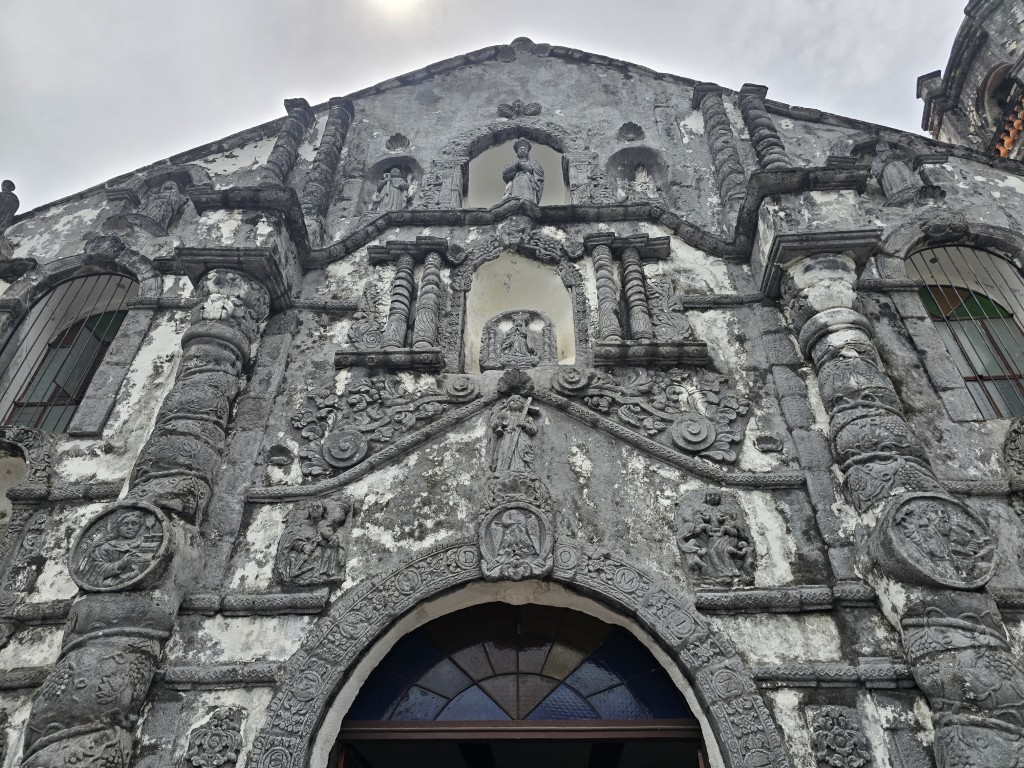
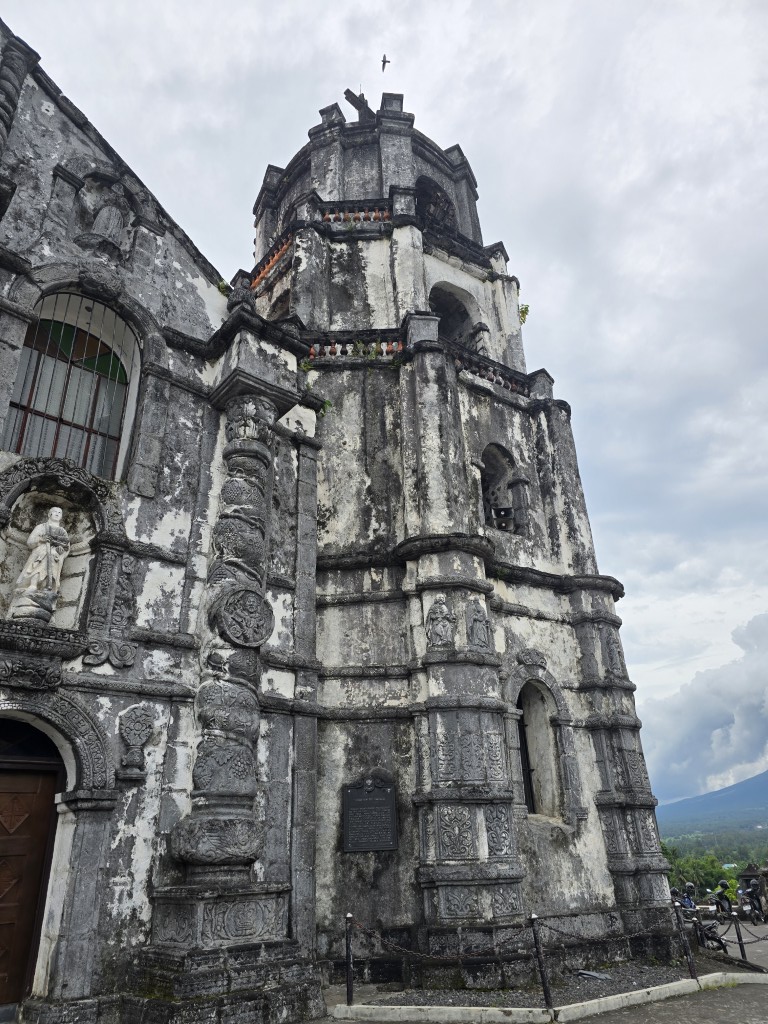
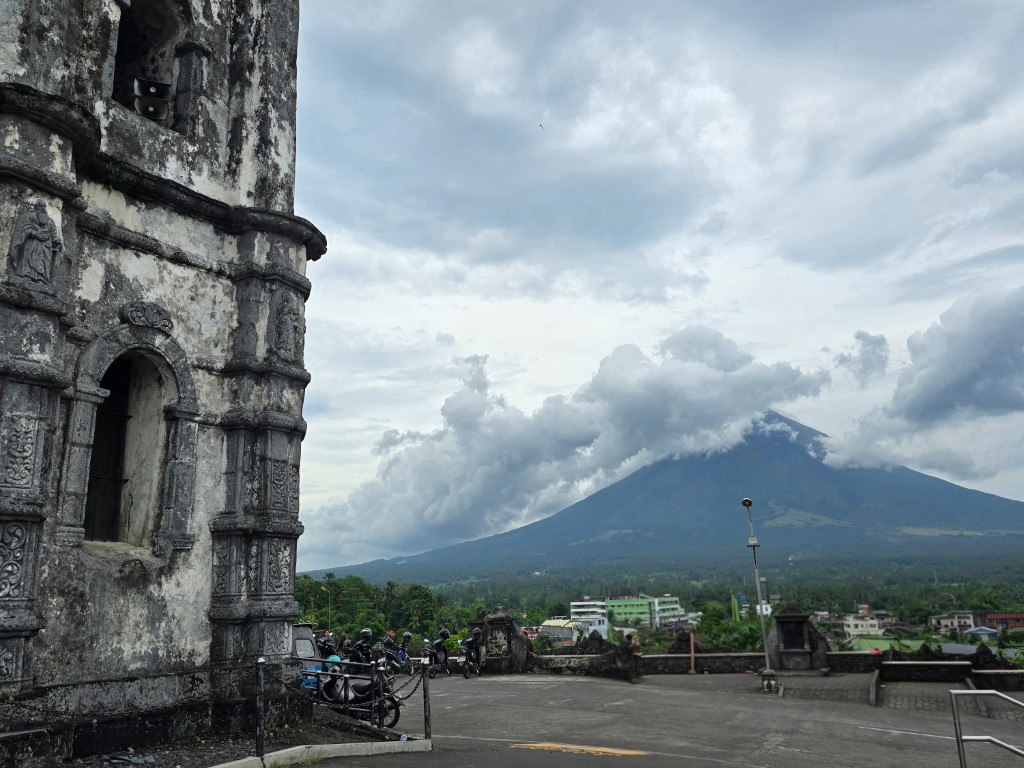
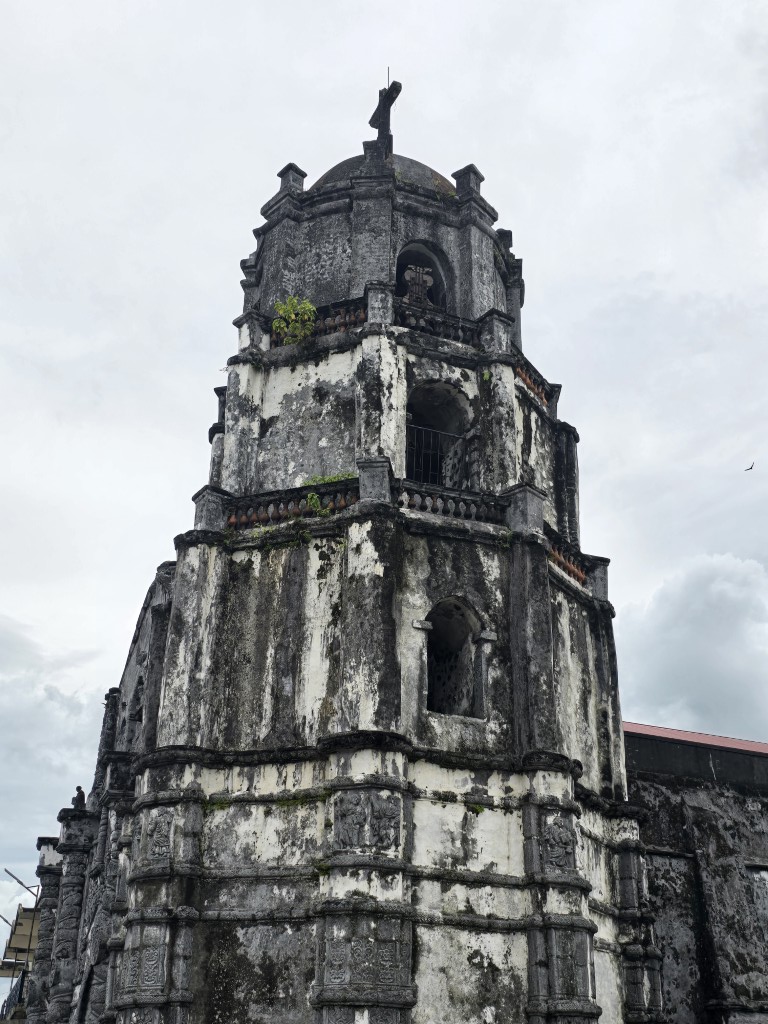
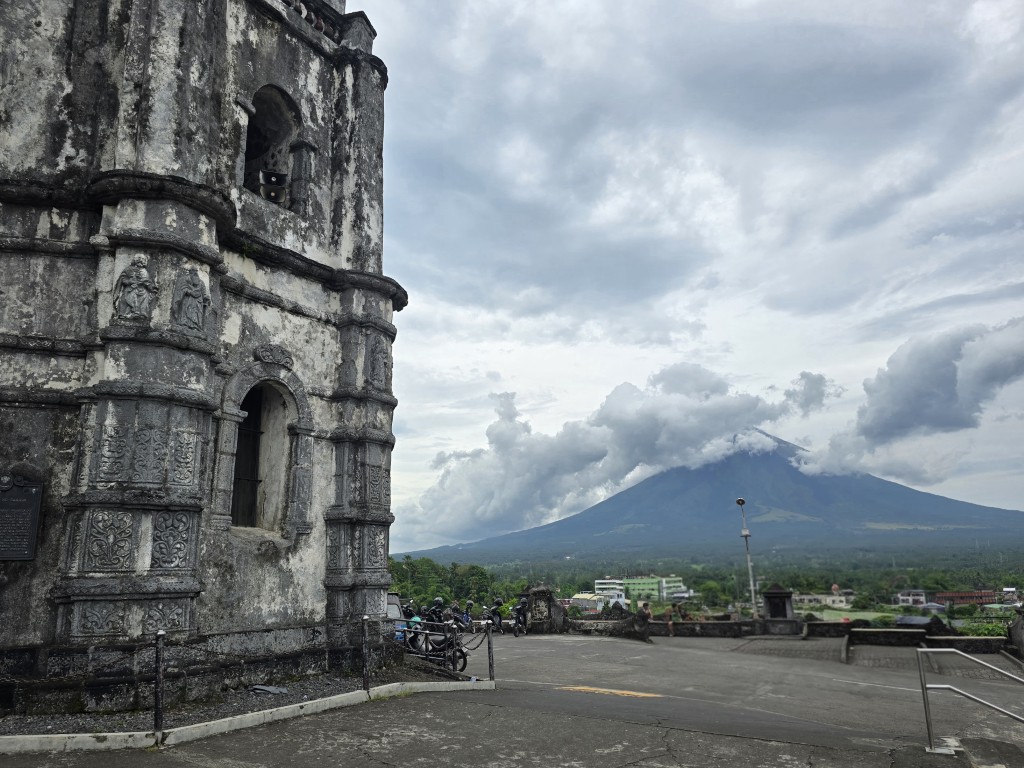
The exterior of Daraga Church overlooking Mayon Volcano.
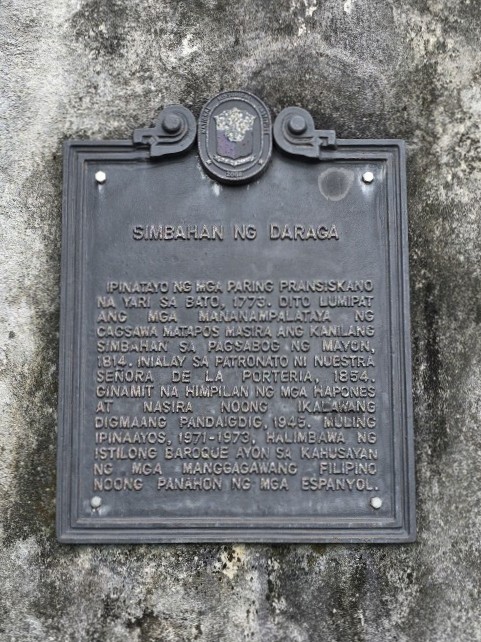
The church was initially established as a visita by the Franciscans in 1773, and was dedicated to Nuestra Señora de la Porteria, or Our Lady of the Gate, in 1854. Churrigueresque in its architecture, the church built atop a hill had suffered from bombings during World War II and suffers from natural weathering, not to mention the damages wrought about by frequent typhoons in Bicol and occasional eruption of Mayon Volcano. The patches of white on the facade of the church are residual limestone that were placed on the surface to prevent further deterioration.
While the exterior of the church looks almost ancient in its being antique, the interior was rather new as it was being renovated more often. There was an ongoing wedding during our visit, hence we were only able to take very limited pictures.
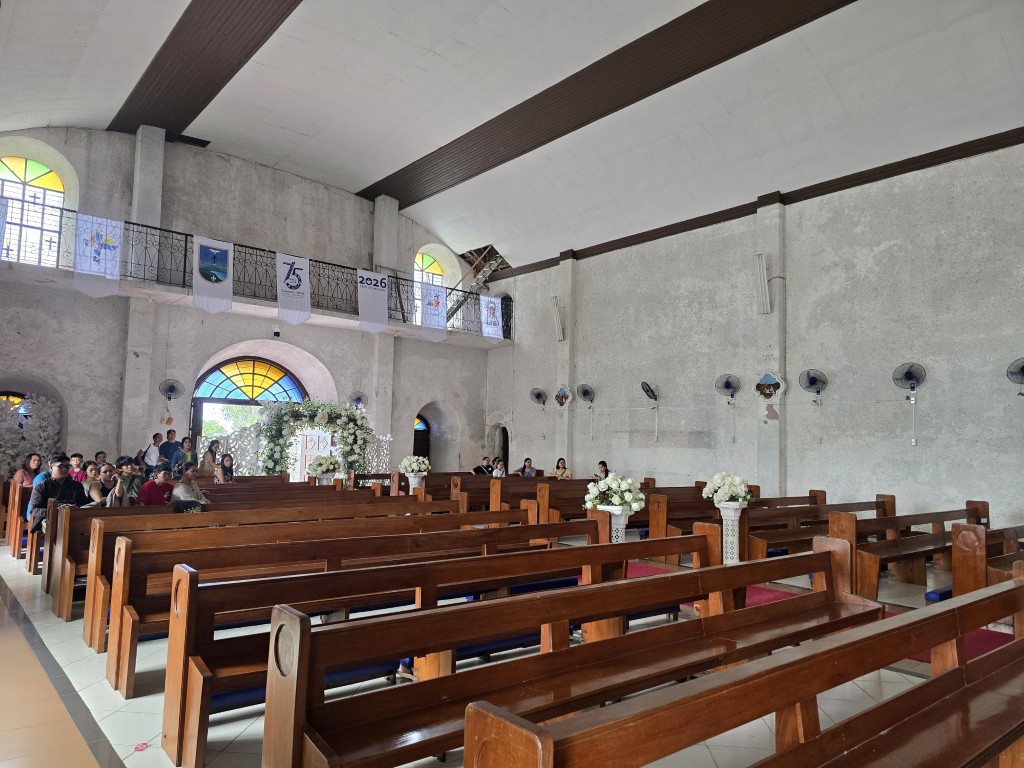
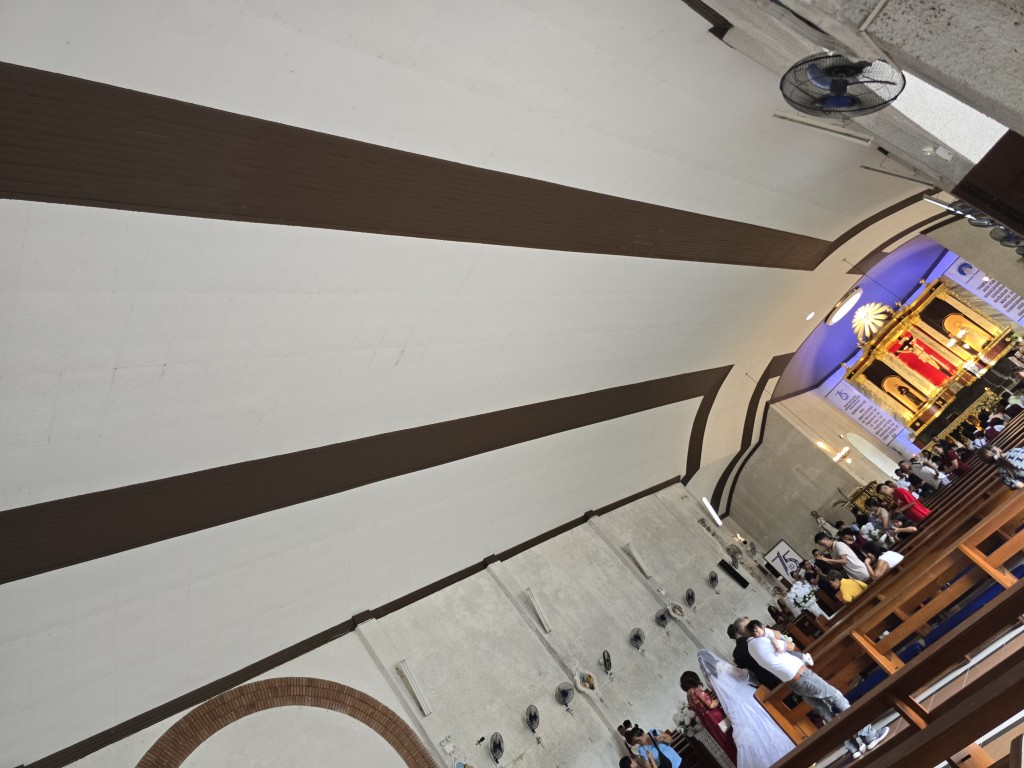
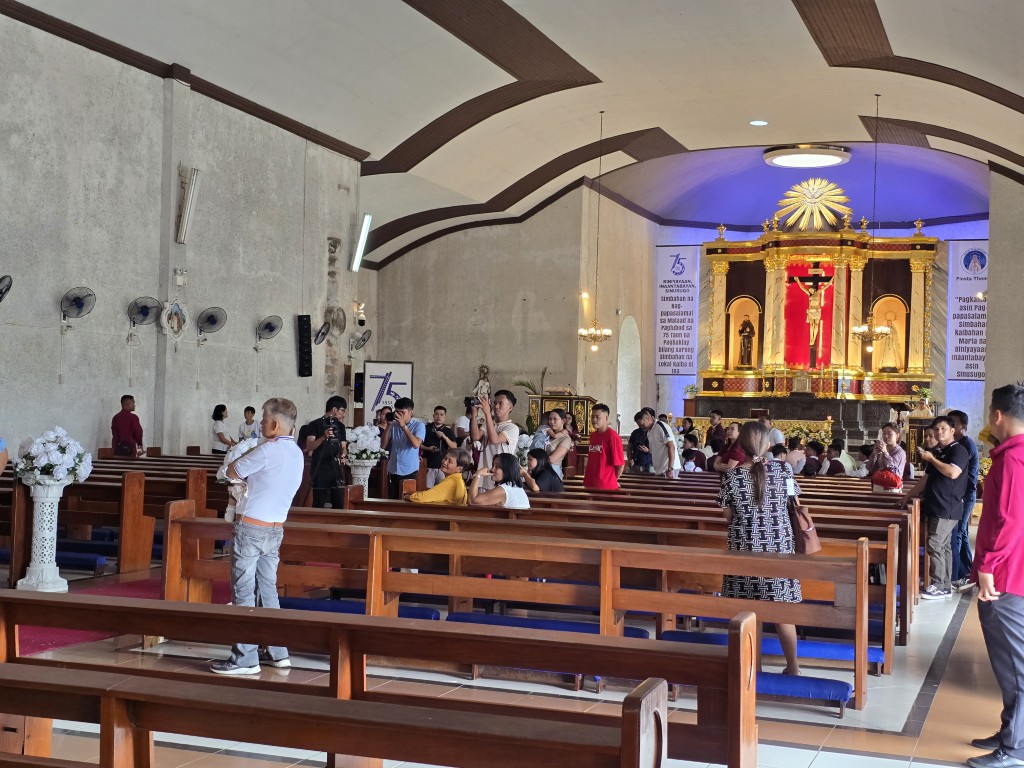
The interior of the church.
Not only does Daraga share history with the then town of Cagsaua; they also both offer a picturesque view of Mayon Volcano. Hence, Our Lady of the Gate does not only hold historical continuity with the town that was; it is also a perfect alternative if one is after an unobstructed view of the majestic cone.
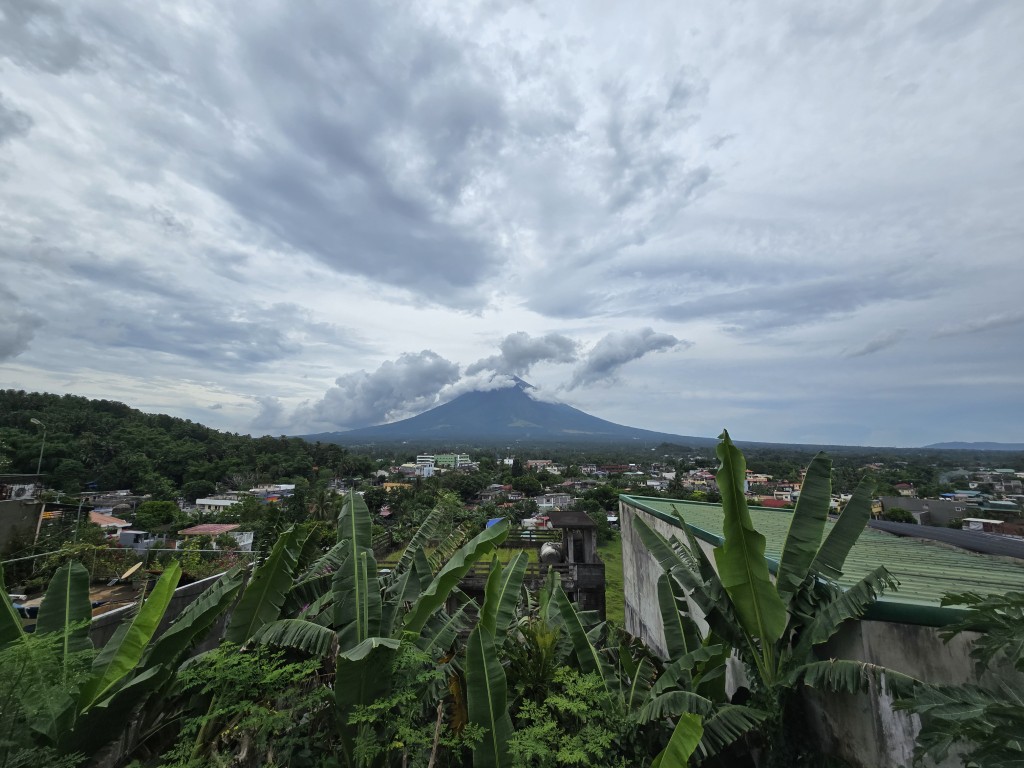
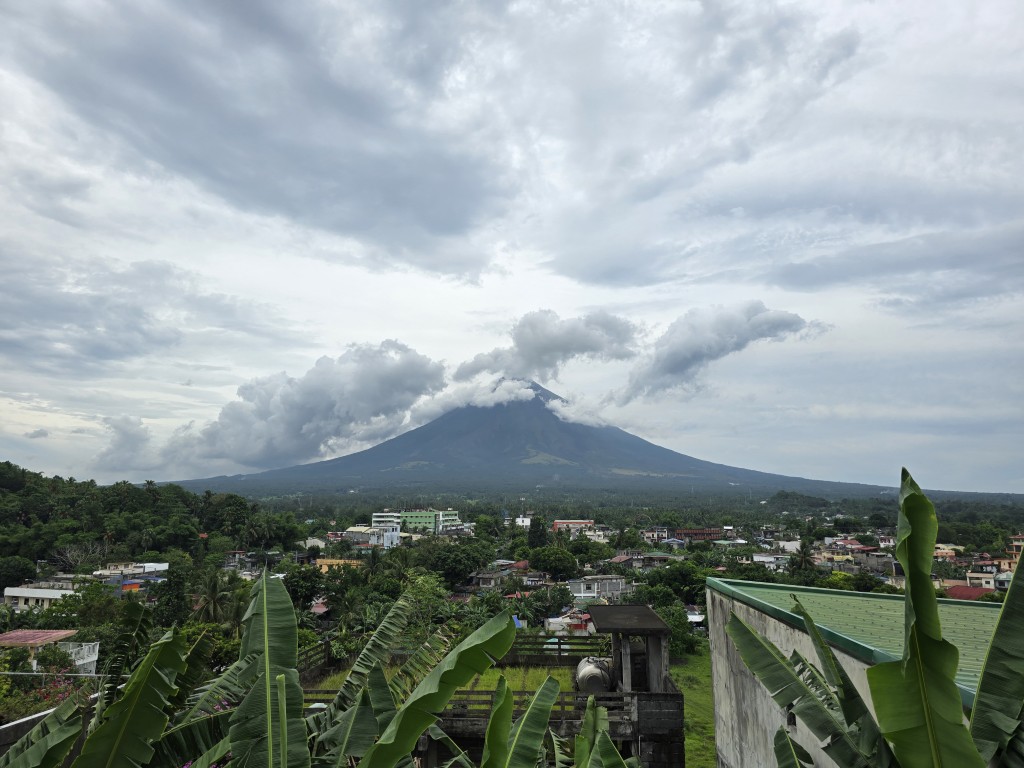
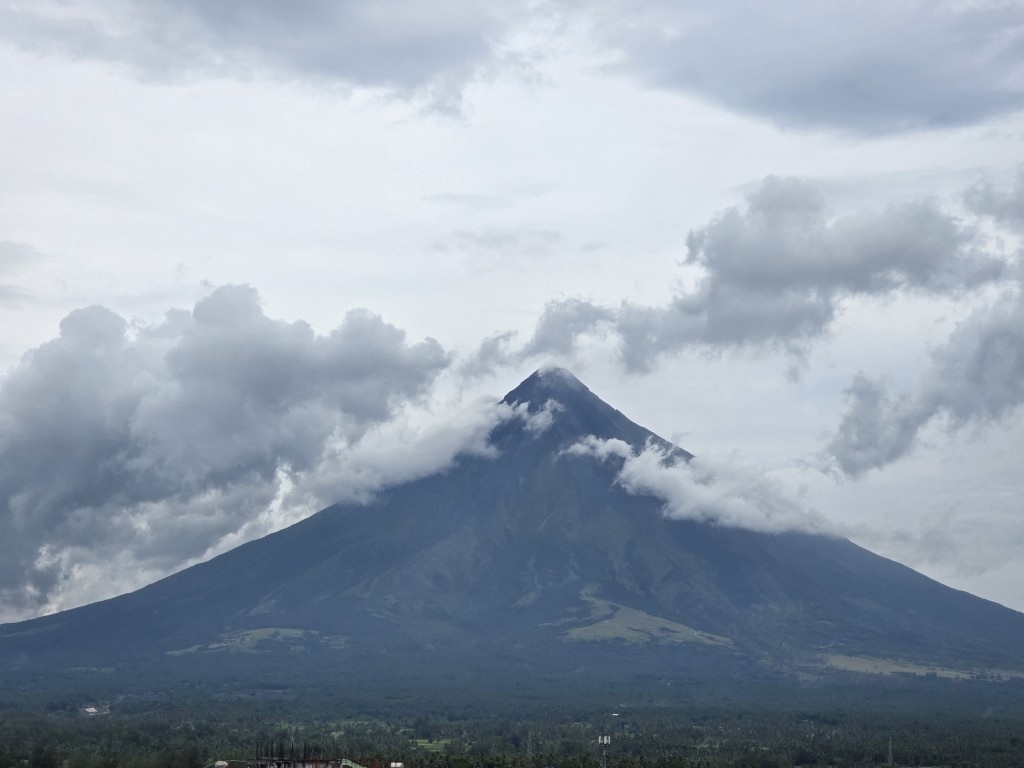
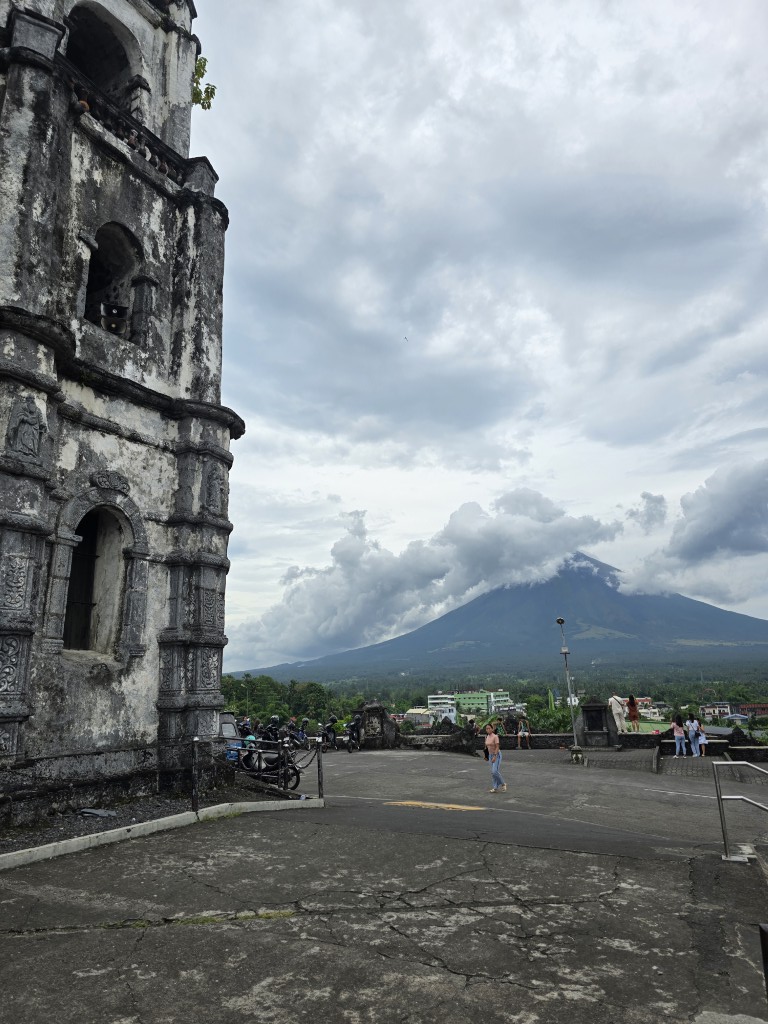
Different views of Mayon Volcano from Daraga Church.
Despite the skies being generally cloudy due to the weather disturbance in the area during our visit, we were still fortunate that Mayon showed itself. There are a lot of folktales as to only when Mayon would show itself as it is most of the time obscured by the clouds. Since it had shown itself though, we took the opportunity to memorialize the experience through photos.
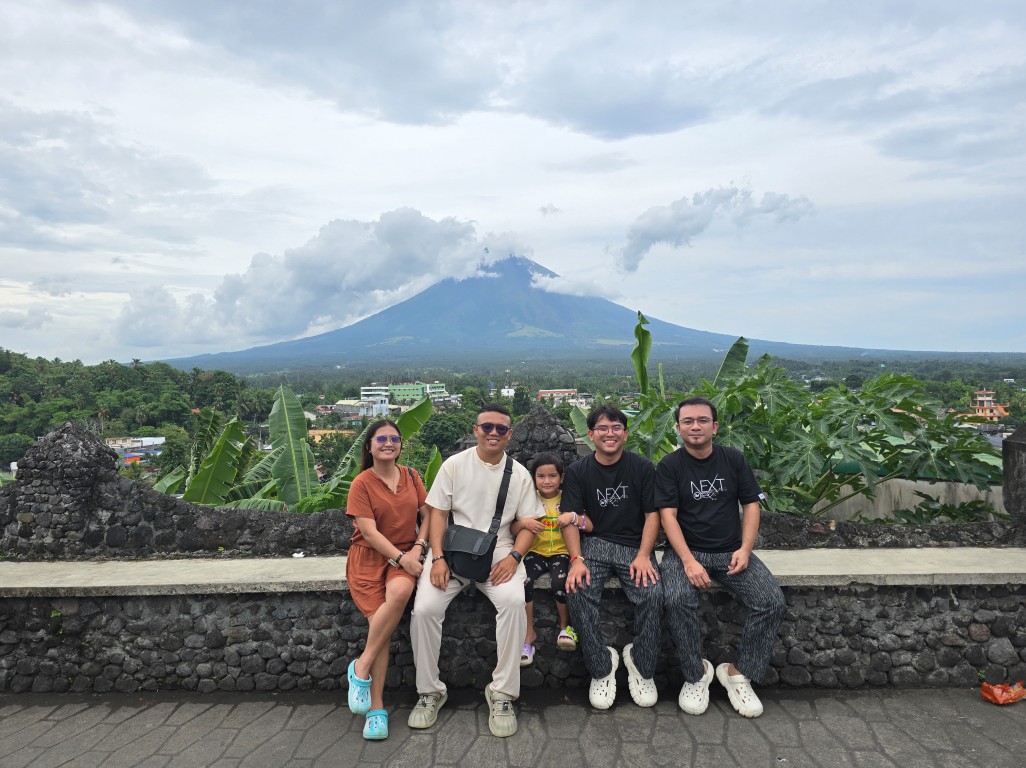
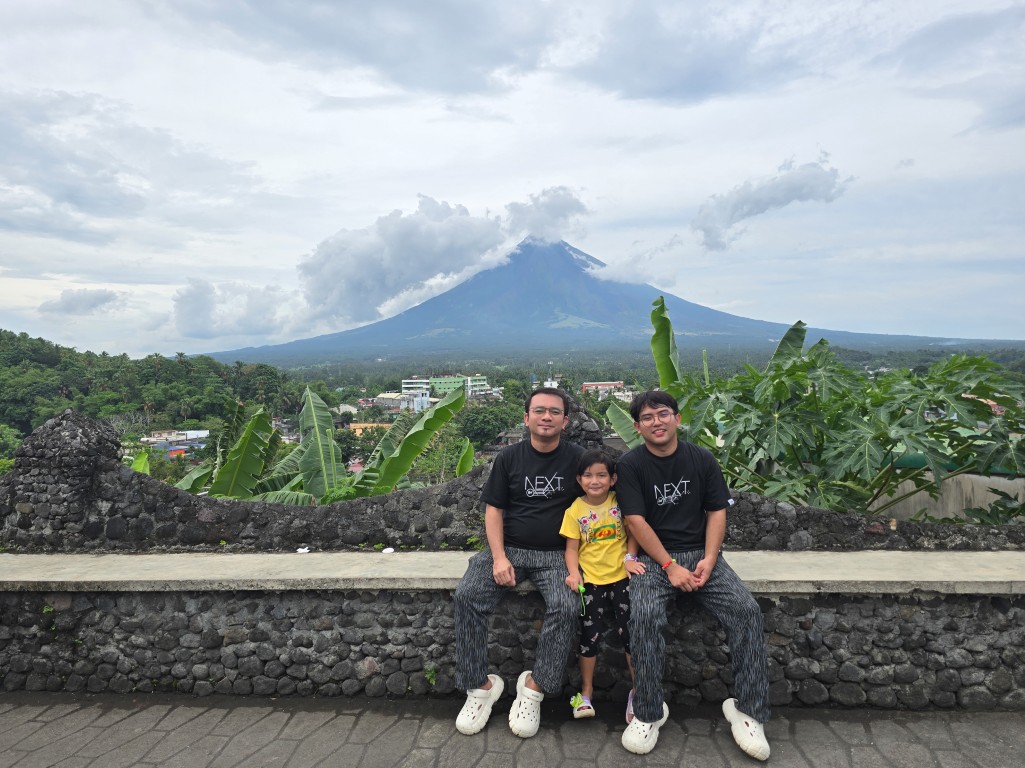
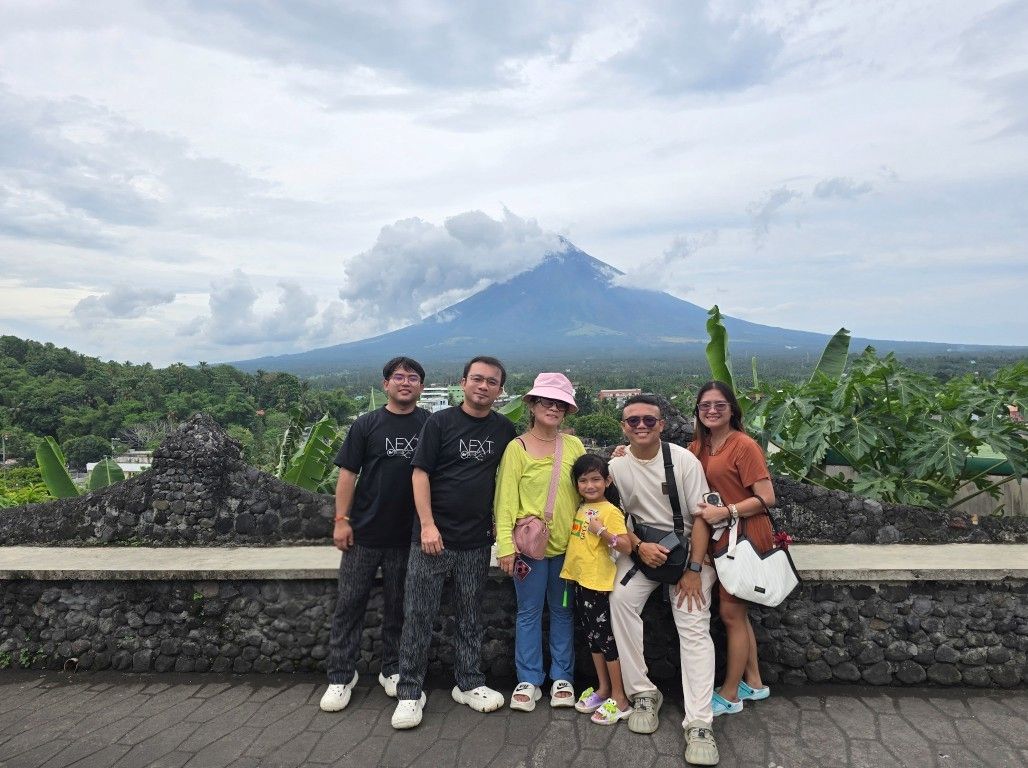
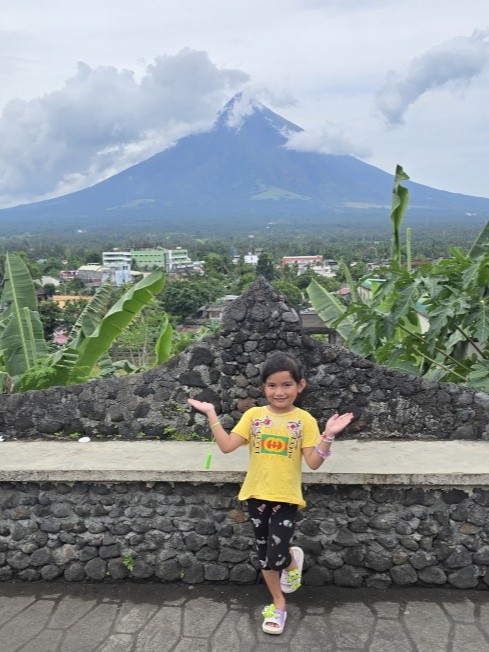
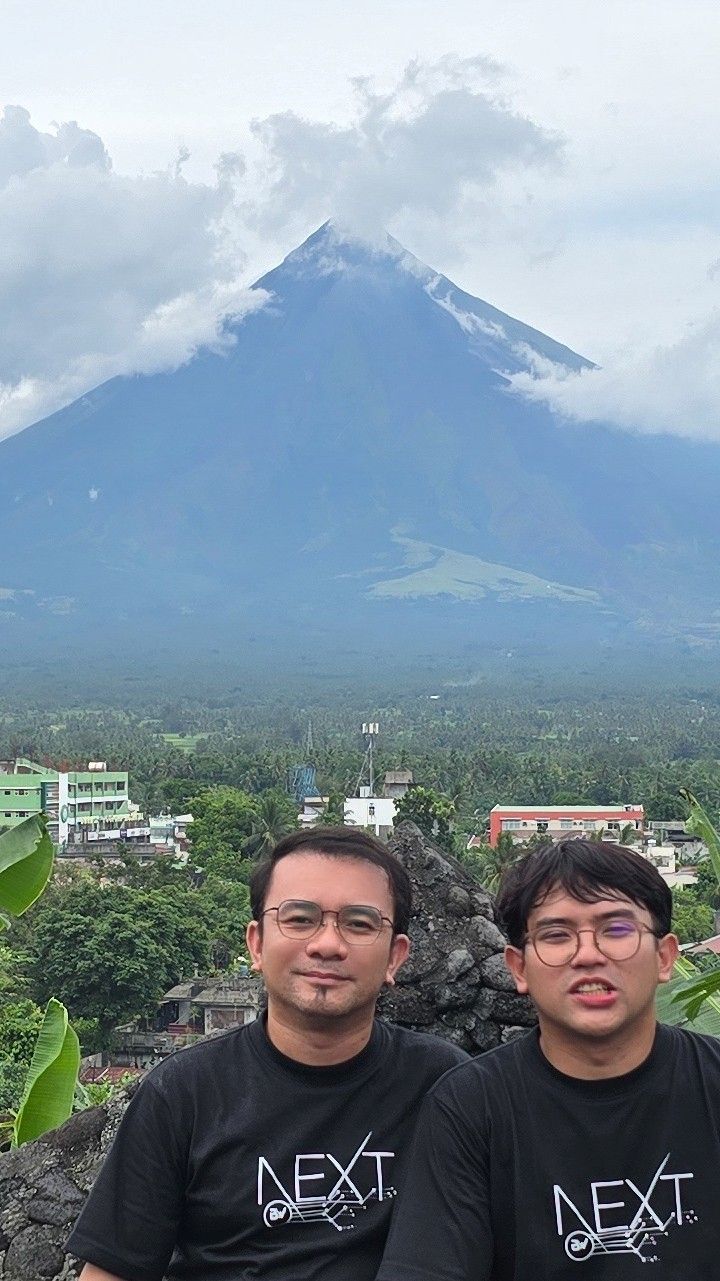
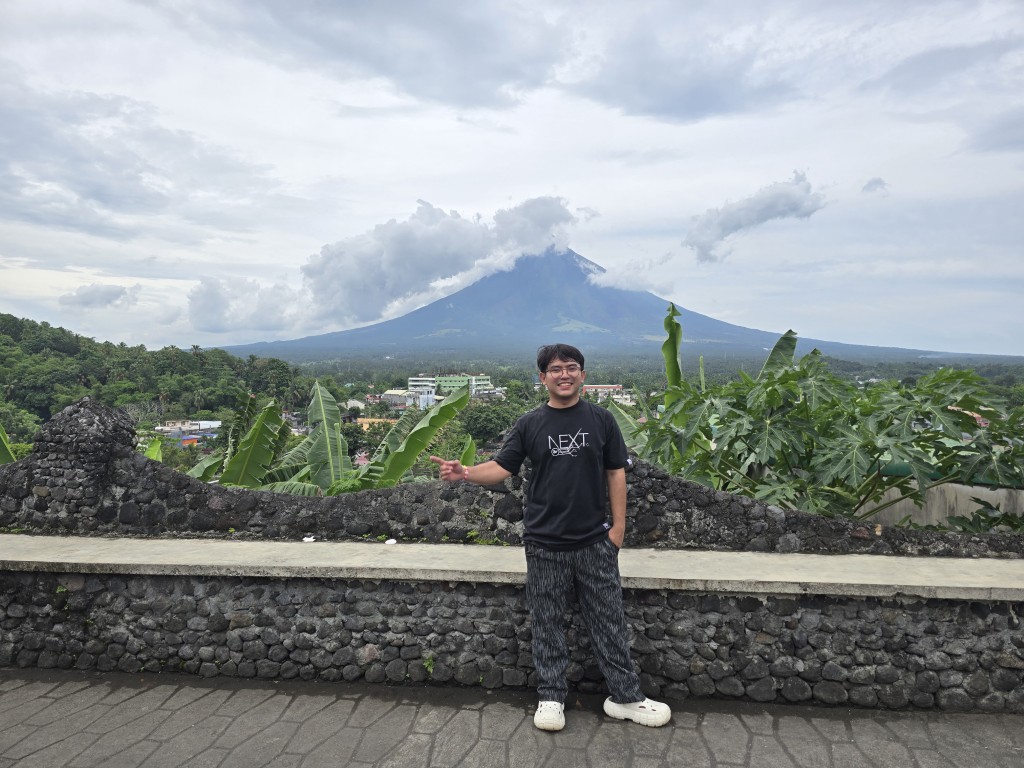
Our renegade gang at the Daraga Church view deck facing Mayon Volcano.
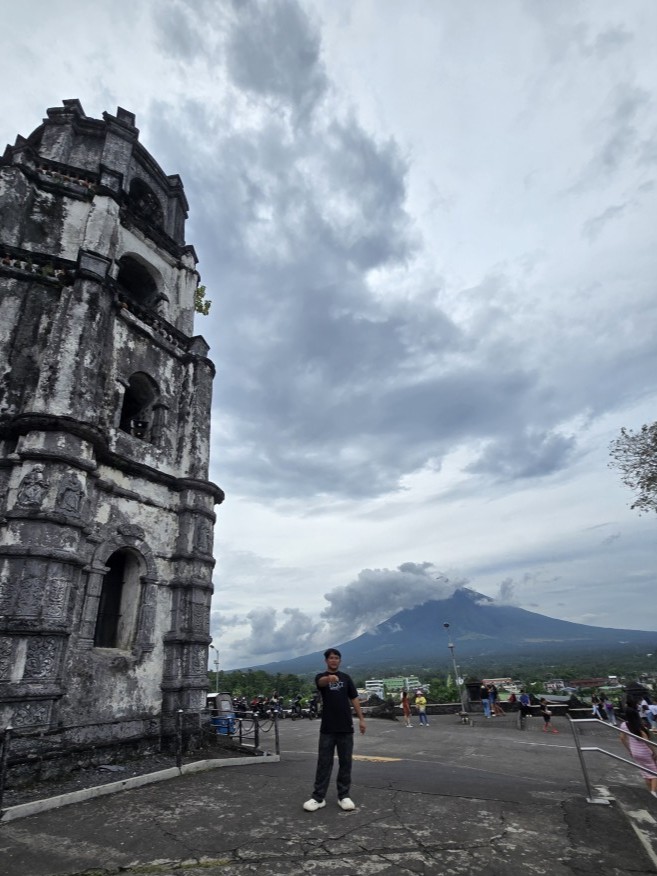
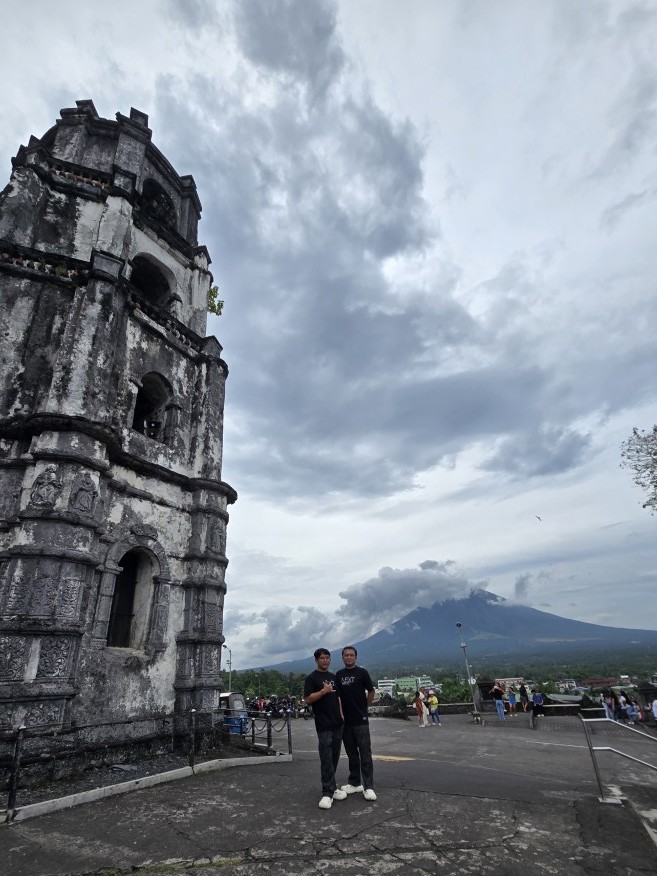
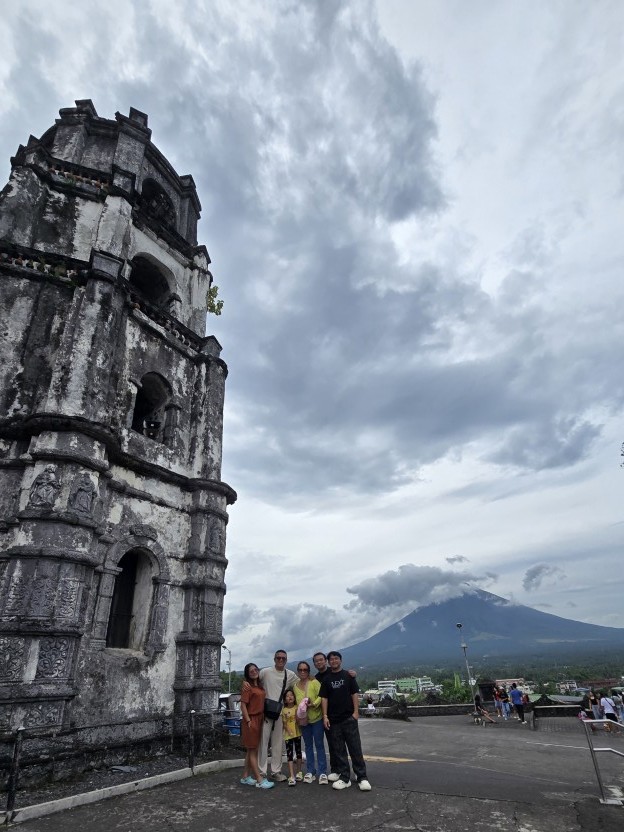
The bell tower on a mount and the volcano at the back.
Our Daraga experience did not only show us how the Bicolanos of the distant past rebuilt their lives after the fateful eruption of Mayon in 1814. It also served as a continuation of our pilgrimage that started in Naga, in the abode of Our Lady of Peñafrancia. From the Queen and Mother of Bicolandia to the Queen and Mother of Daraga, the role of the Blessed Virgin Mother in the life of the Uragon is unmistakable, whether in history or in what lies ahead.
From the destruction of Cagsaua to the rebuilding of lives in Daraga, there is indeed the Lady waiting at the gate of new beginnings. The Virgin was less like a distant figure from history and more like a quiet presence who stayed when everything else was lost. In the midst of ruin and uncertainty, the people did not simply rebuild their homes; they rebuilt their sense of belonging, carrying their faith with them as they moved forward. Devotion became a companion through grief and recovery, a reminder that even after fire and ash, life could begin again.


 Renegade Junctures
Leave a comment