
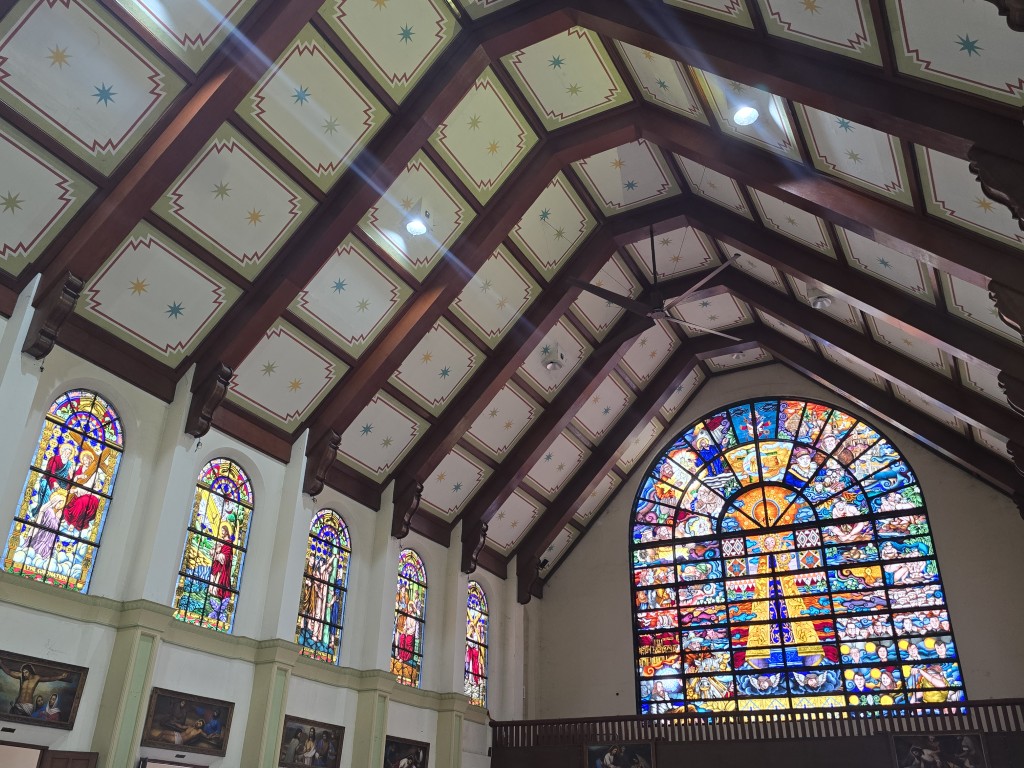
We got back at our accommodation in Caima, Sipocot, Camarines Sur five minutes before 09:00 PM, after a literal long day that started at midnight of the same day. It was all worth it though. From the moment we arrived in Naga Cathedral where Our Lady of Peñafrancia was reposed for her feastday, to the point where we gave Mayon one last glimpse under the watchful eye of the larger-than-life image of Our Lady of Salvation, every step set on the ground felt like a step that connects the present day to the history of the land in light of faith.
Then came our last day in Bicol.
We checked out early from our accommodation and proceeded to Rose’s house, where she and my brother Mikle have gone ahead to prepare for our lunch. Tita Sonia, Rose’s mother, had been preparing our food with them, the same way she did for our dinner during our first day in Caima.
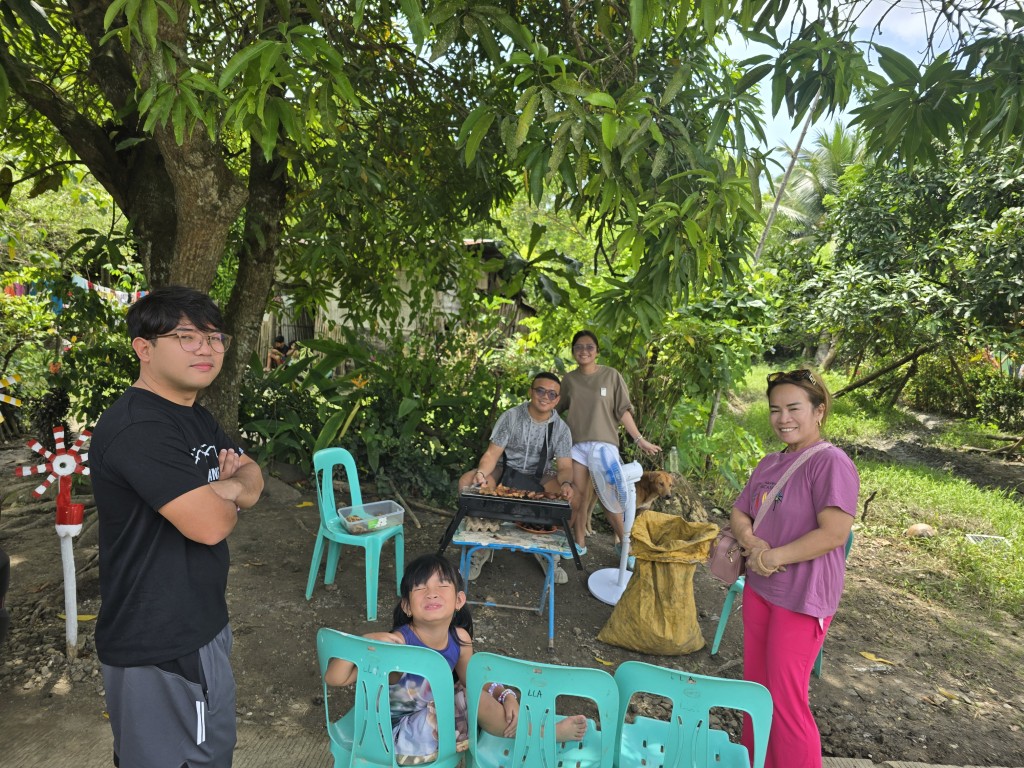
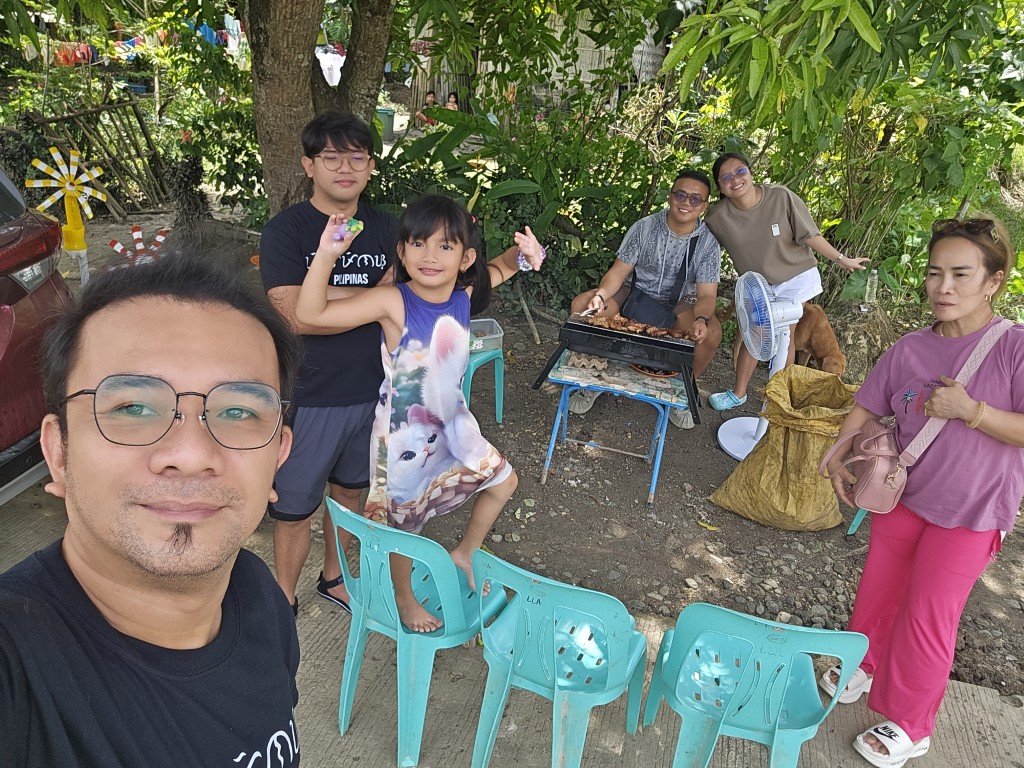
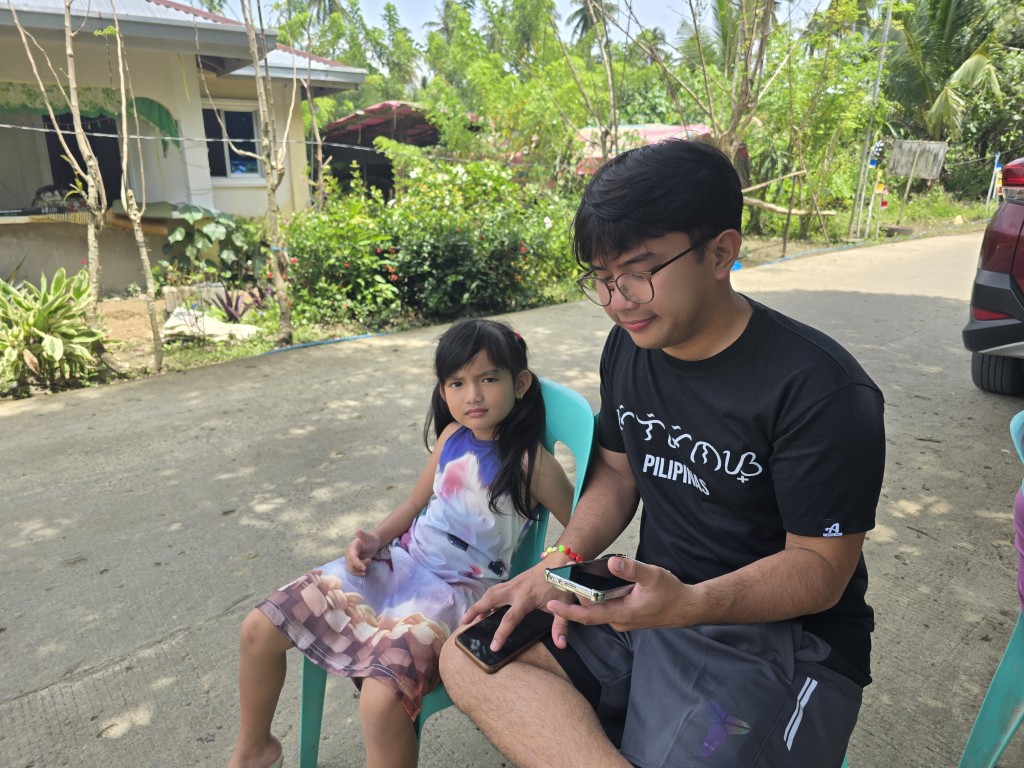
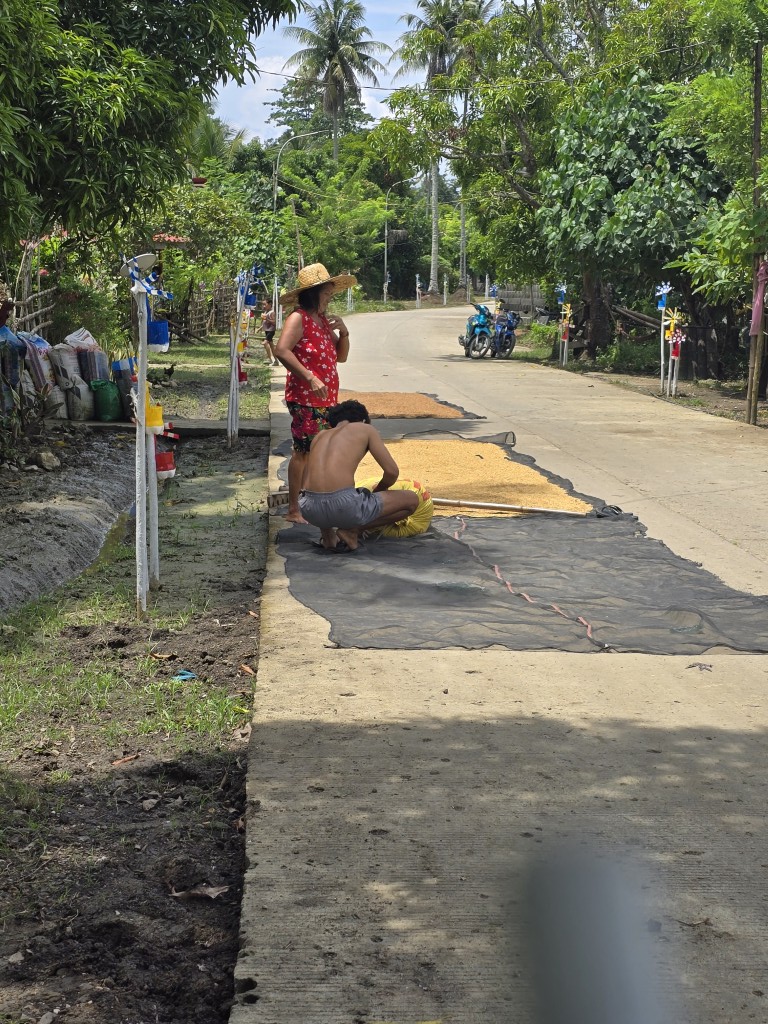
Laid-back life of the countryside in Caima.
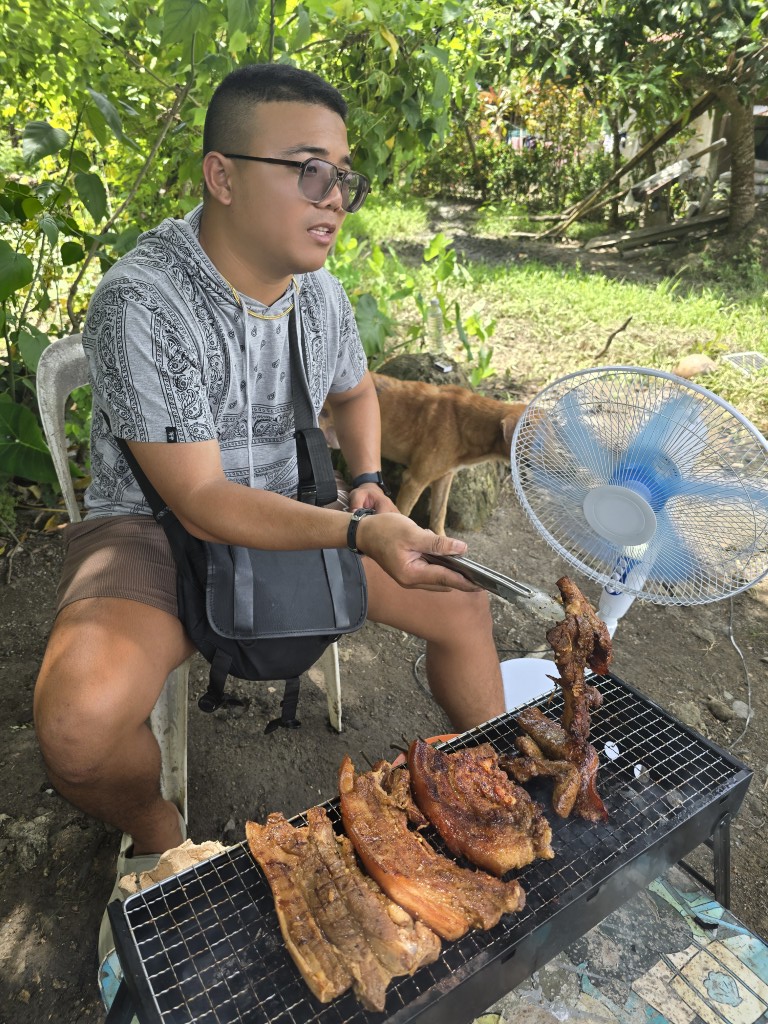
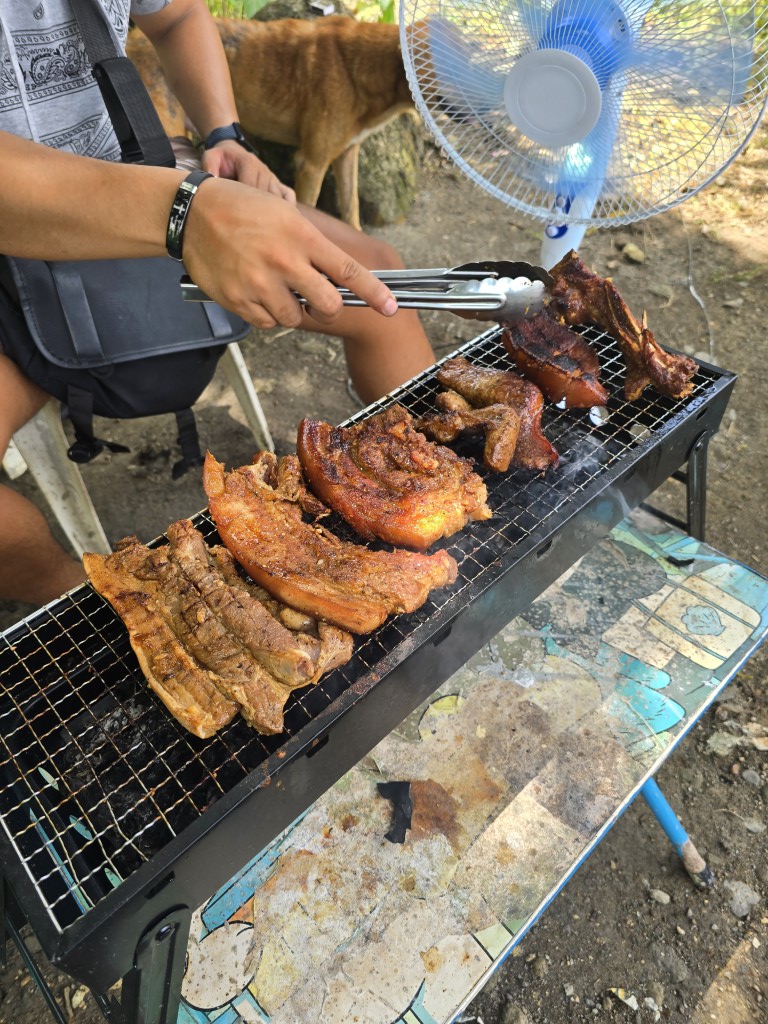
Mikle grilling our lunch, strips of pork belly.
We had our sumptuous meal together, which in more ways than one is the best way of eating. It may sound a worn out cliché, but there is truth in the fact that there is nothing that gets people together better than food. Such is specially true if the meal is shared with family and loved ones. There is just nothing that would beat that.
Another cliché, something that I am not particularly fond of, is that all good things must come to an end. After having our lunch, we bade our goodbyes to our gracious host in Caima. It was time to go.
We first went to downtown Sipocot to fetch Rose’s sister who would join us on our travel back to Bulacan, and then back to Rose’s boarding house where we picked her up when we arrived a couple of days earlier. From there on, we took the Camarines Norte route. We had a very quick stop at the Camarines Norte Capitol before finally embarking on the stretch of our long travel back home.
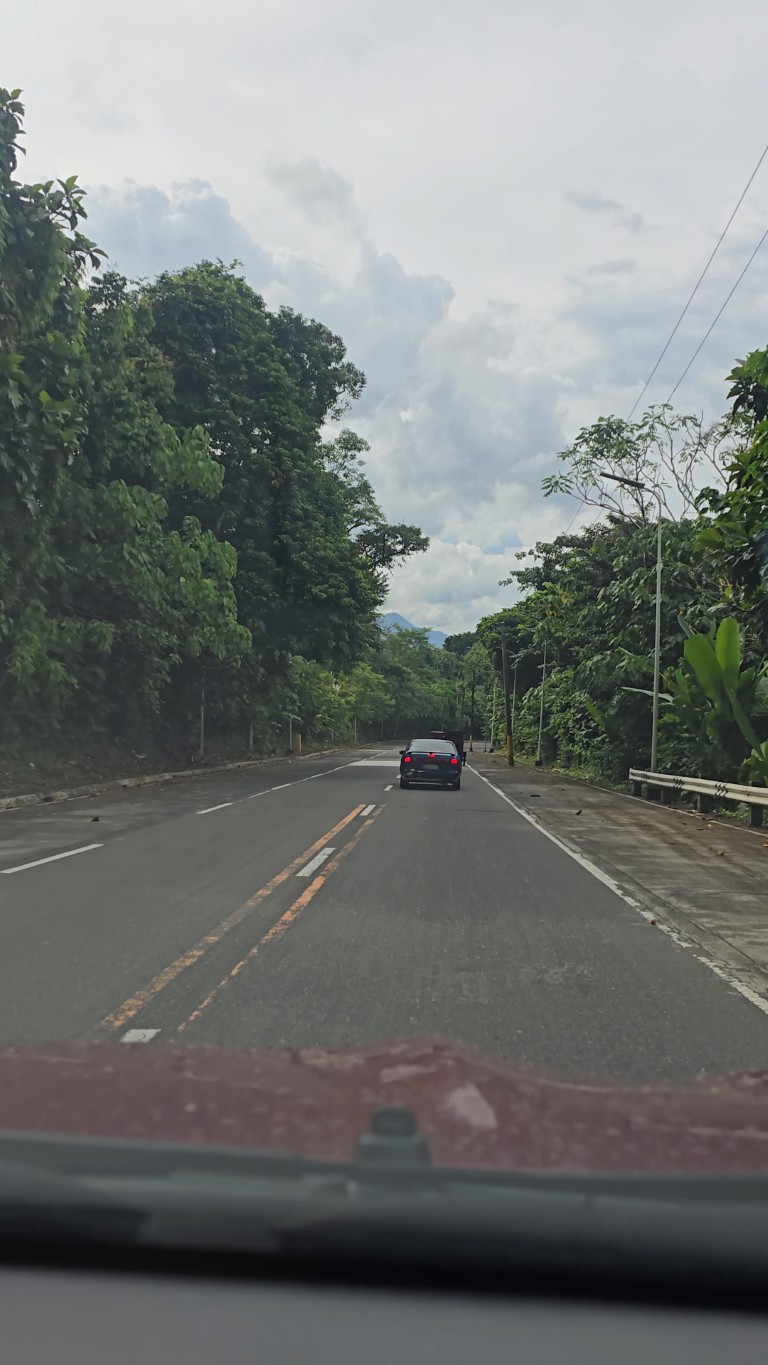
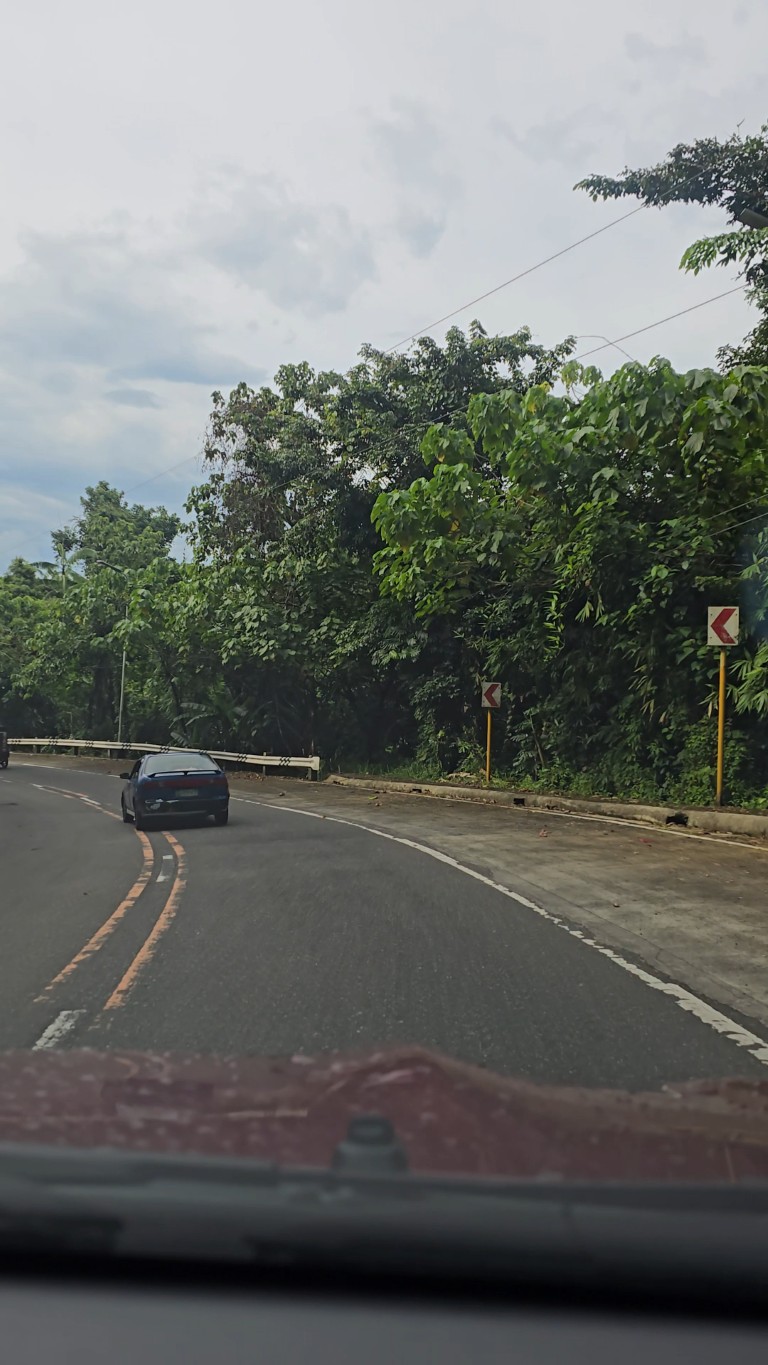
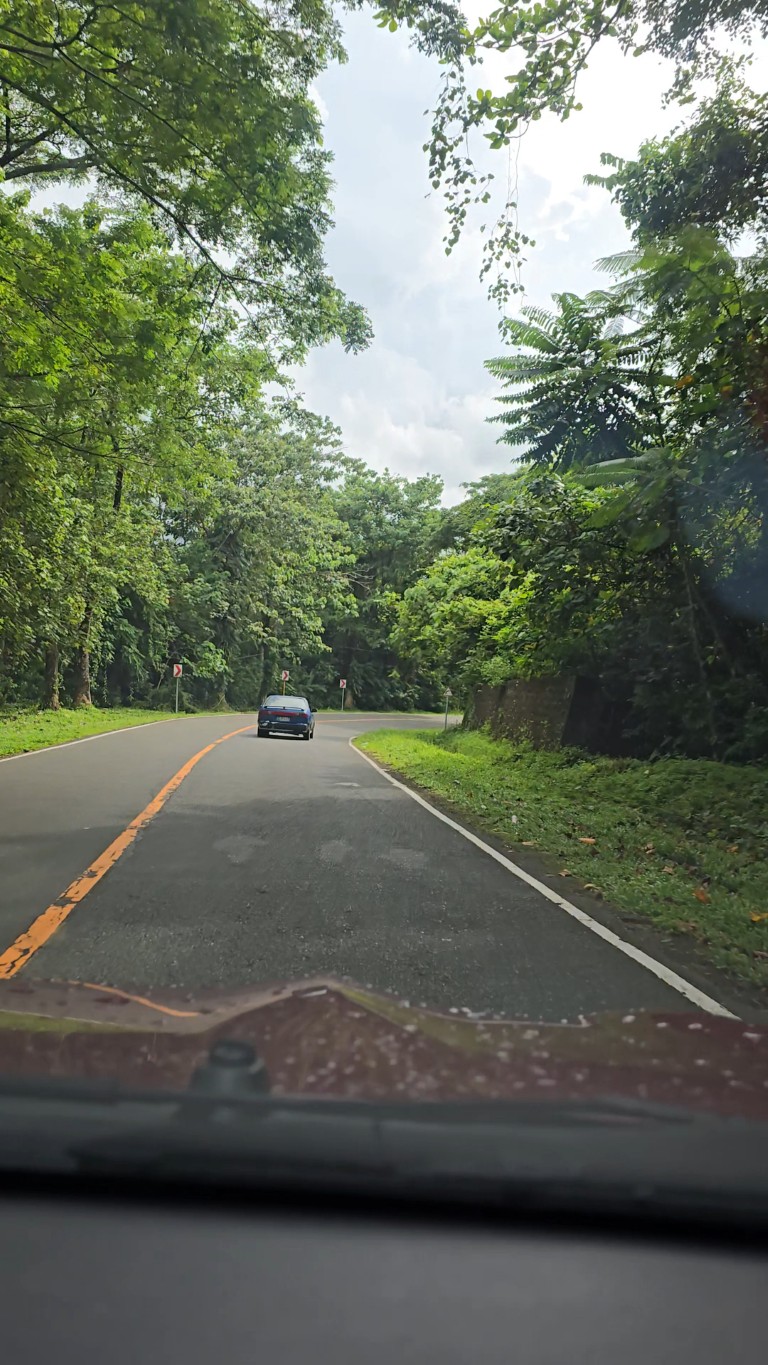
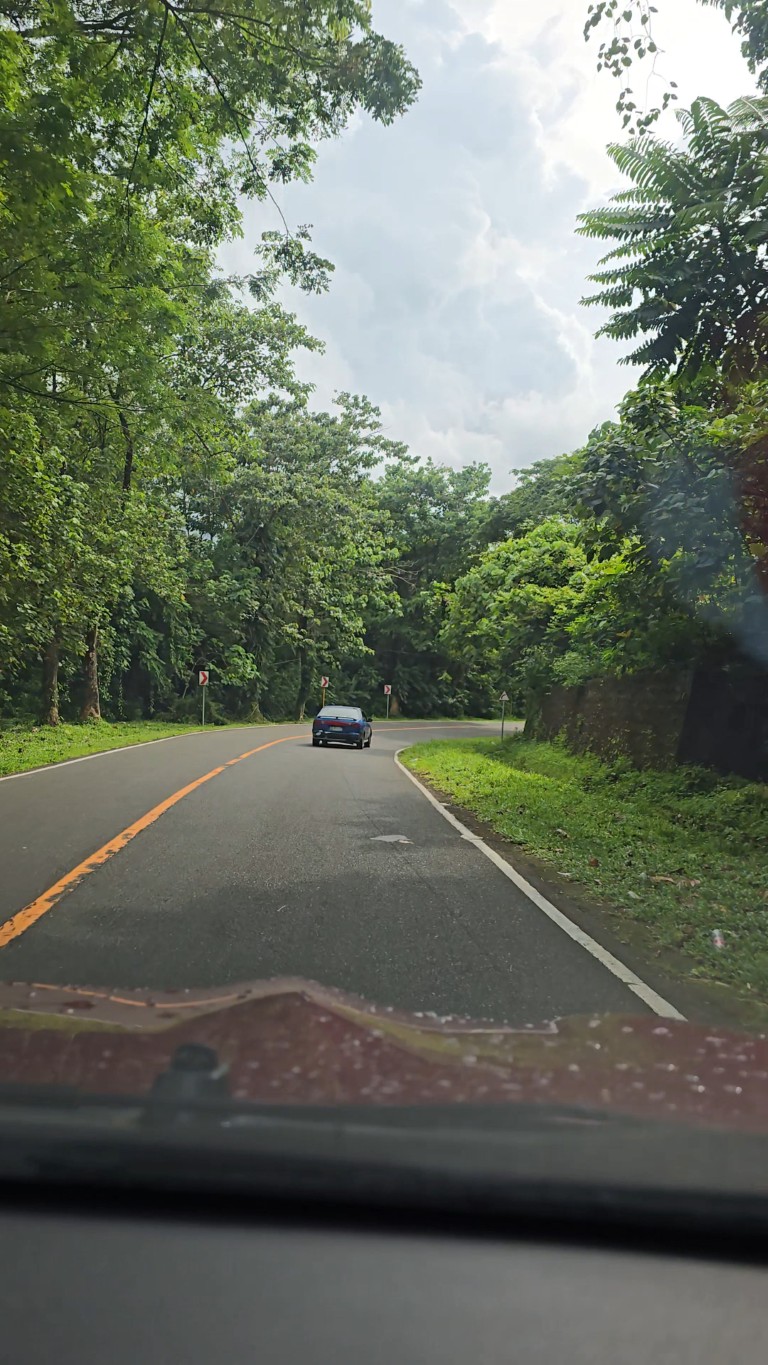
The Camarines Norte route via Maharlika Highway.
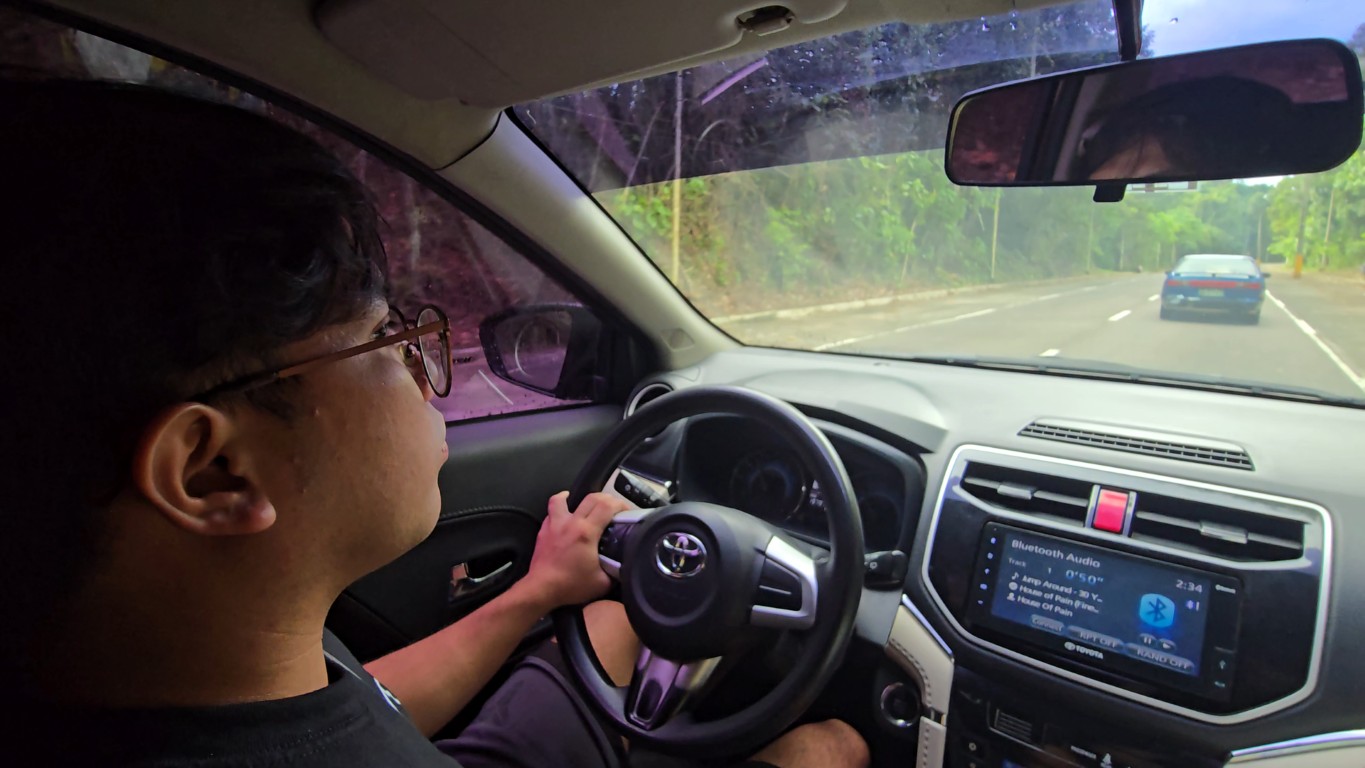
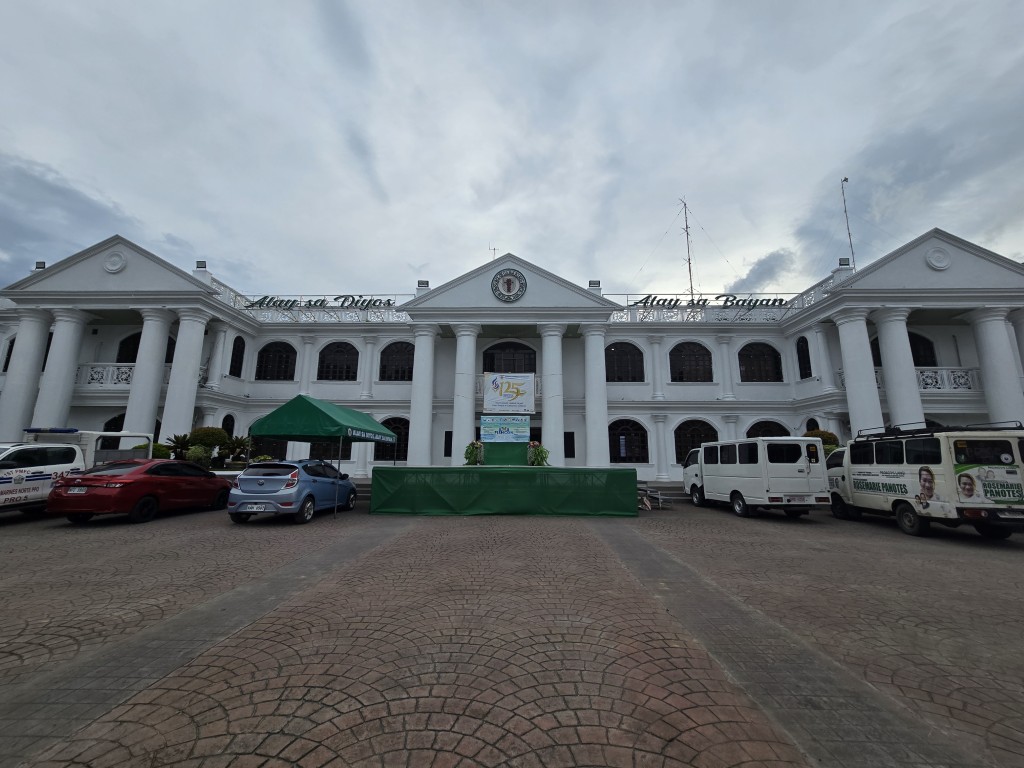
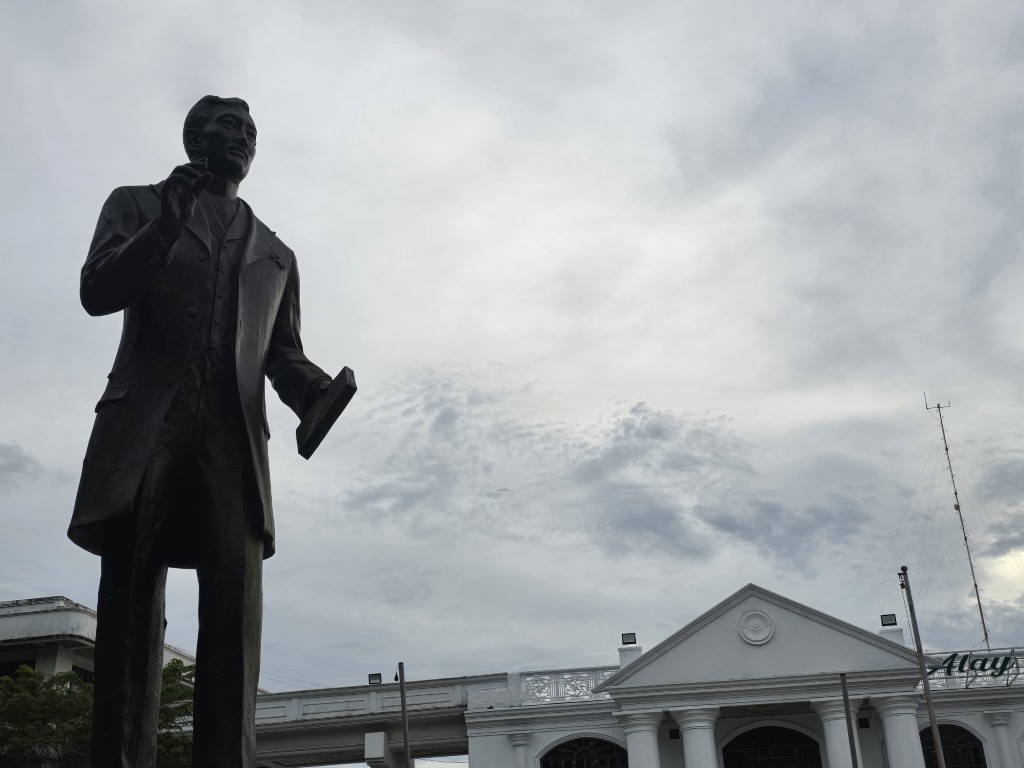
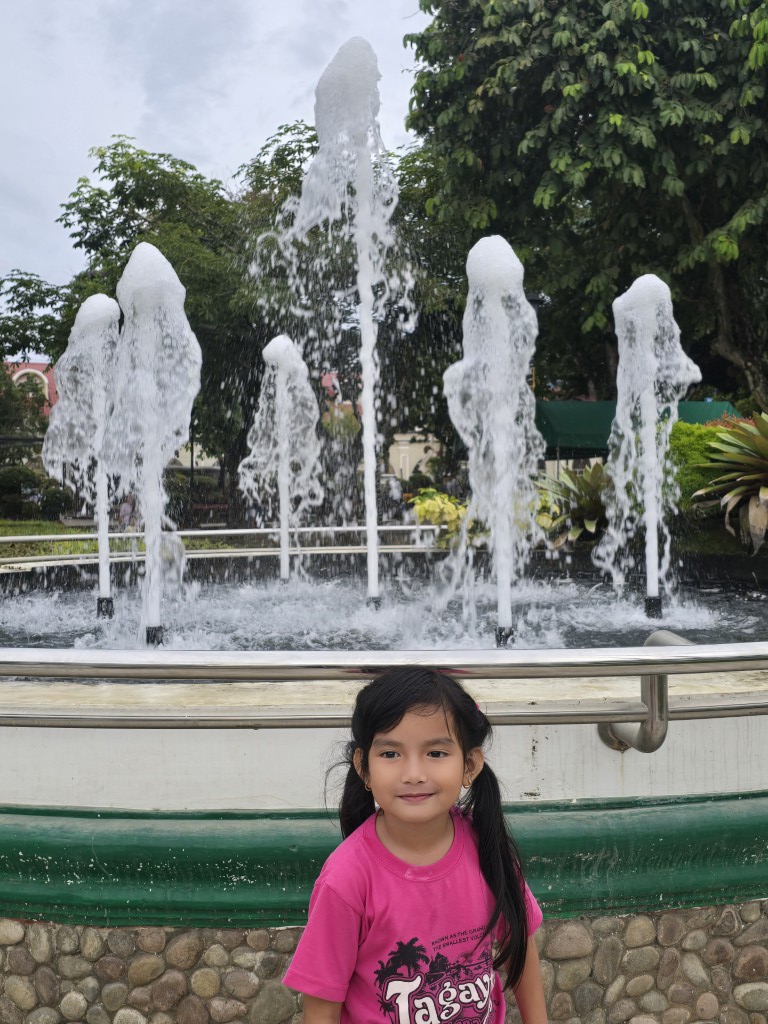
A very quick stop at the Camarines Norte Provincial Capitol.
We were aware that the journey would be a long one, but we never thought that it would be far longer for reasons we did not expect.
From our stop at the capitol of Camarines Norte, we pushed through on our way back to Bulacan. Shortly around 08:00 PM, we stopped near the Camarines Norte–Quezon boundary to have a quick dinner in one of the eateries lining the road of the area. We were back on the road after half an hour more, with Ran and me alternating behind the wheel.
Some time past midnight while traveling through Quezon and I was the one driving, I asked Ran to change seats with me as I was already too sleepy. He took the wheel and went to sleep, until I was suddenly awakened by a loud thud and a sharp screeching sound. Turned out, while we were at cruising speed in the middle of Maharlika Highway in Tiaong, Quezon, a rear wheel disengaged. The first thing I saw when I awoke was our wheel and tire bounding in front of us, almost hitting another car.
Ran, in all his calm and nonchalance, used the car’s remaining momentum and steered the car towards the side of the road despite lacking a wheel, driving us all from harm’s way.
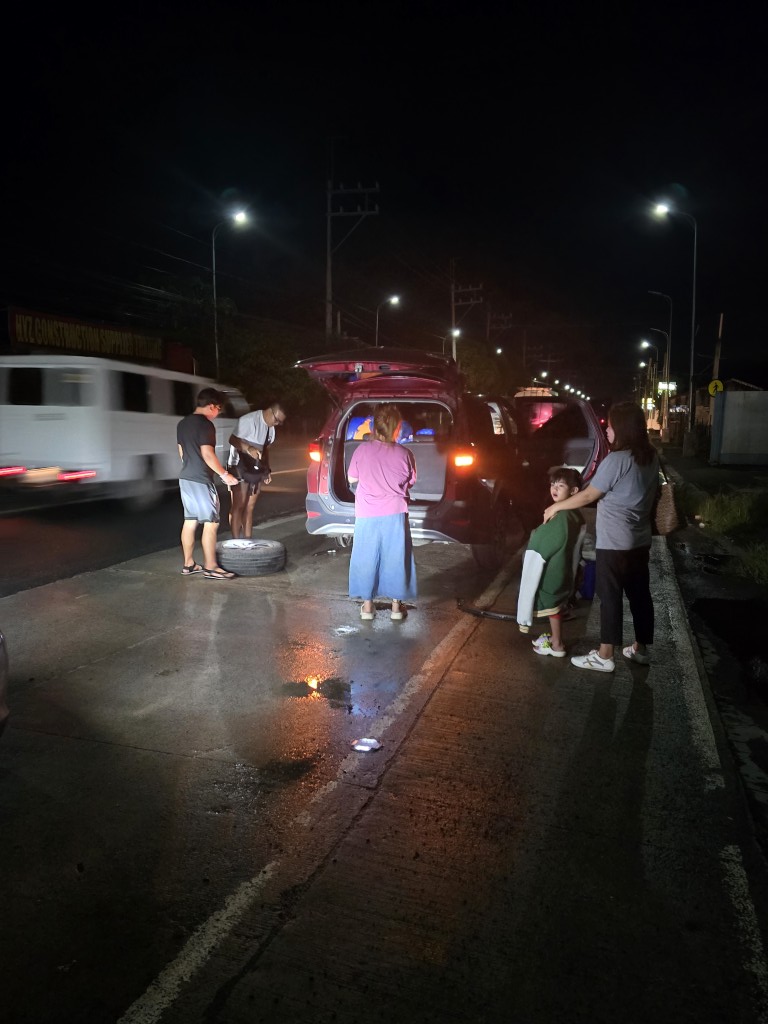
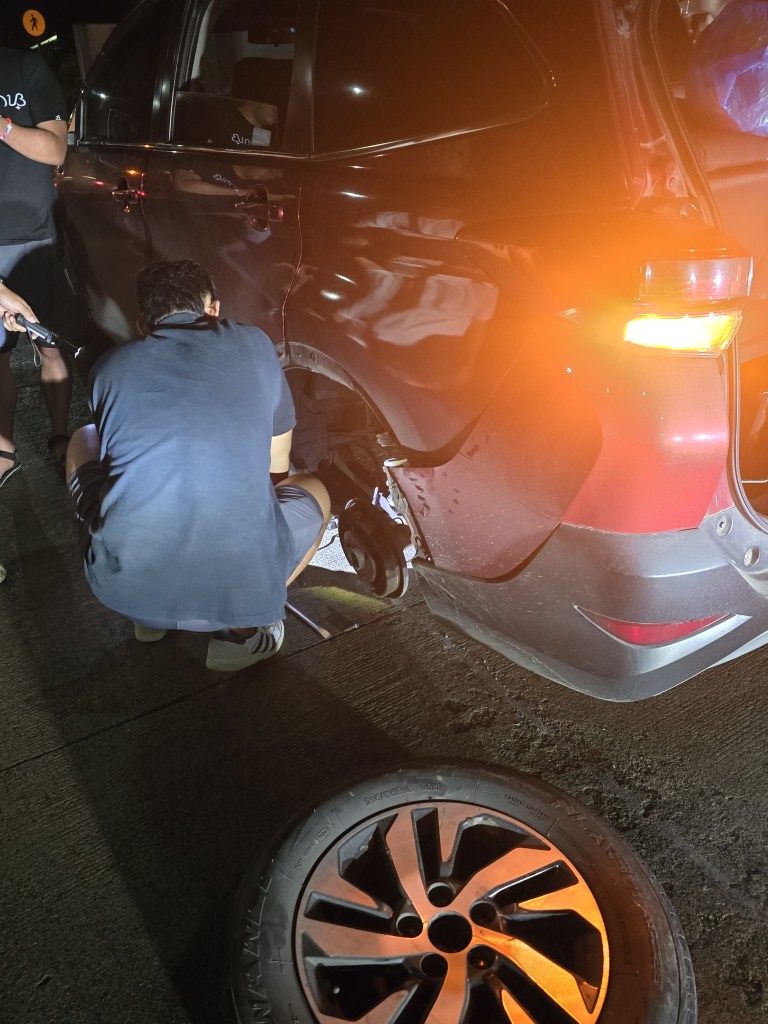
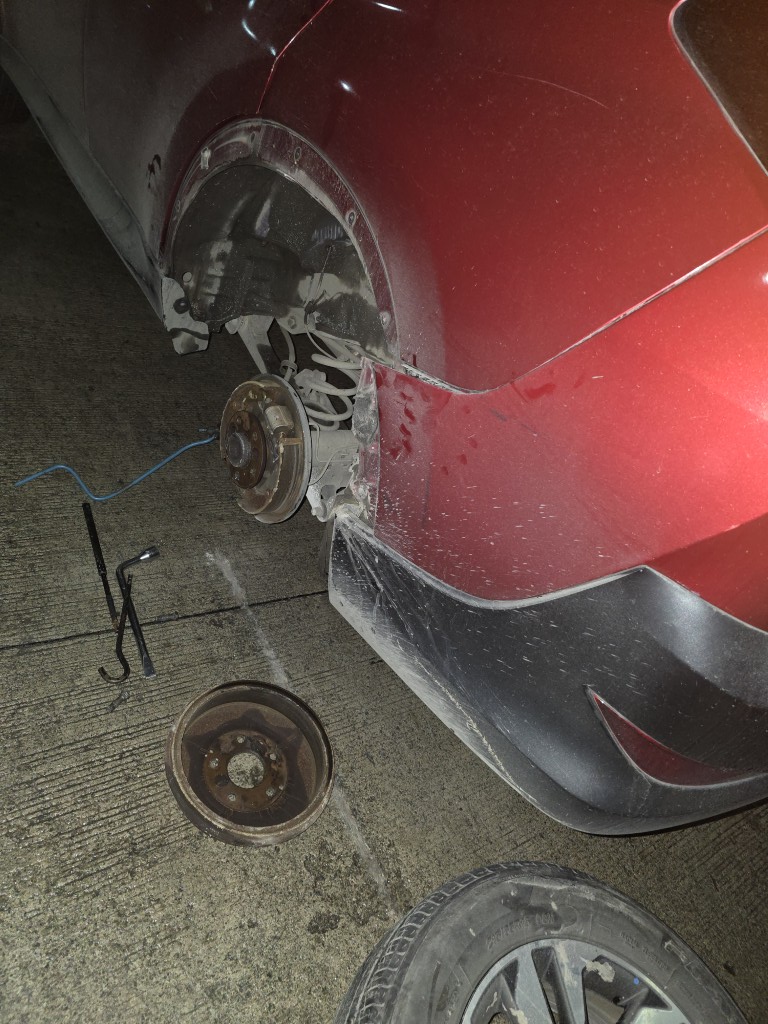
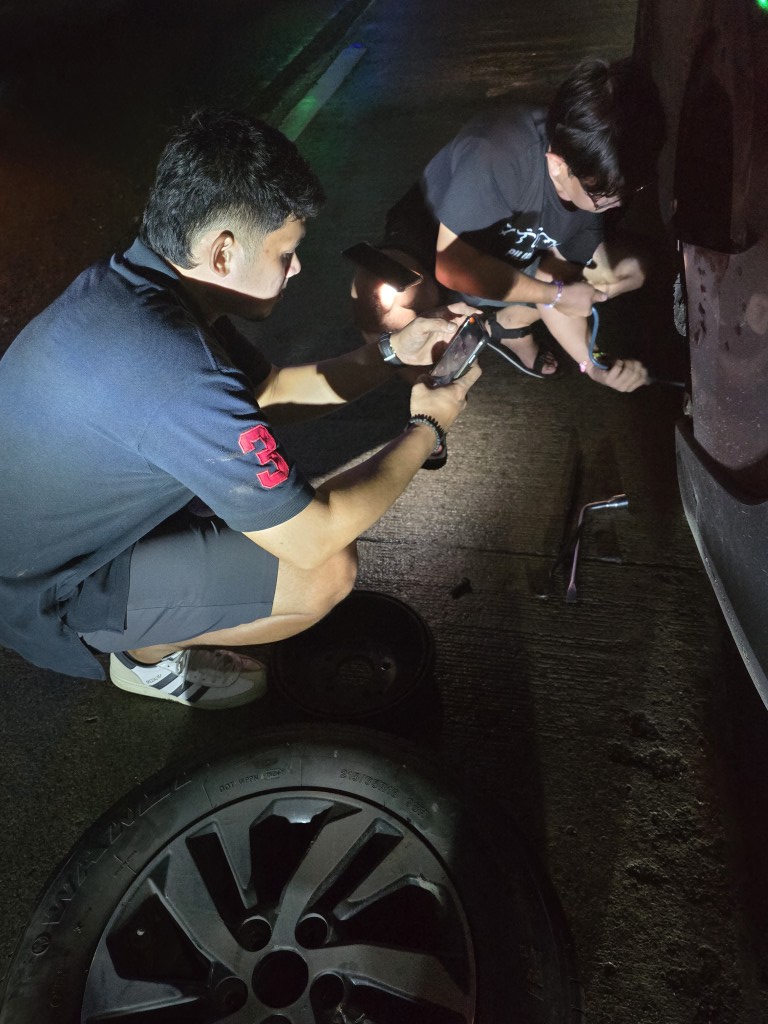
A terrifying ordeal—losing a tire in the middle of a highway, in the middle of the night.
While we were there, clueless as to what to do next, a kind motorist stopped by and checked on us. He then offered Mama and Mikle to ride his car so they may look for the nearest barangay or police station. They eventually returned but help was rather evasive. Eventually, a man on a bicycle passed by. Mikle then asked the man if the latter knows a mechanic. The man said yes, and after a chort conversation with Mikle, he agreed to fetch one.
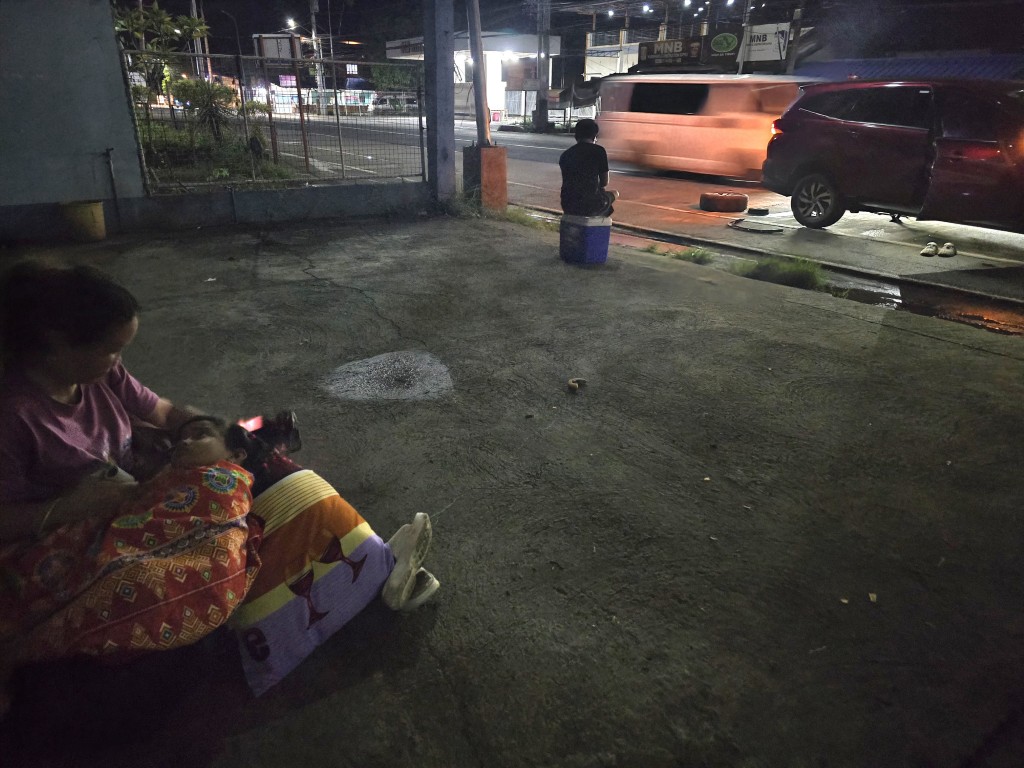
The accident happened at 01:02 AM. Thanks to the man on the bicycle, a mechanic finally arrived at around 04:30 AM. After three hours and a half of waiting for help, and another hour and a quarter more for the car to be temporarily fixed just enough for it to reach the mechanic’s shop, we were finally seeing some hope. We were finally heading home.
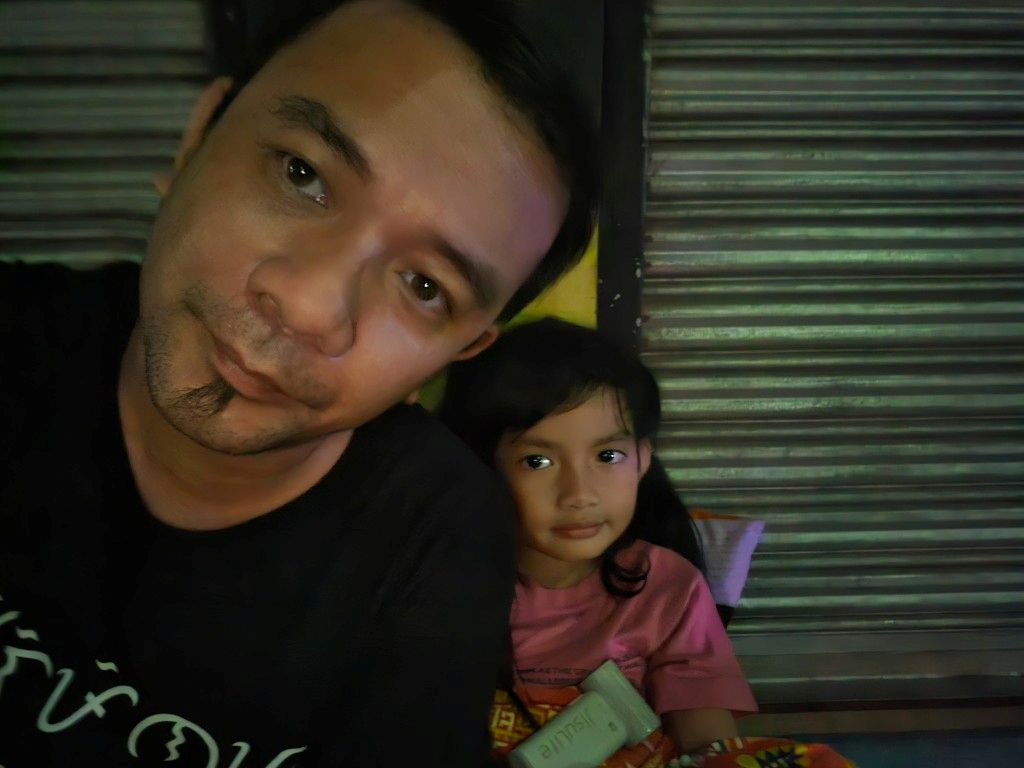
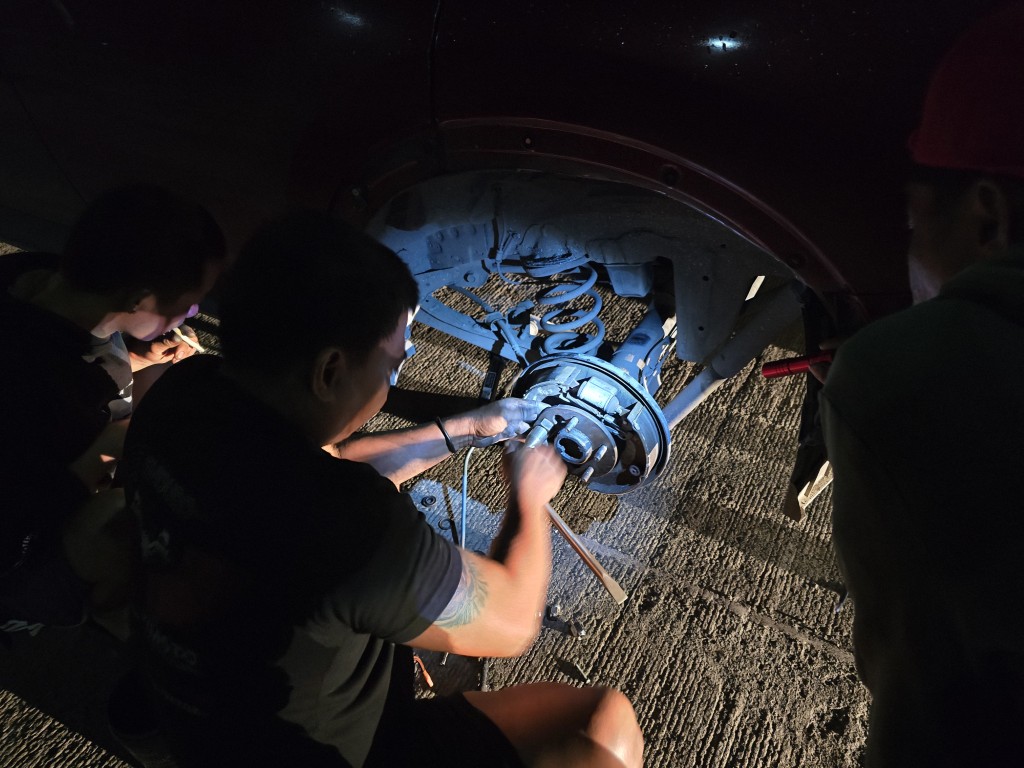
Spending a literally sleepless night with Riyan while the mechanic fixes our wheel.
Morning has already broken when we were able to drive the car to the repair shop where the mechanic worked on our wheel further to ensure that we would finally reach home safely. We were all exhausted and tired, but we cannot be thankful enough. We were all safe. We cannot ask for more.
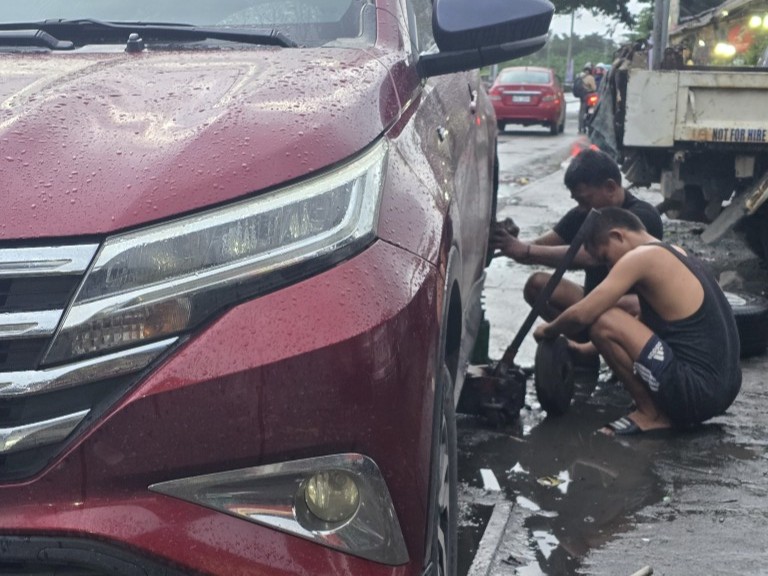
Final touches before finally heading home.
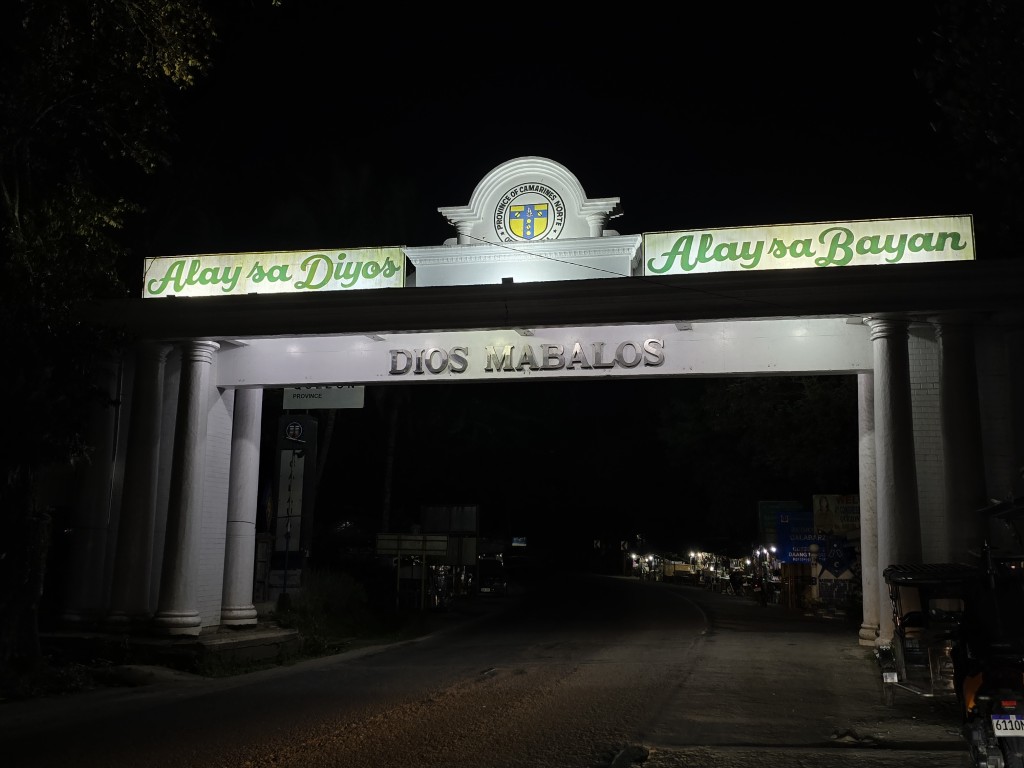
Dios mabalos is how Bicolanos say thank you. Literally though, the phrase means God will repay. It invokes the divine in expressing gratitude, much like how the Ivatan Dios mamajes in Batanes goes. It is not enough to say thank you; one has to call God as well and pray that He too would reward the goodness that others have extended in the moment of need.
Things could have been worse for us the moment the wheel of our car disengaged, and for what we have been through and for all those who went out of their way and extended a helping hand, Dios mabalos is the only way to say it.
Quodcumque dixerit vobis, facite.
John 2:5
The scary accident that topped our trip in Bicolandia reminded us greatly of the very reason why we went to Bicol begin with. It was a pilgrimage all throughout, to places where the Mother of God is honored and revered. From the Naga Cathedral, the Daraga Church and the Salvacion Rotonda, it was evident that the devotion to the Blessed Mother forms integral part of the lives of the Bicolanos so much so that wherever you look, you will always feel the ubiquity of the Virgin Mary. Looking back, such ubiquity of the presence of the Virgin Mother goes well beyond Bicol. During our ordeal, we just knew that it was all the prayers we uttered at every shrine dedicated to the Mother of God that compelled the Almighty to keep us away from harm. After all, who could refuse the request of one’s mother, especially if that mother knows her role—to lead everyone to her Son.
Quodcumque dixerit vobis, facite. Do whatever He tells you.


 Renegade Junctures
Leave a comment