
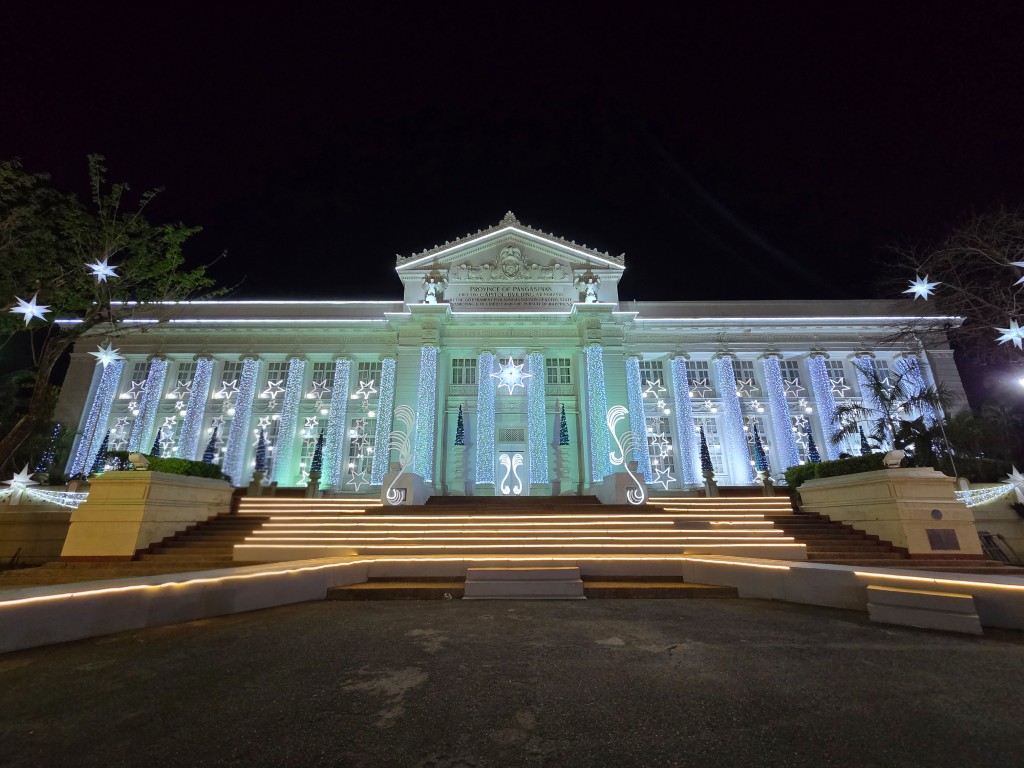
Evening has already fallen by the time we were back on the main road from our trip to Daang Katutubo. The night marched deeper, but we were just not done yet. We were on our way to see the center of governance of the Province of Pangasinan, the provincial capitol.
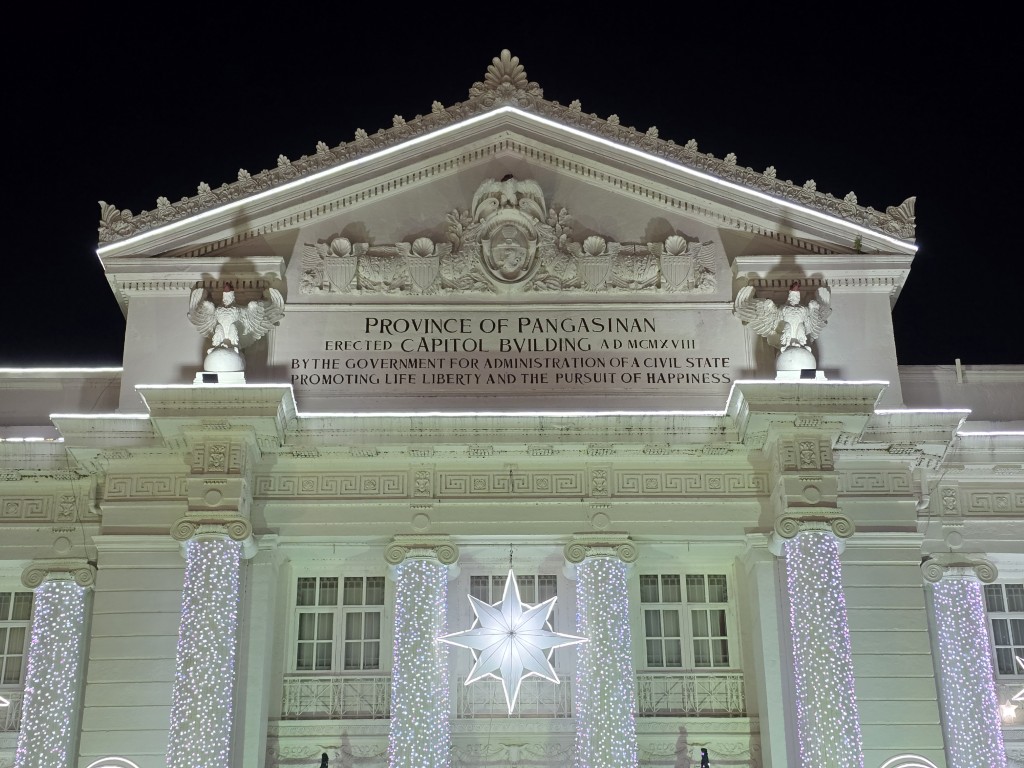
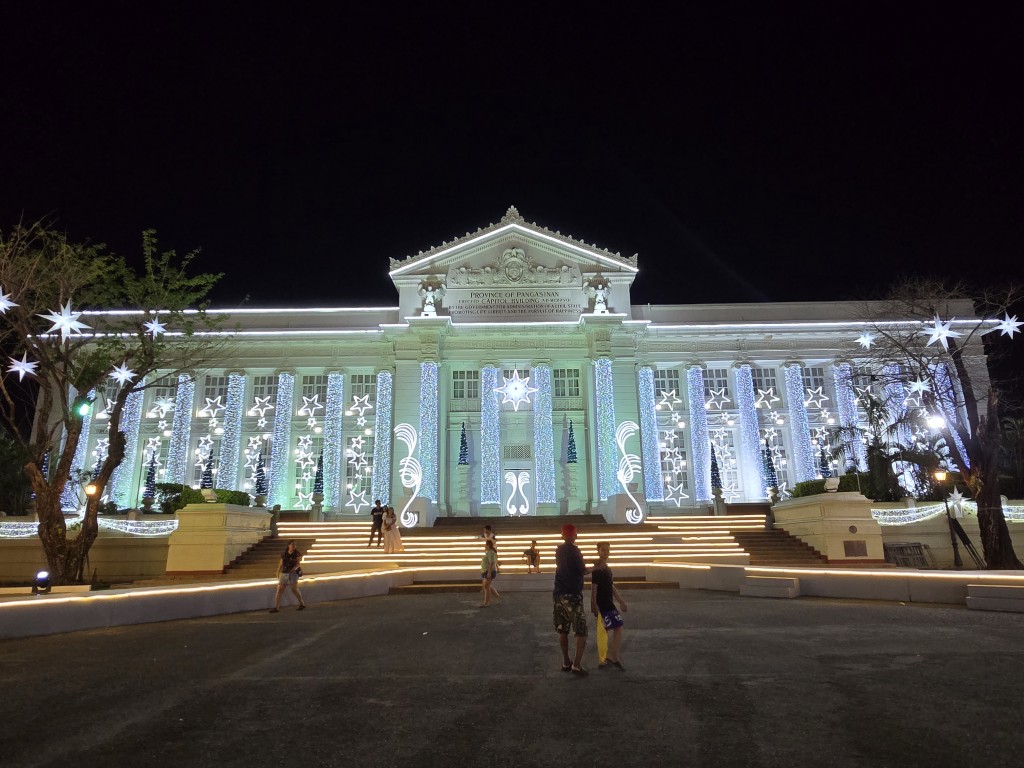
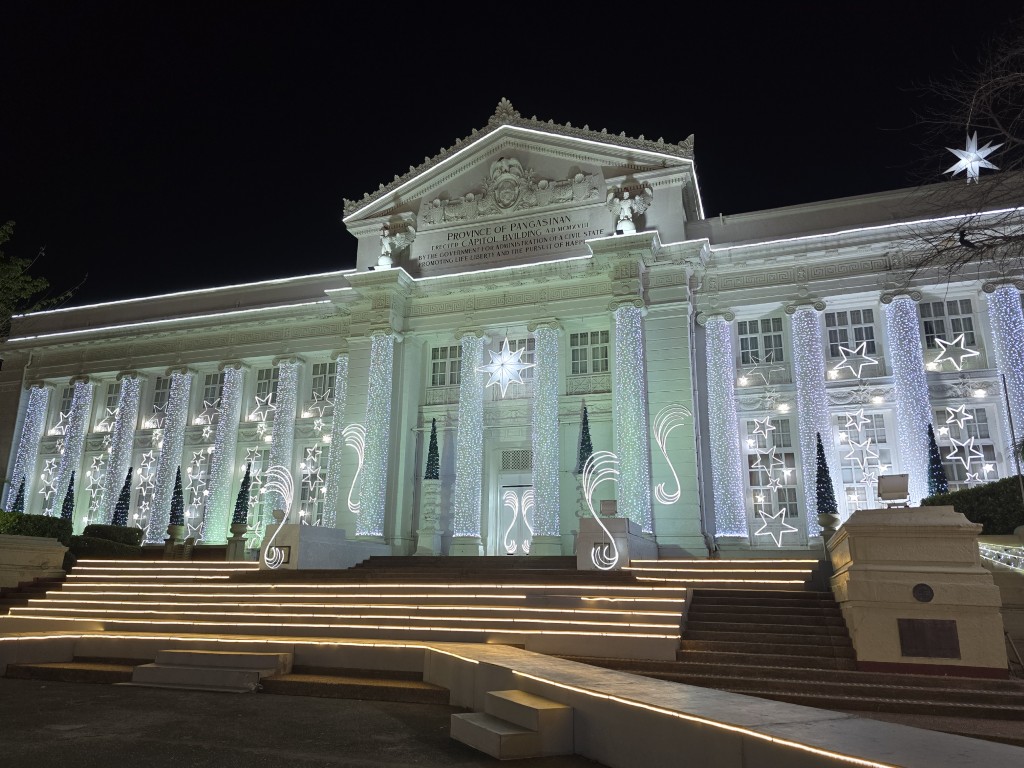
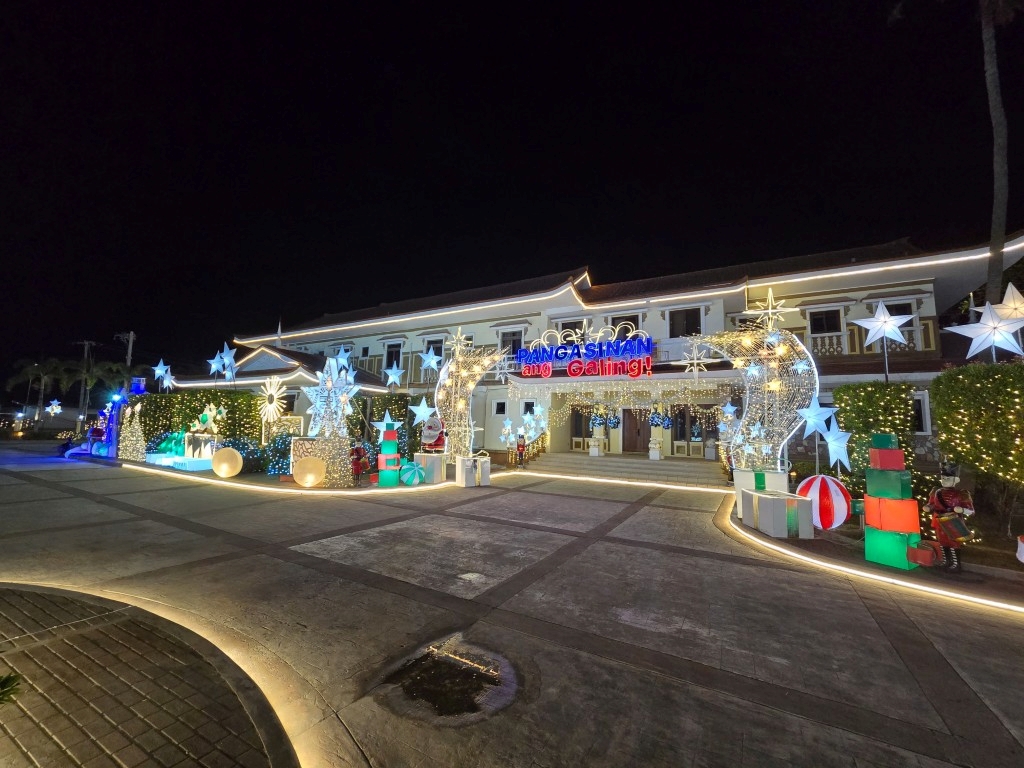
The Pangasinan Provincial Capitol at night, bedecked with Christmas lights.
The provincial capitol of Pangasinan sits prominently on a land facing the sea, overlooking Lingayen Gulf. It is among the top-listed capitols in the Philippines for architectural aesthetics, dubbed as among the most beautiful ever built. It was designed by Daniel Burnham, an American architect and urban designer whose name is famous in the country for his namesake park in Baguio City and other provincial capitols such as that of the two Negros provinces. Designed in the French Neo-classical architecture, it was built in 1918 and reconstructed in 1949 after being damaged by the Second World War.
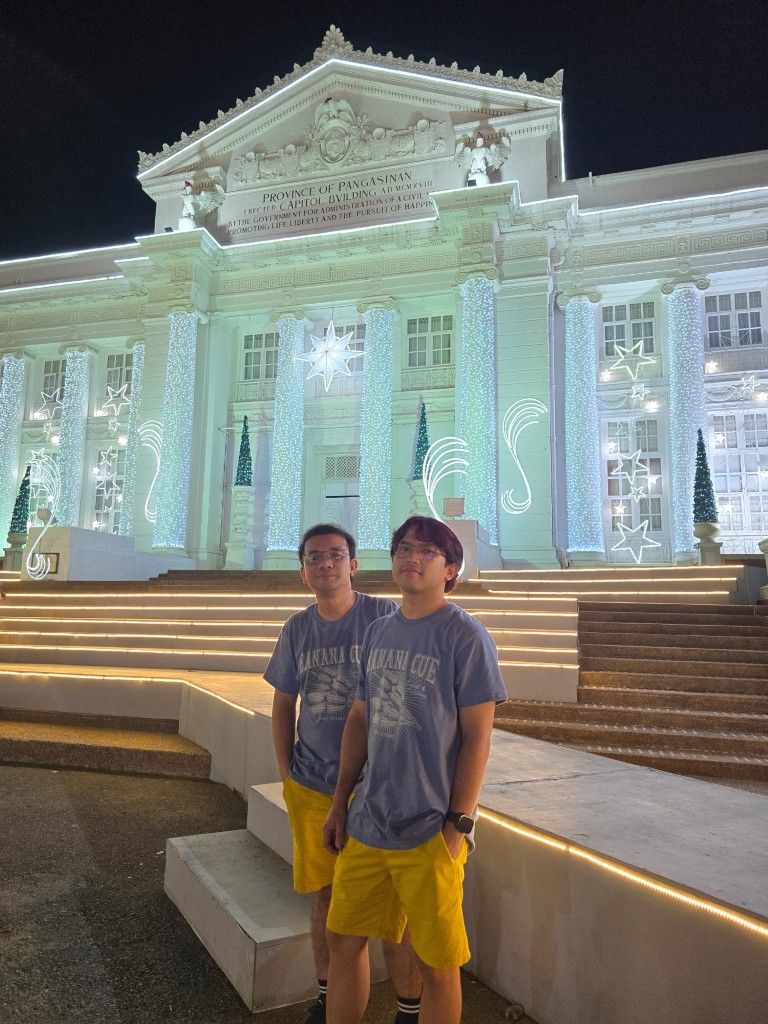
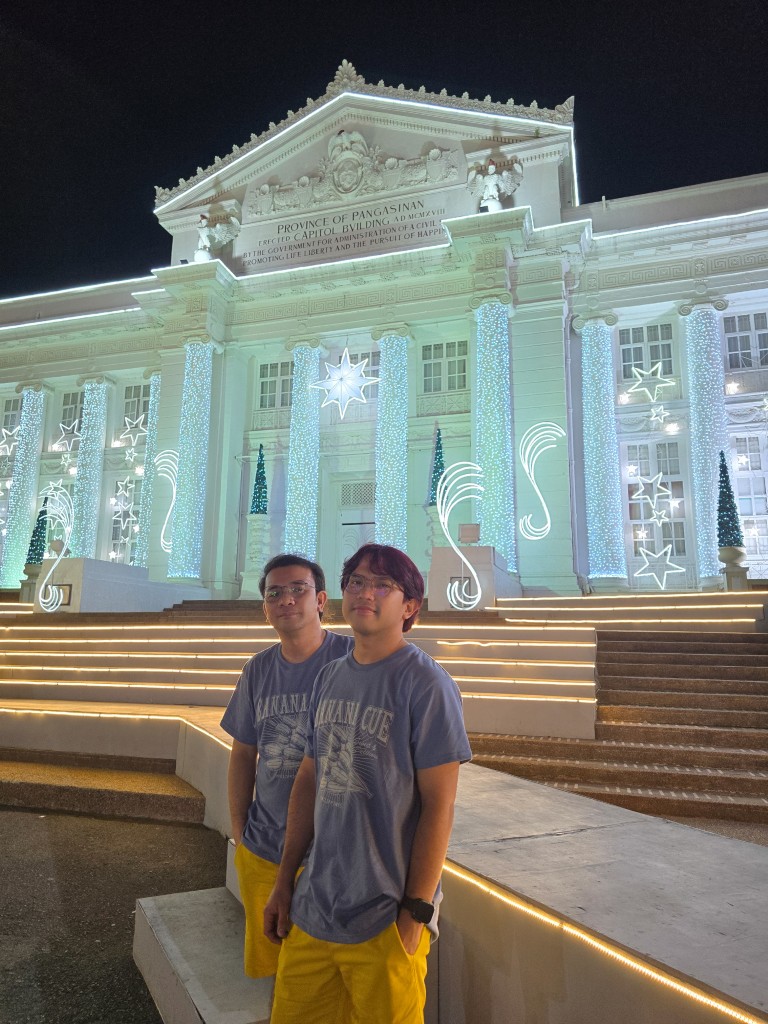
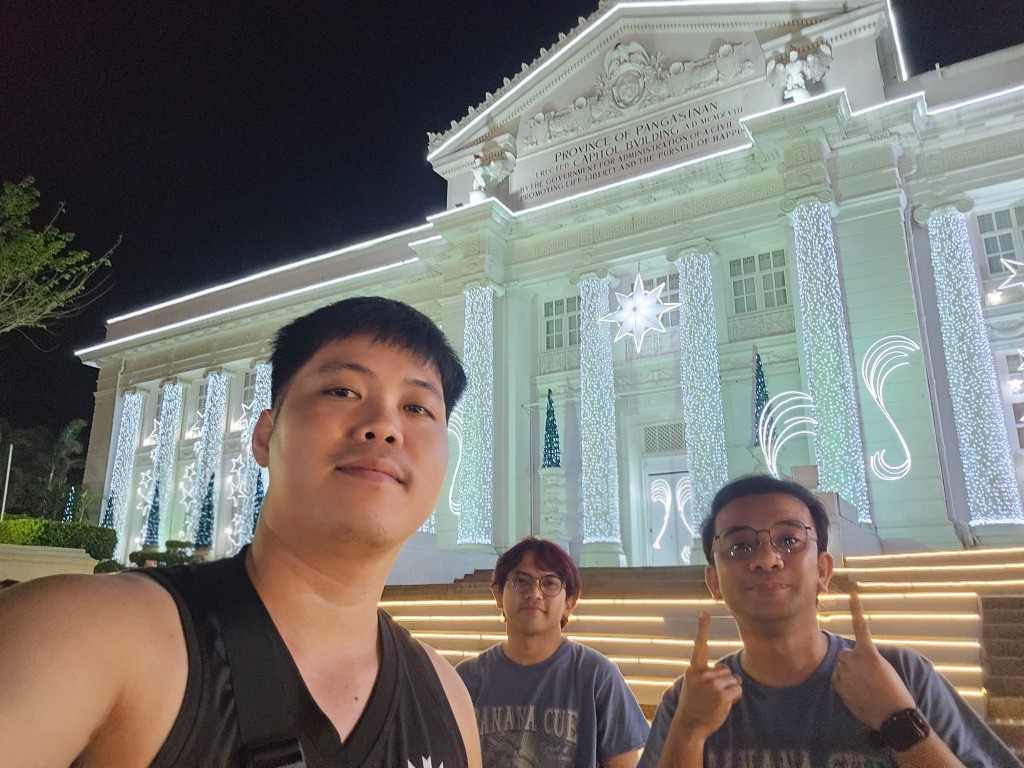
The young night in front of an architectural marvel.
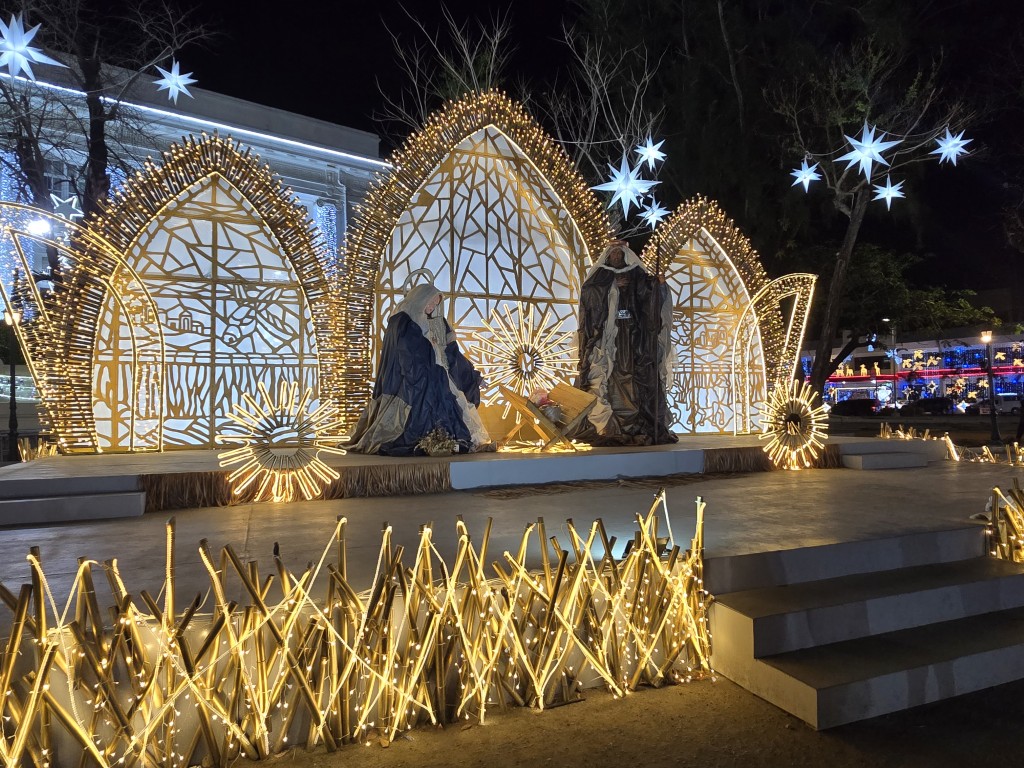
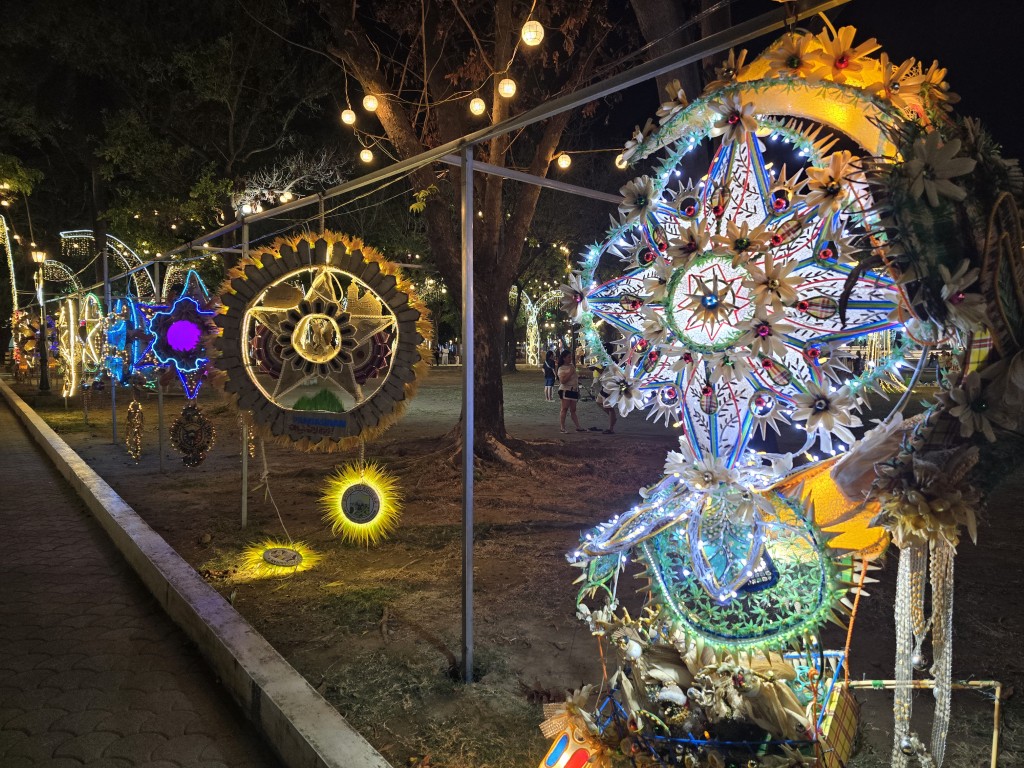
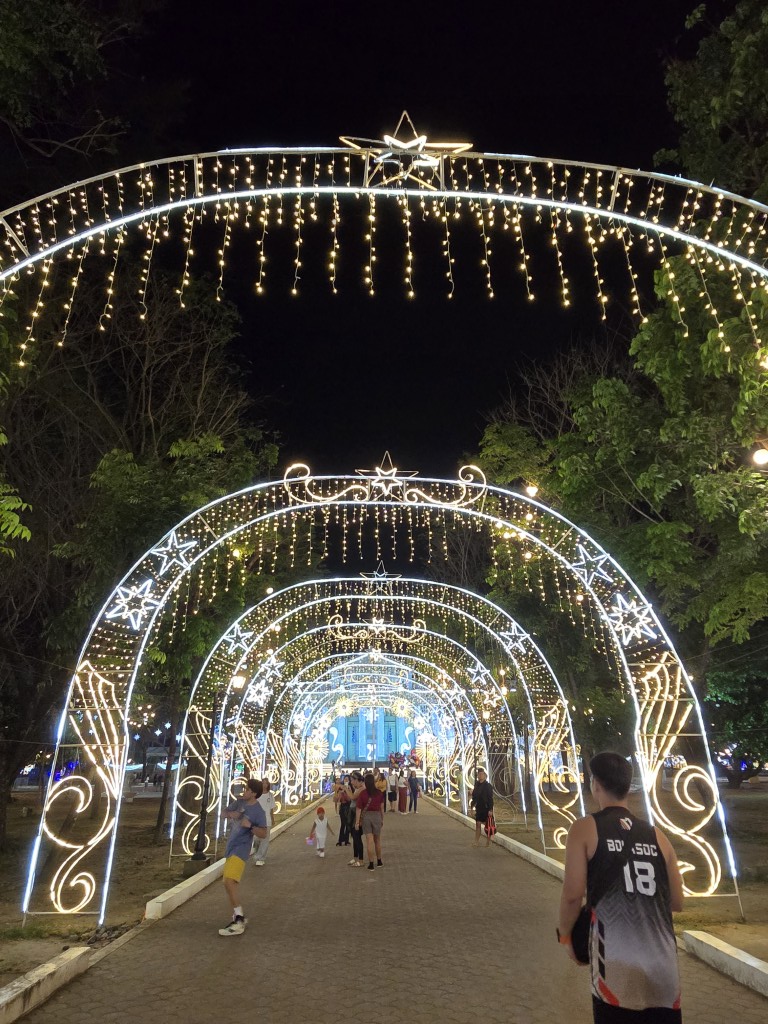
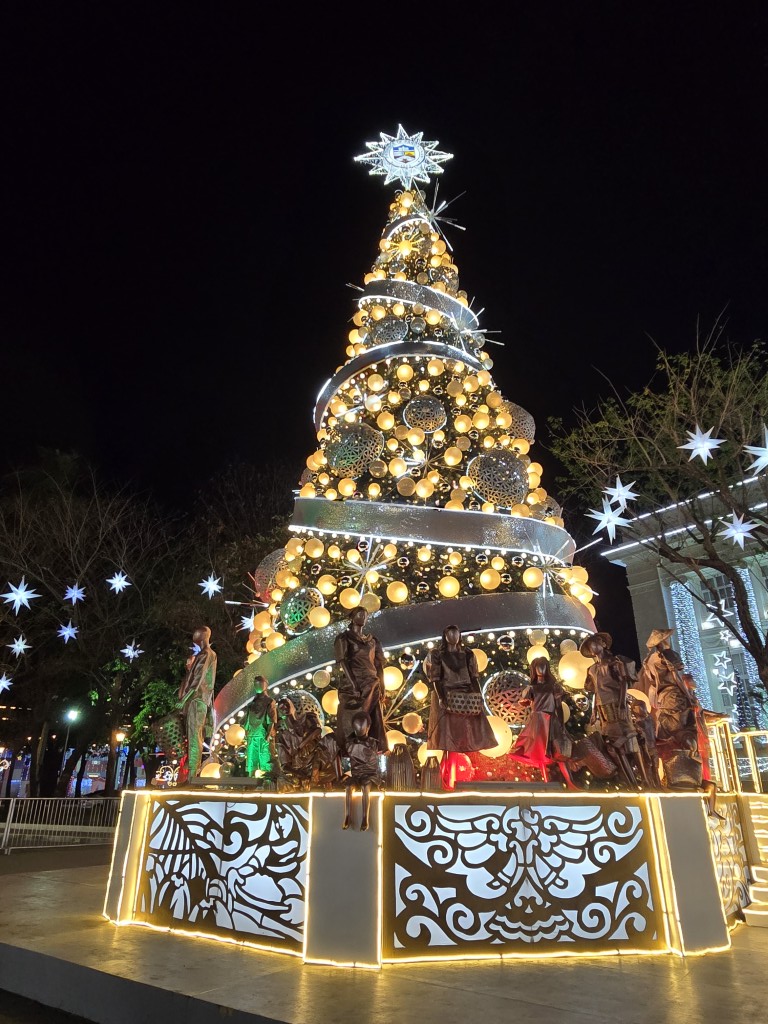
The Christmas vibe on the capitol grounds.
We continued walking towards the rear part of the capitol, and that was where we saw the semi-circular portico, making us think that the structure of the capitol somehow has a resemblance with the US White House: a columnar northern façade and a semi-circular southern one. It was, after all, built by an American.
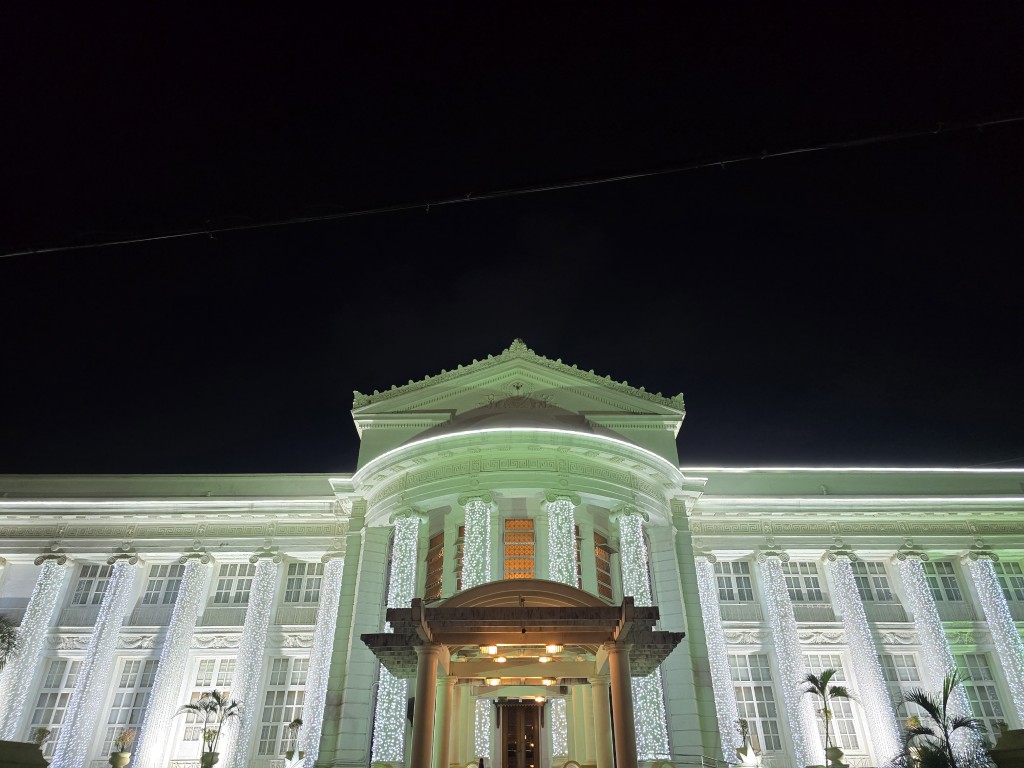
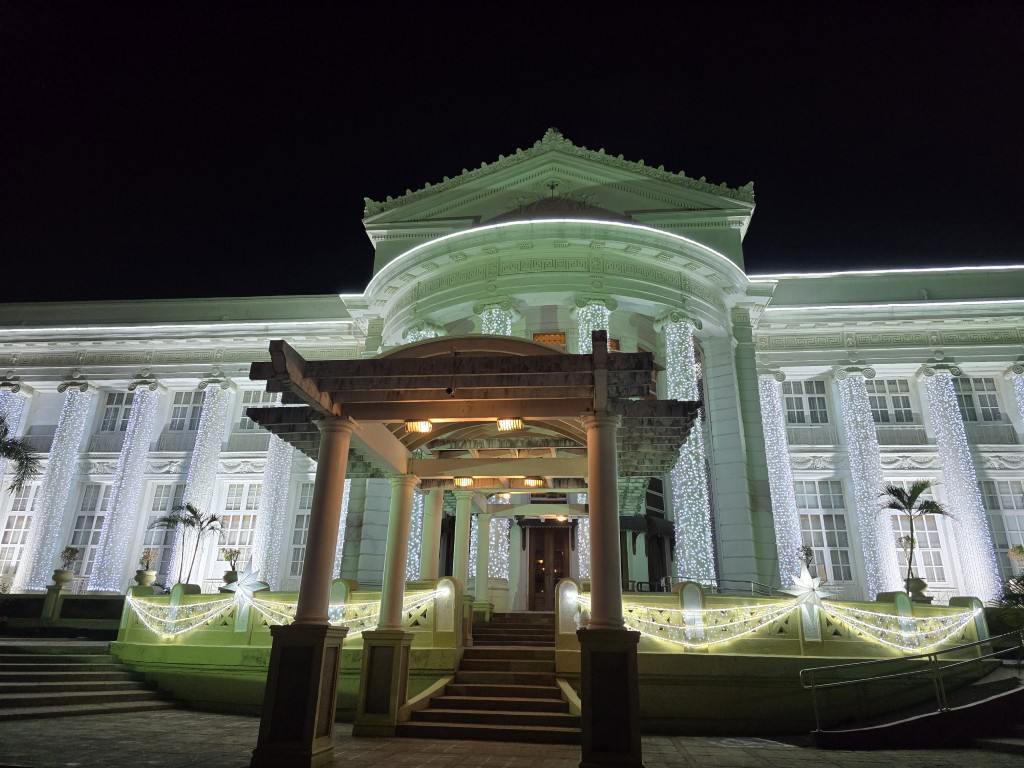
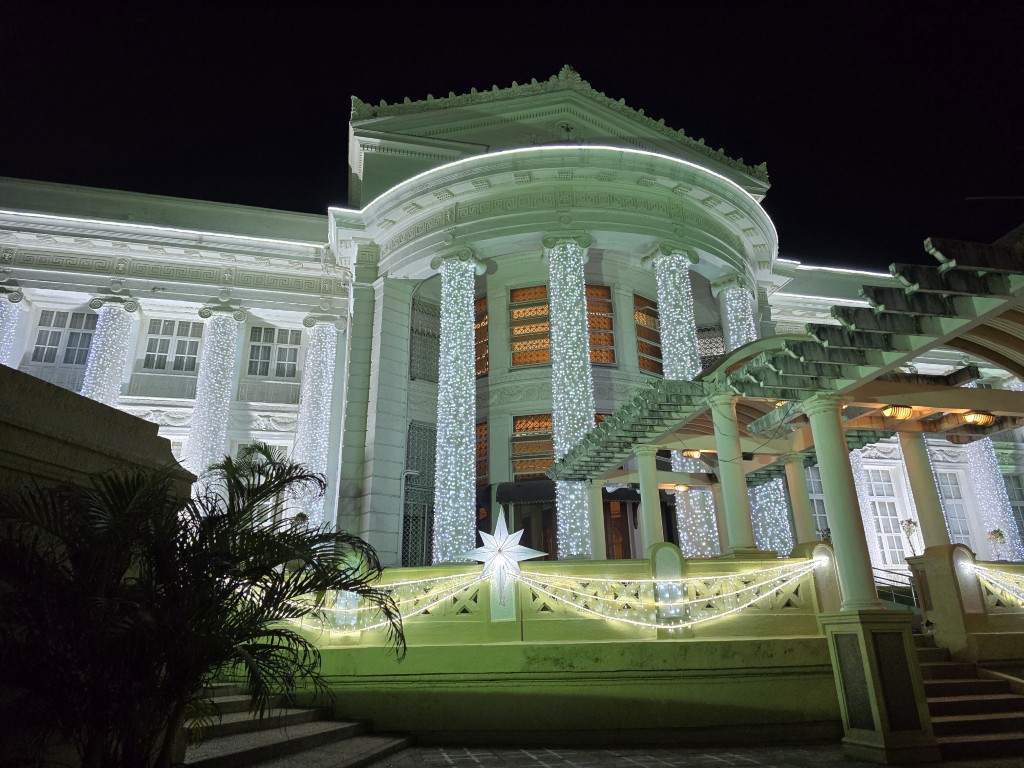
The southern part of the capitol, the part that faces Lingayen Gulf.
Walking away from the main capitol building led us to the Urduja House. Serving as the official residence of the governor of the province, the house was named after the legendary warrior princess Urduja, as chronicled by the Muslim traveller Ibn Battuta during his travel to the land of Tawalisi.
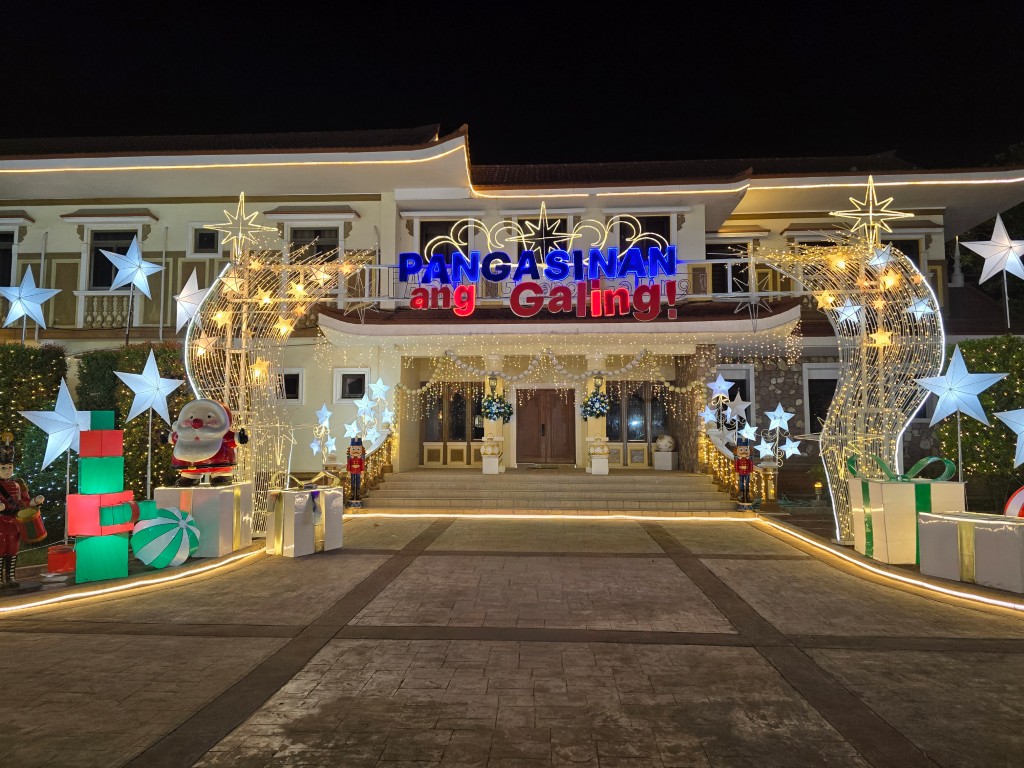
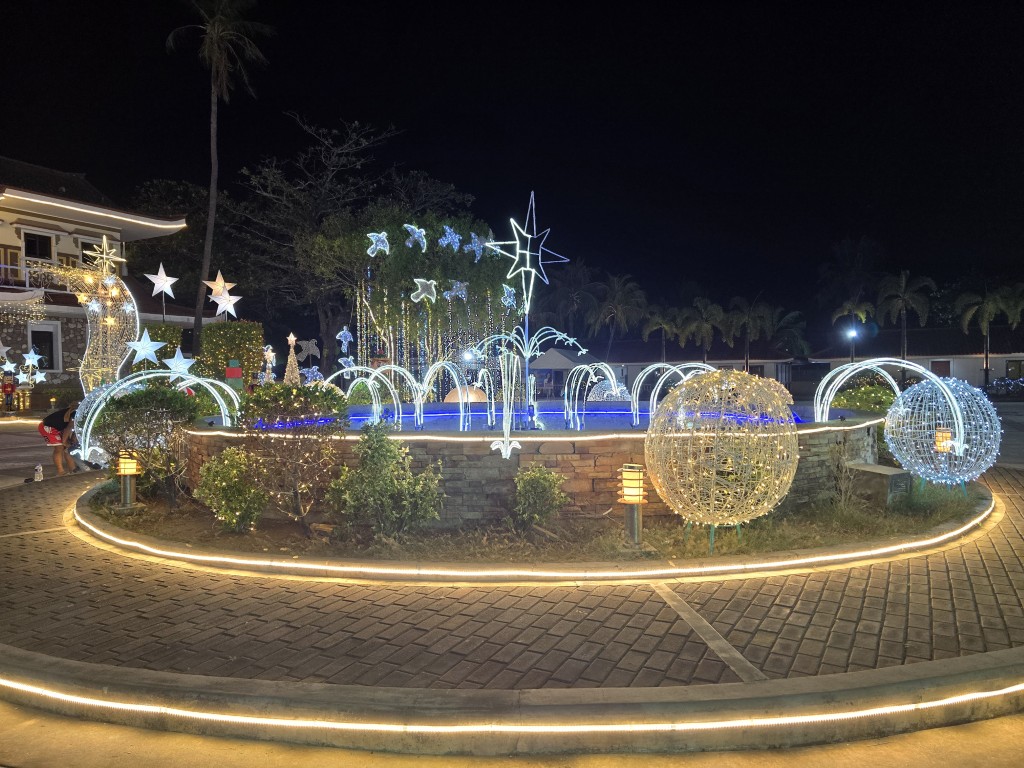
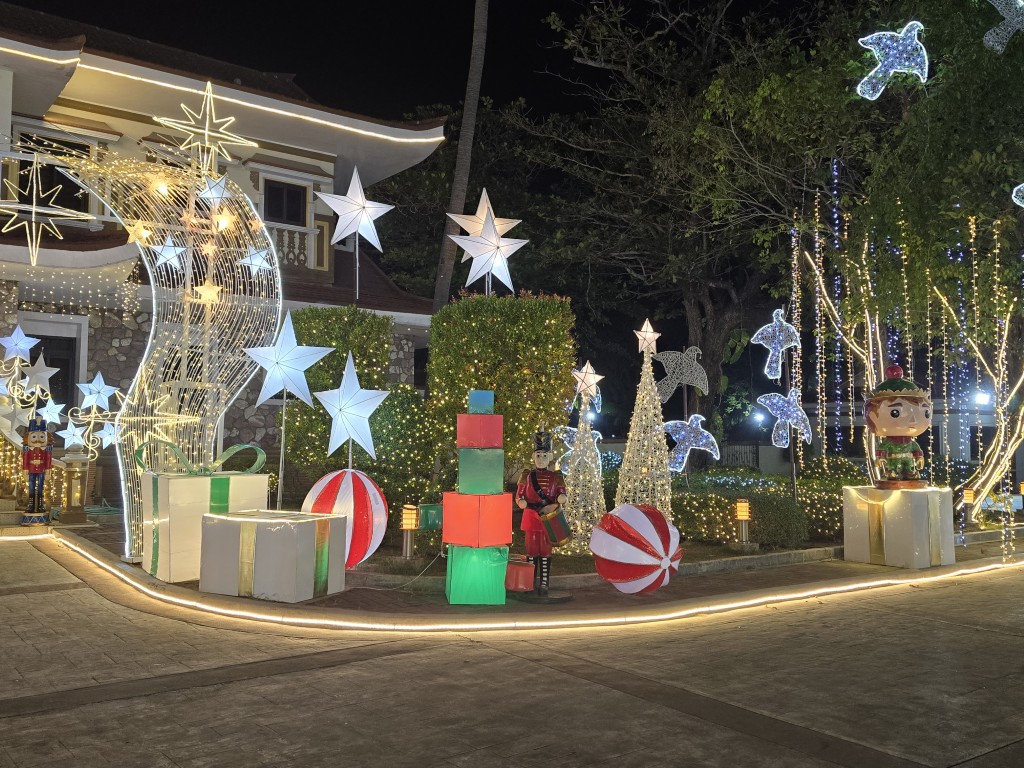
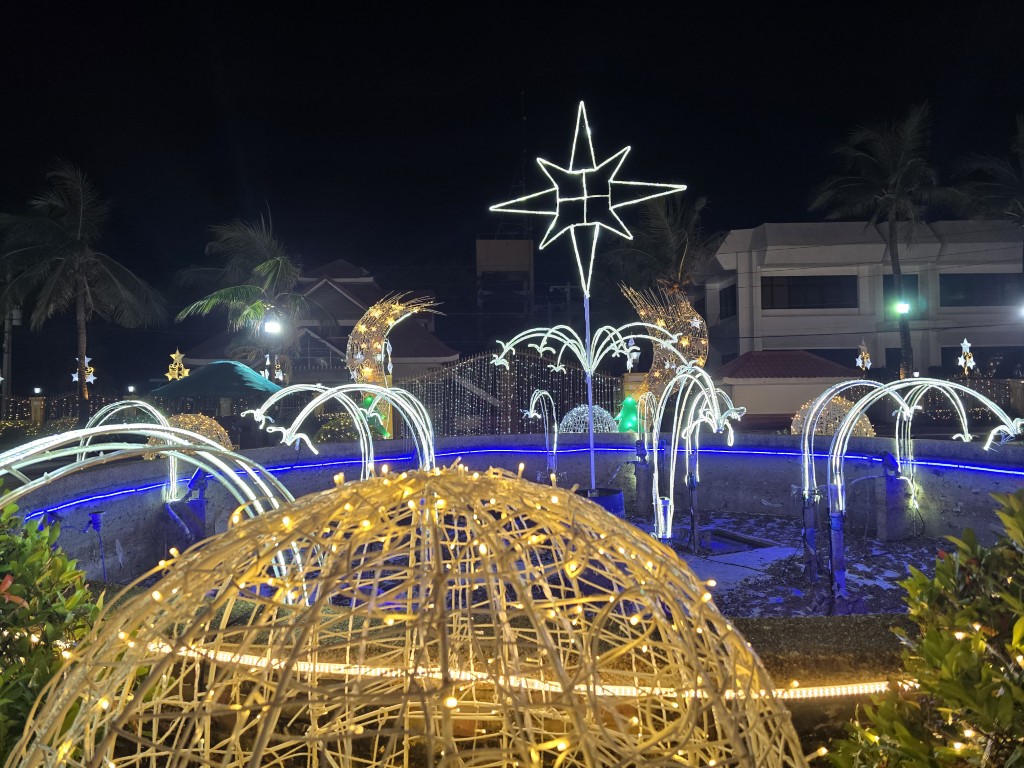
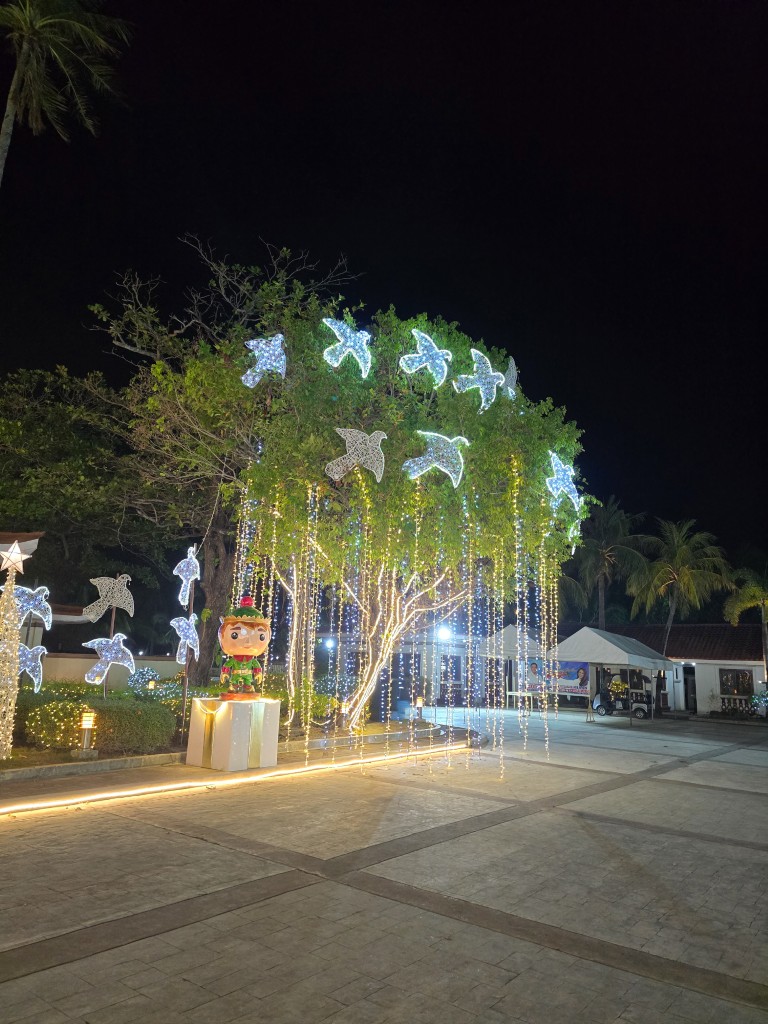
The Urduja House with Christmas decorations.
The strong association of Pangasinan with Urduja is not without reason. No less than Dr. Jose P. Rizal speculated that Tawalisi could be located somewhere in the Northern Philippines owing to the amount of time that it took Ibn Battuta to travel from there to China. Such speculation was enhanced by American historian Austin Craig who traced the lost kingdom to Pangasinan. Years of theories and speculations caught up to history and tradition despite the fact that to this day, there is no substantive proof that would link Tawalisi to the Philippines.
After spending time in Urduja House, we went further down to the bay walk behind the capitol. There was a night food market and there was a long stretch of food stalls. The night was definitely festive in that part of Lingayen, with people coming to and fro, taking a bite or two, enjoying the night with family and friends. The choices were nowhere near short of offerings: from modern food to ones that give off local culinary customs, it was a delightful experience in grassroots gastronomy.
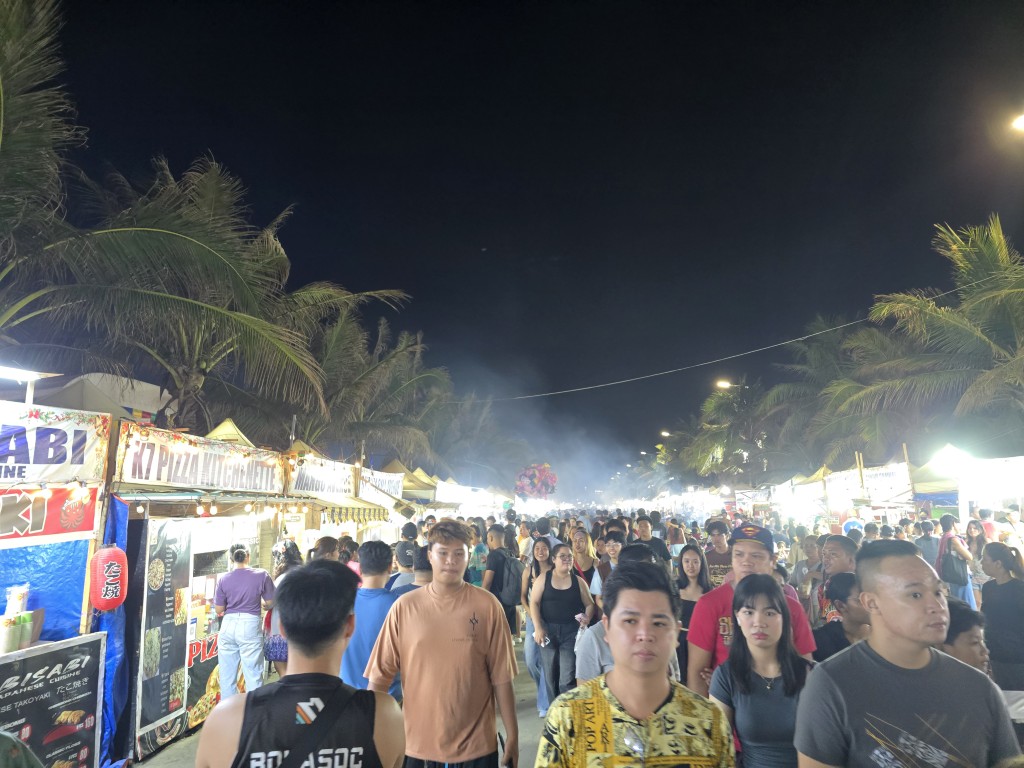
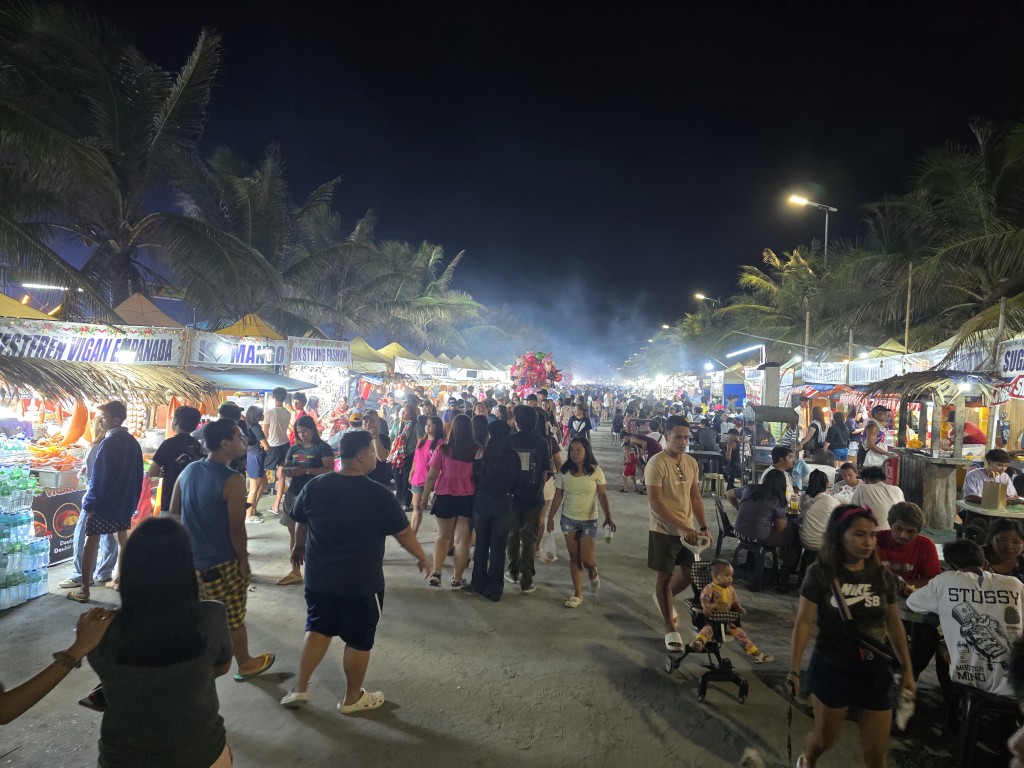
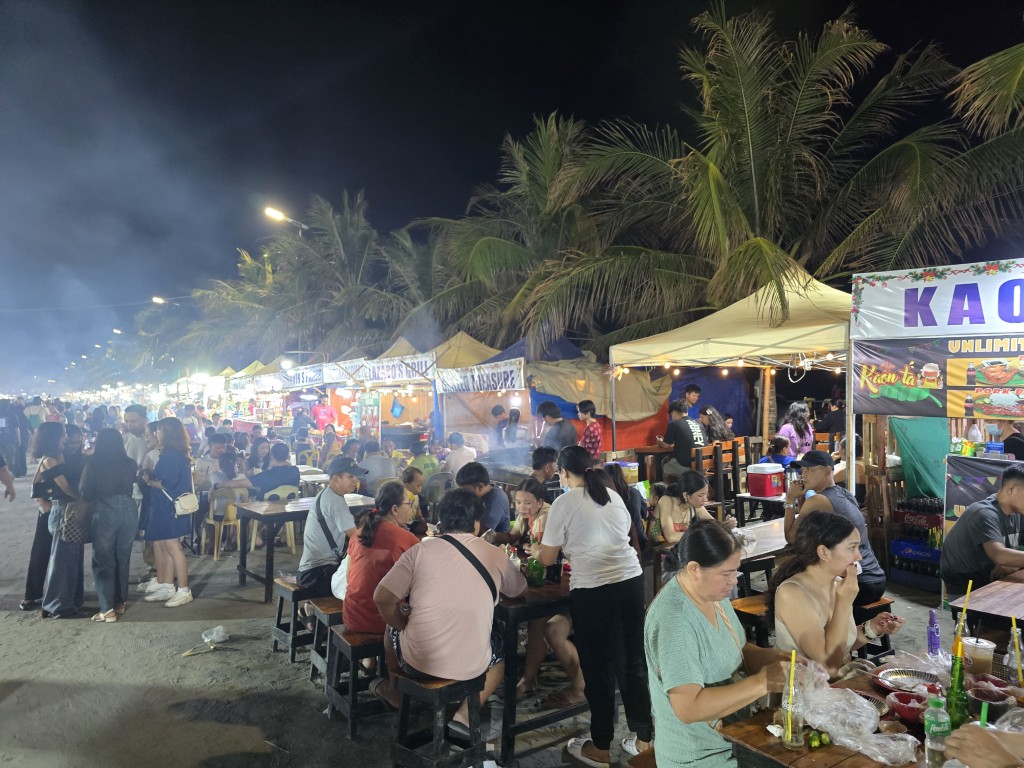
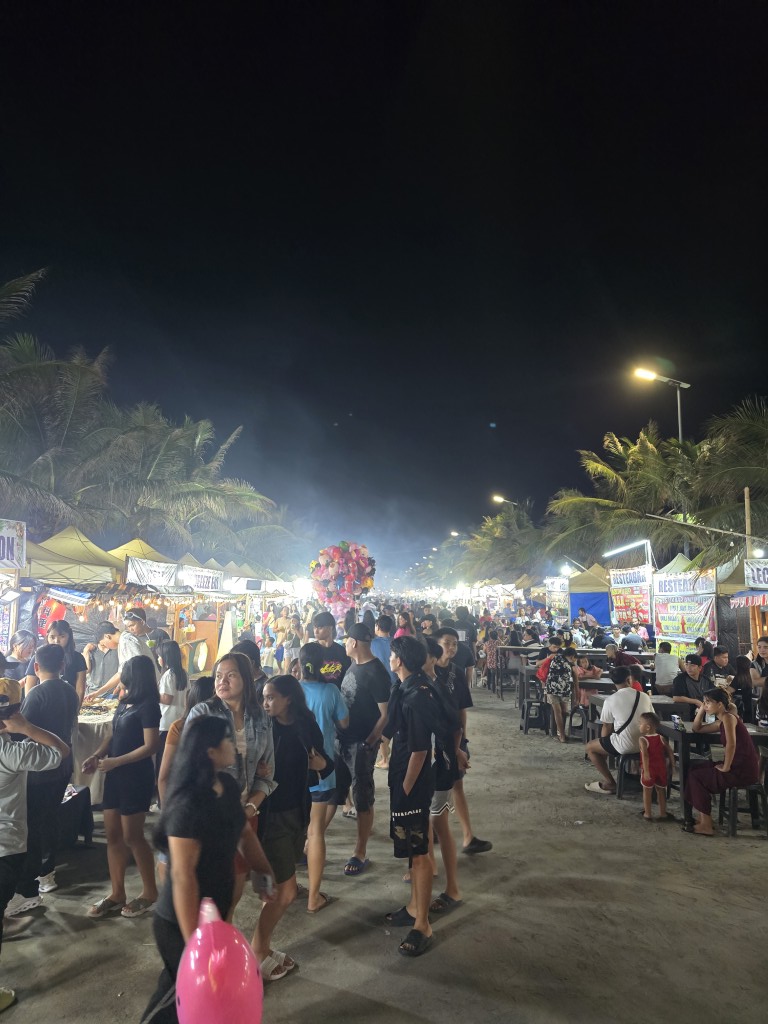
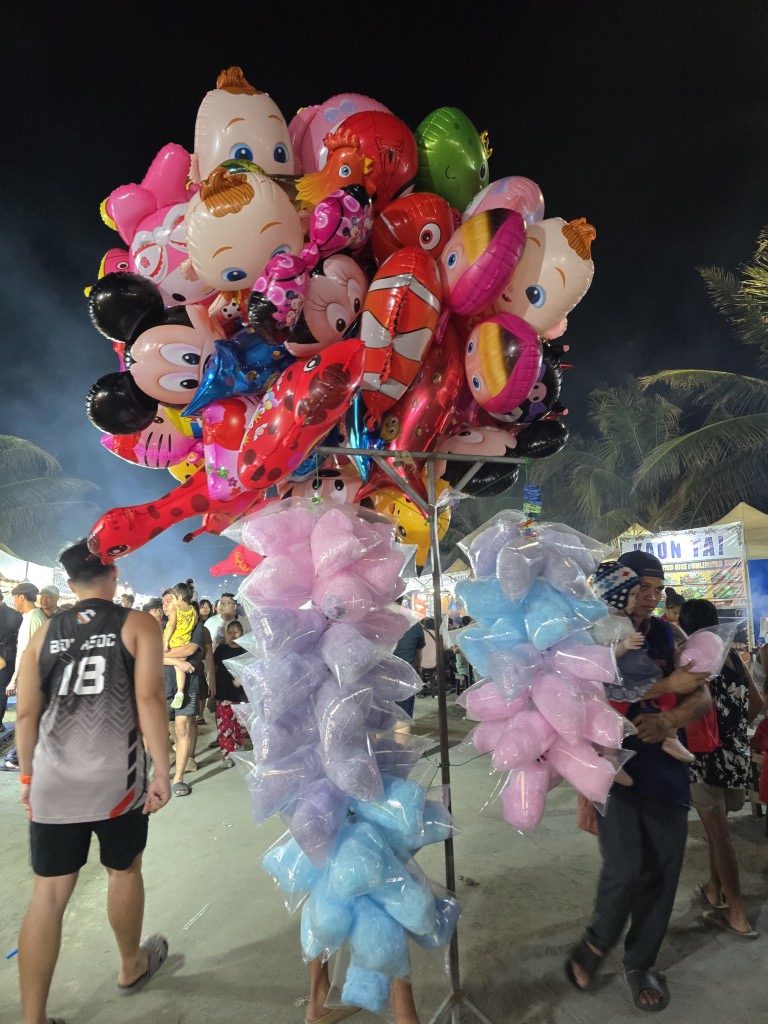
Night Food Market in Lingayen, Pangasinan.
Despite the overwhelming food options that were before us, Clark advised us that we would not be having a proper dinner yet, as he had the best for last and that we would take our dinner somewhere else. With that in mind, we just had some skewered street food and mango shake, to go.
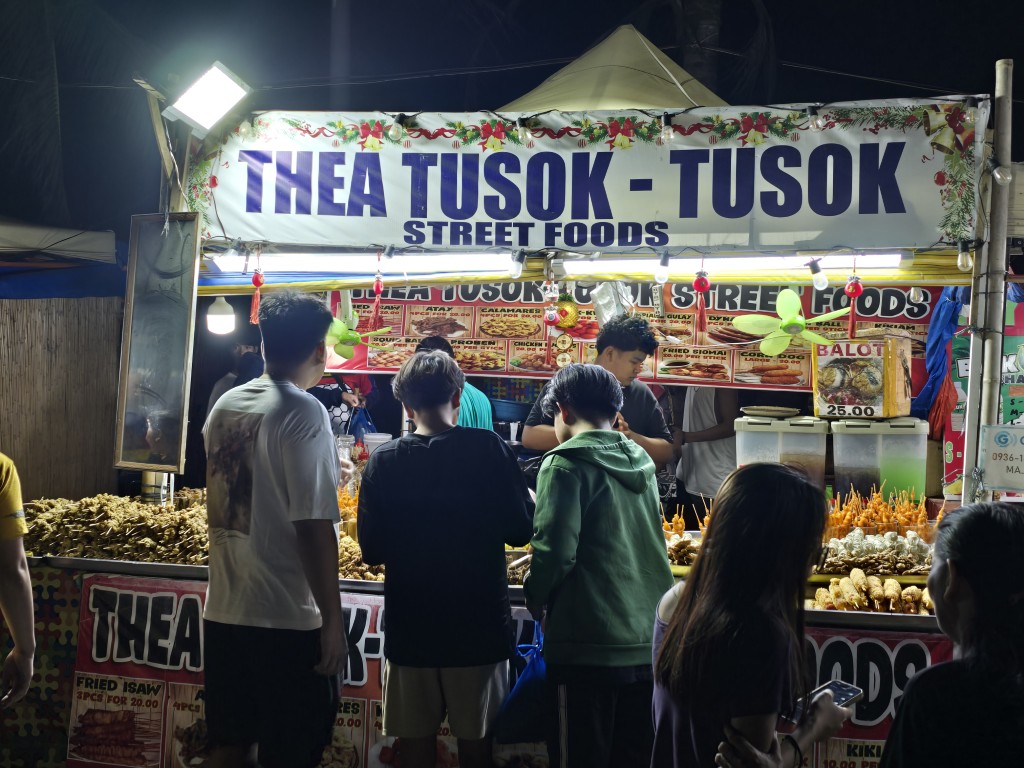
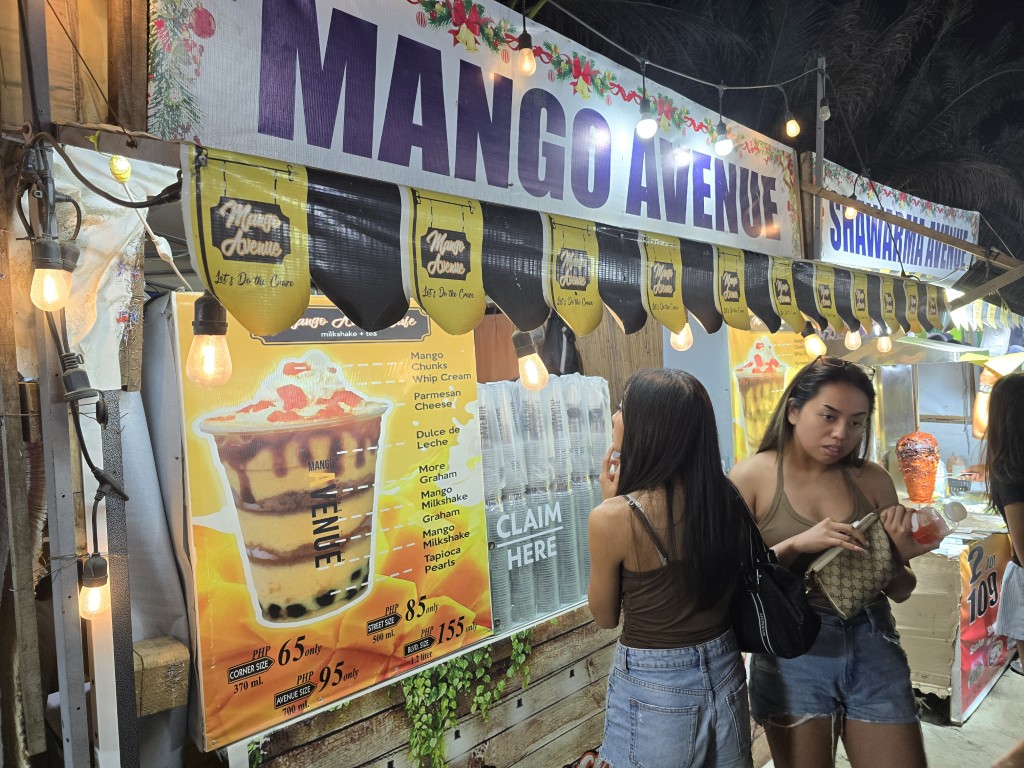
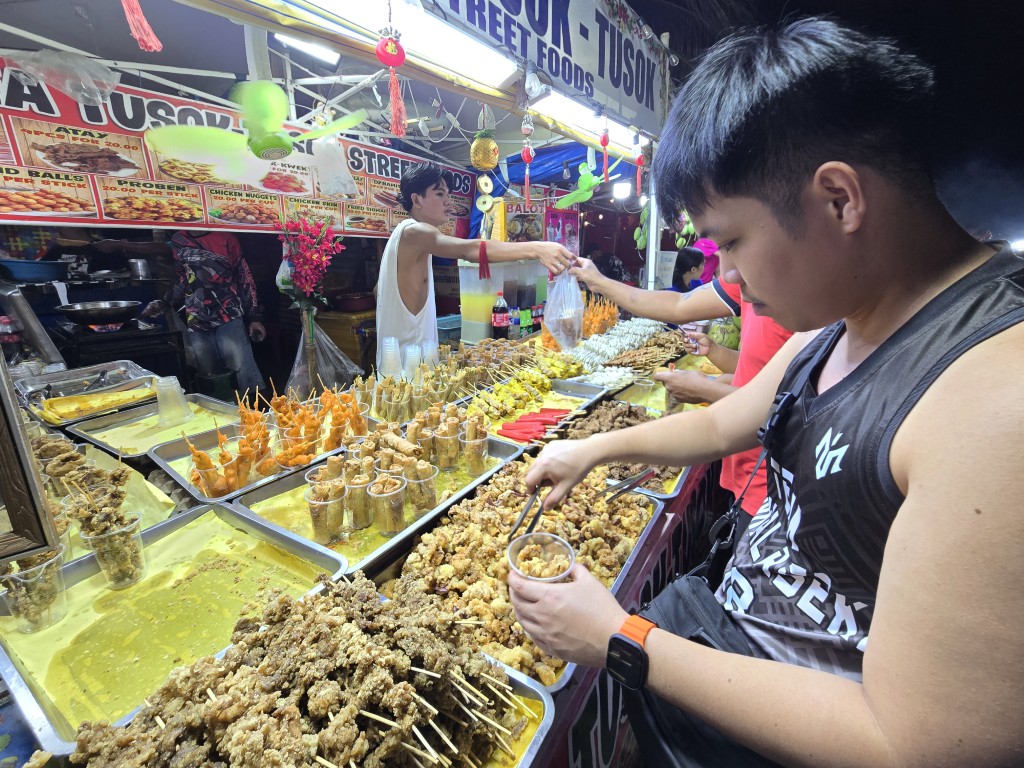
Enjoying some serving of street food on sticks and mango shake.
After buying our take aways, we headed back to the front grounds of the capitol where we parked the car. From there, we would be going to try a much celebrated dish in Pangasinan for dinner. That meal would be the cap of the night.
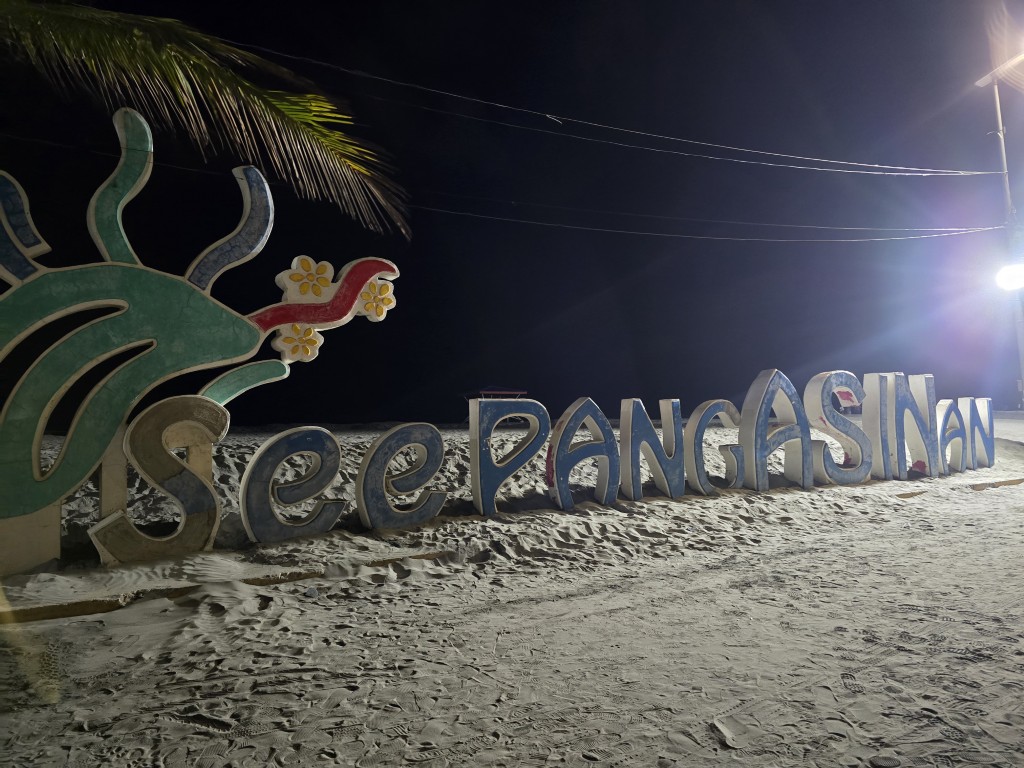
While it is true that we arrived late in Pangasinan which significantly lessened our ability to visit a lot of points of interest, it is fair to say that we were still able to make the most out of it. The late afternoon stroll in Daang Katutubo allowed us to appreciate the beauty of nature and the possibility of indigenous integration to modern society. The evening trip to the provincial capitol showed us a bit of history, tradition and culture all at play at the same time.
As we started to leave the capitol complex, the notion of the capitol bringing everything and everyone together all the more highlighted the inclusion of the Pangasinan Provincial Capitol among the most beautiful ones in the country. As the capitol stands near the shoreline as if guarding the gulf, it also stands as an edified sentinel that is looking over traditions, culture, human relations and history as they continue to nourish, flourish and unfold right under its shadows.


 Renegade Junctures
Leave a reply to renegadetraveller Cancel reply