
There was a highly personal reason that pushed our trip to Bicolandia.
Bicol Region is not only known for its mystically unique geography of volcanoes, mountains, falls and beaches. It is home to Naga City, dubbed as the Pilgrim City of the Philippines, the well-known abode of the purportedly miraculous 18th century image of Nuestra Señora de Peñafrancia. Annually, on the Sunday following 15 August, Naga City and the entire Bicol Region by extension becomes a festive haven for the Peñafrancia Festival where people from all walks of life and different parts of the country congregate to give honor and pay homage to the Blessed Virgin of Peñafrancia, the Ina and Queen of Bicolandia. Considered as the largest Marian festival in the Philippines, official reports from the City Government of Naga places the crowd estimate at 1.8 million devotees for the fluvial procession of the feast alone.
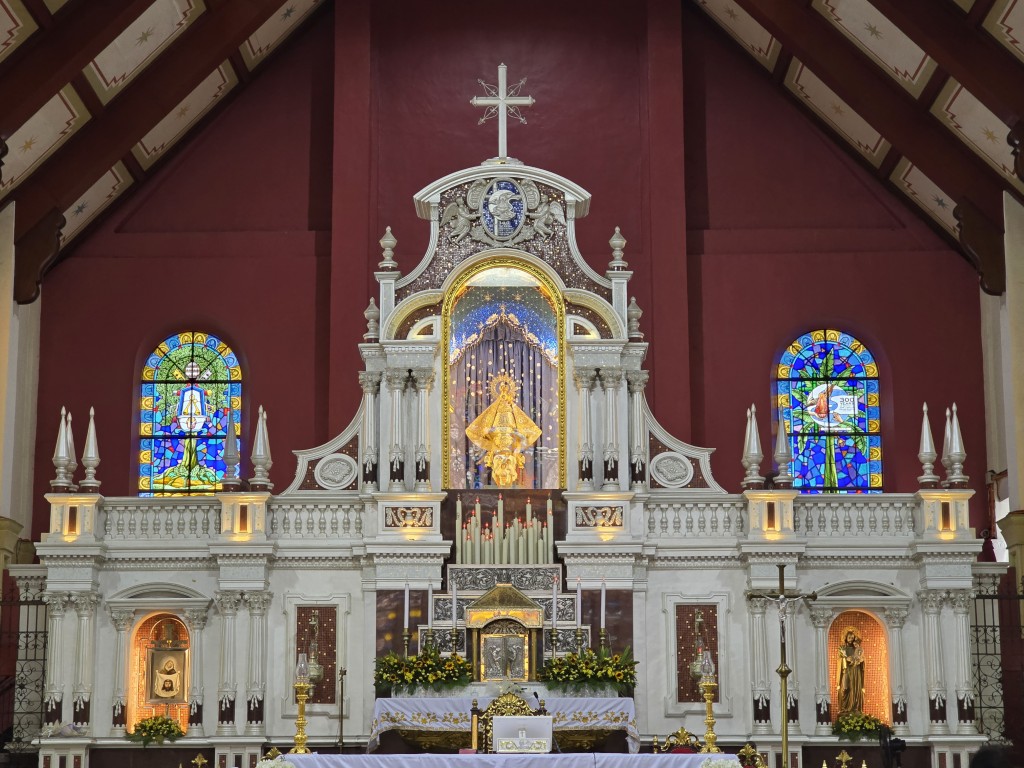
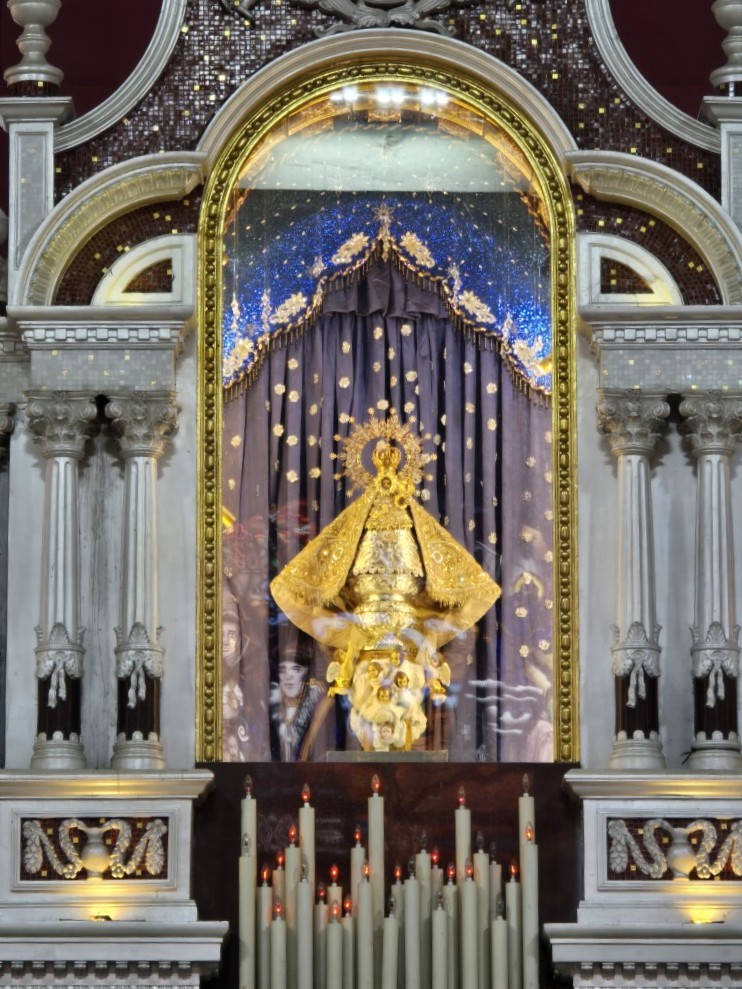
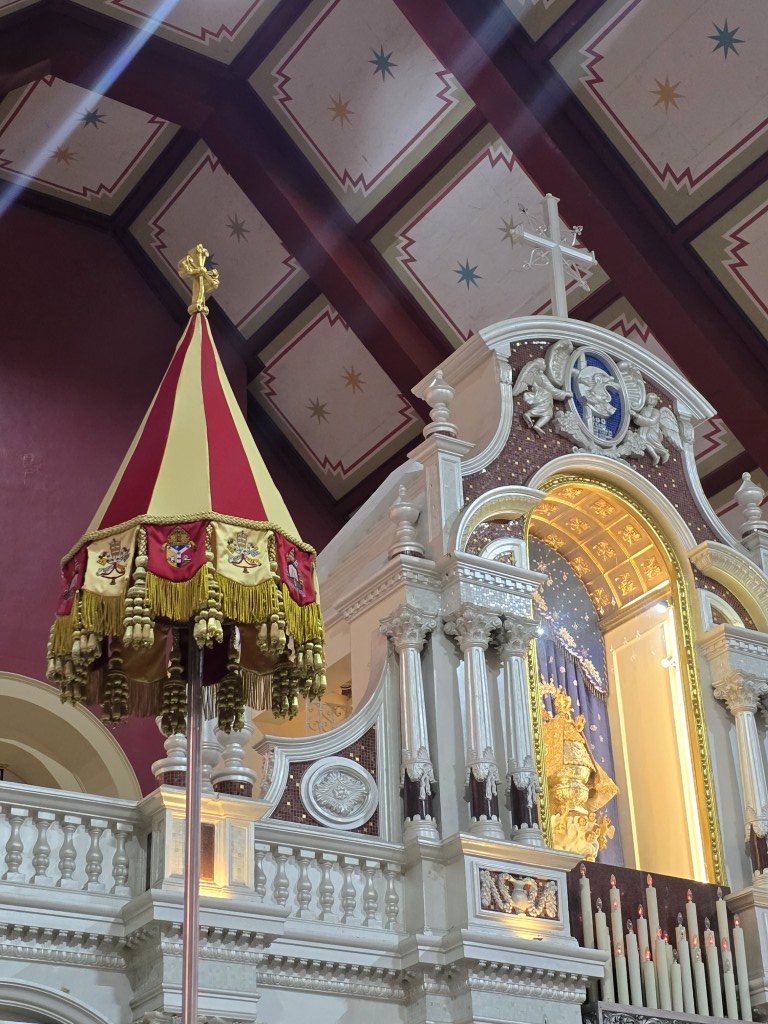
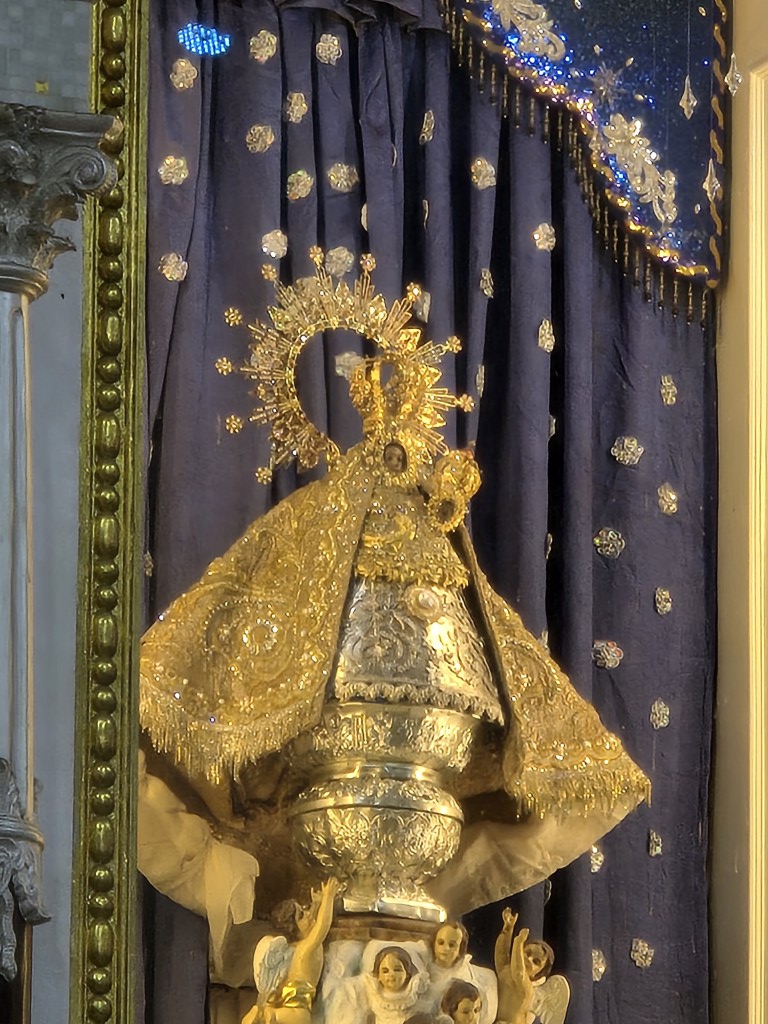
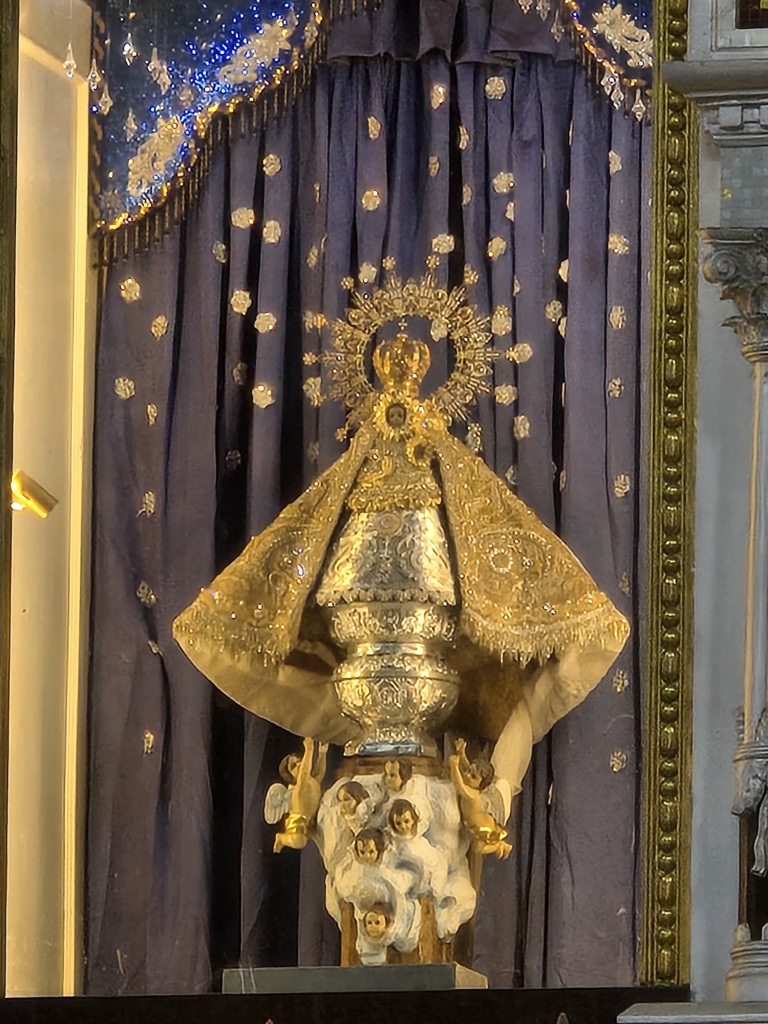
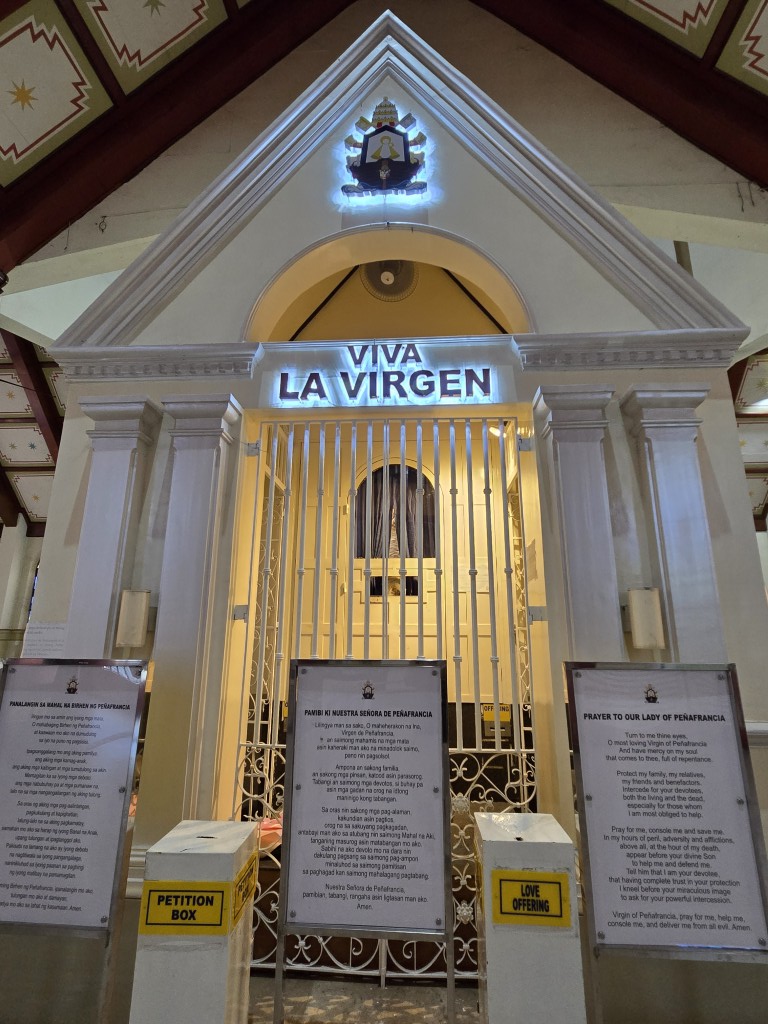
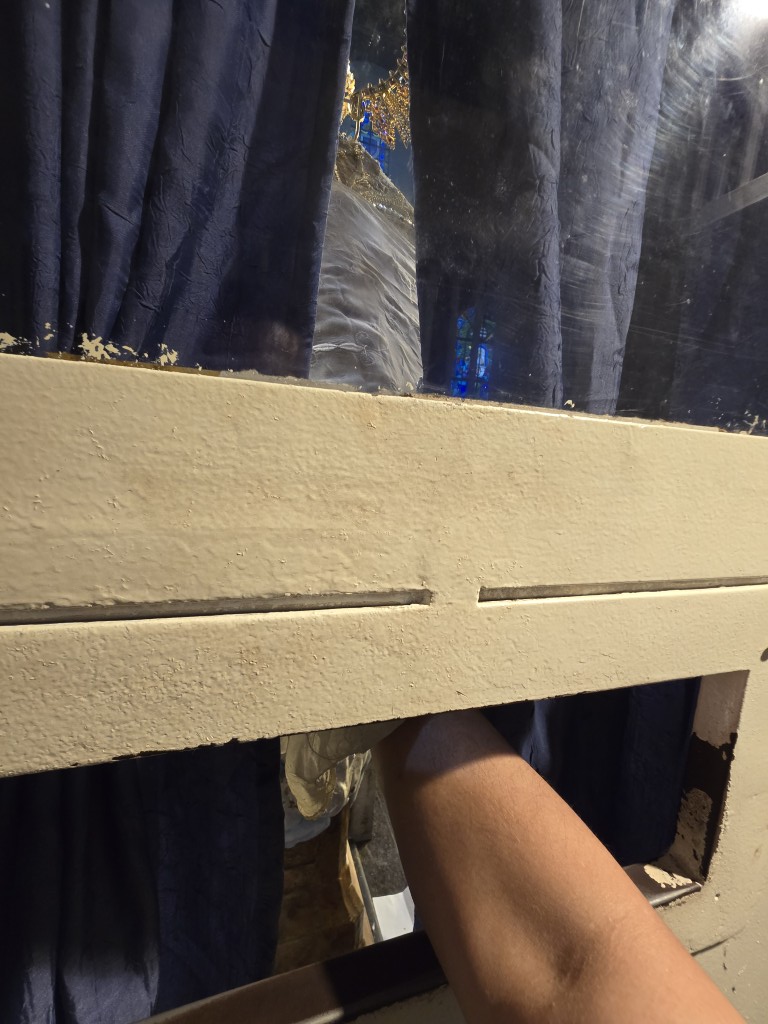
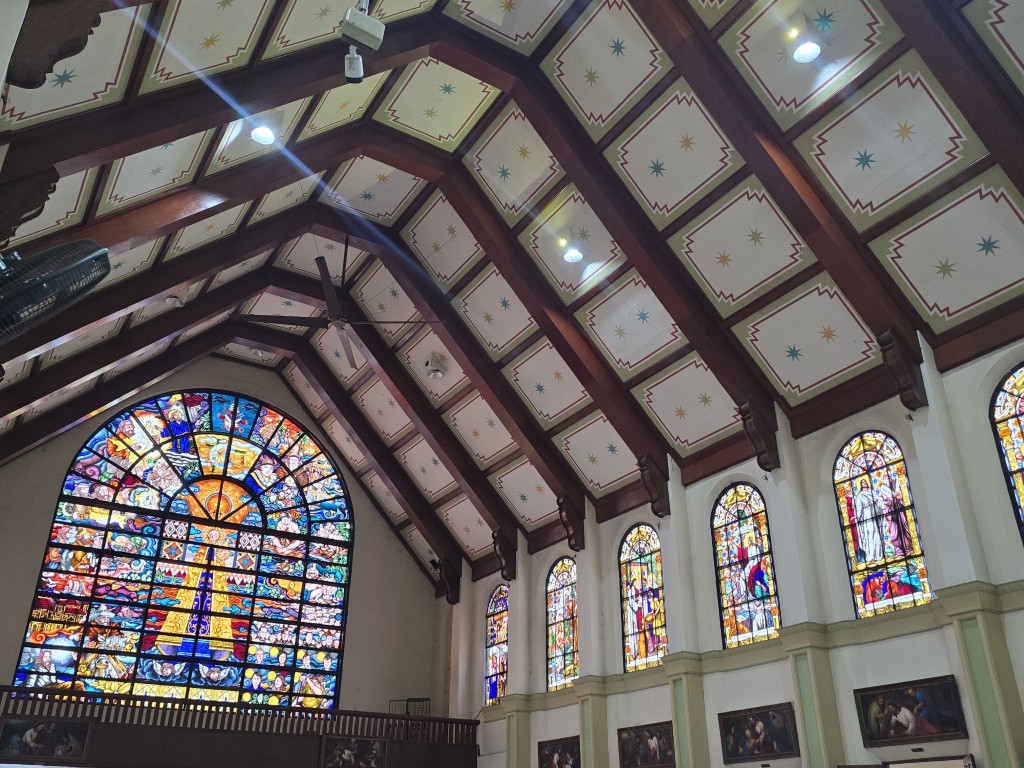
Photos taken in the Basilica Minore de Peñafrancia on a separate trip—May 2025.
The Feast of our Lady of Peñafrancia was the main reason why we went to Bicol. It was the eve of the feast of the Patrona del Bicol, Gran Madre de Dios, and we went to her dominion as pilgrims of faith. While we had no plan of staying for the festivities, our intention was pretty simple: hear the Holy Mass, say our prayers, give thanks for all that life has been, and gain some sense of renewed faith to God through Mary.
We left our accommodation in Caima just three minutes before midnight on our way to the Metropolitan Cathedral of Caceres in Naga City. Driving through the narrow roads of Caima in the dead of the night through cliffs and slopes was rather challenging, but we made it through safely nonetheless. The way to Naga City was likewise occasionally dark at some parts, but in less than an hour, the more we get nearer to the cathedral, the more it became brighter with the vibe transitioning from slumberous to festive mood.
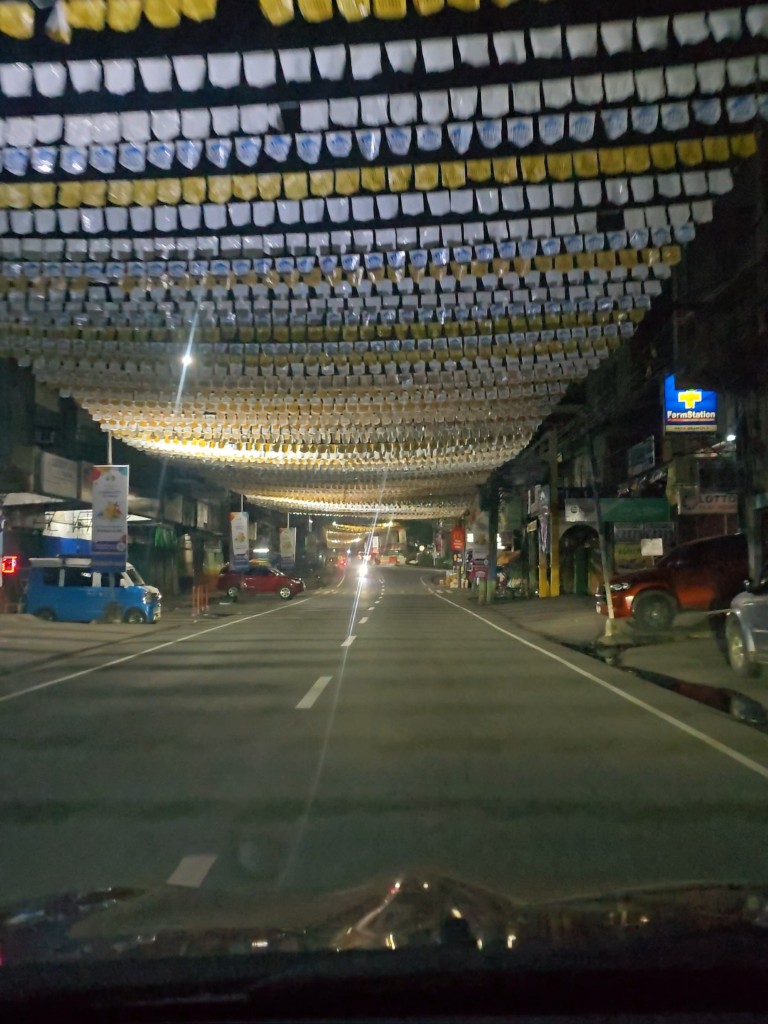
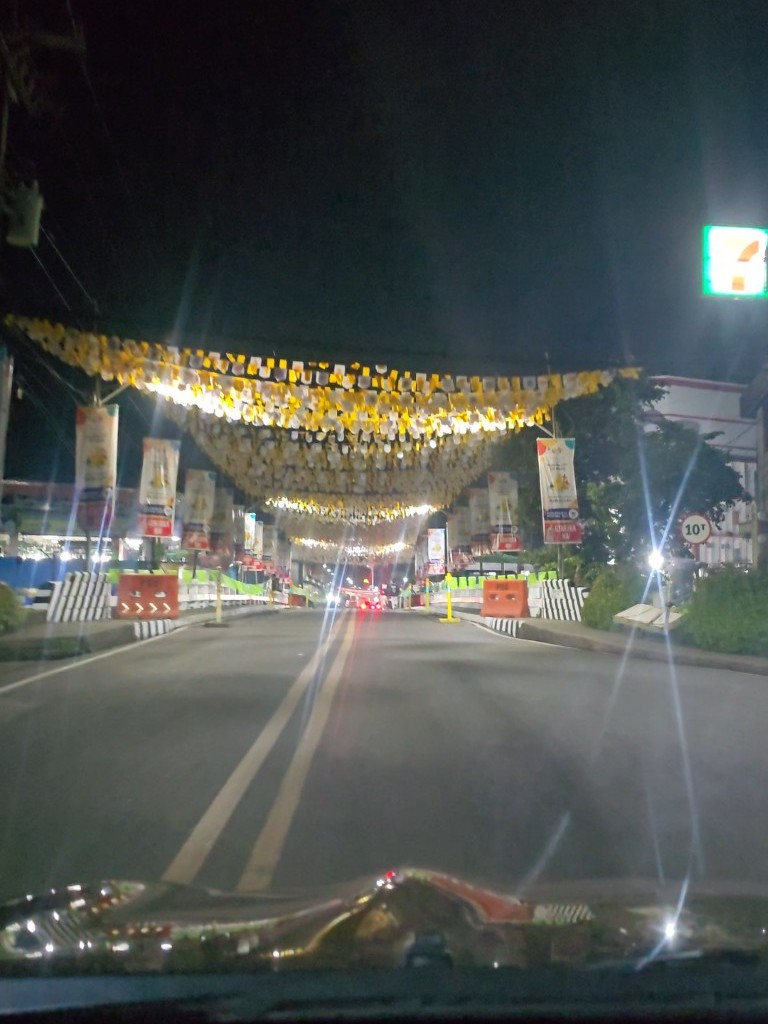
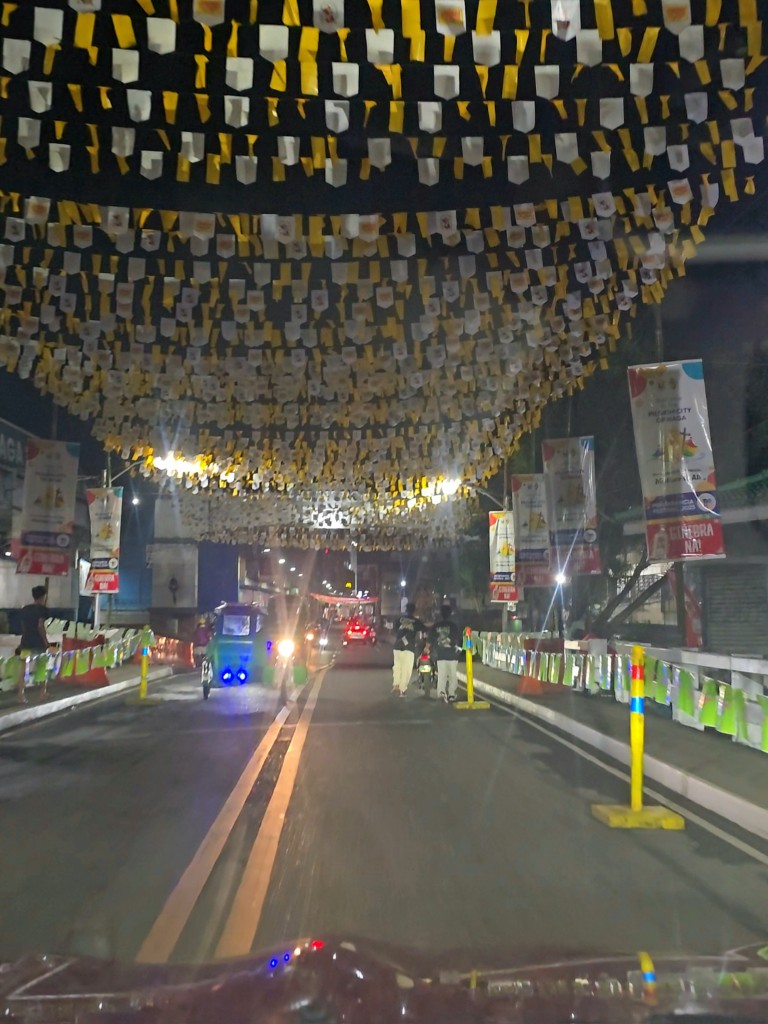
A night in the Pilgrim City of Naga.
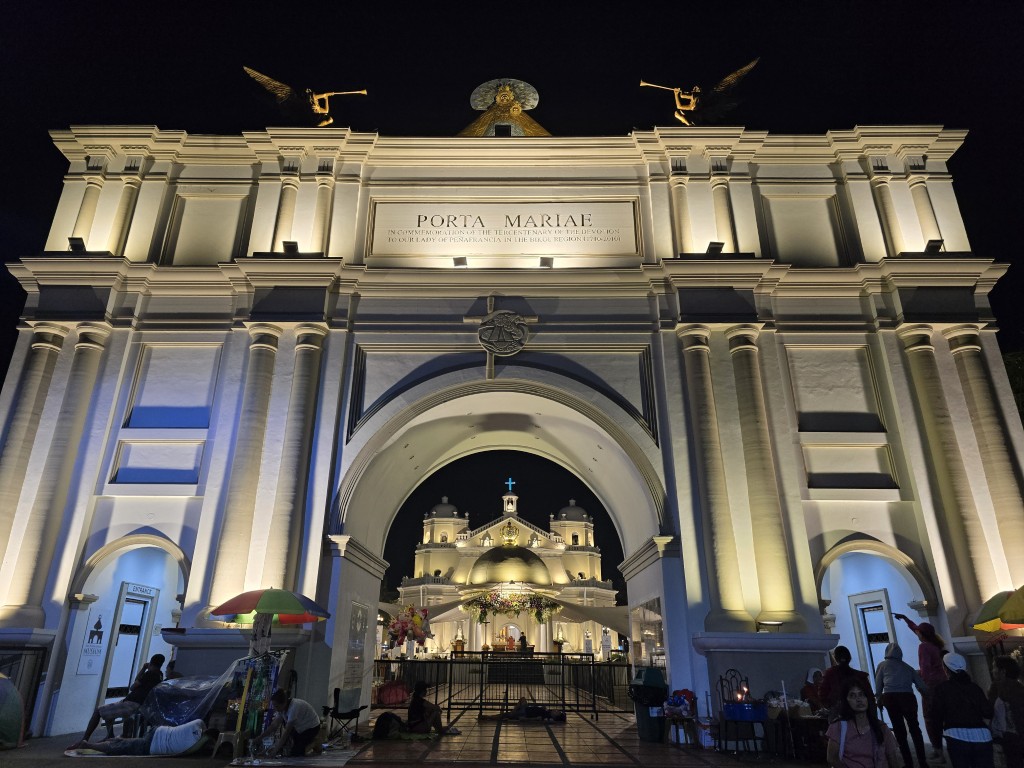
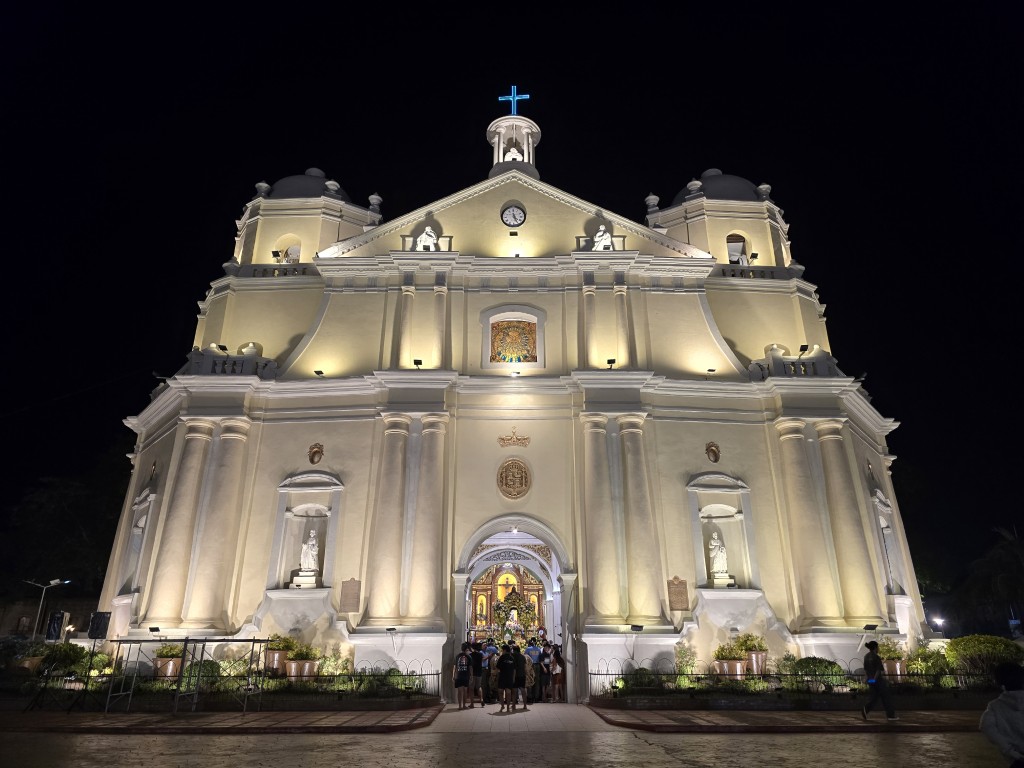
We reached the cathedral a little before 02:00 AM. As we moved closer to the church, the vibrant and festive atmosphere of the early morning streets started to transform to staid solemnity. It was way too early in the morning. It was not even dawn yet. Still, a lot of people have already filled the streets, the patio and the church itself, all full of faith and hope that their sacrifice of trading sleep for pilgrimage and prayer will merit enough that Ina will intercede for them.
We were hoping the same.
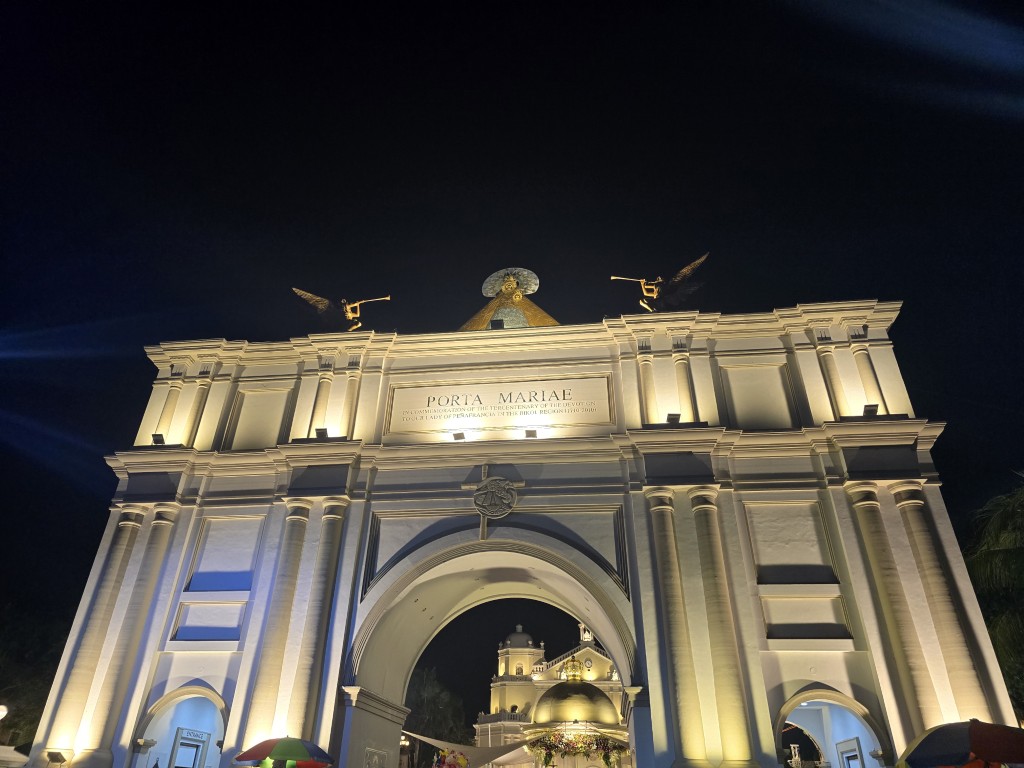
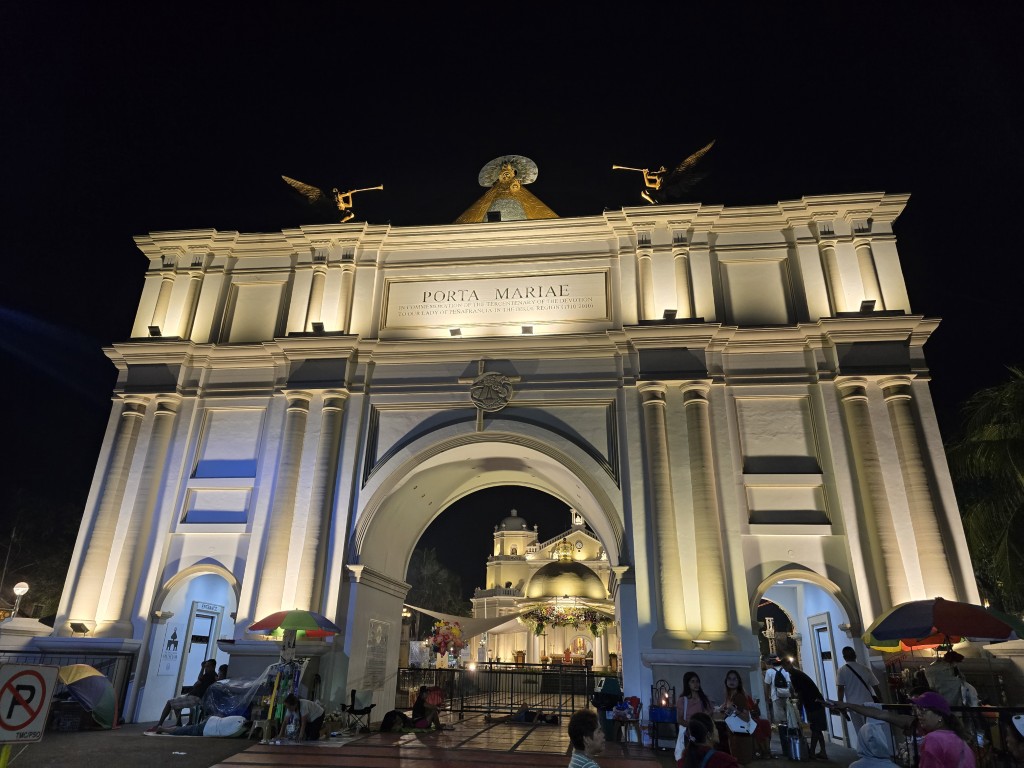
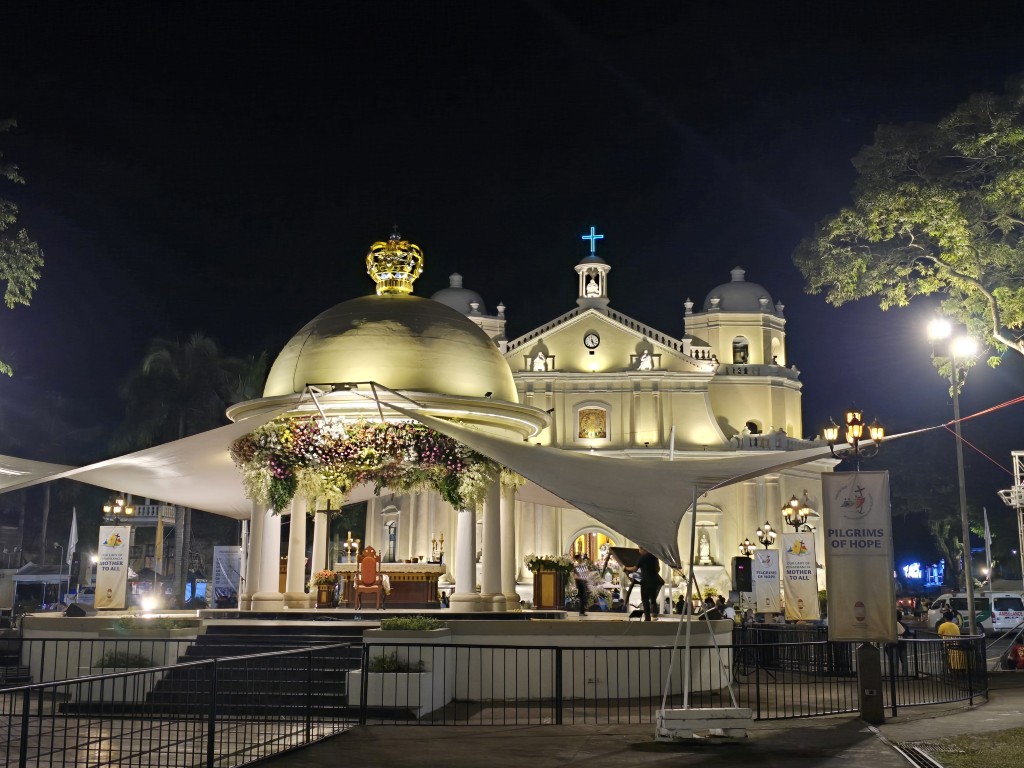
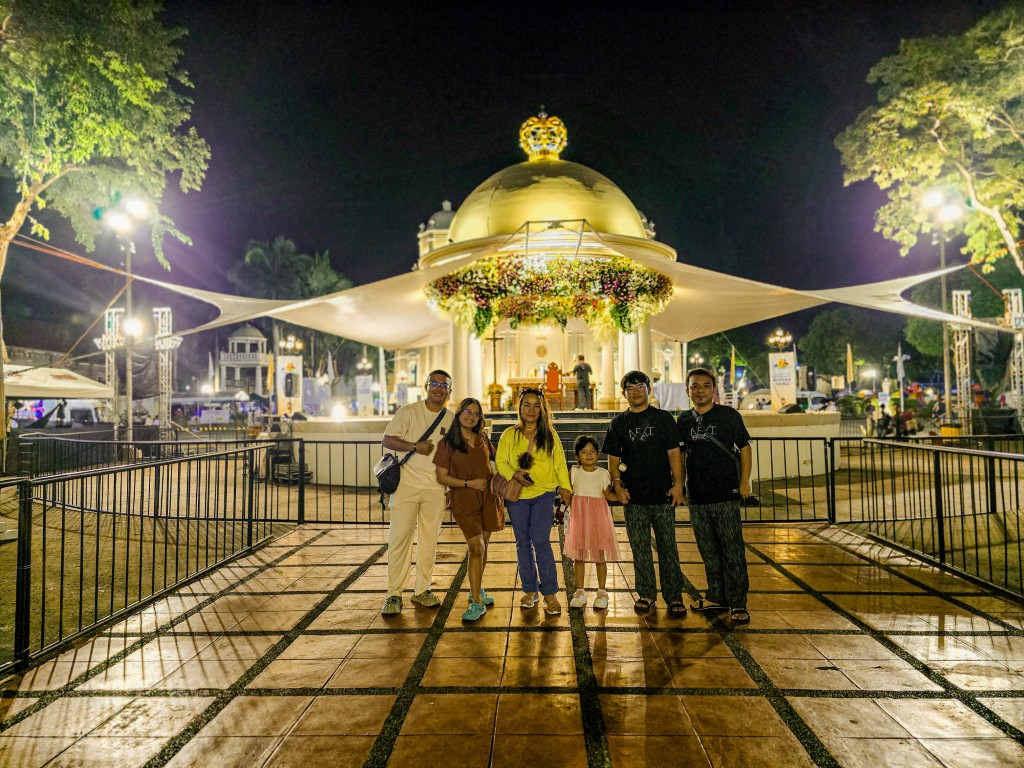
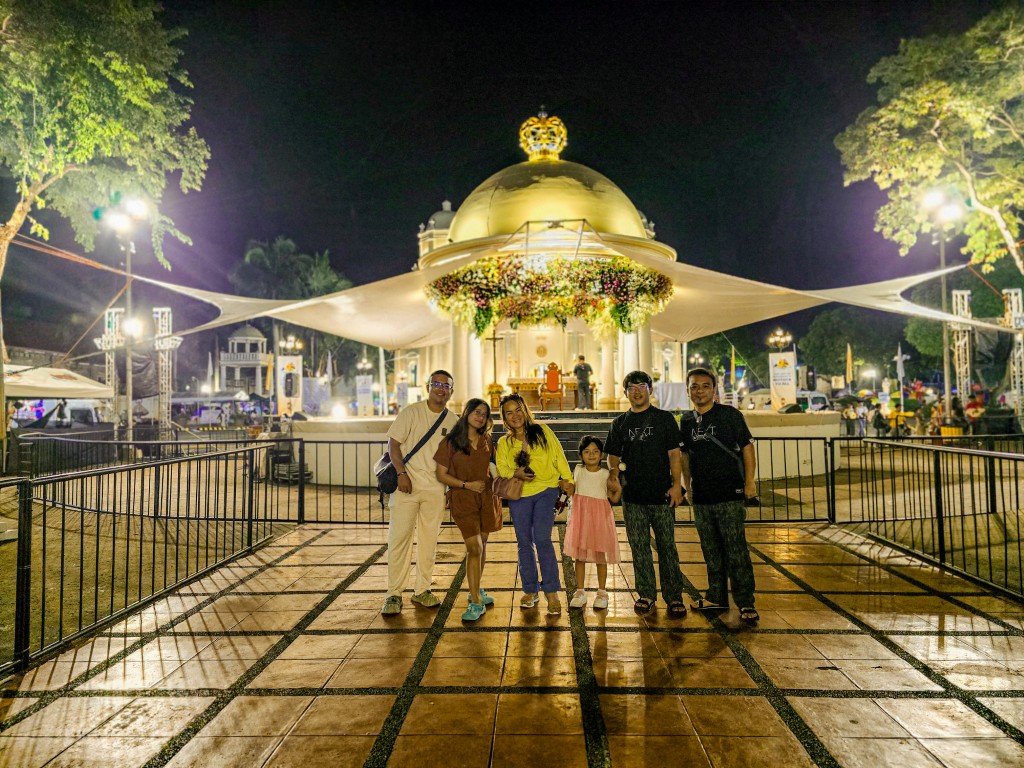
The Porta Mariae arch and the patio of the cathedral.
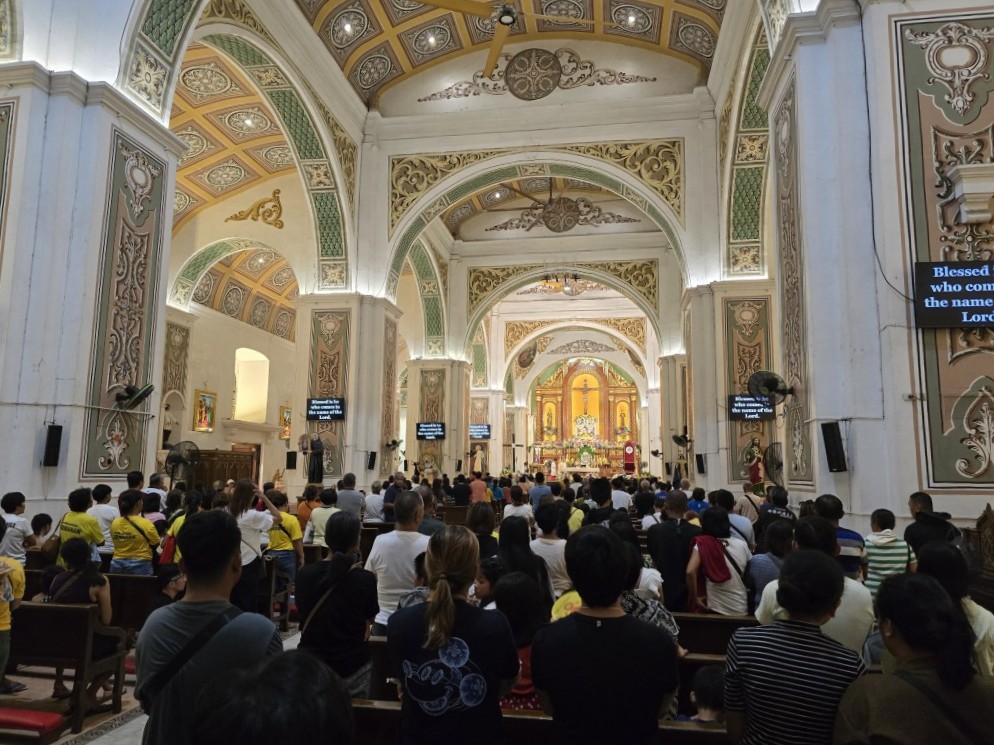
Thankfully, there was a Holy Mass that just started when we got into the church, and it was in Filipino. The church was packed but the the atmosphere of reverence was not diminished a bit. Given the time of day, it could only mean one thing: the crowd was driven by genuine devotion and faith.
We did not leave immediately after the Mass and were still able to witness the local police setting up the rope for the carriage or andas of the image of Our Lady for the dawn penitential procession. It is a long-standing tradition that the Philippine National Police serves as marshals to the image of Ina as it goes out for procession, which in a way is an extension of their motto to serve and protect. With throngs of people going on pilgrimage to express devotion, police visibility is a paramount must.
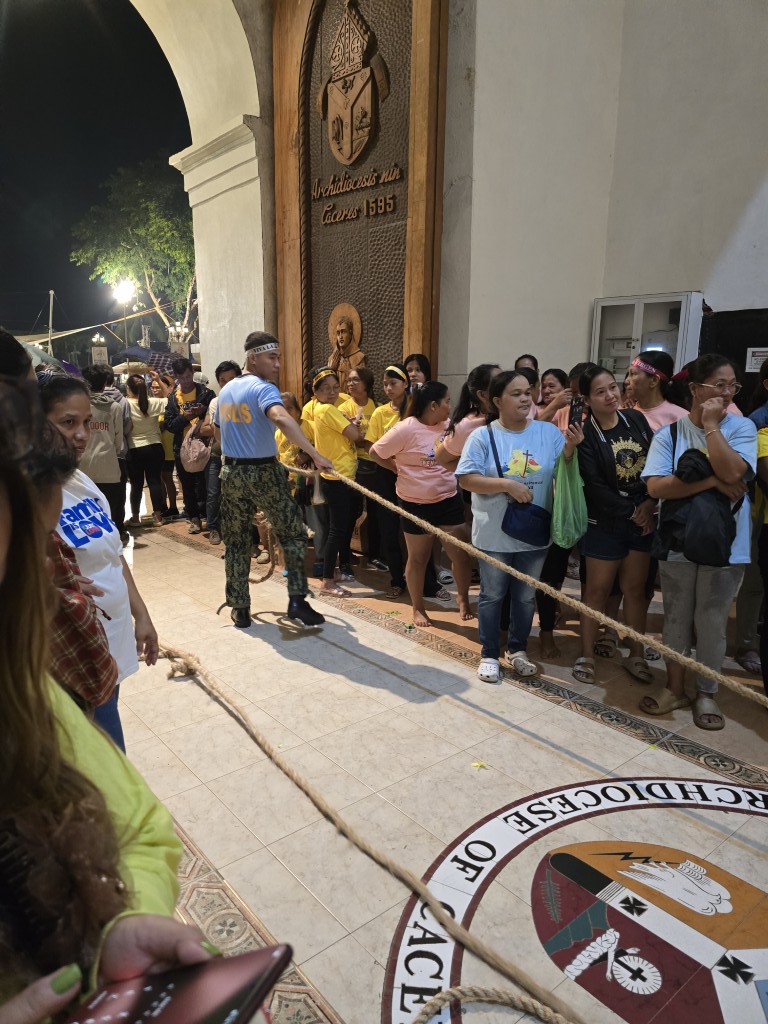
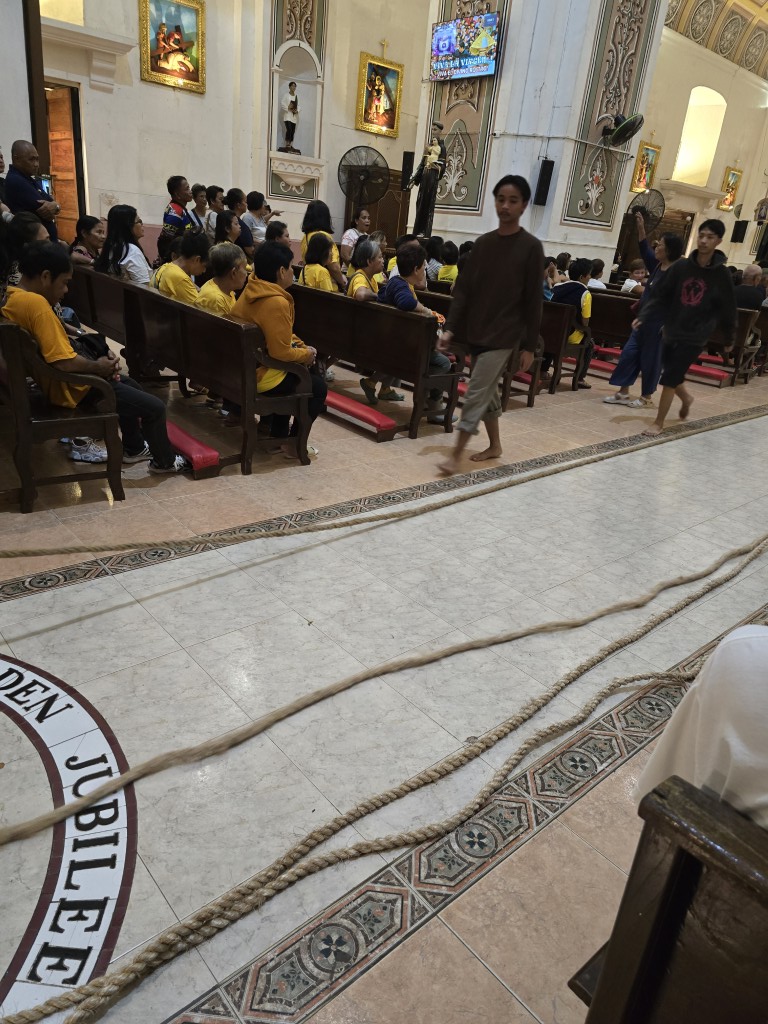
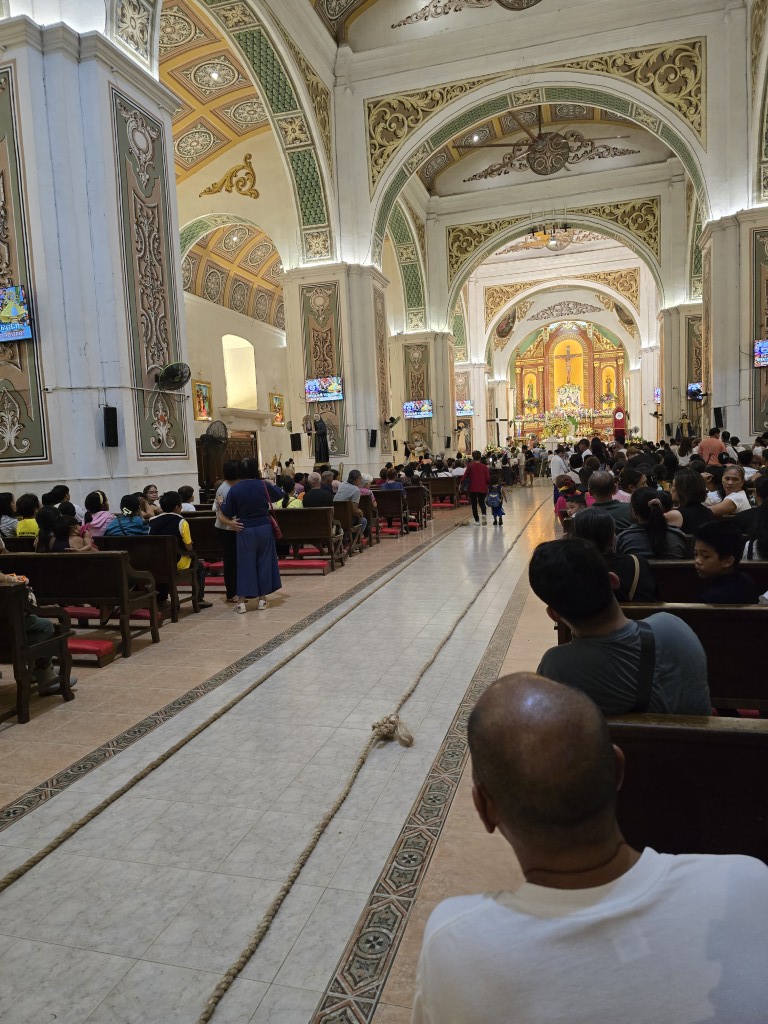
The local PNP setting up the rope for the andas of Ina.
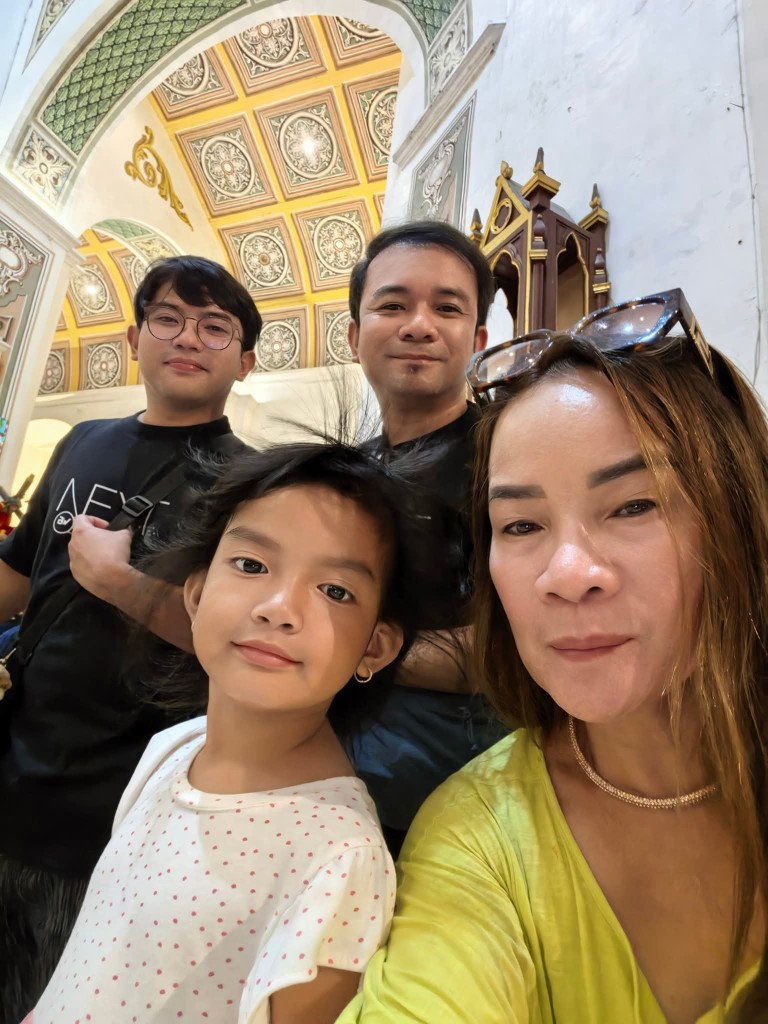
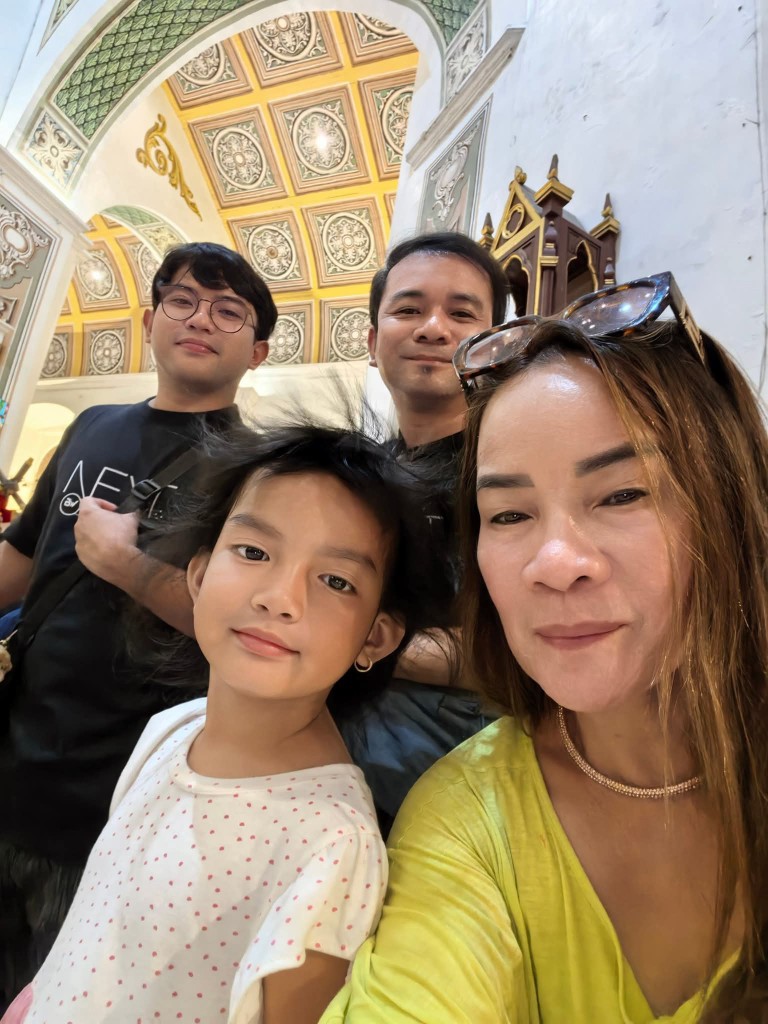
Mama, Riyan, and me taking a groufie after the Mass.
We did not stay long enough to witness the dawn penitential procession as our next early morning destination would still be around four hours from Naga City. We did not rush though. Going back out to the patio, we bought some souvenir ribbons that are usually worn by pilgrims who join the festivities. We wore the ribbons and took photos—a wonderful moment to capture where our family is united in faith and devotion in a place far away from home, at a night so unique that even the darkness felt warm and welcoming, embracing us as we stood together: grateful, humbled, and aware that our journey had given us more than just a destination, but a blessing we would carry home.
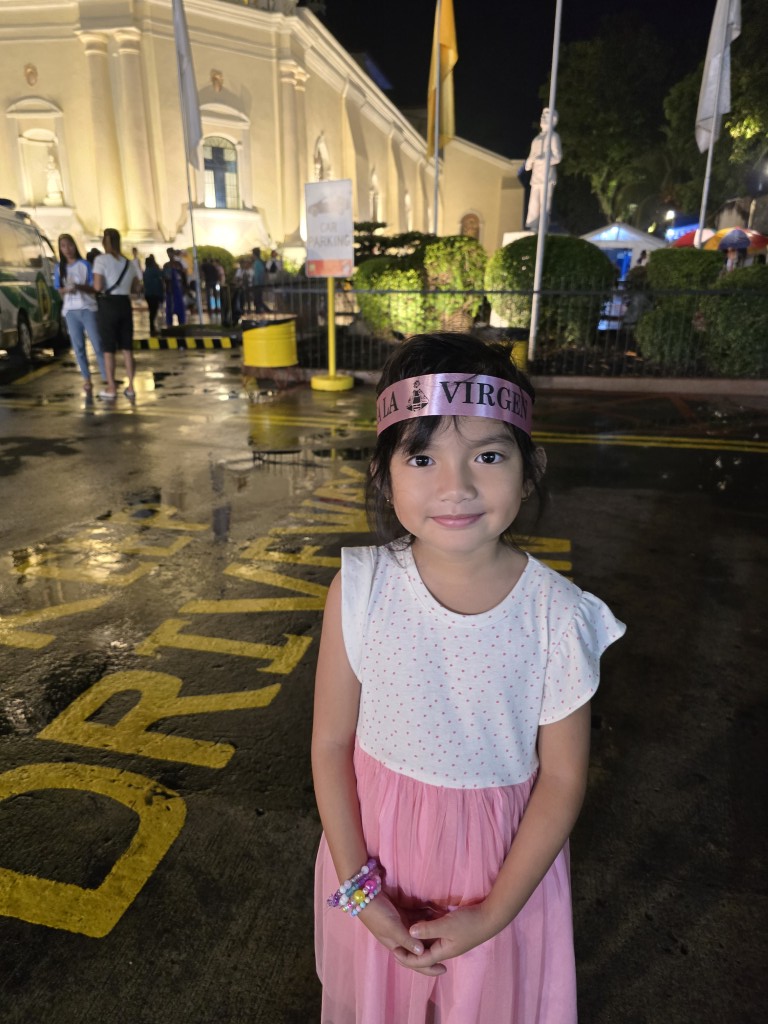
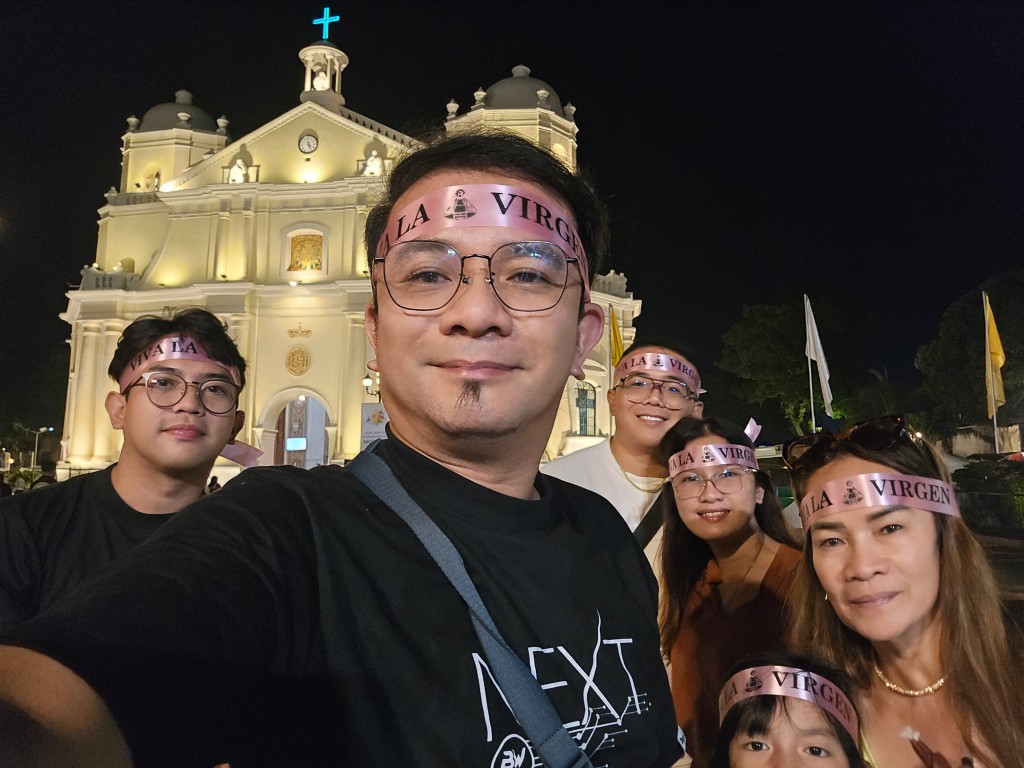
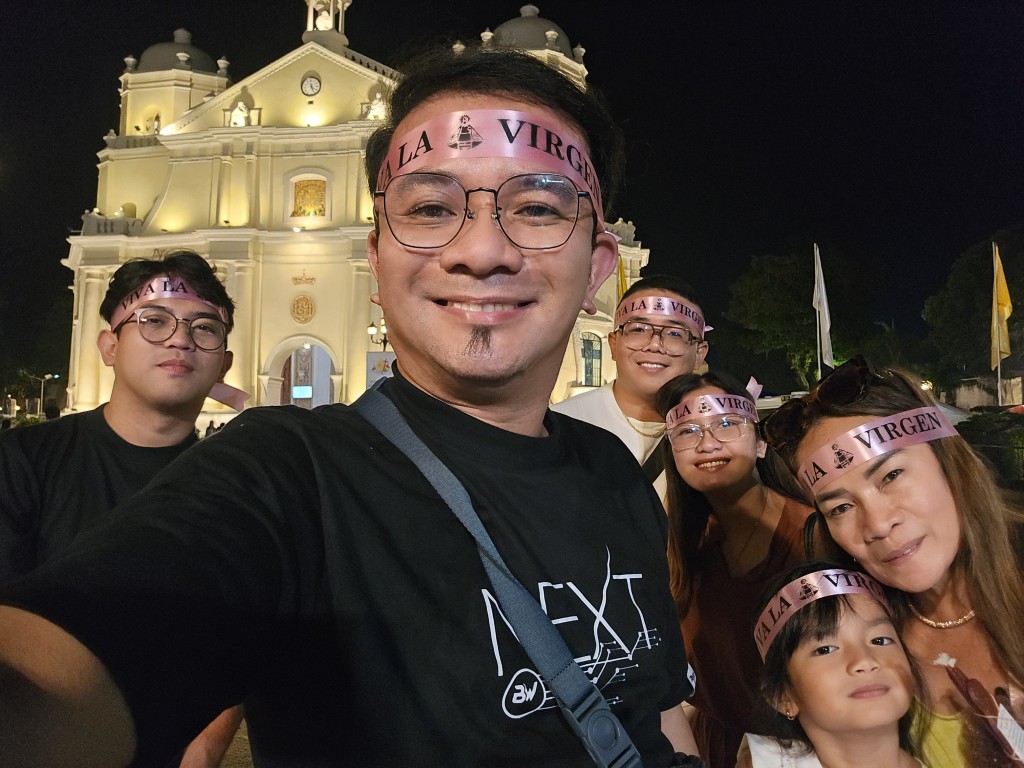
Se siempre La Reina—Viva La Virgen!
Dagos ako bangon si sakuyang mata iminuklat
Potenciano Gregorio, Sarung Banggi, 1910
Kaidtong kadikluman ako nangalagkalag
Si sakong paghiling pasiring sa itaas
Simong lawog nahiling ko maliwanag
Sarung Banggi is a popular Bicolano folk song. Every Bicolano, in one way or the other, would have been initiated with its catchy tune. The lyrics of the song speak of a man who one night thought he heard a bird’s cry, only to realize that what he heard was the familiar voice of his special one. The song goes ahead in saying that when he rose from lying down and looked up, he saw the bright countenance of his beloved.
As I rose, my waking eyes unfolded,
Potenciano Gregorio, Sarung Banggi in English
And through the darkness I wandered alone.
But when my gaze lifted toward the heavens,
There shone your face—radiant, aglow.
Sarung banggi. One night. Just one night in the presence of the image of Our Lady of Peñafrancia was all it needed to confirm her maternal embrace and her indubitable role in the blessings that our family continuously receives. We just needed sarung banggi to feel the presence of the Blessed Mother looking down on us—on all of us—who in turn are looking up above in a gaze seeking the radiance of the countenance of the divine.


 Renegade Junctures
Leave a comment