
We arrived in Laguindingan, Misamis Oriental at around 06:00 AM. It was around 10:00 AM when we finished our museum viewing in Cagayan de Oro. We had been to four stops including the Divine Mercy Shrine and the CDO Cathedral and it had been four hours already but we did not notice the passing of time. On our first day in Northern Mindanao during the first four hours, we already felt living the experience.
From the water tank museum, we just crossed the street and walked through Gaston Park, the main plaza of the city. Named after former Cagayan de Oro Mayor Segundo Gaston, the park has served as the plaza of Cagayan de Misamis as early as the 17th Century. It was the location of the Battle of Cagayan de Misamis in 1900 where Filipino forces attempted a surprise attack against the 40th Infantry Regiment of the United States of America. The attack was foiled and the Filipino soldiers were forced to retreat, but the battle is considered as a turning point in the quest of self-determination and freedom.


Gaston Park with the historical marker of the Battle of Cagayan de Misamis.
Apart from the historical marker immortalizing the Battle of Cagayan de Misamis, a wall in the park also caught our attention. It turned out to be the memorial wall built in memory of those who perished during the onslaught of Tropical Storm Sendong in 2011. Roughly around 1,268 lives were lost because of that typhoon.

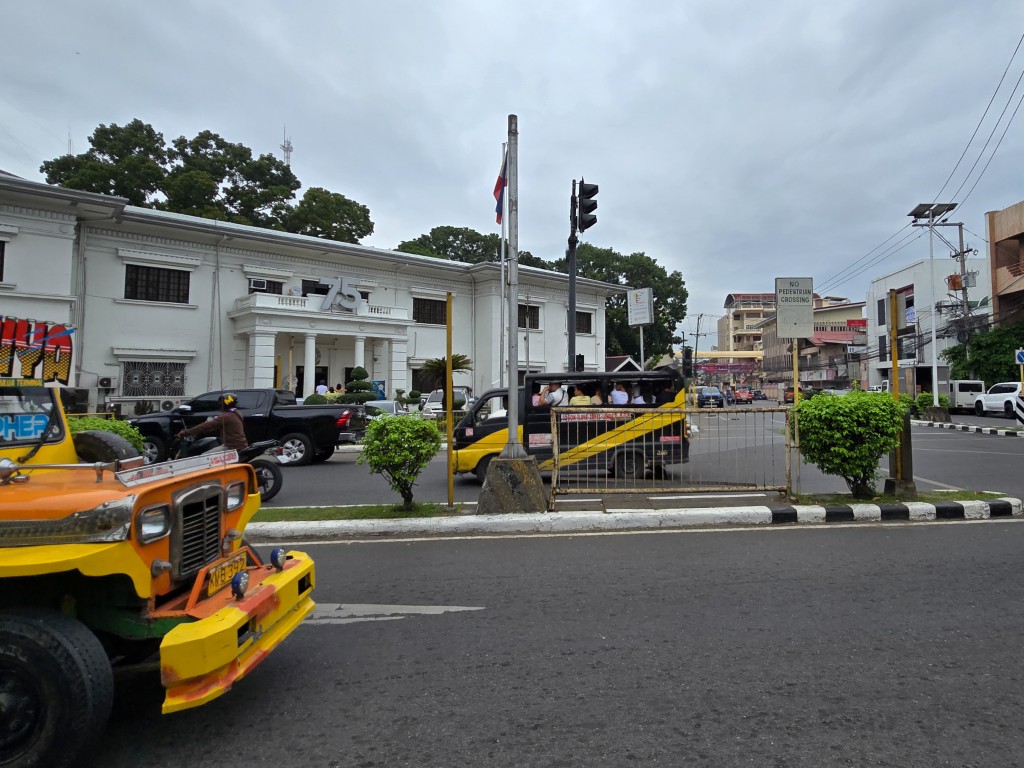
A little walk from the Gaston Park stands the City Hall of Cagayan de Oro. Since it was a Monday, we already anticipated that the government office would be busy. We just took photos of the building from across the road as we walk through the streets of the City of Golden Friendship.


City Hall of Cagayan de Oro.
We just continued walking through the sidewalks until we reached a gated park just before the Ysalina Bridge, the first bridge constructed in Cagayan de Oro. The signage at the gate read Duaw Kagayan Park. Duaw means to visit in Cebuano which is the lingua franca of the city. The park seemed empty, but our curiosity got the better of us, hence we went past through the gate and explored.


The gated entrance of Duaw Kagayan Park.


The verdant shades that welcome visitors in Duaw Kagayan.
Duaw Kagayan Park was built in 1987, funded by Cagayanons who returned to the city after fleeing from the Marcos dictatorship. The park enclosure is shaded by canopies of trees by the entrance, which leads to an open space facing the Cagayan de Oro River. On a prominent part of the landscaped area stands an image of the Nuestra Señora del Santisimo Rosario de Cagayan de Oro. There were also gigantic papier-mâché images of three icons of faith of the city: St. Augustine, his mother St. Monica, and the Birhen sa Cotta. There were also food stalls when we arrived but they were still closed for the day.


The image of the Birhen sa Cotta with the papier-mâché statues of the icons of faith of CDO.

The Duaw Kagayan Park would be our last stop in downtown CDO before we carried on our way exploring Norther Mindanao during our first day in the region. Looking back, the time we spent in downtown Cagayan de Oro was the longest time we spent exploring any town center. Points of interest were just within walking distance from one another, and given the busy road network, walking was the best option for us which gave us more time appreciating the city that was once just something that we hear in the news or in textbooks.
We enjoyed our walk in the city center, not only because of the convenience of the proximity of points of interest or the cool weather when we were there. Cagayan de Oro would not be called the City of Golden Friendship for nothing. From the attendant in the parking area to the museum staff, no one failed to offer a gentle smile that added warmth to the hospitality that the city is known to offer. Those tiny acts of warmth and kindness of the Cayaganon alleviated our tired bodies from the sleepless night prior our flight, making us recharged as we looked forward to exploring more of the northern region of Mindanao.


Leave a Reply